A drug previously developed at UCLA to help heart tissue repair itself after a heart attack might also help kidney tissue repair and regenerate, researchers have found.
Heart tissue repair drug may also help repair and regenerate damaged kidney tissues
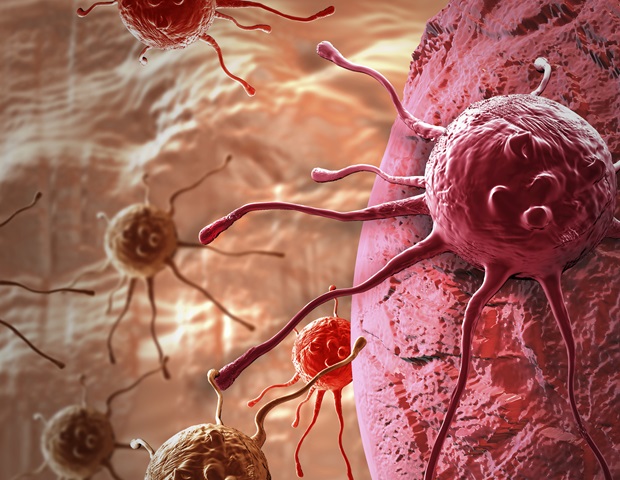
Cancer cells are remarkably good at adapting to stress. When treatments damage them, they often find new ways to survive, fueling drug resistance and disease progression.
New study uncovers how prostate cancer cells evade treatment
Researchers at the University of Houston's College of Pharmacy have discovered an unexpected simple strategy to improve the performance of mRNA vaccines and gene therapeutics: adding salt.
Salt-loaded nanoparticles help deliver fragile gene therapies into cells
JMIR Publications released two feature stories in its News and Perspectives section. Shalini Kathuria Narang's "Can Humanlike Reasoning Be Replicated in Large Language Models for Clinical Decision-Making?" and Sara Novak's "How Health Care Workers Can Manage Digital Fatigue" offer complementary looks into the capabilities of artificial intelligence in diagnostics, and the real-world exhaustion faced by medical professionals managing digital systems.
JMIR articles address AI clinical decision-making and health care worker burnout
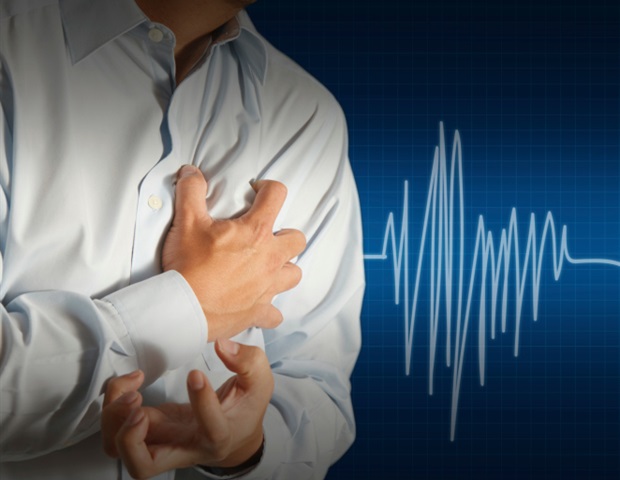
A new study published in Engineering has uncovered a regulatory mechanism linking lysosomal function to mitochondrial stability in pathological cardiac hypertrophy, identifying transient receptor potential mucolipin 1 (TRPML1) as a key protective factor against the progression to heart failure.
Lysosomal protein stabilizes mitochondria to prevent severe heart failure
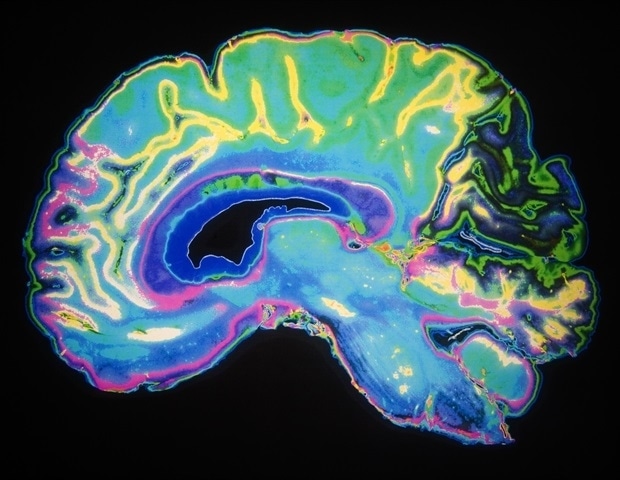
UC San Francisco researchers have developed a new form of deep brain stimulation (DBS) that adjusts in real time as a person walks, helping improve gait and reduce falls in people with Parkinson's disease.
Real-time brain stimulation improves gait for Parkinson's patients
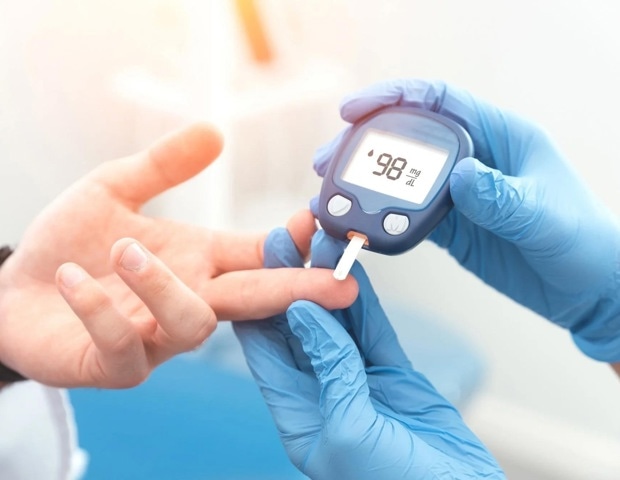
Tirzepatide doesn't just help people lose weight; it also activates brown adipose tissue, representing a major milestone in obesity research, according to a study being presented Monday at ENDO 2026, the Endocrine Society's annual meeting in Chicago, Ill.
Tirzepatide activates calorie-burning brown fat to combat obesity
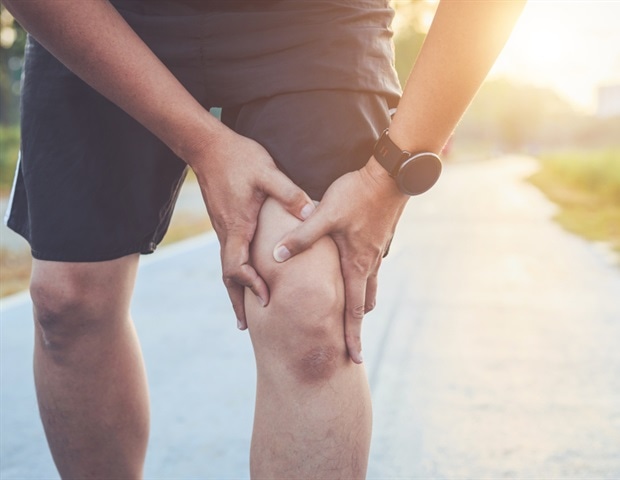
Embolization of abnormal blood vessels using rapidly resorbable gelatin-based microspheres is safe and provides significant, lasting pain relief and functional improvement for patients with osteoarthritis-related knee pain, according to a new study published today in Radiology, a journal of the Radiological Society of North America (RSNA).
Novel embolization technique reduces pain from knee osteoarthritis
After identifying significant differences in stroke care and outcomes for patients on different Medicare plans, a UVA Health doctor is launching an ambitious effort to better understand the sources of those differences and ensure patients get the best care possible.
UVA neurologist investigates Medicare policy effects on stroke patients
Researchers at the Purdue Institute for Cancer Research (PICR) have developed a next-generation technology platform designed to dramatically accelerate one of the slowest and most challenging stages of cancer drug discovery: identifying promising compounds that could eventually become new therapies.
Purdue develops next-generation platform to accelerate cancer drug discovery
Announcing a new article publication in BIO Integration. Insulin resistance (IR) and chronic kidney disease (CKD) are independent risk factors for cardiovascular disease (CVD).
New biological ratio effectively predicts cardiovascular risk
Unlike cigarettes or alcohol, cannabis products often come packaged as colorful gummies, chocolates, candies and snacks that can look remarkably similar to items found in a grocery store aisle.
Study shows branding on cannabis products appeals to youth
It's a mystery. The eye disease known as retinopathy of prematurity (ROP) can make infants permanently blind if they are not treated. But there are big differences between how often Norwegian hospitals actually provide this treatment.
Doctors find unexpected regional differences in retinopathy of prematurity in Norway
A study conducted at the University of Jyväskylä, Finland, was the first to investigate the effects of prebiotic xylo-oligosaccharides (XOS) on fatty liver in humans.
Prebiotic fiber supplement reduces harmful gut metabolites and improves liver health
A new study published in Engineering has combined machine learning (ML) and experimental validation to identify dihydromyricetin (DHM), a natural flavonoid, as a potent inhibitor of the TGF-β/ALK5 signaling cascade with therapeutic potential for idiopathic pulmonary fibrosis (IPF).
Machine learning identifies natural compound to treat lung disease
FutureNeuro, the Research Ireland Centre for Translational Brain Science hosted by RCSI University of Medicine and Health Sciences, has launched a new proteomics study aimed at identifying biological markers that could support more personalized treatment for people experiencing first‑episode psychosis.
FutureNeuro launches proteomics study to personalize psychosis treatment
One of the largest real-world studies of people taking GLP-1 medications found women, those without pre-existing conditions such as type 2 diabetes and high blood pressure, and behavioral factors such as previously setting a weight goal were the best predictors of total weight loss, according to a study being presented Monday at ENDO 2026, the Endocrine Society's annual meeting in Chicago, Ill.
Study identifies top predictors for weight loss using tirzepatide
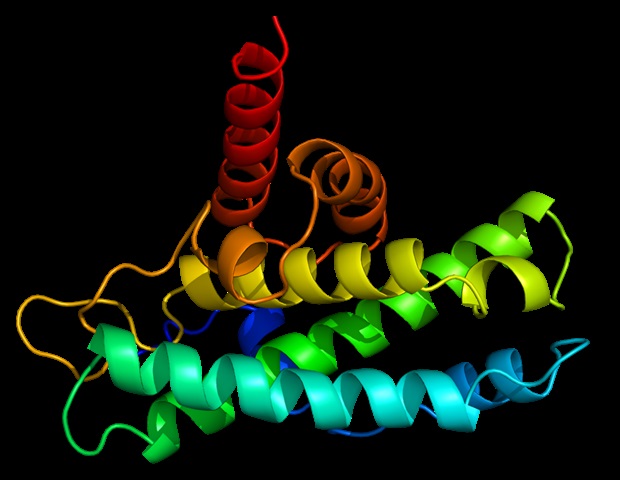
A new single-protein analysis technique gives researchers an unprecedented ability to study proteins called scramblases, which have critical roles in biology.
New single-protein analysis technique provides unprecedented information on scramblases

 Login