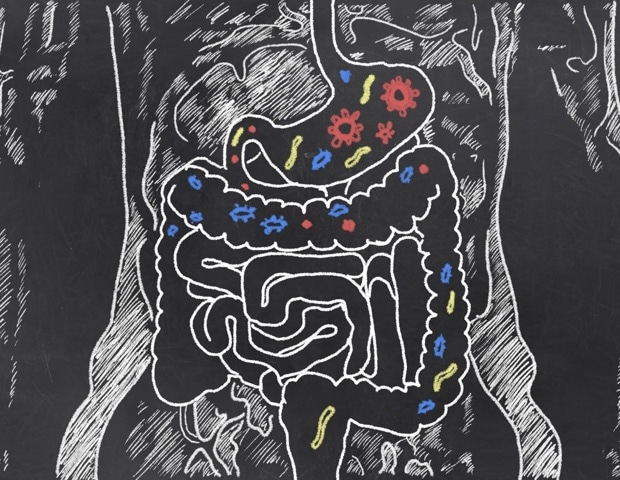
Coeliac disease is an autoimmune condition in which the immune system reacts adversely to gluten. Eating gluten causes inflammation in the gut, which can damage the intestine and impair its ability to absorb nutrients.
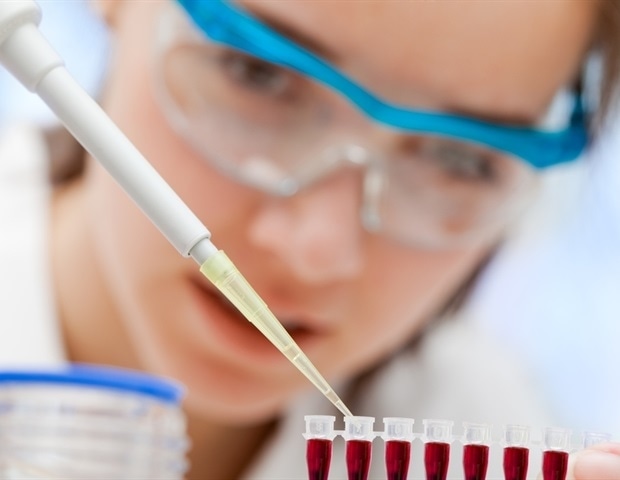
Blood proteins may offer new clues to gut health in coeliac disease
Neuroblastoma is the most common solid tumor found outside of the brain in children, yet why some children respond well to treatment while others do not has remained poorly understood.
Scientists identify the neuroblastoma cells that signal poor outcomes
Two major international studies are providing new insight into how human milk is regulated, showing that some components respond to maternal nutrition, while others remain stable or reflect biological processes involved in lactation and infant growth.
New research reveals the remarkable complexity of human milk
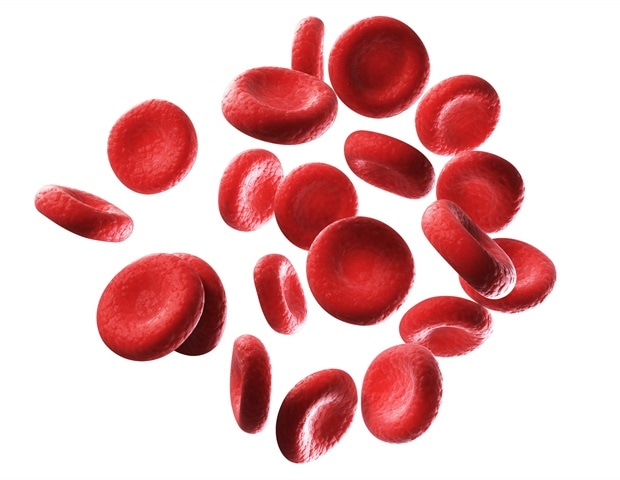
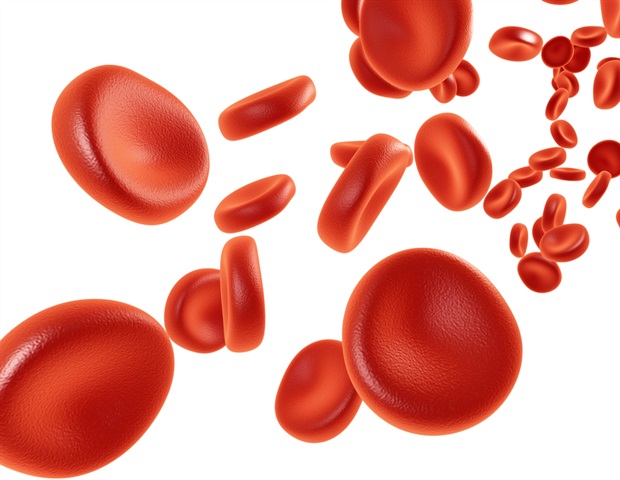
Tardigrades, also called water bears, are famous for their ability to survive nearly anything. They protect themselves in extreme environments using proteins that researchers have developed into an efficient and effective strategy to preserve human red blood cells.
A trick from tardigrades could help human blood withstand freezing
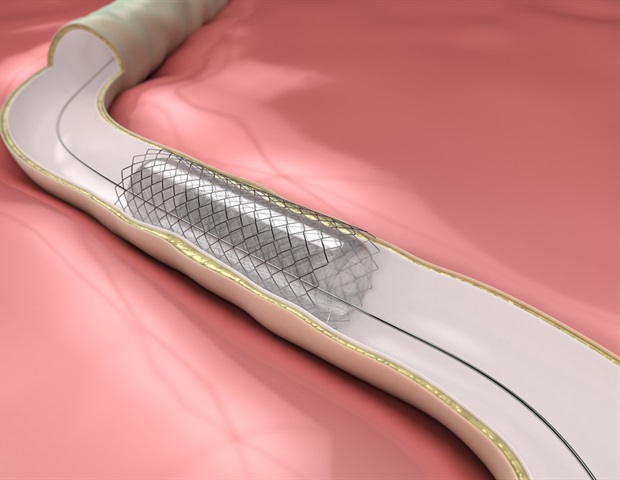
ASTM International’s medical and surgical devices committee (F04) has approved a new standard that provides details and considerations for planning and conducting a seal zone leakage assessment for stent grafts.
ASTM International approves new surgical device standard
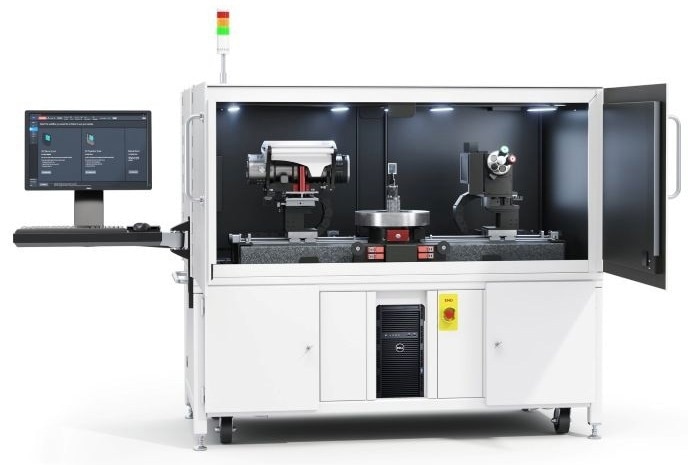
n6, maker of the icon96™ and icon16 thermocyclers powered by iconPCR™ with AutoNorm intelligent normalization technology for next‑generation sequencing (NGS) library preparation, today announced new and expanded distribution partnerships that significantly increase access to its instruments across Europe, the Middle East, and Africa.
n6 expands global distribution footprint, bringing iconPCR™ and AutoNorm to more scientists across Europe, the Middle East, and Africa
Researchers have shown that prenatal training may reduce the risk of postnatal depression in women, - but only if they have previously had a baby. This surprising finding is presented for the first time at the ECNP Congress in Munich.
Prenatal training may reduce postpartum depression risk in women with previous births
A new research project at the University of California, Riverside, has received funding to investigate whether a novel protein-based therapy can correct abnormal brain activity associated with Fragile X syndrome.
New project aims to test a protein-based therapy for Fragile X syndrome
A common blood test already carried out during routine health checks may contain clues about a person's long-term risk of dementia, according to research being presented at the ECNP Congress in Munich and recently published in the Journal of Alzheimer's Disease.
Routine blood test may offer clues to future dementia risk
Ascensus Specialties today announced the appointment of Dr. Emma Sceats as Chief Executive Officer, effective immediately, succeeding Paul Burlingame, who will transition to an advisory role supporting the Board and leadership team.
Researchers found that mice later classified as resilient showed stronger coordination between neuronal OFF-periods and slow-wave activity in the prelimbic cortex even before social stress. After social defeat, resilient mice also showed a distinct reorganization of neuronal silence during NREM sleep, linking local sleep dynamics with behavioral resilience.
Some mice showed signs of stress resilience before the stress even began
Medical assistance can help women suffering from severe nausea and vomiting during pregnancy, but insufficient recognition of Hyperemesis gravidarum (HG) means that many are not getting the help they need to overcome this severe and debilitating form of morning sickness.
Women with hyperemesis gravidarum report major gaps in care
Siemens Healthineers announced today that the automated hemostasis analyzers for mid- and high-volume laboratories are now available for patient testing in the United States.
Siemens Healthineers brings new CN-3000 and CN-6000 hemostasis testing systems to US labs to help manage growing workloads
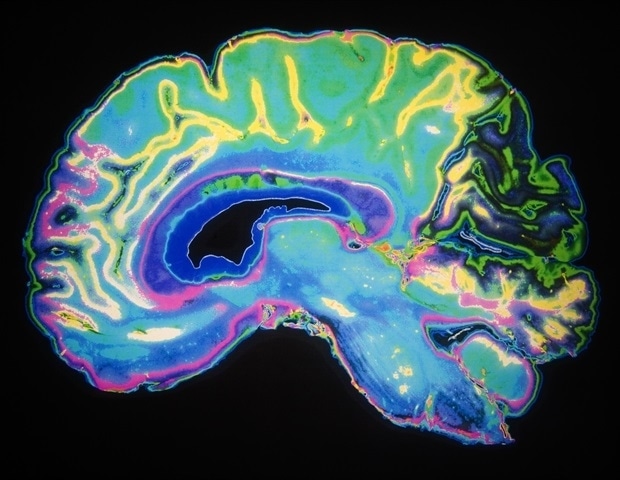
Researchers from the Mark and Mary Stevens Neuroimaging and Informatics Institute (Stevens INI) at the Keck School of Medicine of USC have developed a new, noninvasive way to examine how blood flow and cellular organization align across the layers of the living human brain.
New MRI measure maps blood flow and cellular organization
Many women usually say the same thing during pregnancy: they walk into a room and forget why, misplace their keys or struggle to follow a conversation.
High estrogen alters brain circuit causing temporary memory impairment during pregnancy
A groundbreaking study reveals that your genes may make you more vulnerable to Post Traumatic Stress Disorder (PTSD) from certain types of trauma-particularly childhood neglect-than from others.
Genetic risk for PTSD varies across different types of trauma
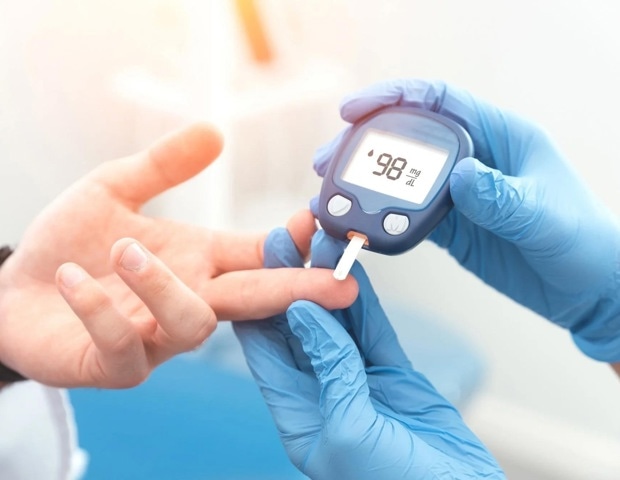
The diabetes drugs glucagon-like peptide-1 (GLP-1) receptor agonists and sodium glucose cotransporter 2 (SGLT-2) inhibitor drugs may also help to slow decline in kidney function in people with type 2 diabetes and albuminuria (high protein levels in the urine), finds a large US study published by The BMJ today.
GLP-1 drugs and SGLT-2 inhibitors linked to slower kidney decline
The cancer journey for many patients doesn’t end after treatment. Many live with long-term side effects that affect their ability to sleep and cause pain, impacting daily life.
Mindfulness and tai chi practices help cancer survivors manage symptoms

 Login