❌

Reading view

It's official: EU will force Google to share search data and open up AI on Android

Europe wasted no time using its landmark Digital Markets Act (DMA) to try to rein in Big Tech. Companies like Apple, Meta, and Google have faced steep fines and orders to modify their business practices since the law came into force in 2024. And the hits keep on coming for Big Tech in Europe. After several months of consideration, the European Commission has announced new DMA measures that will force Google to support interoperability and competition in the European Union, and Google is not happy about it.

The new "specification measures" cover two elements of Google's business: Android phones and search. Both changes could theoretically increase competition and give users more choices, but Google claims they will undermine privacy and security. But as a "gatekeeper" under the DMA, Google has no choice but to comply. As the European Commission points out in its announcement, these decisions are legally binding.

On Android, Google will have to open up access to competing AI platforms. Currently, Google's Gemini gets preferential access to the system. Gemini is preloaded on all Google-certified Android phones and can wake up in response to the "Hey Google" hot word. Google's AI also includes system and app automation features, screen content access, and more.


Read full article

Comments

Β© Getty Images | BeeBright

  •  

Third-party app stores coming to Google Play next week as Epic settlement withdrawn

Big changes are coming to Android apps, but they're not the changes Google wanted. The settlement between Google and Epic that aimed to put to rest the companies' long-running antitrust battle is being withdrawn, and that means third-party app stores are coming to the Play Store. Google has confirmed that it will begin distributing rival app stores next week, setting the stage for competing platforms to take a bite out of Google's Android revenue stream.

This case has the potential to upend software distribution on Android, and it's all because of V-Bucks. In 2020, Epic Games was frustrated that it had to pay a 30 percent cut to Apple and Google every time someone bought a bundle of V-Bucks in a mobile version of Fortnite. The publisher added a direct purchase option to the game in violation of both Apple's and Google's rules. Naturally, Fortnite was pulled from the App Store and Google Play, kicking off the antitrust lawsuit that is only now reaching its conclusion.

While Apple suffered little penalty in its Epic case, Google was tripped up by its anti-competitive management of the supposedly open Android ecosystem. Google used its market position to discourage device makers from promoting or pre-loading non-Google app stores and attempted to hide that conduct. The remedies set by Judge James Donato included lower fees, mirroring Google Play apps in other stores, and most vitally, placement of alternative app stores in Google Play.

Read full article

Comments

Β© Getty Images | Kirill Kudryavtsev

  •  

Valve's Steam Machine ships June 29 for $1,049, but you probably won't be able to buy one yet

The Steam Machine is almost here. Valve chose possibly the worst time to announce new PC gaming hardware in late 2025, just as the AI boom sent storage and RAM prices through the roof. The upheaval delayed its new Steam Machine release, but Valve has announced its TV-friendly gaming PC will go on sale June 29 with a reservation-based system and a starting price of $1,049.

The Steam Machine will come in two variations: one with 512GB of storage and a more expensive one with 2TB. They'll retail for $1,049 and $1,349, respectively, and you'll be able to bundle a Steam Controller with either for an additional $79. Buying the 2TB model also gets you a pair of exclusive faceplates with red fabric and walnut finishes. Like the Steam Deck, the machine ships with the Linux-based SteamOS.

Both versions of the Steam Machine will run on a custom six-core AMD Zen 4 CPU with a peak clock speed of 4.8GHz. The integrated AMD RDNA3 GPU will feature 28 compute units and 8GB of dedicated DDR6 VRAM soldered to the board. The system will have its own 16GB allotment of DDR5 on the board. This should provide enough oomph (with upscaling tech) to play moderately demanding PC games on your TV.

Read full article

Comments

Β© Valve

  •  

Android verification is coming: Google confirms timeline and supported app stores

Almost 20 years ago, Google pitched Android as the more open alternative to Apple's walled garden. Last year, Google announced it would begin erecting its own walls through developer verification. The company has issued an update on its plans, affirming that the verification system will begin rolling out in select countries later this year. We're also learning which app stores are participating in verification and the timeline for key features like the recently revealed "advanced flow" for bypassing verification.

Google has claimed that developer verification is a necessary change to smartphone software distribution, pointing to the increased prevalence of scams that trick Android users into installing malware apps. Google's solution requires verifying the identities of developers outside the Play Store just like it does for devs publishing on its platform. This has proven to be a contentious change for myriad reasons.

In the new blog post, Google's Matthew Forsythe confirms that the developer verification system is slated to come online on September 30 of this year. The initial deployment will be limited to countries with a high level of app scams: Brazil, Indonesia, Singapore, and Thailand.

Read full article

Comments

Β© Ryan Whitwam

  •  

Ten months later, the $100 Google Home Speaker is finally available for preorder

Good things take time, but not all things that take time are good. The jury is still out on the Google Home Speaker, but it certainly took a while to arrive. After announcing its new speaker last August, Google finally has a release date. The company's first new smart home speaker in years will launch on June 25, and you can preorder it today for $100.

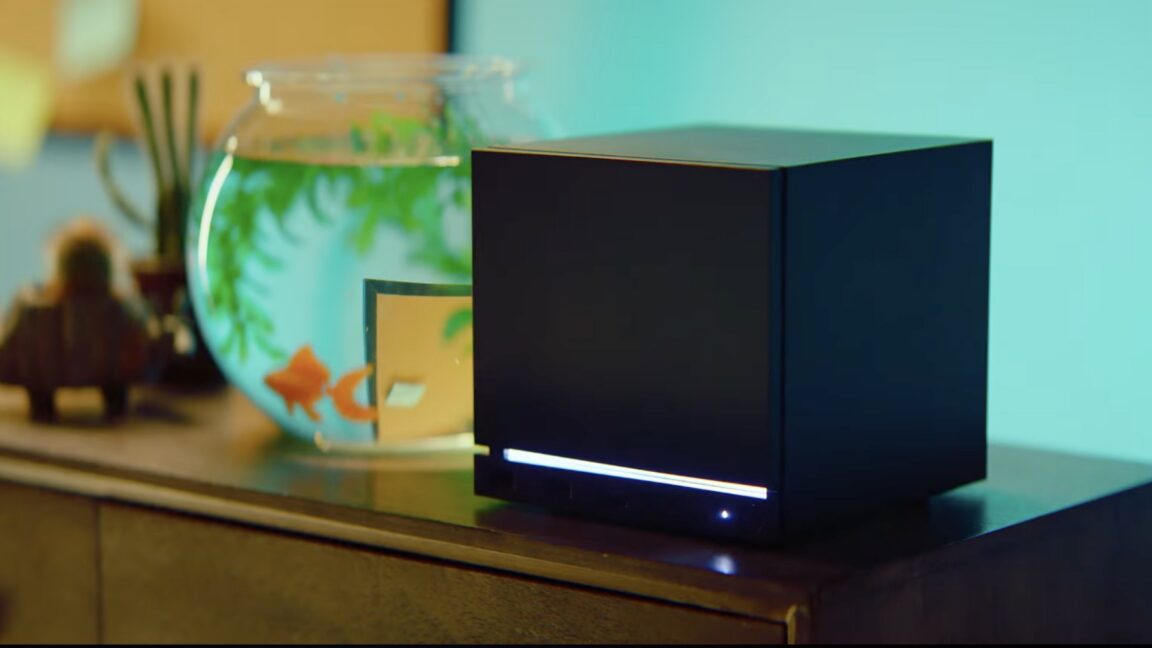
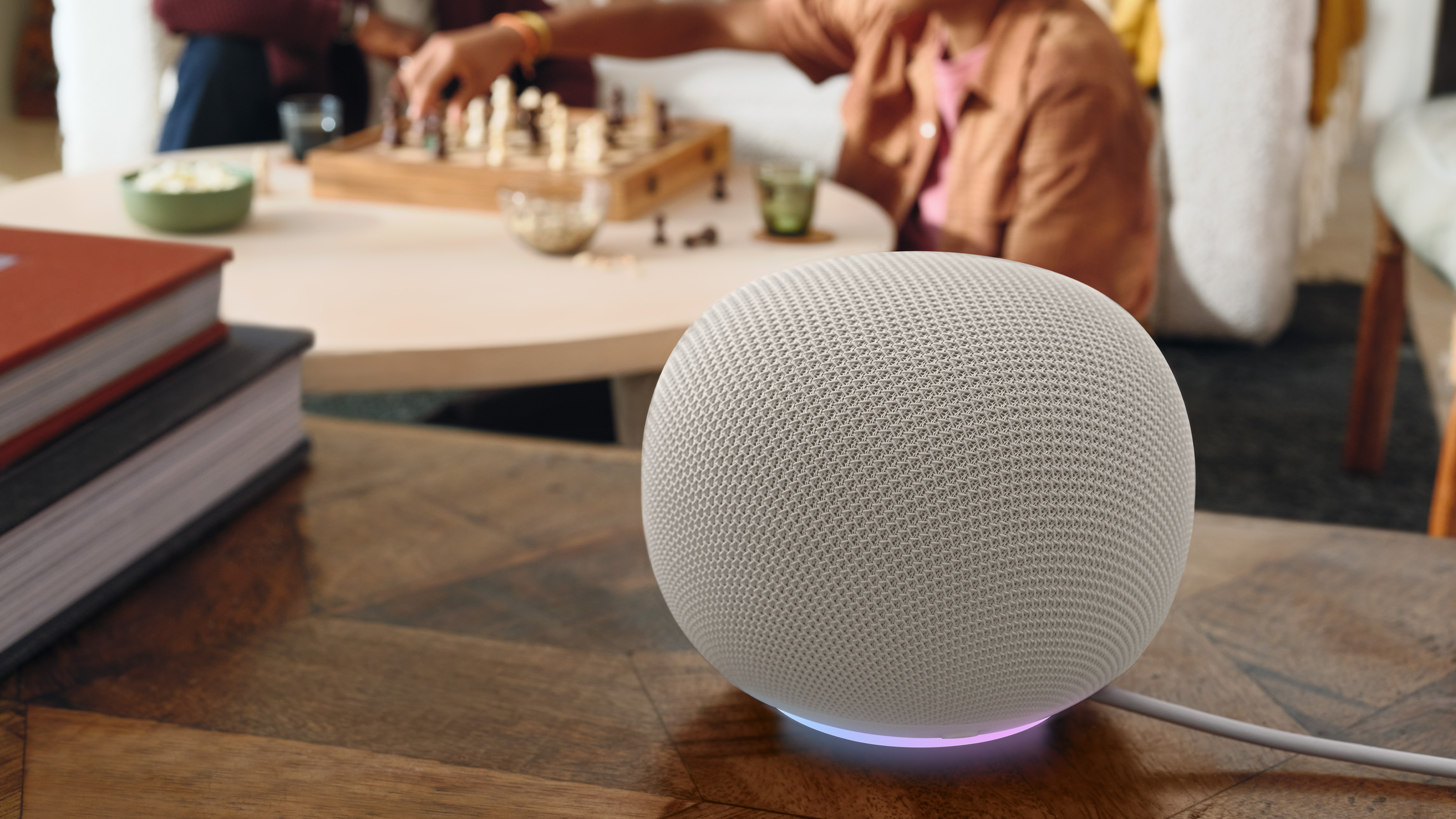
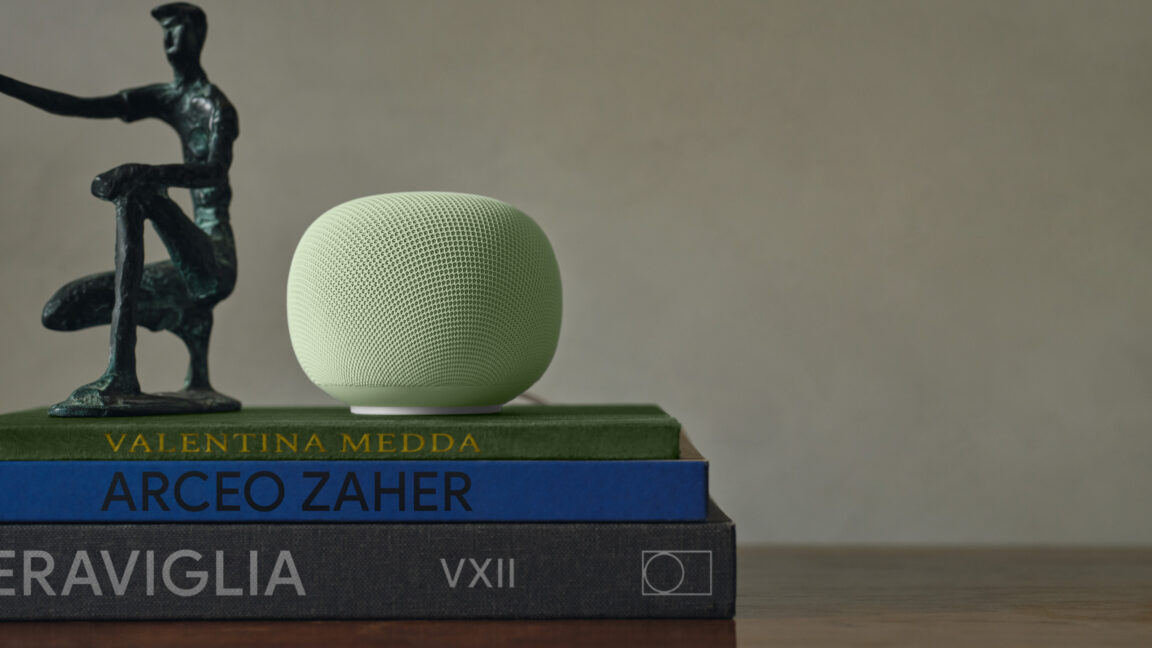
The generically named Google Home Speaker is Google's first home audio device in almost six years. The last one was the Nest Audio, which debuted back in September 2020. The new device is small and roundβ€”an oblate spheroid, technically. It's covered in a partially recycled fabric available in four colors: hazel, porcelain, jade, and berry (jade and berry are limited to the US). Google says the device produces "360-degree sound" for a uniform listening experience anywhere in a room.

Google is into lighting effects again. Credit: Google
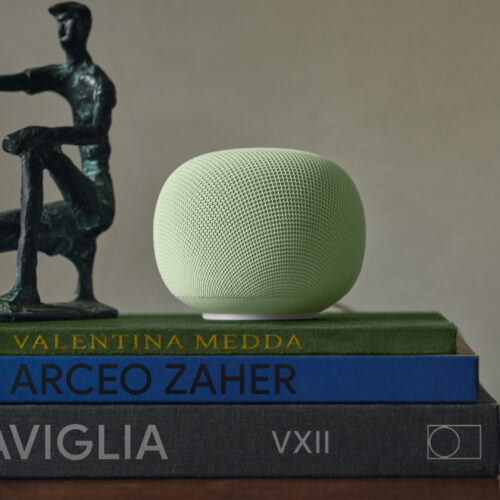
Previous Google speakers included Assistant-style illuminated lights, but the Google Home Speaker features a light ring around the bottom that glows when the device is listening, "thinking," or responding. This is becoming a trend with Google. The company will require a similar glowing lightbar embellishment on the upcoming Googlebook laptops. There are three far-field microphones distributed around the speaker that will pick up your speech, and there's a mute switch when you don't want it listening for the "OK Google" trigger.

Read full article

Comments

Β© Google

  •  

Android 17 starts hitting Pixel phones and watches today

Android 17 has been in testing since early this year, with the final beta hitting devices just a couple of weeks ago. Insofar as a mature operating system like Android still has big days, this is one of them. The official Android 17 build is starting its rollout on Pixel phones, adding a small set of new features and laying the groundwork for the future. This release also coincides with a Pixel Drop and a new version of Wear OS (based on Android 17) on Pixel Watches.

Google no longer uses an unmodified version of Android on its phonesβ€”the Pixel build includes numerous features that are distinct from Android 17 itself. Other device makers will include versions of some of these features when they eventually update their phones, but for now, Google's Pixel phones are the only way to experience Android 17.

The multitasking Bubbles system in Android 17 expands on a similar (but underutilized) messaging feature. In Android 17 on Pixels, you can long-press on any app icon to open that app as a floating window. When minimized, these bubbles stay on top of other apps. On foldable phones, the bubbles dock into a "bubble bar" for easy multitasking.

Read full article

Comments

Β© Ryan Whitwam

  •  
❌