❌

Reading view

The report oil companies are worried about: Climate attribution science

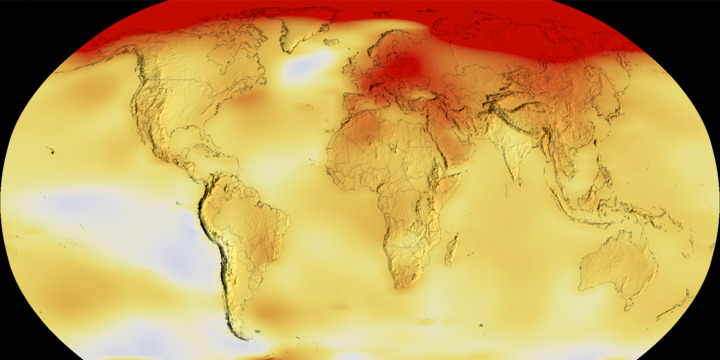
Climate change is being driven largely by the greenhouse gases we've pumped into the atmosphere, which trap more of the Sun's energy there. That added energy increases the odds of extreme events: longer, more intense heat waves and droughts, interspersed with excessive precipitation. But these sorts of events have happened in the pastβ€”how can we tell if any given weather disaster has been made more likely by the climate?

It's a question with implications for everything from building codes to disaster preparedness. And there's some good news: According to a report released by the US National Academies of Science on Thursday, the field of climate attribution is growing increasingly mature and can answer some questions for us with far greater confidence than it could just a decade ago. The report also notes that there are still important limits and suggests steps to address them.

Overall, this makes it clear that climate attribution is normal, mainstream science. And the fossil fuel industry views that as a problem, as it could make it easier to hold companies liable for damages. This has triggered a backlash that has Republicans in Congress and state governments threatening the National Academies' funding.


Read full article

Comments

Β© Zhen Li

  •  

US's climate.gov site, taken down by Trump, relaunched by nonprofit

Over decades, researchers in the US government and programs it sponsored built up a tremendous number of climate resources, from comprehensive analyses to massive datasets to basic explainers meant to inform the public. And people within the government built the climate.gov website to make it all accessible. But if you try to navigate there today, you get redirected to the climate page of the National Oceanic and Atmospheric Administration, and are greeted with the following message:

In compliance with Executive Order 14303 (β€œRestoring Gold Standard Science”), the White House Office of Science and Technology Policy’s June 23, 2025 Memorandum (β€œAgency Guidance for Implementing Gold Standard Science in the Conduct & Management of Scientific Activities”), 15 USC Β§ 2904 (β€œNational Climate Program”), 15 USC Β§ 2934 (β€œNational Global Change Research Plan”), and 33 USC Β§ 893a (β€œNOAA Ocean and Atmospheric Science Education Programs”), you have been redirected to NOAA.gov. Future research products previously housed under Climate.gov will be available at NOAA.gov/climate and its affiliate websites.

Climate.gov was essentially gone, and the team that deleted implied that it happened because climate research somehow failed to uphold what the administration was calling "gold standard science."

But the people who put together climate.gov didn't go away. While the government didn't hesitate to delete inconvenient climate information, dedicated volunteers outside the government managed to preserve copies of much of the material, which the federal government is prohibited from copyrighting. The volunteers and former climate.gov admins got together and launched climate.us. On Tuesday, the team announced that it had completed the project to restore everything lost when climate.gov shut down.

Read full article

Comments

Β© NASA

  •  

After Senate vote, Trump admin backs off plans to kill ocean monitoring

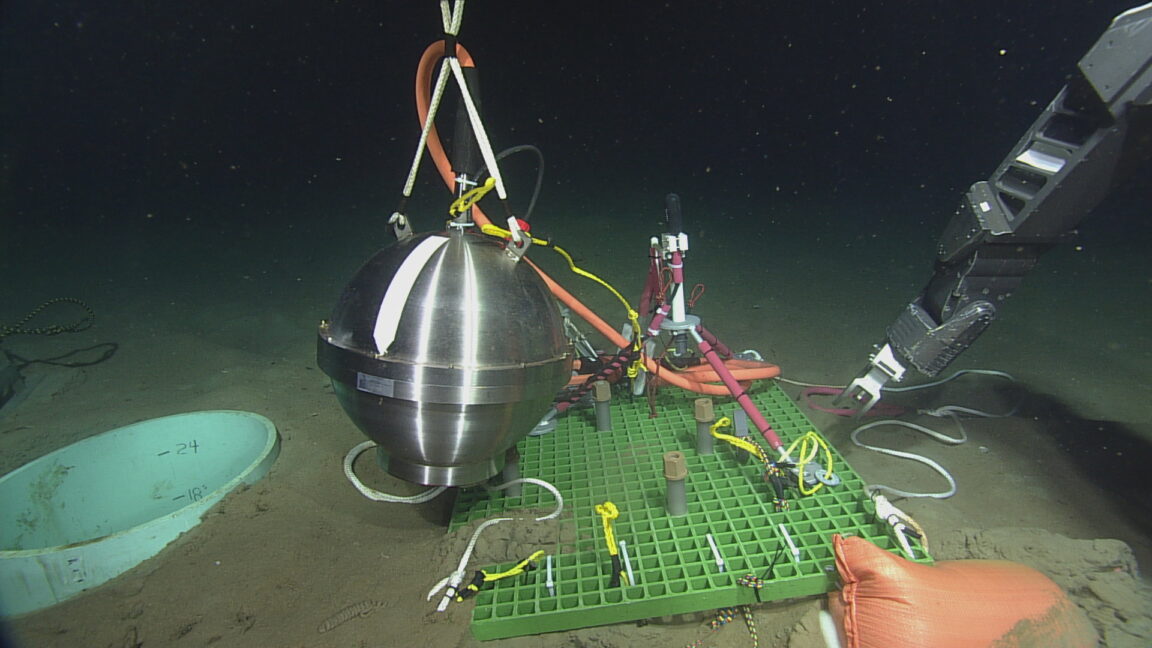
In May, the federal government announced without warning that it would take apart a network of ocean monitoring systems that it had spent over $350 million to build. No reason was given for the decision to shut down the Ocean Observatories Initiative (OOI), but suspicion immediately focused on the network's role in tracking climate change.

But the OOI also provides data that's useful for weather forecasting and fisheries management, leading to widespread opposition. Today, it appears that the opposition has won, as the government will announce that it's reversing the decision. The big remaining question is how much damage the OOI took during the intervening month.

As of now, there is no formal statement available from the federal government. However, The New York Times reports that the decision will be announced later today, and Ars received a statement from Zoe Lofgren, the ranking Democrat on the House Science Committee, indicating that the decision has been made.

Read full article

Comments

Β© OOI

  •  

Sooner than expected? Useful quantum error correction promised for 2028.

Quantum computing news usually picks up near the end of the year, as companies try to provide evidence that they are hitting benchmarks on time. However, there have been interesting announcements as the summer starts this year, from incremental progress to attention-grabbing promises. As we did earlier this month, Ars has a rundown of some of the most significant announcements.

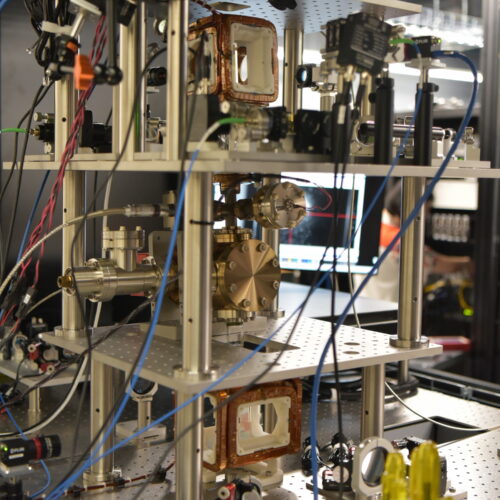
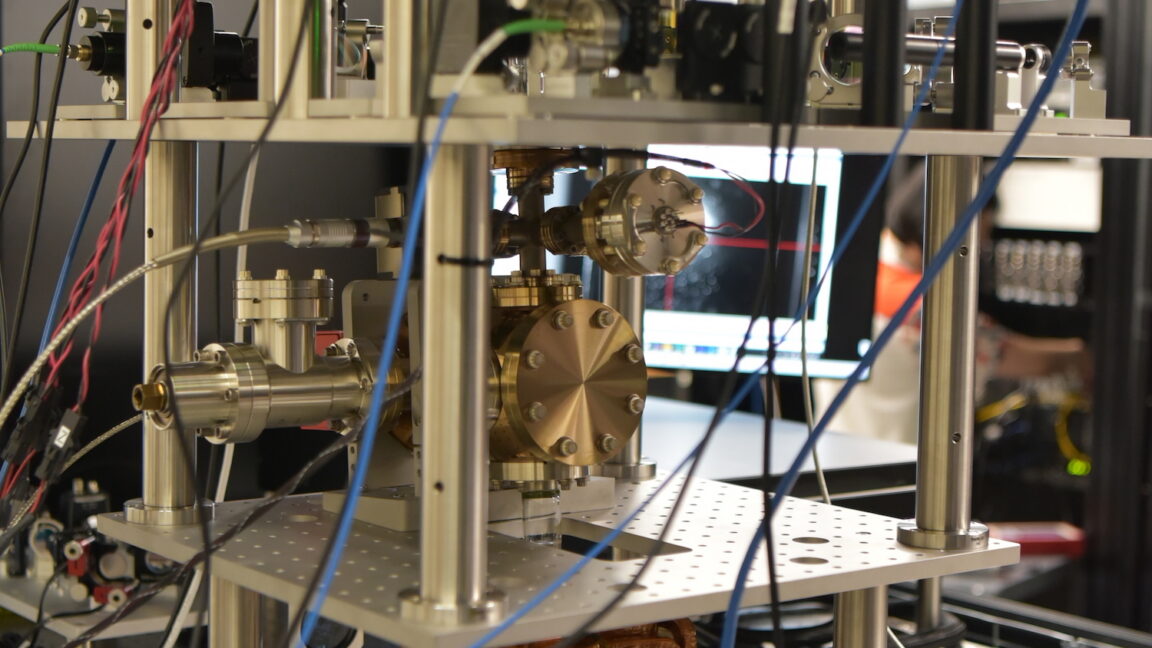
These include a promise of useful, error-corrected quantum computing as soon as 2028, details on an updated trapped ion processor, and a case in which claims of quantum supremacy have been cut back a bit thanks to advances in more traditional algorithms.

2028 is remarkably soon

Many people in the field expect that useful quantum computers are still about five to 10 years away. While there may be a few useful algorithms that can be run on existing error-prone hardware, almost all of the interesting problems that quantum computing can be applied to will require some form of error correction enabled by linking a small collection of hardware qubits together into what's called a logical qubit. Logical qubits include the redundant storage of information along with neighboring qubits that can be measured to determine when errors occur and how to fix them.

Read full article

Comments

Β© QuEra

  •  

Cockroaches scurry around with thousands of pieces of bacterial genomes

Last week, we looked at a new study of the origin of complex cells, one that showed that our ancestors' genomes were pieced together from bits and pieces of multiple species. It put a spotlight on a phenomenon called horizontal gene transfer, in which a gene from one species is incorporated into the genome of a distantly related species. The frequency of horizontal gene transfer means that, in addition to the neatly branching trees that relate species by common descent, there are small threads connecting distant branches of the tree of life.

It's easy to see why horizontal gene transfer would be common among microbes. They often live in complex communities that are likely awash in the DNA of dead and damaged cells. Plus, bacteria and archaea lack a membrane between their DNA and the rest of the cell, making it easier for environmental DNA to find its way to the genome.

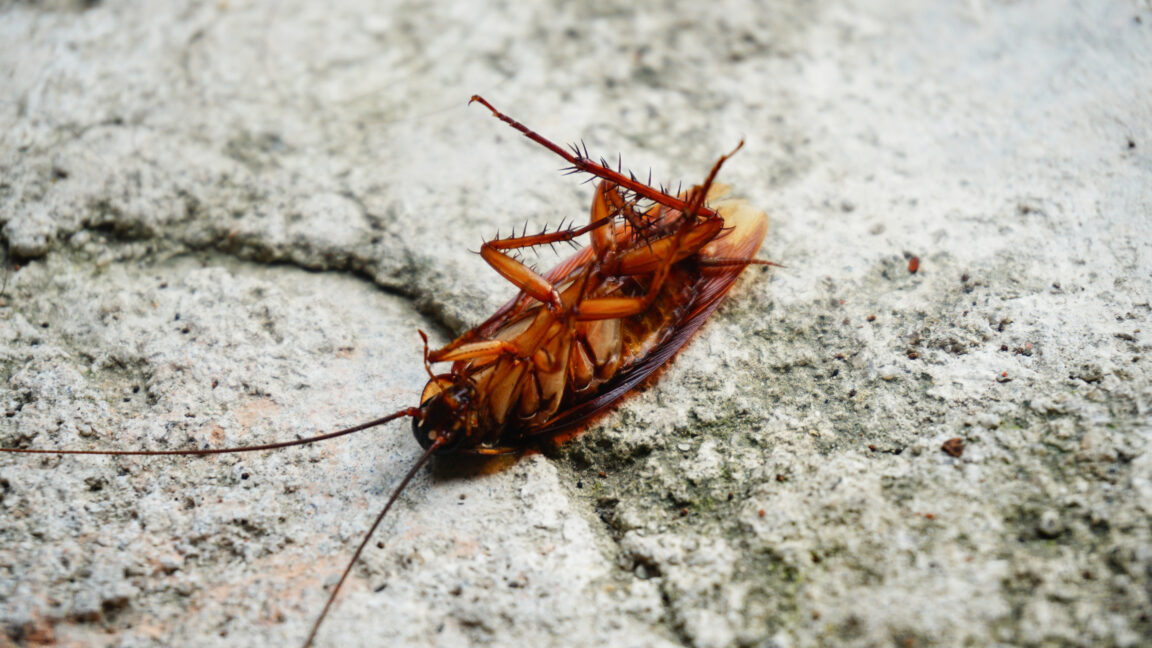
However, a new study this week shows that horizontal gene transfers are remarkably common even in multicellular animals. And it does so by examining the genomes of multiple cockroach species, which have had bits of bacterial DNA for millions of years.

Read full article

Comments

Β© Nugroho Ridho

  •  
❌