❌

Reading view

Android can now securely migrate your logins between password managers

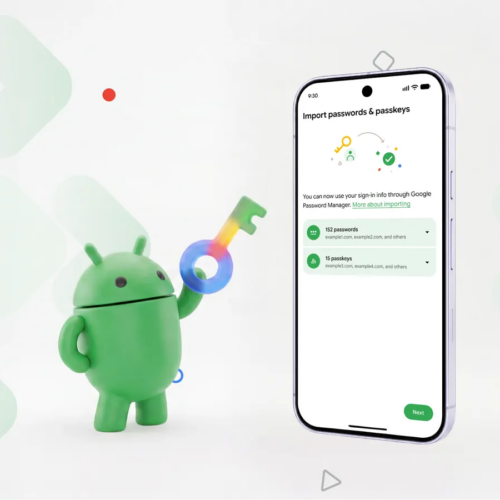
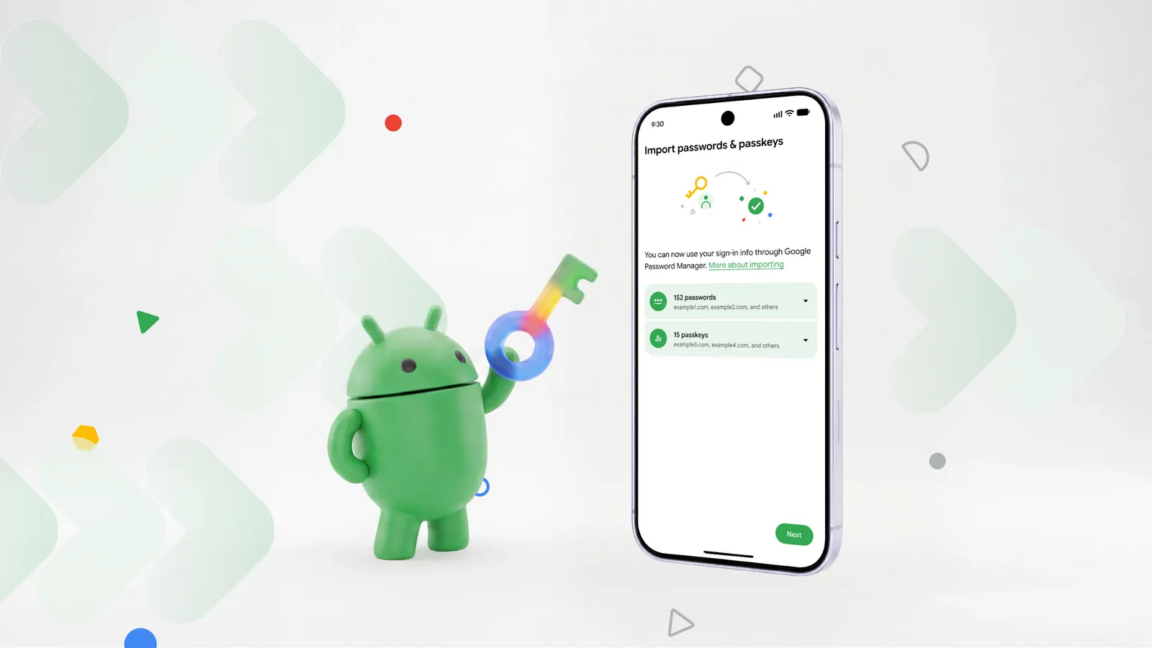
As longer, more complex passwords have become a necessity, remembering all those strings of numbers, letters, and special characters has become nearly impossible. Password managers can solve that problem, but what happens when you want to move to a different login organizer? Sure, you could manually type all your logins into a new app, but now Android can do that for you without the tedium.

Google designed the new login transfer process to happen entirely on your phone, so you need the corresponding apps installed with your credentials synced. To start the move, you'll have to find the import option in the app you want to use. The location of that feature will vary, but in Google Password Manager (built into Android), it's near the top under the settings tab.

The import option in Google Password Manager will plug in to the new migration system, while export still just creates an unencrypted CSV with your passwords that can be dumped into any app. It will be similar in other apps, so make sure to start the process in the app you want to use. Currently, this works in Google's app, 1Password, Bitwarden, and Dashlane.
Read full article

Comments

Β© Google

  •  

Apple's long-rumored foldable becomes reality with the $2,000 iPhone Duo

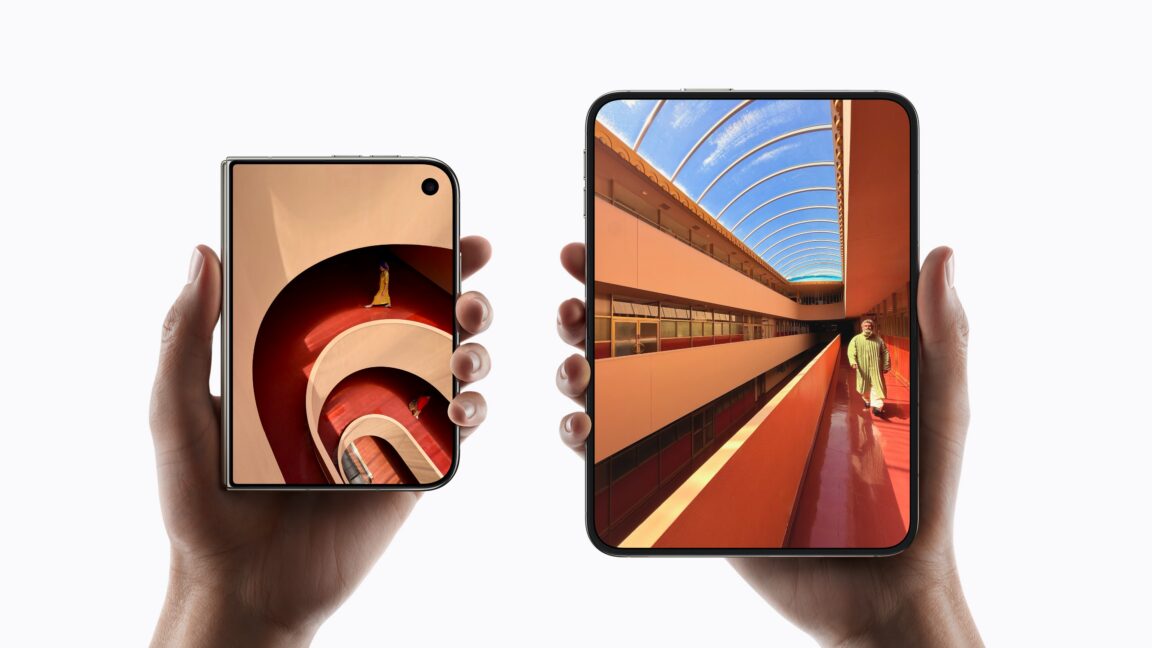
Apple ended today's hardware event with one of its classic "One more thing" reveals. Some smartphone makers have been offering foldable phones for the better part of a decade, but Apple has now joined the fray with the iPhone Duo after years of speculation.

This device is undeniably the most capable iPhone ever, as well as the most expensive. It's not as spendy as many expected, though, starting at $1,999. That's in the same range as foldables from Google and Samsung.

An iPad in your pocket

The iPhone Duo would have looked like a totally fresh take on the foldable design a few months ago, but Samsung has made waves with the Galaxy Z Fold 8. Like that phone, the iPhone Duo has a wider, shorter chassis. Apple prefaced its reveal with a denunciation of foldables that open into a square aspect ratio. While that shape can accommodate two portrait apps side by side pretty well, it's bad at almost everything else, stretching single apps awkwardly and leaving videos with gargantuan black bars.

Read full article

Comments

Β© Apple

  •  

Google complies with EU rules for travel searches, says the new results stink

As the world's largest search engine, Google is often a target of Europe's Digital Markets Act (DMA), which seeks to rein in Big Tech. The European Commission hit Google with a hefty 460 million euro ($543 million) fine in July for preferring its own services in searches for travel and shopping. Google has now made changes in accordance with the European Union's wishes, but it claims the result is a massive reduction in search quality.

If you don't live in Europe and perform a search for, say, hotels, Google will helpfully provide myriad sponsored links, booking recommendations, and price-comparison tools in its results. The problem is that this content isn't organicβ€”Google includes links and offers contingent on its business interests. To get to the regular search results for these types of lucrative searches, you have to scroll way down the page. Companies that partner with Google can get more exposure, but the European Commission says this creates an unlevel playing field.

"To comply with DMA requirements, we're making significant changes to Search in Europe," Google's Nick Fox told Reuters. "These changes ​degrade the user experience for ​Europeans, boosting online intermediaries ⁠at the expense of local businesses and removing helpful features people rely on every day."

Read full article

Comments

Β© Aurich Lawson

  •  

Following Epic loss, Google has started hosting rival app stores in the Play Store

A new day has dawned in the Play Store, and it's one that Google tried very hard to avoid. The first third-party app store has arrived in Google Play as a result of the long-running antitrust lawsuit with Epic. Those in the US can now head into Google Play and download Aptoide, a game-focused store that has been available as a sideloaded client since the early days of Android.

Forcing Google to distribute third-party app stores in Google Play was one of several remedies imposed by Judge James Donato after Epic emerged victorious in 2023. The remedies also included lowering developer fees, mirroring Google Play apps in other app stores, and allowing developers to use alternative payment systems. But it was the app store stipulation that seemed to irk Google the most.

Google almost avoided this outcome when it agreed to a settlement with Epic, which was announced early this year. Under the terms, Google would certify third-party app stores to allow users to install and use them with less friction, but it would not host them in Google Play. However, Google and Epic withdrew the settlement when it appeared the court would not approve it. This Registered App Store program is still slated to launch internationally, but in the US, Google is only doing what it must to comply with the judge's orders.

Read full article

Comments

Β© Mateusz Slodkowski/SOPA Images/LightRocket via Getty Images

  •  

Google plans to exempt sanctioned nations from Android developer verification

We are a month away from the initial rollout of Google's Android developer verification system, and the company contends this policy does not impinge on the platform's open nature. Still, the restrictions will be a big change, and there are still some unanswered questions. An issue that has come up repeatedly in the run-up to verification is what will happen to devs who can't verify because of where they live. It turns out that Google has a cryptic answer for that buried in an FAQ.

Developer verification will soon block the installation of apps from unverified developers on any Android device running Google services, which is functionally all Android phones outside Russia and China. Developers who want to keep releasing software, even if it's not in the Play Store, have to provide Google with their ID and pay a small fee.

But what if you're an Android developer living in a sanctioned nation? Currently, the US sanction list includes Iran, Cuba, North Korea, and occupied areas of Ukraine. Given the current uncertain state of US foreign policy, that list could change in the future. Google doing any business with developers in those places is a thorny issue, and it seems like the company has decided to just leave them hanging.

Read full article

Comments

Β© Ryan Whitwam

  •  

Forgot your Google password? Now you can log in with a selfie.

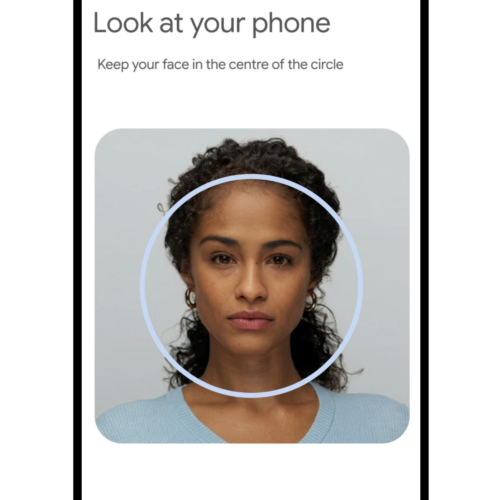
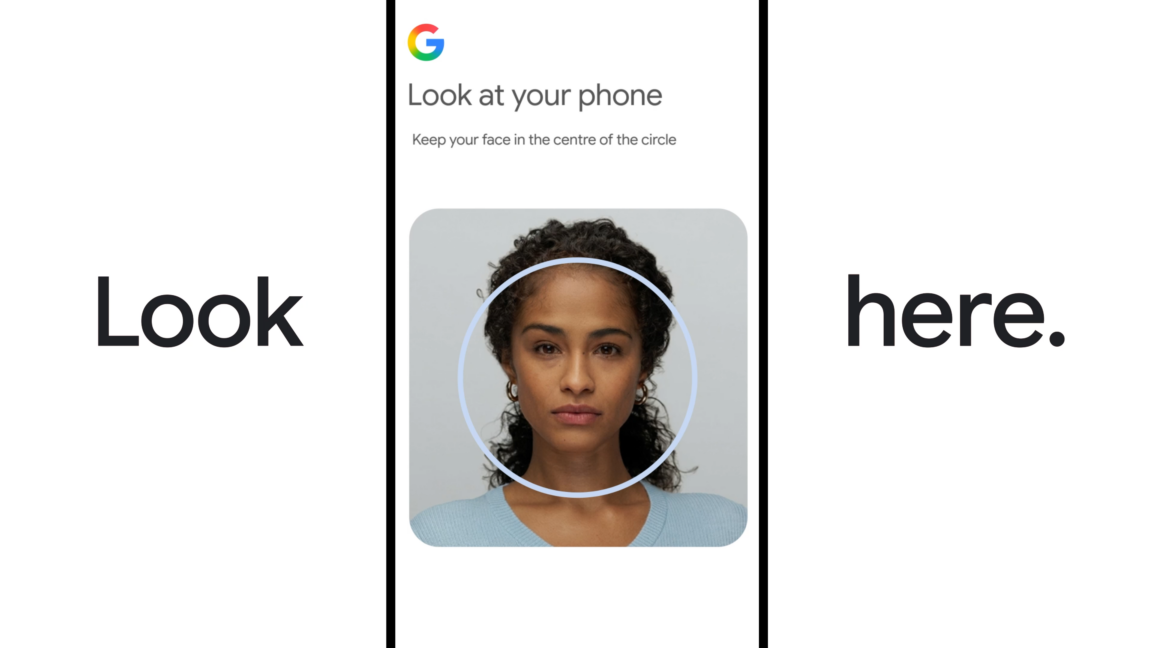
Getting locked out of an account is no fun. Google has a few ways to help you regain access if you happen to forget your password or lose an authenticator, including recovery contacts and backup codes. Now, Google has a completely new option: your face. You can now give Google a video record of your face and sign into your account with a selfie, which sounds like something people are going to just love.

You will have to set this feature up ahead of time if you want the option of regaining account access with a selfie later on. To get started, verify your account type is supported. You won't be able to configure selfie sign-ins for Workspace accounts, child accounts, or any account enrolled in Google's Advanced Protection Program.

Configuring selfie sign-in requires you to record a video, which Google will store on its servers. Google's selfie sign-in landing page includes the typical disclaimers about privacy and data access, promising that the company will keep the video encrypted and won't use it for any other purposes unless you opt in.

Read full article

Comments

Β© Google

  •  

It's official: EU will force Google to share search data and open up AI on Android

Europe wasted no time using its landmark Digital Markets Act (DMA) to try to rein in Big Tech. Companies like Apple, Meta, and Google have faced steep fines and orders to modify their business practices since the law came into force in 2024. And the hits keep on coming for Big Tech in Europe. After several months of consideration, the European Commission has announced new DMA measures that will force Google to support interoperability and competition in the European Union, and Google is not happy about it.

The new "specification measures" cover two elements of Google's business: Android phones and search. Both changes could theoretically increase competition and give users more choices, but Google claims they will undermine privacy and security. But as a "gatekeeper" under the DMA, Google has no choice but to comply. As the European Commission points out in its announcement, these decisions are legally binding.

On Android, Google will have to open up access to competing AI platforms. Currently, Google's Gemini gets preferential access to the system. Gemini is preloaded on all Google-certified Android phones and can wake up in response to the "Hey Google" hot word. Google's AI also includes system and app automation features, screen content access, and more.

Read full article

Comments

Β© Getty Images | BeeBright

  •  

Third-party app stores coming to Google Play next week as Epic settlement withdrawn

Big changes are coming to Android apps, but they're not the changes Google wanted. The settlement between Google and Epic that aimed to put to rest the companies' long-running antitrust battle is being withdrawn, and that means third-party app stores are coming to the Play Store. Google has confirmed that it will begin distributing rival app stores next week, setting the stage for competing platforms to take a bite out of Google's Android revenue stream.

This case has the potential to upend software distribution on Android, and it's all because of V-Bucks. In 2020, Epic Games was frustrated that it had to pay a 30 percent cut to Apple and Google every time someone bought a bundle of V-Bucks in a mobile version of Fortnite. The publisher added a direct purchase option to the game in violation of both Apple's and Google's rules. Naturally, Fortnite was pulled from the App Store and Google Play, kicking off the antitrust lawsuit that is only now reaching its conclusion.

While Apple suffered little penalty in its Epic case, Google was tripped up by its anti-competitive management of the supposedly open Android ecosystem. Google used its market position to discourage device makers from promoting or pre-loading non-Google app stores and attempted to hide that conduct. The remedies set by Judge James Donato included lower fees, mirroring Google Play apps in other stores, and most vitally, placement of alternative app stores in Google Play.

Read full article

Comments

Β© Getty Images | Kirill Kudryavtsev

  •  

Valve's Steam Machine ships June 29 for $1,049, but you probably won't be able to buy one yet

The Steam Machine is almost here. Valve chose possibly the worst time to announce new PC gaming hardware in late 2025, just as the AI boom sent storage and RAM prices through the roof. The upheaval delayed its new Steam Machine release, but Valve has announced its TV-friendly gaming PC will go on sale June 29 with a reservation-based system and a starting price of $1,049.

The Steam Machine will come in two variations: one with 512GB of storage and a more expensive one with 2TB. They'll retail for $1,049 and $1,349, respectively, and you'll be able to bundle a Steam Controller with either for an additional $79. Buying the 2TB model also gets you a pair of exclusive faceplates with red fabric and walnut finishes. Like the Steam Deck, the machine ships with the Linux-based SteamOS.

Both versions of the Steam Machine will run on a custom six-core AMD Zen 4 CPU with a peak clock speed of 4.8GHz. The integrated AMD RDNA3 GPU will feature 28 compute units and 8GB of dedicated DDR6 VRAM soldered to the board. The system will have its own 16GB allotment of DDR5 on the board. This should provide enough oomph (with upscaling tech) to play moderately demanding PC games on your TV.

Read full article

Comments

Β© Valve

  •  

Android verification is coming: Google confirms timeline and supported app stores

Almost 20 years ago, Google pitched Android as the more open alternative to Apple's walled garden. Last year, Google announced it would begin erecting its own walls through developer verification. The company has issued an update on its plans, affirming that the verification system will begin rolling out in select countries later this year. We're also learning which app stores are participating in verification and the timeline for key features like the recently revealed "advanced flow" for bypassing verification.

Google has claimed that developer verification is a necessary change to smartphone software distribution, pointing to the increased prevalence of scams that trick Android users into installing malware apps. Google's solution requires verifying the identities of developers outside the Play Store just like it does for devs publishing on its platform. This has proven to be a contentious change for myriad reasons.

In the new blog post, Google's Matthew Forsythe confirms that the developer verification system is slated to come online on September 30 of this year. The initial deployment will be limited to countries with a high level of app scams: Brazil, Indonesia, Singapore, and Thailand.

Read full article

Comments

Β© Ryan Whitwam

  •  

Ten months later, the $100 Google Home Speaker is finally available for preorder

Good things take time, but not all things that take time are good. The jury is still out on the Google Home Speaker, but it certainly took a while to arrive. After announcing its new speaker last August, Google finally has a release date. The company's first new smart home speaker in years will launch on June 25, and you can preorder it today for $100.

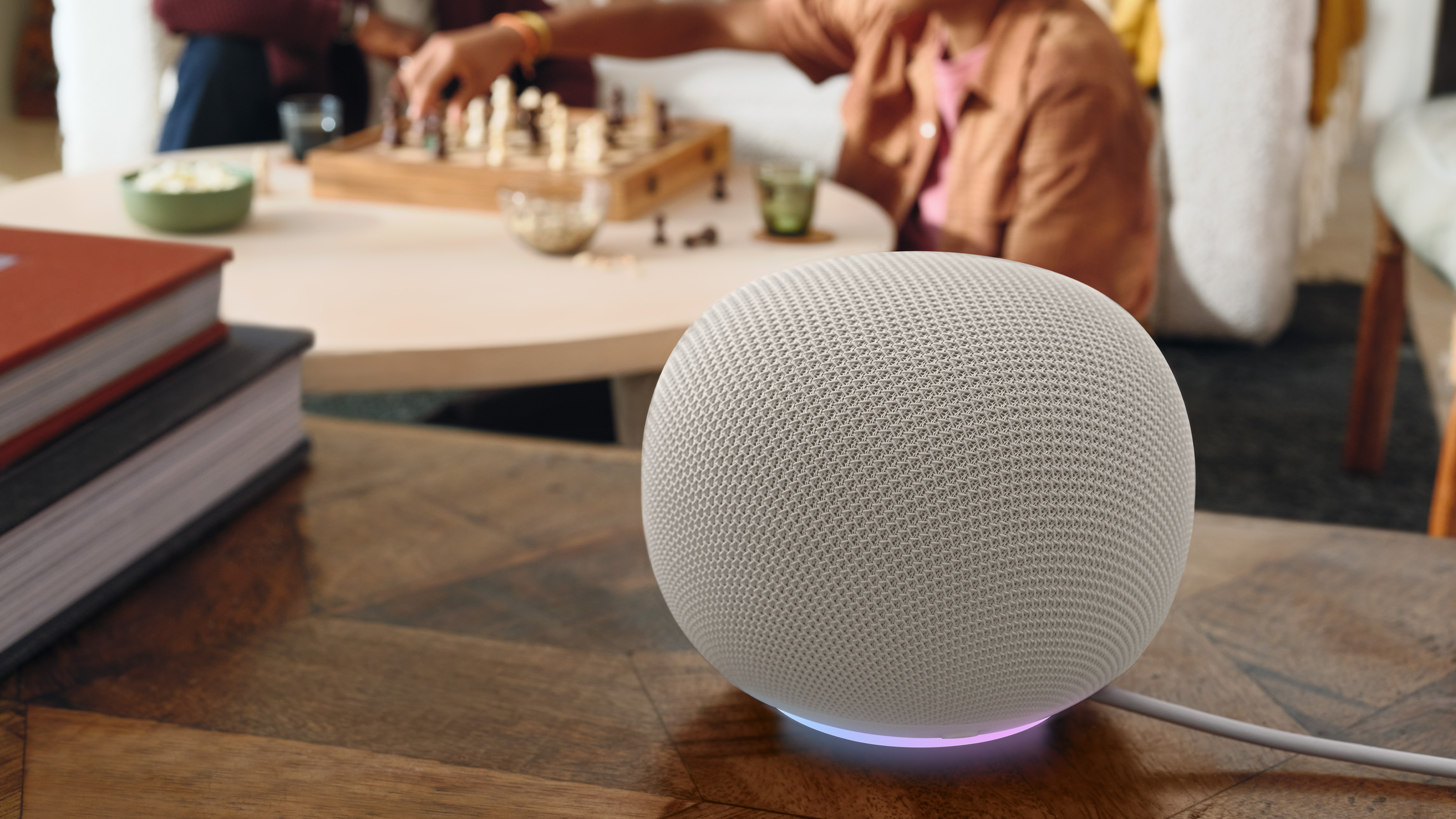
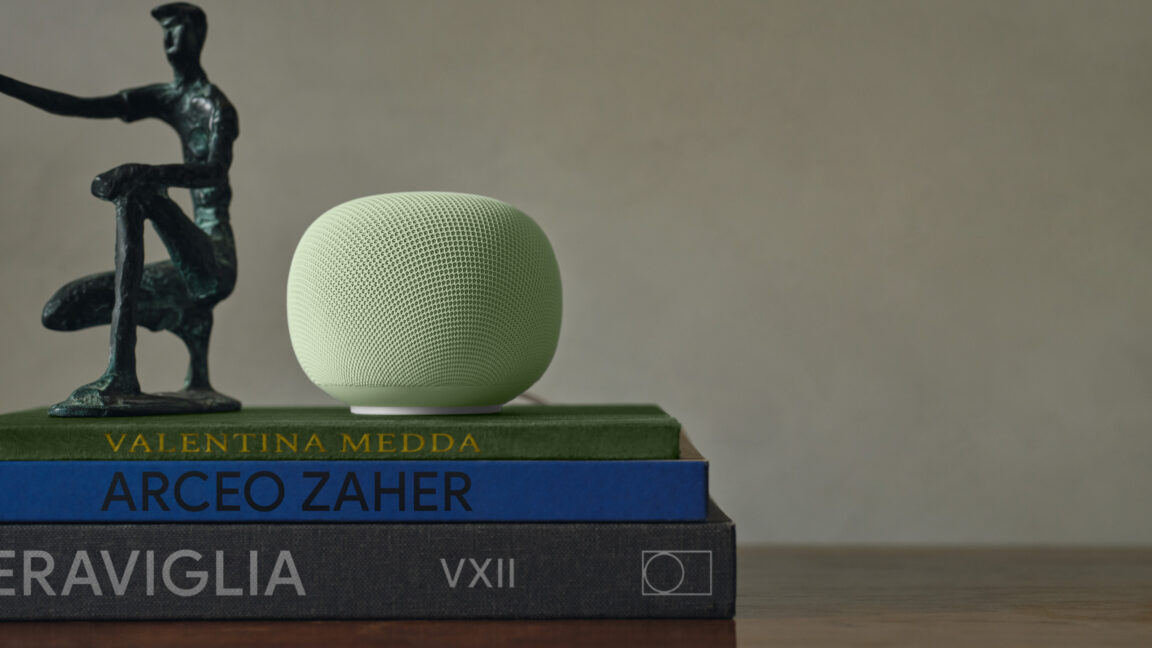
The generically named Google Home Speaker is Google's first home audio device in almost six years. The last one was the Nest Audio, which debuted back in September 2020. The new device is small and roundβ€”an oblate spheroid, technically. It's covered in a partially recycled fabric available in four colors: hazel, porcelain, jade, and berry (jade and berry are limited to the US). Google says the device produces "360-degree sound" for a uniform listening experience anywhere in a room.

Google is into lighting effects again. Credit: Google
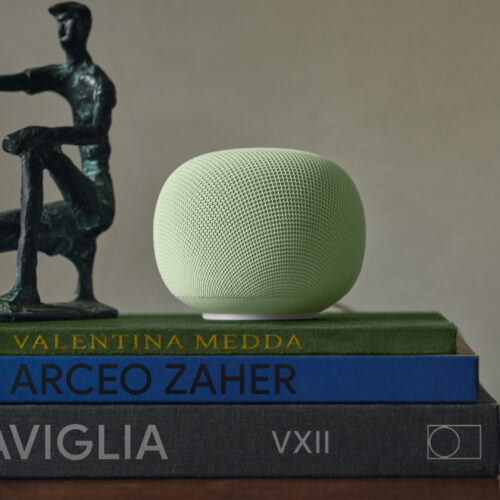
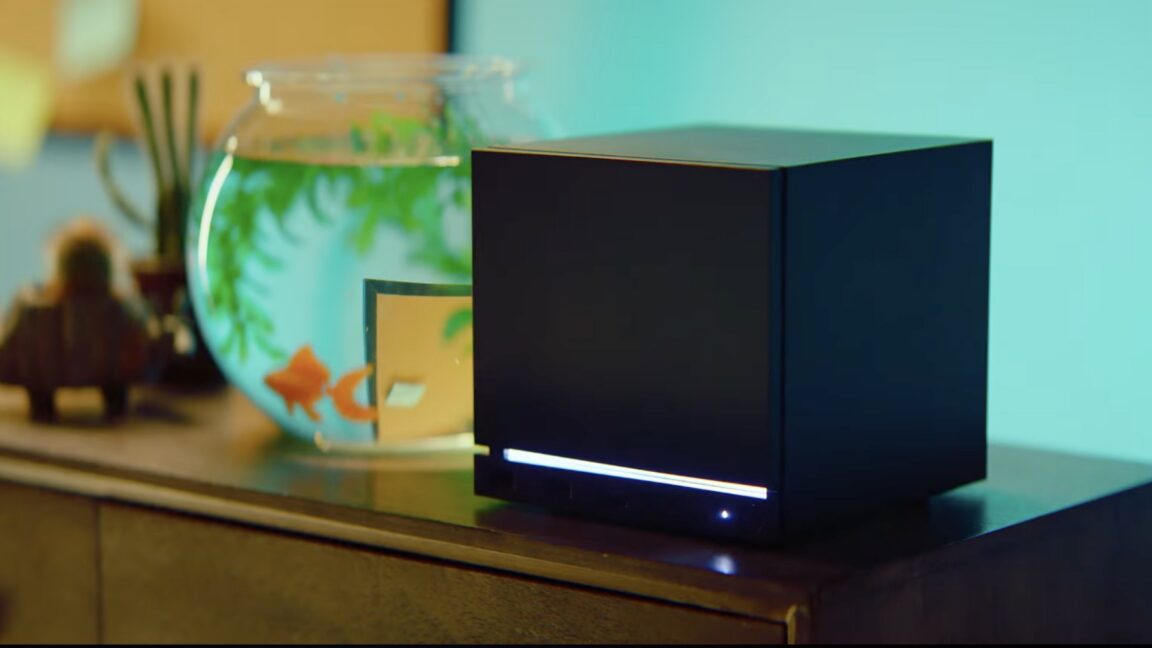
Previous Google speakers included Assistant-style illuminated lights, but the Google Home Speaker features a light ring around the bottom that glows when the device is listening, "thinking," or responding. This is becoming a trend with Google. The company will require a similar glowing lightbar embellishment on the upcoming Googlebook laptops. There are three far-field microphones distributed around the speaker that will pick up your speech, and there's a mute switch when you don't want it listening for the "OK Google" trigger.

Read full article

Comments

Β© Google

  •  

Android 17 starts hitting Pixel phones and watches today

Android 17 has been in testing since early this year, with the final beta hitting devices just a couple of weeks ago. Insofar as a mature operating system like Android still has big days, this is one of them. The official Android 17 build is starting its rollout on Pixel phones, adding a small set of new features and laying the groundwork for the future. This release also coincides with a Pixel Drop and a new version of Wear OS (based on Android 17) on Pixel Watches.

Google no longer uses an unmodified version of Android on its phonesβ€”the Pixel build includes numerous features that are distinct from Android 17 itself. Other device makers will include versions of some of these features when they eventually update their phones, but for now, Google's Pixel phones are the only way to experience Android 17.

The multitasking Bubbles system in Android 17 expands on a similar (but underutilized) messaging feature. In Android 17 on Pixels, you can long-press on any app icon to open that app as a floating window. When minimized, these bubbles stay on top of other apps. On foldable phones, the bubbles dock into a "bubble bar" for easy multitasking.

Read full article

Comments

Β© Ryan Whitwam

  •  
❌