❌

Reading view

New battery-free artificial photosynthesis system delivers steadier solar fuel outputΒ 

A team of researchers at the Osaka Metropolitan University has developed a more practical approach to artificial photosynthesis by creating a device that can regulate itself without relying on a battery-powered control system. By removing the need for this additional component, the design reduces both the cost and complexity of producing solar fuels.

Like the natural process used by plants, artificial photosynthesis harnesses sunlight to convert water and carbon dioxide into energy-rich compounds. In this system, the end product is formic acid, a chemical that can be stored and later used as a clean fuel or industrial feedstock.

The key element is the electrolyzer, which converts the electricity generated by solar cells into chemical energy, making it possible to capture and store solar power in the form of formic acid for future use.

Breakthrough reduces reliance on complex electronics

Maintaining efficient solar fuel production becomes challenging when sunlight intensity changes throughout the day. To address this, many artificial photosynthesis systems rely on a technique known as Maximum Power Point Tracking (MPPT), which continuously adjusts voltage and current to ensure solar cells operate at their highest possible efficiency.Β 

However, conventional MPPT setups usually require batteries or extra electronic control hardware to smooth out fluctuations in energy flow. These additional components add both cost and engineering complexity, making large-scale deployment of artificial photosynthesis systems more difficult.

To deal with this challenge, a research team at Osaka Metropolitan University developed a simpler artificial photosynthesis system by building the control function directly into the electrolyzer. Led by Associate Professor Yasuo Matsubara and Professor Yutaka Amao, and working with Iida Group Holdings Co., Ltd, the researchers integrated a special solid electrolyte into the device.

Instead of depending on batteries and additional electronic controls to keep the solar cells running efficiently, the new electrolyzer can adjust itself automatically. It uses the properties of the solid electrolyte to regulate its electrical behavior, allowing it to perform the Maximum Power Point Tracking (MPPT) function without extra hardware.

Heat-responsive electrolyzer keeps solar fuel production running efficientlyΒ 

According to Professor Amao, the system automatically responds to changes in sunlight without the need for external controls. As solar intensity rises, the electrolyzer warms up, which lowers its electrical resistance and allows electricity to flow more easily. This built-in response enables the device to adjust its own electrical behavior and maintain efficient operation.

Amao added that the built-in self-regulating mechanism helps maintain more consistent fuel production throughout the day while reducing the need for batteries and other expensive external hardware. By automatically adjusting to changing conditions, the system also simplifies the overall design.

To demonstrate the concept, the researchers tested a prototype equipped with the new technology under real outdoor sunlight. The device was able to continuously convert water and carbon dioxide into formic acid, maintaining stable performance even as sunlight intensity changed.

The researchers further noted that the technology has already demonstrated its practical potential in a real-world setting. According to the team, the system generated enough formic acid to power a miniature diorama displayed at the pavilion, illustrating how an efficient artificial photosynthesis system could one day produce and store clean energy for use in household applications.

πŸ’Ύ

A new self-regulating electrolyzer design could help artificial photosynthesis systems produce solar fuels more consistently, even as sunlight intensity changes throughout the day.
  •  

Scientists find agricultural waste as new source for crucial nylon building block

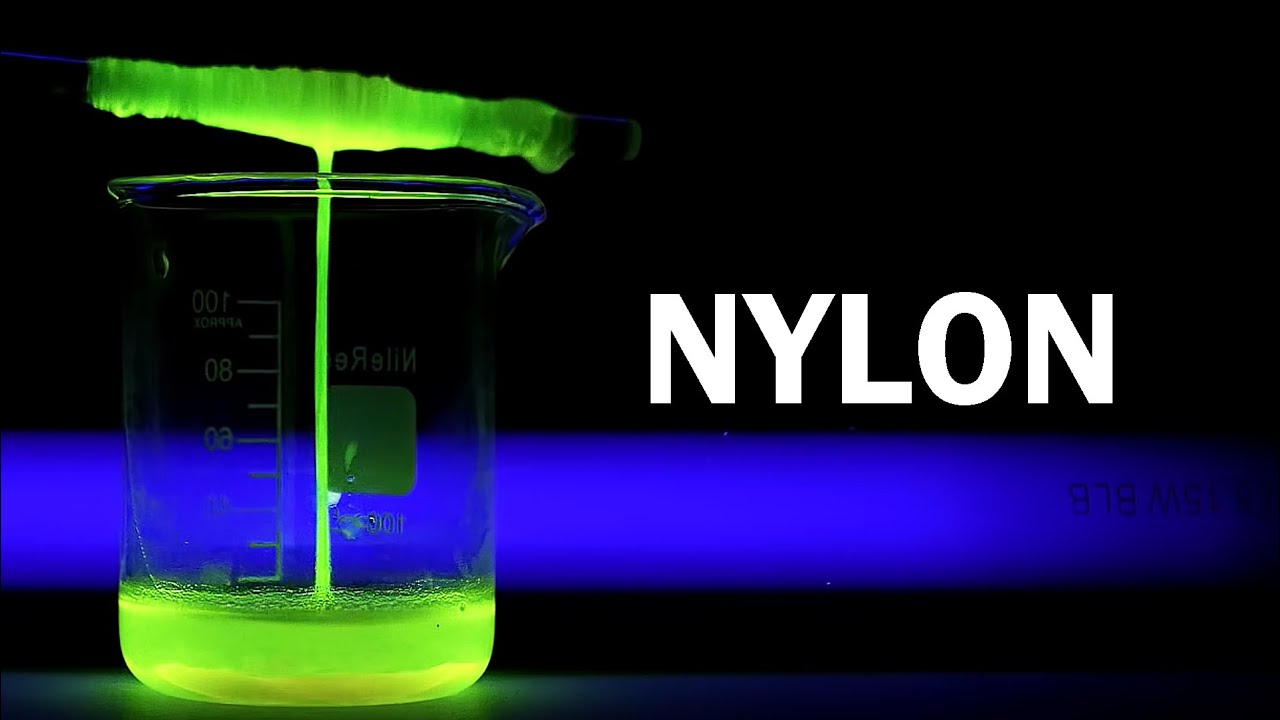
Nylon is one of the world’s most widely used synthetic materials, but producing it still relies heavily on fossil fuels and energy-intensive industrial processes. Researchers now believe there could be a cleaner alternative.Β 

In a new study published in Nature, scientists describe a technique that converts lignin – a tough, woody component of plants that is often discarded or burned – into adipic acid, one of nylon’s key chemical building blocks. The approach combines refinery-inspired chemical processing with specially engineered microbes that carry out highly selective reactions.Β 

According to the researchers, the hybrid system delivers a significantly higher yield of adipic acid than previous lignin-based methods, potentially paving the way for a more sustainable and lower-carbon route to nylon production.

New value in a long-ignored industrial byproduct

Often treated as little more than industrial waste, lignin is the natural polymer that gives plants their strength and rigidity. It is one of the most abundant organic materials on the planet and is believed to be the largest underused component of biomass. Every year, millions of tons of lignin are generated as a byproduct of the paper and biofuel industries, with most of it simply burned as a low-value source of energy.

Yet lignin contains a wealth of carbon-rich aromatic structures that could be converted into valuable industrial chemicals. The challenge has been finding an efficient and cost-effective way to break it down into simple, high-value compounds at commercial scale. Researchers have long struggled because lignin-rich byproducts are typically complex, inconsistent mixtures that are difficult to process and refine.

Although lignin has long been seen as a promising renewable source of aromatic chemicals, its complex and highly variable structure has limited its industrial use. The researchers note that lignin often degrades during extraction, while most current processing methods produce complicated mixtures of chemical compounds rather than simple, high-value molecules suitable for large-scale manufacturing.

These limitations mean that current lignin conversion techniques usually achieve yields of only around 20% for any single product, making them commercially unattractive. They also tend to generate complex mixtures of phenolic compounds that are difficult to separate and refine. A more efficient way to convert lignin into adipic acid or other nylon precursors could help reduce both biomass waste and the carbon footprint associated with petroleum-based plastics.

Hybrid chemical and biological process could transform nylon manufacturing

The new approach could help transform low-value plant waste into a key ingredient for nylon production by combining established chemical processing with engineered bacteria. The process begins with poplar wood chips, from which lignin is extracted and broken down into an oil rich in aromatic compounds.Β 

This oil is then treated in a reactor that removes unwanted oxygen-containing groups, followed by another chemical step that converts it into water-soluble aromatic acids. Finally, engineered microbes complete the process by turning these intermediates into adipic acid.

The researchers then introduced an engineered bacterium, Pseudomonas putida, which converts most of the aromatic carboxylic acids in the mixture into muconolactone. This intermediate can then be chemically transformed into adipic acid, a key component in nylon production.

In experiments, the process achieved an adipic acid yield of about 26 wt% (grams of product per gram of lignin). However, the team estimates that with further optimization, yields could potentially reach up to 57 wt%. They also demonstrated that the method works across different wood sources, including poplar, pine, and birch, suggesting it could be applied broadly to various types of lignin feedstocks.

πŸ’Ύ

A discarded plant material that was long treated as waste could become a sustainable source for one of nylon's essential ingredients.
  •  
❌