❌

Reading view

Nuclear fusion testbed gets 50-MW pulsed-power upgrade to push core plasma temperatures
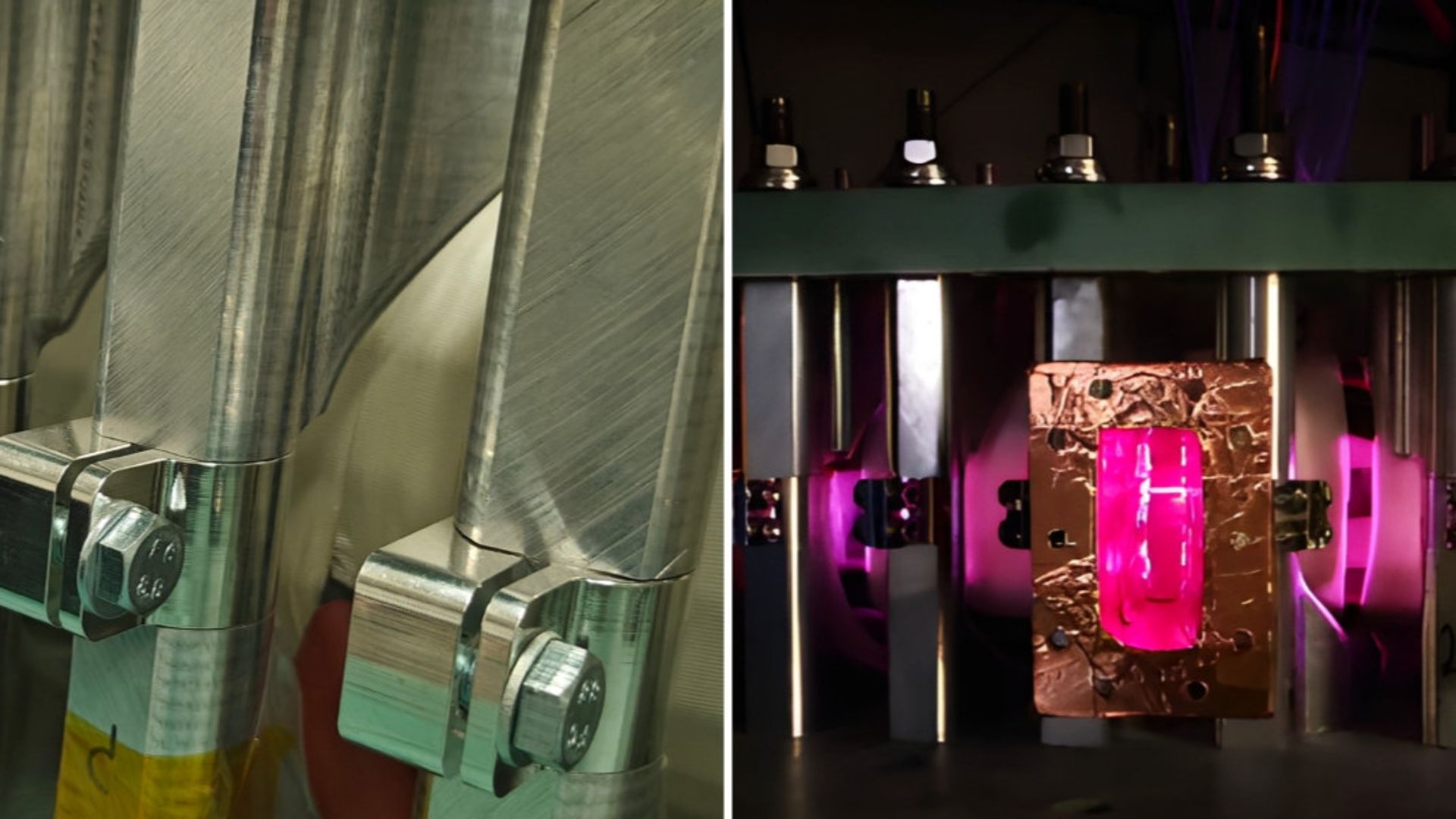
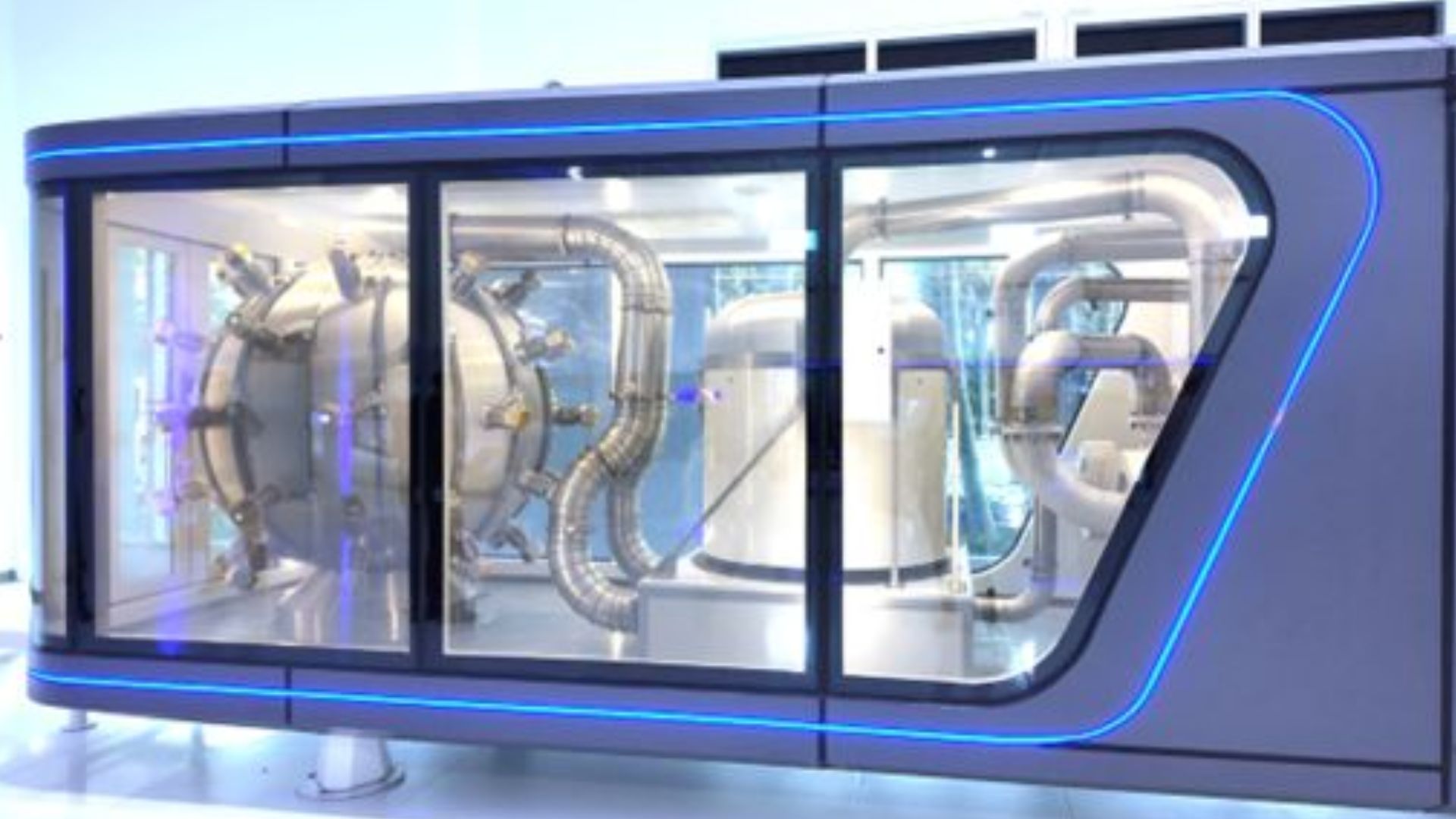
Engineers at compact fusion company nT-Tao have brought a 50-megawatt pulsed-power subsystem into active service. The hardware delivers high-energy bursts to the company’s C3 prototype, a machine designed to test magnetic confinement in dense plasma regimes.

This installation marks a critical step toward exceeding 1.5 million degrees Celsius, the highest thermal benchmark recorded on the platform to date.

Injecting large bursts of electricity into an ionized gas triggers severe circuit instability. As the plasma heats up during each pulse, its internal electrical properties fluctuate within fractions of a millisecond. These rapid swings alter the electrical impedance of both the plasma and the delivery hardware.

“The power must also be controlled precisely as the electrical characteristics of the system and the plasma change rapidly during each pulse,” said the company in a press release.

If the supply fails to match these shifts instantly, electrical resonance breaks down and the gas reflects energy back into the driving circuits. To prevent this loss, nT-Tao paired the 50-megawatt unit with a proprietary real-time nonlinear control system.

Nonlinear real-time tuning

The controller tracks circuit changes during the pulse and updates operating parameters continuously. This active tuning maintains resonance throughout the discharge, ensuring maximal energy transfers into the plasma core under fast-varying conditions.

CTO and co-founder Boaz Weinfeld pointed out that generating 50 megawatts is relatively straightforward compared to the task of coordinating 50 separate modules in real time. The primary engineering accomplishment lies in forcing multiple units to function as one synchronized circuit.

The physical power supply expands the company’s Modular Energy Generator Architecture, known as MEGA. The setup distributes the power load across 50 compact units called Power Electronic Generators (PEGs), rather than relying on a single, large power source. Each PEG produces approximately 1 megawatt of output.

Technicians grouped these generators into ten parallel branches, placing five parallel-wired modules on each branch. The complete network operates across switching frequencies between 50 and 2,000 kilohertz.

“It represents a roughly five-fold scale-up from an earlier generation that integrated 12 PEGs into an approximately 10 MW system,” added the company.

Hardware scalability and recent milestones

Using 1-megawatt modules provides practical manufacturing and operational advantages. Technicians can connect modules in series or parallel arrangements to meet specific circuit requirements. According to Weinfeld, fusion systems that cannot be produced at scale will fail commercially. Standardized, repeatable modules keep the physical footprint compact and allow capacity growth without redesigning core hardware.

The 50-megawatt power feed supports a broader strategy to turn plasma physics theory into viable, compact reactor hardware. Assembly took two months, with the machine reaching operational status and firing initial plasma pulses in January.

That testbed followed an earlier experimental series with the C2-A machine, which registered plasma temperatures around 100 electronvolts, or about 10^6 degrees Celsius.

By combining modular power electronics with high-speed nonlinear controls, the team has established the electrical drive required to push plasma past those early milestones toward commercial reactor temperatures.

“Together, the 50 PEGs and the real-time controller form the power architecture subsystem intended to deliver large amounts of energy to the plasma in precisely controlled pulses, moving nT-Tao closer to its next temperature milestone on the path toward a commercially viable compact fusion system,” concluded the company.

  •  

‘7x more’ thrust: 72-foot sail powers world’s first wind-assisted multipurpose cargo ship

Wind propulsion company bound4blue has completed the installation of a 22-metre (72-foot) tall suction sail on the 292-foot (89-metre) cargo ship Na Hiro E Pae. This makes it the “first multipurpose vessel” worldwide to adopt a wind propulsion system. The unit was fitted at the Astilleros Armon Vigo yard in Spain for Greek shipping firm Société de Navigation des Australes SNA Tuha’a Pae.

“We hope Na Hiro E Pae leads the way for other ambitious shipping companies keen to unlock sustainable advantages,” said José Miguel Bermúdez.

Capable of carrying 200 passengers and 1,500 tonnes of supplies between Tahiti and the Austral Islands, the ship is expected to cut its energy consumption by 10 percent using the autonomous system alongside existing service from the Tuhaa Pae IV, which has operated on the route since 2012.

Delivering significant fuel savings

The installed technology, known as the eSail, yields sevenfold the thrust generated by an equally sized conventional rigid sail. This high efficiency allows a relatively small unit to deliver significant fuel savings without interfering with the fast loading and unloading operations required on multipurpose ships.

“bound4blue’s mechanically simple suction sail, producing up to seven times the propulsive force of a standard rigid sail of the same size, slots into a ‘green technology mix’ that includes engines capable of running on biofuel or e-fuel, electric POD propulsion, efficient waste management, and autonomy in fresh water supply,” highlighted the company in a press release. 

The system functions by pulling airflow across a wide aerodynamic contour to assist the main engines. An autonomous vertical sail uses suction technology to draw air over this shape, creating propulsive thrust that decreases the mechanical burden on the vessel’s primary engines.

By pulling the air over its surface, the system prevents airflow separation that normally limits conventional sails. This aerodynamic effect allows the unit to generate far higher propulsive force relative to its physical surface area, directly lowering fuel usage and engine emissions.

“Multipurpose vessels have traditionally been seen as a challenging segment for wind power, due to the required flexibility of operations and related integration demands,” added Bermúdez.

Utilizing other green technologies

The compact nature of the eSail provides high force efficiency, allowing the vessel to maintain open deck space for cargo handling while utilizing wind energy.

The Na Hiro E Pae combines the suction sail with several other onboard green technologies. The ship features engines configured to burn biofuel or e-fuel as soon as local regional markets can supply them.

It also incorporates electric POD propulsion, efficient waste management systems, and autonomous fresh water supply capabilities to support its passenger and freight services.

“Sustainability was a key objective throughout the design process, and the eSAIL forms an important part of a wider package of technologies that will help us reduce energy consumption and environmental impact, while maintaining the reliable transport services our communities depend upon,” concluded Boris PIEL technical Director, SNA Tuha’a Pae Shipping Company.

  •  

US nuclear fusion engine secures key research permit for up to 1 GW power systems

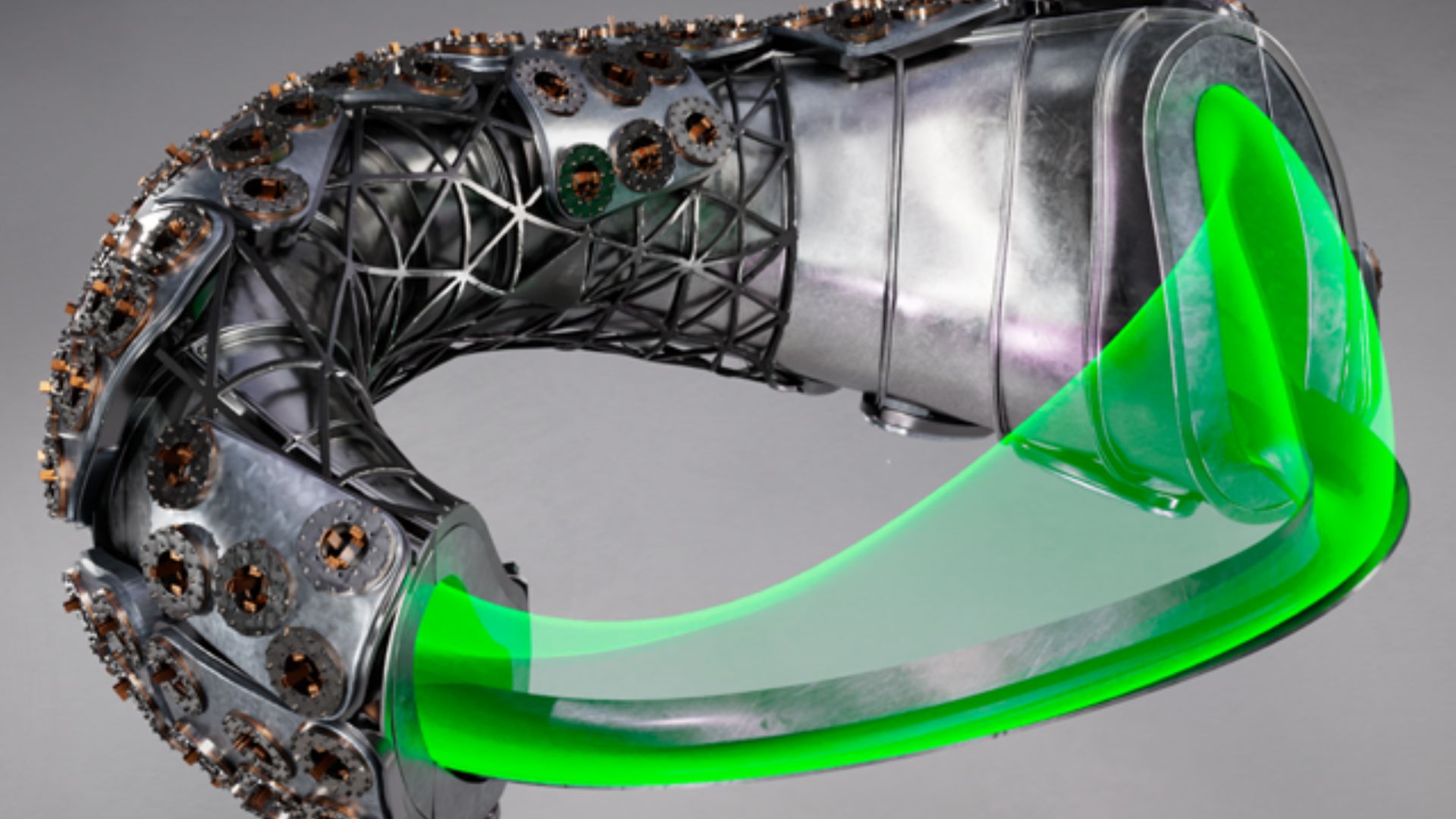
American Fusion has officially cleared a major regulatory hurdle, securing research and development certification from the Texas Department of State Health Services (DSHS) for all twelve registered models of its Texatron Fusion Engine platform. 

The development was shared by American Fusion’s Executive Chairman Brent Nelson in an interview, as reported by the company. 

This regulatory clearance applies to system hardware configurations across a wide power capacity spectrum, beginning with 500-kilowatt units and extending to large-scale architectures designed to output up to one gigawatt. With authorization completed, technical teams are preparing to start the next phase of experimental testing at Texas Tech University.

The primary technical objective of the upcoming experimental sequence is to verify nuclear fusion reactions inside the Texatron confinement hardware. Operational research teams plan to gather diagnostic measurements concerning plasma dynamics, specifically tracking core plasma temperatures, particle densities, and magnetic containment behaviors during operational cycles. 

“Nelson stated that the Company’s initial testing objectives include validating fusion reactions within the Texatron platform and collecting performance metrics related to plasma behavior and system operation,” said the company in a press release.

Maintaining conditions for sustained fusion reactions

Evaluating these physical parameters allows engineers to assess how efficiently the system achieves and maintains the conditions required for sustained fusion reactions. Following the initial reaction verification, testing will shift toward evaluating the pulse-generated electrical output produced by the engine, which serves as an intermediate milestone before attempting continuous electricity generation.

“Data generated during testing is expected to be independently documented, with findings potentially available for publication following review,” remarked the company.

Unlike conventional nuclear fission reactors that require steam turbines and produce long-lived radioactive waste, the Texatron system utilizes magnetic-confinement technology to generate electricity from high-energy plasma while significantly reducing radioactive byproducts. 

“Advanced fusion systems can convert energy directly into electricity, reducing reliance on steam turbines and minimizing energy losses,” noted American Fusion. “This enables higher efficiency, simpler infrastructure, and faster, more flexible power generation for modern grids.”

Current engineering efforts are distributed across several intermediate engine sizes, including 5-megawatt, 10-megawatt, and 20-megawatt configurations, along with preliminary engineering planning for a 100-megawatt unit.

Transportable and reduced radiation profile

The physical characteristics and direct electrical output of the engine dictate its target integration environments. Hyperscale artificial intelligence data centers increasingly utilize high-voltage direct current power infrastructure, meaning matching the generator’s direct DC output reduces energy conversion losses compared to traditional steam turbines, though power conditioning is still required to stabilize voltage.

The transportable and reduced radiation profile of the hardware allows smaller units to be deployed on trucks to supply power for defense installations, mining operations, and remote industrial facilities. 

The operational targets for 2026 depend on executing the multi-stage plasma validation tests, establishing performance metrics, expanding patent protections, and negotiating initial power placement agreements with commercial partners.

“American Fusion Energy is moving from proven laboratory breakthroughs toward scalable energy systems by focusing on real-world engineering challenges,” concluded the company.  
“Building on validated progress in high-temperature plasma confinement, the company is translating fusion physics into practical pathways for future commercial power.”

  •  

Next-gen ceramic aircraft batteries could enable 621-mile electric flights

Taiwanese battery manufacturer ProLogium and Dutch aerospace firm Elysian Aircraft have signed a Memorandum of Understanding to assess the use of next-generation lithium ceramic batteries in large-scale passenger airplanes. 

“Aviation applications place extremely high demands on battery energy density, safety, and weight efficiency, which is why careful and rigorous assessment and validation are essential,” said Vincent Yang, founder and CEO of ProLogium.

The technical parameters of the agreement require the development of battery cells that can function within complete battery packs featuring an energy density between 320 and 420 Wh/kg. This energy density is intended to satisfy the physical requirements of large commercial aircraft designed to fly routes between 750 and 1,000 kilometers (465 miles to 621 miles) on a single charge.  

The agreement establishes two distinct areas for technical assessment. The first area involves standard compatibility testing, which determines if ProLogium’s current battery architectures can integrate directly into existing aviation electrical systems without structural modifications. 

The second area focuses on custom development, where engineers will design new battery cell variations specifically to meet the unique safety standards, structural dimensions, and weight limitations required for commercial aerospace applications.

Increase safety parameters

Commercial electric flight has previously faced limitations because standard lithium-ion batteries do not offer enough energy relative to their total weight. Solid-state and lithium ceramic designs reduce total weight and increase safety parameters by replacing liquid electrolytes with stable solid materials. 

“However, aviation applications impose highly stringent requirements on battery system safety standards, reliability, weight management, and certification, and such technologies must still undergo careful validation and long-term development,” noted the company in a press release.

The companies will also evaluate the logistics of establishing manufacturing facilities and supply chains within Europe. Sourcing materials and assembling battery packs near Elysian’s operational facilities is intended to shorten international shipping distances.

“By assessing local supply and manufacturing capabilities in Europe, there may be opportunities to shorten cross-regional transportation distances, strengthen supply chain resilience, and further reduce the overall carbon footprint from a Life Cycle Assessment (LCA) perspective,” explained the press release.

The company originally developed a battery architecture utilizing a 100% ceramic separator in 2013. In 2025, the manufacturer introduced a superfluidized all-inorganic lithium ceramic battery design intended to be manufactured on automated, high-volume assembly lines to control production costs.  

System integration for strategic objectives

Executives from both organizations stated that cell capacity alone cannot solve the challenges of electric aviation, as flight requires specific system integration, safety profiles, and weight reduction. The assessment process will evaluate how these cell architectures function when scaled into full aircraft modules. 

The formal discussions under this memorandum aim to establish whether next-generation battery physics can realistically meet the operational demands of large-scale, zero-emission commercial passenger flights.  

“Battery technology is a key enabler for electric aviation, but aviation requires far beyond cell performance alone,” concluded Rob Wolleswinkel, Co-CEO and CTO of Elysian Aircraft. 

“Through this MoU with ProLogium, we look forward to exploring how next generation battery technology could support safe, scalable, and zero-emission aviation.”

  •  

US firm deploys floating data centers that generate electricity using ocean waves

High-performance computing is moving into international waters to solve the dual challenges of energy availability and hardware cooling. US-based tech startup Panthalassa recently finalized a $140 million Series B investment round to scale production on its self-propelled maritime data platforms. 

“There are three sources of energy on the planet with tens of terawatts of new capacity potential: solar, nuclear, and the open ocean,” said Garth Sheldon-Coulson, Co-Founder and CEO of Panthalassa.

This capital injection will fund the completion of an assembly facility near Portland, Oregon, and accelerate a pilot deployment in the northern Pacific Ocean later this year.

“As demand for new electricity and computing continues to surge, terrestrial data centers face mounting constraints: limited grid capacity, cooling water scarcity, supply chain bottlenecks, permitting delays, and impacts on local communities and infrastructure,” said the company in a press release.

Deploying autonomous nodes into deep water

Residential communities frequently organize against new data center construction out of concern over increased utility costs, noise pollution, and the diversion of public resources.

Panthalassa evades these regional regulatory and environmental obstacles by deploying autonomous computing nodes directly into deep water. 

“Panthalassa’s nodes are autonomous, floating energy systems that are mass-produced from plate steel in coastal factories,” added the press release. “They operate in the distant ocean, where they generate clean electricity around the clock.”

Onboard mechanical systems convert the kinetic movement of waves into a steady supply of electricity, establishing a continuous power source that functions independently of weather-dependent terrestrial renewables like solar or wind.

Onboard data processing and ocean cooling

The entire data processing cycle occurs directly on the water. Instead of using undersea cables to send raw electricity back to coastlines, the platforms consume the power immediately to run onboard artificial intelligence hardware. 

The surrounding ocean operates as a perpetual thermal sink, providing natural cooling that maintains optimal chip temperatures and slows hardware degradation without consuming municipal freshwater. 

For data transmission, the system relies on low-Earth-orbit satellite networks to receive incoming commands and broadcast completed AI inference tokens back to terrestrial clients.

“Rather than transmitting energy back to terrestrial grids, Panthalassa uses it directly onboard to power AI chips, sending inference tokens to land by satellite,” explained the company.

Development timeline and future outlook

The upcoming deployment of the Ocean-3 pilot series represents the culmination of a ten-year development timeline. Panthalassa previously conducted oceanic field tests using its Ocean-1, Ocean-2, and Wavehopper designs in 2021 and 2024 to verify the stability of its power generation and navigational software. 

The scheduled Pacific trials will focus on processing active computing workloads and standardizing manufacturing protocols in preparation for widespread commercial availability in 2027.

By utilizing remote marine environments, the architecture opens up a vast energy resource without adding traffic to domestic power infrastructures or requiring new land-based power plants. 

Financial backers and corporate partners indicate that moving high-density computing to the ocean offers a viable template for scaling global technology infrastructure while mitigating the economic and ecological impact on civilian communities.

“We’ve built a technology platform that operates in the planet’s most energy-dense wave regions, far from shore, and turns that resource into reliable clean power,” concluded Sheldon-Coulson. “We’re now ready to build factories, deploy fleets, and provide a sustainable new source of energy for humanity.”

  •  

Advanced nuclear project secures 77-acre US site for molten salt reactor testing

Terrestrial Energy has secured exclusive access to 77 acres at the Texas A&M-RELLIS campus to advance engineering preparations for a small modular nuclear power plant. The signed ground lease and research and development agreements allow the company to conduct physical testing and environmental site characterization. 

This data collection is required before submitting a construction permit application to the US Nuclear Regulatory Commission.

This development follows two regulatory and technical milestones achieved by Terrestrial Energy earlier this year. In April 2026, the Nuclear Regulatory Commission completed a safety evaluation of the company’s methodology for identifying and analyzing potential reactor accidents. 

This assessment is built on a late 2025 regulatory milestone, during which the agency approved the core engineering design criteria for the system. In May 2026, the company entered a separate agreement with Riot Platforms to study how this reactor design can support large-scale computing infrastructure, targeting up to 4 gigawatts of total power capacity.

Technical profile of the molten salt design

The planned facility uses an Integral Molten Salt Reactor, which represents a shift from traditional light-water nuclear plants. Traditional reactors use solid uranium fuel rods cooled by water under high pressure. In contrast, this Generation IV design mixes low-enriched uranium fuel directly into a liquid salt mixture. The liquid functions simultaneously as the fuel matrix and the heat transfer fluid.

This liquid state alters the safety profile of the system. If power is lost, the liquid salt can cool by natural air circulation without requiring active electrical backup pumps to prevent overheating. The reactor operates at high temperatures but at normal atmospheric pressure. This low-pressure environment reduces the physical risk of a containment breach compared to high-pressure water systems.

The reactor is engineered as a small modular unit. This allows major components to be fabricated in a factory environment and transported by truck or rail to the site for assembly, rather than being built entirely on-site. The facility is designed to generate both electricity and high-temperature industrial heat. This thermal energy output can be directed to industrial applications, such as chemical synthesis, or to localized power grids.

Scope of the campus testing site

The 77-acre site at the RELLIS Energy Proving Ground will host multiple validation projects. Terrestrial Energy has established an engineering and project management office on the campus to oversee these activities. Under a master research agreement finalized in the first quarter of 2026, university researchers and company engineers will collaborate on testing procedures.

The site will support the primary reactor project, alongside two initiatives managed in partnership with the US Department of Energy, TETRA and TEFLA. Engineers will focus on verifying how the system’s materials withstand high thermal stress and radiation over time. The project also includes local workforce development to train technicians on the specific maintenance protocols required for liquid-fueled systems.

The regional power grid, operated by the Electric Reliability Council of Texas, faces rising demand from advanced manufacturing facilities, industrial operations, and data centers. These installations require a continuous baseline power supply that is not affected by weather conditions. 

  •  

Mobile small reactors on ships: UK firm explores floating nuclear power plants

Core Power has initiated a research project to analyze the viability of mounting small modular reactors onto ocean vessels.The enterprise is examining how to install the mPower reactor design, developed by BWX Technologies, into ship-constructed vessels known as floating nuclear power plants. 

“We’re building, integrating and deploying ship-based nuclear energy systems that deliver reliable power where industry and nations need it most,” said Mikal Bøe, CEO of Core Power. “We are focused on commercial delivery, from vessels and infrastructure to kilowatts consumed and industries powered.”

This evaluation focuses on mapping out the legal compliance requirements, the physical engineering adjustments, and the financial structures needed to make these mobile energy stations functional. 

By moving the assembly process out of standard construction fields and entirely into industrialized ship docks, the participating organizations aim to stabilize production schedules and sidestep the delays typically associated with land-based civil infrastructure.

“This assessment of the mPower technology is a significant step in our strategy to accelerate the design of our fully modular floating nuclear power plants,” added Bøe.

Shift in energy delivery methods

Traditional electrical grids face growing pressure as power consumption rises faster than the construction of new utility facilities. Developing standard land-based atomic plants often requires navigating lengthy local zoning laws, extensive environmental reviews, and complex site preparation schedules. 

Marine-assembled energy units are being considered as an alternative method to bypass these regional bottlenecks. Once constructed, these self-contained power vessels can be towed across waterways to moor near coastal cities, industrial zones, or remote territories experiencing severe energy deficits.

The scope of this current research phase encompasses several foundational stages of project development. Engineers are establishing protocols for baseline data sharing and creating a unified concept of operations. 

The teams will also detail specific marine architecture demands and execute an extensive financial evaluation to confirm whether the cost per kilowatt justifies continued development.

“Electric power demand is rapidly outstripping supply. Markets that need reliable electricity cannot wait for conventional infrastructure timelines,” concluded Bøe.

“The United States has the nuclear expertise, the industrial base and the maritime heritage to lead this market. CORE POWER’s role is to combine those strengths and accelerate the path from technology to product.”

Technical specifications of the reactor

The selected reactor mechanism, designated as a Generation III+ integral pressurized water system, was engineered to supply two distinct forms of utility. A single unit is capable of generating 195 megawatts of electrical power for standard grid distribution.

The core outputs 575 megawatts of thermal energy, which can be diverted for specialized industrial processes like heavy manufacturing or water desalination.

Under the current arrangement, Core Power is financing the initial exploratory work. The business is applying its existing background in maritime logistics, vessel assembly, and nautical systems integration to adapt the technology for aquatic environments. BWX Technologies is contributing to the core reactor blueprint itself.

The data gathered during this preliminary investigation will decide whether the firms progress to detailed engineering layouts, formal applications with maritime and atomic regulatory bodies, or the establishment of joint corporate entities to oversee physical production.

  •  

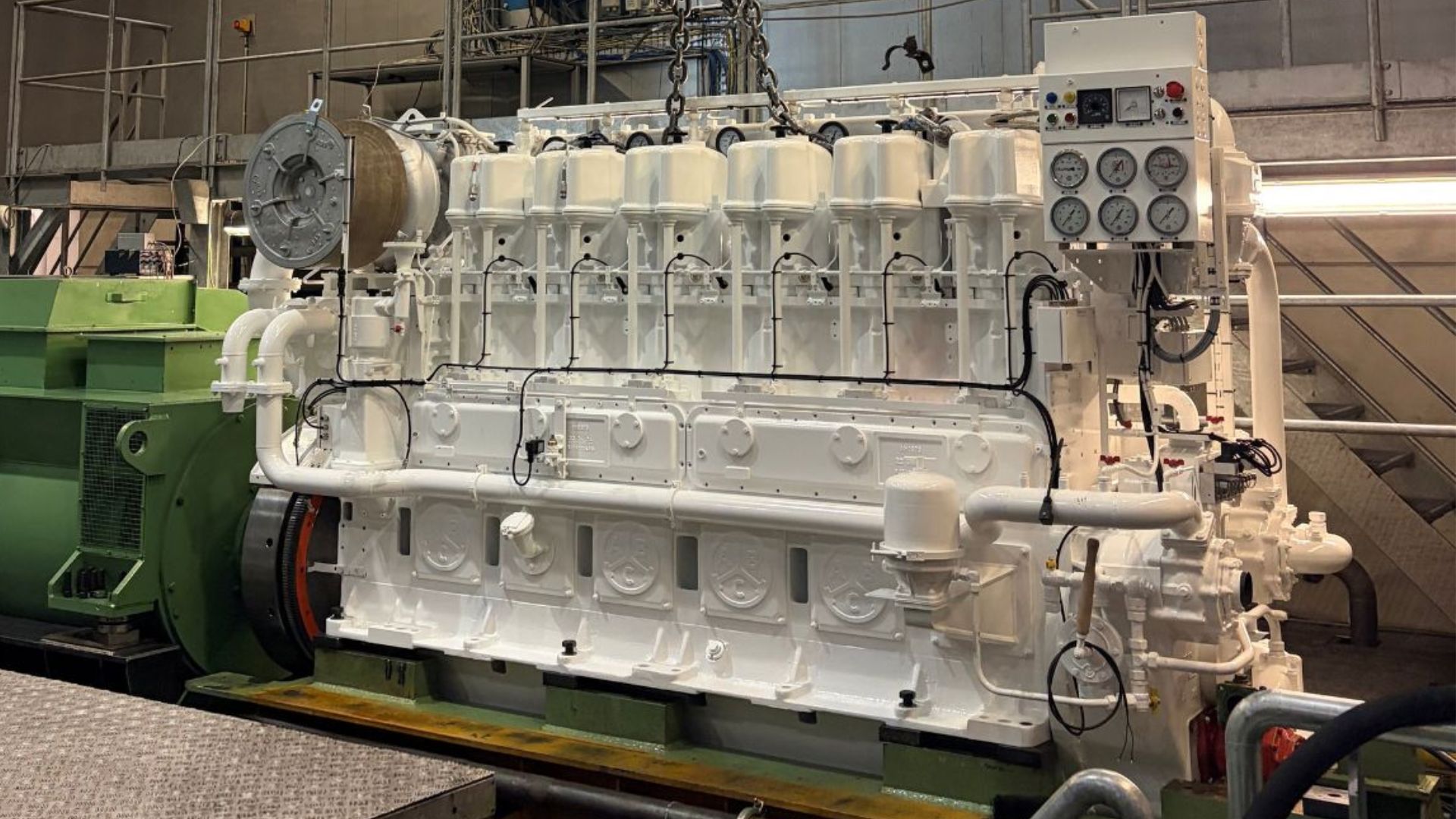
World’s first 100% hydrogen-fuelled marine engine delivering 2670kW power gets class approval

Lloyd’s Register has granted a Type Approval Certificate for a marine engine that runs entirely on hydrogen fuel using a spark-ignition system. The classification society issued this specific certification to BeHydro after concluding that the machinery complies with all regulatory standards regarding operational performance, safety parameters, and mechanical reliability. 

“For shipowners and operators, independent certification is essential in building confidence that emerging fuel technologies can meet the industry’s expectations for safety, reliability and operational performance,” said Claudene Sharp-Patel, Global Technical Director, Lloyd’s Register.

This mechanical design operates exclusively on a hydrogen and eliminates the need for conventional pilot fossil fuels during operation. By removing the need for a secondary fuel source, the architecture reduces the total number of subsystems required on board a vessel. 

The configuration stops the generation of carbon compounds during the combustion process, presenting a clear mechanical option for fleet operators seeking alternatives to carbon-heavy propulsion plants.

To serve as a practical alternative

According to Lloyd’s Register representatives, the issuance of the official certificate indicates that internal combustion machinery using hydrogen fuel has advanced to a stage where it can serve as a practical alternative in industrial shipping. 

For maritime companies and vessel operators, receiving a third-party validation of this nature serves as a necessary benchmark to confirm that the mechanical systems will perform according to technical expectations during routine service.

The certified machinery line covers a power spectrum ranging from a minimum of 900 kilowatts to a maximum of 2670 kilowatts. This capacity allows the units to be deployed across multiple maritime segments, functioning either as the primary propulsion unit or configured alongside an electrical generator to provide auxiliary onboard power.

Management at ABC Engines stated that the formal certification validates the technological framework of the hardware line for shipowners globally. Beyond standard maritime environments, the engineering parameters make the power units adaptable for alternative industrial uses. 

Operational integration for sustainability

The mechanical systems are built to tolerate small amounts of impurities inside the incoming hydrogen gas stream, meaning they can be integrated into heavy stationary power generation facilities or land-based railway transport networks.

The combustion cycle of these units does not produce standard maritime pollutants, completely preventing the release of carbon dioxide, nitrogen oxides, sulfur oxides, or particulate soot into the atmosphere. The resulting exhaust gas consists solely of water vapor mixed with regular atmospheric air.

The manufacturing process for these power plants does not require the use of rare or highly limited mineral resources. The supply chain excludes materials such as lithium, zinc, cobalt, platinum, and various rare-earth elements. This material selection avoids the environmental damage associated with mining operations for rare minerals. 

The mechanical design relies on traditional engineering principles to extend the operational lifespan of the components, which simplifies the regular maintenance procedures carried out by crew members. Consequently, the reduced maintenance complexity lowers the long-term operational expenditures and reduces the total downtime for vessel owners.

  •  

Nuclear waste could be turned into advanced reactor fuel with US firms’ new deal

Advanced nuclear technology firm Oklo and TRISO nuclear fuel producer Standard Nuclear have finalized a memorandum of understanding to work together on fuel recycling, advanced manufacturing, and utilizing excess US plutonium.

This commercial agreement provides Oklo with its initial third-party buyer pathway for materials processed at its upcoming Tennessee facility. It follows an announcement by the US Department of Energy that selected both companies among five enterprises to enter advanced negotiations for the federal Surplus Plutonium Utilization Program.

The non-binding agreement outlines a framework for the companies to evaluate technical and commercial details. Under the material offtake portion of the agreement, Standard Nuclear will review specifications and delivery timelines for reprocessed uranium and uranium-transuranic streams.

These materials will originate from Oklo’s planned recycling plant in Oak Ridge and will serve as raw inputs for Standard Nuclear’s production of TRISO fuel, which is a specialized fuel type designed for high-temperature advanced reactors.

Supply chain integration

“The collaboration would focus on the supply of reprocessed uranium (RepU) and uranium-transuranic material (U/TRU) streams from used nuclear fuel, which could serve as feedstock for TRISO fuel manufacturing,” said Oklo in a press release.

The second major component of the agreement focuses on managing federal weapons-grade material. The two companies plan to coordinate on licensing requirements, specialized packaging, facilities, and secure transportation networks. 

This logistical framework is intended to safely convert surplus domestic plutonium into usable fuel for next-generation commercial reactors, providing consistent clean electricity to the power grid.

Jacob DeWitte, co-founder and chief executive officer of Oklo, stated that his company focuses on converting used nuclear material into functional fuel supplies to help build the domestic supply chains required for deploying advanced reactors. 

“This partnership represents a compelling pathway to source feedstock materials for our TRISO fuel manufacturing and radioisotope power systems and is an important step in strengthening domestic fuel feedstock supply sources,” added Kurt Terrani, chief executive officer of Standard Nuclear. 

Addressing domestic nuclear waste

The commercial effort addresses a significant domestic inventory challenge, as the United States currently stores approximately 100,000 metric tons of used nuclear fuel from traditional commercial reactors. 

Rather than leaving these stockpiles in long-term storage, the collaboration attempts to extract remaining energy resources from the waste.

Oklo is currently designing a fast test reactor named Pluto that runs specifically on plutonium. The goal of the Pluto project is to prove that surplus military plutonium can function as an interim fuel source for commercial electricity generation instead of remaining a permanent disposal issue.

At the same time, Standard Nuclear operates as an independent, reactor-agnostic fuel developer, meaning its TRISO fuel can be utilized across various third-party reactor designs for both terrestrial power grids and space exploration systems. 

The company also builds radioisotope power systems, which are compact electricity generators used by defense agencies and aerospace programs. These systems will rely directly on the specific isotopes recovered during the recycling processes managed by Oklo.

  •  

UK’s new nuclear control room simulator mimics multiple reactor types safely

Lancaster University has officially unveiled a first-of-its-kind nuclear facility control room simulator, featuring a highly adaptable design that can mimic several distinct reactor types. 

“The pioneering simulator will support the nation’s clean energy goals and help enhance the country’s future nuclear safety,” said the university in a press release.

The facility functions as a training platform to prepare personnel for the domestic clean energy sector and to test safety protocols. Because the layout and internal computing architecture can be altered, operators can model multiple power generation technologies rather than relying on a single static layout.

Multi-reactor simulations

The physical setup features a three-sided wrap-around visual display and audio-visual recording tools. Instructors use these cameras and microphones to review how students handle complex scenarios and provide performance feedback. The physical desks and chairs can be moved into different positions to replicate the unique control room spaces found at real power utilities.

“It has also been designed so that furniture can be reconfigured to represent different control room layouts,” noted the researchers.

The system runs industrial software codes produced by specialized companies, including Westinghouse, GSE Solutions, Tokamak Energy, and Norway’s Institute for Energy Technology. These configurations allow the machinery to mimic the operation of Pressurized Water Reactors, which currently make up the majority of international nuclear plants.

The software can also be used to simulate Small Modular Reactors, smaller units designed for flexible grid deployment, and tokamak fusion systems, which use magnetic fields to contain high-temperature plasma.

“This high-fidelity simulator will enable us to create simulations of scenarios where nuclear facilities are cyber attacked, providing valuable in-depth learning experiences for our cyber security students, some of which may become future cyber security professionals protecting our critical national infrastructure,” concluded Professor Paul Smith, Principal Investigator of the initiative

Practical training for safety behavior

The facility supports several academic areas simultaneously to address shortages in technical workforces. Although Lancaster University offers the only single-honors undergraduate degree in Nuclear Engineering in the United Kingdom, this project also relies heavily on the institution’s existing cybersecurity infrastructure. 

The university holds official accreditation as an Academic Center of Excellence in Cyber Security Research and Education from the National Cyber Security Center.

During practical exercises, instructors can inject simulated malware or network intrusions into the control software. Students must identify these digital anomalies, establish defenses, and maintain regular plant operations under active threat conditions. This training aims to prepare graduates to protect real national infrastructure from network breaches.

Beyond engineering and computer science, the university’s Psychology Department uses the simulator to study human performance. Researchers examine how teams analyze data, communicate, and make decisions during unexpected technical failures or emergency alarms. 

This behavioral data is used to improve safety guidelines for industrial settings where human error carries high risks. The new facility, built on the university campus next to the existing Data Immersion Suite, consolidates the institution’s digital modeling assets.

  •  

World’s first large-scale 100% hydrogen engine feeds power into electricity grid

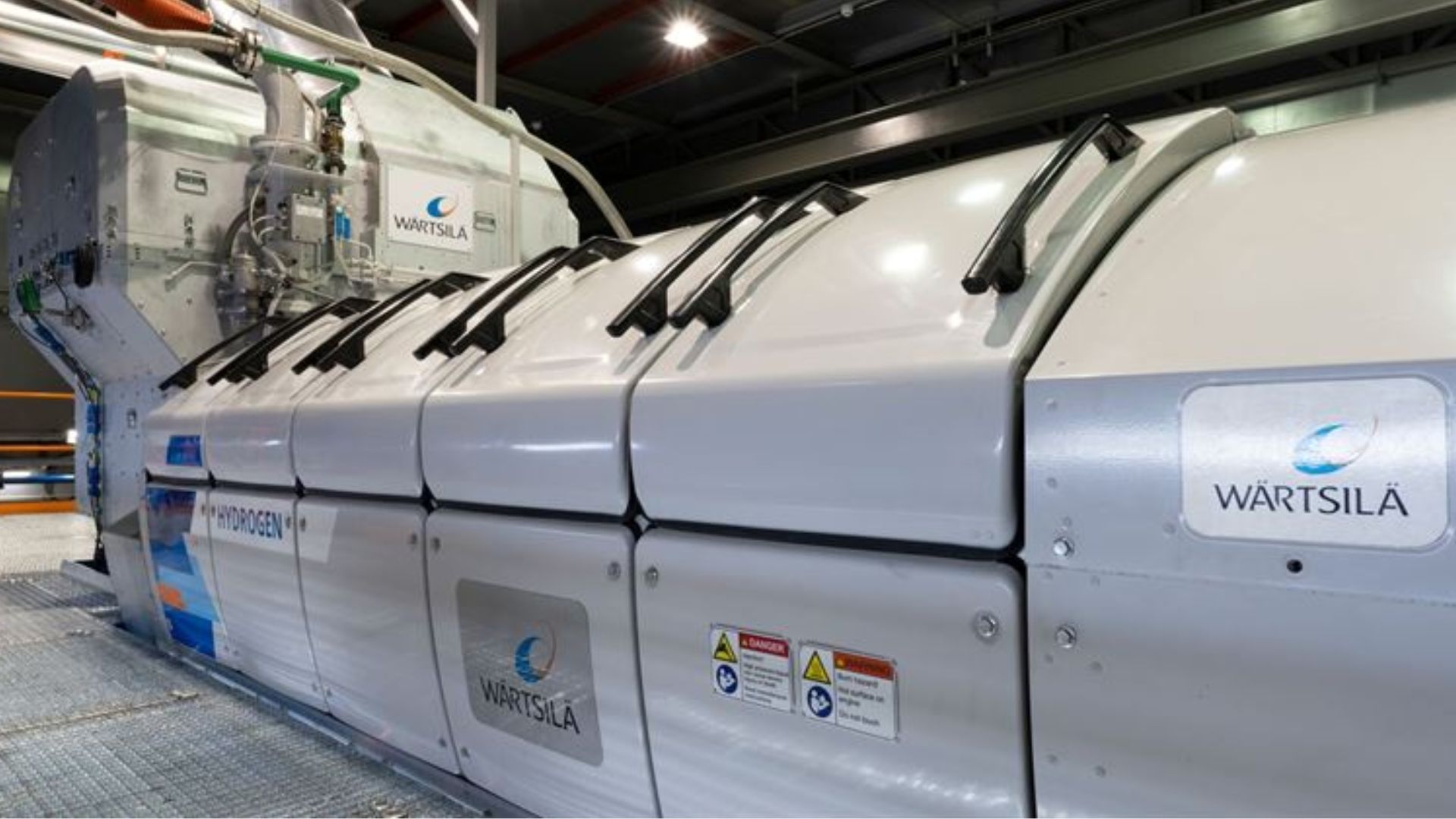
A large-scale power engine has successfully supplied electricity to Spain’s national grid using 100% pure hydrogen fuel. The trial, conducted by technology group Wärtsilä in the northern town of Bermeo, is the first time an engine of this scale has operated entirely on pure hydrogen under real-world grid conditions.

“This is the world’s first demonstration of a large-scale hydrogen engine running on 100% pure hydrogen,” said the company in a press release.

The operation utilized the Wärtsilä 31H2 model, which currently stands as the largest pure hydrogen engine in existence. While previous power plant designs relied on engines that mixed hydrogen with standard natural gas, this test confirms that grid-connected generators can function without any fossil fuel inputs.

Grid-scale technical validation

“The Wärtsilä 31H2 engine, part of the Wärtsilä 31 platform, one of the world’s most efficient multi-fuel 4-stroke engines, shows that hydrogen can move beyond theory into real-world energy infrastructure,” added the company.

According to the company, Spain was selected for the project because the country has established a high percentage of renewable energy sources and is actively trying to decrease its dependence on unpredictable global fuel markets.

This development addresses a major structural problem facing modern electrical grids. International projections indicate that global solar and wind installations will expand by approximately 4,600 gigawatts by 2030.

Because wind and solar electricity production fluctuates based on weather conditions and the time of day, grid operators require highly flexible backup power systems that can start quickly during periods of low generation or high consumer demand.

Addressing renewable intermittency

“Green hydrogen produces no carbon emissions, enabling clean power generation while supporting the decarbonisation of renewable-heavy grids,” highlighted the press release. When wind or solar farms produce more electricity than consumers need, that excess power can run electrolyzers to split water into oxygen and hydrogen gas.

This hydrogen is stored and subsequently burned in engines like the 31H2 to generate emissions-free electricity when weather-dependent sources are offline, ensuring a continuous power supply.

Beyond traditional grid stabilization, the engine platform is engineered to supply electricity to remote regions that lack connection to main power lines. The manufacturer also expects the technology to support industries that require constant, high-volume electricity.

This includes industrial manufacturing operations and artificial intelligence data centers, which face pressure to reduce their carbon footprints while maintaining uninterrupted operational uptime.

Frameworks for future expansion

Following the verification of the engine’s mechanical performance, company officials stated that widespread adoption now depends on external economic factors rather than engineering capabilities.

“Our Wärtsilä 31H2 hydrogen engine is operating on 100% hydrogen and supplying power to Spain’s national grid, demonstrating that large-scale hydrogen engines can provide the flexible, dispatchable sustainable power needed to support future renewable energy systems,” remarked Rasmus Teir, Director of Technology Strategy & Decarbonisation at Wärtsilä.

He concluded that commercial expansion will require governments to establish clear regulatory frameworks, secure investment pathways, and build the physical pipelines and storage facilities necessary to transport sustainable fuels to power generation sites.

  •  

Solid-state battery cell hits 465 Wh/kg density, targets aerospace and defense applications

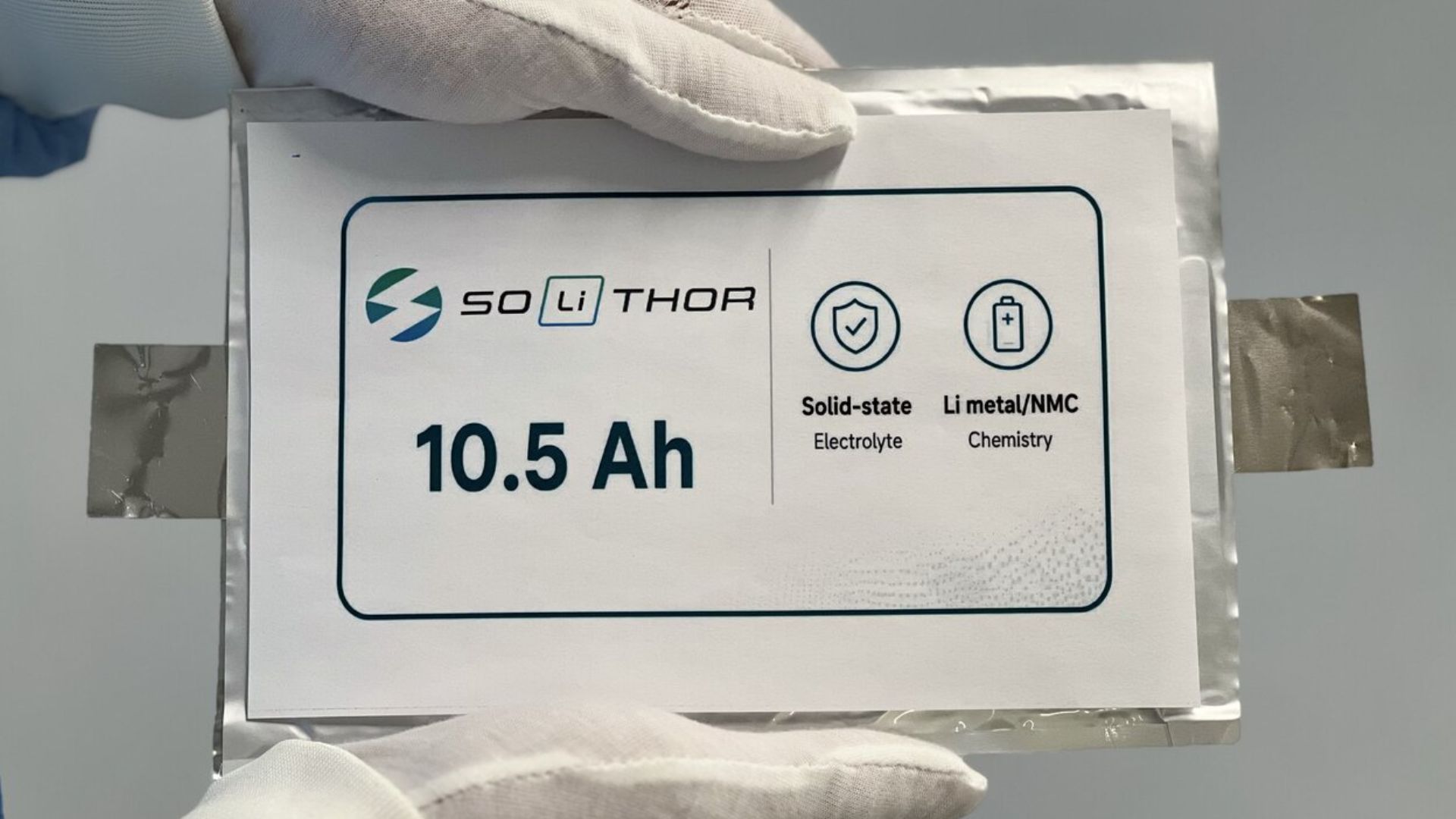
European battery startup SOLiTHOR has produced its first 10 Ah demonstration cell, marking an increase in the physical scale of its solid-state lithium battery technology. The company intends for this larger format to show that its laboratory chemistry can transition into commercial production for industries requiring specialized power sources.

Alongside the production of the larger cell, the company reported stack-level energy densities of 465 Wh/kg and 1400 Wh/L within a pouch design. Engineers reached these figures by introducing a high-loading cathode with an areal capacity of 8mAh/cm2 into the company’s proprietary Solid Composite Electrolyte.

Unlike traditional lithium-ion systems or certain semi-solid designs, this chemistry uses a sol-gel process that functions without requiring any liquid electrolyte injections during assembly.

Laboratory evaluations indicate specific performance characteristics under varied operational environments. When testing multilayer pouch cells at a temperature of 25°C, the cells sustained continuous discharge rates reaching 5C without experiencing major drops in capacity.

Performance limits and safety metrics

The same units tolerated short 30-second power pulses up to 10C when held at a 50% state of charge. This specific energy discharge behavior is relevant for machinery that requires brief, intense energy outputs, such as unmanned aerial vehicles during departure and descent sequences.

“SOLiTHOR has developed a chemistry that allows the industry to rethink the manufacturing of solid-state battery cells,” said Dr. Fanny Bardé, Co-Founder and Chief Technology Officer at SOLiTHOR.

Long-term stability tests were conducted on smaller 1 Ah multilayer pouch cells. These units completed more than 500 full discharge cycles while maintaining over 80% of their original storage capacity, which provides an initial benchmark for the operational lifespan of the chemistry.

During standardized safety protocols, the fully charged multilayer cells were subjected to intentional overcharging and direct nail penetration.

Production economics and industry targets

“In safety assessments, SOLiTHOR’s technology successfully passed the overcharge and nail penetration tests on a 100% charge multilayer pouch cell with no smoke, leakage, thermal runaway, or fire,” highlighted the company in a press release.

“These technical achievements not only prove that the chemistry works, but that it delivers the combination of energy density, power performance, and cycle life required for practical applications,” added Bardé.

The manufacturing framework for the new chemistry relies on roll-to-roll processing systems already common in the battery sector. By removing the liquid filling stage entirely and accelerating the subsequent chemical formation and aging protocols, the production timeline for these steps is shortened by two-thirds. 

Because these specific phases normally represent one-quarter of total cell manufacturing expenditures, their reduction alters the overall processing economics.

Facility adaptation for market deployment

“Existing Li-ion facilities can be upgraded for solid-state production with no new equipment, limited switching costs, and reduced operational costs,” noted the press release.

The company is targeting initial applications for its battery cells within the aerospace, maritime, transport, and defense sectors.

“With this major technical update, we are demonstrating that our technology can be realistically produced, satisfying the demands of high-performance and high-value applications within aerospace, dual-use, and mobility,” concluded Rodrigo P. Navarro, CEO at SOLiTHOR.

  •  

Nuclear reactor accident testing equipped with real-time visual tracking tech by US lab

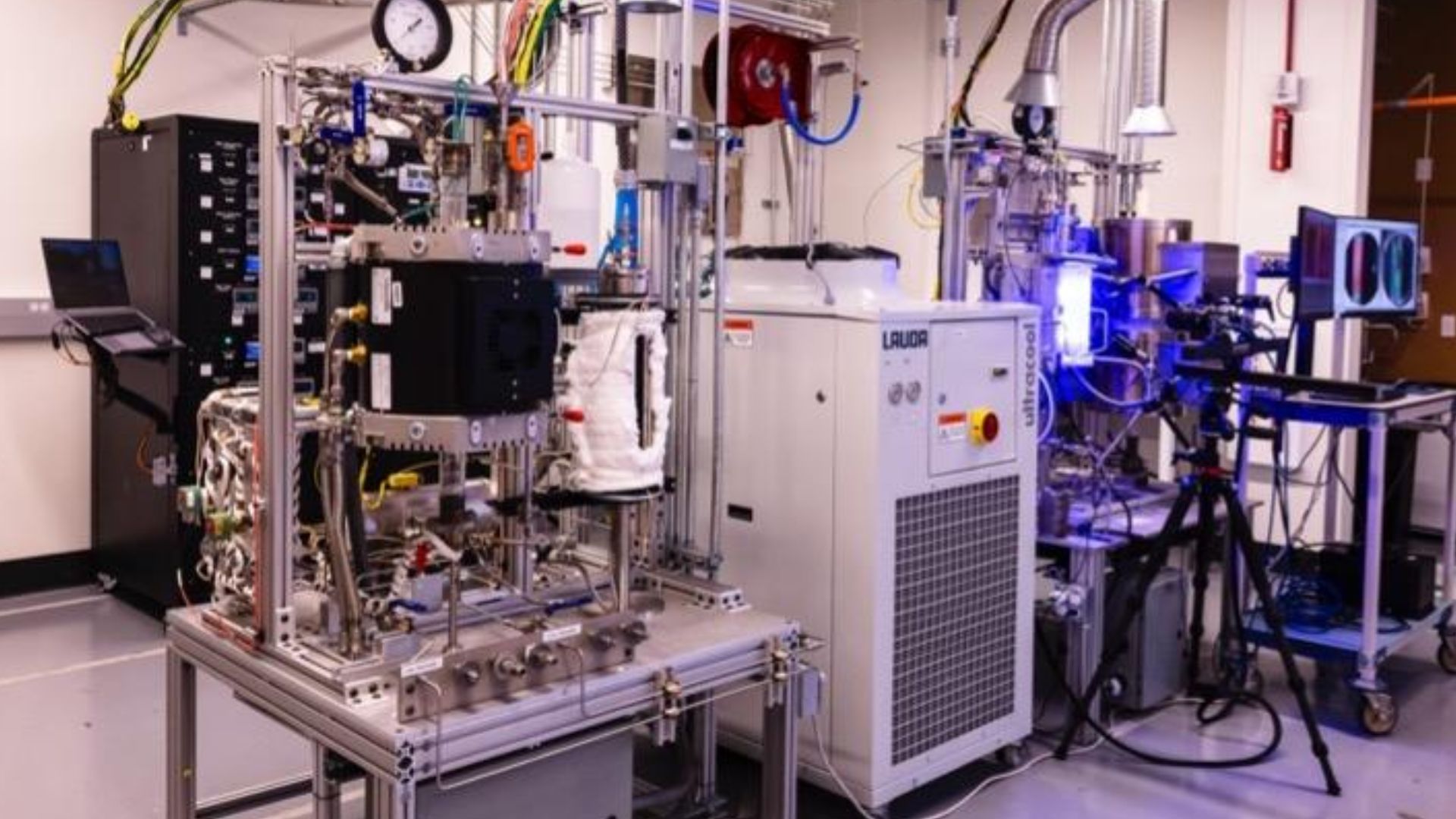
Researchers at Oak Ridge National Laboratory (ORNL) have added real-time visual tracking to their nuclear accident simulation equipment. By installing a camera window into a specialized furnace wall, scientists use digital image correlation to measure fuel cladding deformation as it happens. 

This is the first time researchers have captured these physical changes visually during a simulated loss-of-coolant accident (LOCA).

The severe accident testing station (SATS) at ORNL is the only domestic facility that can run these simulated failures on commercial, radioactive fuel rods. The protective outer layer, known as cladding, holds the nuclear fuel. Gathering precise data on this setup helps the nuclear industry reduce regulatory uncertainty.

This testing supports a broader national effort to approve accident-tolerant and high-burnup fuels, which allow commercial reactors to run longer and generate more power without raising costs.

Grid demand and regulatory approvals

Data centers and artificial intelligence systems are increasing the demand for steady electricity. Rather than building new facilities, power companies want to optimize current light-water reactors. This process, called a power uprate, increases electricity output by running fuel at higher temperatures and adjusting operational margins.

“A power uprate means increasing a plant’s electrical output by optimizing its operational margins — and removing overly conservative guidelines where appropriate — so that the fuel can operate at higher power levels,” said Nathan Capps, senior R&D staff in the Fuel Cladding and Core Internals group.

When utilities combine power uprates with extended fuel lifespans, they generate more energy from the same resources. To date, the Nuclear Regulatory Commission (NRC) has approved 171 power uprates. 

This has added power equivalent to eight new reactors to the U.S. grid without new construction. However, utilities must submit experimental data proving safety before the NRC approves these operational changes.

The simulation process

To replicate an accident where cooling water drops out of a reactor core, ORNL scientists follow a specific sequence. A fuel rod segment between 1 and 12 inches long is placed inside a quartz tube and centered with spacer disks. Next, researchers pressurize the inside of the segment to replicate the internal stress of a full-length active rod. 

An infrared furnace then heats the sample to a target temperature at a controlled rate. Finally, water floods the chamber to cool the segment back to room temperature. The entire process takes two to three minutes.

SATS uses two stations to complete this research. The first operates in a standard lab to map out experiments and test non-radioactive materials. The second station sits inside a heavily shielded hot cell to run identical parameters on radioactive commercial fuel. 

Beyond structural changes, the system tracks how trapped gases escape during temperature spikes and how fuel moves during a failure.

Industry applications

Fuel manufacturers use ORNL’s data to create safety reports for regulatory review. Over the past four years, ORNL has completed 16 LOCA tests alongside companies like Southern Nuclear, Constellation, Westinghouse, Framatome, and Global Nuclear Fuel. 

The laboratory plans to double its testing volume to help utilities meet rising grid demands.

  •  

US backs commercial fusion plant design built for decades of continuous power

The US Department of Energy (DOE) has officially cleared the preconceptual design and technology development roadmap for Xcimer Energy’s fusion power plant architecture, named Athena.

This regulatory clearance follows an intense evaluation of a 724-page proposal that covered system engineering, safety protocols, economic projections, and environmental impacts.

The government’s sign-off concludes Xcimer’s initial 18-month budget cycle within the federal Milestone-Based Fusion Development Program, an initiative intended to advance commercial fusion through public-private partnerships.

This administrative milestone closely follows the activation of Xcimer’s prototype laser system, Phoenix, last week. Located inside a 74,000-square-foot facility in Denver, Phoenix is currently the largest operational private laser system globally.

“Phoenix is a proof of concept for an unconventional fusion architecture: a krypton fluoride (KrF) excimer laser using Stimulated Brillouin Scattering (SBS) to compress a microsecond-long pulse into the nanosecond timescales fusion requires,” said the company in a press release.

Viability of long-term power generation

While historical laboratory efforts, such as those at the National Ignition Facility, proved that laser fusion physics could surpass the scientific breakeven point, Xcimer’s program focuses on the financial and mechanical viability of long-term power generation.

The Athena platform serves as the blueprint for a projected fleet of commercial plants designed to operate continuously for multiple decades.

A central challenge in fusion engineering is protecting reactor structures from degrading under constant radiation. Xcimer intends to address this by using a moving curtain of molten salt inside the reactor chamber instead of a static solid wall.

According to Susana Reyes, Vice President for Chamber and Plant Design, this liquid barrier absorbs neutron flux, generates tritium fuel, and transfers heat while constantly renewing itself.

“We are designing Athena to run continuously at a repetition rate of up to 1 Hz, and the use of a liquid wall chamber maximizes availability by protecting the solid structures from the fusion reaction emissions over the entire plant lifetime,” said Reyes.

Establishing scalable industrial manufacturing

Company officials state that the primary obstacle to fusion energy is no longer validating the underlying science, but establishing scalable industrial manufacturing.

Conner Galloway, CEO and Chief Science Officer, noted that the DOE’s review confirms the mechanical viability of the Athena framework and establishes a structured pathway toward commercial deployment.

“The question facing laser fusion is no longer whether the physics works,” said Galloway. “The question is how fast we can industrialize it.

Xcimer’s engineering targets include limiting laser manufacturing expenses to less than $100 per joule to ensure competitive energy pricing. Following the federal approval of the Athena roadmap, the Denver-based firm plans to transition into its next operational phase.

The upcoming schedule requires Xcimer to begin full-scale subsystem testing, complete engineering validations, and finalize the technical preparations necessary for a comprehensive, integrated pilot plant demonstration.

“We designed Athena around that property from day one, and it shapes everything: the materials choices, the thermal management, the maintenance philosophy, the economics. And Xcimer’s laser architecture uniquely enables this design,” concluded Reyes.

  •  

US firm taps Australian thorium reserves for advanced nuclear reactor fuel

Energy technology firm AMPERA has confirmed that its new modular, supercritical nuclear systems will operate on thorium obtained from Australian suppliers. The raw material will be managed and processed through an internal supply chain established by the business.

“Our strategy is to secure thorium directly at the source and vertically integrate the entire fuel value chain, from mineral supply through advanced fuel production,” said AMPERA Founder and CEO Brian Matthews.

“Thorium offers a compelling combination of abundance, energy potential, economics, and safety, making it an ideal fuel for AMPERA’s advanced microreactors and a promising resource for the broader nuclear industry.”

To manage the import logistics, the business launched an overseas branch named Ampera Australia earlier this year. This expansion builds upon a bilateral critical minerals agreement signed by the United States and Australian governments late last year, which sets guidelines for the extraction and processing of rare-earth elements.

Domestic production strategy

Following the launch of its primary office in Florida this past April, the organization intends to set up a secondary facility within the state dedicated to fuel production.

The manufacturing plant will focus on turning the raw material into tri-structural isotropic (TRISO) fuel kernels. This fabrication process involves proprietary liquid jetting methods and additive manufacturing techniques. The company has filed more than 60 patents and established trade secrets to safeguard these technical designs.

“Thorium is the future for ultra-safe, clean power production,” Matthews added. “By producing TRISO thorium kernels in the United States, we can ensure ample access to the needed fuel supply as we scale up and also minimize price volatility risk.”

Domestic production is intended to shield the company’s manufacturing pipeline from international market shifts. Internalizing the assembly phase ensures that the business maintains a predictable volume of fuel as it expands its hardware assembly lines.

Technical profile of thorium fuel

Using element 90 presents alternative mechanics compared to standard uranium-based nuclear designs. The material is widespread, with crustal reserves measuring approximately three times larger than those of uranium.

When utilized in advanced cycles, it demonstrates a higher fuel utilization rate, which means a larger percentage of the material undergoes fission rather than turning into heavy waste. The material starts out as weakly radioactive and fertile, meaning it must absorb a neutron to become fissile reactor fuel.

Additionally, the chemical byproducts are less suited for weapons production, and the cycle yields a smaller volume of long-lived transuranic elements compared to typical uranium-plutonium processes. 

Documentation from the International Atomic Energy Agency (IAEA) indicates that these fuel cycles could support global electrical infrastructure requirements over a long time horizon.

Generating decades of electricity

The firm’s compact units use a subcritical design that will be permanently enclosed during initial assembly. These modules are intended to generate electricity continuously for three decades without needing a replacement fuel core.

“Through its proprietary TRISO fuel platform, neutron-source technology and advanced additive manufacturing, AMPERA delivers scalable, factory-built, rapidly deployable, emission-free power for data centers, defense, industrial and maritime applications,” concluded the company in a press release.

  •  

US nuclear fusion firm shifts stellarator complexity to software using flat magnetic coils

Thea Energy will develop a virtual model of its planned fusion power plant using software engineering and computation tools. The enterprise aims to replicate its upcoming “Helios” facility as a digital twin, which allows engineers to simulate the plant’s operational variables before construction begins.

To execute this project, the firm is working with technology companies NVIDIA and Synopsys, alongside two federal entities: Argonne National Laboratory and Princeton Plasma Physics Laboratory.

The initiative connects to the US Department of Energy’s Genesis Mission, an agency program that applies data analytics to accelerate projects outlined in the national Fusion Science and Technology Roadmap. 

By simulating physical systems through software, the team expects to lower the capital requirements typically needed for hardware-based exploratory testing. The engineering timeline targets the delivery of grid-ready baseload electricity by 2035.

Distribution of technical responsibilities

The participating organizations provide distinct computational and physical datasets to build the overarching virtual architecture.

NVIDIA provides its Omniverse computing infrastructure to ingest Thea Energy’s baseline code. This framework allows engineers to view three-dimensional operational data and track potential design adjustments simultaneously.

Synopsys is responsible for integrating structural data into a multiphysics software environment. Its primary objective is to analyze the performance of the plant’s breeding blanket, a component that absorbs thermal energy from the fusion core and provides a radiation barrier for the surrounding magnetic systems.

Argonne National Laboratory delivers specialized data on particle interactions and neutronics. By feeding this data into the virtual model, the lab helps train software algorithms to predict how the physical blanket components will handle high-energy particle bombardment.

Princeton Plasma Physics Laboratory supplies numerical codes that map plasma behavior. These calculations provide the digital twin with the rules necessary to model highly turbulent ionized gases under elevated temperature and pressure conditions.

Mechanical design shift

Traditional stellarators require complex, curved three-dimensional magnetic coils to contain plasma. Thea Energy alters this approach by utilizing flat, repeatable planar magnetic coils arranged in a specific geometry. 

Because flat magnets are easier to manufacture, the physical complexity of plasma containment is transferred to computer software.

The control software regulates the magnetic fields dynamically. This configuration permits the system to adjust for physical deformation or material degradation during continuous operations without requiring manual mechanical interventions.

Development sequence

The road map for deployment consists of two primary hardware systems. The initial system, named Eos, serves as a large-scale prototype designed to achieve steady-state fusion and test structural integrity under real operational loads.

Following the validation of the prototype, the company will build the Helios facility, which will operate as a commercial power station in the 2030s. The digital twin framework is designed to function as an active feedback loop between these two systems. 

Engineers will apply data derived from the virtual Helios model to optimize the engineering components of the Eos prototype during its active testing phases.

  •  

Rare plutonium state that could improve nuclear reactors uncovered by US researchers

A research team at the Idaho National Laboratory (INL) recently documented the electronic behavior of a specific plutonium compound, shifting the focus of modern actinide research toward quantum mechanics.

According to their published paper, the compound plutonium hexaboride (PuB6) functions as a topological Kondo insulator. “Plutonium hexaboride gives us a rare opportunity to see how strong correlations and topology work together in actinide materials,” said INL scientist Krzysztof Gofryk, who led the study.

This precise atomic state provides alternative structural data for an element that has historically resisted complete physical classification since its initial synthesis eighty-six years ago.

Giving physicists a controlled baseline

While plutonium remains a primary component within nuclear security frameworks and commercial reactor fuel cycles, its internal electron dynamics have consistently proven difficult to map. The state observed in the PuB6 compound gives physicists a controlled baseline to study the underlying physics governing the heaviest elements of the periodic table.

The classification of PuB6 as a topological Kondo insulator indicates a departure from standard electrical behaviors. Standard substances are categorized by their ability to either transmit an electric current or resist it entirely. 

Topological insulators alter this distribution by acting as barriers to electricity within their bulk core while maintaining open conductive pathways along their outer perimeter. 

“The surface conductivity of topological insulators is unusually strong; it can’t be easily disrupted by impurities or physical defects,” said the researchers in a press release.

Identifying a specific quantum phenomenon

The term “Kondo” identifies a specific quantum phenomenon where individual electrons experience strong mutual repulsion. These close-range interactions cause the particles to act collectively rather than as independent units, generating physical properties that cannot be extrapolated by looking at single, isolated atoms. 

“Plutonium is a striking example,” added the researchers. “It contains 5f electrons, which are especially prone to these intense interactions, making it one of the most dramatic and complex materials known.”

By testing the hexaboride compound, the laboratory team recorded how these strong electron correlations coordinate with the geometric boundaries of the material’s surface.

Because actinide elements are highly radioactive, physical experimentation requires specialized safety protocols. The laboratory used a plasma focused ion beam to isolate microscopic sections of the plutonium compound, allowing researchers to place the material into ultra-low temperature environments. 

Minimizing thermal energy removes ambient atomic vibrations, allowing the team to measure pure quantum mechanics without heat interference.

Validating the metrics

“These advanced preparation techniques allow us to study plutonium at very low temperatures,” explained INL researcher Daniel Murray.

To validate the metrics, the researchers worked alongside theoretical physicists at Columbia University, matching the physical measurements against numerical computer models. 

The resilient currents found on the surface of topological materials offer a potential pathway for building stable processing units in quantum computers and developing high-precision magnetic sensors.

“On the quantum side, the research has potential applications in quantum computing, advanced sensing and frontier technologies that could fundamentally reshape how researchers model nuclear systems and materials,” concluded the press release.

  •  
❌