Login

US Navy’s new 20,000-ton Columbia-class nuclear-powered submarine takes shape
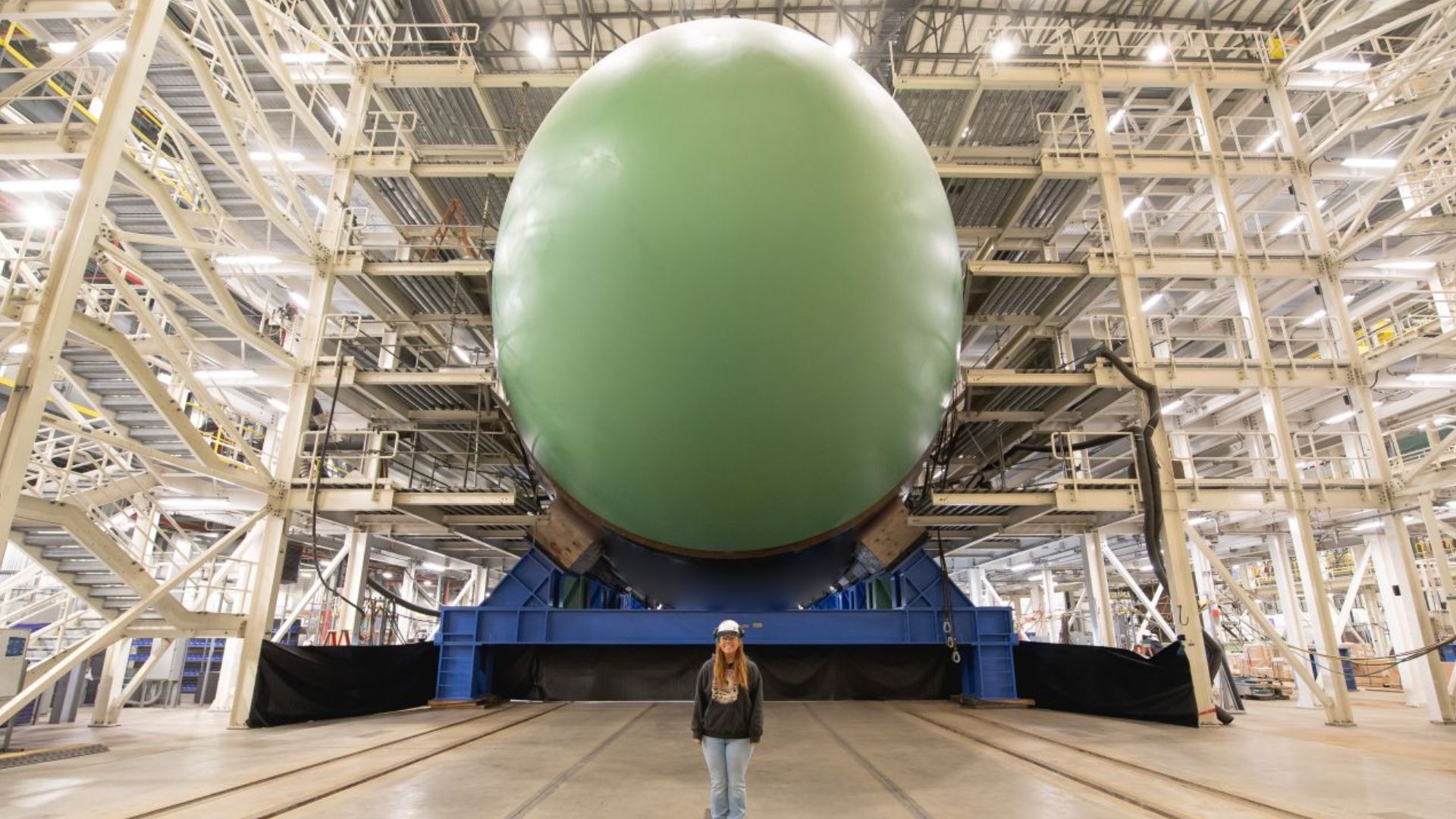
A recently released photograph offers a clear view of the construction of the future USS District of Columbia (SSBN-826), the first of the U.S. Navy’s new Columbia-class ballistic missile submarines. Shared online by Ashley Cowen, Lead Photographer at Newport News Shipbuilding, the image shows major parts of the submarine as work continues toward its planned delivery in 2029.
The photo shows both the bow and the stern sections under construction. These are key parts of the submarine and show that work on the Navy’s top-priority strategic deterrence program is making steady progress.
Key submarine sections take shape
The new image shows clear progress on the bow and stern sections of the submarine. The stern will later house the propulsion system and the unique X-shaped control surfaces, designed to help the submarine move and perform better underwater.
The sections seem to be inside General Dynamics Electric Boat’s South Yard Assembly Building or another large facility at the main shipyard in Groton, Connecticut.
The image arrives months after the arrival of the massive “Atlas” dry dock, which reached the shipyard in January 2026. This dry dock was built to support the construction, maintenance, and future servicing of Columbia-class submarines.
Ongoing deliveries of major submarine parts, hull sections, and support equipment indicate the program is on schedule as builders work to complete the first submarine in the class.
Designed to replace the Ohio-class fleet
The Columbia-class submarines are being built to replace the older Ohio-class ballistic missile submarines, which started service in the early 1980s. As the Ohio-class submarines retire through the early 2040s, the Columbia-class will take over the sea-based part of America’s nuclear deterrent.
Design work for the USS District of Columbia started in 2007, after the U.S. Navy partnered with General Dynamics Electric Boat to create a new class to follow the Ohio-class fleet.
The Navy describes the Columbia-class as being designed to survive better, be available for operations more often, and last longer than the previous class. These submarines are expected to stay in service until at least the 2080s.
This program is seen as one of the most important defense upgrades happening in the United States, since ballistic missile submarines are the most secure part of the country’s nuclear defense system.
Advanced technologies and larger design
The Columbia-class brings several big improvements over the Ohio-class submarines. These include quieter engines, better sonar, upgraded sensors, and new electronic controls for steering the submarine.
These submarines will also be larger than the Ohio-class submarines. When finished, each Columbia-class submarine will weigh more than 20,000 tons.
Even though the new submarines are larger, they will carry fewer missiles—16 UGM-133 Trident II D5 Life Extension submarine-launched ballistic missiles instead of the 24 Trident missiles on the Ohio-class. This change aligns with new strategic needs while maintaining a strong nuclear deterrent.
Each submarine will have four missile compartments, each holding four ballistic missiles.
Massive industrial effort supports construction
The Columbia-class submarines are built using a modular approach. Different contractors build large sections separately, and then these parts are put together at Electric Boat’s Groton facility.
Work is currently underway at Quonset Point, Rhode Island, with help from over 3,000 suppliers across the country. Newport News Shipbuilding makes the main bow and stern parts before they are sent to be added to the final hull.
The Navy plans to build a total of 12 Columbia-class submarines. Boats four through eight will be procured at a rate of one submarine per year over the next five years, with the program costing about $62 billion.
According to current plans, the USS District of Columbia will enter service in 2029, and the last submarine in the class should join the fleet around 2041 or 2042. Together, these submarines are expected to provide America’s sea-based nuclear deterrent for many years.