Login

Europe debuts first end-to-end sovereign manufacturing flow for critical defense chips
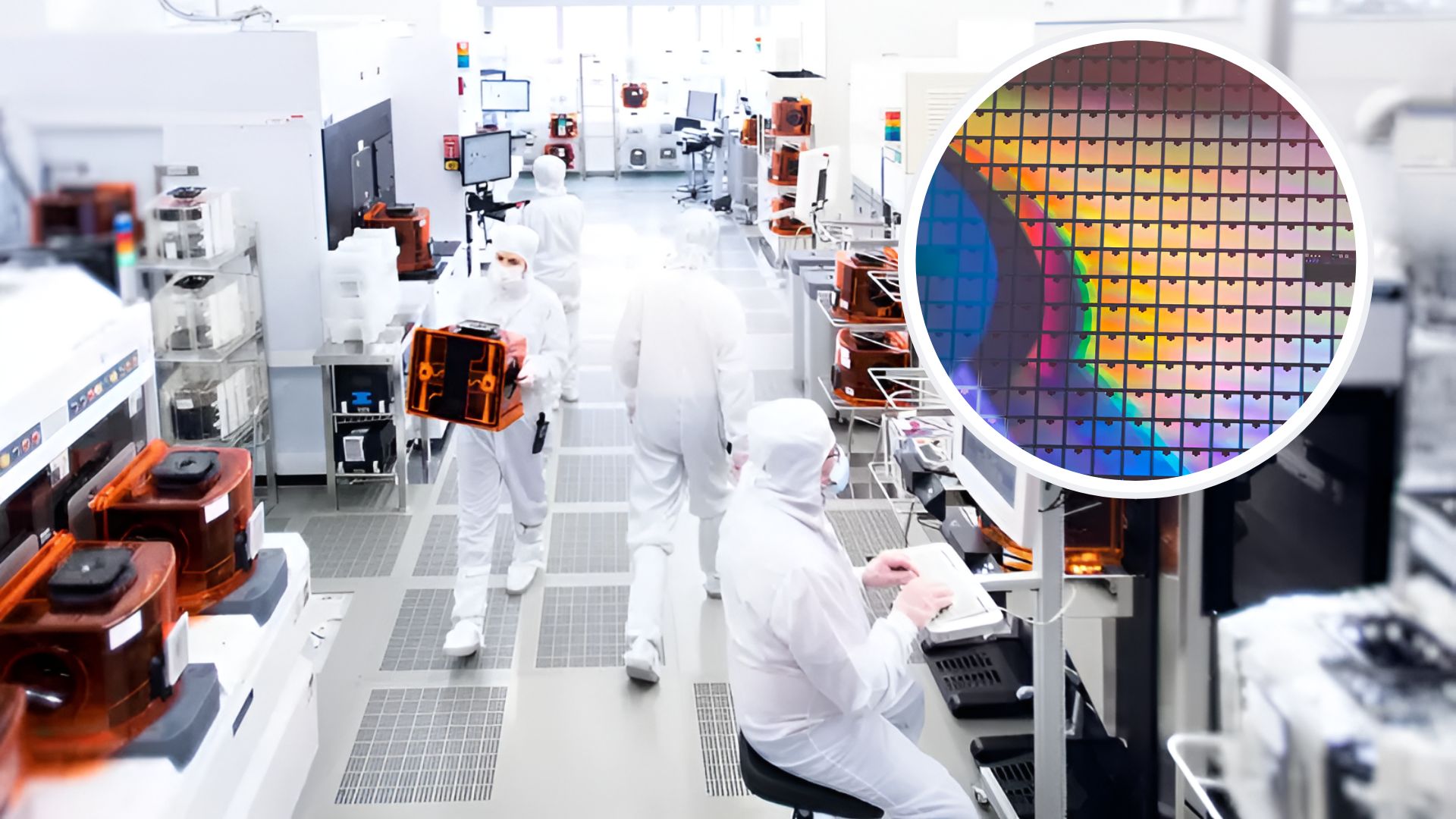
Europe’s effort to strengthen control over its semiconductor supply chain has reached a significant milestone. GlobalFoundries and Dutch chip designer Qualinx have completed what they describe as the continent’s first fully European end-to-end semiconductor manufacturing flow.
The achievement shows that security-sensitive chips can move from design to fabrication entirely within Europe. The approach targets applications where supply chain control carries strategic importance, including aerospace, defense, and critical infrastructure.
Qualinx served as the first customer to validate the manufacturing process using one of its advanced satellite navigation chips designed for secure timing and positioning applications.
Securing the supply chain
The project centers on Qualinx’s QLX3xx Global Navigation Satellite System system-on-chip, developed for Positioning, Navigation and Timing applications. These technologies support systems that require precise synchronization and resilient navigation capabilities.
Potential uses include military platforms, critical communications networks, and ultra-low-power connected devices operating at the edge. The chip was manufactured using GlobalFoundries’ FDX platform at the company’s Dresden facility in Germany.
Under the manufacturing framework, sensitive design files and production materials remain within European borders throughout the process. The initiative also receives support through the European Chips Act, which seeks to strengthen the region’s semiconductor capabilities and reduce reliance on overseas suppliers.
“We are demonstrating that Europe can rely on a secure, end-to-end semiconductor manufacturing flow that meets the highest requirements of aerospace and defense,” said Dr. Manfred Horstmann, senior vice president and general manager at GlobalFoundries.
He added that the Qualinx project proves complex, security-focused chip designs can already enter production through a trusted European manufacturing route.
Sovereign production roadmap
GlobalFoundries plans to expand the capability over the next several years. The Qualinx tape-out represents the first operational step toward a fully automated sovereign manufacturing process.
The company expects to complete that transition in Dresden by the end of 2026. Beginning in 2027, aerospace, defense and critical infrastructure customers could access the manufacturing flow through standard foundry engagements.
GlobalFoundries also plans to incorporate additional European partners into the ecosystem, including intellectual property providers, mask houses, and outsourced semiconductor assembly and test companies.
According to the company, several European system manufacturers and infrastructure operators have already begun evaluating future products for the trusted manufacturing path. The successful Qualinx project could help lower both technical and regulatory barriers for follow-on programs.
Building trusted infrastructure
The effort extends beyond wafer fabrication and chip production. GlobalFoundries is also working with European telecommunications and cloud providers to keep production data within the region.
In a separate initiative with Deutsche Telekom, the company is examining how manufacturing information can travel through European networks and reside in European data centers. The work covers encryption practices, secure data routing, and access controls for highly sensitive workloads.
For Qualinx, the project validates both its technology and the broader concept of sovereign semiconductor production.
“This first secure product demonstrates that a fully European manufacturing path is already a reality today,” said Tom Trill, chief executive officer of Qualinx.
He said the collaboration optimized the company’s Digital RF technology on GlobalFoundries’ FDX platform while preserving control over intellectual property, data, and the supply chain.
As governments around the world seek greater control over strategic technologies, Europe’s latest semiconductor milestone suggests trusted regional manufacturing is evolving beyond policy ambitions. It is increasingly becoming an industrial reality.