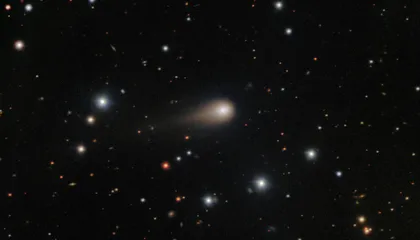
In the latest research, telescope observations of 3I/ATLAS examine its chemical structure and suggest that it took shape in a peripheral region of a relatively calm planetary system
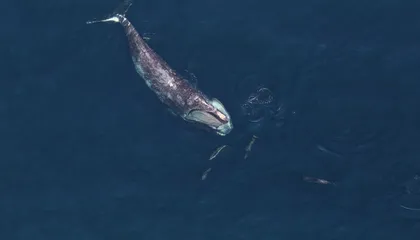
Since 2008, rules requiring ships to slow down to avoid collisions with North Atlantic right whales have reduced fatalities of the critically endangered animals. Now, NOAA is calling the regulations into question, raising concerns for the mammals’ future
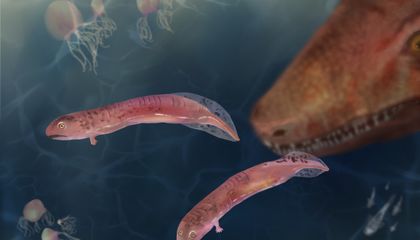
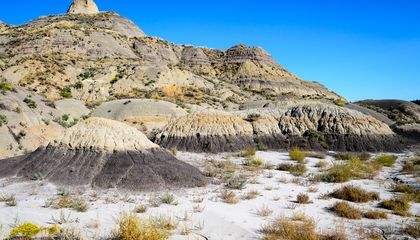
The fossil turned out to be a hatchling of a crocodile-like creature, and it suggests, according to a new study, that early animals did not use metamorphosis to evolve to dwell on land
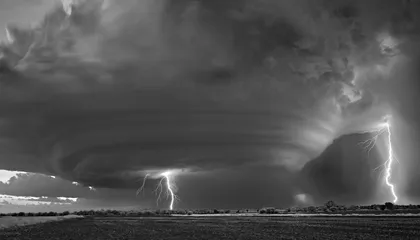
The sky was a very dangerous place in the early days of commercial aviation. By flying into storms to learn how they worked, these experts made air travel and weather forecasting much more predictable
Wide-ranging research suggests that as temperatures increase, some creatures pick fights while others struggle to learn. The findings hint at consequences that may ripple through ecosystems
Aldo Leopold’s writing reconsidered the place of humans in the natural world and challenged people to be less conquerors of the land and more citizens of it
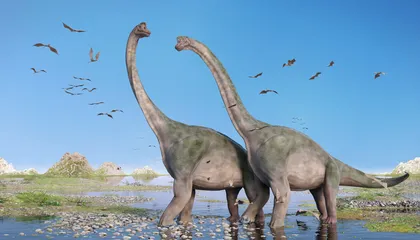
Pinning down the most titanic of the large sauropod dinosaurs is not an easy task, since the odds were generally against the biggest ones being buried and preserved
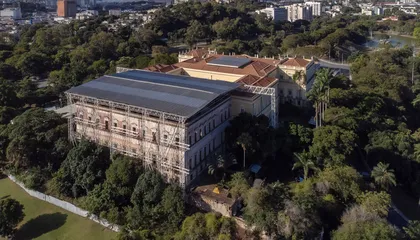
Ever since a 2018 blaze destroyed priceless artifacts and scientifically important specimens, museum staff have devoted themselves to reopening its doors to the public
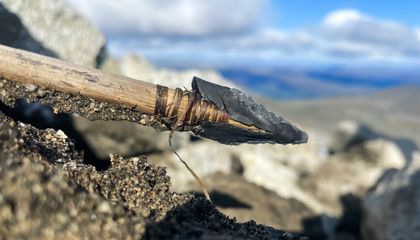
In Norway’s highest mountains, experts are scouring perilous terrain for pieces of the past, long stored in mint condition in ice patches. As temperatures rise across the world, glacial archaeologists must find the emerging artifacts before they degrade forever
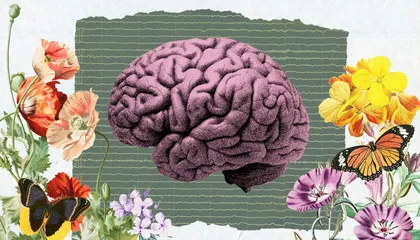
“Baby brain” isn’t the deficit it’s stereotyped to be, research suggests. Neural adaptations during pregnancy can prime soon-to-be-moms to become more attuned to their children and enhance social cognition
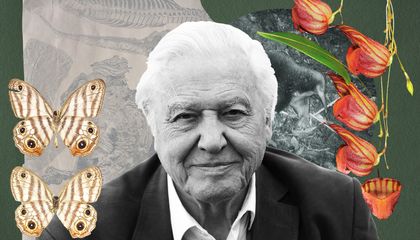
Researchers around the planet grew up watching documentaries hosted by the English broadcaster and naturalist, which sparked their love of the natural world. Now, their discoveries become tributes to his legacy
Survivors have a heightened risk of developing cardiovascular disease, pain, insomnia, psychosocial distress and new cancers. Many, patient advocates say, are not receiving adequate long-term care
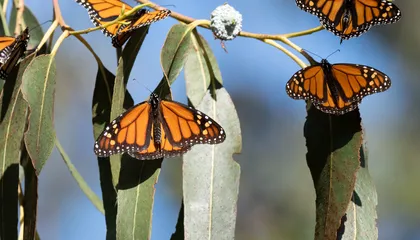
Pesticides, habitat loss and climate change have taken their toll on the beloved insects. But the experts working with them still find hope for their future
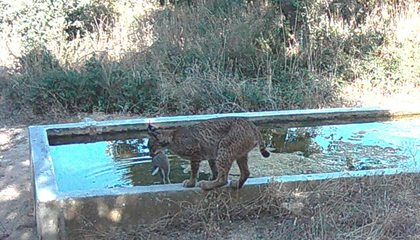
Scientists speculate that the wild cats are trying to improve hydration or ease their cubs’ transition to solid food. The finding points to resilience in one of the world’s most endangered felines
Intensifying wildfires across the continent are spewing air pollution, putting human health at risk, particularly Americans living with chronic illnesses

 Login