Tyrannosaurus rex fossils are relatively common finds, with dozens of variously complete examples on display in museums around the world. But T. rextracks? That’s an entirely different story. Even when stomped into the mud by a 17,500-pound apex predator, dinosaur footprints rarely last long enough to fossilize over millions of years.
That’s what makes a recent discovery in southwestern North Dakota so remarkable. Paleontologists from the Denver Museum of Nature & Science and Liverpool John Moores University in England have documented not one, but four footprints preserved along a 23-foot-long path within the famous Hell Creek Formation. The prints are the first known trackway made by an adult T. rex, and are described in a study recently published in the Journal of Vertebrate Paleontology.
The tracks were discovered in North Dakota’s Hell Creek Formation: Tyler Lyson
While rare, T. rex footprints are distinctive for their massive size and narrow toes. In this case, each dino-stomp measures about three feet long. Paleontologists identified the roughly 66.5-million-year-old path last year on federal land near the town of Marmath, North Dakota, near the state’s southwestern border with Montana. After carefully clearing the surroundings, researchers imaged each footprint using a high-resolution 3D surface scanner. This allowed the team to digitally analyze the scene, as well as create physical reproductions.
The two left and right imprints suggest that the dinosaur was a sizable adult with an estimated 13-foot stride—but paleontologists don’t think this particular T. rex was in much of a hurry. Based on the gait, it was likely moseying around at 3.5 to 4.5 miles per hour, or about the same speed as a human going on a power-walk. Given the tracks’ weathering and erosion, the team stresses their theorized speed is somewhat speculative.
3D scans allowed researchers to generate digital recreations as well as physical models. Credit: Antoine Bercovici
Paleontologists are now planning to excavate three of the four footprints later this year, then transfer them by helicopter to the Denver Museum of Nature & Science.
“Bones tell us an enormous amount about these animals, but footprints capture a moment of behavior. With a trackway, we can actually follow an animal as it moved across the landscape,” Tyler Lyson, a Denver Museum of Nature & Science paleontologist and study co-author, said in a statement. “That is incredibly rare for T. rex.”
As the 2026-2027 NFL season kicks off, the Philadelphia Eagles are giving new meaning to their signature “Fly, Eagles, Fly” fight song. The football team is partnering with the National Marine Sanctuary Foundation for Birds Supporting Birds, an initiative to support seabirds off the coast of Massachusetts (and in New England Patriots’ territory) this fall.
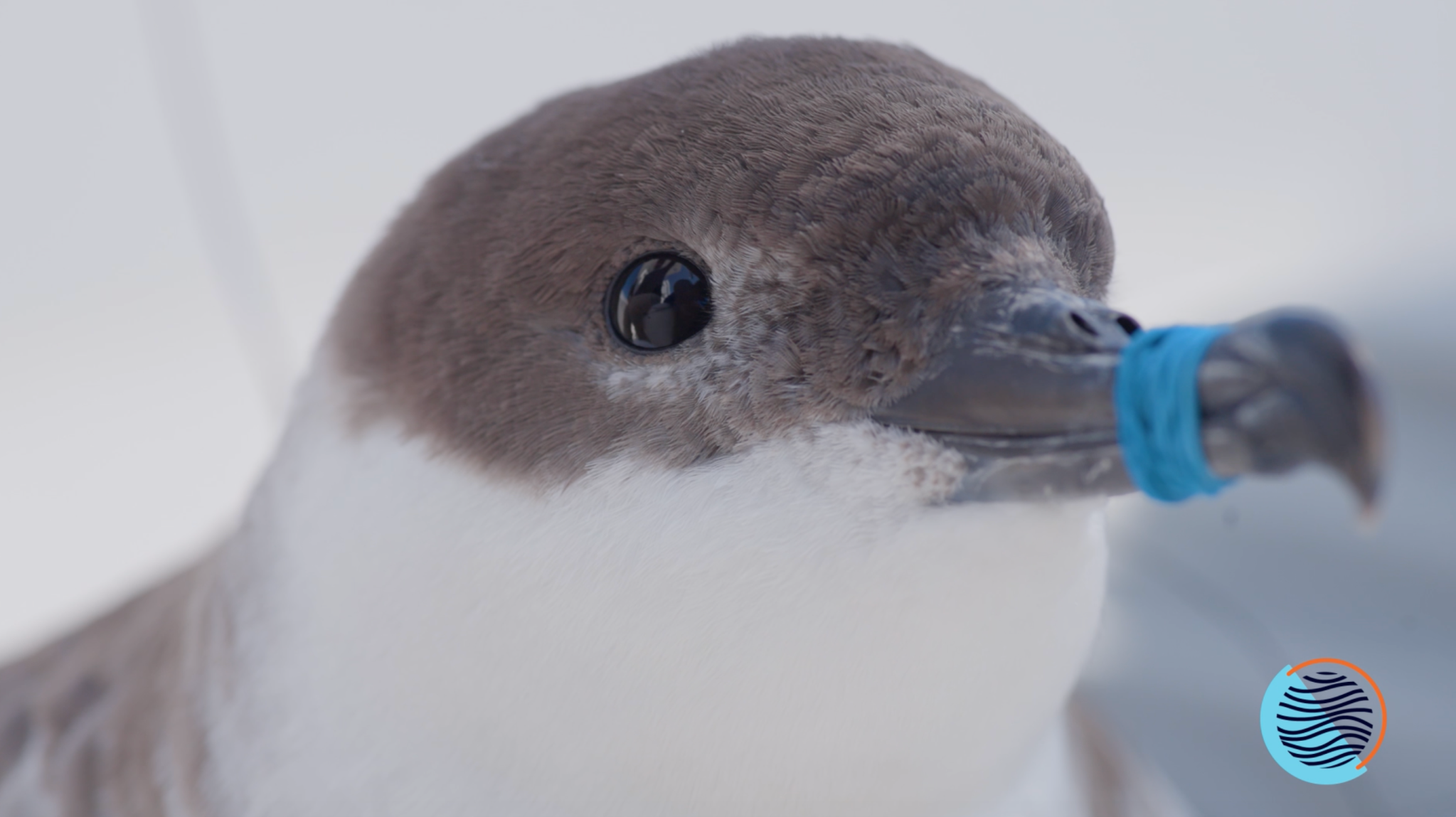
The team is supporting NOAA’s Stellwagen Bank National Marine Sanctuary Shearwater Tagging Project, an ongoing initiative dedicated to studying the great shearwater (Ardenna gravis) and their migration. Great shearwaters are large, white-and-grey seabirds known for their epic journeys. They travel thousands of miles every year from their remote South Atlantic breeding grounds up to the cooler North Atlantic waters during the nonbreeding season. According to the National Marine Sanctuary Foundation, they fly the equivalent of over 200,000 football fields across the Atlantic Ocean every single year.
Birds Supporting Birds will help support researchers in Stellwagen Bank, an 842-square-mile marine sanctuary east of Boston, to tag great shearwaters and track their migratory routes across the Atlantic.
“The Eagles are directly funding researchers to attach lightweight, solar-powered satellite transmitters to great shearwaters,” Joel R. Johnson, President and CEO of the National Marine Sanctuary Foundation, tells Popular Science. “These tags track the birds’ migration patterns around the Eastern Seaboard and down to the Southern Atlantic Ocean in real time.”
Lovingly known as “The Birds” by their incredibly devoted fanbase, the football team is leveraging their platform to bring attention to ocean conservation and highlight environmental stewardship.
A major 2015 study found that the Gulf of Maine is warming faster than 99 percent of the ocean due to climate change. While the water has slightly cooled since 2021, a report published by NOAA in July found that the environment in the Gulf of Maine still remains unstable. These changes in ocean temperature, currents, and other conditions can impact the seabirds’ food supply.
Great shearwaters are reliable indicators of an ecosystem’s health, who rely on small fish called sand lance in their diets. Whales, dolphins, bluefin tuna (Thunnus thynnus), and other key Gulf of Maine species also rely on these fish belonging to the family Ammodytidae in their diets. By studying great shearwaters and their health, researchers can better understand what is happening in the local ecosystem as a whole.
Researchers at Stellwagen Bank National Marine Sanctuary used satellite tracking technology in 2013. These tags are lightweight and attached to the birds with degradable thread. They have small solar panels so scientists can monitor the birds’ routes over extended periods.
Researchers have now deployed tags on Phil, Franklin, Hoagie, and Liberty, four great shearwaters with very Philly-appropriate names.
Great shearwaters can help scientists understand an ecosystem’s health. Image:National Marine Sanctuary Foundation.
“We are thrilled to invite the public to follow Phil, Franklin, Hoagie, and Liberty in real time on our interactive maps and social channels, bringing everyone along on our shared mission to protect our ocean waters and marine life,” says Johnson, who lists bald eagles (Haliaeetus leucocephalus), great blue herons (Ardea herodias), and great shearwaters among his favorite birds.
Live interactive maps will be available soon on the Stellwagen Bank National Marine Sanctuary and National Marine Sanctuary Foundation’s website, so you can follow the great shearwater’s epic journey, while the Eagles (or your favorite team) compete on the gridiron.
What’s still less understood, is how the subtle, everyday fluctuations in sleep quality that come from simply living a normal life can alter brain chemistry. People don’t live in controlled lab settings, and even the most avid bio-optimizer still has nights where quality sleep takes a backseat. Actually understanding how someone’s day-to-day sleep patterns affect their brain chemistry would require putting them in an MRI machine and collecting data over and over again, over long stretches of time to get a more holistic view.
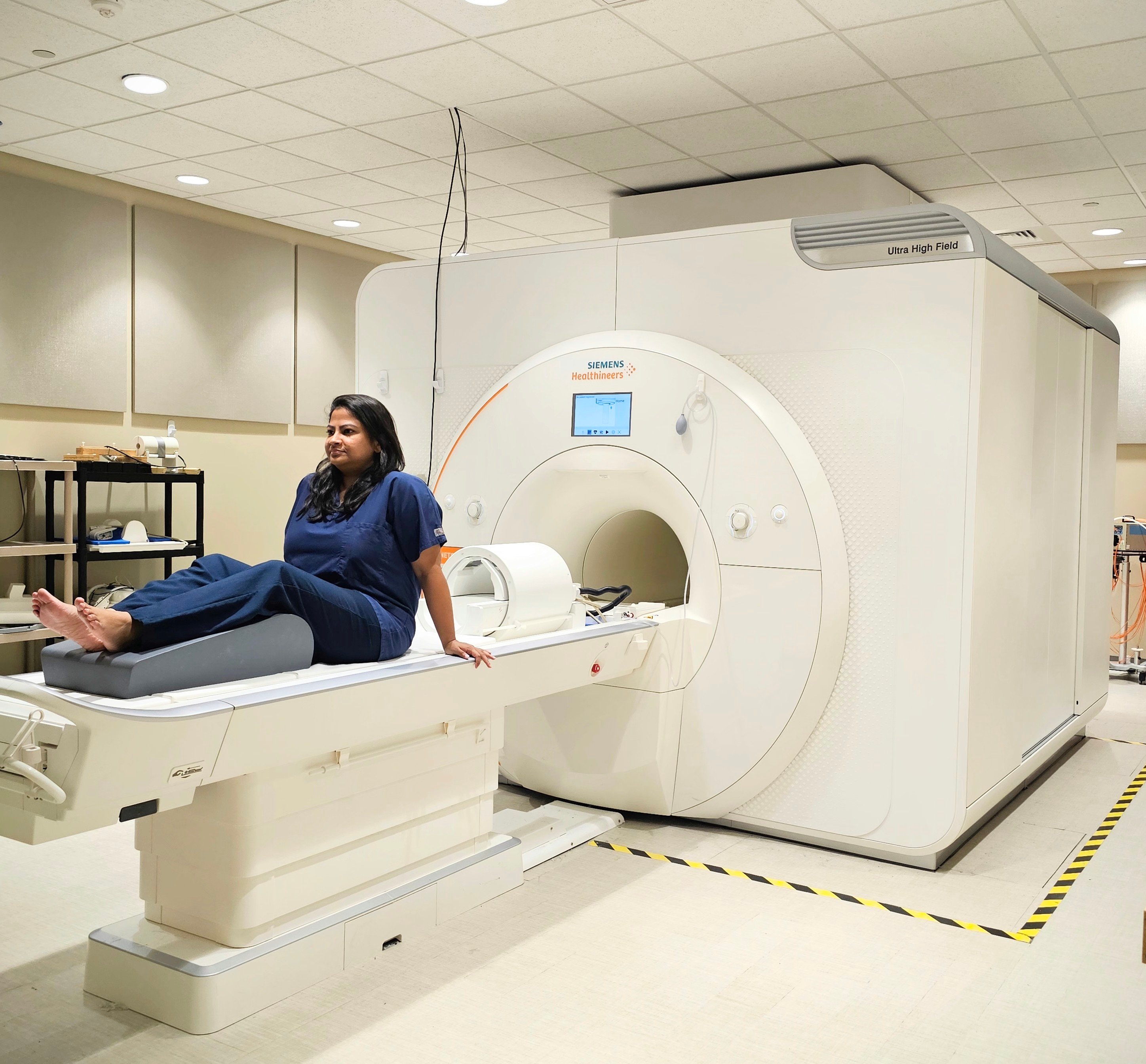
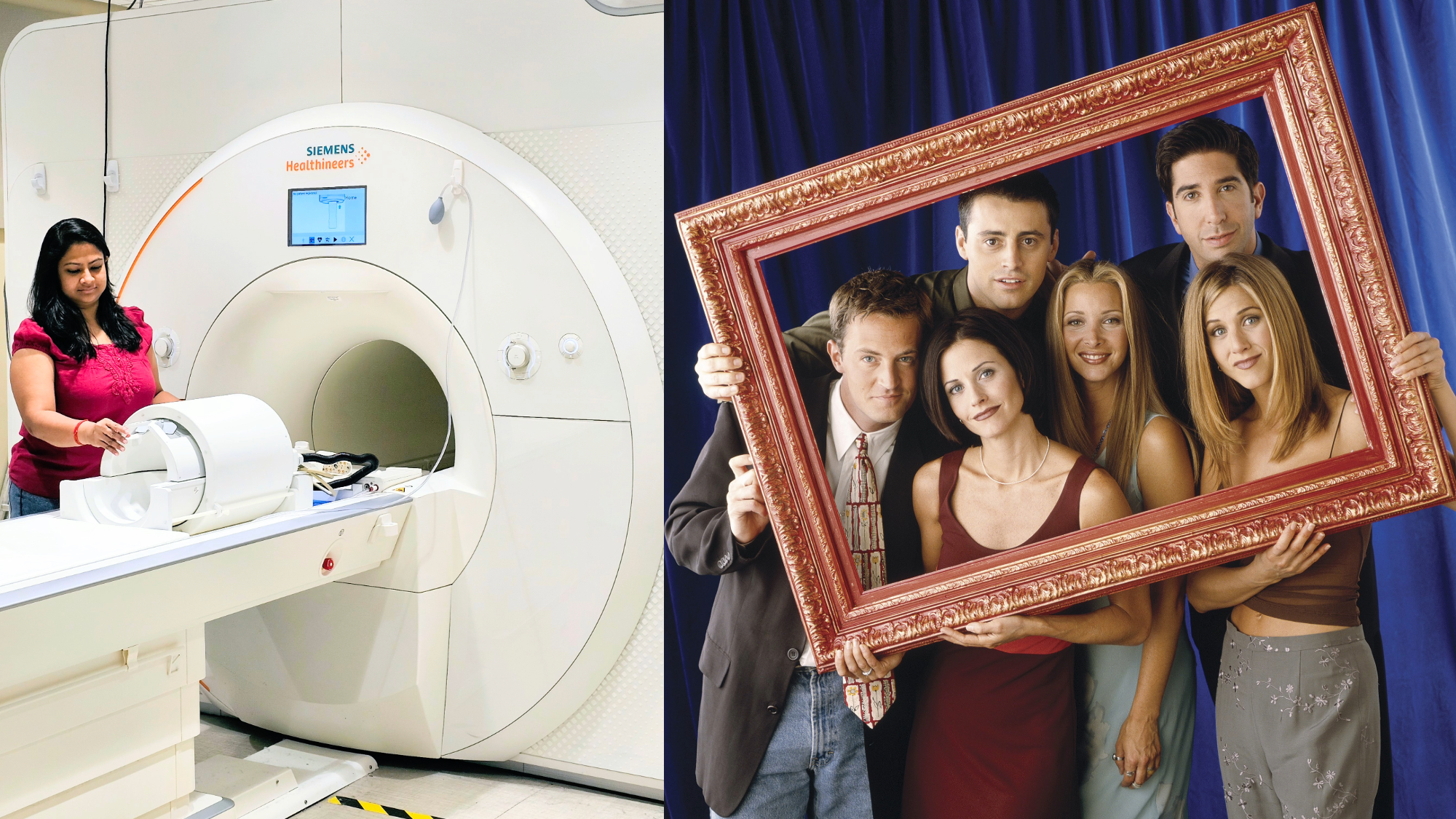
That’s exactly what Auburn University electrical and computer engineering graduate student Joshita Majumdar signed up for. Over 76 weeks, Majumdar slipped into the university’s 7-Tesla MRI scanner 104 times. That’s a level of commitment that would make even a stalwart Zen meditator fidget with frustrated boredom. Thankfully, Majumdar had a special companion to accompany her during the loud, cramped, 90-minute sessions: the hit television sitcom Friends.
Over 76 weeks, Joshita Majumdar went into Auburn University’s 7-Tesla MRI scanner 104 times. Image: Joshita Majumdar/Auburn University.
Majumdar recalls how a screen in the machine would cycle through four 10-minute videos of the staple from the 90’s and early 2000’s, each made up of several different scenes clipped together. The idea was twofold. Majumdar needed something playing during the sessions that would keep her from getting bored, and Friends just happens to be her self-described “guilty pleasure.” It was also one of the first shows she connected with as an international student adjusting to her early days in the United States, so some scenes strike particularly nostalgic, emotional notes. And like any great sitcom, Friends runs the gamut from numbing brain-rot to tear-jerking sentimentality. That’s potentially a great backdrop for a study analyzing changes in brain chemistry.
“If you’re happy, you watch Friends. If you’re sad, you watch Friends,” Majumdar tells Popular Science. “So all times [are] a good time to watch Friends, right?”
“This is a person living her life, going through normal ups and downs and we are seeing how brain chemistry responds to that,” Majumdar’s advisor and Auburn University Electrical and Computer Engineering Professor Gopikrishna Deshpande said. “That’s what makes this dataset so powerful. It’s not artificial. It’s not forced. It’s real.”
The journey to 104 brain scans
Majumdar grew up in Kolkata, West Bengal, India, and moved to the U.S. in 2016 to pursue a master’s degree in engineering at the University of Georgia, with an emphasis on mechanical engineering. Early on, she became interested in how different environmental factors affect brain function. And while she was busy pushing forward with her rigorous academic work, she also dealt with occasional homesickness, living in a new country thousands of miles away from friends and relatives.
Around that same time, Majumdar says she started watching Friends to see what all the fuss was about. People around her seemed obsessed with the show, but she hadn’t seen it, and initially didn’t really understand the hype. Eventually, she went back to the show with fresh eyes and everything clicked. The sarcastic Chandler Bing (Matthew Perry) and affable actor Joey Tribbiani (Matt LeBlanc) are among her favorite characters.
“I gave it another try, and then I was like, oh no, this is fun,” Majumdar said. “And then it became a guilty pleasure.”
When it came time to pick a test subject for this new, lengthy MRI study, Majumdar says Dr. Deshpande asked her if she’d be up for volunteering. Majumdar has some experience with MRI machines from past projects, enough to know that she wasn’t prohibitively claustrophobic or bothered by the machine’s loud industrial noises. Still, nothing she’d done before this could compare to the endurance and commitment it would take to see this through. The team decided not to commit to a set number of scans at the onset, and took it day by day to see how much the grad student could handle.
“We said, like, ‘Okay, we’ll take one day at a time, one week at a time, and see how far we can pull it through,” Majumdar explained.
Don’t sleep on Friends
Majumdar was the one who pitched playing Friends episodes in the machine. She compiled four 10-minute videos, each made up of different scenes from various episodes. The material ran the gamut in tone, with the goal of eliciting a range of brain responses. One particularly strategic choice was to include clips of episodes aired around Thanksgiving. These fan-favorites tend lean heavily on themes of family, friendship, and camaraderie. Friends, in other words, was meant to roughly simulate the backdrop for Majumdar’s everyday life brain state.
“In a task-based MRI, we are giving a particular stimulus, so we kind of have an idea what we are trying to activate in the brain,” Majumdar said. “But in a naturalistic run, it’’s kind of like you’re putting yourself into a real-world situation.”
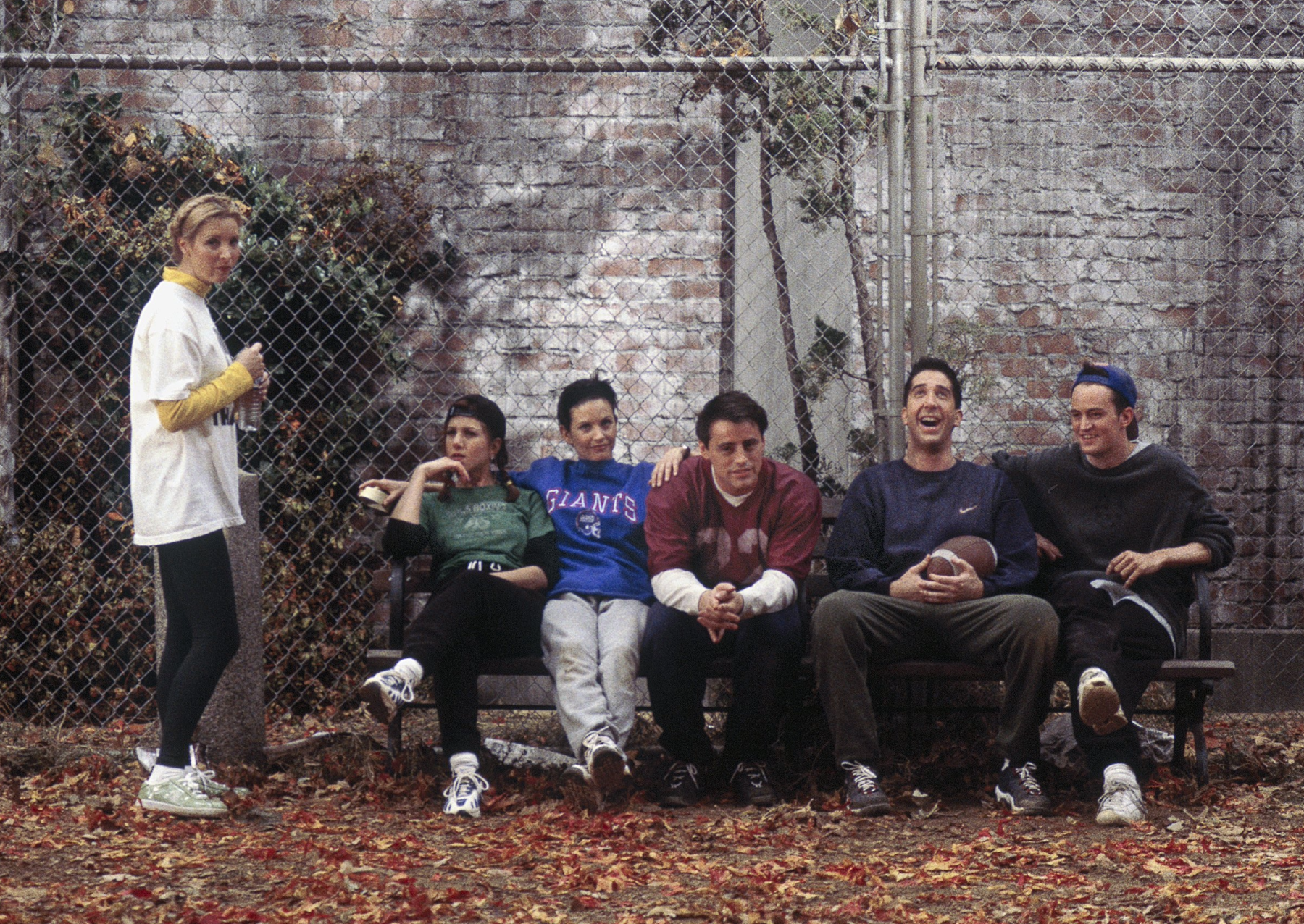
“The One with the Football” (Season 3, Episode 9) is one of 10 Thanksgiving episodes of Friends. Pictured (left to right) Lisa Kudrow as Phoebe Buffay, Jennifer Aniston as Rachel Green, Courteney Cox Arquette as Monica Geller, Matt LeBlanc as Joey Tribbiani, David Schwimmer as Ross Geller, and Matthew Perry as Chandler Bing. The show ran from 1994 to 2004. Image: Gary Null/NBCU Photo Bank.
But that wasn’t all. Every session, the team would also play a roughly four-minute music video to the song “Love You Zindagi,” from the 2016 Bollywood film Dear Zindagi. Similar to the Thanksgiving episodes, this video was thoughtfully selected for its depiction of friends and family. It also helps remind Majumdar of home.
“I have left my friends and family back in India,” Majumdar said. “So depending upon what my emotions are on that day, I used to really connect to it differently each day.”
Majumdar and her colleagues quickly settled into a routine for their MRI odyssey. She would come to the university’s neuroimaging center on Tuesdays and Thursdays, typically around 7:30 in the evening. She had the choice of that later time slot or first thing in the morning, but chose the former because she says she isn’t really a morning person. That choice came with some trade-offs, though.
Early on, she discovered that eating a meal immediately before entering the machine made her feel dizzy. After one fraught experience, she made a point of giving herself a gap of 90 minutes to two hours after eating before going into the scanner. Coming in later at night, especially after a long day of PhD work, also meant she sometimes had to fight the urge to fall asleep. Even though she was stuck in the machine for 90 minutes at a time, the tests required that she keep her eyes open for the vast majority of it. That struggle is partly what makes subsequent findings all the more interesting.
“Sometimes I was a little bit sleepy, but that’s part of it,” Majumdar said. “And that’s the thing that we wanted to bring out through this research: that you are in a very natural setting. You’re not in a kind of a forced experiment where you are either sleep-deprived or put under some conditions that might evoke a different brain response. We really wanted to look at the real-world condition where I’m just living my life, and in parallel I’m getting scanned and seeing how the brain chemistry responds to it.”
In addition to sitting in the MRI machine, Majumdar logged everything she ate and wore a sleep-tracking ring. With all of that data, the team was able to match each night’s sleep metrics with the next day’s scan and compare patterns over time. Though there’s still data being combed through, they’ve already found an important connection: across the 104 sessions collected over 76 weeks, nights with less deep sleep and more light sleep tended to be followed by higher glutamate levels the next day. Glutamate is an amino acid that acts as a kind of chemical messenger in the brain. In a previous university blog post, Majumdar compared this finding to the brain flushing out byproducts that build up during active, wakeful moments, allowing for a more restful night’s sleep.
“You wake up with a fresh mind,” she said. “But if that process is blocked, it’s going to hamper you the next day.”
Joshita Majumdar (right) a graduate student in the Department of Electrical and Computer Engineering, and Gopikrishna Deshpande (left), the Godbold Professor in the Department of Electrical and Computer Engineering, used equipment at the Auburn University Neuroimaging Center, including the 7-Tesla MRI scanner, to study glutamate levels in the brain. Image: Auburn University.
But is she sick of sipping coffee at Central Perk?
Majumdar’s work in this area has only just begun. Moving forward, she and her colleagues hope to bring on more study participants to make the dataset even richer, though they’ll likely make adjustments so that each participant doesn’t have to go in for scans quite as often as she did.
Eventually, she says she also hopes to use AI and other tools to try and extract the feelings and emotions experienced during those MRI sessions (and during certain Friends’ moments) to get a better sense of what’s happening in the brain when certain feelings are evoked.
Miraculously, even after watching the show in a cramped, rumbling tube for 18 months, Majumdar says she still isn’t sick of Friends. When asked if she can still watch the silly sitcom without getting bored, Majumdar responds with an emphatic,
What’s the weirdest thing you learned this week? Well, whatever it is, we promise you’ll have an even weirder answer if you listen to PopSci’s hit podcast. The Weirdest Thing I Learned This Week hits Spotify, YouTube, Apple, and everywhere else you listen to podcasts every-other Wednesday morning. It’s your new favorite source for the strangest science-adjacent facts, figures, and Wikipedia spirals the editors of Popular Science can muster. If you like the stories in this post, we guarantee you’ll love the show.
FACT: Hector the tickle robot is real, and they’re spectacular
Have you ever wondered why humans are so ticklish? While many animals experience a type of tickle known as knismesis—a sort of moving itch caused by motion against your skin—the laugh-out-loud sensation called gargalesis is way less common. It’s a phenomenon that’s pretty unique to primates (though it’s possible that rats are a bit ticklish as well). And while there are plenty of theories, no one has a great explanation for why this ticklishness evolved—or at least not one that would be easy to confirm.
But while the origins and purposes of gargalesis remain mysterious, that hasn’t stopped scientists from studying how tickling works. In one recent study scientists surveyed adults from several distinct cultures to see how they felt about tickling. The results were surprisingly universal. Participants from The Netherlands, Greece and China gave comparable answers about their history of tickling and being tickled and reported being ticklish in the same locations. That hints at a deep evolutionary origin for this sensation (and our feelings about it).
This most recent study relied on survey data, but other research projects have tried to take a more quantitative look at tickles. That’s where Hector the tickle robot comes in. He’s designed to deliver a perfectly-calibrated foot tickle on command, allowing scientists to track exactly what physiological changes occur post-tickle and exactly when they kick in. He’s also helping scientists understand why we can’t tickle ourselves—and how that can help us survive unwanted tickling from others. Listen to this week’s episode to learn more!
FACT: How prickly ash and chili pepper combine to create a fascinating taste explosion
This week’s episode features special guest Priya Mani. She’s a food historian, award-winning writer, and a designer who leads research-driven projects on ingredients and flavor. She joined us this week to share some facts from her upcoming book, “Spiced: Recipes Celebrating Spices from Around the World.” You can preorder it now!
When you eat food that’s spicy—think a hot chili pepper—the compound called capsaicin binds to the same receptors in your skin that are stimulated by actual heat. WHen these TRPV1 receptors get activated, they signal to your brain that something dangerously hot is touching you.
You might associate szechuan peppercorns and other kinds of prickly ash berries with spicy food, but these fruits don’t actually contain any of the aforementioned capsaicin—so they don’t trick your brain into sensing heat. Sanshool can trick your brain in an entirely different way by acting on potassium channels, which are tiny pores that let potassium flow out of your nerve cells. By giving positively-charged potassium ions an easy exit, nerve cells are able to maintain a slightly-negative charge that keeps them from randomly firing.
Sanshool manages to block one of those potassium channels, which means positive charge starts to build and the nerve cell gets closer and closer to firing. The result is a hyperactive neuron that starts stuttering out little bursts of irregular signals. Your brain does the best it can to interpret that information, and the result is a sense that something is literally buzzing inside your mouth.
That’s why dishes that combine prickly ash berries with chili peppers are infamous for creating a culinary sensation like no other: your brain is basically telling you that there’s a hot bee bouncing around your mouth. And gosh, that fiery insect is delicious.
While interviewing marine biologist, Jaida Elcock (@sofishtication_) an MIT and Woods Hole Oceanographic Institution (WHOI) PhD candidate and ace whale shark-tagger, she told me that whale sharks have teeth on their eyeballs. This sounded insanely painful to me, so I had to know more.
Whale sharks (Rhincodon typus) are the biggest fish in the world. While their maximum size is still a mystery, they can grow as large as 60 feet and weigh about 11 tons. In addition to that girth, they really do have tiny teeth covering their eyeballs called dermal denticles. Dermal denticles themselves are found on several shark species and they cover their bodies like scales. They are small, V-shaped pieces and decrease drag and turbulence as they swim. While dermal denticles do help sharks swim faster, they also provide some defence against any other sharks that might try to take a bite of them
The dermal denticles on whale shark’s eyeballs, also called eye-teeth, likely help shield their eyes from the elements. A team in Japan first detailed this in a study published in 2020 in the journal PLOS One. They studied the eyes of both living and dead whale sharks and saw that a single whale shark eyeball could have over 3,000 dermal denticles around the eyes. They are also clustered around the iris.
Most sharks have poor eyesight, so much protection around their eyeballs means that their eyesight is likely pretty important for whale sharks. Evolution is cool.
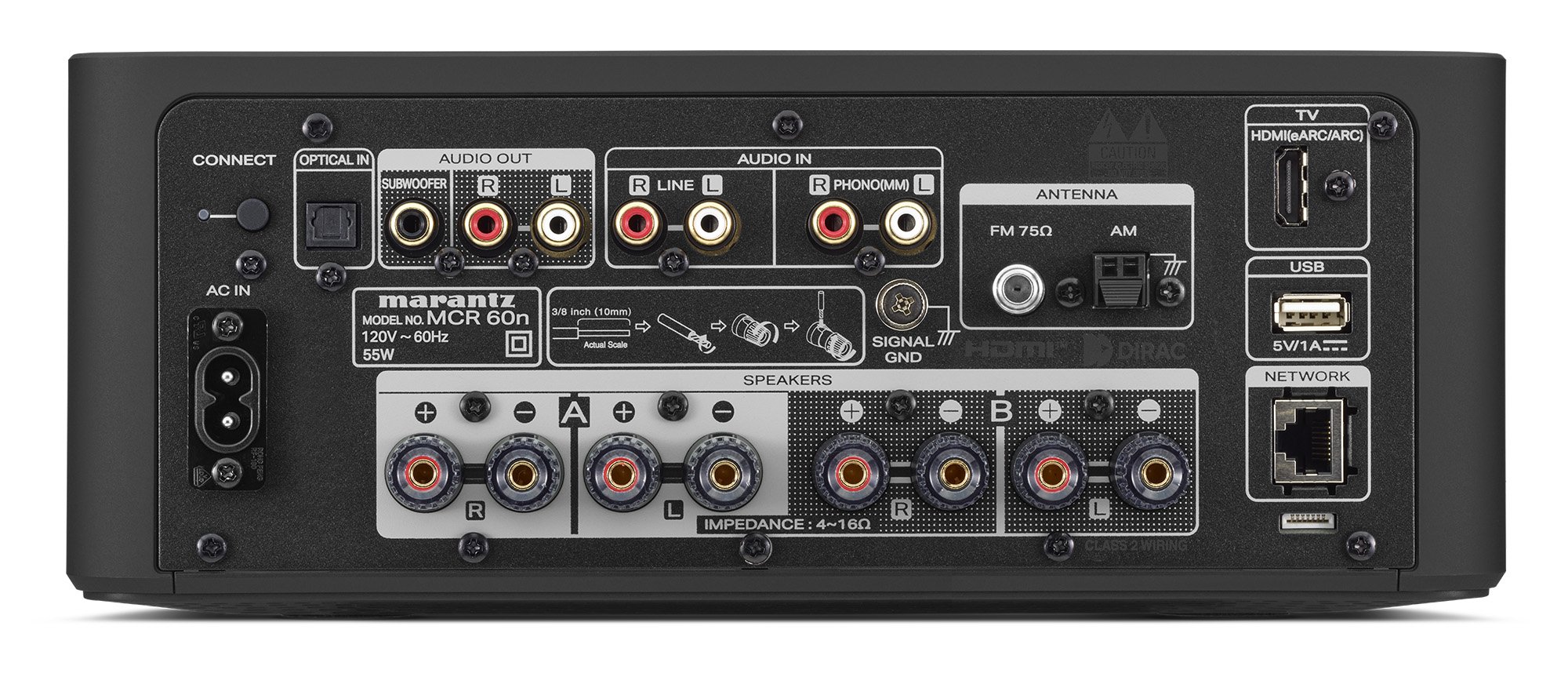
Earlier this year, we were fortunate enough to visit Shirakawa Audio Works, where Denon and Marantz assemble components tuned to be masterfully musical. We also spent time at the brands’ shared Tokyo headquarters, where we previewed various audio gear, much of which has already been revealed. However, one item in particular caught our attention, and it was still under wraps … until now. The Marantz MCR 60n network audio player (shown above) stood out by being able to fit in.
In a room full of full-size receivers, this streaming amplifier’s 11W x 11.9D x 4.4H footprint drew our attention because it’s tailor-made for those of us with a listening station that doubles as a living space. Even more impressive is how much connectivity it offers in place of a crowded stack of components.
For starters, there’s a front-loading CD player. Because physical media is making a comeback, or so I’m told. With that in mind, there’s also an integrated MM phono stage for vinyl fans. Got another source? There’s one analog and one digital optical in. You can play MP3 / WMA / AAC / DSD / WAV / FLAC / AIFF / ALAC off a rear-facing USB-A. There’s also an HDMI eARC port with Dolby Digital / Dolby Digital Plus decoding if a TV is in the mix.
For those streaming, there’s even more potential. Once on your WiFi (or Ethernet), the 60n acts as an endpoint for the native Denon/Marantz HEOS multiroom streaming system, naturally, supporting PCM up to 384kHz/32-bit, DSD up to 11.2MHz. And it supports Spotify Connect/TIDAL Connect/Qobuz Connect, as well as Deezer, Amazon Prime Music, and Pandora. For anything else with an iPhone, there’s AirPlay 2. Plus, it’s Roon Ready for those digital audio file obsessives. An FM/AM tuner … the original streaming … is also included. There’s even Bluetooth receiver/transmit modes, if you’re buying a First Growth to drink out of a Styrofoam cup.
So that’s the inputs. As for the output, the MCR 60n produces 2 x 65W / 4 x 33W @ 4 ohms (up to 16 ohms supported), and can be run as Speaker A/B stereo pairs (independent volumes), bi-amped, or parallel BTL. This supports various loudspeaker setups, including dual listening zones. There’s also a subwoofer pre-out with adjustable crossover settings for precise low-frequency integration. It includes bass, treble, and balance tone controls, and it’s upgradable to Dirac Live Room Correction with a separately purchased license. It’s all backed by a refined power supply and topped by the same wavy metal mesh as the Marantz Model M1: design language that also acts as ventilation.
The Marantz MCR 60n and some compact cabinets offer an alternative to desktop powered speakers with even more flexibility. Perfect for modern urban living, this is low-profile hi-fi.
In The Lion King, the hyenas Shenzi, Banzai, and Ed were at the evil lion Scar’s every beck and call. And while the Disney team probably didn’t spend an extensive amount of time observing lions and hyenas interacting in the wild while making the beloved movie, a zoologist and her colleagues just did—and they found something unexpected.
The long-standing assumption about the relationship between the carnivores involves hyenas following lions for their food scraps. However, male African lions (Panthera leo) are the ones going after spotted hyenas (Crocuta crocuta), who move away from the big cats. These new findings are detailed in a study published today in the journal Frontiers in Ethology.
Nancy Barker, an ecologist at the University of KwaZulu-Natal in South Africa and lead author of the study, observed lions actively tracking hyenas while she was studying brown hyenas (Parahyaena brunnea).
“When I shared my observations with other leading researchers, I was often told that I had the relationship backwards: that hyenas are the ones tracking lions, primarily for scavenging opportunities, and that what I had seen was simply a series of chance encounters,” Barker said in a statement “I felt there was more to the story.”
A young spotted hyena at Etosha National Park scopes Barker out. At the time, Barker was setting up a bait station to immobilize and collar the matriarch of the hyena clan. Image: Dr. Nancy Barker.
Barker then put GPS-collars on socially high-ranking African lions and spotted hyenas at Namibia’s Etosha National Park, as well as lions in Linyanti Conservancy in northern Botswana and northeastern Namibia, and Chobe National Park in Botswana.. The study included data from 17 lions and 14 hyenas collected across four years.
The collars mapped the animals’ movement by capturing a location snapshot every five minutes during their peak activity hours, and Barker also maintained camera traps and conducted behavioral observations for context. Barker identified 23 pairs of simultaneously tracked animals from the GPS collar data, including 10 lion-hyena pairs. Her team classified the direction of every paired animal’s movements, consequently revealing and studying thousands of interactions.
“Our GPS collar data shows that African lions and spotted hyenas leave a clear, measurable signature in the way they move around one another,” said Barker. “Spotted hyenas consistently move away from lions, while male lions tend to move toward hyenas.”
Dr. Nancy Barker with an immobilized adult male lion from a pride in the Chobe-Linyanti floodplains. Barker took morphological measurements, identification photographs, and blood, tissue and faecal samples before fitting each collar. Image: Dr. Nancy Barker.
Female lions, on the other hand, weren’t as consistent. Barker’s observations revealed that lionesses’ reactions to hyenas were based on which other pride (a group of lions) members were around, though more data is necessary to bolster this determination.
Because the study includes a limited amount of data, Barker says that some of the findings should be viewed more as trends instead of firm scientific conclusions.
“I would love to extend this approach to other members of the carnivore guild, to understand how the entire community negotiates space and risk,” she said. “Ultimately, I want to connect these movement patterns to what matters most for the animals: their survival and reproduction.”
As the National Park Service (NPS) continues highlighting the many roles of its parks during World War II, the western most landmass in the contiguous United States is getting its due: Olympic National Park.
First designated a monument by President Teddy Roosevelt in 1909 before President Franklin D. Roosevelt’s reclassification as a park in 1938, the 922,650 acre protected region in Washington State is also recognized by UNESCO as an International Biosphere Reserve. Olympic National Park includes temperate forests, stretches of Pacific coastline, as well as subalpine forests and meadows. Thanks to its location on an isolated peninsula, it’s also home to many endemic plant and animal species including the Olympic marmot (Marmota olympus) and Piper’s bellflower (Campanula piperi).
The national park received a lot of attention during WWII for very different reasons, however. Its history is laid out in a recent social media post by Pearl Harbor National Memorial due to an ongoing search-and-rescue operation in the park. Because the peninsula extends further west than any other landmass in the contiguous United States, military and government officials considered it one of the most strategic—and vulnerable—places in the nation. The nearby Strait of Juan de Fuca funneled all traffic to-and-from vital ports in Seattle and Tacoma, as well as the naval base in Bremerton.
Two of the outposts are still accessible by trail today. Credit: NPS
U.S. Army and Coast Guard engineers began installing 13 Aircraft Warning Service (AWS) stations throughout Olympic National Park in 1942, many from converted fire lookouts. Park rangers even staffed some of the stations, and continuously monitored the skies for potential aerial bombardments. The installations remained operational throughout the entire year, regardless of the region’s notorious winter storms.
The many logistical and environmental challenges were even documented by Olympic National Park’s superintendent. At one point, it took two days for a six-person resupply crew to toboggan the three miles to Hurricane Lookout. Another team of eight workers backpacked six miles to one of the park’s most remote posts while carrying 400 pounds of supplies.
The AWS ended in 1944, but two of the original outposts still exist and are accessible to park visitors. Dodger Point and Pyramid Peak can be reached after hiking a steep trail north of Lake Crescent.
Every week leading up to the 85th anniversary of the attack on Pearl Harbor on December 7, the National Park Service will take you across the country to explore America’s experience in World War II through the lens of national parks. The first week in the series also highlighted the roles of Golden Gate Recreation Area and Governors Island National Monument in protecting the coasts.
Cannibalism is understandably frowned upon today,but humans haven’t always been so adverse to the idea of eating our own. Across Europe, multiple archaeological sites indicate at least some Neolithic communities routinely consumed unlucky victims as far back as 5000 BCE. But inside three caves in present-day Spain, ancient skeletal remains vividly illustrate that prehistoric groups never adopted a “one-size-fits-all” approach to their cannibalism. As researchers explained in a study recently published in the Journal of Archaeological Science, a range of methods and motivations for cannibalism existed among Neolithic peoples prior to the Bronze Age.
“For decades, prehistoric cannibalism has tended to be interpreted as a single type of behavior,” Antonio Rodríguez-Hidalgo, a study co-author and archaeologist at the Institute of Archaeology of Mérida, explained in a statement. “Our work shows that it is not possible to speak of a single form of ‘Neolithic cannibalism’, because similar archaeological evidence may conceal very different social realities.”
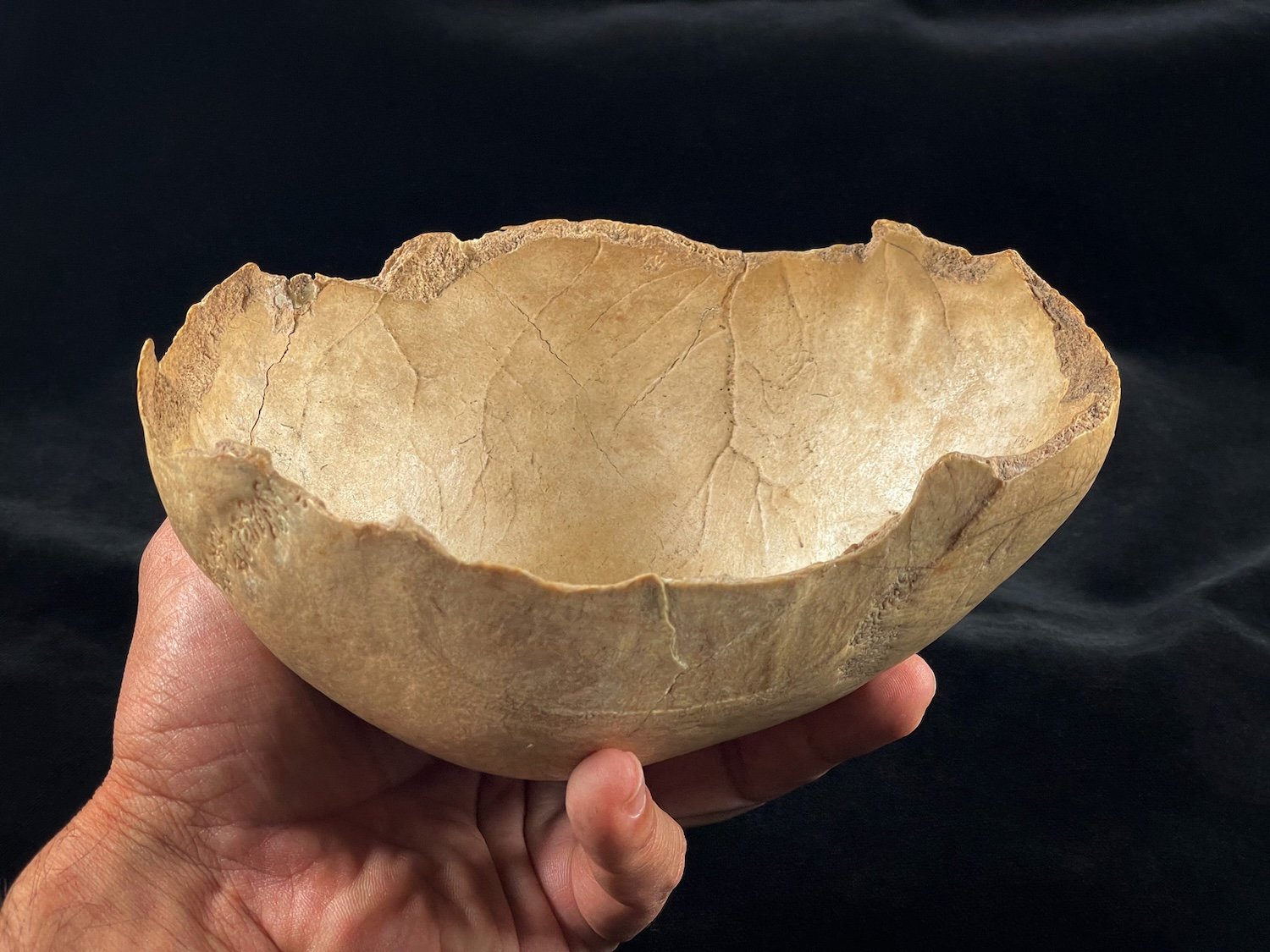
At least two Neolithic human skulls were fashioned into cups at Carigüela cave in Granada. Credit: Antonio Rodríguez- Hidalgo / IAM-CSIC Antonio Rodríguez-Hidalgo
The latest evidence originated inside Malalmuerzo, Carigüela, and Majolicas,a trio of caves located in the Grenada region of southern Spain. Archaeologists first discovered the Neolithic gathering spots over 50 years ago, and the caverns have since become famous examples of prehistoric cannibalism. Rodríguez-Hidalgo’s team re-examined almost 1,000 bones excavated from the caves, then combined their observations with statistical analysis and machine learning programs to classify the various types of damage exhibited on every fragment. These markings included fractures, cuts, blunt impacts, and even teeth marks. They also determined each subject’s estimated age based on skeletal and dental development.
Although many bones show similar butchering techniques and boiling preparations, each cave’s specimens highlighted different practices and contexts. At Malalmuerzo, it appears that a single, brutal act of collective violence involving victims across many age groups took place about 5000 BCE. However, the remains at Carigüela span multiple Neolithic time periods, and even include a pair of skulls fashioned into drinking cups. The most recent cannibalism occurred in Majolicas around 3800 BCE, but doesn’t appear directly tied to violence. Instead, some of the bones are stained red—likely using a rare mineral called cinnabar—which points to ritualistic or funerary motives.
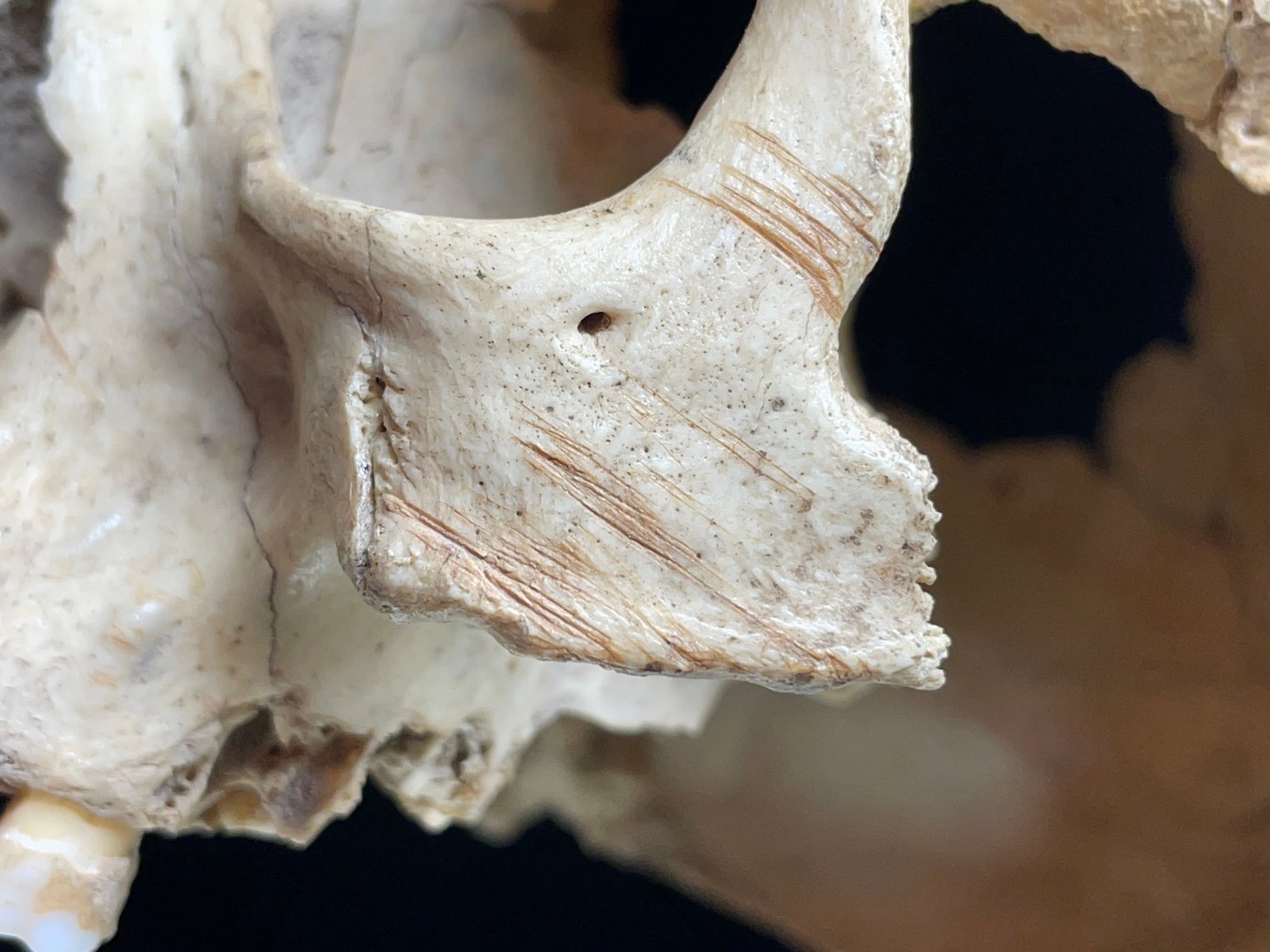
Cut marks are visible on the zygomatic bone of an adult skull from Majolicas cave. Credit: Antonio Rodríguez-Hidalgo / IAM-CSIC
Combined with other archaeological findings, it now appears that cannibalism during the European Neolithic historically occurred in three eras:the late sixth millennium BCE, the middle fifth millennium BCE, and the end of the third millennium BCE. Although traceable to these periods, it still remains unclear why the communities engaged in the practices and rituals.
“We cannot say that all these episodes had a common cause, but we can say that throughout the Neolithic… there was a context of conflict and/or manipulation of human remains,” added archaeologist and study co-author Palmira Saladié.
The 2026 IFA consumer electronics expo has wrapped up at the Messe Berlin grounds. Every year, humanoid robots and autonomous helpers share space with smart home appliances, computing technology, personal AI, and increasingly intelligent audio and video products. Sadly, we couldn’t be there in person (unlike last year). I mean, who doesn’t like decoding a cipher in real time to point you in the right direction so that you go against the flow of thousands of people to make it to your next appointment only 10 minutes late. Which is five minutes early in trade show time. So, yeah, we’ll miss the adrenaline rush. But that doesn’t mean we’ve missed the steady stream of future tech being announced, and we’ve captured a snapshot below of the best gear for smart living now and in the future.
Home cinema & big screen accessories
The XGIMI Aura 3 Max is the first UST (ultra-short throw) “laser TV,” aka lifestyle projector, to offer 4K at 120Hz. And this triple-laser dual IRIS setup does it with 5,700 ISO lumens, 8,000:1 native contrast, 110% BT.2020, 0.163:1 throw (120″ from 8″), 80W Harman Kardon sound, Dolby Vision + IMAX Enhanced format support, and 3 x HDMI 2.1 inputs. That’s good enough for movie night and console gaming, and it’s starting Kickstarter crowdfunding in October. If your installation options are tighter and budget bigger, the new AWOL LuxVision UST and its RGB triple laser + Dynamic IRIS setup also offers native 4K/120Hz, 6,000 ISO lumens, 10,000:1 native contrast, enhanced black levels and all the formats, plus, for its signature trick, optical lens shift. But all that costs $5,999, compared to the expected $2,399-$4,999 range of the Aura 3 Max (depending on early bird investment vs. retail, etc.).
Showcased adjacent to IFA, the Sonos Beam Ultra, which was announced alongside the Ace Ultra headphones and Sonos OS 27, packs 7.1.2 Dolby Atmos (and the ability to use a proprietary mesh network to assign Sonos portable speakers as rear channels) into the brand’s most compact soundbar. That opens up the wireless surround system world for folks with less open space.
AURA 3 MaxUST laser TV brings together advanced picture performance, immersive sound, and flexible entertainment capabilities. Image: XGIMI
Personal audio
We love earbuds, and we love sleep, so we’ll be interested to try the low-profile, side-sleeper-friendly Anker soundcore Sleep Earbuds 4 Pro, which can come with active noise cancellation, including adaptive snore masking, but also feature built-in PPG optical sensors for heart rate + HRV tracking while you sleep, which means insights when you wake. Plus, an app includes a soundscapes library.
Speaking of ANC, our pals at Bose know enough about noise reduction to crush it in other brands, and EarFun is now one of those partners. Bose did some acoustic engineering on EarFun’s upcoming Air Pro 5, which looks packed with features and value, including ANC, three-device multipoint Bluetooth 6.0 with LDAC, LE Audio, LC3, and Auracast, and more. And EarFun’s Wave Pro X, a dual-coaxial driver headphone teased at IFA 2025, is now available for sale at the shockingly affordable price of $129 for a set featuring Bluetooth 6.0 with aptX Adaptive, aptX Lossless, LDAC, and Hi-Res Audio certification, wired USB Audio/AUX modes, 8-mic hybrid ANC, and 90 hours of battery life.
Speaking of headphones, Edifier is getting in on a similar value-driven wireless flagship game with the WH950NB Pro. They have a dual-driver (40mm woofer + 10mm tweeter) design, 8-mic adaptive ANC, 6-mic AI call system, spatial audio with head tracking, Bluetooth 6.1 with SBC, AAC, and LDAC, audio via USB-C, and more.
Speaking of affordable audio firsts, the JLab JBuds Mini ANC is the smallest TWS earbuds ever produced with ANC, spatial audio, and native Apple Find My compatibility, and the first non-Apple and non-Beats earbuds to offer the feature under $100.
Speaking of speaking of, the $149.99 beyerdynamic AVENTHO Y headphones speak to a longevity trend set by the much more expensive Sennheiser MOMENTUM 5 series and feature a replaceable 90-hour battery (60 w/ ANC), interchangeable ear cushions, and optional accessories. Plus multipoint Bluetooth 6.0 and some snazzy colors.
The beyerdynamic AVENTHO Y was designed as a single headphone for multiple use cases, moving between music, gaming, work, travel, and everyday life. Image: beyerdynamic
AI hardware and smart glasses
Want to use earbuds for more than listening? The Plaud One (up for preorder) exists at the intersection of personal audio and wearable AI, as it can capture conversations (saved to the case’s eSIM) for transcription, lets you interact with an AI agent for planning and workflow execution, and more. You can set up connected apps, cloud services, and routines. And you can just listen to music with Bluetooth 5.4 (SBC/LDAC) and ANC. It is worth noting, however, that there is a subscription involved. Similarly, the viaim Rise has a case with three microphones that can work as a standalone meeting recorder, plus its IP55 earbuds have an 11mm + 6mm dual-driver array, with Bluetooth 6.1 support for LDAC/LHDC, spatial audio, ANC, and 3 mics + bone conduction for voice capture. There’s transcription software, as well as the ability to hand off work to AI agent(s) of choice. It’s live on Indiegogo with a super early-bird price of $259 against a $399 MSRP, and every backer gets a year of a viaim Pro subscription for free.
As for smart glasses, and there are always smart glasses, the RayNeo iO AI glasses have been talked up for their camera-free design, as well as being only 33g but equipped with a 33″ invisible display that sits within your view. And you can do recording and AI notes, get live captions/a teleprompter in 55 languages, plus more, plus have all-day access to an AI assistant linked with the models of your choosing.
Assisted mobility
We’ve previously tested the Hypershell X Ultra exoskeleton, with positive impressions, so the $2,299 carbon fiber-and-titanium Hypershell Halo immediately caught our attention. It expands the concept, and frame, to a full-leg, four-joint form factor. This wearable, with its peak 1,490 W output, takes the fatigue-reduction concept that was pitched to folks who might have lost a beat when it comes to their outdoor activities and offers support for the entire lower-limb kinetic chain. So it’s got active support and impact damping to support stamina for extended multi-terrain challenges, but it can also benefit those who might simply need sit-to-stand support.
Hypershell HALO exoskeleton has active support and impact damping to support stamina for multi-terrain challenges. Image: Hypershell.
Home robots for floor and lawn care
The future promised us jetpacks, but having to sweep and mop less is kinda better. And there’s never a shortage of robovacs at IFA. The ECOVACS Deebot X12S OmniCyclone, for instance, introduces 53 air watts of deep suction, which is 60 percent more than the last generation. And the OZMO Roller 3.0 + improved FocusJet technology reduces residual water substantially. This all means a better clean, powered by an upgraded AI voice assistant. Most notable, however, might be the physical, mechanical Privacy Shield that can slide over the camera when docked. Because Hackers.
The Roborock Saros 20 Flowalso launched, bringing physical adaptability, with an ultra-low 3.14-inch chassis and the ability to deal with 300+ obstacles and cross multi-level thresholds. Up to 3.46 inches under specified conditions. And it’s got an aggressive 212-degree hot-water mop. The eufy Robot Vacuum Omni E35, meanwhile, stressed a hygienic filtration system with the kind of dust handling that makes it a top pick for allergy- and asthma-prone homes. And iRobot showed a Roomba Duo concept: a robot stacked atop a robot, with the smaller one deploying when there are spaces the larger one can’t reach.
If it’s your lawn that needs tidying up, the Mammotion LUBA 4 AWD all-terrain mower features a quad-camera + 360-degree LiDAR + NetRTK positioning system to guide the bidirectional driving system with independent front-wheel steering, no wire barriers needed. No damaging U-turns either, with complete coverage helped by edge-trimming modules. And the all-wheel-drive system with dual 165W high-torque motors can handle up to 80 percent (38.6-degree) slopes.
MAMMOTION’s LUBA 4 AWD all-terrain mower is racing to cut your grass. Image: MAMMOTION.
Smart home and lighting
There are days when you want to bring an outdoors vibe indoors. Instead of cutting a costly hole in the roof, just install the 21-inch 125W WiFi-enabled Govee Sky Ceiling Light, engineered with 7000 lumens and a 478nm sky-blue wavelength matching human melanopsin sensitivity and able to automatically adjust lighting guided by local time and weather to support natural circadian rhythms. Or it can just replicate a lightscape preset. Fall sunsets in summer, breakfast for dinner. The only rule is there are no rules.
For something more accent lighting, the Nanoleaf Smart LED Monitor Stand features a natural wood platform with 550 lumens of individually addressable light zones underneath. This lets you display multiple colors at once with ultra-smooth gradients, or use it as a forward-facing anti-glare task light (UGR<10) with dedicated CRI97 white LEDs. Set an ergonomic height and heighten the mood simultaneously.
The Govee Sky Ceiling Light uses wavelength and adjustable timing to support natural circadian rhythms. Image: Govee
Cameras
The HOVERAir Versa is the vlogging camera taken to its logical conclusion. On land, it’s a 3-axis gimbal camera with 4K 60fps, 10-bit HDR, and 17.5 stops of dynamic range. Snap it into its wings with the patent-pending MagLatch system, and it becomes an AI-guided, self-tracking, self-framing drone. One charge gets up to 14 minutes of flight or 3 hours of handheld shooting.
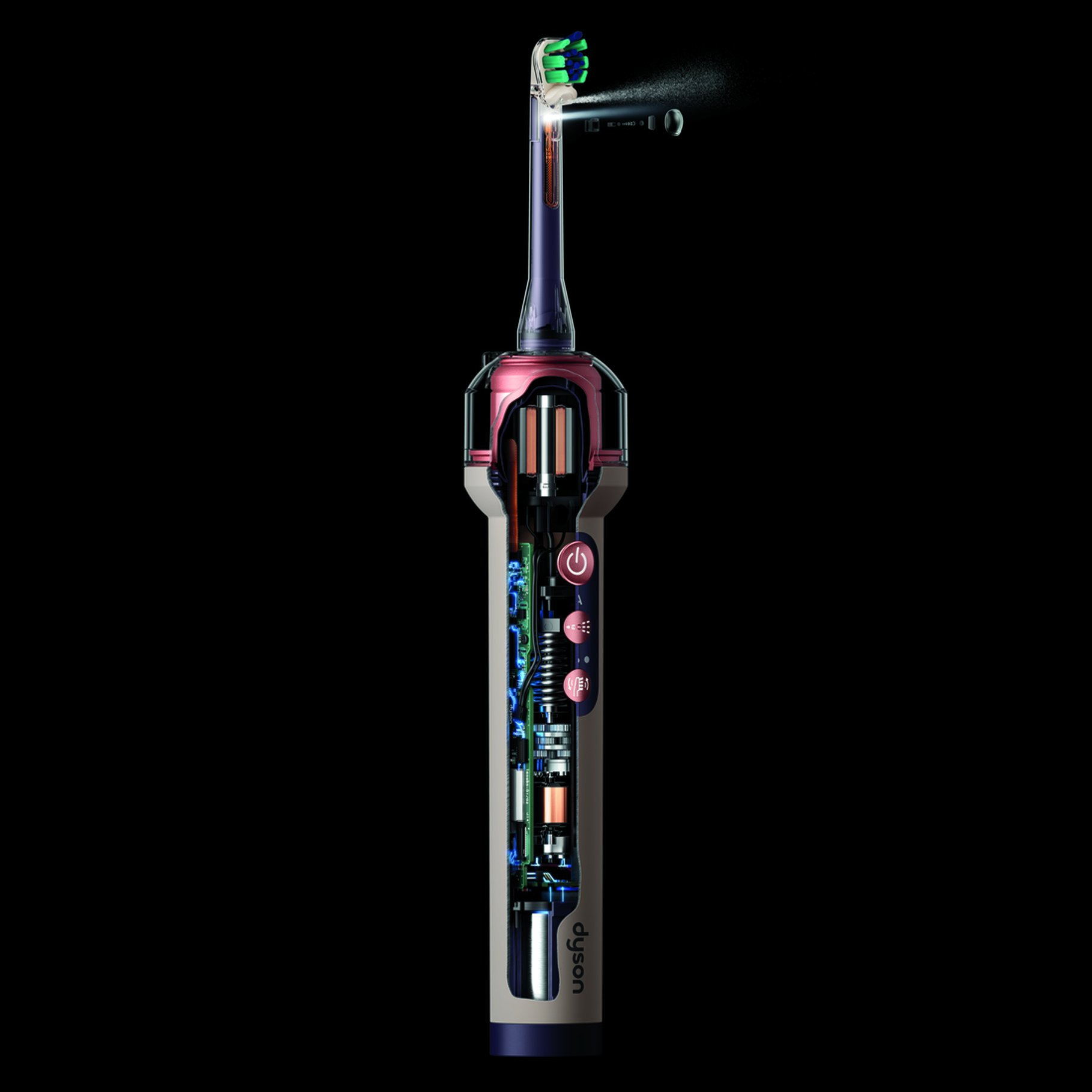
Most people might file this under health or grooming, but we’re putting the Dyson CameraJet electric toothbrush with variable sonic oscillation here because the camera guiding its integrated conical jet water flosser is the main feature. A 100k-pixel macro lens camera analyzes 28 images per second for “Gap Optical Targeting.” You can also watch live cleaning footage on your phone as you brush, or use the intraoral camera to inspect teeth. If you’re a sadist.
The Dyson CameraJet is the first toothbrush with a camera, using AI-powered vision to identify and target gaps between teeth while combining brushing, targeted liquid flossing, and mouthwash dispensing. Image: Dyson.
Computing concepts
Finally, there’s the purely conceptual. Over at Lenovo, there’s Project AeroBlade. This Active Flow thermal solution replaces traditional fan-based cooling with a solid-state AirJet active cooling architecture of ultrasonic membranes moving air, which Lenovo envisions as a way to make laptops thinner without sacrificing sustained performance. This was shown off in a 14-inch concept that measures under 10 mm thick and weighs under 830g. Meanwhile, Project Swan is an expandable screen concept that transforms a 14″ laptop into a 17” 16:9 display when the flexible screen is unrolled, while remaining 17.9mm thin and 1.6kg. Perfect for more efficient work within the cramped confines of travel.
And Acer showcased Project DualPlay Mini, a prototype 2-in-1 with an 8-inch screen that wants to be a Predator gaming handheld … until you flip it open, spin its screen around, and access the built-in keyboard for laptop-style productivity in Windows 11 mode.
If it feels like you are wishing people a happy birthday more often than usual once September begins, it is not in your head. September is the most common birth month of the whole year, and one day stands above them all—September 9.
In 2016, statistics organization FiveThirtyEight and data journalist Matt Styles analyzed data on the average number of births per year from 1994 to 2014. In that 10-year-period, September tops the with nine out of the 10 most common birthdays falling on September. Based on this analysis, the ninth day of the ninth month is the most popular birthday.
The reasons behind this surge of September babies are likely couples spending more time indoors during the colder months of the year and holiday season. Some people tend to work less as the holidays approach, so there is more time to party-hop, drink a few more cocktails than usual, and the rest is clear. Pregnancies are supposed to last 38 weeks from conception, so babies born on September 9 would have likely been conceived on December 17.
For a September 19 birthday, conception date should technically be December 27. All of those September 22 to 26 babies are generally conceived around New Years Eve and New Years Day. December is also a romantic season in general. According to data collected from the wedding planning website The Knot, December is the most popular month to get engaged globally.
Some other hypotheses behind this surge in cold weather conceptions are that the shorter days may affect hormones and that sperm may be less potent in the warmer summer months.
As far as rare birthdays go, Leap Day (February 29) is the clear winner, but the rest of the rare birthdays are those on major holidays. This is likely because scheduled inductions and C-sections are avoided on days like Christmas (December 25) and Fourth of July.
To see how common your birthday is, plug it into birthdayrank.com.
The humble egg is often a symbol of fragility, but there is strength in numbers. According to, egg-based geometry may be sturdy enough to protect future generations of astronauts from the ever-growing threat of space debris.
Around one million pieces of junk larger than one centimeter currently orbit the Earth, thanks to decades of space travel, rocket launches, and satellite deployments. Each tiny trash bit travels at roughly 17,400 miles per hour, making them immensely dangerous for ongoing missions and exploration efforts. International agencies are now monitoring the existing space trash, while researchers test methods to clean up the problem. However,there is still a growing need to protect both people and property above everyone’s heads. And that’s where eggs come into play.
“A single eggshell breaks easily under local force, but the protection mechanism of the eggshell array is completely different,” Yuxin Wang, an engineer at Dalian University of Technology, explained in a statement.
As Wang and his colleagues demonstrate in a study published today in the Journal of Applied Physics, aluminum eggshell shaped designs arrayed together cooperatively deform in a way that distributes energy across a larger structure, making the overall surface a promising addition in reinforced shielding. These are even stronger when each “egg” in Wang’s prototypes were filled with water. Good ol’ H2O then dampened impact shock waves through the eggs.
A 3D image of the water-filled aluminum eggshell array metastructure shows the eggshell pattern on an aluminum plate. The second aluminum plate—which goes on top of the eggs—is excluded from the image to help visualize the geometry. Credit: Wang et al.
Engineers tested both 3D printed designs and ran computer simulations for standard aluminum plates, water-filled aluminum spheres placed between flat plates, and the novel eggshell arrays. The sandwiched spheres performed the best—reducing a projectile’s impact velocity by almost 65 percent, compared to 51 percent from just the plates. The most optimized iterations also included placing the egg models upright so that their narrowed end touches the top aluminum plate.
The team still needs to optimize the metamaterial’s filling and overall geometry, along the metal thickness and aspect ratios. That said, egg-ified shielding may one day be a common addition to vehicles and satellites destined for low Earth orbit.
“This work demonstrates that bionic, lightweight metastructures are a promising route for hypervelocity-impact protection,” said Wang.
In 1948, Muriel Howorth was living a relatively ordinary life in the seaside town of Eastbourne on the south coast of England when she received a letter that would completely change the trajectory of her life.
From an early age, she had wanted to take part, or as she put it, “be of use” in international affairs. During World War II, she was employed by the Ministry of Information, the government office primarily responsible for wartime publicity and propaganda in the UK.
Howorth must have been talented at promotion and publicity, because the letter that arrived in 1948—“out of the blue,” according to her personal papers—inquired if she would like to apply her talents to making atomic energy seem more friendly.
She was well-educated, but not terribly knowledgeable about atomic science, so she borrowed a book by the radiochemist Frederick Soddy, who was born in Eastbourne, titled The Interpretation of Radium. Within a few chapters, she found herself a true believer in the promise of the atom. She would devote the rest of her life to sharing the wonders of atomic science with anyone who would listen.
Nuclear energy gets a rebrand after WWII
The United States dropped atomic bombs on the Japanese cities of Hiroshima and Nagasaki on August 6 and 9, 1945, a key factor in the end of World War II. The scale of the destruction and the ongoing damage from nuclear fallout after these attacks was vast. Despite the devastation, when a Gallup poll was released in mid-August of 1945, 85 percent of Americans approved of the bombing.
The atom was more or less a mystery to the average American, and was seen both as something to be feared and a source of hope. The potential for nuclear energy seemed endless, and although the Soviet Union was America’s ally, establishing a lead over the Soviets in nuclear technology seemed prudent.
Around 1900 when this photo was taken, nearly all grapefruits were yellow. The popular Rio red grapefruit wasn’t developed until 1984 using atomic gardening. Image: Contributor / Getty Images / Rykoff Collection
Muriel Howorth’s pro-nuclear children’s book and atomic gardening
In the years after World War II, American and European scientists and heads of state agreed that there should be a focus on more productive and peaceful uses for atomic power. The letter that Howorth received in 1948 was part of this effort. She threw herself into projects that combined science education and entertainment.
Notable among these was an elaborately choreographed pantomime titled Isotopia: An Exposition on Atomic Structure. Howorth also self-published a children’s book featuring Daddy Proton, Mummy Neutron, and their electron children. Her greatest impact as an early science communicator, though, was her work in atomic gardening.
Irradiated peanuts and other miracles of atomic gardens
Applying radiation to agricultural plants was, in part, a response to wartime scarcity. Restricted rations had made people acutely aware of the possibility of food insecurity. Researchers hoped that exposure to gamma radiation might induce mutations that resulted in higher-yielding or disease-resistant crop varieties. Perhaps some of those crops might be more dense in nutrients, too.
As atomic ambassador, Howorth founded the Atomic Gardening Association and recruited hundreds of members—or, as she called them, “atomic mutation experimenters.” Soon, atomic gardening kits were available to the public. One could send away for packets of seeds from an irradiated plant. By planting these seeds and propagating multiple generations of the plants, home gardeners could test whether any useful-seeming mutations had arisen.
Howorth herself served a mutated variety of Carolina peanuts to some of her scientist friends in 1959. Their response was underwhelming, so she planted the rest of the peanuts in her garden, where they grew remarkably quickly and produced extremely large peanuts. She usually kept a handful of these extra-large peanuts tucked away in her handbag in case the opportunity arose to recruit a new member to the Atomic Gardening Association.
In the June 1961 issue of Popular Science, a story promotes buying “plant atomic energized flower and vegetable seeds” as an “amazing science buy.” Image: Popular Science, June 1961 issue
Howorth’s lasting legacy to citizen science
It’s tempting to view Howorth as a kooky eccentric. Contemporary newspaper reports of her various events and projects were certainly dismissive in tone. More accurately, she represents an early effort at addressing the gap between scientific research and public understanding.
The world was far less interconnected in her day, with no internet, no omnipresent news media, and no social media platforms. Not only that, but the idea of women as integral parts of scientific research was slow to catch on, despite pioneering work by scientists like Marie Curie and Rosalind Franklin.
Today, the same gulf exists between what scientists publish in their fields and what the average person understands. The same challenge of translating scientific language for public consumption exists for science communicators, but the tools available to them have evolved beyond recognition. You can find videos and posts by scientists explaining everything from how blimps work to what various chemical reactions look like, or from how fossils form to why black holes are so dark.
If Howorth were around today, her atomic choreography might have gone viral. As it stands, she was a wonderful example of the love of sharing knowledge with the public, and of the excitement and joy that comes with learning new things about how our world works.
In That Time When, Popular Science tells the weirdest, surprising, and little-known stories that shaped science, engineering, and innovation.
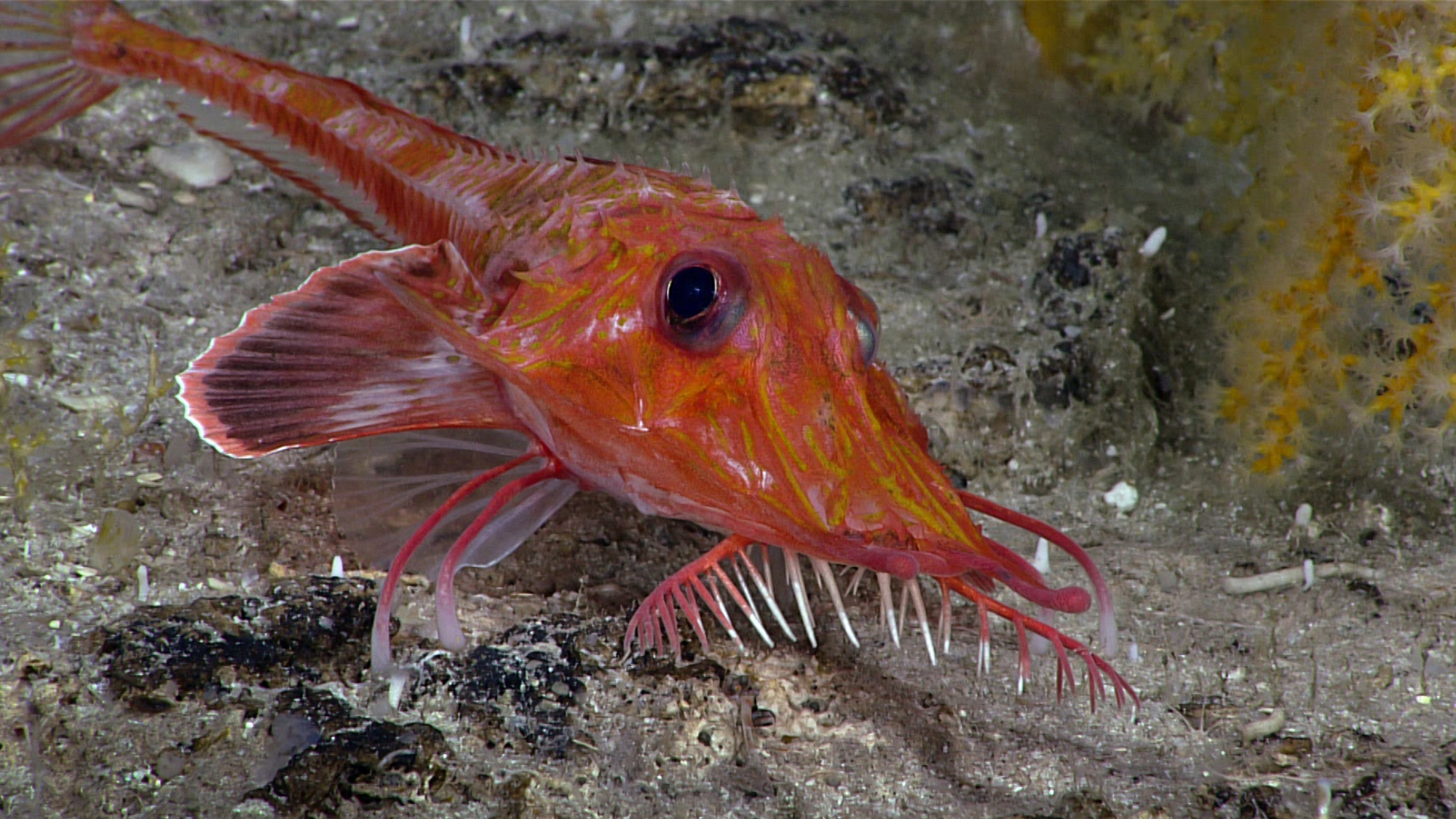
The deep-sea is filled with weird creatures: goblin sharks (Mitsukurina owstoni), vampire squid (Vampyroteuthis infernalis), and… walking fish? For the first known time, a team of scientists in China filmed a strange, shrimp-like fish walking backward along the seafloor.
The fish, Scalicus engyceros, is a species of armored searobin, a group of fish known for weird anatomy. Their bodies are covered in bony plates, while stiff free fin rays stick out of its pectoral rays like tiny legs it can use to “walk.”
The new study, published in the journal Ocean-Land-Atmosphere Research, not only provides video evidence of the animal’s sea-floor strolls, but it also marks the first time backwards locomotion has been described in fish.
“[Our] study delivers a paradigm-shifting revelation: the deep-sea fish Scalicus engyceros, a representative of fishes characterized by highly specialized free pectoral-fin rays, is among the few fish species known to walk,” said Han Tian, a postdoctoral researcher at Sun Yat-sen University in Guangzhou, in a statement.
The video was taken from a deep-sea diving vehicle in the northern South China Sea that also helped the researchers observe the fish’s other unique traits. It has outward-extending barbels that resemble a farmer’s rake. While the barbel makes it awkward for the fish to walk, it provides “an advantage in probing, digging, or hunting for food buried in the sediment,” according to the team.
Like other deep-sea creatures, Scalicus engyceros also has large eyes. The researchers note that the fish did not seem to react to the approaching vehicle, but it did appear to react to its light beam before swimming away. This suggests its eyes have at least some sensitivity to light, perhaps pointing to the fish not having lived in this habitat for very long.
While there’s still much to learn about this mysterious creature, advancements in technology are helping scientists better understand the life way beneath our oceans’ surface.
“Modern deep-sea diving vehicles allow not only discovery of new species but also add a new in situ, functional dimension to the study of species based solely on the morphology of preserved specimens,” said Tian.
“By observing deep sea animals alive in their surrounding environment, we can gain insight into the adaptation and evolution of the species. These walking fish harbor far more novel behavioral and evolutionary adaptations than previously assumed.”
They’re called cornflakes. These overlooked scraps of papyri (texts written on paper made from the papyrus plant) carry partial snapshots of ancient worlds.
For archeologists, cornflakes deserve care and attention as much as their complete cousins do—and that’s exactly what took place this summer, at the University of Michigan’s (U-M) Papyrus Conservation Summer Seminar. An international group of nine researchers acquired and practiced the latest papyrus preservation techniques on papyrus fragments held at the University of Michigan in Ann Arbor.
Close up of papyrus, Homer, Iliad, Book XVIII. Image: Jeremy Marble, University of Michigan News
“Most of them [the researchers] came to Ann Arbor with zero papyrus experience, but the group ended up conserving more than 150 big and small papyri in just two weeks,” Giuliano Sidro, curator of the U-M papyrology collection, said in a statement.
The university’s papyrology collection is the largest collection of ancient papyri in the Western Hemisphere. texts and documents dating back to sometime around 1000 BCE to 1000 CE, including personal letters, school primers, and sales contracts are all preserved within its walls.
One of the researchers worked on a fragment of a copy of “Against Ctesiphon,” a famous speech from an Athenian orator Aeschines delivered in 330 BCE. Another researcher connected a U-M cornflake to one from his home collection in Milan.
The seminar was led by Marieka Kaye, director of preservation services for physical collections at the U-M Library. According to the team, Kaye and Sidro’s collaboration at U-M is a unique dynamic. Usually, conservators and papyrologists work sequentially and independently, not together. The conservator restores and preserves the papyri, and then the papyrologist studies the pieces. When the two can join forces, it also helps the seminar participants understand the material they’re handling in real time.
“The papyrologist can read the texts and guide the conservator’s hand in placing complex, fragmentary puzzles, while the conservator not only makes papyri accessible and readable but also offers a material perspective that can inform, or even correct, a papyrologist’s assessment of a text,” Sidro explained.
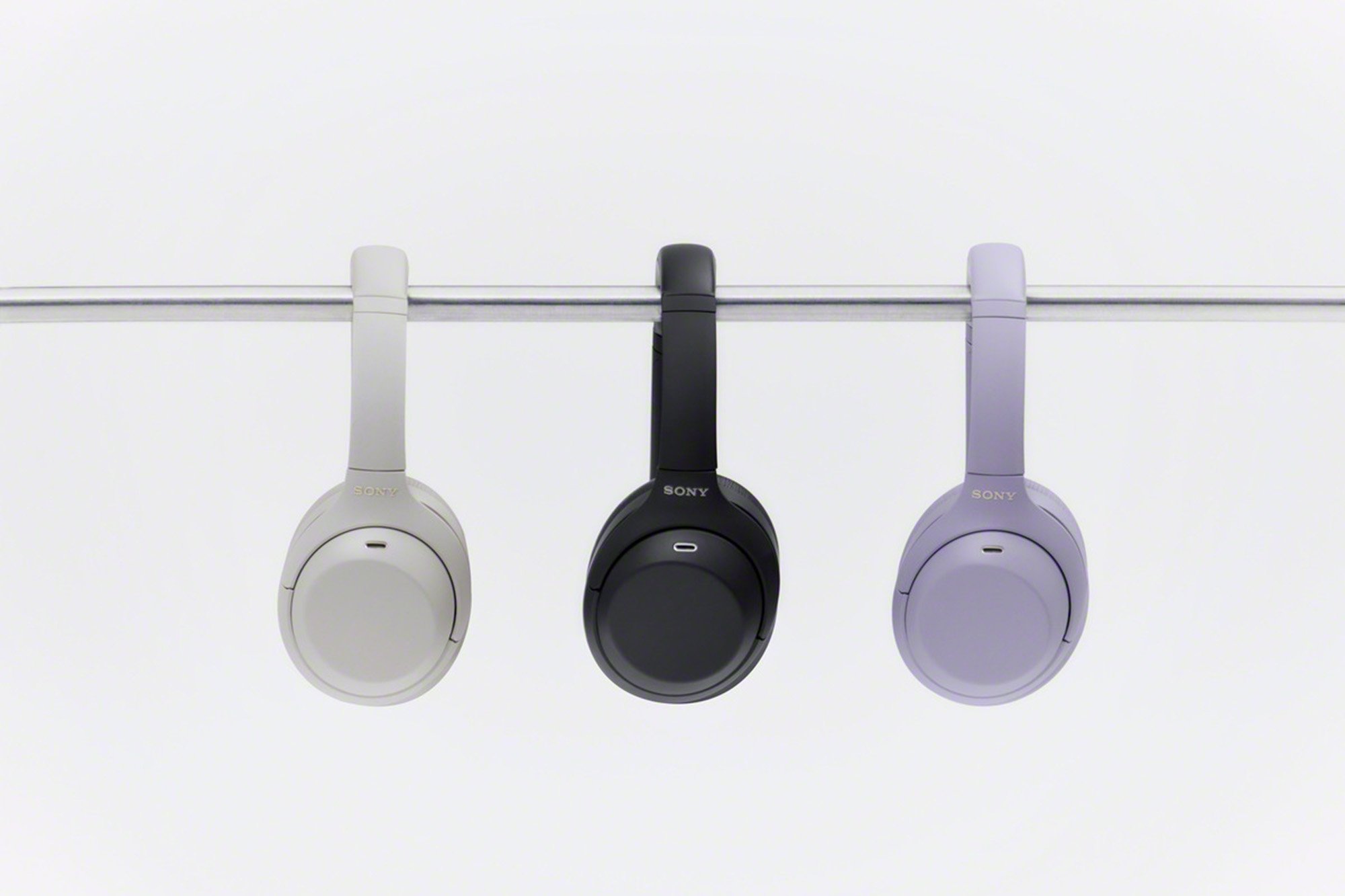
Following the Sept. 1 announcement of new DJ-friendly party speakers, Sony has revealed three value-packed updates to its Bluetooth headphones lineup.
It’s been a big year on the premium end of Sony’s flagship wireless platform, which celebrated a decade of active noise cancellation excellence with the debut of the 1000X The ColleXion luxury headphones—a limited-edition pair Sony pitches on emotional value. But not everyone wants to spend $459 to $649, which is where the new WH-1000XM4C, WH-CH730N, and WH-CH530 come in.
In a sunny suite at New York’s Kimpton Eventi Hotel, we learn why Sony chose sequels over new concepts: young buyers and TikTok unboxing buzz drove the 1000XM4 to the highest customer ratings in the personal, portable audio line thanks to its comfortable, foldable form factor. This organic appreciation has been rewarded with affordable upgrades alongside other popular over- and on-ear models.
[Disclosure: Sony provided travel accommodations during the creation of this story.]
For this launch, Sony is widening the base instead of summiting the peak, though not without a step or two backward. Built on the established silhouette of 2020’s beloved WH-1000XM4, the second-generation 1000XM4C (shown above and below, left) launches at $299.99. That’s $50 less than the original, yet it features the same proven QN1 ANC processor while updating the house sound profile/software engine with input from Grammy-nominated mastering engineers. The headphones are now Bluetooth 6.0 (SBC/AAC/LDAC) for a more stable wireless connection, backed by a 10-band EQ/Gaming EQ instead of the original 5-band sliders. The battery life is now up to 27 hours with noise cancellation, down from 30, but that’s still more than enough for most students, commuters, days at the office, etc. And the 1000XM4C also inherits Background Music Mode, which adds a sense of spatial depth to your music, giving it an ambient effect (think a low-key café soundtrack) that still helps mask your surroundings without competing for your brain’s focus. It’s the same cozy earcups, now in lighter and brighter colors, including Lavender (shown), Black, and Platinum Silver with polished yellow gold logos in place of the previous rose gold hue.
The price remains $179.99 for the entry-level over-ear WH-CH730N (shown above and below, middle), but the specs all increase. A revised, rounded, lightweight frame that now folds instead of swivels for better portability, and inside it, the Dual Noise Sensor’s optimized ANC algorithm is 10 percent more effective. And battery life increases from up to 35 hours with ANC/50 hours without to 50 hours with ANC/75 hours without, so it won’t run out during hybrid work or study halls. That extra charge powers improved beamforming microphones plus AI noise reduction for clearer voice pickup on calls, plus a more natural sound profile with the same 10-band EQ/Gaming EQ as the 1000XM4C. It now supports the LC3 Bluetooth codec alongside SBC/AAC, plus that Background Music mode. Colors for the WH-C730N include White, Pink (shown), Blue, Black, and Oat.
The final, most compact headphone is the on-ear WH-CH530 (shown above, right). At only $69.99 (same as the previous generation), it’s positioned as a headphone for first-time buyers and casual all-day users. It swivels to store flat, rather than folds. And there’s no ANC. But that means battery life beats the rest at up to 55 hours. And the sound engine shares the 10-band EQ/Gaming EQ and SBC/AAC/LC3 with the CH730N, plus DSEE (Digital Sound Enhancement Engine) for smoothing out compression artifacts. Based on a brief listen, the soundstage was pleasingly clear, and the bass output was surprisingly strong for a smaller driver. Plus, Safe Mode monitors sound pressure and playtime and lets you adjust maximum volume limiting to keep usage within standards suggested by the World Health Organization for hearing protection. It’s an app feature also available on the other models, so extended wear doesn’t mean eardrum wear and tear. Colors include Pink, White, and Black, as well as on-trend Cobalt, Coral (shown), and Mint.
For those who value function, there will always be the WH-1000XM6. But for those who put a bit more emphasis on the fun, these models offer Sony’s core features and best value in a year of price pressure. We’ll have more to say once we’ve spent more time with them, so check back in.
The 1000XM4C, WH-CH730N, and WH-CH530 are available now. The slideshow below shows all colorways of the three new models.But keep scrolling for something even cuter.
Sony and Sanrio are partnering for Hello Kitty limited-edition headphone bundles (shown below). Each bundle includes an exclusive stylized carrying case—with a carabiner, so it can double as a fashion accessory—and a similarly kawaii tote bag. They will be available for pre-order exclusively online at the Sony store this holiday season. Available in limited quantities in the US and select regions, the collaboration will feature selected Sony headphone models, including WH-1000XM6, WH-CH730N, and WH-CH530. Readers can be notified through this link when units are available.
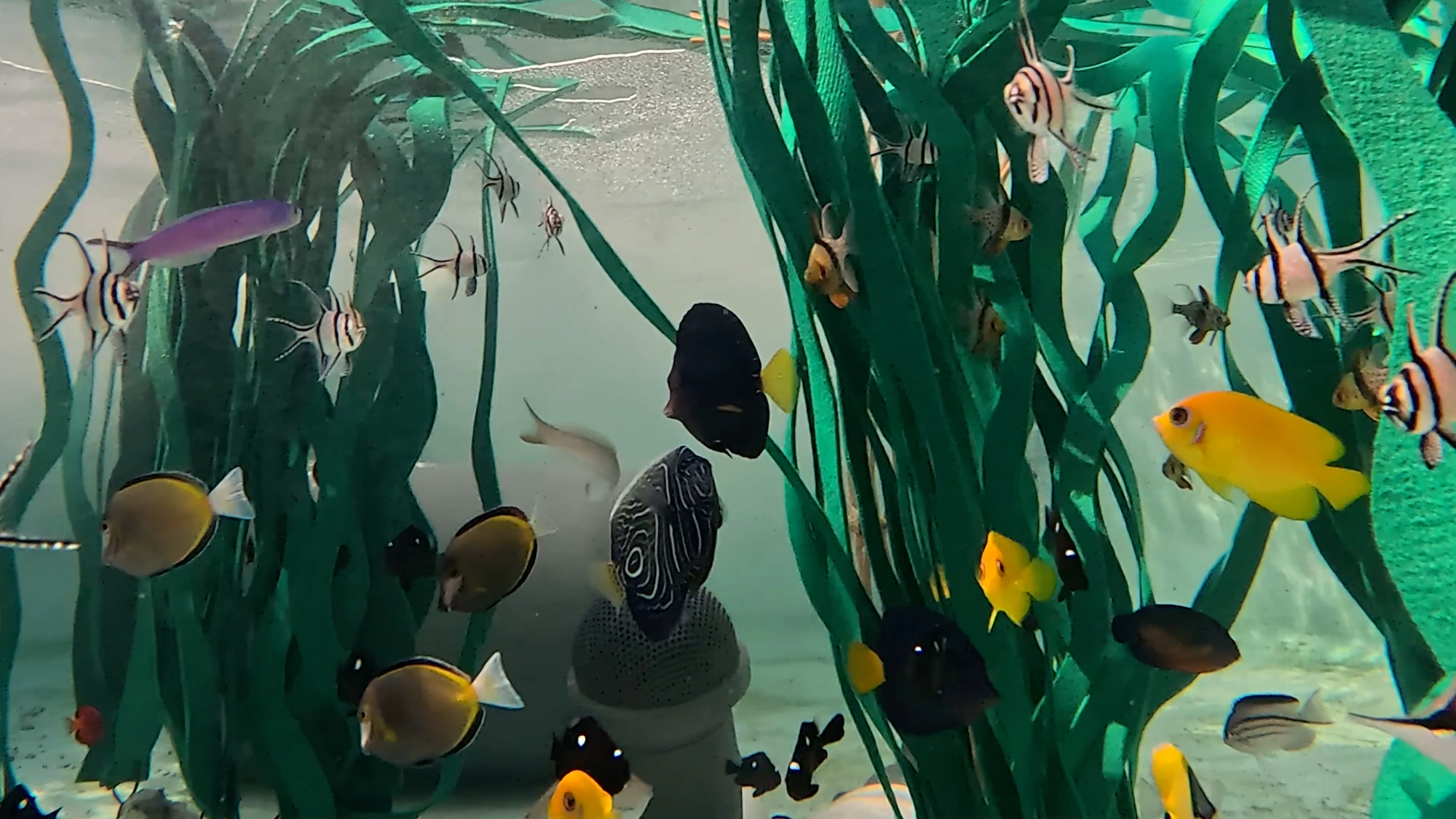
On June 19, the Aquarium of the Pacific took in almost 500 animals in one go. Fish, marine invertebrates, and sharks were all brought into the facility in Long Beach, California, but the aquarium hadn’t just gone on some big marine shopping spree.
These animals were rescued from animal trafficking, and were in urgent need of a home. At the aquarium, the staff worked through the night to stabilize and care for them.
“Every animal that arrives at the Aquarium, whether through a carefully planned acquisition or a last-minute confiscation, receives the same high standard of care. What can differ is the condition in which those animals arrive,” Johnathan Casey, Aquarium of the Pacific curator of fish and invertebrates, tells Popular Science.
Many trafficked animals have been traveling in stressful or poor conditions, so the aquarium’s experts immediately check their physical condition, water quality, and individual needs. They usually know little about an animal’s origin or history, so the team needs to be prepared for anything. The rescued animals are also quarantined to avoid the potential spread of diseases, according to Alyssa Tillman, the assistant curator of fish and invertebrates.
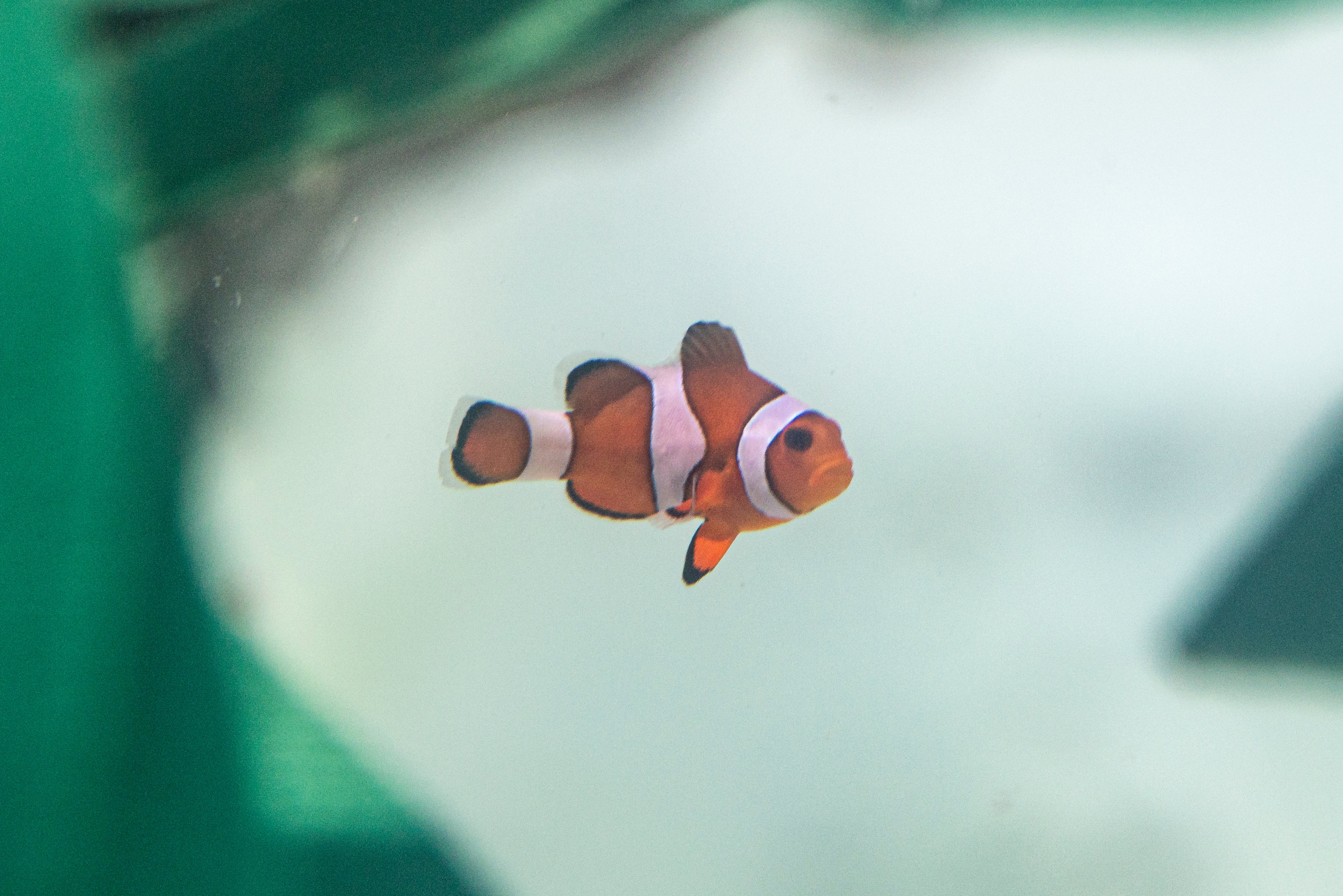
Confiscated animals like this clownfish were kept in holding tanks at the Aquarium of the Pacific on Long Beach, California. Image: Josh Barber/Aquarium of the Pacific. Josh Barber
The species included brownbanded bamboo sharks (Chiloscyllium punctatum), ocellaris clownfish (Amphiprion ocellaris), and Banggai cardinalfish (Pterapogon kauderni). The IUCN Red List classifies brownbanded bamboo sharks as Near Threatened and Banggai cardinalfish as Endangered.
While the arrival of almost 500 animals was a standout event, the Aquarium of the Pacific has received rescued animals from over 30 confiscation events since September 2024. This means they saw one confiscation event every three weeks, though the first eight months of 2026 have already seen over a dozen cases. Overall, the aquarium has taken in over 3,600 rescued trafficked animals in the past two years.
The Aquarium encourages “the public to become informed consumers to help avoid wildlife trafficking of exotic pets. This includes researching the protected status of the species and ensuring purchases are through a reputable vendor,” Casey explains. “If the vendor cannot provide proof of where the animal came from, refraining from purchasing it is a way to help.”
I have been using my outdoor pizza oven all summer and it has really cut down on my takeout budget and increased my popularity with the neighbors. They put up with my loud death metal as long as I provide them with perfectly cooked Neapolitan pies. Gozney makes some of our favorite pizza ovens, especially if you’re looking for something on the high-end. The company kept its Gen 2 Dome pizza ovens at full price through the spring and summer, and the only sweetener during its May sale was a free accessory thrown in with the oven. That has changed. The End of Summer Sale puts a direct cut on both Gen 2 Domes, the new Arc Lite, and every bundle built around them. In May, those three got a free accessory instead of a price cut while the Arc and Roccbox went $100 off, so this is the first price drop I’ve seen on any of them. The lineup is short, 12 items in the sale collection plus a handful of older Roccbox and Dome parts still marked down, so if you’ve been holding out on a Gozney since it took the pro-grade spot in our best pizza ovens guide, the math finally works.
Gozney Arc Lite Gas Pizza Oven $349.99 (was $399.99)
The first discount on Gozney’s newest and smallest oven
If you have a balcony or a small patio and want the Gozney flame without the Gozney footprint, the Arc Lite is the one to buy. It’s a propane-only oven that cooks a 12-inch pie, and Gozney rates it for 950 degrees with the same side-mounted rolling flame the bigger Arc ovens use. The whole thing is under 17 inches wide and weighs about 26 pounds, so it lives on a table rather than needing its own stand. Gozney launched it this year, held it at $399.99 with a gift-with-purchase during the May sale, and this $50 cut is the first time the price itself has moved.
The Dome XL (Gen 2) is a serious upgrade. It’s the oven for anyone who cooks for a crowd, or who wants to roast a chicken and a tray of vegetables next to the pizza instead of after it. Gozney says the deck is 90 percent bigger than the original Dome and fits three 10-inch pies at once, and the Hybrid Fuel version burns wood, charcoal, or propane depending on the night. The $500 cut applies to the propane model in either color. The natural gas version stays at $2,999.99, so if you’re plumbing it into a house line, the sale doesn’t help you. The oven weighs about 161 pounds, and the matching Dome Gen 2 Series Stand is $100 off at $399.99 if you don’t already have a masonry counter waiting for it.
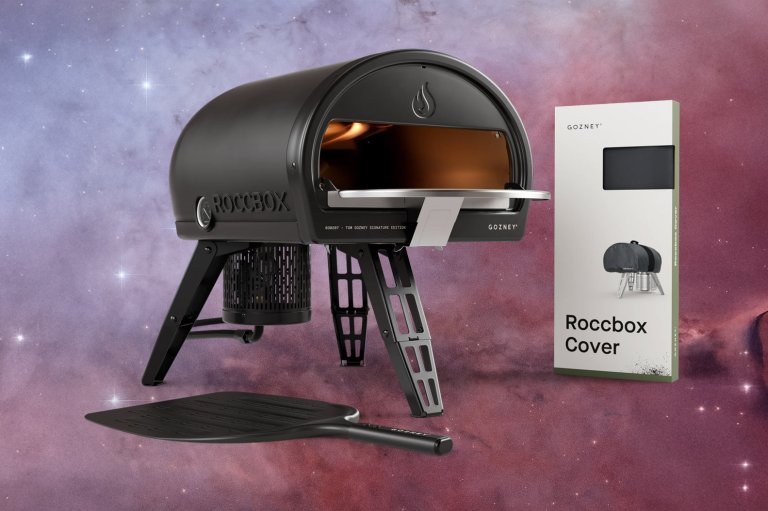
The legs fold, the burner detaches, and the outside stays cool enough to grab, which makes this perfect for taking to a tailgate party or cookout. The Roccbox Essentials Bundle adds the cover, the mantel that gives you a shelf in front of the mouth, and the placement peel, which is everything you need to start cooking and nothing you’d skip. I added up the four pieces at Gozney’s own sale prices and got $497.96, so the bundle is the one place in this sale where the package saves you money beyond the oven discount. Most of the other bundles are the sale price of the oven plus full price on the extras.
Gozney pizza oven deals
The standard Dome (Gen 2) drops under $2,000 for the first time I’ve seen, with the same propane-only catch as the XL. The Roccbox isn’t in the sale collection, but it’s still $100 off on its product page, and it’s the better pick than the Arc Lite if you plan to move the oven more than you plan to look at it. The Arc, Arc XL, and Tread sit this one out at full price.
Every Dome bundle here is the discounted oven plus the stand at its $399.99 sale price, with the Essentials versions adding a Pro Placement Peel at full price. You aren’t saving extra by bundling, but you are getting one pallet delivery instead of two, and the stand is the piece most people end up buying anyway since the oven needs a surface rated for its weight.
All three Arc Lite bundles carry the same $50 oven discount with the cover and peels at regular price. The Basic Bundle is the sensible one, since the cover is the accessory you’ll actually miss, and you can pick peels that fit how you cook rather than the pair Gozney chose.
These aren’t part of the End of Summer collection, but Gozney still has its older Roccbox and original Dome accessories at half off. If you already own a Roccbox, the peel at $42.99 is the buy, and the mantel turns the front of the oven into a landing pad for the pie you just pulled.
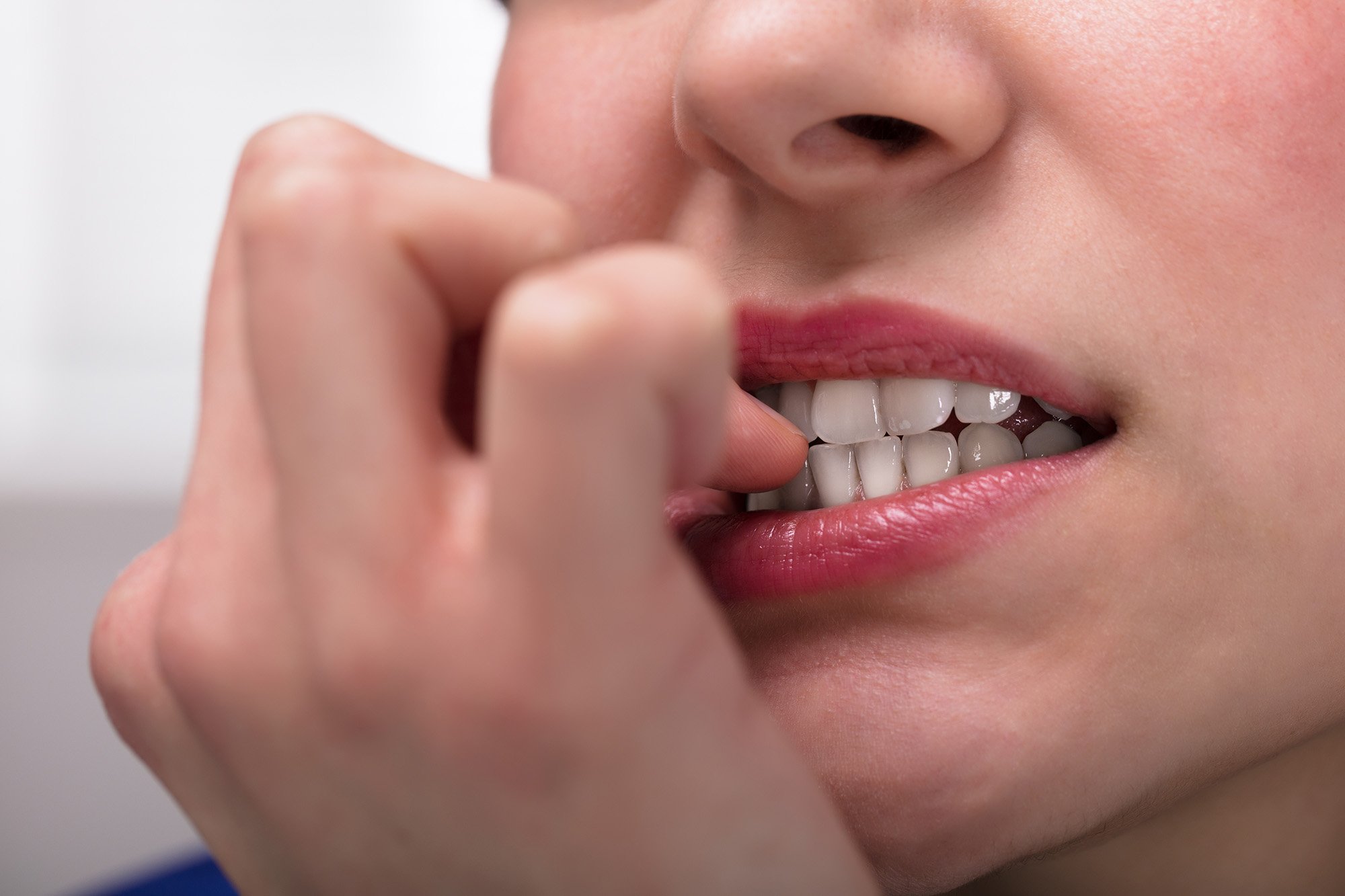
Between 20 and 30 percent of Americans bite their nails, according to The Cleveland Clinic. Why? Among other reasons, nail biting “often has a self-soothing quality—in fact, it provides a sense of calm—so people may use it as a coping mechanism.” It’s also common to bite nails while bored or stressed.
Whatever the reason, you may be wondering if biting your nails is scientifically gross, so let’s explore its health impacts. (Short answer: 1000xYes, it’s gross.)
Turns out your hands are dirty
You know how you’re supposed to wash your hands before eating? There’s a reason for that: hands are filthy, mostly because they’re always touching everything. Biting your fingernails is worse than eating without washing your hands—you’re sticking your fingers directly into your mouth.
And fingernails themselves are uniquely gross. A widely cited 1988 study in the Journal of Clinical Microbiology by researchers from the University of Pennsylvania and Johns Hopkins University found that under the fingernails is the region of the hand with the most bacteria, by a long shot. “The subungual spaces had an average log10 CFU of 5.39, compared with a range from 2.55 to 3.53 for other hand sites.” Those numbers might not sound that different, but we’re talking about a logarithmic scale of 10, where 5.39 is 10 to the power of 5.39, which works out to around 245,000. And 2.55 works out to about 355, which is far smaller. So, mathematically, it’s pretty nasty under your fingernails.
Research also suggests that biting your nails means more bacteria in your mouth. A widely cited 2007 study published in Oral Microbiology and Immunology by researchers at Atatürk University in Turkey tested the saliva of 25 nail biters and 34 non-nail biters. 76 percent of nail biters tested had some kind of Enterobacteriaceae in their sample, compared to just 26.5 percent of non-biters. A 2017 study published in the Annals of International Medical and Dental Research by researchers tested 200 saliva samples—half from chronic nail biters and half from non-nail biters. The results were similar: 58 percent of chronic nail biters tested positive for Enterobacteriaceae, compared to just 16 percent of non-nail biters.
Basically, there’s a lot of bacteria, dirt, and fungus under your nails, and biting your nails means putting those things directly into your mouth. Decide for yourself whether that’s gross.
First, there’s the damage to your fingers: “Patients typically present with abnormally short and uneven nails, absent or ragged cuticles, and nail folds in different stages of healing,” the paper states. “Other visible changes in the nail and periungual regions include linear and pinpoint hemorrhages, longitudinal melanonychia, transverse grooves, brittleness, macrolunula, and pterygium, a scar in the nail matrix.” Basically, biting your nails causes a lot of visible problems, and it’s probably not just your doctor who notices them.
The damage isn’t limited to your hand. The paper mentions damage to your teeth, worn down by chewing, and to your gum tissue.
I could keep going. UCLA Health summarizes these problems quite well, while also mentioning the delightful potential for fungal and skin infections.
Anna Fotyma via iStock / Getty Images Plus
You can stop, with the right tools
If all of this has you questioning your fingernail biting habit, you’re not alone—I grossed myself out while writing this. But quitting fingernail biting isn’t easy. People bite their nails for a variety of reasons, many of them psychological. For this reason, the Cleveland Clinic recommends behavioral therapy as one way to stop biting your fingernails. Self-care and finding other ways to relax are another option.
The American Academy of Dermatology recommends regularly trimming your nails to reduce temptation—you’re less likely to bite if your nails are already short. They also recommend applying nail polish, the idea being you’ll be less likely to bite your fingers if you put work into making them look nice. There’s also bitter nail polish specifically designed to help break the habit of nail biting. At the very least, clean underneath your nails regularly.
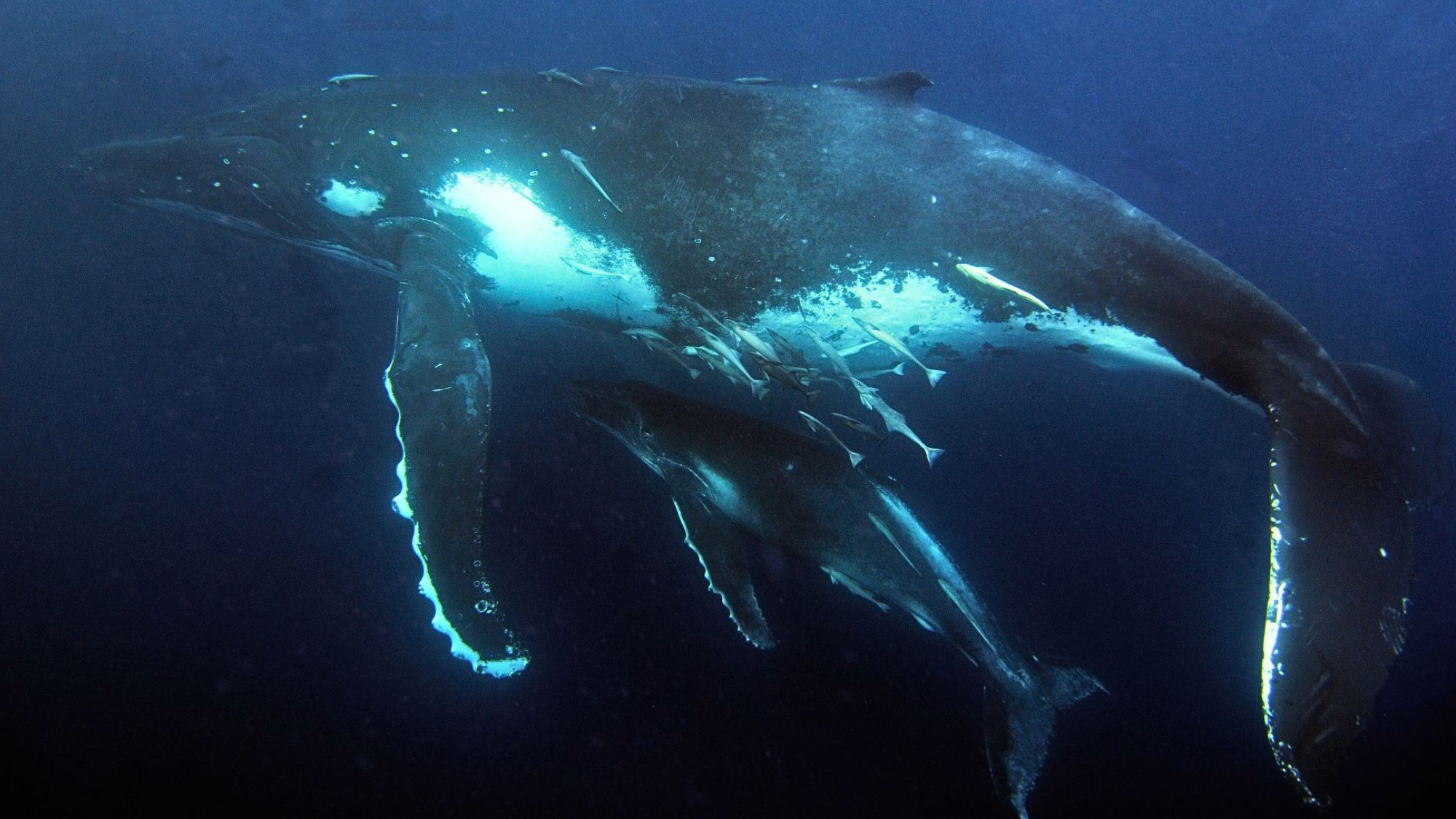
In 2009, tourism operators in Australia spotted more and more humpback whales (Megaptera novaeangliae) “fluking,” when a whale floats upside down, holding its tail above the water. Confused by the behavior, they reached out to scientists for help, triggering a research effort that solved one of the biggest mysteries about humpback whales on the Great Barrier Reef.
The Whitsundays, where the fluking was taking place, is a region with dozens of islands between the Great Barrier Reef and Australia’s north-eastern coast.
“It was an unusual behaviour they had never seen before. Not even the whale scientists knew what it meant at the time,” Crystal Lacey, Master Reef Guides program manager, said in a statement. “So that uncertainty sparked a major research effort, which combined citizen science through the tourism operators’ observations, and scientific research. It was one of the region’s largest citizen science efforts.”
The efforts included tourism operators counting whales and calves, and scientists mapping the seafloor, monitoring water temperatures, tracking whales by satellite, and surveying the region from the air. The joint mission found that the Whitsundays is one of the Great Barrier Reef’s most important humpback whale calving areas. In other words, they’d revealed a previously unknown whale maternity ward.
“The fluking the operators observed was actually a breeding behaviour,” explained Lacey. “We discovered the Whitsundays provides the sheltered, warm and shallow waters humpback whales need to give birth and raise newborn calves.”
Their results also resolved one of the biggest enigmas associated with humpback whales on the Great Barrier Reef—the question of where they give birth. The findings ultimately led to the creation of the Whitsundays Whale Heritage Area within the Great Barrier Reef Marine Park.
Humpback whales are found in all the world’s oceans. They’re a whale-watcher favorite because they can be observed close to shore, and frequently put on a show near the surface of the water. Humpback whales mate while “hugging” face-to-face, and the gestation period of females is 11 to 12 months. When they give birth—once every 2 to three years—the calf comes out tail first.
A lot of us like to start our days with a cup of coffee. Whether it’s a pour-over you make at home or a latte from your favorite coffee shop, many people need caffeine to wake up and feel alert.
If you rely on coffee as a productivity hack, you might be wondering if there’s a time of day that would optimize its effects on the brain. It turns out the answer isn’t that straightforward. How the body reacts to caffeine depends on factors such as age, metabolism, and tolerance. So, here’s what the experts say about how to time that cup of joe.
What effect does coffee have on the body?
Caffeine is the central stimulant found in coffee and other foods like tea, soda, and chocolate. It helps us feel more awake by blocking adenosine, a naturally occurring chemical that builds up in the brain while we’re awake. Experiencing morning grogginess, or sleep inertia, is related to residual adenosine in the brain, though other factors like your sleep quality also play a role. As adenosine builds up throughout the day, it makes us feel increasingly tired and helps signal to the brain that it’s time for sleep.
Since caffeine has a similar chemical structure to adenosine, it fits into the same receptors in the brain. When caffeine binds to these receptors, it blocks adenosine from doing its job. As a result, the brain receives fewer of the signals that make us feel tired, helping us feel more awake, alert, and energized.
Caffeine is the central stimulant found in coffee. Video: How does caffeine keep us awake? – Hanan Qasim, TED-Ed
“But this perceived energy does come at a cost,” says Dustin Lee, an assistant professor of psychiatry and behavioral science at Johns Hopkins, in an email to Popular Science. The brain adapts to these conditions incredibly well, so over time, the brain produces more adenosine receptors.
The more receptors your brain has, the more caffeine it needs to feel alert, eventually leading to caffeine tolerance and withdrawal. “Withdrawal symptoms, which I’m sure most of us have some familiarity with, include headache, irritability, fatigue, and difficulty concentrating,” Lee explains.
If you want to quit caffeine or miss your usual cup of joe, then you’re likely to experience these symptoms very quickly. They usually start within 12 to 24 hours after stopping caffeine, peak within 48 hours and resolve within two to nine days.
When should you drink coffee?
“There’s no set answer for everyone,” says Marie-Pierre St-Onge, a professor of nutritional medicine at Columbia University Medical Center, to Popular Science. It depends on your age, metabolism, and caffeine tolerance.
“Peak caffeine absorption occurs rapidly, at about 30 to 60 minutes after ingestion,” says Lee, so a simple answer to the question would be to drink coffee about an hour before whatever activity that would benefit from caffeine’s stimulating effects. If you’re going on a run, for example, you might want to get some caffeine in before heading out, says St-Onge. That’s why its use is limited by some sports governing organizations like the National Collegiate Athletic Association.
You shouldn’t really need caffeine right when you wake up, as your body should already be alert, says St-Onge. “If you’re starting to feel a slump a few hours after waking up, that would be when to drink coffee.”
Both Lee and St-Onge stress that the answer to when you should drink coffee really depends on the individual. The ability to metabolize caffeine slows down with age, so the amount of time to clear caffeine from your bloodstream gets longer as you get older. Your circadian rhythm also changes as you get older, which means you might get tired earlier in the day.
“Compounded, [these changes] make it so that you would want to consume your caffeine earlier as you get older,” explains St-Onge.
“Caffeine dose matters just as much as the time at which you drink your cup of coffee,” adds Lee.
A cup of coffee can actually have a wide range of caffeine—the dose can depend on the ratio of coffee to water, how you brewed your cup, and even bean type. And “tolerance has a major effect on caffeine’s effects, so the morning cup of coffee might serve more to partially reverse overnight caffeine withdrawal, so that should be taken into consideration as well,” he says. Basically, that means that for regular coffee drinkers, the first cup of the day is contributing to reversing the effects of not having had any caffeine since the day before.
When should you not drink coffee?
“Not too close to bedtime,” says St-Onge. If you’re finding that you’re having trouble falling asleep, make sure that you’re not drinking coffee too late in the afternoon.
Drinking coffee on an empty stomach can also be too abrasive for some people, and may lead to side effects like increased jitters and an increased urge to go to the bathroom. (Though the idea that it can lead to stomach ulcers is a myth.) If you’re someone with a sensitive stomach, try eating something alongside your cup of coffee to be safe.
So, don’t fret too much the next time you’re thinking of when to have a cup of coffee. Just remember: not too late, and not too much. Then you might become dependent on the stuff.
In Ask Us Anything, Popular Science answers your most outlandish, mind-burning questions, from the everyday things you’ve always wondered to the bizarre things you never thought to ask. Have something you’ve always wanted to know? Ask us.

 Login