❌

Reading view

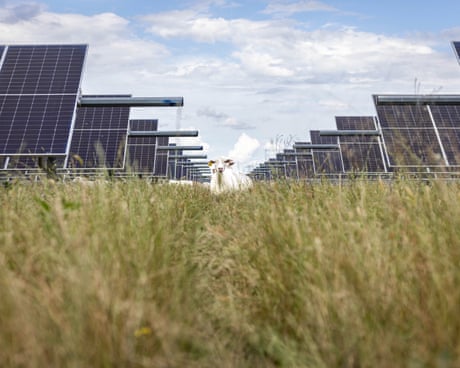
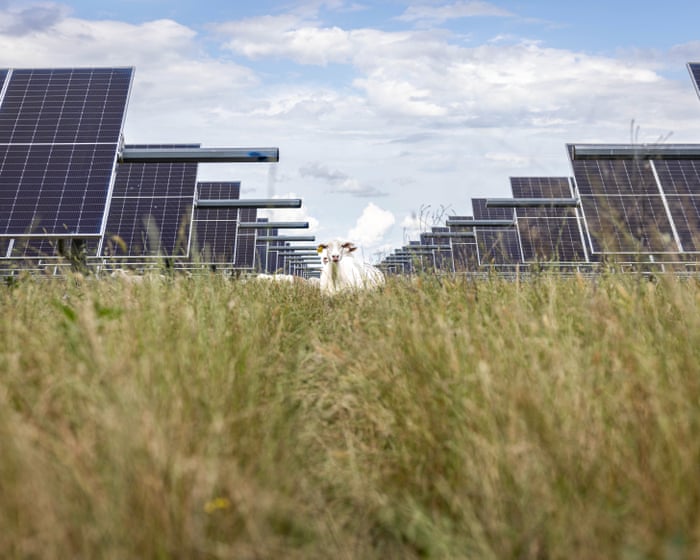
Retail giants join UK government drive to boost ‘plug-in’ balcony solar panels

Asda, Amazon and B&Q among retailers in talks to sell devices that feed into household sockets and can cut electricity bills by 30%

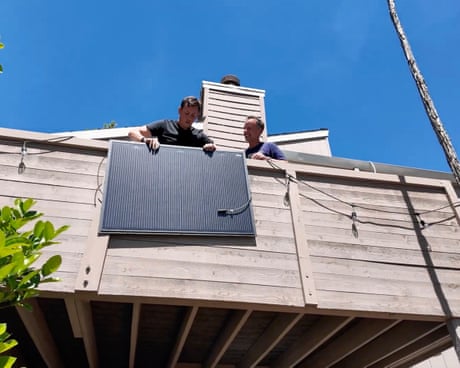
Bosses of some of Britain’s biggest retailers are discussing plans with the government to start selling plug-in solar panels as part of a drive to encourage more UK homes to generate their own electricity.

Executives from brands including Currys, B&Q and Amazon met Martin McCluskey, the minister for energy consumers, on Tuesday to discuss guidelines for selling “balcony solar panels” to the British public.

Continue reading...

© Photograph: Climate Central
© Photograph: Climate Central

© Photograph: Climate Central
  •  

Spanish households save €10 a month thanks to renewables expansion, report finds

Thinktank says decoupling electricity from gas prices has also helped shield Spain from hikes caused by Iran war

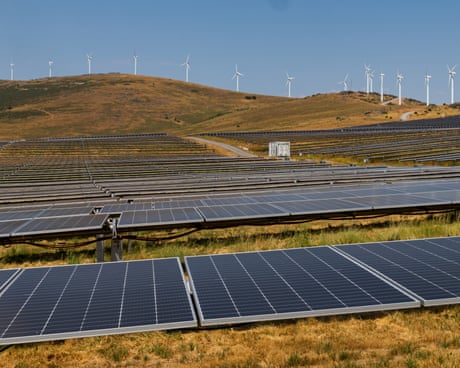
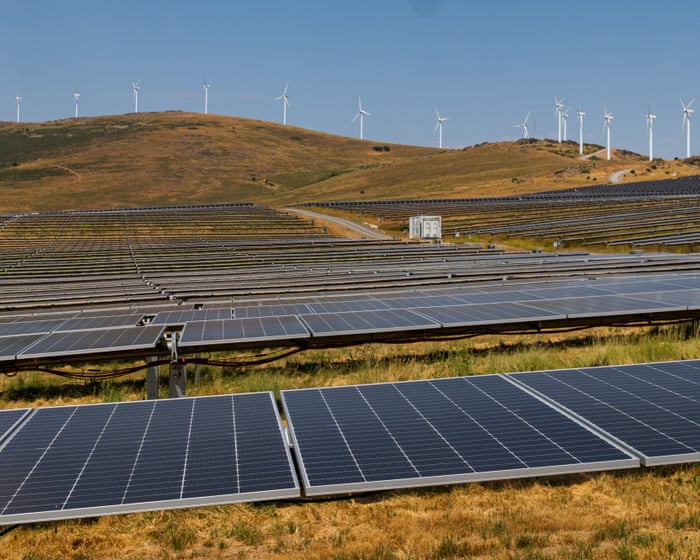
Spanish households save €10 a month on electricity bills because of wind turbines and solar panels installed in the last five years, a report has found.

Typical energy bills would be 19% more expensive if electricity costs were still as tightly coupled to gas prices as in 2021, according to Ember, a climate thinktank. It found Spain’s “strategic” expansion of renewables since Russia invaded Ukraine in 2022 has shielded Spanish households from the latest rises in fossil fuel prices caused by the Iran war.

Continue reading...

© Photograph: Bloomberg/Getty Images

© Photograph: Bloomberg/Getty Images

© Photograph: Bloomberg/Getty Images

  •  

Australia can switch from fossil fuel exports to renewables, says next Cop president

Climate minister Chris Bowen says country must prepare for changing world and can play bigger role in reducing emissions

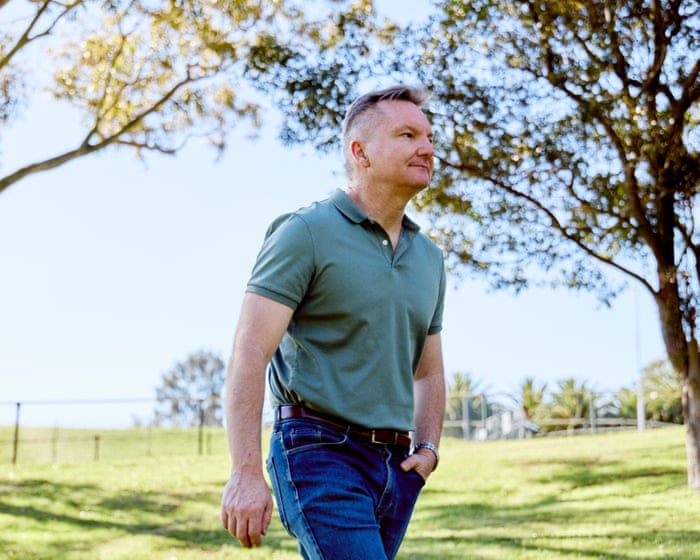
Australia will find exporting fossil fuels increasingly difficult but can switch to exporting clean energy products, the president of the next UN climate negotiations has declared.

Speaking at a climate conference in Bonn, Germany, Chris Bowen, Australia’s minister for climate change and energy, argued his country had led the global push to “transition away from fossil fuels” – based on the rapid growth of renewable energy and batteries in its domestic power grids – and that its economy could manage the switch.

Continue reading...

© Photograph: Bec Lorrimer/The Guardian

© Photograph: Bec Lorrimer/The Guardian

© Photograph: Bec Lorrimer/The Guardian

  •  

Solar generates more energy in US than coal for first time

Solar supplied 12.8% of US electricity in May even as Trump boosts coal over clean energy

Even as Donald Trump boosts coal over clean energy, solar power is hitting new milestones in the US and remains the leading source of new power.

Data released on Wednesday by the global energy thinktank Ember, along with a report by the Solar Energy Industries Association (Seia) and analytics firm Wood Mackenzie, show the continued growth of solar and decline of coal in the United States despite federal policy. In May, for the first time, solar supplied more of the nation’s electricity than coal, or 12.8%, Ember said. Coal supplied 12.2%, its fourth-lowest monthly share ever.


Continue reading...

© Photograph: Angela Piazza/The Dallas Morning News via Getty Images

© Photograph: Angela Piazza/The Dallas Morning News via Getty Images

© Photograph: Angela Piazza/The Dallas Morning News via Getty Images

  •  

Labor to set terms for datacentre and AI growth as it vows not to repeat mistakes of resources boom

Assistant minister agrees concerns over resource usage are legitimate but argues Australia cannot ignore ‘consequential’ economic wave

Australia should learn from the mistakes of the resources boom and set the terms for the AI and datacentres boom, the assistant minister for the digital economy, Andrew Charlton says.

Growth in datacentres has exploded in the past two years, Charlton told the Sydney Institute on Wednesday night, with 44 projects in the pipeline in New South Wales alone seeking 11GW of capacity on the electricity grid.

Continue reading...

© Photograph: Bloomberg/Getty Images

© Photograph: Bloomberg/Getty Images

© Photograph: Bloomberg/Getty Images

  •  

The rightwing campaign to control how US judges view the climate crisis

US energy secretary Chris Wright featured in seminars to judges when he was a fracking executive

As cities and states sue big oil for billions in damages over allegations that it covered up the dangers of its products, rightwing organizations are attempting to discredit the wave of litigation. They claim the lawyers behind it are teaming up with an environmentally focused legal education non-profit to bias federal judges against oil companies.

But it is actually fossil fuel-backed organizations that are attempting to sway the judiciary in their favor, one of those law firms is countering. Evidence of this includes judicial seminars hosted by one such group featuring pro-industry speakers such as the current energy secretary, Chris Wright, in his former occupation as a fracking executive.

Continue reading...

© Composite: Reuters

© Composite: Reuters

© Composite: Reuters

  •  

A question for Nigel Farage – why is your nationalist party so obsessed with destroying British jobs? | George Monbiot

The net zero economy is booming, so claims that prosperity depends on oil and gas are bunkum – unless you’re a Reform backer with fossil fuel interests, of course

Really? You want to destroy a million jobs? Vote Reform UK for mass unemployment: is that your pitch? Hammer these questions home whenever you meet a supporter of the party. Or, for that matter, a Conservative, as their party now takes an almost identical line.

The figures are stark. They were compiled not by Just Stop Oil or the Green party, but by that bastion of conservatism, the Confederation of British Industry. They show that the net zero economy now directly employs more than 300,000 full-time workers, while supporting the jobs of 1.1 million. The net zero sector is worth £100bn to the UK already, and is likely to grow by hundreds of billions more. The rest of the green economy directly employs a further 600,000.

Continue reading...

© Photograph: Tolga Akmen/EPA

© Photograph: Tolga Akmen/EPA

© Photograph: Tolga Akmen/EPA

  •  

More than half of clean energy schemes needed for Labour’s 2030 target offered grid connection

The 700 projects include wind and solar farms, battery storage, gas and hydro plans

More than half the renewable energy projects needed to meet the government’s clean power targets by 2030 are now able to plug into the electricity grid after years of delay, according to the system operator.

The National Energy System Operator (Neso) has offered more than 700 clean energy projects in Great Britain a grid connection date since the start of the year, after a two-year process to unblock a bottleneck that threatened to delay projects into the 2030s.

Continue reading...

© Photograph: Murdo MacLeod/The Guardian

© Photograph: Murdo MacLeod/The Guardian

© Photograph: Murdo MacLeod/The Guardian

  •  

Households could save £200 on energy bills in plan to break link between gas and electricity prices, says thinktank

Government plan to de-link gas and electricity prices aims to reduce bills for consumers after global surge in prices

Households in England, Scotland and Wales could save nearly £200 a year on their energy bills if the government stepped into the market to act as the sole buyer of electricity, according to a thinktank.

The research found that public procurement of electricity, meaning the government would become the “single buyer” of power before it is resold to consumers, could shave billions of pounds from electricity prices.

Continue reading...

© Photograph: Bloomberg/Getty Images

© Photograph: Bloomberg/Getty Images

© Photograph: Bloomberg/Getty Images

  •  

‘Electrify daily life’, urges Cop31 host

Third of world’s energy needs should come from electricity by 2035, says Murat Kurum, as priorities set out for this year’s UN climate summit

The world should aim to meet a third of its energy needs from electricity within a decade to cut greenhouse gas emissions, the host of the next UN climate summit has said.

While about a third of global electricity generation already comes from renewable sources, other energy-intensive sectors – chiefly transport, heating and industries – have lagged behind. Close to four-fifths of final energy still comes from fossil fuels, as a result.

Continue reading...

© Photograph: Images By Tang Ming Tung/Getty Images

© Photograph: Images By Tang Ming Tung/Getty Images

© Photograph: Images By Tang Ming Tung/Getty Images

  •  

World’s first wind-powered underwater datacentre starts operating in China

Datacentre off Shanghai coast uses less power and water than land-based equivalent

The world’s first wind-powered underwater datacentre has started operations off the coast of Shanghai, as China presses forwards with solutions for energy challenges created by the country’s artificial intelligence boom.

The Shanghai Lingang undersea datacentre demonstration project, which launched in May, has a capacity of 24 megawatts. It is a joint effort between HiCloud Technology and China Communications Construction, a state-owned company.

Continue reading...

© Photograph: AFP/Getty Images

© Photograph: AFP/Getty Images

© Photograph: AFP/Getty Images

  •  

Australian homes lead the world in solar. But businesses are falling behind

Australia leads world in residential solar per capita with 22GW installed but commercial and industrial sector has deployed only a quarter of that

Australia’s revolution in rooftop solar has left behind commercial and industrial buildings, where installations have lagged far behind homes, according to new analysis.

Australia leads the world in residential solar on per capita terms, with 22GW installed as of last December. But businesses have only installed about a quarter of that – 5.6GW – despite consuming more electricity than households, a report from the Institute for Energy Economics and Financial Analysis (IEEFA) has found.

Continue reading...

© Photograph: Bloomberg/Getty Images

© Photograph: Bloomberg/Getty Images

© Photograph: Bloomberg/Getty Images

  •  

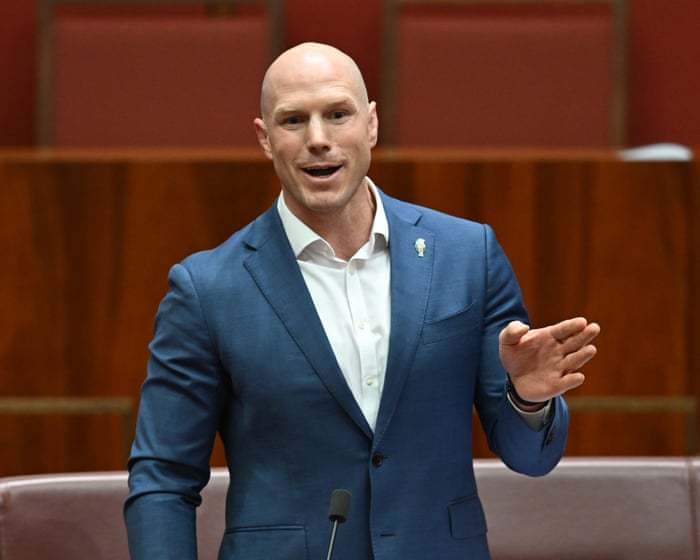
If Australian data centres are going to power the AI revolution, we deserve a fair return | David Pocock

We cannot afford to make the same mistake as we did with gas. If tech companies are going to use our land, energy and water for AI, they must pay their fair share of tax

Over the past few months, tens of thousands of Australians have emailed their local MP calling for a 25% tax on gas exports. More than 2,200 people have even chipped in their own money to fund billboards promoting the idea.

Why?

Continue reading...

© Photograph: Lukas Coch/AAP

© Photograph: Lukas Coch/AAP

© Photograph: Lukas Coch/AAP

  •  

Getting into your comfort zone: easy steps to an electric, snug and sustainable abode

Australians are world leaders in rooftop solar and home batteries - but greater energy efficiency could make them a triple threat

  • Change by degrees offers life hacks and sustainable living tips each Saturday to help reduce your household’s carbon footprint

  • Got a question or tip for reducing household emissions? Email us at changebydegrees@theguardian.com

For David and Ruth Hudspeth, the process of turning their 1950s brick veneer house in Melbourne’s eastern suburbs into a cosy, efficient and fully electric home took several years.

They started with insulation in the ceiling and replacing an old and “pretty dangerous” gas heater. They swapped their leaky hot water system for a heat pump, and built a roof over the outdoor deck for shade and extra solar panels, later adding an electric car and a home battery into the mix.

Continue reading...

© Photograph: Getty Images

© Photograph: Getty Images

© Photograph: Getty Images

  •  

Scramble for biofuel as oil prices rise ‘could push world closer to food crisis’

Experts say increased use of crops for fuel is ‘dangerous game’ that could send food price inflation soaring

Demand for biofuels is likely to leap by nearly a third this year, which could send food price inflation soaring further and push the world closer to a global food crisis.

More countries are opting to increase biofuel use as the price of oil has jumped to nearly $100 a barrel after the US-Israeli attacks on Iran and the closure of the strait of Hormuz.

Continue reading...

© Photograph: Brazil Photos/LightRocket/Getty Images

© Photograph: Brazil Photos/LightRocket/Getty Images

© Photograph: Brazil Photos/LightRocket/Getty Images

  •  

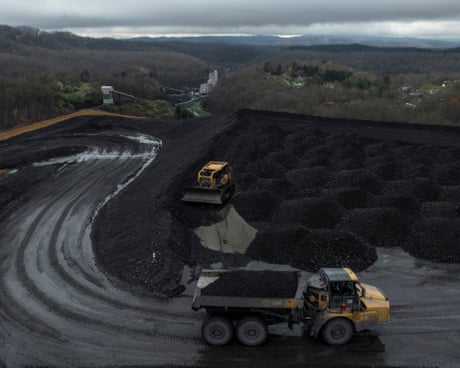
Trump uses wartime powers to dole out $700m to ‘clean, beautiful’ coal

US president announces plans for two new coal plants, in Alaska and West Virginia, using Defense Production Act

Donald Trump is using wartime presidential authority to hand $700m to coal-fired power plants in the US, the latest move by the president to bolster what he called “clean, beautiful coal”, despite it being the dirtiest of fossil fuels.

“Today, we’re taking historic action to bring down the price of energy and the cost of living for all Americans with the power of clean, beautiful coal,” he said at a press conference on Thursday.

Continue reading...

© Photograph: Adrees Latif/Reuters

© Photograph: Adrees Latif/Reuters

© Photograph: Adrees Latif/Reuters

  •  

‘Happiness is not just about GDP’: ambitious plan or utopia?

Some will question its credibility – but the alternative future to the one imagined in the Global Justice Report is far more bleak

In our increasingly dystopian world, who wouldn’t want to at least be open to a utopian antidote? The Global Justice Report, published on Thursday, outlines how to build a prosperous, equitable world within safe planetary boundaries. It’s a push from the modern eco-socialist left in a global battle for ideas that will shape the future.

Based on past social achievements and future energy transformation, it indicates that the overwhelming majority of people on the planet could, by the end of the century, work less and earn more – while keeping temperatures down and avoiding much of the current destruction of nature. It is an ambitious, comprehensive and upbeat plan, and a stronger argument around which to build a political campaign than abstract goals of net zero or decarbonisation.

Continue reading...

© Photograph: Emmanuel Croset/AFP/Getty Images

© Photograph: Emmanuel Croset/AFP/Getty Images

© Photograph: Emmanuel Croset/AFP/Getty Images

  •  

‘Waste colonialism’: Fiji says no to Australian billionaire’s incineration plan

Government rejects offshore rubbish being shipped to Fiji and burned after opposition from traditional landowners and tourism operators

The Fijian government has rejected a plan by an Australian billionaire to burn rubbish for energy in Fiji after backlash from traditional landowners and tourism operators.

The plan to ship non-recyclable rubbish from across the region to Fiji, popular with tourists for its pristine beaches, and build an incinerator to consume 900,000 tonnes of waste a year had been labelled “waste colonialism” by villagers.

Continue reading...

© Photograph: BigBlueFun/Getty Images/500px

© Photograph: BigBlueFun/Getty Images/500px

© Photograph: BigBlueFun/Getty Images/500px

  •  

In first, California city overwhelmingly votes to permanently ban datacenters

While many US city councils have passed moratoriums, Monterey Park is first where residents have voted on a ban

Residents in Monterey Park, California, became the first in the US to vote on a permanent ban on datacenters on Tuesday, and early results indicate a resounding victory for the prohibition.

While many cities and counties have already passed temporary or indefinite moratoriums via their local governments, Monterey Park would be the first to do so through a ballot initiative.

Continue reading...

© Photograph: Steven Kung

© Photograph: Steven Kung

© Photograph: Steven Kung

  •  

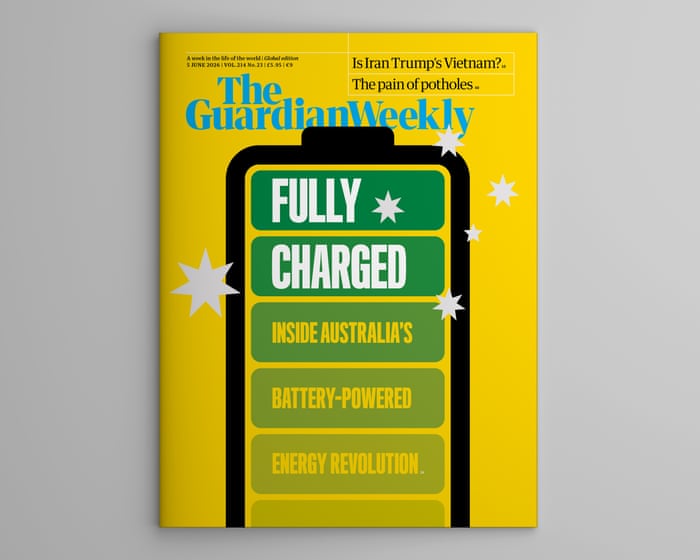
Australia’s battery-powered revolution: inside the 5 June Guardian Weekly

How to change the energy market from within. Plus: Is Iran Trump’s Vietnam?

• Get the Guardian Weekly delivered to your home address

Last week, as the war in Iran continued to choke global oil supplies, the UK government announced a 13% increase in the cap on energy prices. But it was another related story on the other side of the world that caught my eye.

In Australia, the energy minister announced a fall of up to 10% in the benchmark electricity price in parts of the country, driven by record levels of renewables and batteries in the power grid.

Continue reading...

© Illustration: Guardian Design

© Illustration: Guardian Design

© Illustration: Guardian Design

  •  
❌