❌

Reading view

AirPods, AirTag 2, and iPads Hit Low Prices This Week

We tracked a few solid deals on Apple devices this week, including savings across the entire AirPods lineup, a record low price on AirTag 2, and the best prices on Apple's A16 iPad since June. All of these deals are still available to purchase today, plus ongoing low prices on Apple Watch Series 11.

Note: MacRumors is an affiliate partner with some of these vendors. When you click a link and make a purchase, we may receive a small payment, which helps us keep the site running.
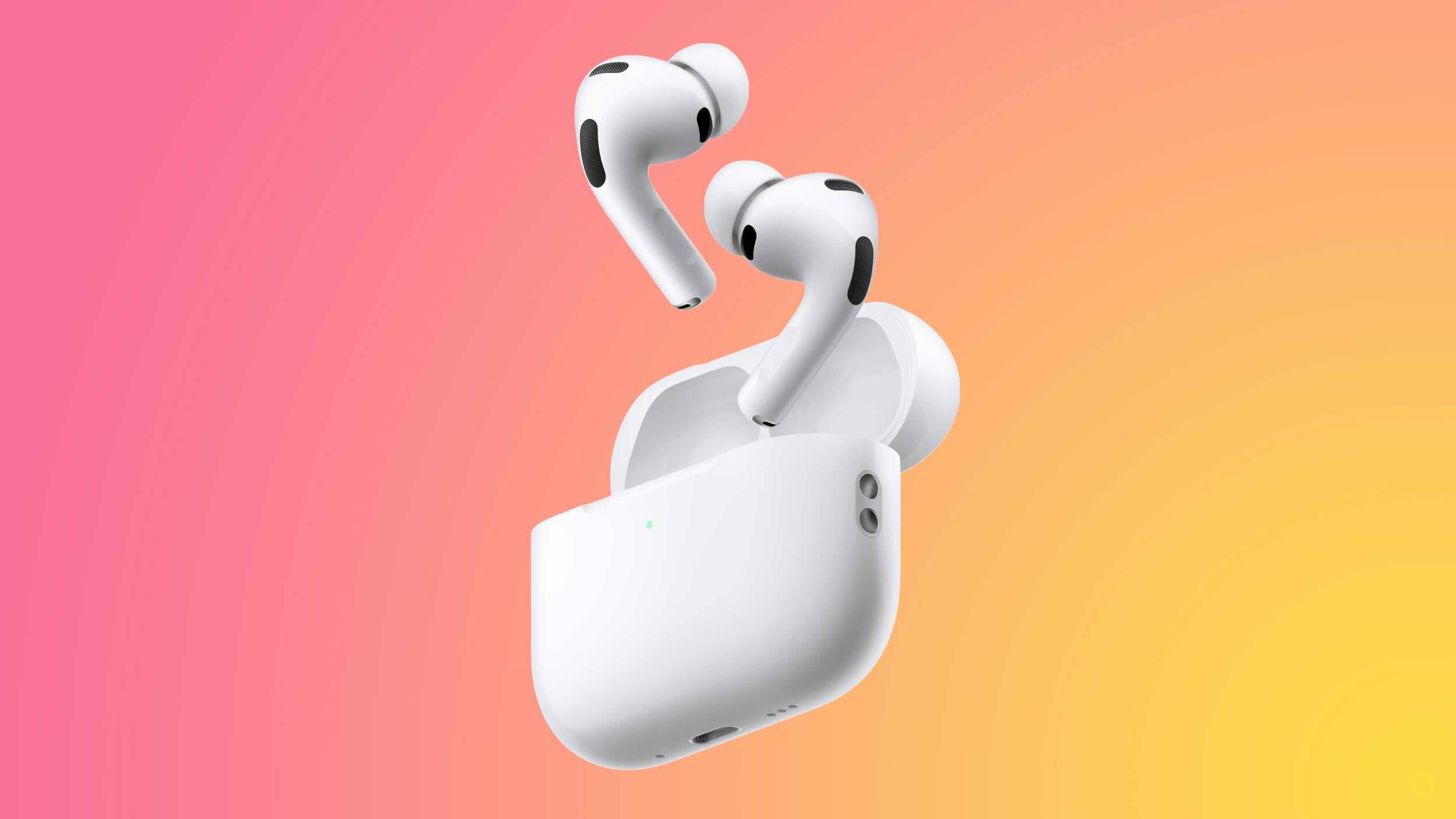
AirPods


  • What's the deal? Save on AirPods 4, Pro 3, and Max 2

  • Where can I get it? Amazon

  • Where can I find the original deal? Right here


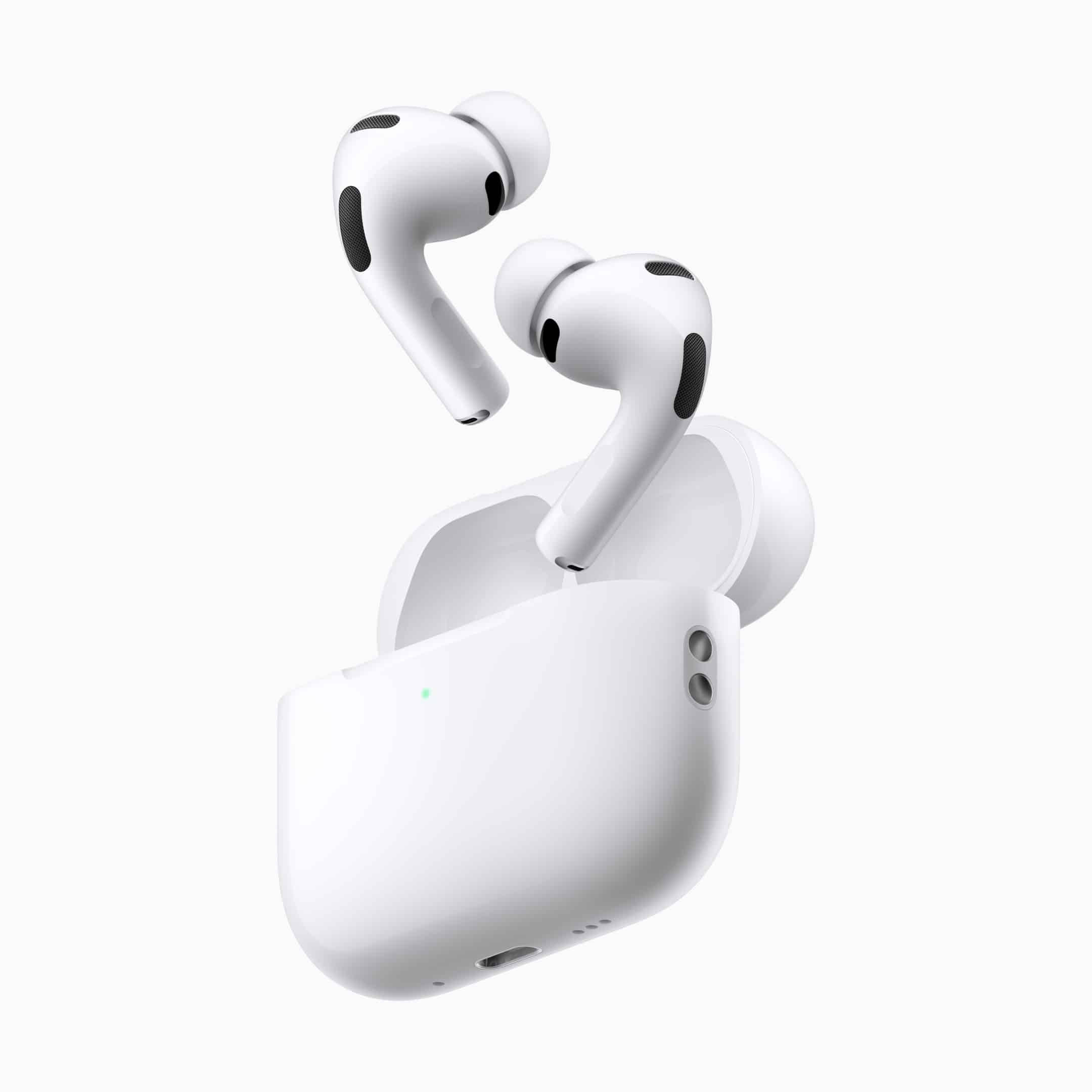
Amazon this week introduced solid deals across the full AirPods lineup, with up to $100 off these models. You can find discounts on the AirPods Pro 3, AirPods 4, and AirPods Max 2 still available today.
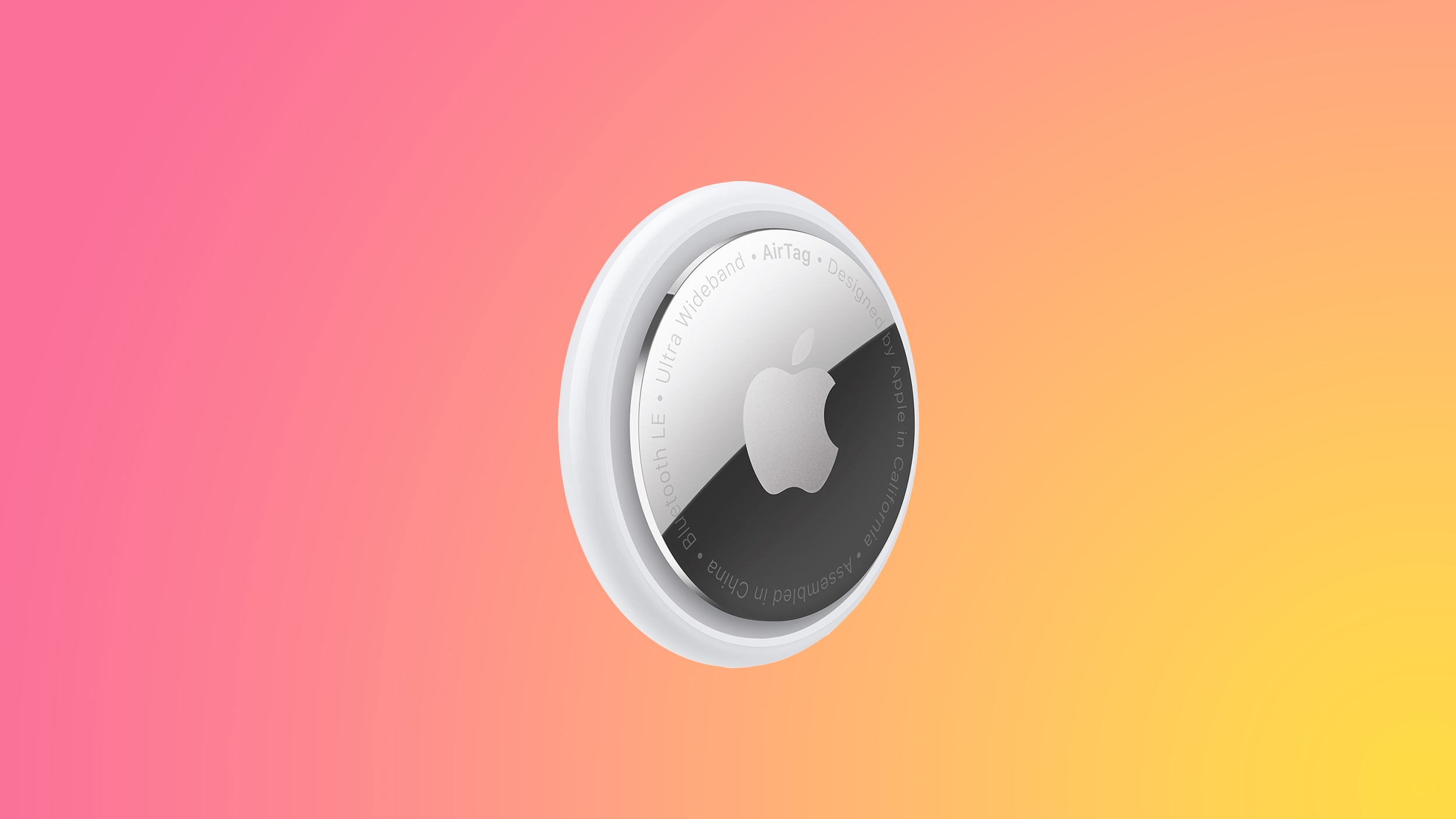
AirTag


  • What's the deal? Take $10 off AirTag 2

  • Where can I get it? Amazon

  • Where can I find the original deal? Right here


Apple's AirTag 2 is available for the all-time low price of $89.00 this week, down from $99.00. This sale is on the 4-Pack of the AirTag 2, and it's a match of the record low price we last tracked during Prime Day.
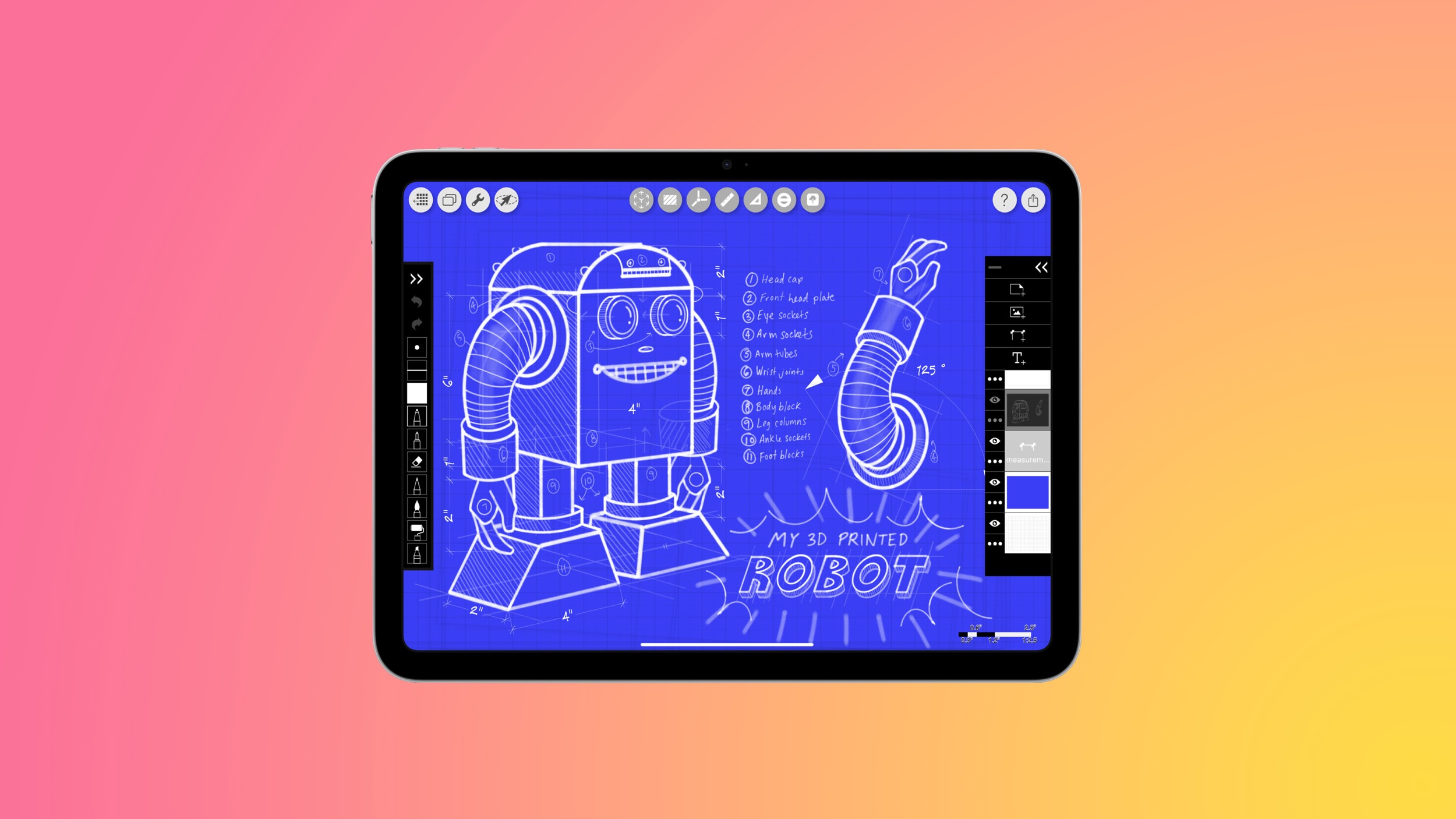
iPad


  • What's the deal? Take $50 off iPad

  • Where can I get it? Amazon

  • Where can I find the original deal? Right here


Amazon this week is taking $50 off Wi-Fi models of Apple's 11th generation iPad. Prices start at $399.00 for the 128GB Wi-Fi iPad, down from $449.00. This is now the best price we've seen on the iPad since Apple's price hikes in June.
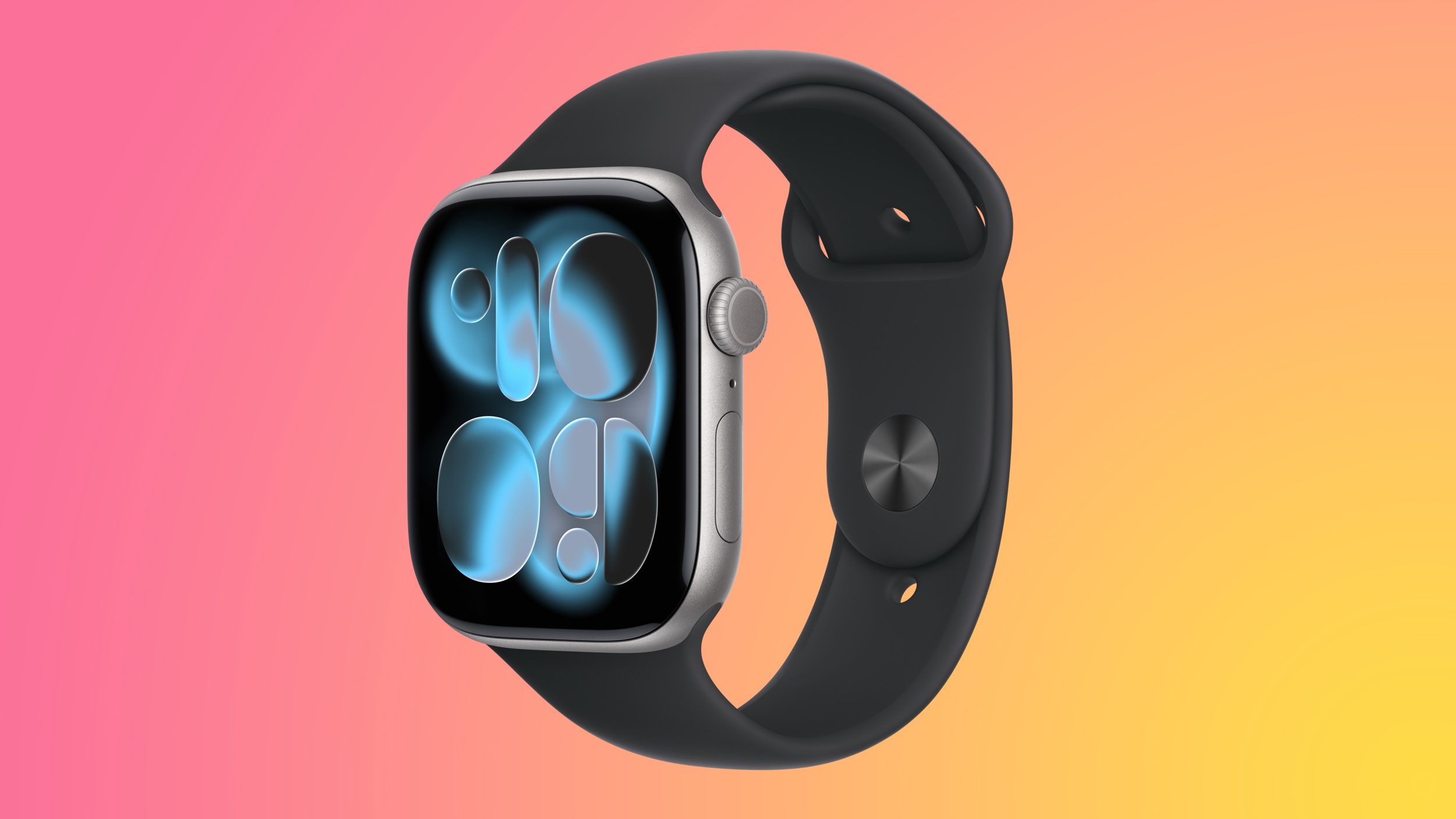
Apple Watch Series 11


  • What's the deal? Take $100 off Apple Watch Series 11

  • Where can I get it? Amazon

  • Where can I find the original deal? Right here


Amazon this week has low prices on the Apple Watch Series 11, with $100 discounts across numerous models of the smartwatch. This sale includes a handful of 42mm and 46mm GPS aluminum models, but cellular devices are a bit more rare this time around.

If you're on the hunt for more discounts, be sure to visit our Apple Deals roundup where we recap the best Apple-related bargains of the past week.


Deals Newsletter


Interested in hearing more about the best deals you can find in 2026? Sign up for our Deals Newsletter and we'll keep you updated so you don't miss the biggest deals of the season!


Related Roundup: Apple Deals

This article, "AirPods, AirTag 2, and iPads Hit Low Prices This Week" first appeared on MacRumors.com

Discuss this article in our forums

  •  

MacBook Neo Defies the Global PC Slump

MacBook Neo helped Apple move against the global PC market in the second quarter of 2026, delivering double-digit Mac shipment growth while most leading computer manufacturers sold fewer units than a year earlier.

Preliminary data from IDC estimates that Apple shipped 6.7 million Macs during the quarter, up 10.1% from 6.1 million in Q2 2025. Its worldwide market share rose from 8.5% to 9.9%, placing the company within a fraction of the 10% threshold.

The rest of the industry moved in the opposite direction. Global shipments fell 4.9% year over year to 68.2 million units, ending nine consecutive quarters of growth. A separate Omdia estimate placed the decline at 3.6% and Apple growth at 15.9%, but both research groups identified the same pattern: the Mac gained ground while established Windows PC vendors contracted or remained flat.

IDC directly connected the Apple increase with the arrival of its lowest-priced notebook. MacBook Neo began shipping in March, giving the model its first complete quarter of retail availability between April and June.

MacBook Neo Drives Mac Shipment Growth

MacBook Neo entered the market as an alternative for buyers previously priced out of the Mac lineup.

The 13-inch notebook launched at $599 with an A18 Pro chip, 8GB of unified memory, a Liquid Retina display and up to 16 hours of video playback. It also brought macOS, Apple Intelligence and integration with the iPhone ecosystem into a price range commonly occupied by mainstream Windows laptops and Chromebooks.

That positioning attracted students, families and first-time Mac customers who did not need the performance or display technology of a MacBook Air or MacBook Pro. The four-color aluminum design also gave the entry model a more recognizable identity than the older Mac notebooks that frequently remained on sale through discounts.

IDC had already identified the computer as an unusual source of strength when it revised its notebook forecast earlier in 2026. Demand exceeded initial expectations in several markets, and reported inventory shortages appeared shortly after the March launch.

The effect became much more visible in Q2. MacBook Neo was available for the entire three-month period, allowing Apple to increase production, expand retail distribution and serve customers who could not obtain the computer during its first weeks.

The entry model also widened the Mac lineup without replacing the MacBook Air. Buyers seeking more memory, faster ports, longer wireless web use or additional external-display support could continue moving toward the M5-powered Air, while the less expensive machine handled education, office work, web browsing and communication.

That separation allowed Apple to reach lower price points without reducing the value of its premium notebooks.

A laptop screen displays multiple colorful open windows, including a chemistry diagram, a drawing of an artichoke with a chemical structure, a chat with an AI image generator, and a grapefruit photo, with various app icons along the bottom.
Image Credit: Apple Inc.

Lenovo, HP and Dell Lose Shipments

Apple remained the fourth-largest traditional PC vendor, but its performance contrasted sharply with the companies above it.

Lenovo retained first place with 16.6 million units and 24.4% market share. Its shipments declined 2.1% from the previous year.

HP experienced the steepest drop among the top five, falling 9% to 13 million units. Dell shipped 9.3 million computers, representing a 5% decline. Asus remained nearly flat at 5 million units, up only 0.2%.

Manufacturers outside the five largest brands collectively suffered a 10.5% contraction, indicating that weaker demand and component inflation placed even more pressure on smaller companies.

The figures measure shipments into distribution channels or directly to end users, not confirmed retail purchases by individual consumers. A manufacturer can therefore record shipment growth while some inventory remains unsold in stores or warehouses.

MacBook Neo demand appears to have been strong enough to support Apple production increases rather than simply filling channels. The company reportedly doubled its annual production target after the initial response, although later quarters will reveal how much of Q2 reflected lasting demand rather than launch-period enthusiasm.

Apple also benefits from operating at a scale that provides leverage with memory, storage and semiconductor suppliers. Smaller PC brands face greater difficulty securing components at competitive prices when shortages intensify.

Memory Costs Reverse the PC Recovery

The Q2 contraction arrived after manufacturers and commercial customers accelerated purchases during late 2025 and early 2026.

Buyers expected memory and storage prices to rise, encouraging some businesses to replace computers earlier than planned. Vendors also increased inventories while components remained available.

That activity supported nine quarters of market growth but borrowed demand from later periods. Once the early purchases were completed, the industry faced a more difficult combination of expensive components, cautious consumers and elevated retail prices.

The memory shortage is closely connected to the AI infrastructure boom. Chipmakers are dedicating more production capacity to high-bandwidth memory used by data center accelerators, limiting the supply of conventional DRAM needed for personal computers.

IDC expects little relief before the end of 2027 or early 2028. The research company forecasts an 11.3% decline in worldwide PC shipments across 2026, with the fourth quarter potentially falling 20% from the previous year.

Computer revenue may not decline at the same pace. Manufacturers have raised prices faster than shipments have fallen, allowing them to collect more money from fewer units.

That strategy creates another problem. Retailers and distributors can become trapped with expensive inventory if customers refuse the new prices, forcing promotions or production reductions later.

MacBook Neo initially softened that pressure by giving Apple a new product near the bottom of the notebook market. Its original $599 price made the Mac competitive with midrange Windows machines at the moment many rivals were becoming more expensive.

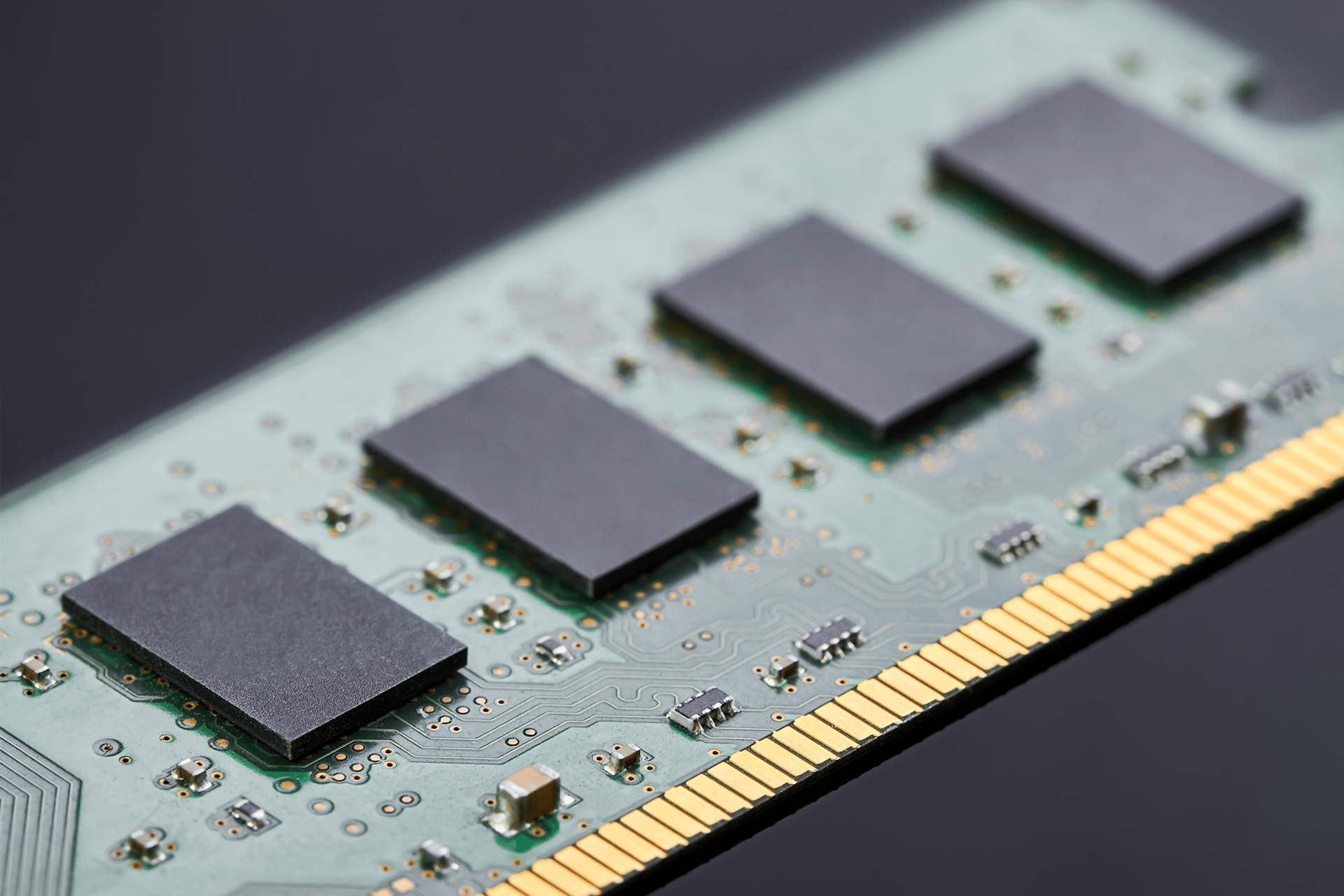
A close-up view of a computer RAM module, highlighting four black memory chips on a green circuit board with gold connector pins—an example of hardware impacted by the recent RAM price surge.
Image Credit: Freepik

The Price Increase Creates the Next Test

The strongest Q2 MacBook Neo shipments were recorded while most customers could still buy the computer at its introductory price.

Apple raised the U.S. starting price to $699 in late June as memory and storage costs affected the Mac and iPad lineups. The education price remained at $599, preserving the original offer for eligible students and educators.

A $100 increase changes the comparison with discounted Windows notebooks and places the entry model closer to older MacBook Air configurations available through third-party retailers.

Apple must now determine whether the appeal came primarily from the low launch price or from the combination of macOS, battery life, design and iPhone integration.

The company remains better positioned than many rivals to absorb supply disruption, negotiate long-term component agreements and promote several notebooks at different prices. MacBook Neo also uses an iPhone-class A18 Pro processor rather than an M-series chip, providing another way to manage silicon costs and production capacity.

IDC expects the full PC market to deteriorate during the second half of 2026. Apple will enter that period with almost 10% worldwide share, but the September quarter will be the first to measure MacBook Neo demand almost entirely at the higher $699 retail price.

The post MacBook Neo Defies the Global PC Slump appeared first on AppleMagazine.

  •  

Apple won the smartwatch war. Now what?

Macworld

It’s been almost 12 years since Apple unveiled its smartwatch to the world, and if you compare that first model to the newest Series 11, you’ll see that a lot has changed. Apple Watch has become slimmer, larger, and packed with more sensors. Even so, Apple continues to update its Watch every year with incremental improvements.

Now, when a new Apple Watch arrives, the reaction is more like, “Is anything new?” In fact, the latest models don’t differ much from one another, and some people are wondering when the next big change to the Apple Watch will come.

The thing is, it might be a long time before we see another radical change coming to the Apple Watch. That doesn’t mean Apple has stopped innovating, but rather that the Apple Watch has matured enough to establish itself as the leading smartwatch maker and one of the top wristwatch makers in the world. And while its Android competitors might think they’re keeping pace, they’re actually very far behind.

A mature platform

When the original Apple Watch launched in 2015, the entire category felt experimental. Apple’s early vision for the product wasn’t even entirely clear. The company talked about communication, fashion, fitness, productivity, apps, and luxury all at the same time during its introductory keynote.

Over time, the usage patterns of Apple Watch buyers revealed what people really wanted. Most users didn’t care about the luxury factor, nor did they want to replace their smartphones entirely. They simply wanted something to do basic things like check notifications and other quick updates without pulling out their phone.

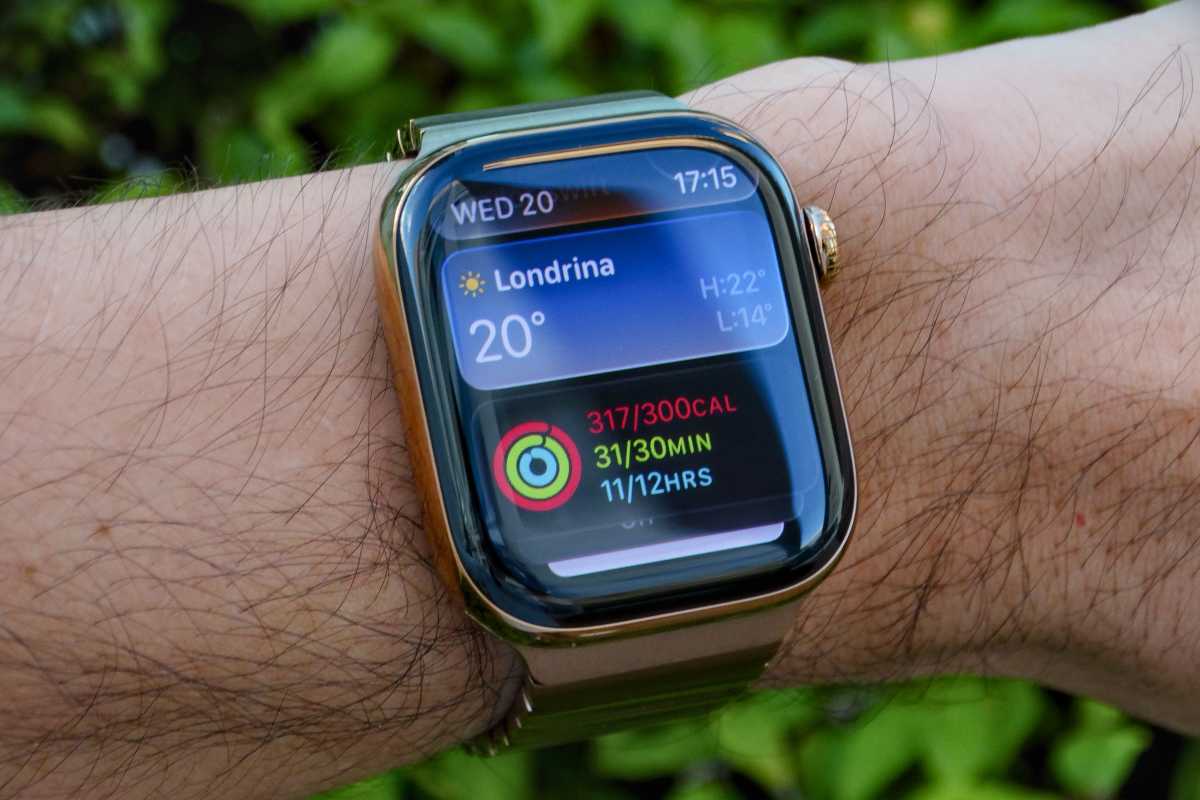
Apple Watch in gold aluminum on a wrist with widgets showing

The Apple Watch has a familiar, easy-to-use interface that’s been crafted over a decade of evolution.

Foundry

Apple also discovered that users were most interested in health and fitness features. By the time the Apple Watch Series 2 was released, Apple already had a clearer vision of what the future of the Apple Watch should look like.

The Apple Watch can now take ECGs (Series 4), track blood oxygen levels (Series 6), measure wrist temperature (Series 8), and much more. The interface has also been continuously updated to make it more practical and convenient, showing useful information at a glance. At the same time, the design now looks more modern, yet still quite familiar.

But the excitement between generations is largely gone. For instance, the Apple Watch Series 11 introduced 5G connectivity, slightly better battery life, and improved durability. These are nice-to-have improvements, but they certainly don’t sound exciting to many people.

When people complain that Apple Watch updates have become boring, they’re not entirely wrong. The differences between recent generations are smaller than they used to be. But that’s also true for many mature product categories.

Smartphones no longer evolve as dramatically as they did 10 years ago. The same applies to laptops. Once companies figure out the ideal balance between hardware and software, improvements become more focused on refinement rather than reinvention. The Apple Watch seems to have reached that point.

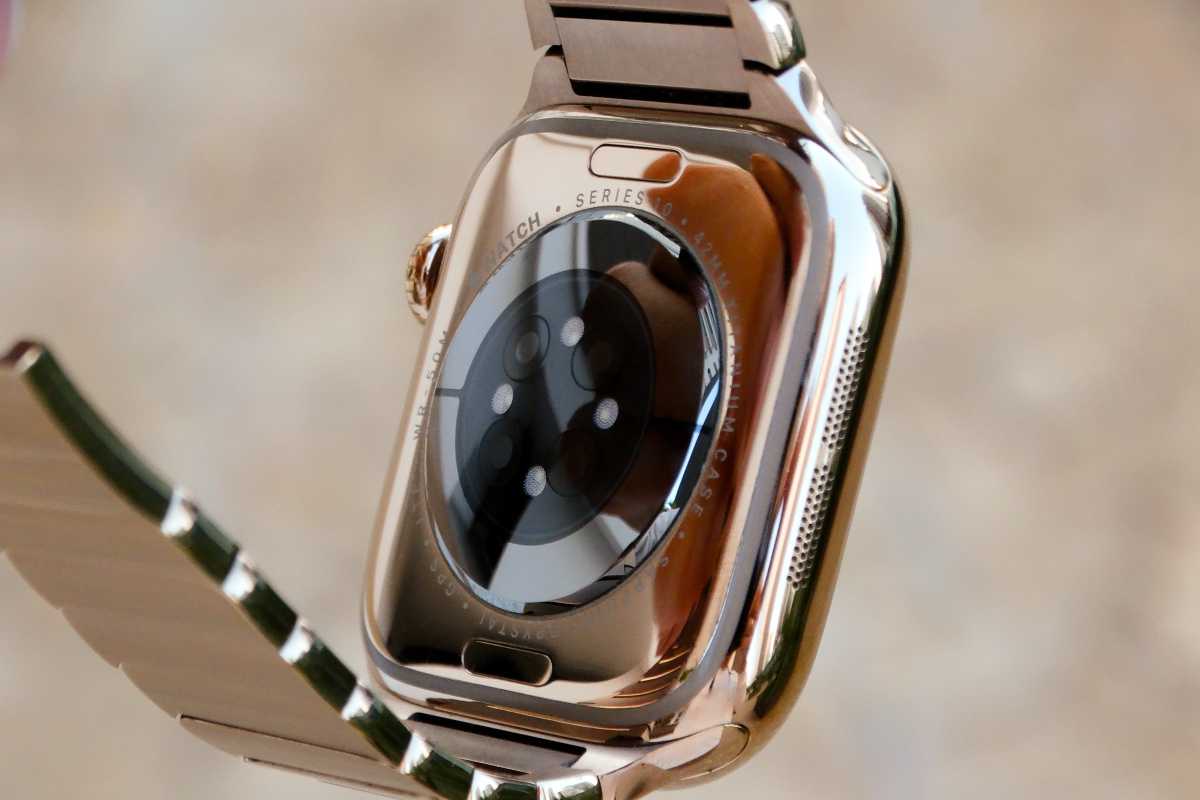
Apple Watch held to show heart-rate sensor

The Apple Watch design has evolved, but there are few notable changes between generations.

Foundry

For instance, the transition from the original Apple Watch to the Series 4 felt huge. Apple introduced a significantly larger display, a more modern design, and an ECG sensor. The evolution from Series 4 to Series 11, however, feels much smaller. And honestly, that’s fine.

The Apple Watch already does most things people expect from a smartwatch extremely well. Notifications are reliable, fitness tracking works great, health features have become incredibly advanced, and the integration with the iPhone remains unmatched.

Competition lagging behind

Looking at the smartwatch landscape, it’s clear that other smartwatches have also improved significantly. For Android users, there are great options such as Google’s Pixel Watch. Garmin remains unbeatable when it comes to battery life and advanced fitness metrics. And just this week, Samsung unveiled the Galaxy Watch 9 and Galaxy Watch Ultra 2 with AI fitness coaching and more accurate health tracking.

Even so, none of these products can beat the full Apple Watch experience on its own. The Apple Watch still feels like the default smartwatch for most people, especially for iPhone users. In fact, it’s hard to think of another wearable that integrates so seamlessly and simply with any other ecosystem.

This is due, in large part, to the advantages of Apple’s Continuity features. Users love features like unlocking their Mac with their Apple Watch, syncing health data across devices, or quickly pinging their iPhone with just a tap, not to mention the integration with Apple Fitness+. Competitors still struggle to fully replicate that experience.

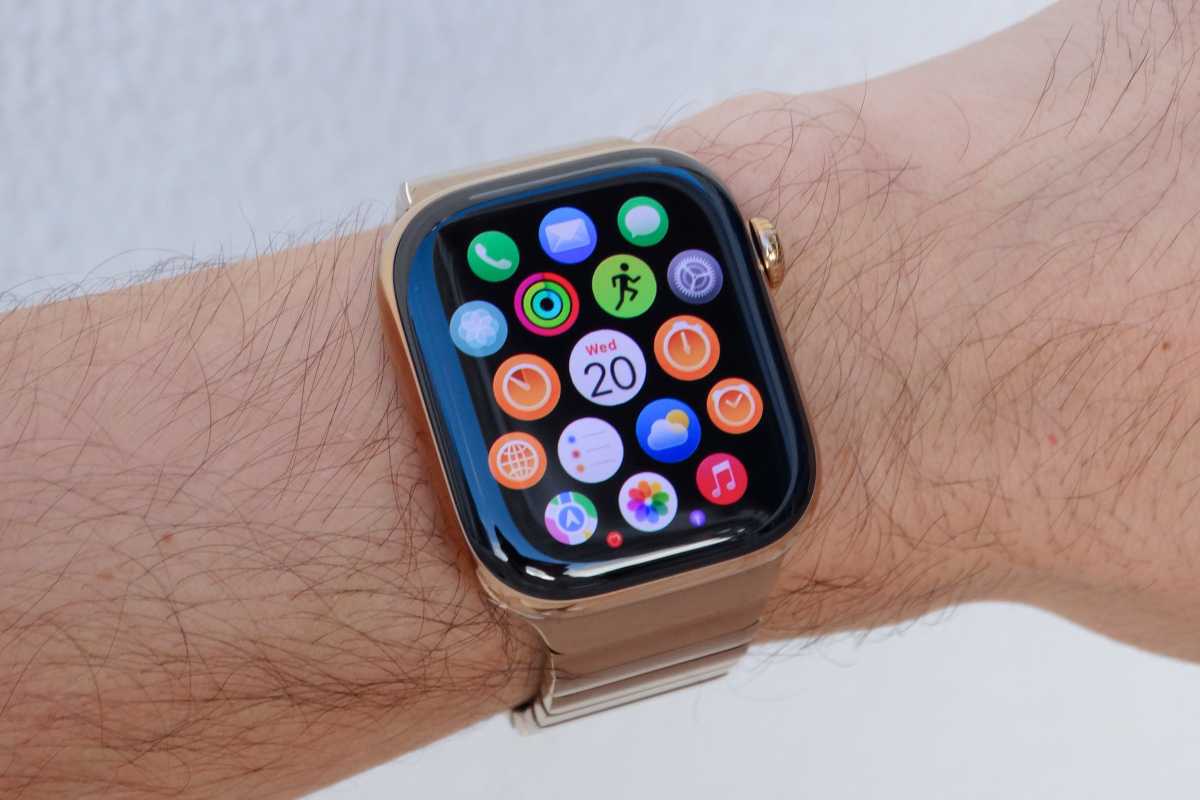
Apple Watch in gold aluminum on a wrist with app grid showing

None of Apple Watch’s competitors can compete with the smarts and simplcity of watchOS.

Foundry

That’s why the Apple Watch feels so mature today. It’s no longer trying to prove itself with experimental ideas or flashy concepts. It has already figured out what most people expect from a smartwatch, and now it simply does those things better than anyone else.

Plus, Apple just announced watchOS 27, which brings Apple Intelligence and the new Siri AI to the Apple Watch for the first time. Gemini support was one of the main advantages of buying a Pixel or Galaxy watch, and even though the new Siri will require a nearby iPhone, it takes away one of the few reasons to consider an Android watch.

Some companies are taking a very different approach, such as Samsung with the Galaxy Ring, Google with the screenless Fitbit Air, and Garmin’s new CIRQA Smart Band. Still, these products don’t have the same appeal as the Apple Watch. They just feel incomplete compared to a fully integrated communication device.

Room for improvement

At this point, Apple doesn’t need another major Apple Watch redesign. It doesn’t need a camera on your wrist or some other flashy feature that only looks impressive in advertisements.

What the Apple Watch really needs now is to continue gaining quality-of-life improvements. Specifically, better battery life.

The Apple Watch battery has improved over the years, with fast charging support arriving in 2021 and last year’s models getting a significant battery life boost to 24 hours. But after almost 12 years, it’s still a device that requires daily charging, forcing users to find charging windows during the day. And while most Apple Watch owners adapted to this routine, it’s still the biggest compromise of the product.

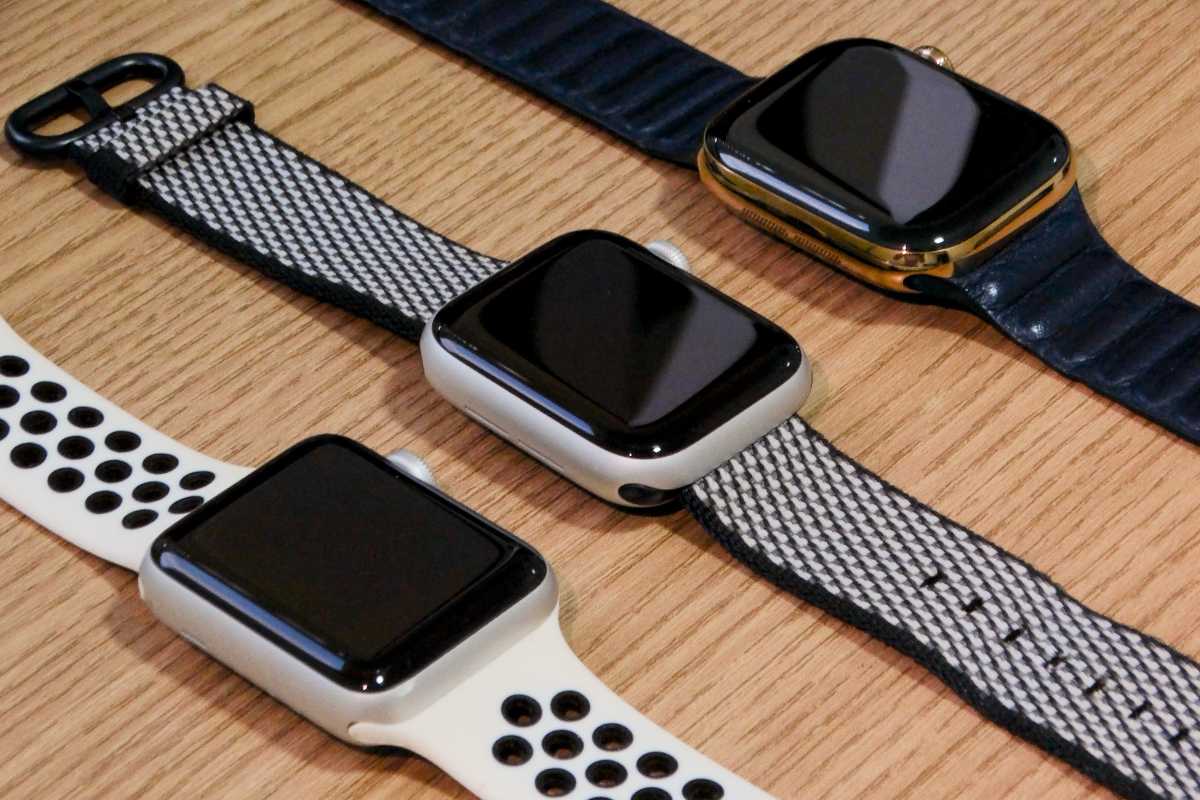
various models of Apple WAtch resting on a tablet

The Apple Watch is iconic in a way no other smartwatch is.

Foundry

Users are no longer asking Apple to reinvent what the smartwatch is supposed to do. Most users already seem satisfied with the overall experience. What they want now are improvements that make the device more practical.

These changes may not sound all that exciting, but they would improve the Apple Watch experience far more than a dramatic redesign or a radical hardware overhaul. This just highlights how mature the Apple Watch has become.

Apple doesn’t need to reinvent the Apple Watch because it already figured out what most people want from a smartwatch. At this point, the future of the Apple Watch isn’t about a dramatic change, but rather about refining what already works very well.

  •  

Hands-on: The Meirro Pro 6K might be the best Apple Studio Display alternative yet [Video]

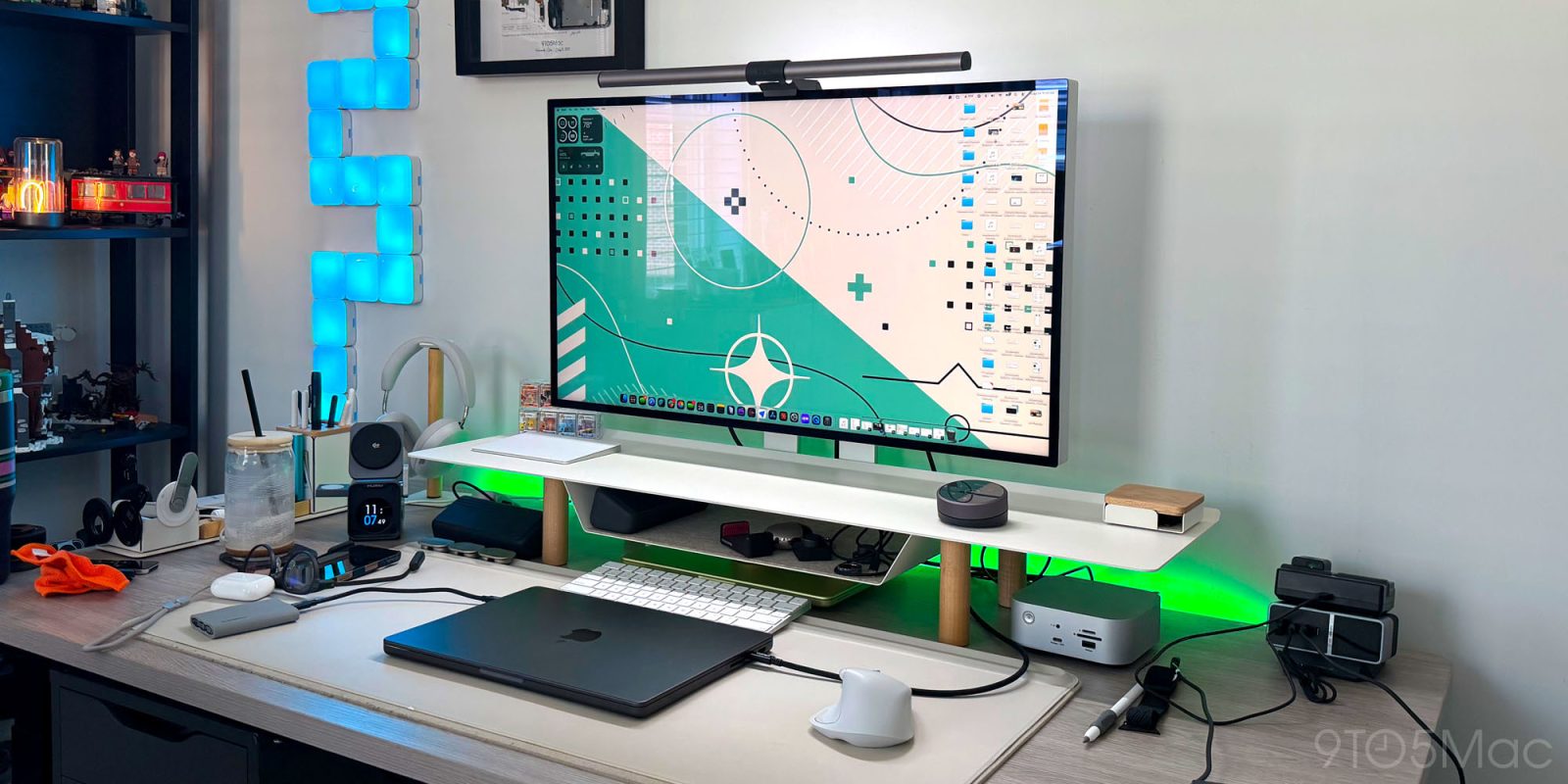
Earlier this year, Apple decided to completely discontinue its Pro Display XDR, which was an amazing piece of hardware but hadn’t been updated in years and was still $6,000+. Their new lineup consists of a Studio Display and the new Studio Display XDR, which are impressive in their own right, but now both only offer 27-inch 5K displays. The XDR starts at an insane $3,299 and can be spec’d up to $3,600 before tax. So now the door is open for someone to deliver a larger retina-class monitor for Mac users, and that is exactly what the new Meirro Pro does. The Meirro Pro is a 32-inch, 6K monitor made of a full aluminum construction. It is a single-cable solution and brings an adjustable stand for just $1,199. I’ve been using it as my primary display, and while a few compromises helped Meirro reach that price, this might be the most convincing Studio Display alternative I’ve tested. Here’s what you need to know.

  •  
  •  

Top Stories: 'Apple Upgrade' Program, Apple Music Price Hike, and More

It's been another busy week in the Apple world, led by word that the company is preparing to launch a new device leasing and financing program as it has raised some more prices including on Apple Music subscriptions.


This week also saw a fresh round of beta releases for iOS 27 and related updates, details on roughly a dozen new Macs under development, and more, so read on below for all of the details!

Top Stories


'Apple Upgrade' Program Reportedly Launching Next Week


Apple and Klarna are partnering on a new "Apple Upgrade" leasing program set to launch in the U.S. on Tuesday, July 28, according to Bloomberg's Mark Gurman.


The program will allow you to finance most iPhone, iPad, Mac, and Apple Watch models, with a 24-month term for iPhones and Apple Watches and a 36-month term for iPads and Macs. Customers will be able to pay off the device early during the term, upgrade early to a newer device, or keep or return the existing device after the term.

As part of the transition, Apple will wind down the existing iPhone Upgrade Program.

Apple Music Now Costs $11.99 as Apple Increases Subscription Prices


Following last month's move to raise prices across its Mac and iPad lineups, Apple last week expanded its price increases even further.


Apple Music saw price increases across all tiers, with the change driving increases to Apple One bundles as well. Apple also raised iPhone prices in Japan by up to 11%, perhaps foreshadowing price hikes in other countries with the iPhone 18 lineup, if not earlier. And finally, Apple increased iCloud+ prices in eight countries.

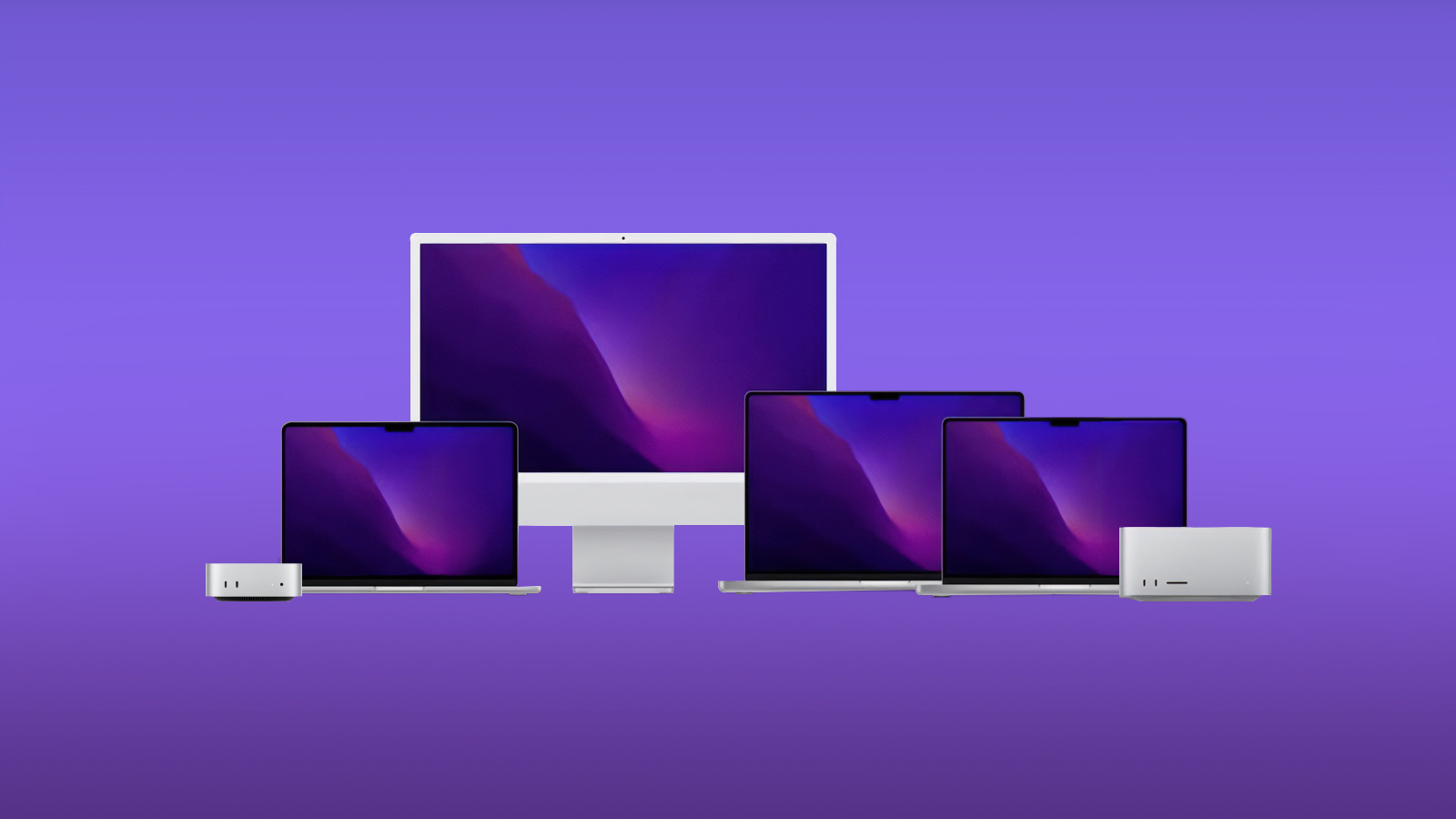
Apple to Overhaul Mac Lineup With 11 New Models


Apple is preparing to refresh every Mac it sells over the next two years, according to Bloomberg's Mark Gurman.


The plans come amid a Mac resurgence, with sales projected to climb for a third consecutive year, partly thanks to a growing following among users who lean on the machines for demanding, agent-based AI workloads.

The wave of new Macs will begin this fall with a refreshed entry-level 14-inch MacBook Pro and the first new iMacs in two years. Check out the full list of new Macs under development in our coverage.

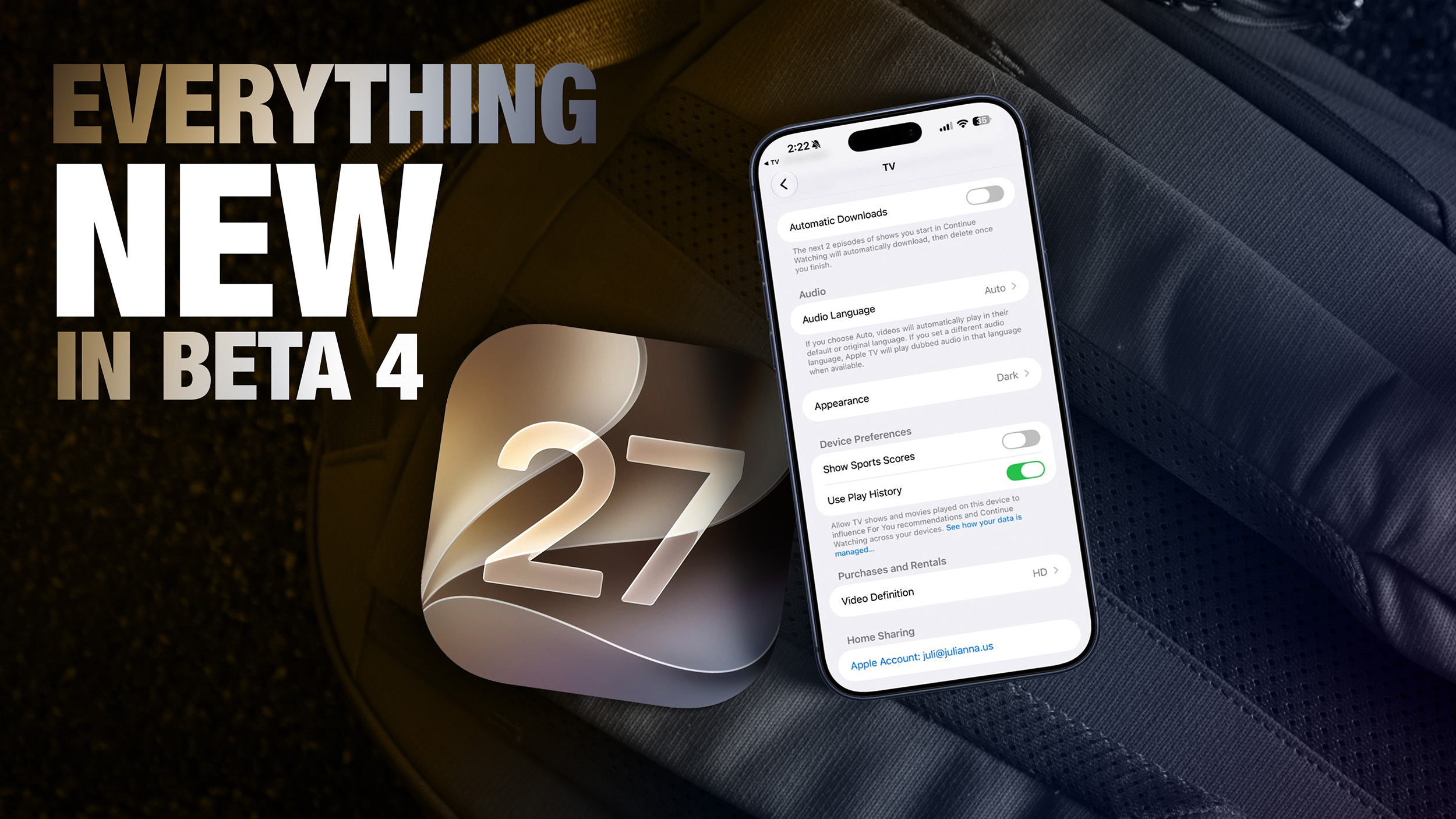
Everything New in iOS 27 Beta 4


Apple is continuing to tweak iOS 27 ahead of its September launch, with the fourth developer beta and second public beta released this week.


Check out our full list of tweaks and changes in the latest beta, including some new settings toggles, visual tweaks, and more.

Interestingly, some new code in this beta makes several references to an iPhone with multiple internal batteries, hinting at the upcoming foldable "iPhone Ultra" that will have a battery in each half of the device.

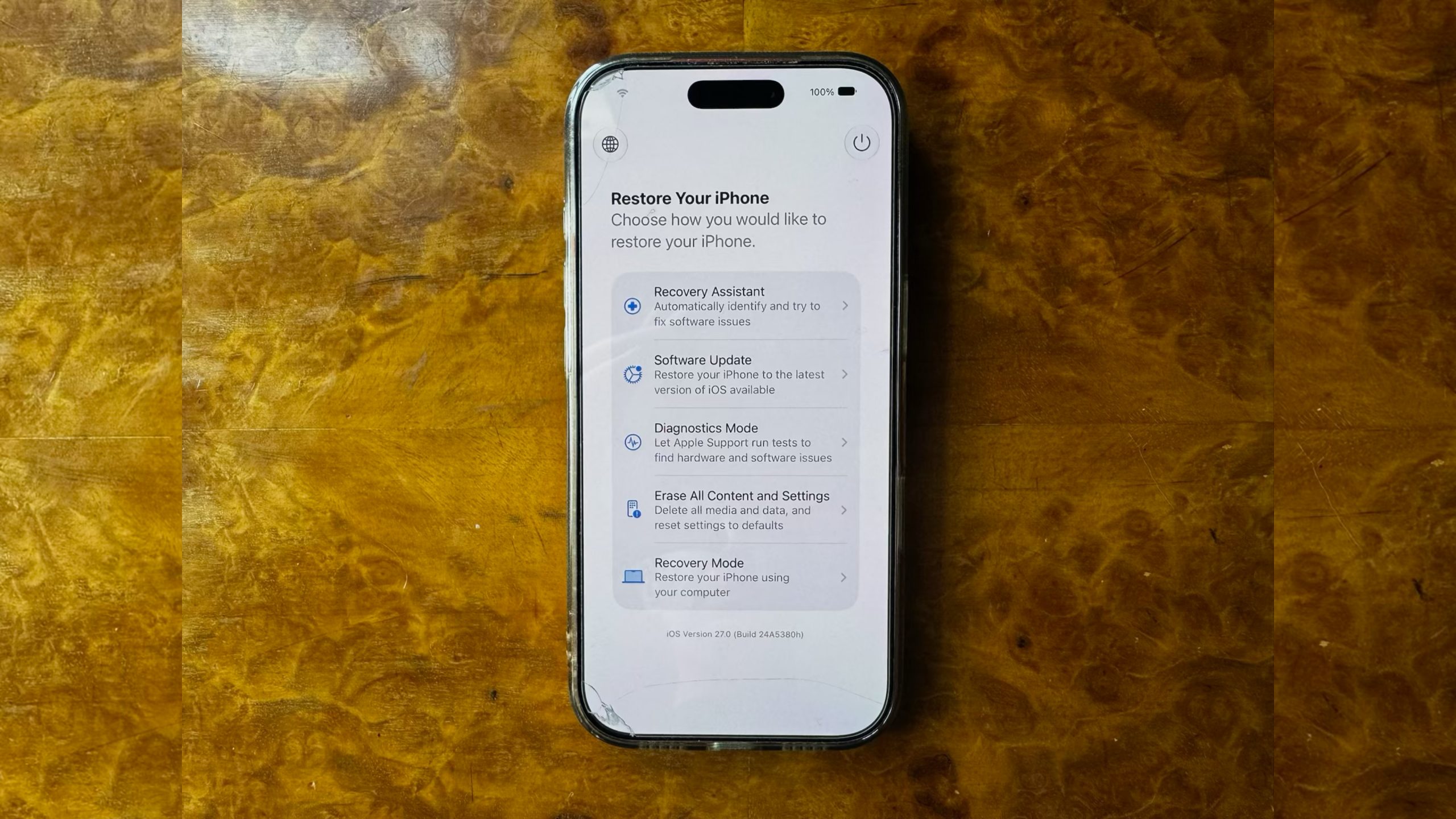
iOS 27: Access the New iPhone Recovery Screen


Since iOS 26, a malfunctioning iPhone has been able to boot itself into Recovery Assistant, with no Mac or PC required. However, you could only get there if your device failed to start up and dropped into recovery on its own.


In iOS 27, currently still in beta, Apple has removed that limitation, and you can now manually boot into a Mac-style recovery screen whenever you like.

The new recovery mode lets you troubleshoot, update, or erase your device without necessarily plugging it into anything. It can connect automatically to a known Wi-Fi network, and it shows your battery percentage in the corner of the screen. Check out our guide to see how to access recovery mode and what the various options it offers can do.

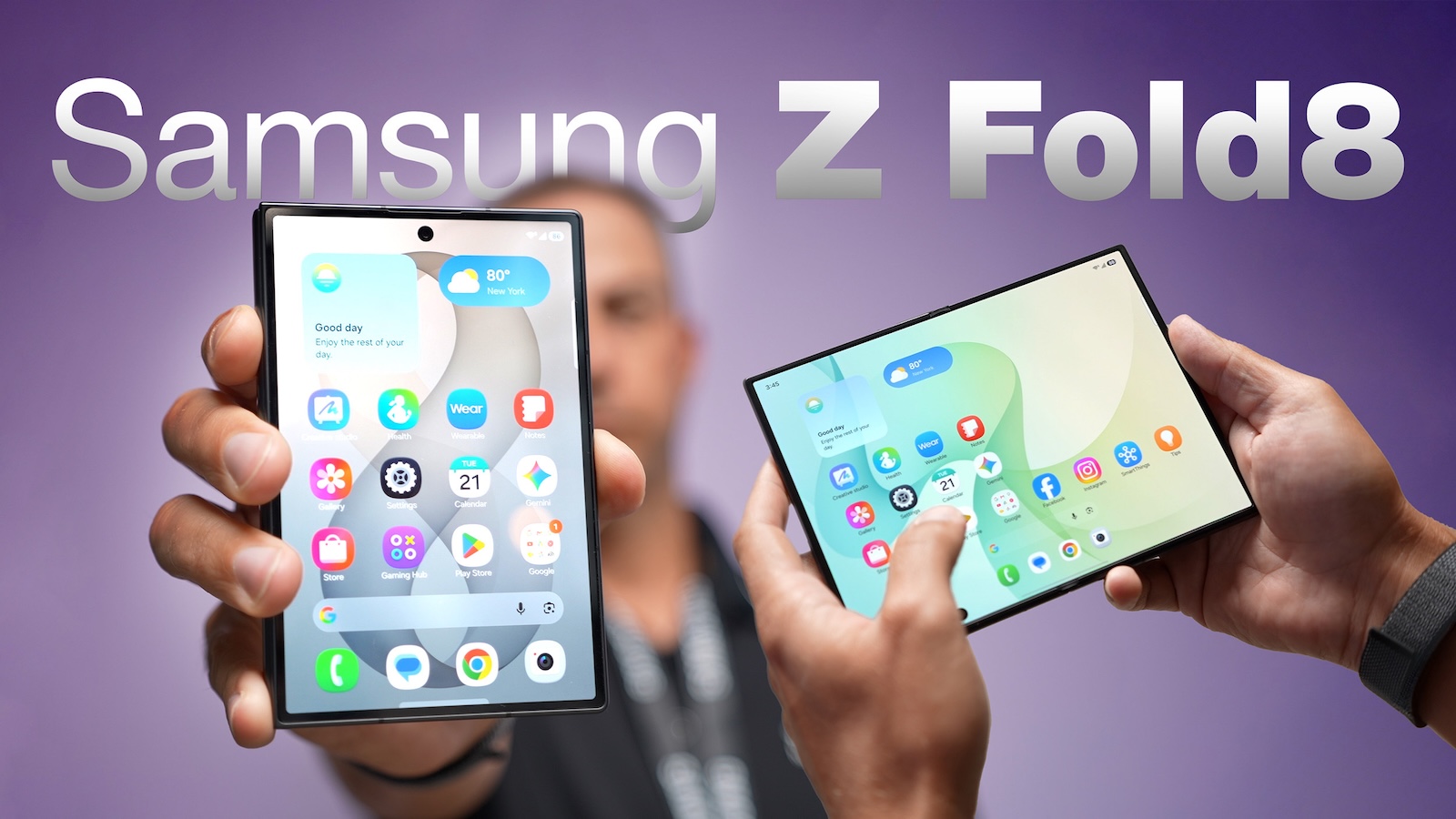
Hands-On With Samsung's Galaxy Z Fold8, the Closest Thing Yet to a Foldable iPhone


Amid the ongoing wait for Apple's first foldable iPhone expected in just a few months, Samsung this week introduced the Galaxy Z Fold8, which adopts a very similar form factor to what we're expecting for Apple's device.


Samsung's Z Fold8 has a 7.6-inch display when open and a 5.5-inch display when closed, and it has a passport-style form factor, so it's wider and more square than prior Samsung foldables.

The aspect ratio of the unfolded Z Fold8 makes it feel similar to using an iPad mini, which feels more natural than using taller foldables. It's a size that's perfect for watching videos or running two apps side by side. The Z Fold8 gives us a pretty clear look at what the Apple foldable will look like and what it will feel like to use.

MacRumors Newsletter


Each week, we publish an email newsletter like this highlighting the top Apple stories, making it a great way to get a bite-sized recap of the week hitting all of the major topics we've covered and tying together related stories for a big-picture view.

So if you want to have top stories like the above recap delivered to your email inbox each week, subscribe to our newsletter!
This article, "Top Stories: 'Apple Upgrade' Program, Apple Music Price Hike, and More" first appeared on MacRumors.com

Discuss this article in our forums
  •  

Apple weekend deals: MacBook Pro $500 off, AirPods Pro 3, AirTag 2, iPhone Air, Series 11, more

It’s time for your weekend edition of 9to5Toys Lunch Break, and this week it’s a Black Friday in July edition as sale events at Amazon, Best Buy, and elsewhere carry through Sunday.  

Alongside the ongoing price drop on AirPods Pro 3 and $100 off AirPods Pro Max, we also have up to $500 off M5 Pro MacBook Pro models, a series of ongoing discounts on Apple Watch Series 11, and up to $220 off iPhone 17 Pro. Hit the jump for all that and a bunch of discounts on charging and Find My gear. 

  •  

Agent Kim Reactivated Finale Preview: Will Agent Kim Fight His Closest Friends?

Agent Kim Reactivated Episode 10 will place Manager Kim and his closest allies inside their most personal and dangerous battle yet. With their children being used as hostages, the three fathers must find a way to defeat Ju Gang-chan without turning against each other. Spoiler warning for Episode 9 Episode 9 followed Manager Kim, Seong […]

The post Agent Kim Reactivated Finale Preview: Will Agent Kim Fight His Closest Friends? appeared first on The Mac Observer.

  •  

Top Apple-related stories for the week of July 20-24

Here are the top Apple-related articles at Apple World Today for the week of July 20-24.

° Apple developed, but didn’t release, “M2 Extreme” and “‘M3 Extreme”chips.

° Apple probably won’t name Jony Ive in its lawsuit agains OpenAI.

° Apple is testing a new Genius Bar tool dubbed Live Notes.

° Apple is now in the AI race in China, a market arguably among those showing the highest consumer AI awareness and preference in the world.

° iPhone sales in China grew 23% year-over-year in the second quarter.

° The 20th anniversary iPhone could have a 6.96-inch display.

° Apple recorded a 4% week-over-week increase in European smartphone sales June 21-27.

° Apple says it has fixed a vulnerability in its Hide My Email feature.

° iPhone sales in India grew 12% year-over-year as of quarter two.

° Apple and Klarna — which provides digital payments, short-term consumer credit, cards, banking services and merchant tools for online and in-store commerce — are partnering on a new “Apple Upgrade” program.

° Apple has lost its bid to get out of paying Masimo $634 million.

° Apple is projected to capture a 25% share of the foldable smartphone market this year.

° Apple TV is looking for a head of local language scripted projects.

° Apple purportedly plans to update every Mac model over the next two years.

° Global PC shipments decreased by 4% year-over-year (YoY) in quarter two (Q2) of 2026 to reach 65 million units — but not Apple’s.

° Apple Maps will be integrated directly into Ford’s upcoming Universal Electric Vehicle (UEV) Platform.

The post Top Apple-related stories for the week of July 20-24 appeared first on MacTech.com.

  •  

Amendes du DMA : Donald Trump menace l'UE de droits de douane

Donald Trump brandit la menace de droits de douane à l'encontre de l'Union européenne. Dans un message publié sur Truth Social, le président américain réagit à l'amende de 890 millions d'euros infligée ce jeudi à Google pour non‑respect du règlement sur les marchés numériques (DMA)...

  •  

‘Agent Kim Reactivated’ Episode 10 Finale Release Date and What to Expect

Agent Kim Reactivated Episode 10 will release on Saturday, July 25, 2026, bringing the Korean action drama’s first season to an end. The finale will air on SBS in South Korea before becoming available to international viewers on Netflix. The final episode will begin at 9:45 p.m. KST, which is five minutes earlier than the […]

The post ‘Agent Kim Reactivated’ Episode 10 Finale Release Date and What to Expect appeared first on The Mac Observer.

  •  

Too many concurrent requests when opening ChatGPT? You’re not alone

ChatGPT users are seeing a “Too many concurrent requests” error while trying to open the chatbot or submit a prompt. The problem is part of a wider service disruption affecting users worldwide. ChatGPT is currently facing an outage OpenAI’s official status page confirms elevated error rates across ChatGPT, its APIs, and Codex. The company says […]

The post Too many concurrent requests when opening ChatGPT? You’re not alone appeared first on The Mac Observer.

  •  

Varta Crisis Deepens After Apple Battery Defection

The Varta crisis has entered another severe phase after the German battery manufacturer lost the customer responsible for nearly all production at its specialized factory in Nördlingen.

Varta has not publicly identified that customer, but reports from German media and industry sources point to Apple. The iPhone maker is reportedly moving battery orders for a future AirPods generation to a lower-cost supplier in China.

The decision will lead Varta to stop producing rechargeable button cells in Nördlingen during fall 2026. Approximately 350 jobs will be eliminated across the factory and the company headquarters in nearby Ellwangen.

Describing the development as a complete corporate collapse would go too far. Varta continues operating other battery businesses and recently completed an extensive financial restructuring backed by Porsche. The loss of Apple, however, has destroyed the economic foundation of a production site created around one highly influential customer.

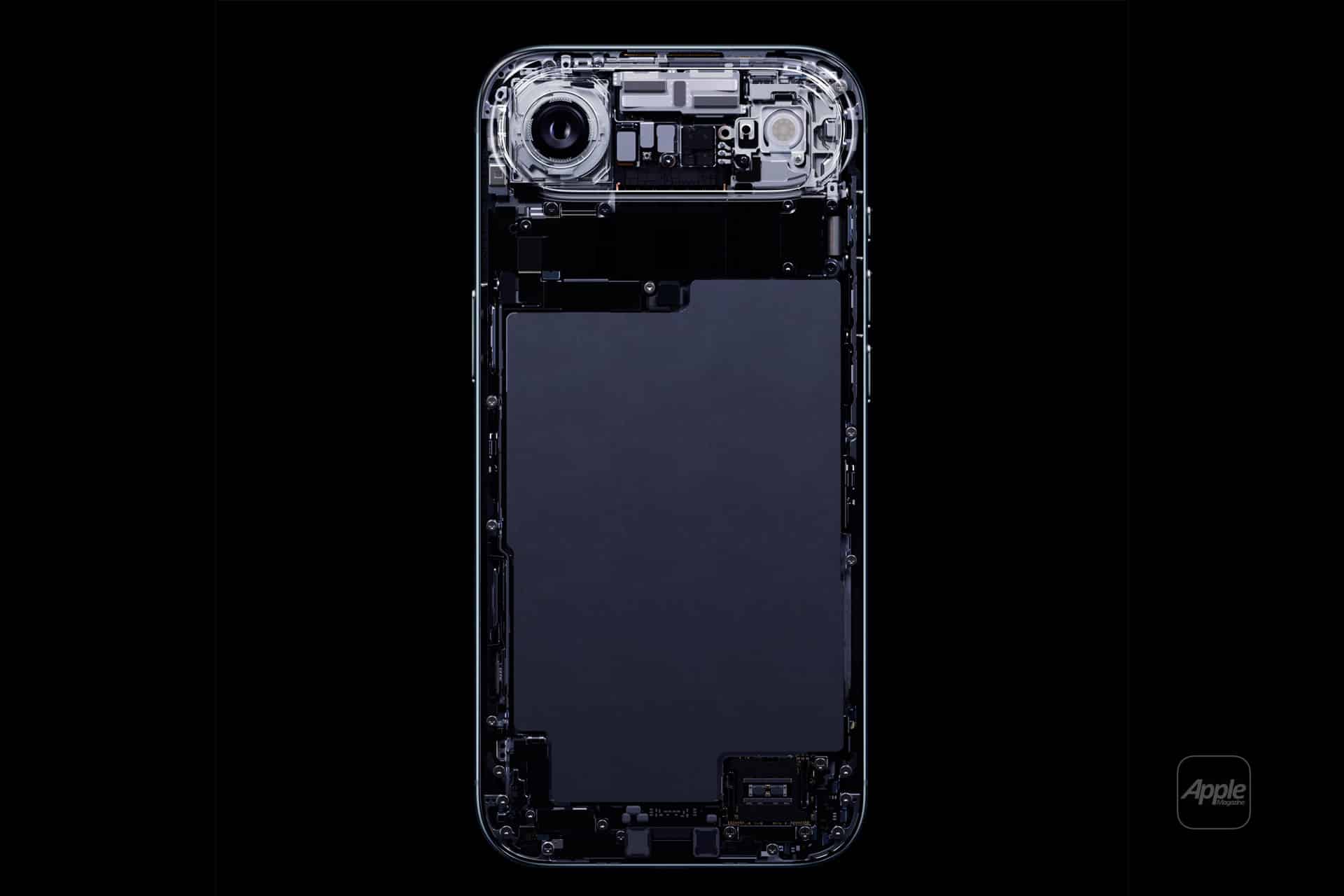
A smartphone with a transparent back, revealing internal components like the battery, camera, and circuitry—crafted with Apple 3D printing—displayed on a black background with a small Apple logo in the lower right corner.

Varta Crisis Exposes Dependence on Apple

The Varta crisis illustrates how a large technology customer can transform a supplier and then leave it with capacity that cannot easily be reassigned.

Varta became an important producer of CoinPower lithium-ion cells, small rechargeable batteries designed for wireless earbuds and other compact devices. Teardowns of AirPods Pro models identified Varta cells inside the earbuds, although Apple does not publicly discuss most component suppliers by product.

Demand from premium wireless headphones helped Varta expand rapidly. In 2020, its Microbatteries and Solutions division generated approximately €508 million in revenue, representing growth of 49% from the previous year.

The company invested heavily in production as wireless earbuds became a mass-market category. Apple demand provided the volume needed to justify specialized lines, equipment and hiring in Germany.

That dependence became dangerous when AirPods production weakened and Apple began adding other battery suppliers. A factory developed for unusually large orders could not operate efficiently once those orders declined.

The customer now leaving Nördlingen had previously accounted for nearly the entire capacity of the site. Varta says it has gained other customers, but their combined demand is not sufficient to keep the specialized factory running.

The plant is therefore closing not because rechargeable button cells have disappeared, but because replacing one customer of Apple scale requires far more than several smaller contracts.

Price Reportedly Decided the AirPods Order

German reports indicate that price was the decisive factor behind the supplier change.

Varta battery quality was reportedly equal to or better than the competing product. The German manufacturer could not, however, match the cost offered for the next generation of cells from China.

Battery production in Germany faces higher labor, energy and operating expenses than many Asian manufacturing centers. Chinese suppliers also benefit from extensive domestic electronics supply chains, access to materials and production volumes spread across numerous customers.

Apple has enormous leverage when negotiating component contracts. AirPods ship in sufficient quantities for a small difference in the cost of each battery to produce substantial savings across an entire product cycle.

The company regularly qualifies multiple suppliers for components when technical requirements and available capacity permit. Competition can reduce prices, protect production against interruptions and prevent one manufacturer from gaining excessive influence over the supply chain.

For Varta, that process brought the opposite effect. The supplier expanded to serve Apple and then faced declining utilization as the customer divided orders among additional manufacturers.

The latest move appears more final. Varta expects the contract to expire at the end of October, removing the volume that kept Nördlingen economically viable.

A pair of white AirPods Pro 3 wireless earbuds with black accents are shown above an open white charging case, all set against a plain white background—perfect for seamless audio and features like live language translation from Apple.
Image Credit: Apple Inc.

Apple Supplier Strategy Is Not Simply About China

The reported decision does not mean Apple is moving its complete production network toward China.

Apple has spent several years expanding device assembly and component production in India, Vietnam and other countries. AirPods manufacturing has grown in India, while Macs, iPads and wearables are assembled across a wider group of Asian locations.

The Varta case concerns a particular component for which a Chinese supplier reportedly offered a more competitive price. It shows that diversification away from one country can coexist with cost-driven sourcing from that same country.

Apple may reduce its dependence on Chinese final assembly while continuing to purchase Chinese batteries, displays, enclosures or electronic components when suppliers provide the required scale and pricing.

That balance creates a difficult environment for European manufacturers. Political interest in domestic technology production does not guarantee that major customers will accept higher component prices.

Premium engineering can protect a contract when it produces a measurable advantage in battery capacity, safety, dimensions or lifespan. Once competing suppliers reach comparable performance, procurement decisions become increasingly sensitive to cost.

The Varta crisis suggests that manufacturing location and supplier history carried less weight than the economics of the next AirPods battery.

Varta Was Already Fighting Financial Failure

Apple did not create every problem affecting Varta.

The company entered the current dispute after years of debt, costly investments, volatile customer orders, supply-chain problems and weaker demand in parts of its energy-storage business. A cyberattack in early 2024 also disrupted production and delayed financial reporting.

Varta warned that its earlier restructuring plan might fail after Apple reduced AirPods production. By mid-2024, the company had reached a point where it could no longer service its debt without another intervention.

A pre-insolvency restructuring reduced financial liabilities from approximately €485 million to €200 million. Porsche and majority shareholder Michael Tojner agreed to provide new capital, while creditors supplied additional financing.

Existing shareholders lost their investment as Varta was removed from the stock market. The process preserved the operating company but demonstrated how little financial room remained for another major disruption.

Varta reported a loss of €64.5 million for 2024. Although that was an improvement from the previous year, the business remained dependent on successful restructuring and stronger performance from its surviving divisions.

The Apple contract loss therefore did not independently bring down a healthy battery group. It struck a manufacturer that had already narrowly avoided insolvency.

Aerial view of a large industrial complex—possibly one of the key Apple suppliers—surrounded by trees, parking lots with cars, and several buildings. There are roads and green fields nearby, with a small round building in the lower right corner, perhaps connected to the facility's production or storage of CoinPower cells amid the recent Varta crisis.
Image Credit: Wikipedia

Porsche Cannot Protect Every Varta Business

Porsche participation gives Varta a future in automotive batteries, but it does not rescue the Nördlingen button-cell operation.

The automaker invested in the restructuring and took control of the V4Drive business, which develops high-performance cylindrical lithium-ion cells for hybrid and performance vehicles. Porsche gains greater access to battery technology while helping retain part of that expertise in Germany.

Varta also continues producing household batteries and energy-storage systems. Those businesses serve different customers and do not depend on the machinery used for tiny CoinPower cells.

Employees affected by the Nördlingen closure may be offered positions at other locations, although Varta has not indicated how many can realistically be transferred. The company and its works council are negotiating measures for the workers whose roles will disappear.

The shutdown leaves a modern production unit without enough demand only a few years after wireless earbuds were presented as one of Varta most promising growth markets.

Its remaining automotive operation now has the security of a strategic customer with a direct ownership interest. The microbattery division learned the cost of building a factory around a customer that never made the same commitment.

The post Varta Crisis Deepens After Apple Battery Defection appeared first on AppleMagazine.

  •  

Apple @ Work: Apple TV proves to be more reliable than Android in new digital signage report

Apple @ Work is exclusively brought to you by Mosyle, the only Apple Unified Platform. Mosyle is the only solution that integrates in a single professional grade platform all the solutions necessary to seamlessly and automatically deploy, manage, and protect Apple devices at work. Over 45,000 organizations trust Mosyle to make millions of Apple devices work ready with no effort and at an affordable cost. Request your EXTENDED TRIAL today and understand why Mosyle is everything you need to work with Apple.

When deploying digital signage across a corporate or retail environment, IT teams often face a choice between buying premium boxes like an Apple TV or saving money upfront with cheap Android devices. The new State of Digital Signage 2026 report from Kitcast provides compelling telemetry data on this exact situation, and the results clearly show that Apple TV is the superior choice for enterprise reliability (especially at scale).

  •  

OpenAI Confirms ChatGPT is Down Worldwide

ChatGPT is down for many users worldwide today. People trying to log in or send a message are running into errors, and reports are coming in from the United States, Europe, India, Japan, and Australia. Complaints started building up on DownDetector and X within a short window this afternoon. Most of what people are describing […]

The post OpenAI Confirms ChatGPT is Down Worldwide appeared first on The Mac Observer.

  •  

Apple Watch 11 mit 100 Euro Rabatt bei Amazon: Bestseller sinkt auf neuen Tiefstpreis

-21 %

Bestseller Apple Watch 11 mit 46 Millimetern zum Tiefstpreis

Nur 379 Euro statt 479 Euro UVP

Smartwatches können Trainingseinheiten, Schlaf und wichtige Gesundheitswerte erfassen. Im Zusammenspiel mit einem iPhone können Sie außerdem Nachrichten, Anrufe, Musik und Mitteilungen direkt am Handgelenk verwalten.

Die Apple Watch Series 11 mit GPS, 46-Millimeter-Aluminiumgehäuse in Space Grau und schwarzem Sportarmband in Größe M/L kostet bei Amazon aktuell nur 379 Euro. Gegenüber der UVP von 479 Euro sparen Sie 100 Euro beziehungsweise 21 Prozent.

Dabei handelt es sich um den bisherigen Tiefstpreis, der zuletzt Ende April beziehungsweise Anfang Mai erreicht wurde. Dazwischen stieg der Preis wieder auf etwa 430 bis 450 Euro. Das Angebot trägt die Kennzeichnung “Amazons Tipp”, wurde im vergangenen Monat mehr als 2.000 Mal gekauft und erreicht bei 1.780 Bewertungen durchschnittlich 4,7 von 5 Sternen. Die Series 11 ist zudem Bestseller Nummer 1 bei Amazon (in der 42-Millimeter-Version).

Was die Apple Watch Series 11 zu bieten hat

Die smarte Uhr besitzt ein 46 Millimeter großes, 9,7 Millimeter dünnes Aluminiumgehäuse und wiegt als GPS-Version 37,8 Gramm. Das Always-On-Retina-Display erreicht bis zu 2.000 Nits und kann in dunkler Umgebung auf 1 Nit herunterregeln. Das Ion-X-Frontglas soll doppelt so kratzfest sein wie bei der Series 10.

Im Inneren arbeitet der S10-Chip mit 64 GB Speicher. Zur Bedienung stehen die Digital Crown, eine Seitentaste sowie Doppeltipp- und Drehgesten bereit. Hinzu kommen Mikrofon, Lautsprecher, Siri, Apple Pay, Bluetooth 5.3 sowie WLAN im 2,4- und 5-GHz-Bereich.

Ein Schwerpunkt liegt auf den Gesundheitsfunktionen. Die Series 11 bietet unter anderem EKG, Blutsauerstoffmessung, Herzfrequenz- und Zyklus-Tracking sowie Hinweise auf Schlafapnoe, unregelmäßigen Herzrhythmus und möglichen Bluthochdruck. Der Schlafindex fasst die Schlafqualität zusammen, während die Vitalzeichen-App wichtige nachts erfasste Daten übersichtlich darstellt.

Für Sport und Fitness stehen zahlreiche Trainingsarten, Herzfrequenz-Zonen, Trainingsbelastung und eine Pacer-Funktion zur Verfügung. GPS, Kompass, Höhenmesser, Tiefenmesser und Wassertemperatursensor ergänzen die Ausstattung. Käufer erhalten außerdem drei Monate Apple Fitness+ kostenlos.

Die Akkulaufzeit beträgt laut Apple bis zu 24 Stunden bei normaler Nutzung und bis zu 38 Stunden im Stromsparmodus. Nach etwa 45 Minuten soll der Akku zu 80 Prozent geladen sein. 15 Minuten Ladezeit reichen für bis zu 8 Stunden Nutzung, 5 Minuten für bis zu 8 Stunden Schlaftracking.

Die Smartwatch ist bis 50 Meter wassergeschützt und nach IP6X staubgeschützt. Zu den Sicherheitsfunktionen gehören Notruf SOS, internationale Notrufe, Sturz- und Unfallerkennung sowie die Wegbegleitung. Bei einem erkannten schweren Unfall kann die Uhr automatisch Hilfe rufen und Notfallkontakte informieren.

Da es sich um die GPS-Version handelt, benötigt die Apple Watch unterwegs ein gekoppeltes iPhone. Die in den allgemeinen technischen Daten genannten 5G- und LTE-Funktionen gelten nur für die separat erhältliche Cellular-Version.

Warum sich das Angebot lohnt

Nutzer loben in den Rezensionen vor allem die Verarbeitung, das schlanke Design, das Display und die Funktionalität. Auch das Preis-Leistungs-Verhältnis und die Messfunktionen werden häufig positiv bewertet. Gemischte Meinungen gibt es allerdings zur Akkulaufzeit und zur Genauigkeit einzelner Messwerte.

In unserem Test überzeugen uns tatsächlich die längere Akkulaufzeit, die Bluthochdruckschätzung, das kratzfestere Display und die neuen Gesten. Gleichzeitig sind die Unterschiede zur Series 9 und Series 10 gering, da viele Funktionen auch dort per Software-Update verfügbar sind.

Für Besitzer einer Series 10 lohnt sich der Wechsel daher kaum. Interessanter ist die Series 11 für Neueinsteiger und Nutzer einer Series 8 oder eines noch älteren Modells. Zum aktuellen Tiefstpreis von 379 Euro ist sie innerhalb des Apple-Watch-Angebots eine gute Wahl.

  •  

Keeprix saves streaming videos so your shows & movies can travel with you—on sale for just $96

Macworld

TL;DR: Get Keeprix All-in-One Streaming Video Downloader lifetime access for just $95.99 (reg. $159.99) and download videos from your streaming platforms in up to 4K for offline viewing.

There’s never a bad time to have a few favorite movies or shows ready to watch—especially when Wi-Fi is spotty, you’re traveling, or you simply don’t want to rely on an internet connection.

Keeprix All-in-One Streaming Video Downloader lets you have that forever for a one-time $95.99 (reg. $159.99); For a one-time payment, you get lifetime access to software that lets you download videos from many of today’s most popular streaming platforms and social media sites for offline playback.

Keeprix supports downloads from services including Netflix, Amazon Prime Video, Disney+, Hulu, Max, Paramount+, YouTube, and TikTok, saving videos in MP4 or MKV formats for easy playback on your own devices. It also supports resolutions up to 4K for compatible content, so your downloads can look just as good offline as they do online.

https://youtube.com/watch?v=eqQu98KB0QA%3Ffeature%3Doembed

Beyond downloading, Keeprix includes features that make building a personal media library easier. Queue up multiple videos with batch processing, manage downloads in one place, and enjoy ad-free offline playback whenever it’s convenient.

If you’d rather spend your next flight, commute, or hotel stay watching instead of waiting for a connection, this is how you do it.

Get the Keeprix All-in-One Streaming Video Downloader for life for just $95.99.

Keeprix All-in-One Streaming Video Downloader: Lifetime SubscriptionSee Deal

StackSocial prices subject to change.

  •  

A new PDF editor is only charging $40 for a lifetime license

Macworld

TL;DR: PDF Reader Pro turns your Mac into a full PDF editor with text editing, OCR, forms, and redaction, and a lifetime license is on sale for $40 (reg. $79.99).

Editing a PDF on a Mac usually means exporting to another format or paying monthly for Acrobat because the built-in Preview app really only handles annotation. PDF Reader Pro turns your Mac into a full editing suite, and a lifetime license is on sale for $39.99 (reg. $79.99).

PDF Reader Pro makes quick work of files that are usually deeply frustrating. It can rewrite the original text and swap out images right inside a PDF, close to how you’d edit a Word file. Page management is just as flexible, letting you merge, split, rotate, crop, and reorder pages as often as a document demands. Batch mode compresses, encrypts, and watermarks stacks of files at once instead of one at a time.

OCR reads scanned documents and turns them into searchable, editable text, so a pile of old paper stops being a dead end. You can build fillable forms, fill and sign existing ones, and add a legally binding digital signature when a contract calls for it. A redaction tool blacks out sensitive lines permanently, and password protection keeps private files locked down.

Pay once instead of renting a PDF editor by the month.

Get a PDF Reader Pro lifetime license on sale for $39.99.

PDF Reader Pro Premium License For Mac: Lifetime SubscriptionSee Deal

StackSocial prices subject to change.

  •  
❌