❌

Reading view

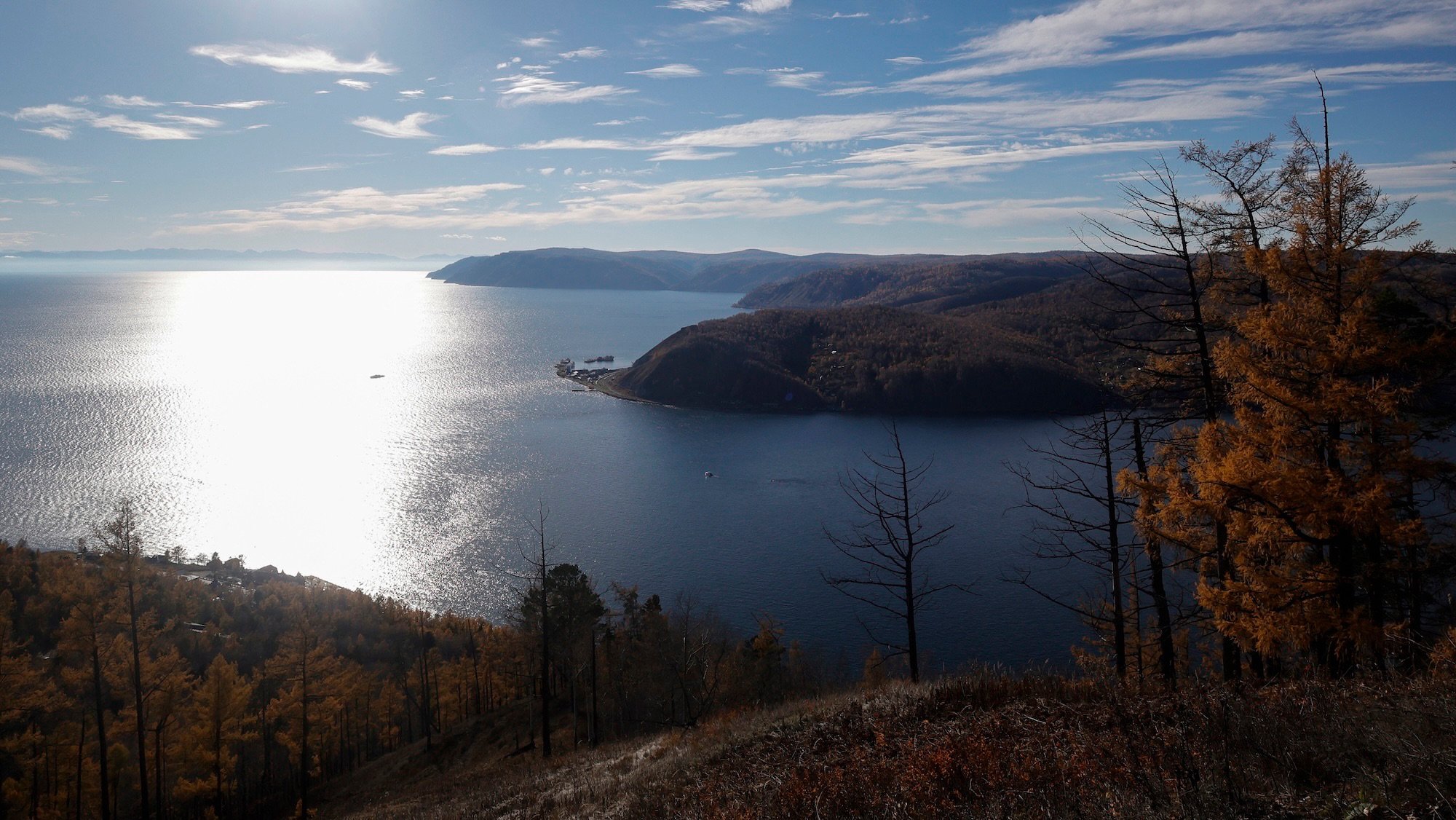
Earth’s spookiest lake is in Siberia and dates back 25 million years

What’s the weirdest thing you learned this week? Well, whatever it is, we promise you’ll have an even weirder answer if you listen to Popular Science’s hit podcast. The Weirdest Thing I Learned This Week hits Spotify, YouTube, Apple, and everywhere else you listen to podcasts every-other Wednesday morning. It’s your new favorite source for the strangest science-adjacent facts, figures, and Wikipedia spirals the editors of Popular Science can muster. If you like the stories in this post, we guarantee you’ll love the show.

FACT: The weirdest lake on Earth? It just might be Lake Baikal.

Featuring Geo Rutherford

This week’s episode features special guest Geo Rutherford, who you almost certainly know (at least from the forehead-up) as the host of “Spooky Lake Month.” Geo is also the author of a new book about yet another subject in haunted hydrology: spooky rivers. But for her appearance on Weirdest Thing, Geo stuck with the classics and told us about her favorite spooky lake of all. 

While Geo’s first lake love will always be Lake Superior, she says the body of water she keeps finding new weird facts about is Lake Baikal. 

This Siberian body of water is the deepest lake in the world—just over a mile, to be precise—and it holds more liquid than all of the Great Lakes combined, or around 1/5th of the planet’s total unfrozen freshwater supply. It’s also the world’s most ancient lake, dating back some 25 million years or more. 

Baikal has stuck around long after most lakes would fill in with sediment because the earth beneath it is slowly being pulled apart. That rift means it keeps getting deeper and deeper, which provides somewhere for all the sediment brought in by rivers to go. 

Baikal isn’t just chillingly deep. It’s also home to a host of unique animals, including the world’s only exclusively freshwater seal and some shockingly large amphipods. And don’t forget the trains!

FACT: There’s a songbird that walks underwater 

Featuring Liz Clayton Fuller

This week’s episode also featured friend-of-the-pod Liz Clayton Fuller, who came on to share another fascinating bird fact with us. 

While most songbirds flit through the treetops, the American Dipper—one of just a handful of dipper species in the world—dives headlong into freezing glacial meltwater and walks along chilly creek beds on long, spindly toes. 

There’s a lot of weird stuff going on with this chunky little bird: it’s got solid bones to help cut down on buoyancy, eye lenses designed to focus-up under water, and nose flaps that act like the dorky little nose clips a kid might wear in a pool. 

Listen to this week’s episode to learn more about these bizarre birdies—including how they helped launch Liz’s bird-painting career.

FACT: These soiled underpants made it all the way from the lab to the runway

By Rachel Feltman

Most people think of dirt as being pretty…inert. But a single teaspoon of soil can hold more organisms than there are people on Earth, and that microbial abundance is incredibly important. When soil gets too degraded—which is an increasing problem as humans farm and otherwise develop more land—we can end up with situations like the Dust Bowl. 

Researchers have previously used the teabag index (TBI) to help citizen scientists collect and share data on the health of their local soil. But a team at the University of Zurich wondered if they could come up with something a little more visually appealing, and they landed on (literally) soiled underwear. 

While the idea of burying underpants to check soil health is (to my delight) nothing new, these researchers wanted to apply some scientific rigor to the process. About 1,000 Swiss volunteers were conscripted to bury identical sets of white briefs, plus tea bags, so the researchers could quantify their decomposition and see how an underwear index would measure up to the good-ol’-TBI. Sure enough, they showed that underpants work as well as teabags for tracking soil’s ability to decompose organic material.

The study won an Ig Nobel prize, but that’s not all: A Zurich-based designer also turned the dirty undies into a Rococo-inspired ball gown so heavy it needed custom panniers. 

The post Earth’s spookiest lake is in Siberia and dates back 25 million years appeared first on Popular Science.
  •  

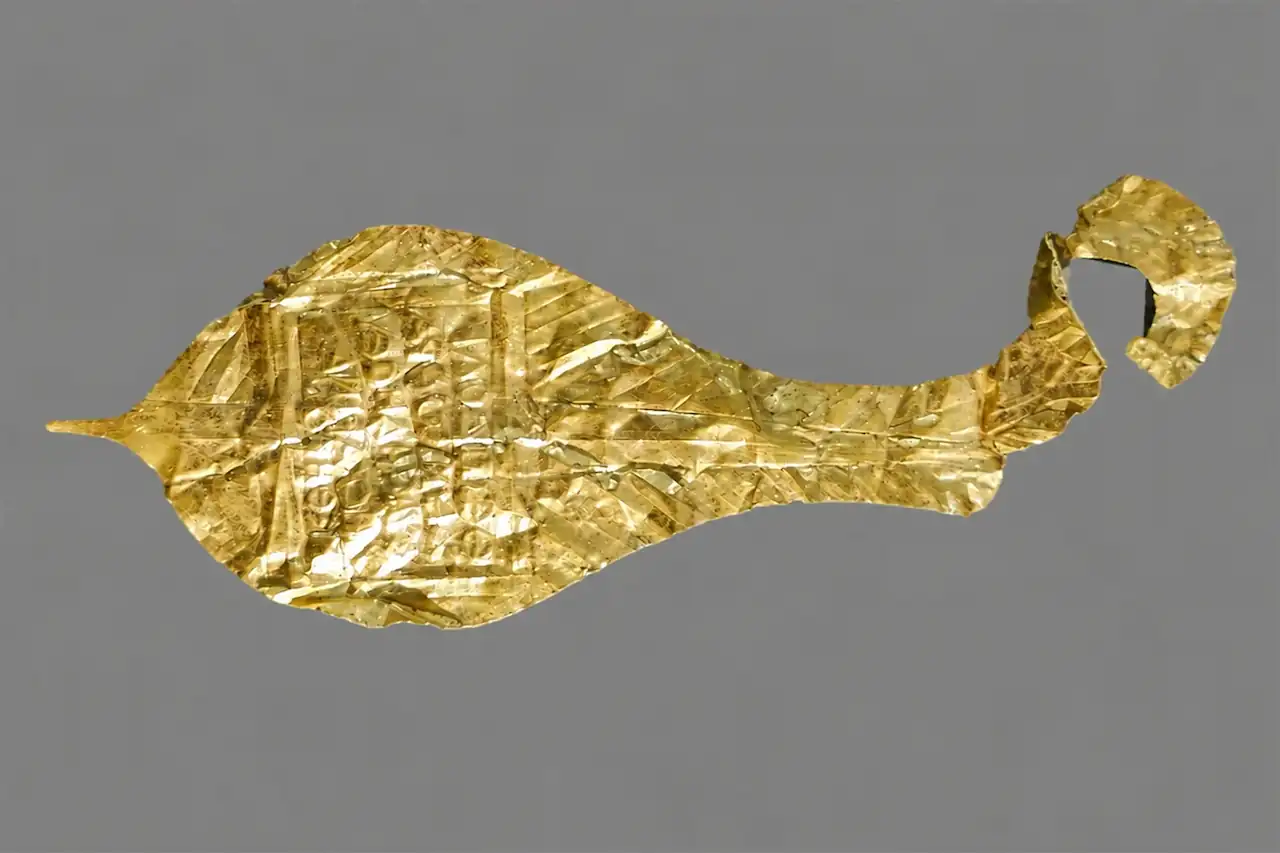
Trasímedes, el hombre que ofreció una hoja de oro a un dios sirio en un fuerte del mar Negro hace 1.900 años, pudo ser un comerciante griego proveedor del ejército romano

Hace unos 1.900 años, un hombre llamado Trasímedes dedicó una lámina de oro, con su nombre escrito en griego, a un dios que no era ni griego ni romano, sino originario del sureste de Anatolia. La pieza quedó en un fuerte romano de la costa oriental del mar Negro, en la actual Georgia, y allí […]

  •  

A Gold Leaf Left for a Foreign God Points to a Greek Merchant Who May Have Supplied the Roman Army

Some 1,900 years ago, a man named Thrasymedes gave a thin sheet of gold to a god who was neither Greek nor Roman. The deity came from the borderlands of what is now southeastern Turkey. The offering was left inside a Roman army fort on the eastern shore of the Black Sea, in modern Georgia, […]

  •  

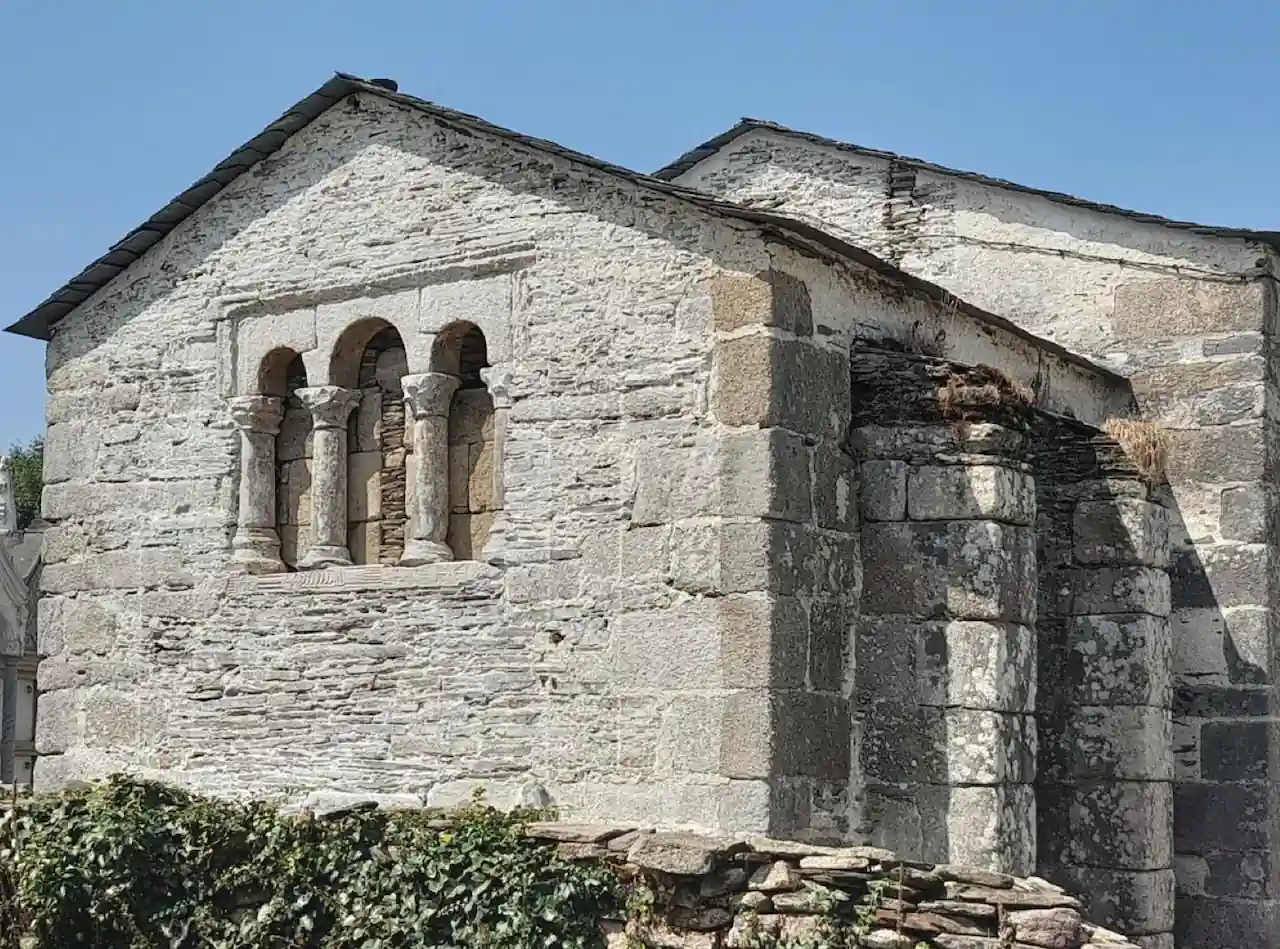
Descubren que una iglesia de Lugo que se creía románica es prerrománica asturiana del siglo IX

A pocos kilómetros al suroeste de Lugo, en una aldea del municipio, se encuentra la iglesia de Santa Eulalia de Esperante, o Santalla de Esperante en gallego. La historiografía la describía como un templo rural sencillo de época plenomedieval, con una sola nave, una cabecera recta y una fachada lisa del siglo XVIII coronada por […]

  •  

A “Medieval” Spanish Village Church Is Really 1,200 Years Old, and Built From Roman Ruins

The church is Santa Eulalia de Esperante, known in Galician as Santalla de Esperante. It stands in a hamlet a few kilometres southwest of Lugo. Until now, historians saw a simple rural church from the high Middle Ages, with one nave, a square east end and a smooth 18th-century front topped by a bell gable […]

  •  

Monkeys also avoid germs after viral outbreaks 

When a new disease emerges, things can get a little weird. We start to clean groceries with antibacterial wipes, the sound of a sneeze can trigger our fight-or-flight response, and we generally become more cautious. Humans may not be the only primate species that change their behavior in the face of disease. 

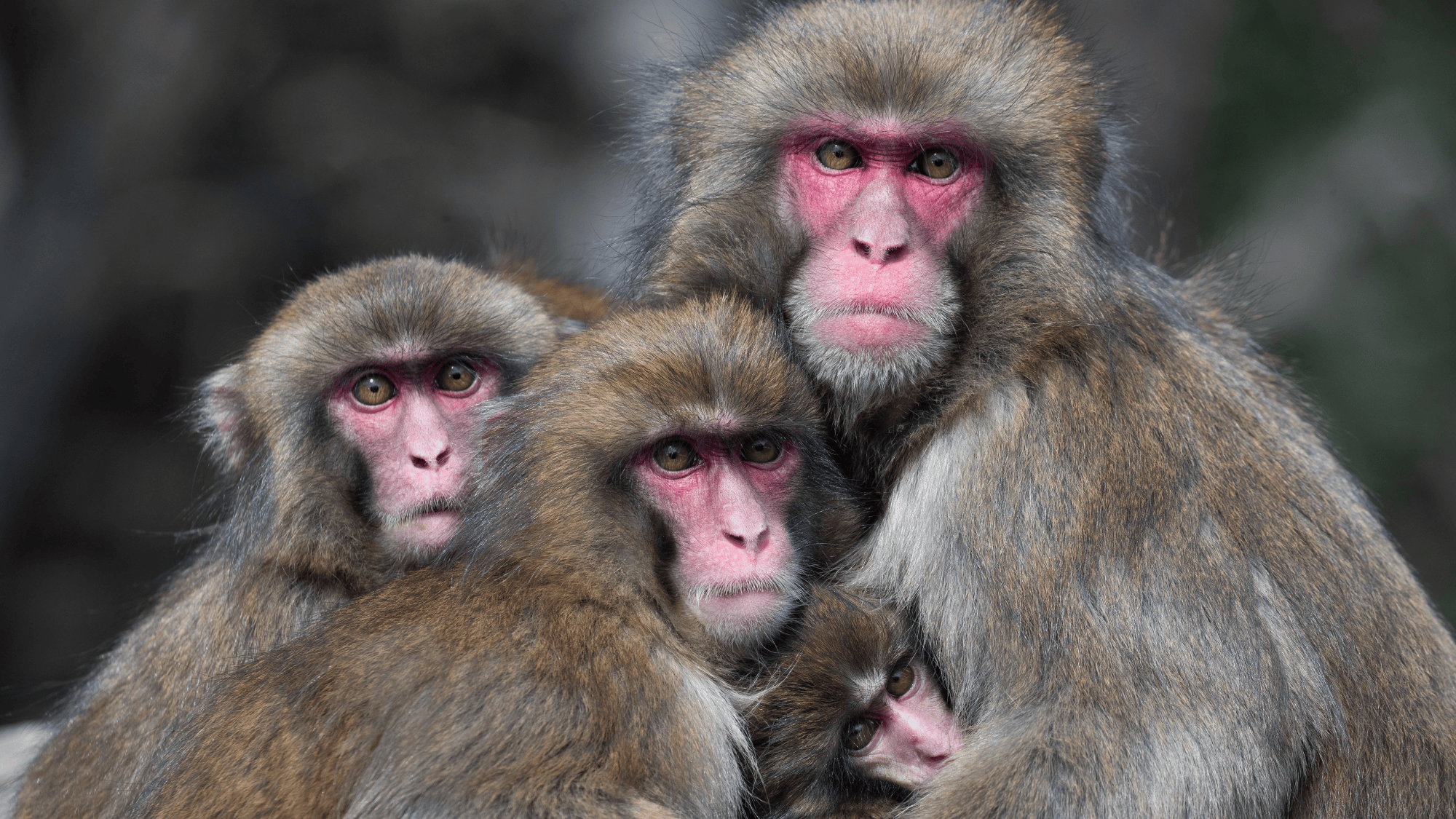
According to a study published today in the journal Royal Society Open Science, Japanese macaques (Macaca fuscata) that lived through a deadly outbreak in 2020 became noticeably more cautious about food that appeared contaminated, even though this disease was not spread by food or feces. This indicates that purposefully shifting behavior to avoid a pathogen can be shaped by our appearance and that disgust may have deep evolutionary roots. It also sheds light on the behavioral immune system—a collection of behaviors that help animals avoid an infection before the biological immune systems respond.

“We can show now, in non-human primates, that this is the same for them,” Federico Rossano, a study co-author and cognitive psychologist at the University of California San Diego, said in a statement. “Even with no knowledge of how disease is transmitted, being exposed to others getting sick and dying changes the likelihood of engaging in behaviors that potentially could lead to some form of sickness.”

2020 was a big year for outbreaks

In 2020, the staff at a primate sanctuary in southern Texas confirmed the presence of simian retrovirus Type II. This disease can cause AIDS-like immunodeficiency and is primarily transmitted through bites and scratches. It caused severe illness and death in some of the monkeys. The sanctuary staff separated the groups and implemented testing and quarantine measures in response to the outbreak. Since the groups live in separate enclosures, scientists then had the chance to compare animals with similar backgrounds that had experienced very different social and disease environments. 

In total, three groups of monkeys experienced the outbreak while one had not. The team tested 

55 macaques to see how they responded to a choice between food that was put on a clean wooden surface and food placed on a surface covered with real macaque feces. The food with the feces was sealed under a layer of clear epoxy, so that the monkeys could see the food and poop without risking infection.

In the group that had been exposed to the outbreak, some of the individuals had been infected while others had lived alongside sick monkeys without getting sick. This allowed the researchers to question if experiencing an outbreak without getting infected could change the macaque’s behavior. To test that further, the clean surface was replaced with a brightly colored kitchen sponge in some of the scenarios to see if the animals were just avoiding unfamiliar objects. 

Previous studies found that macaques aren’t necessarily deterred by contamination—as long as the payoff is tempting. When presented with a favorite treat (such as a peanut) wild Japanese macaques would still eat food from a surface covered in feces, but will avoid it for food like grains of wheat.

Continued caution

The team found that macaques from groups that went through the outbreak were far less likely to eat the food from the contaminated surface. They ate from the fake contaminated surface in only 47 percent of trials. The monkeys that did not experience the outbreak ate from the potentially contaminated surface in 79 percent of trials.

The monkeys from outbreak-exposed groups also behaved similarly whether or not they themselves had been infected. According to the team, this suggests the behavioral change was associated with their experiencing living through the outbreak, instead of actually getting sick

“Groups have histories, and those histories show up in behavior,” added study co-author and UC San Diego cognitive psychologist Stephan Kaufhold. “Living through the disease outbreak appears to have made those monkey groups more cautious around food that looks contaminated.”

The virus was spread through blood or saliva from bites and scratches, and not through contaminated food. Interestingly, the macaques who saw their fellow primates get sick, were more reluctant to eat food placed on a surface that visually suggested contamination in some of the tests.

Disgust’s evolution

In addition to shedding light on how illness affects primate behavior, it also offers insight into the evolution of disgust. The team did not measure disgust directly, but found that monkey’s avoidance of potential sources of infection can change with their experience, similar to what humans do.

Human disgust is believed to play an important role in protecting us from pathogens. We recoil from the smell and sight of poop, spoiled food, and other potential sources of infection. Our sensitivity to those cues can also change depending on context.

Since primates are capable of social learning, the team believes that heightened pathogen avoidance could be learned from other members in the group and persist over time. Future studies could see if newly introduced animals adopt the behavior of a group that has already experienced an outbreak.

The post Monkeys also avoid germs after viral outbreaks  appeared first on Popular Science.
  •  

Roman sarcophagus inside Westminster Abbey originally held a different body

A formerly inexplicable Roman sarcophagus discovered at England’s Westminster Abbey over 150 years ago is likely a rare example of medieval funerary recycling. Although archaeologists stopped short of definitively identifying who was buried inside, the team confidently narrowed down their candidates to a pair of high-ranking Benedictine monks.

“We have two viable contenders for the occupant of the sarcophagus,” said Westminster Abbey archaeological consultant Warwick Rodwell, co-author of an accompanying study published today in the Journal of the British Archaeological Association.

The mysterious limestone tomb was originally crafted during the 4th century CE, when the Roman empire’s jurisdiction still extended as far away as Britain. By the mid-13th century, King Henry III constructed a Benedictine sacristy above the sarcophagus, and it remained undisturbed for nearly 600 years. In 1820, workers accidentally cracked its lid into six pieces after unintentionally exposing the tomb. It would take until 1869 for archaeologists to finally repair the damage, as well as discover its confounding origins.

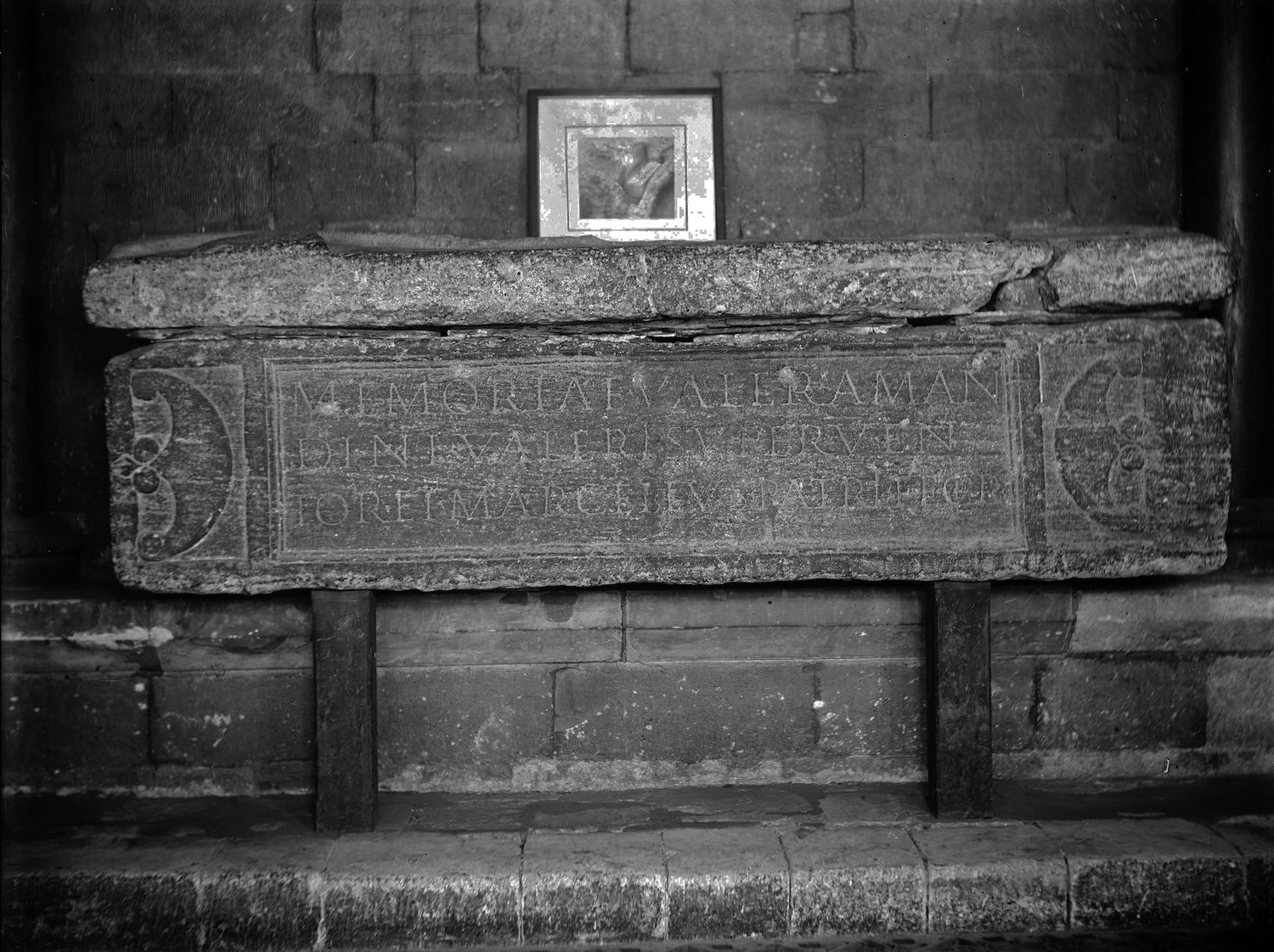
Roman coffin when displayed in Chapter House vestibule (whereabouts of the framed watercolour above showing it in the ground is not known) Library neg box 61
The coffin features an inscription to Valerius Amandinus, who died during the 4th century CE. Credit: Dean & Chapter of Westminster

The Roman sarcophagus has baffled researchers ever since. The limestone enclosure featured an inscription to Valerius Amandinus, a rich local who lived nearby sometime between 300 and 400 CE. But the sarcophagus lid clearly displayed a much more recent, medieval Latin cross. The cross implied the sarcophagus possibly housed someone other than Amandinus, but who?

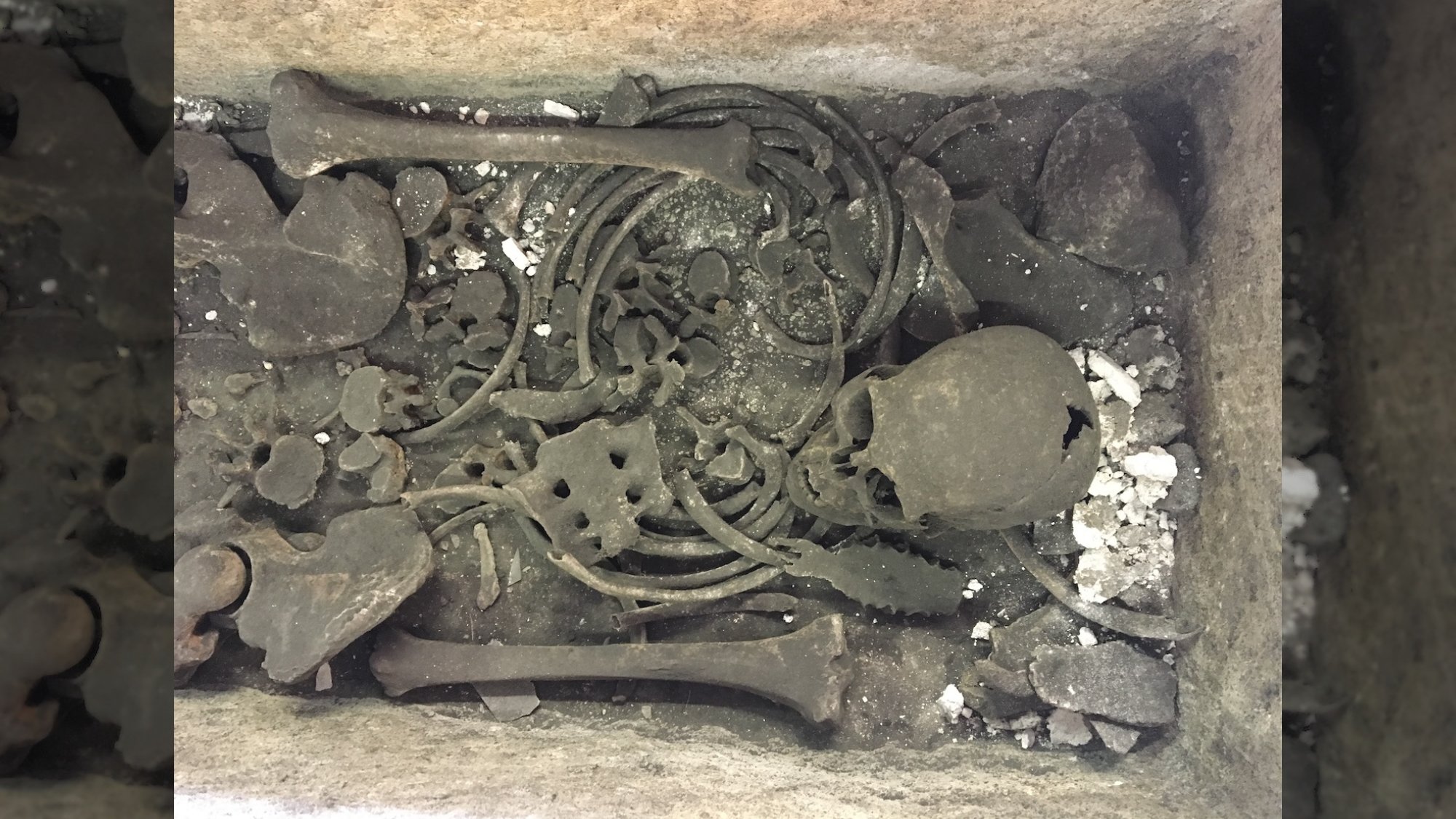
Extensive stonework analysis and skeletal carbon dating finally point towards two probable suspects. The first possibility is the Westminster Abbot Aelfwig, who died around 1020. The second is his successor, Wulnoth, who died in 1049. Further skeletal examinations indicate the man was 35 to 49 years old and around 5-foot 9-inches tall when he died. Interestingly, this contradicts the initial 19th century theory of a slightly shorter, “robust young man” less than 30 years old.

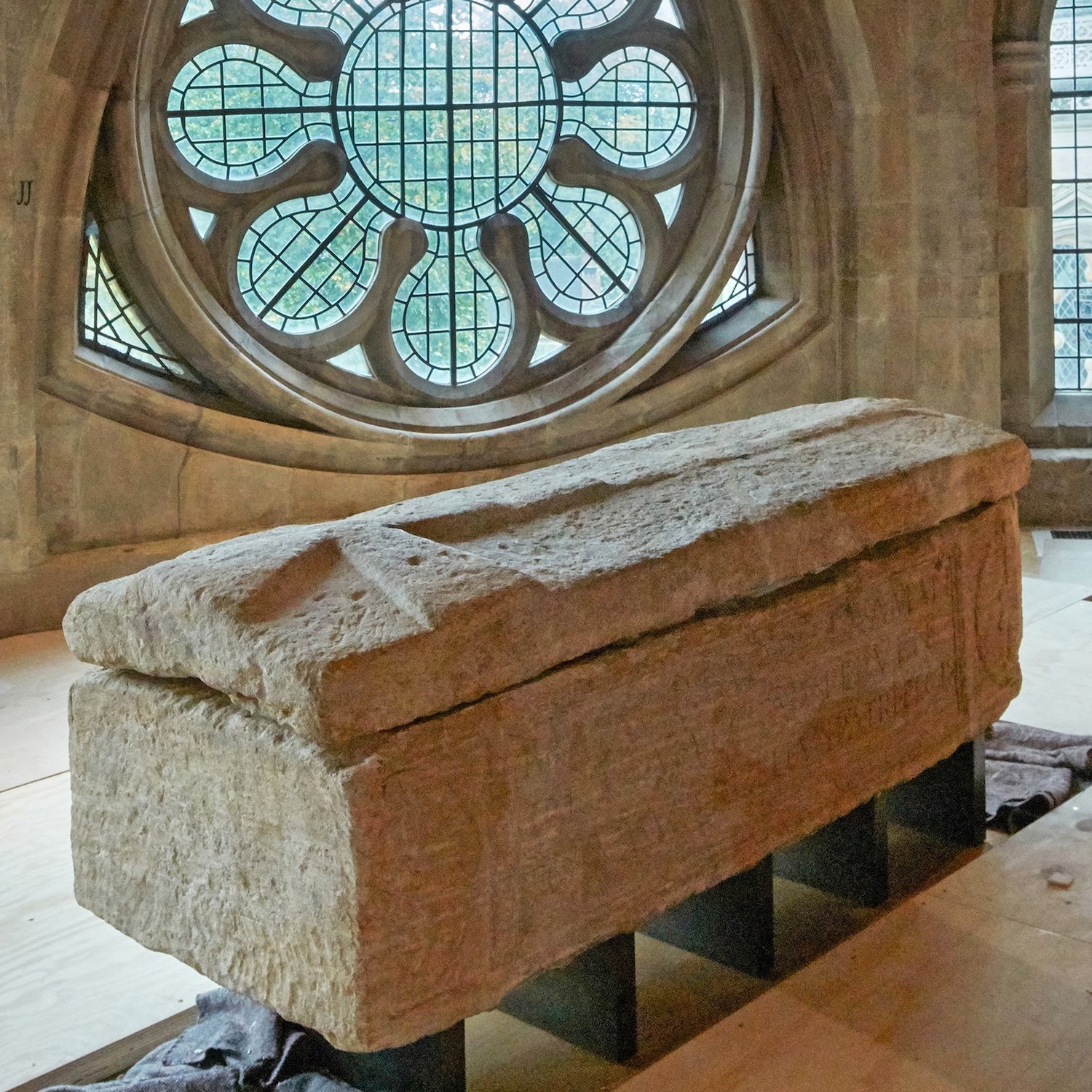
Limestone Roman coffin on display in Westminster Abbey
The full sarcophagus on display at Westminster Abbey. Credit: Dean & Chapter of Westminster

“We do not know the date of birth of either. But either would fit equally well if we assume the Abbot was in his early twenties when the appointment was made and close to fifty when he died,” explained Rodwell.

If Rodwell had to pick between the two, he may lean towards Aelfwig, since he was already a Westminster monk during that era.

The monk’s associates likely first placed him in a timber coffin that they lowered into the sarcophagus. Next, they sealed it with a re-carved cover displaying the Latin cross. But regardless of who resided in the tomb, its reuse wasn’t considered a slight. Instead, its original craftsmanship was intended to honor the deceased monk. It’s unlikely the mourning monks gave much thought to anyone else’s opinion on burial recycling, especially those living nearly 1,000 years after their respected Abbot’s passing.

The post Roman sarcophagus inside Westminster Abbey originally held a different body appeared first on Popular Science.

  •  
❌