Login

Mothers’ Intrusive Thoughts Are Mostly Benign. Lindsay Clancy’s Case Is an Exception.
Experts say that after childbirth, intrusive thoughts are common and mostly benign. Lindsay Clancy’s story provides a disturbing exception.

 The tiny godwit stayed in the air for 11 days, breaking all previously known records of nonstop flight.

Ausente no lançamento na Europa por incompatibilidade regulatória, a nova Siri AI continua a confundir os utilizadores que fizeram o upgrade para o iOS 27, fora do território europeu.
The post Está à procura da Inteligência Artificial no iOS 27? Siri AI não é para todos appeared first on Tek Notícias.
Com a crise de componentes e os preços dos dispositivos da Valve nas alturas, a companhia revelou oficialmente que nada disso impactará o lançamento do Steam Deck 2. Isso significa que os valores do portátil atual de US$ 789, do Steam Frame de US$ 1.059 e do Steam Machine por US$ 1.049 não são um novo padrão.
Ao IGN, o desenvolvedor da companhia, Pierre-Loup Griffais, revelou que os planos que já têm sobre o hardware “não mudaram muito” em relação às altas nas memórias RAM e armazenamentos, assim como datas. Claro, a fala carrega um “porém”: o aparelho não será lançado em breve, possivelmente após a conclusão dos aumentos.
“Falamos antes sobre como queremos garantir que haverá um salto de desempenho para algo similar ao ‘futuro Steam Deck’, acredito que continuamos a seguir o mesmo caminho”, afirmou o porta-voz.
O que ele realmente quer dizer? Eles só trarão um novo console portátil ao mundo quando notarem uma exigência maior por um produto de alta performance. Essa situação pode ocorrer apenas no instante em que esta crise chegar ao fim, logo eles não enxergam a forma que todo o caos nos hardwares pode impactar os negócios da Valve para o modelo.
A empresa já revelou trabalhar no Steam Deck 2, contudo é possível que o dispositivo ainda esteja em estágio embrionário. Ou seja, há chances de que já saibam como fazê-lo dar certo, no entanto podem aguardar por uma queda de valores e a possibilidade de produzi-lo em grande escala sem prejuízos.
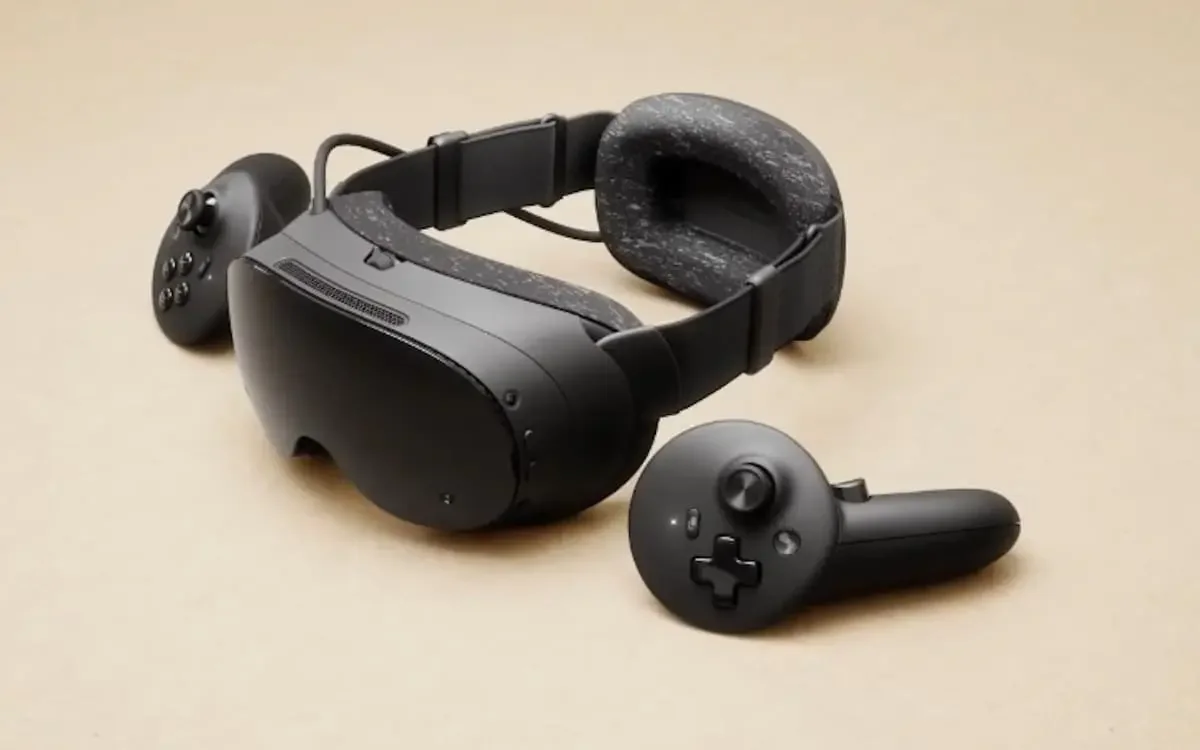
Griffais também explica que os planos seguem iguais aos que foram declarados no passado. Para ele, “no que temos trabalhado, conforme a experiência dos jogadores progride e o que o produto pretende construir, os objetivos são bem similares”.
A declaração serve para acalmar o público que não deseja ver o Steam Deck 2 a preços estelares. Com um acréscimo expressivo no custo de vários hardwares, todos os produtos da sua linha tiveram de ser vendidos a preços elevados.
No entanto, o cenário pode não ser um problema no momento em que o console portátil for lançado. Se levarmos em conta que as mudanças podem ocorrer apenas entre 2029 e 2030, talvez tudo isso já seja uma história que ficou para trás.
Enquanto a Valve segue a passos lentos com o Steam Deck, quem trabalha com emulação surpreende cada vez mais com um salto surreal: emulador de PS5 faz Demon's Souls ir de 1 a 30 FPS em uma semana.
{{WHATSAPP_CHANNEL}}

My dentist, Dr Albora, told me I needed a new tooth. He made me bite down on a U-shaped tray filled with polyether, an elastomeric material that’s been used in dentistry for decades. I tried not to gag while the gooey stuff set. Albora then waggled it off and sent the imprint to a company on Long Island that makes false teeth. But as my tooth’s colouring was unusual, Dr Albora said I had to go there myself.
A week later I drove to Marotta Dental Studio, where Igor Binshteyn sat me in a chair, lifted my lip and inspected a tooth to the side of my upper jaw. He was helping to fabricate its replacement and needed to get the exact colour.
As Binshteyn finished, I remarked teasingly on the company’s car park, which was chock full. Do you need that many people to make false teeth? What could possibly be involved to make things smaller than the nail on my little finger?
Binshteyn laughed. “Follow me”.

He opened a door to a huge undivided warehouse-like space about 1200 square metres in size. Some 50 people were working at lines of tables where the steady hum of conversation was punctuated by the noise of ovens, lathes and grinding machines; imagine the sounds of a metalworking shop in a busy train station.
“Do you want a tour?” Binshteyn said.
Of course I did.
My tour guide was Marotta’s vice-president, Steven Pigliacelli, who teaches prosthodontics at New York University. A prosthodontist is a dental specialist who has completed dental school and, in the US, has had at least three additional years of advanced training to focus on restoring and replacing missing or damaged teeth. As I learned, prosthodontists must practice materials science.
The lab has two paths for making teeth, Pigliacelli explained, each with different materials and methods. The first is known as “porcelain-fused-to-metal”, or PFM. It begins with technicians applying gypsum – hydrated calcium sulphate – to create stone replicas of the jaw and teeth from the impressions given to them by dentists such as Albora.
Gypsum has different coefficients of expansion for different dental purposes, and textbook formulas give the amounts of liquid for each kind. But Marotta employees found that tiny amounts of water must be added or subtracted to the gypsum to compensate for things like humidity and temperature before the gypsum is used. “It took us months,” Pigliacelli explained, “to realize that how it’s shipped, how it’s stored, what season it is – all these affect the material.”
I watched as a technician sectioned a stone jaw replica to cut out a tooth, turn it into a master model called a die, and test it in an articulator that mimics jaw movements. I saw another wax that die, use a lost wax technique to create a solid gypsum frame, and cast a silver-palladium alloy. That creates the metal inner core for the tooth, called a coping, which is shaped and finished before porcelain is applied. Porcelain is baked onto the coping in another area of the lab.
“The metal and porcelain need closely matched coefficients of thermal expansion or the porcelain can separate from the metal,” Pagliacelli told me. “Every once in a while a company tells us ‘We’ve got this really cool new alloy!’, but we need to match the coefficients of expansion in the ceramic material. We’re working with sensitive materials for sensitive applications, and we have to experiment with and adapt them. This stuff about materials you don’t learn in school but work out in the lab.”
The second path to making a tooth involves scanning the teeth rather than waxing a die. The electronic files are worked on in the computer, printed out, reworked and rescanned, and milled by a CAD machine using materials such as zirconia – nicknamed “ceramic steel” – and EMAX, a lithium disilicate glass-ceramic. Zirconia is extremely hard and used for teeth that endure heavy grinding forces, while EMAX is more aesthetically pleasing and often used for front teeth.
“So we have two parallel paths, PFM and digital scans”, Pigliacelli said. “It’s usually a personal choice of the dentist”. But external pressures are driving a move away from PFM, he said. Five years ago the price of palladium – a key component of the PFM alloy – soared as it was increasingly used in devices to reduce auto and other emissions. “That’s cut down on the PSM market.”

In another corner of the lab I ran into Binshteyn again, who was using different porcelains and ceramic stains to create colours. “Teeth are not a solid colour,” he said, “but vary in shade from reddish near the gum line to lighter colours toward the biting edge. They also vary in translucency.” (Check this out yourself.) Furthermore, the colour of a tooth must match not its neighbours but the corresponding tooth on the other side of the mouth. To make a natural-looking tooth, Igor picks out a base colour and then layers in shades of porcelain.
As my lab tour went on, Pigliacelli showed me different materials for different applications. One challenge is making teeth for a person with bulimia, whose acidic oral environment can corrode dental materials. Other challenges arise with people who have had failed implants, or temporomandibular joint – or TMJ – a disorder involving jaw joints and muscles.
On the way out I met Lenny Marotta, Pigliacelli’s brother-in-law, who had founded Marotta Studio in 1981. Marotta is fascinated by the history of dental materials, which include bone, ivory, wood, gold and silver. He showed me his collection of early prosthodontic instruments, including milling machines, furnaces, hammers and air compressors.
Later, Marotta also pointed out a strange-looking oven. “That’s for processing vulcanite, a hardened rubber material widely used for dentures before modern plastics.” But he’s been unable to find a museum interested in old prosthodontic stuff. “Nobody knows we exist,” he complained.
I’d assumed that materials science was required to make prosthetic teeth biocompatible, corrosion resistant, and able to withstand mechanical motions such as crushing, biting and grinding. I also knew that teeth have to be made economically enough to be widely available, aesthetic enough to be desirable, and versatile enough to withstand a variety of oral environments.
But I had no idea how much materials science was required to bring all these properties together.
Back in his office, Dr Albora installed the tooth and handed me a mirror. I had to pull up my lip to see it way on the side of my mouth. “I’d have to smile before somebody notices it,” I complained. “Well,” he said, “that’s for just in case you do.”
The post Get your teeth into the cutting edge of materials science appeared first on Physics World.
Since February 2026, the United States Department of War (DOW), under the direction of President Donald Trump, has released an unprecedented number of documents, videos, and firsthand witness accounts detailing the United States’ extensive history of encounters with unidentified anomalous phenomena, or “UAP.”
Despite the questions that remain, this initiative under the Presidential Unsealing and Reporting System for UAP Encounters (PURSUE) has been nothing short of historic. For more than 75 years, Americans pleading for the truth on the issue have been routinely ridiculed and even misled by their own government. It’s difficult to imagine the nation’s posture being anything other than one of obfuscation, secrecy, and resistance to transparency.
Documents, particularly those detailing reports from senior intelligence officials encountering “orbs”, are a stark departure from the U.S. government’s nearly century-long position of secrecy.
Lawmakers, however, have been left with more questions than answers. Who or what flies with such impunity over our sensitive military installations? Who owns this technology? Are they a threat to national security?
Across the Pacific, members of Japan’s National Diet are confronting the same questions. The May 2026 file releases from the U.S. DOW disclosed two unresolved UAP incidents from the U.S. Indo-Pacific Command. Japanese legislators only learned the details of these cases near their own territory after the American file release—not through any internal channels.
Democratic allies, it seems, face a shared challenge. For too long, elected officials in our respective nations have been denied adequate information about the phenomena operating in our common security environment. And in the U.S., whenever we are informed, it’s only through the preferred methods and timing of unelected bureaucrats deeply entrenched in our national security apparatus. In Japan, by contrast, the Ministry of Defense has stated that information may be made public when something arises that it determines should be explained.
But this raises a fundamental question: should the government alone decide what should be explained to the public?
If a grave national security threat truly exists, then elected representatives have been left with little choice but to entrust the security of their nations to the very institutions that have obscured the truth from us and even each other.
It is therefore incumbent upon us—Representatives solely accountable to the citizens of our respective nations—to work together and to seek the truth wherever we may find it; both for the good of our people and to defend against whatever threats we face from strategic competitors.
As mentioned above, among the files released by the U.S. DOW were highly significant firsthand reports from high-ranking officials in the Office of the Director of National Intelligence. The documents detail a search operation at a classified missile testing site in the Western United States, explicitly for aerial phenomena:
En route, ground teams reported spotting a UAP on FLIR [Forward Looking Infrared], describing it as “super-hot,” low to the ground, and moving east then south at high speed. The object then split into two and changed direction. Upon arrival, we scanned the area using NVG [Night Vision Goggles], FLIR, and the naked eye. The ground team suddenly radioed that the object had risen from the ground, approached within ten feet of the helicopter, dropped below us, and then sped away.
The documents were accompanied by what the DOW labeled as “related photos.”
Accounts such as these are hardly “proof” of anything, but for elected officials, they do cement the reality of our national security concerns. Missing from this account—or any account we have been allowed to access—is an answer to a fundamental question: What do the various U.S. government agencies believe these objects are? Are they merely civilian drones? Do they represent technology belonging to a foreign actor? And if someone within the government does know, who decides that elected officials shouldn’t?
Members of Japan’s UAP Parliamentary League, led by former Japanese Defense Minister Yasukazu Hamada, share similar concerns.
DOW data, released through the Pentagon’s All-domain Anomaly Resolution Office (AARO) in August of 2023, identified specific regions of Japan, particularly in the western and southern parts of the country, as being among the world’s notable hotspots for UAP reports.
One such instance occurred as recently as July of last year. Security guards at the Genkai Nuclear Power Station in Saga Prefecture observed three luminous objects in the sky above the facility. The lights remained visible for nearly two hours; long enough for local police to arrive and observe them. The police stated that what they themselves observed was an airplane, leaving a discrepancy between the two accounts. The incident was also recorded by Kyushu Electric Power’s security cameras, but the footage has not been made available even to members of the National Diet. Police have likewise declined to disclose related information on the grounds that the matter remains under investigation. As a result, elected lawmakers still lack access to the information necessary to independently assess the incident, and to this day, members of Japan’s National Diet have no answers.
Like their American counterparts, Japanese lawmakers have been left without the tools or information for proper oversight despite reports of UAP operating near critical infrastructure within restricted airspace.
It is no longer acceptable for elected representatives to be agnostic on this issue. Events such as these, along with countless videos now made publicly available, are more than mere optical illusions and cannot be dismissed on account of prosaic explanations like parallax effect. For many members of Congress and members of Japan’s UAP Parliamentary League, the evidence presented before us indicates an unknown technology.
Our understanding of what is technologically feasible in propulsion, the manipulation of physical matter, and even space-time itself is being challenged. From what we know, our current defense capabilities appear insufficient. Furthermore, the origin of these phenomena remains unknown—not only to the U.S. and Japan, but seemingly to other nations as well. China, for instance, recently established its own military body dedicated to investigating UAP, even supplementing human resources with artificial intelligence dedicated to tracking what the People’s Liberation Army refers to as “Unidentified Air Conditions.”
We are, by all indications, in a global arms race for technological supremacy, one that is rapidly rendering today’s weapons obsolete through advances in quantum technology, artificial intelligence, and drone warfare. UAP and whatever technology allows them to operate with apparent impunity over sensitive military and nuclear installations could redefine the competition.
If harnessed by democratic allies, breakthroughs could bolster deterrence and stability in the South China Sea. Conversely, failure to establish a coordinated effort among democratic allies could give China an unforeseen technological advantage over a future invasion of Taiwan, making an already difficult fight impossible.
U.S. global leadership, along with the territorial integrity of the Pacific are at stake. For members of Japan’s National Diet, UAP investigations are of great national importance—an issue that demands cross-party attention.
As for their American counterparts, it’s clear representatives can’t reach the truth through traditional pathways that amount to asking the Central Intelligence Agency ‘nicely.’ It stands to reason that close alliances with democratic allies like Japan may be the most viable pathway for disclosure.
Indeed, if our tools are limited in scope, perhaps new revelations made by democratic allies provide a unique leverage point. After all, it was the Trump administration’s disclosure under the PURSUE program that significantly increased pressure on Japan’s Defense Ministry to acknowledge its own previously undisclosed UAP-related activities.
This is why we, as elected representatives of our nations, have engaged the Emerging Technologies Interparliamentary Caucus (ETIC) as a platform for international dialogue regarding emerging technologies and the security threats presented by UAP. Comprised of representatives from across the globe, the ETIC presents a rare opportunity to ensure elected representatives are equipped to assess potential threats, safeguard our nations, and prepare for the realities of emerging technologies in the 21st century.
Whether the phenomena we are encountering originate from an adversary or something else entirely, democratic nations cannot afford to be complacent.
The people of our nations deserve answers, and we intend to find them.
Rep. Eric Burlison (R-MO-07) is the Chairman of the Subcommittee on Economic Growth, Energy Policy, and Regulatory Affairs.
Yasukazu Hamada is a Member of the House of Representatives, Japan, Former Minister of Defense, and Chairman of the UAP Parliamentary League.
Yoshiharu Asakawa is a Former Member of the House of Representatives, Japan, and Assistant to the Chairman of the UAP Parliamentary League.
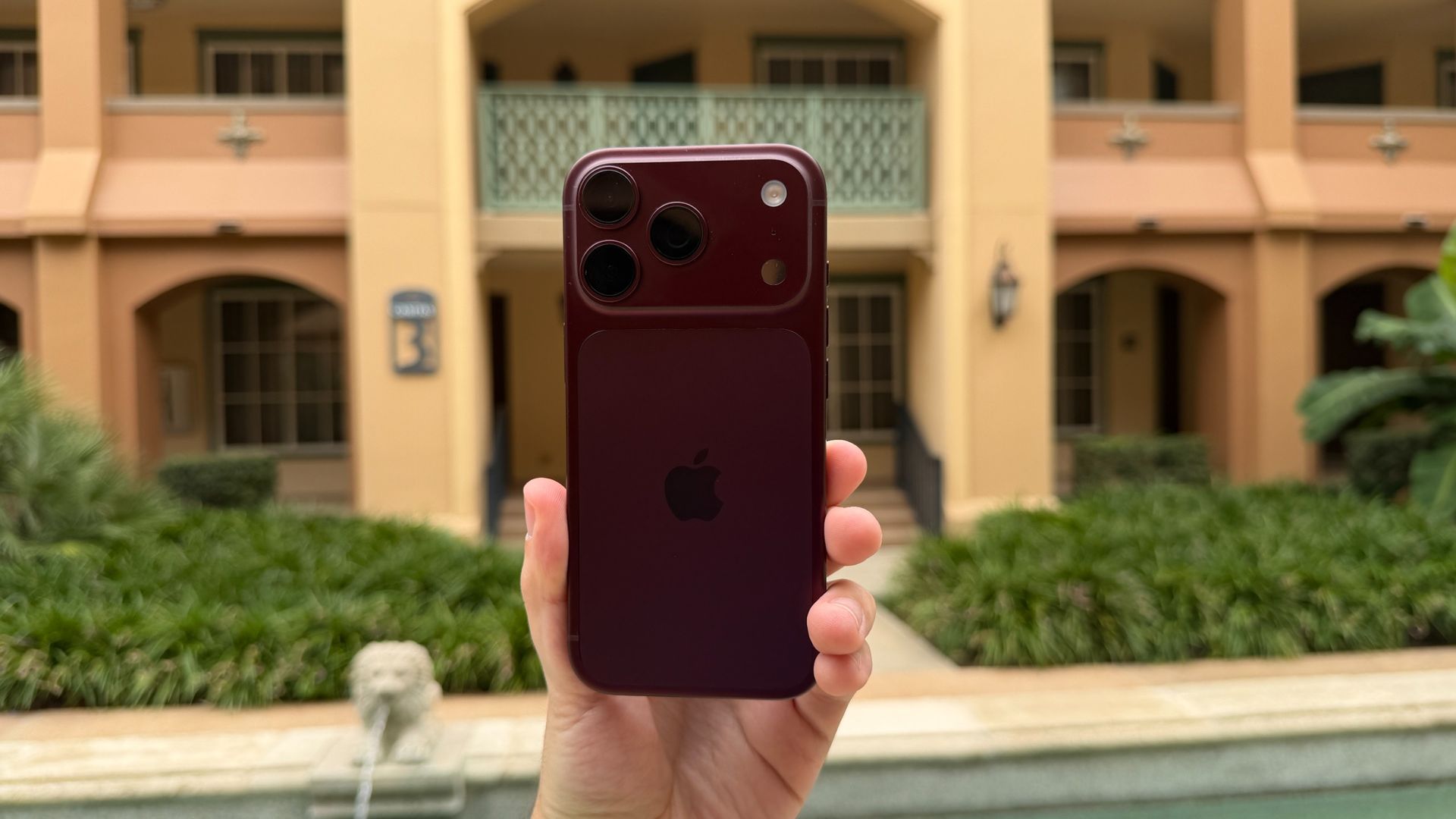
If the iPhone 17 Pro and 17 Pro Max were a reinvention of the flagship iPhone, the iPhone 18 Pro and 18 Pro Max see Apple carrying the flagship-iPhone baton forward with few, if any, missteps.
I’ve spent the last week with a Glacier iPhone 18 Pro Max and a Burgundy iPhone 18 Pro — both colors are striking new additions to Apple’s iPhone color palette — and Apple has mostly stuck to last year's winning formula, while updating key aspects of the experience to push things forward.
While the main camera array still carries the same 48-megapixel count across the telephoto, ultra-wide, and main lenses, the arrival of Pro controls in the Camera app breathes new life into the photo-taking experience, letting you get seriously creative whenever you want to.
You can also take advantage of the new variable aperture on the main 48-megapixel Fusion camera to shoot across ƒ/1.48, ƒ/1.8, ƒ/2.8, or ƒ/4.0, and capture unique visuals, including starburst effects from lights. Of course, you can also choose to let the Camera app take control, and in general it’ll capture a well-balanced shot that you can still edit after the fact.
All in all, after taking hundreds of photos and shooting dozens of videos, I’m impressed with the level of detail the iPhone 18 Pro and 18 Pro Max can deliver. Some images match what you’ll get from the previous-generation Pros, but these iPhones can also deliver even better-looking images and video, especially when you take control.
Under the hood is Apple’s first 2-nanometer chip in an iPhone, the A20 Pro, and while it doesn’t run laps around the previous A19 Pro, or the chip before that one, its CPU, GPU, and Neural Engine do an excellent job of handling general iOS tasks, as well as more advanced AI features, including keeping Siri AI chugging along where it's available and powering Apple Intelligence features in Photos, such as Clean Up and Reframing. It also ensures that third-party experiences run well, and I’ll be shocked if you encounter noticeable slowdowns anywhere.
The iPhone 18 Pro and 18 Pro Max can easily keep pace with any of the other best modern smartphones, and I suspect they’ll keep doing so for years. You can again choose between a punchy, vibrant, and crisp 6.3-inch or 6.9-inch Super Retina XDR display, and that’s the main difference between the two Pro iPhones, as Apple maintains feature parity across the lineup.
Another meaningful improvement is in battery life, with the iPhone 18 Pro lasting longer than the 17 Pro Max according to Apple, while it says the 18 Pro Max establishes a new iPhone battery-life record. Add in the improved thermal management, smaller Dynamic Island, and arrival of Siri AI, and there’s a lot of refinement here beyond the cameras and processor.
And that’s ultimately what the iPhone 18 Pro and 18 Pro Max feel like to me: a refinement of an already excellent Pro iPhone, rather than a reinvention. If the iPhone 17 Pro generation was about Apple changing the formula, the iPhone 18 Pro is about taking that formula and making it better across the board, without messing with what worked.
It’s not night and day across the board, and if you’re coming from an iPhone 17 Pro or 17 Pro Max, you probably don’t need to upgrade. The A20 Pro feels largely neck and neck with the A19 Pro in daily use, the displays remain familiar, and the overall design is essentially unchanged. But I would bet that some iPhone 17 Pro and 17 Pro Max owners will want to make the jump anyway, particularly for the camera improvements. The combination of the variable aperture and, finally, a genuinely customizable Camera app with Pro controls enables a level of user input that I’ve wanted Apple to bake into the iPhone for years.
If you’re holding onto an iPhone 15 Pro, 15 Pro Max, or anything older, the iPhone 18 Pro and 18 Pro Max represent a much more substantial generational leap. You’re getting bigger and better displays, way-improved cameras, better battery life, a faster and more future-ready chip, improved thermals, and a modern, durable design that Apple has now had a year to refine.
And that’s the thing about the iPhone 18 Pro and 18 Pro Max: you don’t need any one of these upgrades to completely reinvent how you use an iPhone. Taken together, though, they make for a seriously capable flagship that feels ready for the next several years.
Apple made the iPhone 18 Pro and iPhone 18 Pro Max official at its September 9, 2026, ‘Surprise and Shine’ special event; preorders are open now, with an on-sale date of September 18.
The iPhone 18 Pro starts at $1,199 in the US, £1,199 in the UK, and AU$2,099 in Australia, and the iPhone 18 Pro Max at $1,299 / £1,299 / AU$2,299, respectively. That means they come with a $100 / £100 / AU$100 increase in starting price over the iPhone 17 Pro and 17 Pro Max, while, like last year’s Pros, starting at 256GB of storage. Both can be configured with 512GB, 1TB, and 2TB of storage, with the latter now an option on both Pro models. You can choose from Burgundy, Glacier, Silver, and Black.
Both phones officially go on sale on September 18, 2026.
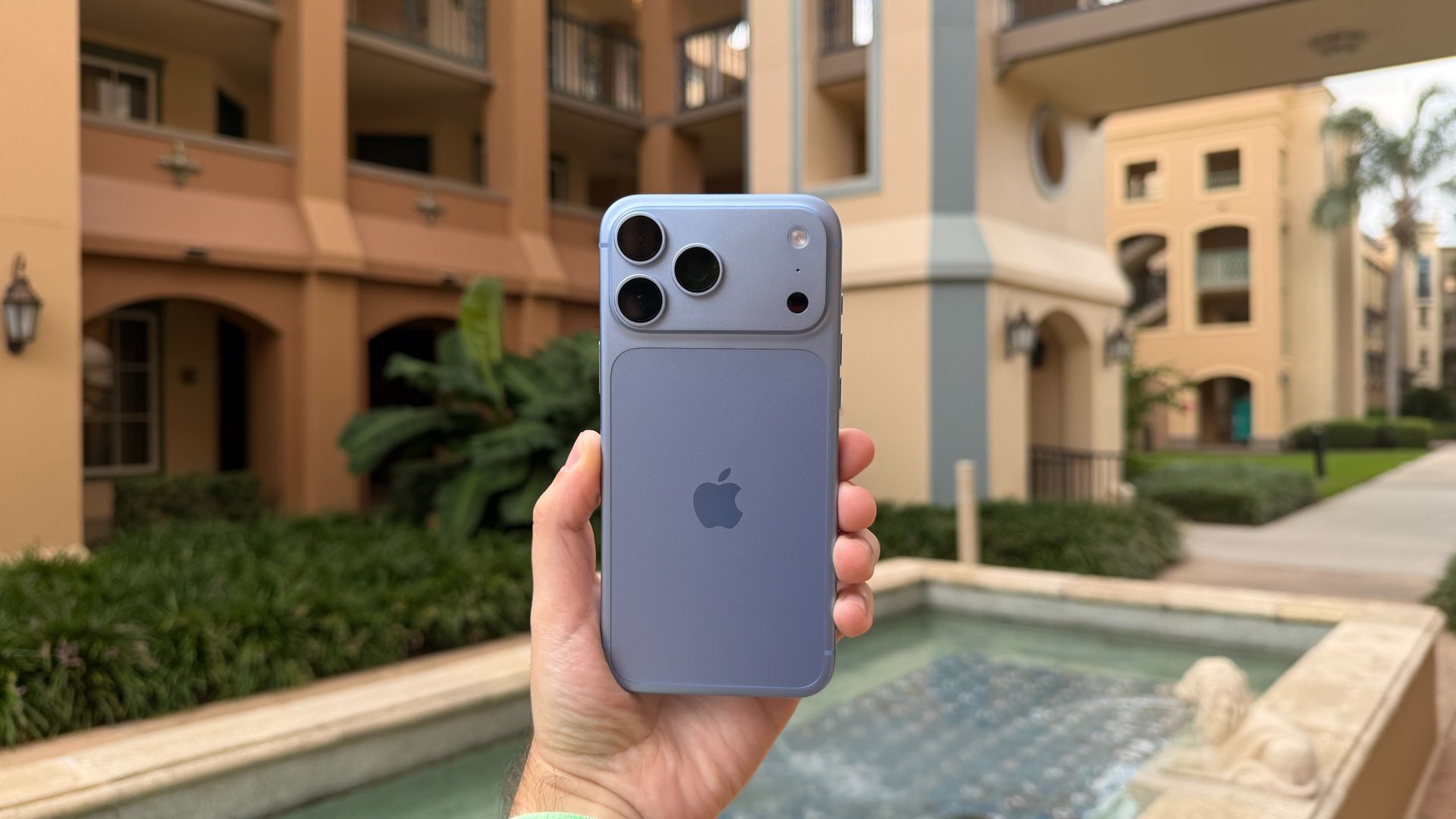
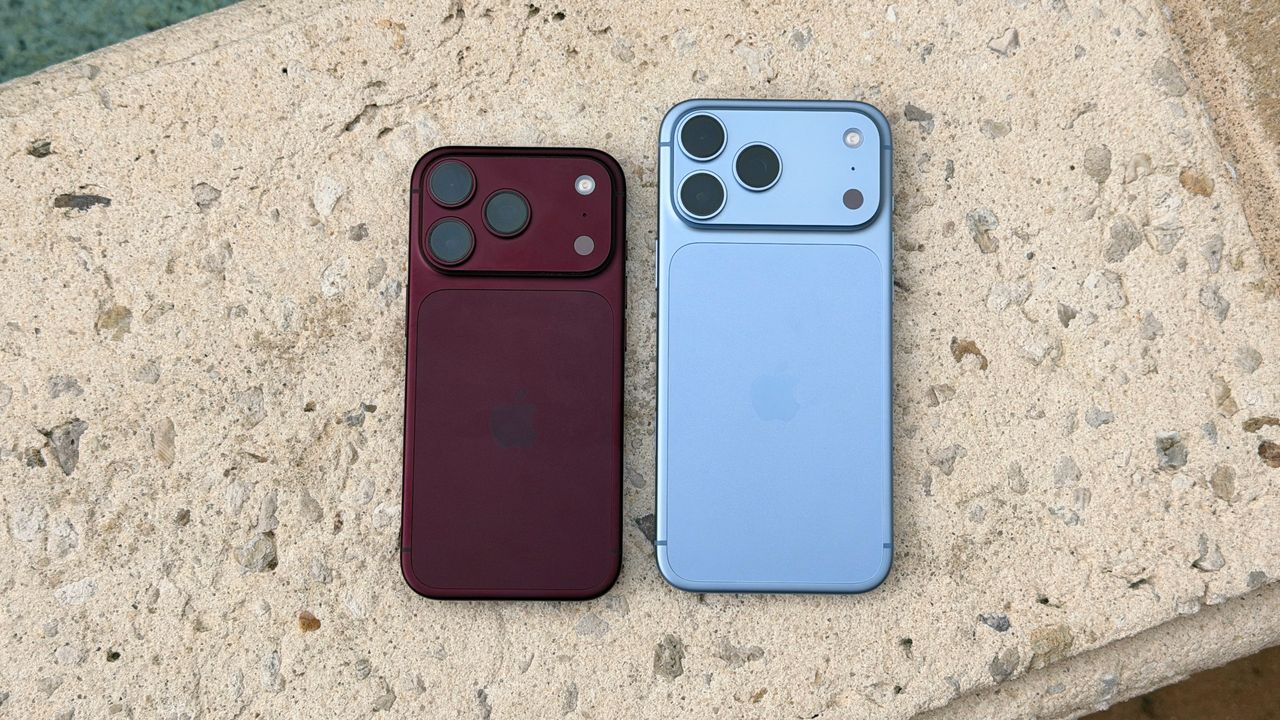
With the iPhone 17 Pro and iPhone 17 Pro Max, Apple chose to dramatically reinvent the Pro-series iPhone's design. It swapped the left-side bump that housed the main camera system for a plateau that stretches across the back, went back to aluminum, and focused heavily on durability.
Given that, the odds of a major redesign for the next-gen Pro phones were slim, and the iPhone 18 Pro and 18 Pro Max stick with a design that not only scored well in our reviews, but also won over a wider audience. I've been switching between the iPhone 17 Pro Max in Cosmic Orange and the iPhone Air for the last year.
The iPhone 18 Pro and 18 Pro Max stick with the aluminum body and camera plateau from last year's models. That might seem like a safe choice, considering that the iPhone Duo is launching alongside these candy-bar-style phones in October, but it also shows Apple pushing forward with a working design — essentially the same trajectory it took from the iPhone 16 to the iPhone 17.
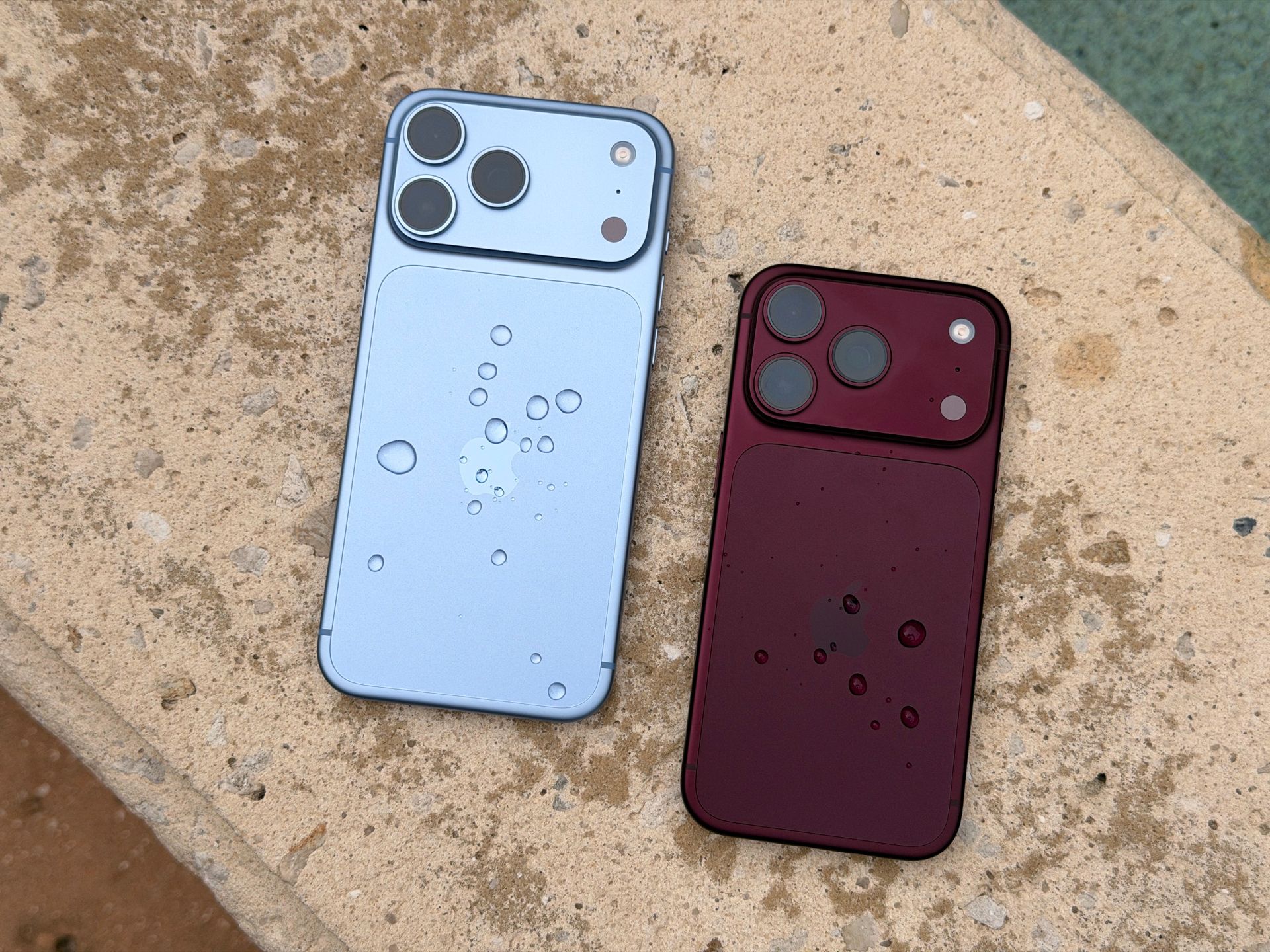
Still, to help the 18 Pro and 18 Pro Max stand out from the crowd — and just to let people know you’re rocking one of Apple’s new phones, rather than a 17 Pro or 17 Pro Max — there are two entirely new colors, and I can't decide which is my favorite, and luckily I've been testing both. Burgundy is sort of a dark-red wine color that evokes a sense of high-class sleekness, while Glacier, which the event invite teased, is a mix of blue and silver that looks decidedly fresh. These are the two colors that pop, both much more muted than Cosmic Orange, but also a bit more vibrant than the Dark Navy from 2025. Those two join silver and the first ‘true’ black Pro model. It shows that Apple is listening, and I'm all for more Pro colors.
The dimensions are the same year over year. The iPhone 18 Pro measures 150 x 71.9 x 8.75mm, while the iPhone 18 Pro Max comes in at 163.4 x 78 x 8.75mm — exactly the same footprint as their predecessors. The button placement is also identical, so if you've spent the last year with an iPhone 17 Pro or 17 Pro Max, there's nothing new to learn here: power and Camera Control are on the right, with the Action Button, and volume up and volume down on the left. Both phones are a little heavier than last year’s: the 18 Pro weighs 211 grams, up from 206 grams, while the 18 Pro Max jumps to 249 grams from 233 grams.
Even with the slight weight increase, both the 6.3-inch Pro and 6.9-inch Pro Max feel comfortable in the hand and are pretty well balanced. The Pro Max is still very much a two-handed phone for me, especially for texting, while the Pro is still the smaller, more portable option.
Then there's Ceramic Shield 2, which is sticking around. Judging by the coatings on my iPhone Air and 17 Pro Max, it's done wonders at preventing micro-abrasions and front-screen scratches, and even means that drops don’t elicit a gasp, since after a year my screens are still unblemished. In my few days testing the 18 Pro and 18 Pro Max, I haven't seen a scratch on the front or abrasions on the back, which is both aluminum and glass.
The iPhone 17 Pro Max was known for getting warm, or at least warmer to the touch, during more intense activities such as gaming or long content shoots, and Apple has looked to address that issue with some new cooling tech under the hood. There's a new thermal architecture inside, which consists of a vapor chamber, the positioning of which has been tweaked, and which offers three times the surface area to better dissipate heat. Apple has paired this with an industry-first Nanotwin copper material, which is baked into the display plate to help keep that surface cool.
For the most part, this has kept the iPhone 18 Pro and 18 Pro Max cool during my testing. They can still get warm, but nowhere near as warm as the 17 Pro or 17 Pro Max, and the heat is more spread out when it does become noticeable. I noticed it mostly heating up during longer capture sessions, especially when swapping between photo and video, but even then the heat felt more spread out and better regulated, and dissipated more quickly.
It's a subtle change, but one that matters when you're using the phone heavily. And that's really the story of the iPhone 18 Pro and 18 Pro Max design: Apple hasn't reinvented the wheel this year. Instead, it's taken the design it introduced with the iPhone 17 Pro and refined the parts that matter — durability, thermals, finishes, and how the phone feels during sustained use.
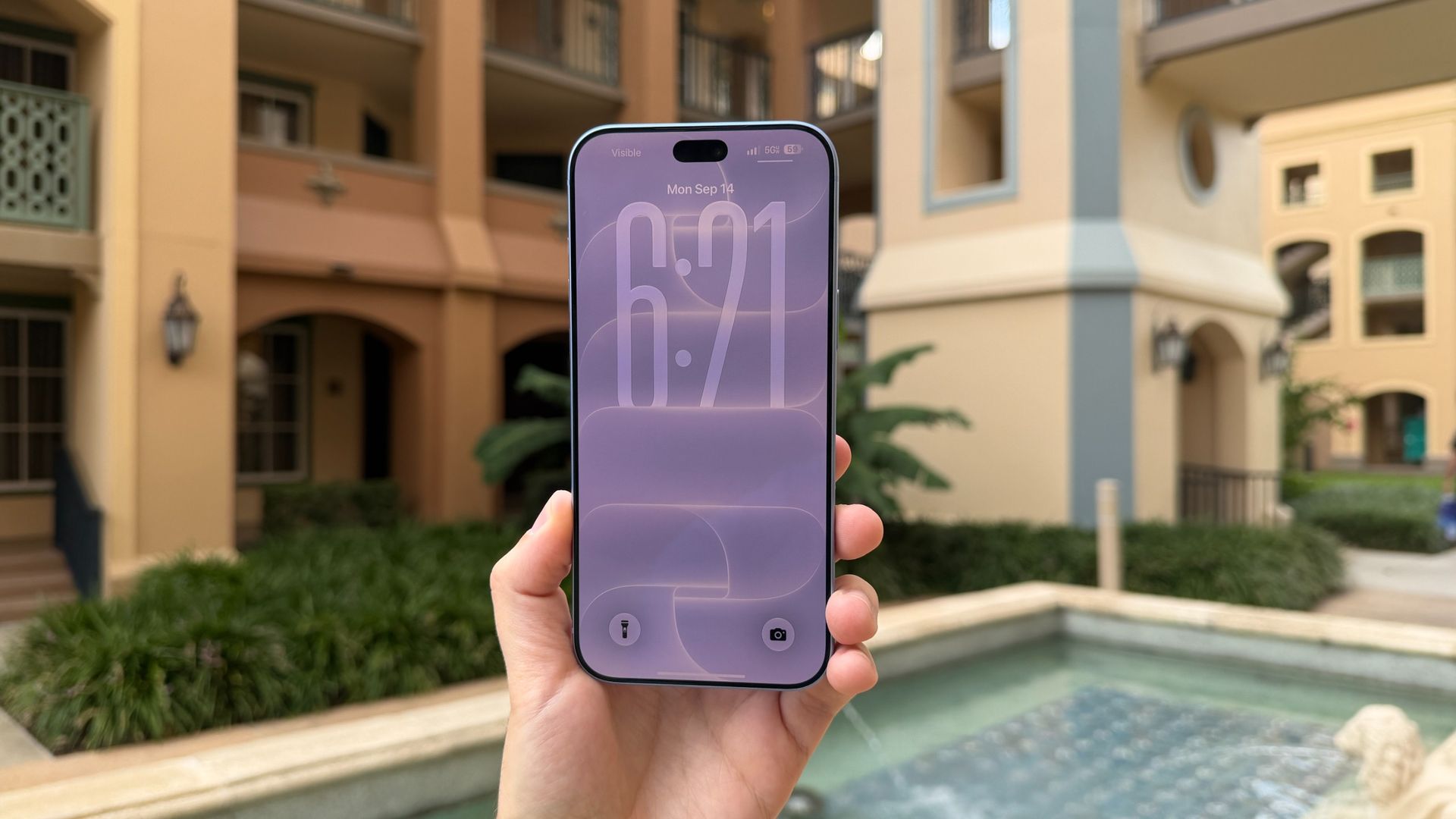
Your main decision when choosing between the 18 Pro and the 18 Pro Max comes down to size, as there’s feature parity between the two, and that’s a good thing. The iPhone 18 Pro features a 6.3-inch display, while the iPhone 18 Pro Max has a 6.9-inch display. Both are punchy, vibrant, and a joy to look at and use for any task, be it FaceTiming with friends or loved ones, typing out comms, reading an email, browsing the web, scrolling your photos, watching video, or just navigating iOS elements.
Much of that comes from the fact that these are Super Retina XDR displays, which are OLED and always-on, meaning that even when the phone is locked, the screen dims down to still show you the time, widgets, and even notifications. Like the iPhone 17 Pro and 17 Pro Max before them, the 18 Pro and 18 Pro Max have a buttery-smooth 120Hz ProMotion refresh rate and top out at a maximum brightness of 3,000 nits. It’s unlikely the phone will always run at that brightness, but suffice to say that even on a bright, humid, sunny day — and I mean it was really beating down — in Orlando, Florida, enjoying the sights, sounds, and rides of Disney World, I had no issues viewing content on the screen.
There’s also a new anti-reflective coating on the display, and while this isn’t a full Nano-texture coating like you’ll find on some of Apple’s other displays and the folding iPhone Duo, it’s a noticeable step up when it comes to reducing reflections and smudges. It’s particularly useful outdoors, where fewer reflections mean less fighting with the screen to see what’s actually on it. Compared to older iPhones, like the iPhone 16 and earlier models, this feels like a much bigger display upgrade.
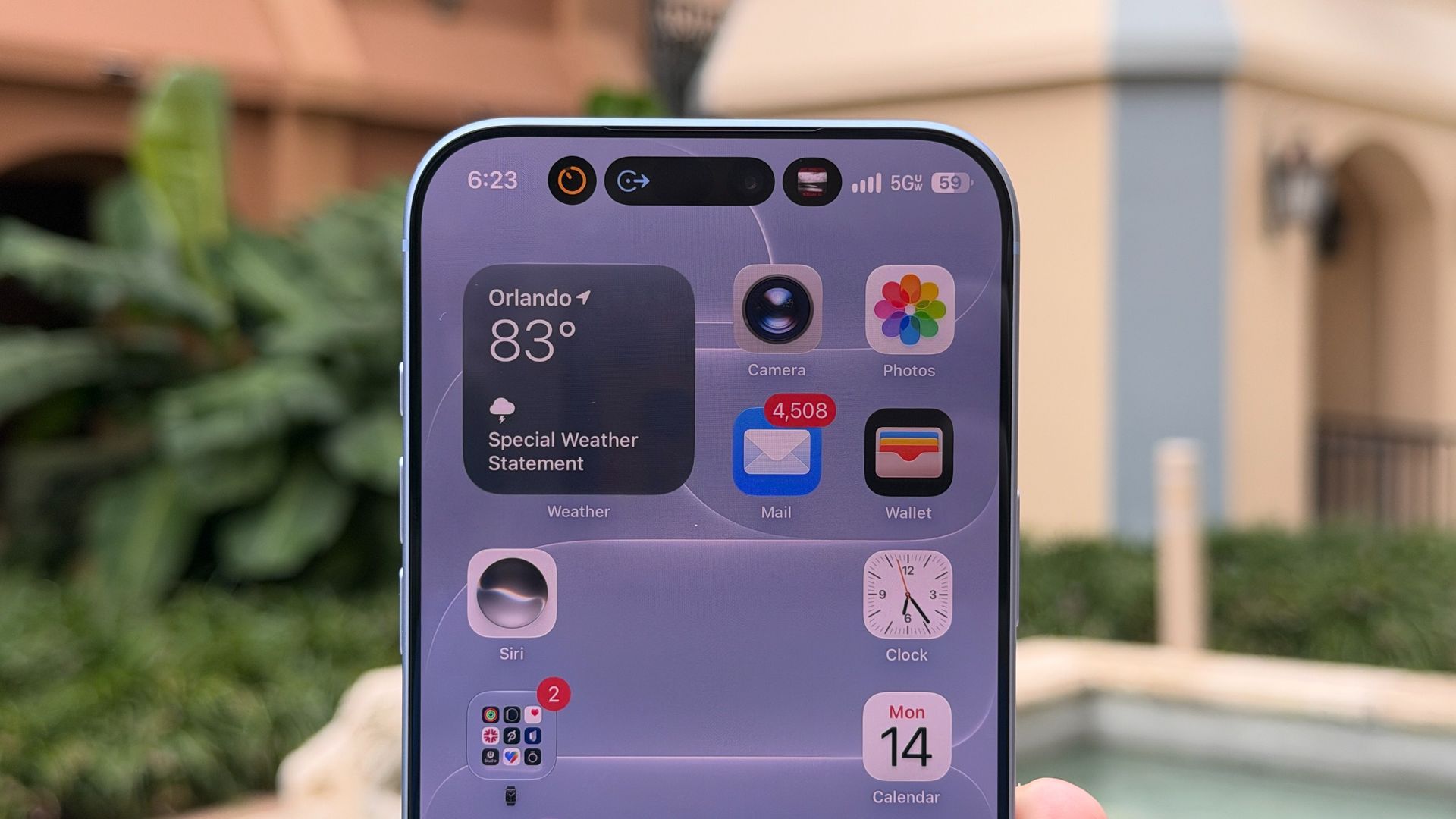
There is one thing that really did catch my eye, though, and it’s the key change with the display: Apple has shrunk the Dynamic Island down on the 18 Pro and 18 Pro Max. It’s about the size of an extra-strength Tylenol liquid gel, and much less of a distraction at the top, if you could even call it that. In addition to the reduced size, the other big change is to Live Activities — the Dynamic Island can now support three, rather than two. So maybe it’s directions, music playback, and a timer, or if you’re on a flight, maybe it’s United Airlines showing the seat number, Flighty counting down your arrival time, and music playing in Music or Spotify.
I’m not saying you need to rush out to upgrade just for this if you have a 17 Pro or 17 Pro Max — although that might be the case for the cameras or battery life — but if you’re a fan of using this space, it’s definitely a super-functional quality-of-life upgrade.
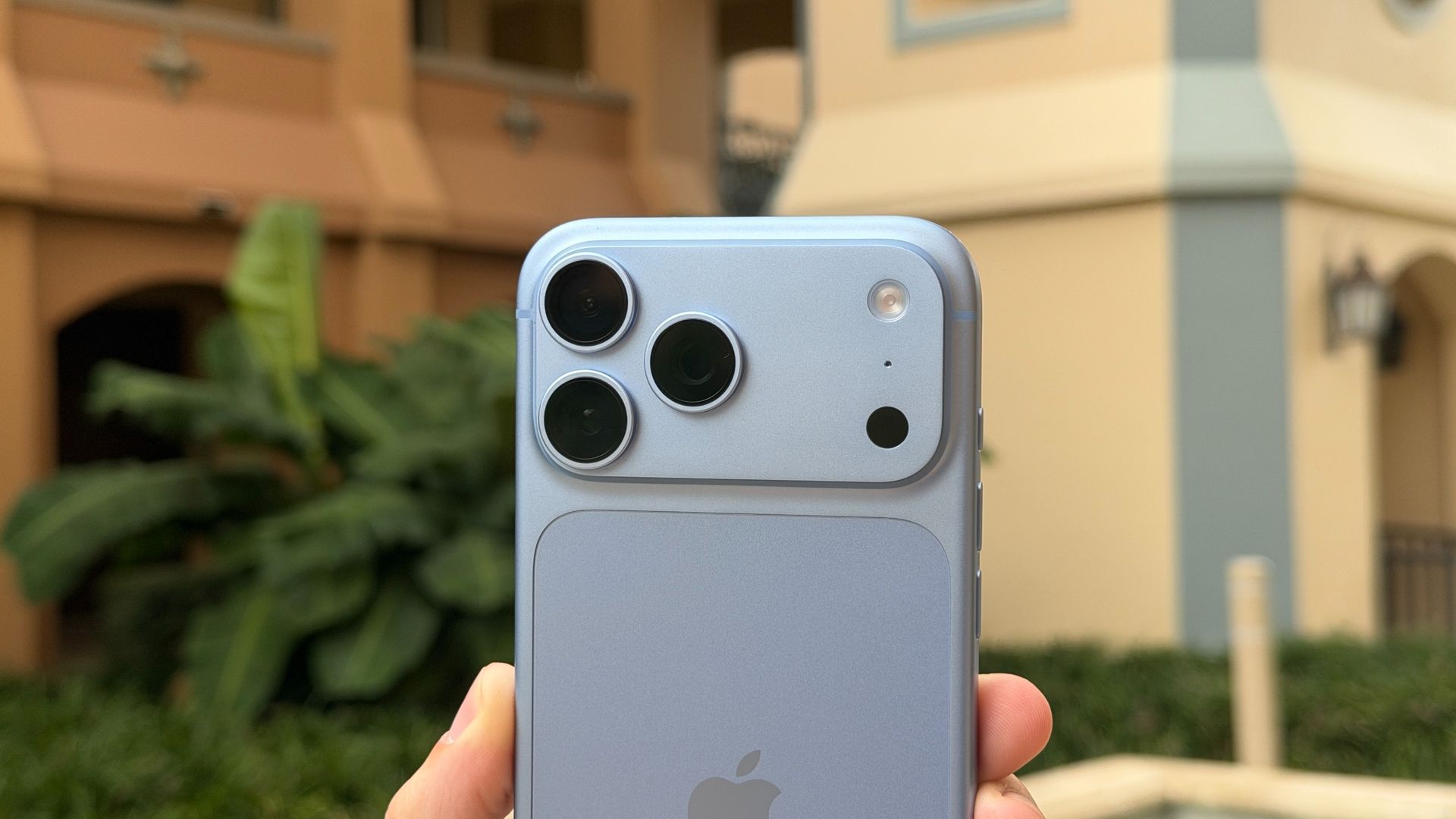
Alright, buckle in, because while the iPhone 18 Pro and 18 Pro Max still boasts 48-megapixel main, 48-megapixel ultra-wide, and a 48-megapixel telephoto camera — similar to the iPhone 17 Pro and 17 Pro Max setup — things are a bit different across the board, and especially in one specific area.
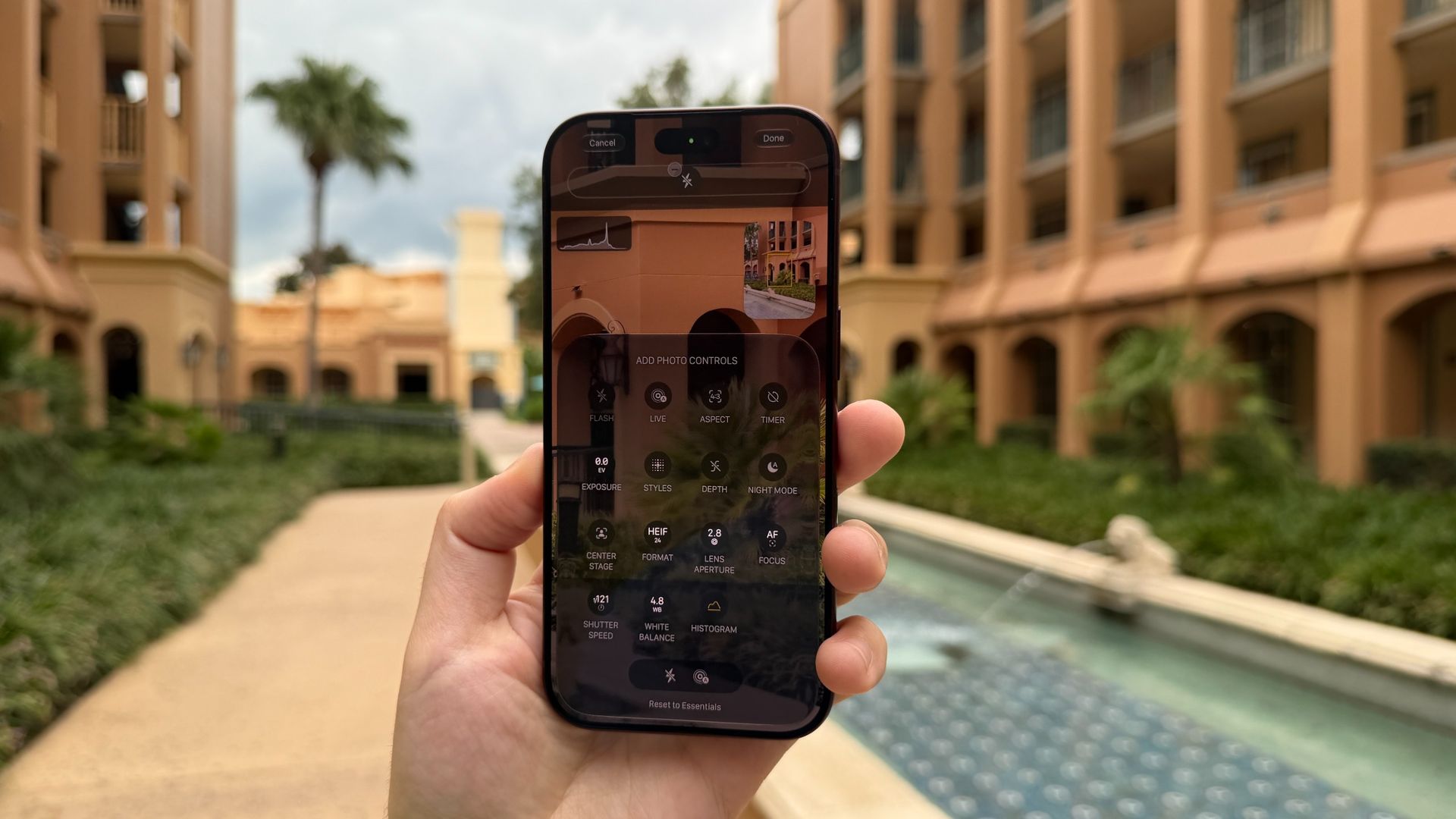
For starters, if you’ve been wanting Apple to bake more controls into the Camera app, your wish has been granted. There are now Pro controls that let you adjust the aperture, shutter speed, and white balance for the main camera, alongside a host of other tools, including improved Photographic Styles, with more granular controls, and the ability to bring up a histogram.
You can also customize which of these controls live at the top of your screen, in a similar fashion to designing your perfect home screen or Control Center. Changes to shutter speed and aperture are persistent if you have that enabled in Settings for preserving camera settings, but you can’t design exact presets with a specific aperture or shutter speed, although — hint, Apple — that would be a nice upgrade.
Photographic Styles are also getting more flexible. You can still pick from the expected presets, but Apple now gives you more granular control over things like texture, including adjustments specifically aimed at skin. Push it in the right direction, and you can get smoother, more glowy-looking portraits, though there are times when that comes at the expense of some detail, particularly in lower-light areas of the frame.
That’s where I think Apple’s approach makes sense: the default Auto processing generally aims to strike a balance between detail, exposure, color, and skin tones, so you don’t have to think about any of this. But if you want to get more creative, the tools are there — and you can still make adjustments after the fact, rather than having to nail everything before you hit the shutter button.
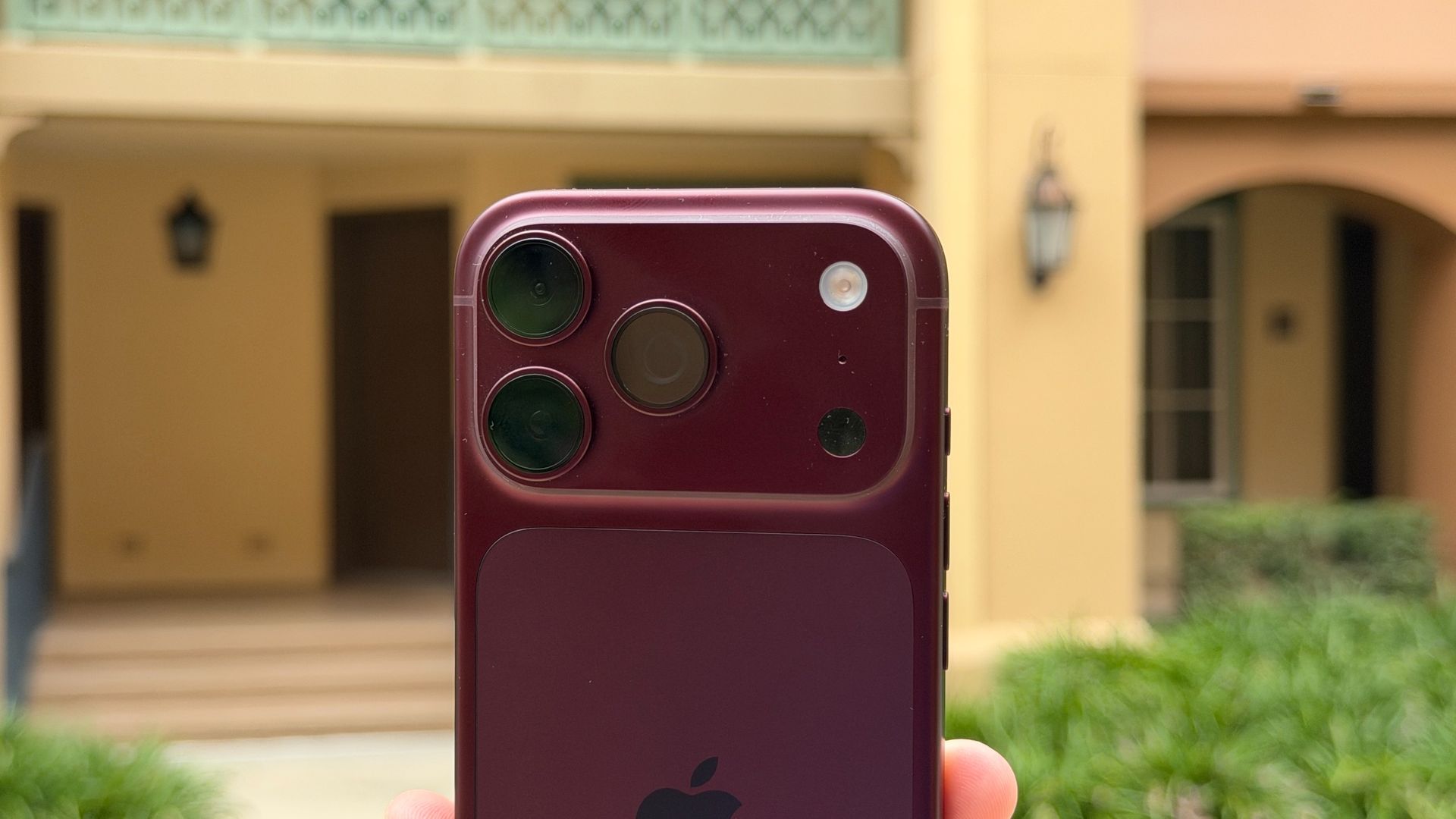
Here’s a look at the camera specs, right before the big change that has to do with the main lens:
With these, you can still shoot at 0.5x, 1x at 24mm, 28mm, or 35mm, 2x for a digital crop with optical-quality results, 4x (as a digital sensor crop), or an optical 8x, and stretch all the way up to 40x digital zoom.
The big change, though, is that the main lens — the one your iPhone is set to by default — has a variable aperture for the first time ever on an iPhone. With a fine eye, or another camera pointed at it, you can actually see the lens aperture adjusting, getting wider or narrower to let more or less light in. It also swaps the previous main aperture of ƒ/1.78 on 17 Pro and 17 Pro Max, as the 18 Pro’ now offering ƒ/1.48, ƒ/1.8, ƒ/2.8, and ƒ/4.0.
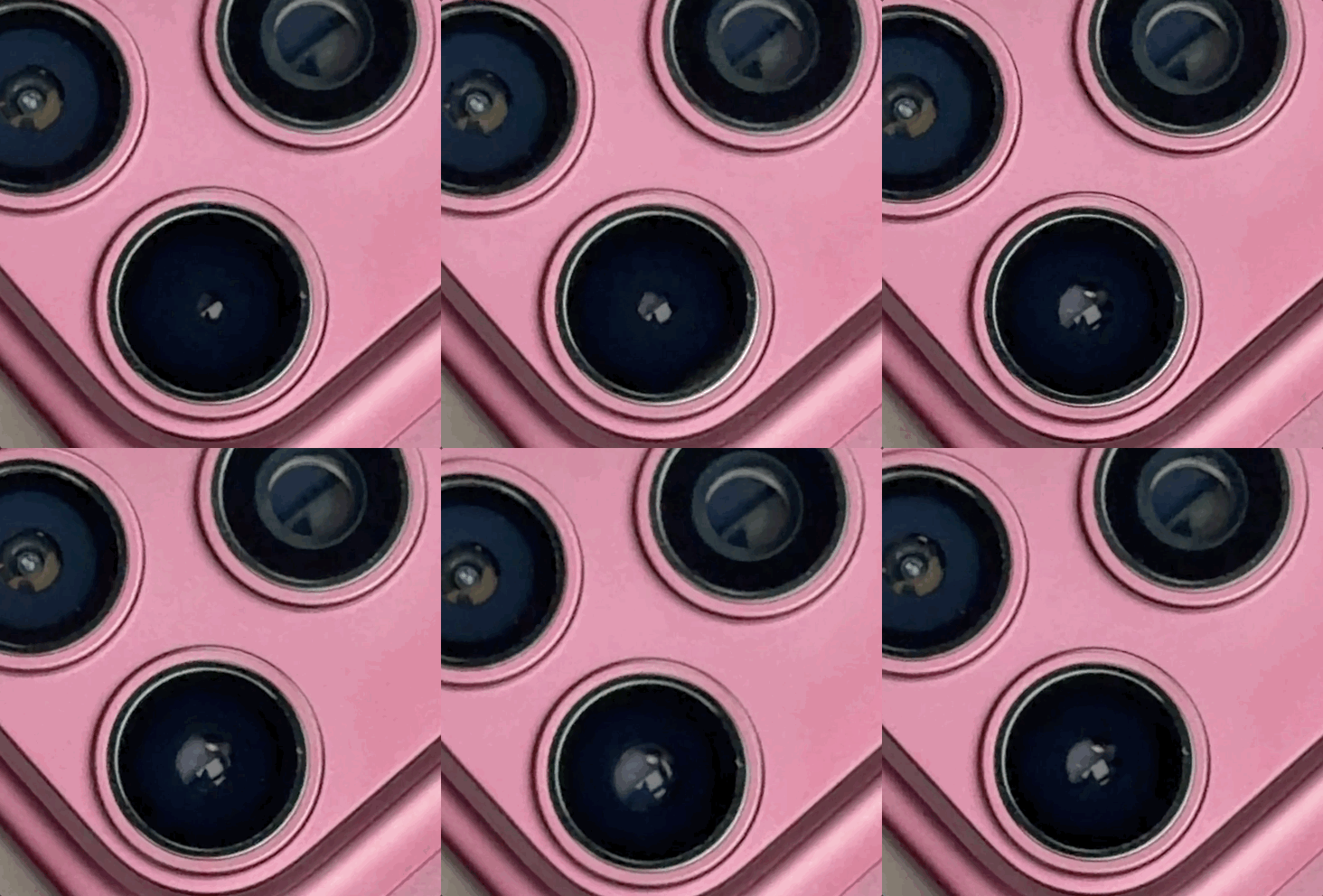
You can choose to ignore this new control, as well as the ability to adjust white balance or shutter speed, and let the iPhone and its image-processing pipeline automatically engage what it believes are the optimum settings to capture a great shot. And in my testing so far, it succeeds here, offering on-par quality with the iPhone 17 Pro or 17 Pro Max, but mostly punching above those phones with better details, more natural blurring and focus points, and excellent highlights.
The image-processing pipeline has also been updated. Performance still feels very much in line with what I’ve come to expect from an iPhone, but images are more detailed and sharper throughout, though at times they can pack a little more punch with colors thanks to some update on the image pipeline. Especially for 4x and 8x shots, I’ve found that these preserve more details generation over generation. It’s not a dramatic departure from the iPhone look, but there’s a clear refinement here in how the phone handles detail and brings a scene to life.
The 4x and 8x zoom continued to surprise me with how much detail they can deliver, namely with the former being a sensor crop and the latter being optical. Whether I’m picking out details around Disney World’s parks or zooming in on something far away, the results stay impressively detailed without looking like a processed digital crop.
The variable aperture gives the main camera more flexibility, especially when you want to control how much light comes in, or how much of a subject is separated from the background. The wider maximum aperture also helps make this excellent main camera even more versatile in lower-light scenarios, and because it’s the camera your iPhone defaults to, it’s likely the one you’ll navigate to first.
The Most Magical Place on Earth deserves the best camera on a phone on Earth, right? So I’ve done the bulk of my iPhone 18 Pro and 18 Pro Max camera testing around the Disney World parks in Orlando, and taken plenty of additional shots in New Jersey, California, and even up in the sky from the windows of planes. That means I’ve tested the cameras in just about every condition I could throw at them, from the beating Florida sun to nighttime attractions, indoor spaces, moving subjects, and everything in between.
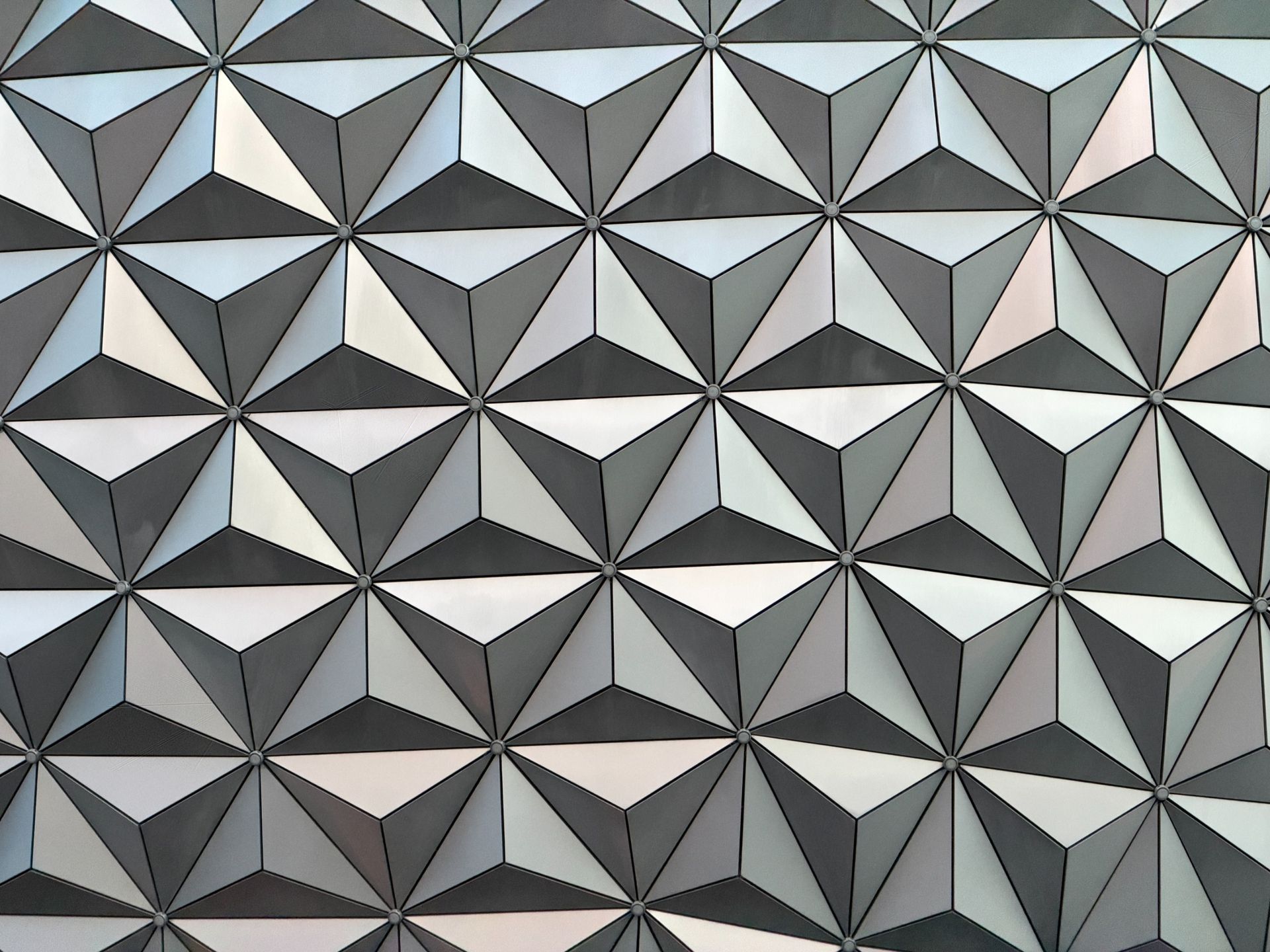
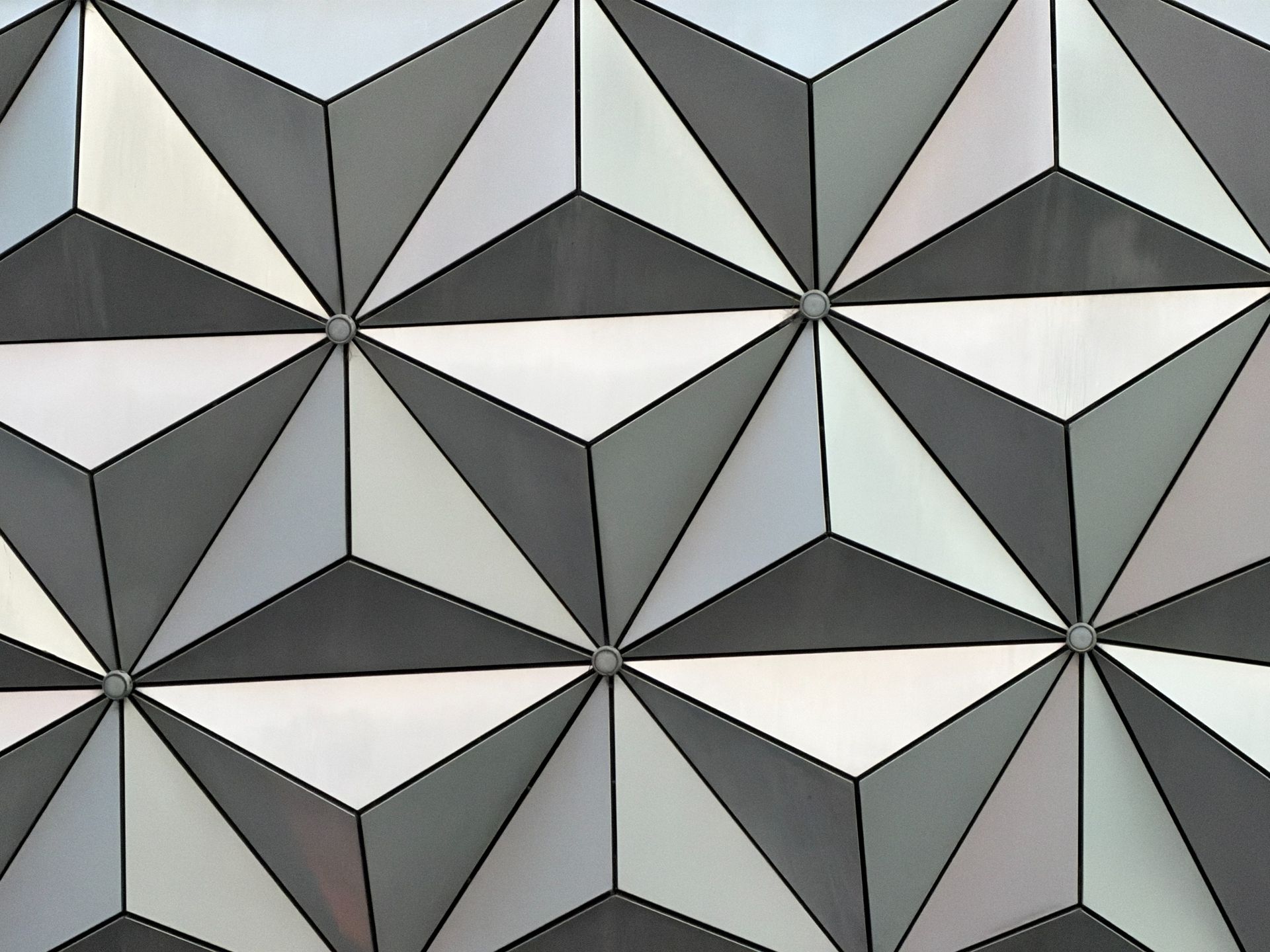




I’ve been putting the low-light performance to the test around Disney World, too, including taking plenty of shots after the sun went down. Even in Auto mode, I found the iPhone 18 Pro could deliver detail-packed, appropriately lit shots in less time, with Night mode often requiring less time to capture a shot than on previous generations. This comes down to about one to three seconds, versus five to eight seconds for processing. And that means less waiting around for the camera to finish its exposure and, more importantly, less chance of a moving subject turning into a blurry mess. You can accomplish longer exposures if the iPhone detects it’s in a tripod as well.
When I wanted more control, though, I could jump in and adjust the shutter speed and aperture when shooting at 1x or 2x zoom, letting me decide how I wanted to capture the scene, rather than leaving it entirely up to the iPhone. If you’re willing to take the time to dive into the controls, you can really customize how the iPhone captures a scene, and get much more creative with your shots.


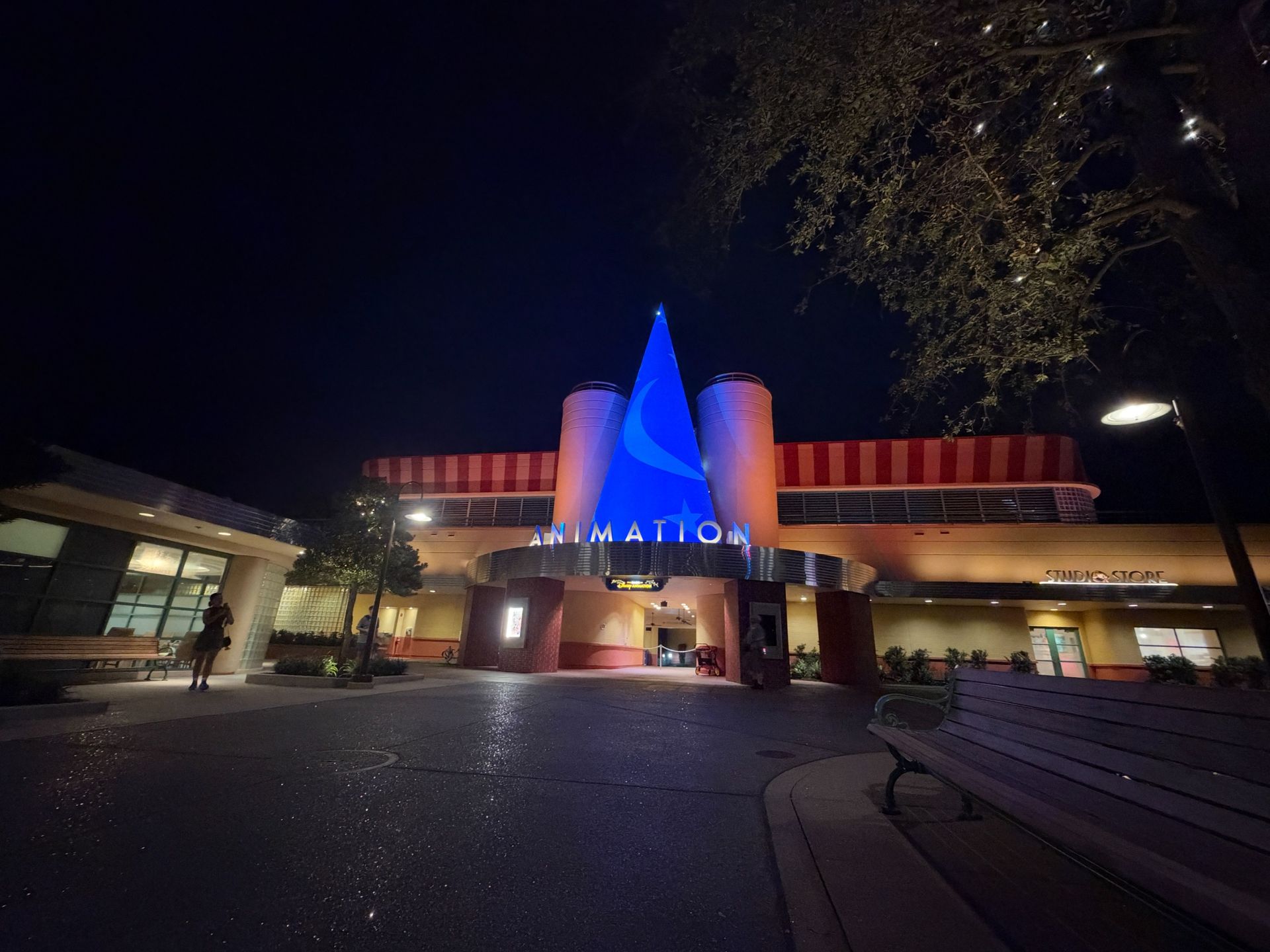
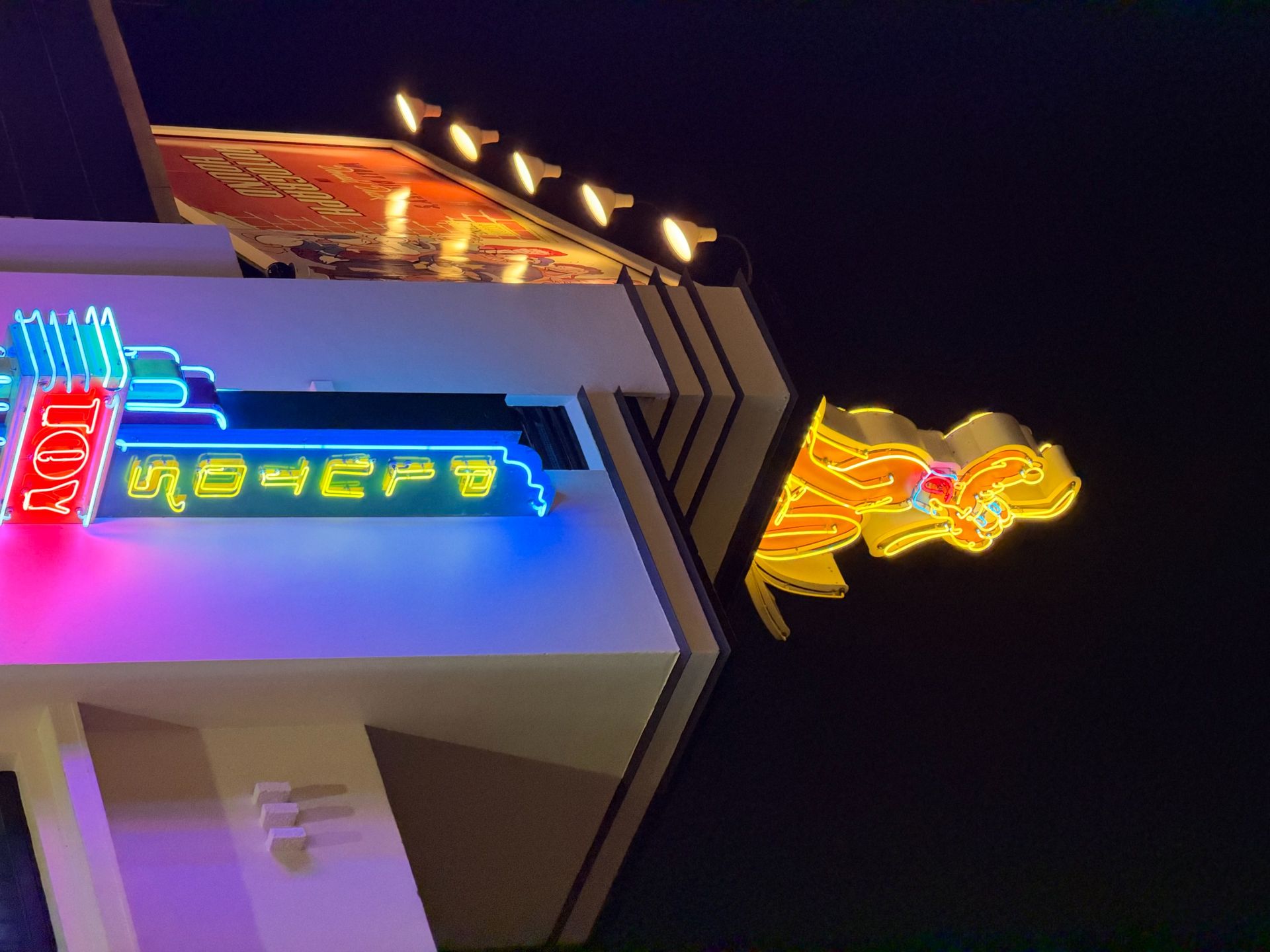
For instance, I shot the Magic of Disney Animation building at night at ƒ/1.48 and 1/30s, deliberately opening up the aperture and slowing the shutter to let in more light. The result is a detail-packed shot with rich colors and a dramatic nighttime look, as you can see above. It’s still an iPhone, so you can absolutely leave everything on Auto and get a great photo, but when you want to take more control, the tools are there to help you capture the shot you have in your mind’s eye.
The same Pro controls carry over to video, giving you more control over how you capture moving footage. There’s also a new auto-tracking feature, and I’ve found it particularly useful for fast-moving subjects.
I put it to the test at Disney World with Slinky Dog Dash, capturing the coaster as it came down the sloping track. The iPhone did a great job of keeping the front of the coaster in focus while the people blurred with the speed of the ride, and the lighting on the track moving alongside the vehicles stayed remarkably clear. The shot came out incredibly well, and it really shows what the iPhone can do with a fast-moving subject.
The 18-megapixel front-facing camera is essentially unchanged from last year, but that’s not necessarily a bad thing, as the Center Stage camera still uses that clever square sensor, letting you rotate between portrait and landscape framing without physically turning the iPhone. Better yet, it will still automatically adjust to fit more people in the shot.
The cameras are easily the most exciting part of the iPhone 18 Pro and iPhone 18 Pro Max, and as in years and generations past, it’s a big reason why folks go Pro. You get three capable shooters, and the ability to step back or step closer, depending on what you’re trying to capture. This year, Apple is giving you more control, and adding a genuinely neat upgrade to the main camera. The choice is ultimately yours: you can stick with Auto and still capture great shots, or make your mark with adjustments and shoot more intentionally.
Yes, third-party apps have offered many of these controls before, but having them baked right into the native Camera app can make a big impact, in my opinion. You don’t have to download another app or learn another interface to take advantage of them — they’re right there when you open the camera.


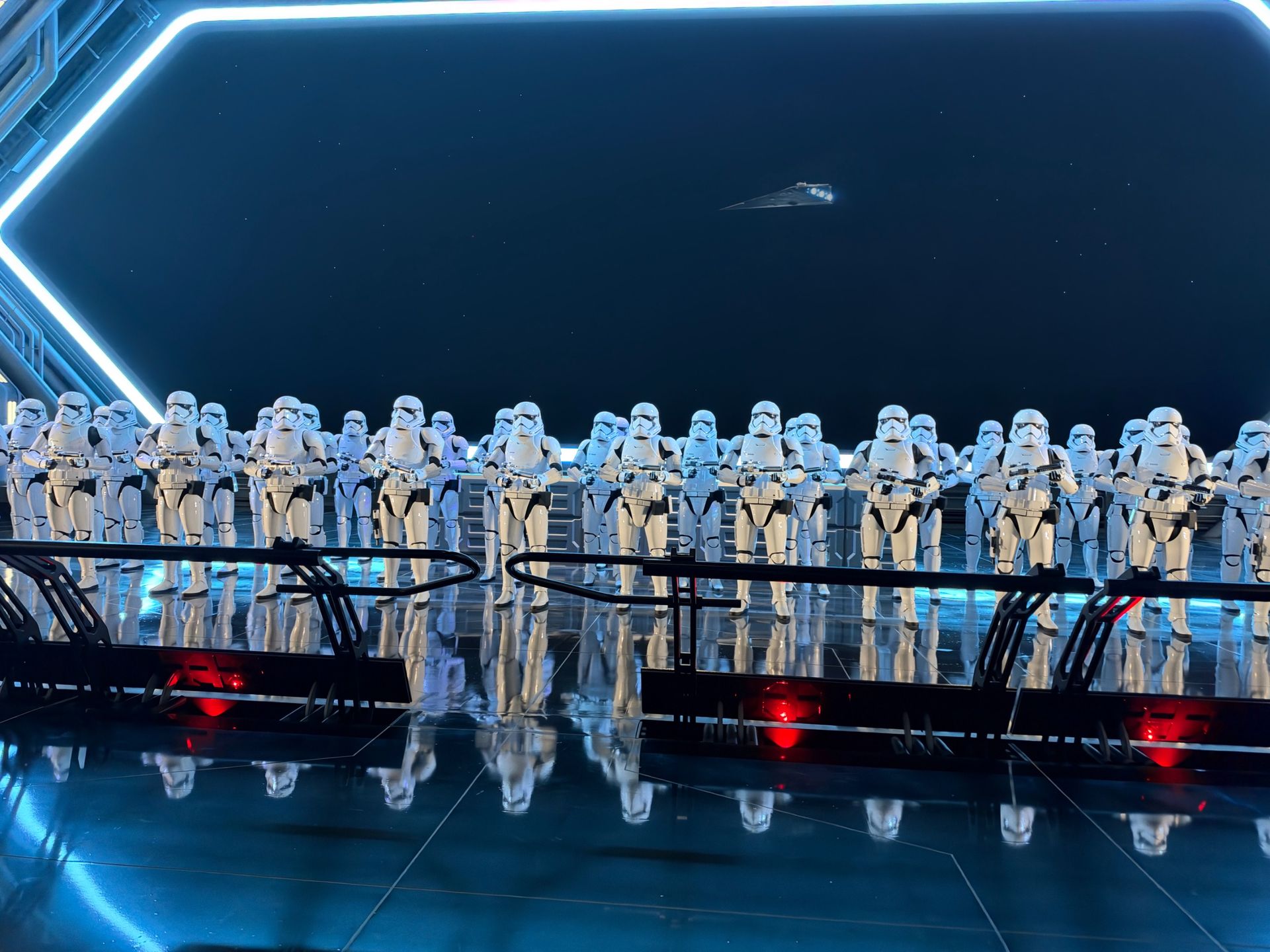















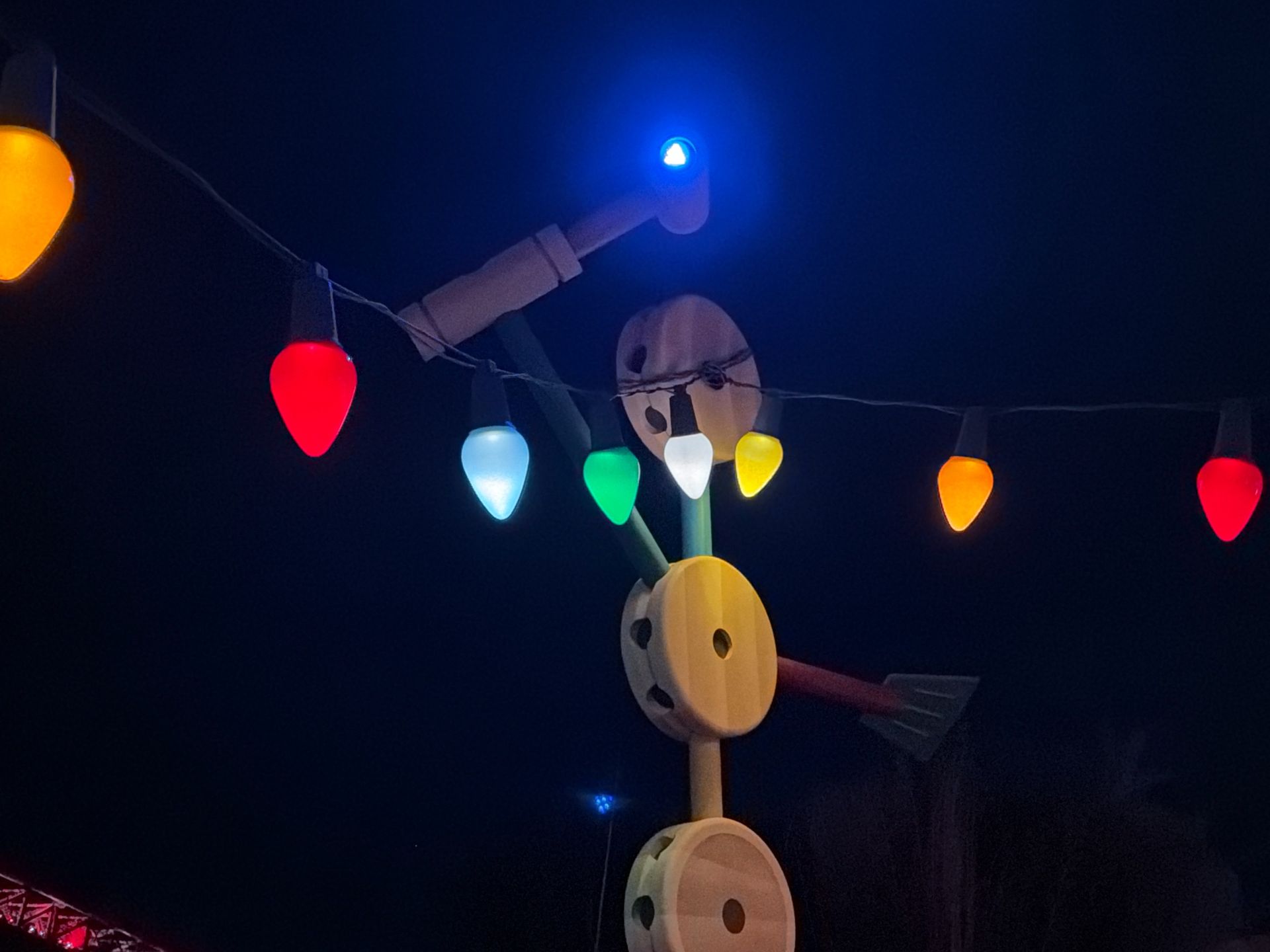
















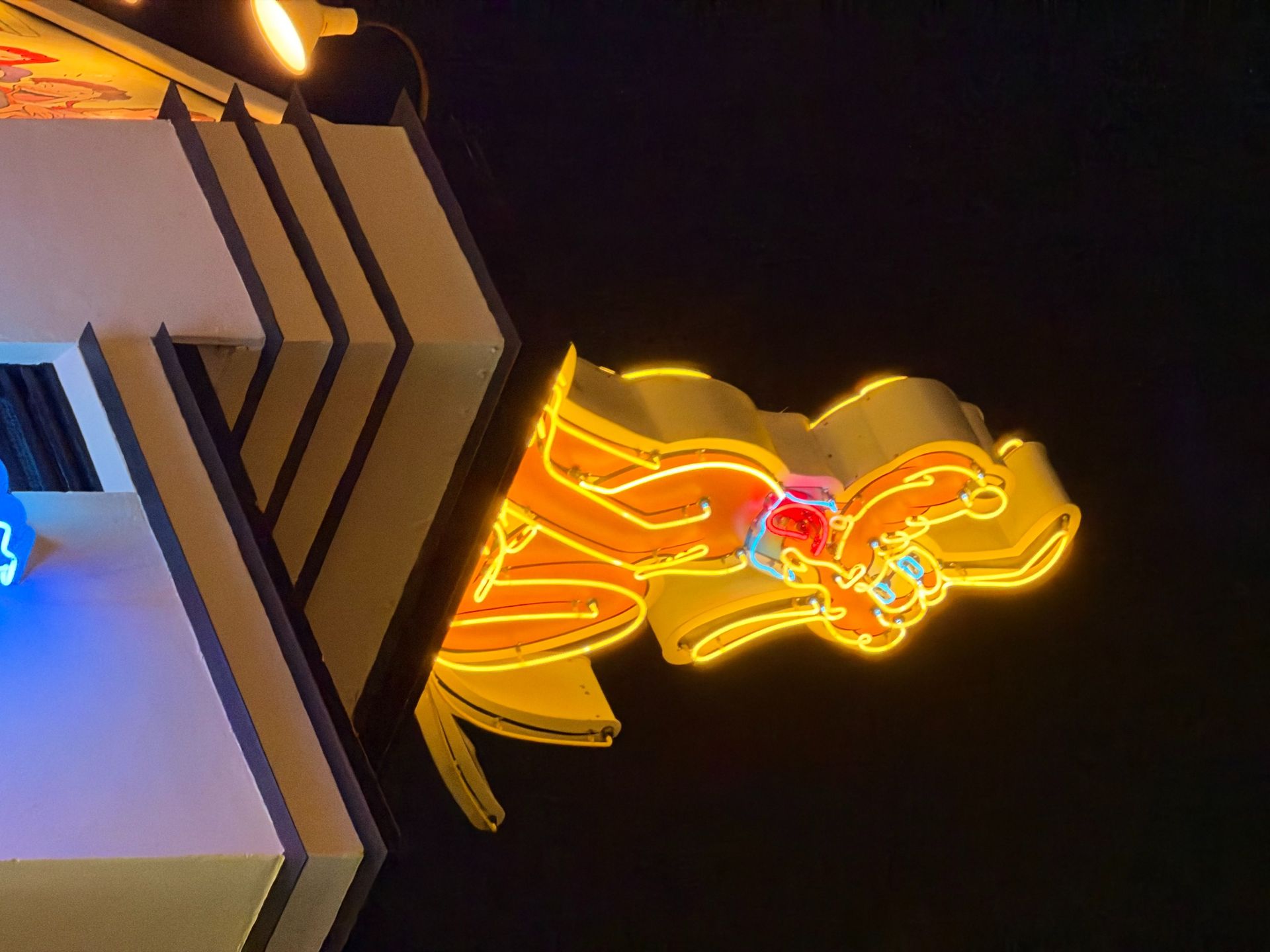



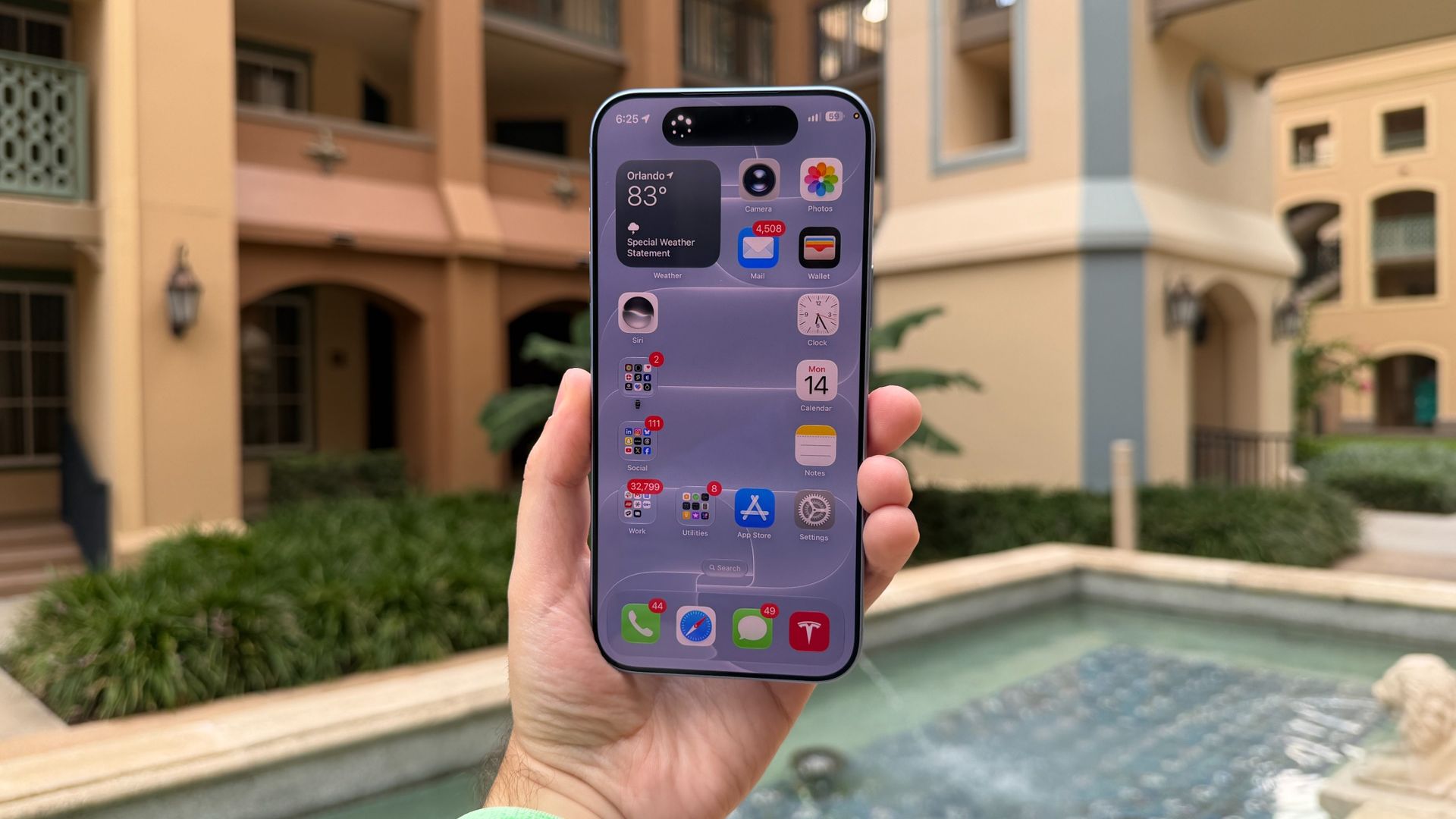
The iPhone 17 Pro and iPhone 17 Pro Max ran iOS 26 out of the box, and it's no surprise that iOS 27 is preloaded on the iPhone 18 Pro and iPhone 18 Pro Max. It runs really well here, and the A20 Pro under the hood keeps things gliding along — more on that processor below.
Much of iOS 27 is about under-the-hood changes that speed things up, which is especially helpful for older phones, along with more ways to customize the Liquid Glass interface, including adjusting how much of that glass effect you want to see.
The real story, though, is that the iPhone 18 Pro and iPhone 18 Pro Max come with the new, AI-powered Siri out of the box, in beta, in specific regions. It’s available now in the United States, though you’ll need to join a waitlist, and it arrives alongside some new Apple Intelligence features.
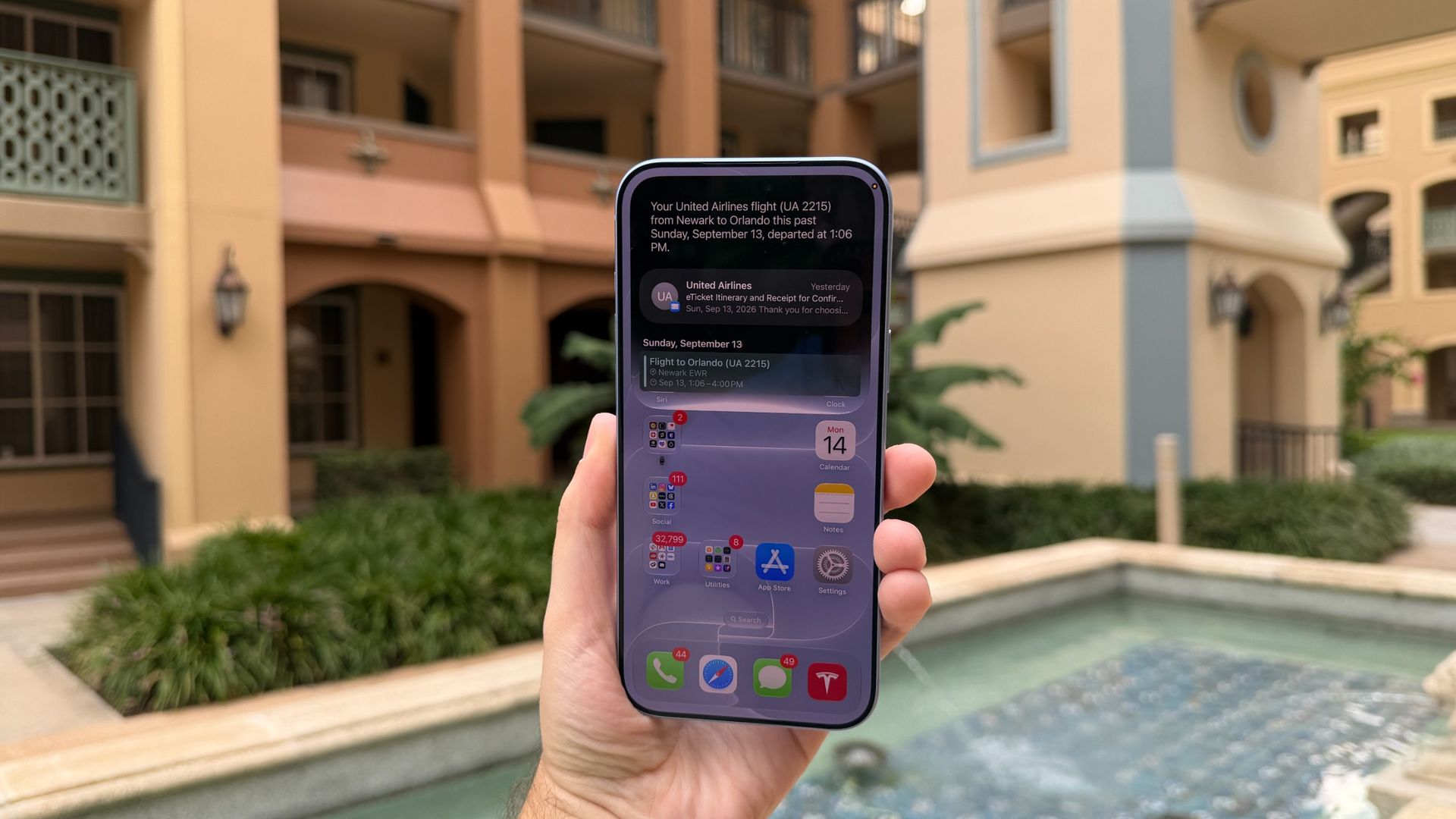
For starters, Siri AI is much faster, and shows its work as it goes, which makes the experience feel more transparent. For instance, I’ve asked for details on my last flight and watched Siri AI dive into the right app — whether that’s Calendar, Flighty, United, or even Mail — to pull up the information I’m looking for. I’ve also used it to confirm my departure time, and ask how long it might take to get to the airport. It really does work, and it feels natural, and easy to get the hang of.
That doesn’t mean it’s perfect. Siri AI diving into some apps can cause mistakes, and at times it can pull up the wrong dataset or make the wrong assumption about what I’m asking for. But given how delayed this upgrade has been, and how limited the existing Siri has felt, overall it finally feels like Apple has delivered on the promise of a more capable assistant, while still putting privacy at the center as it works with your personal data and what’s on your device.
Siri AI can even be cued to see what’s on your screen, adding another layer of usefulness. Rather than having to explain everything you’re looking at, you can let Siri understand the context of what’s in front of you and go from there. It’s one of those features that sounds small on paper, but once you start using it, it feels like the direction Siri should have been heading in all along.
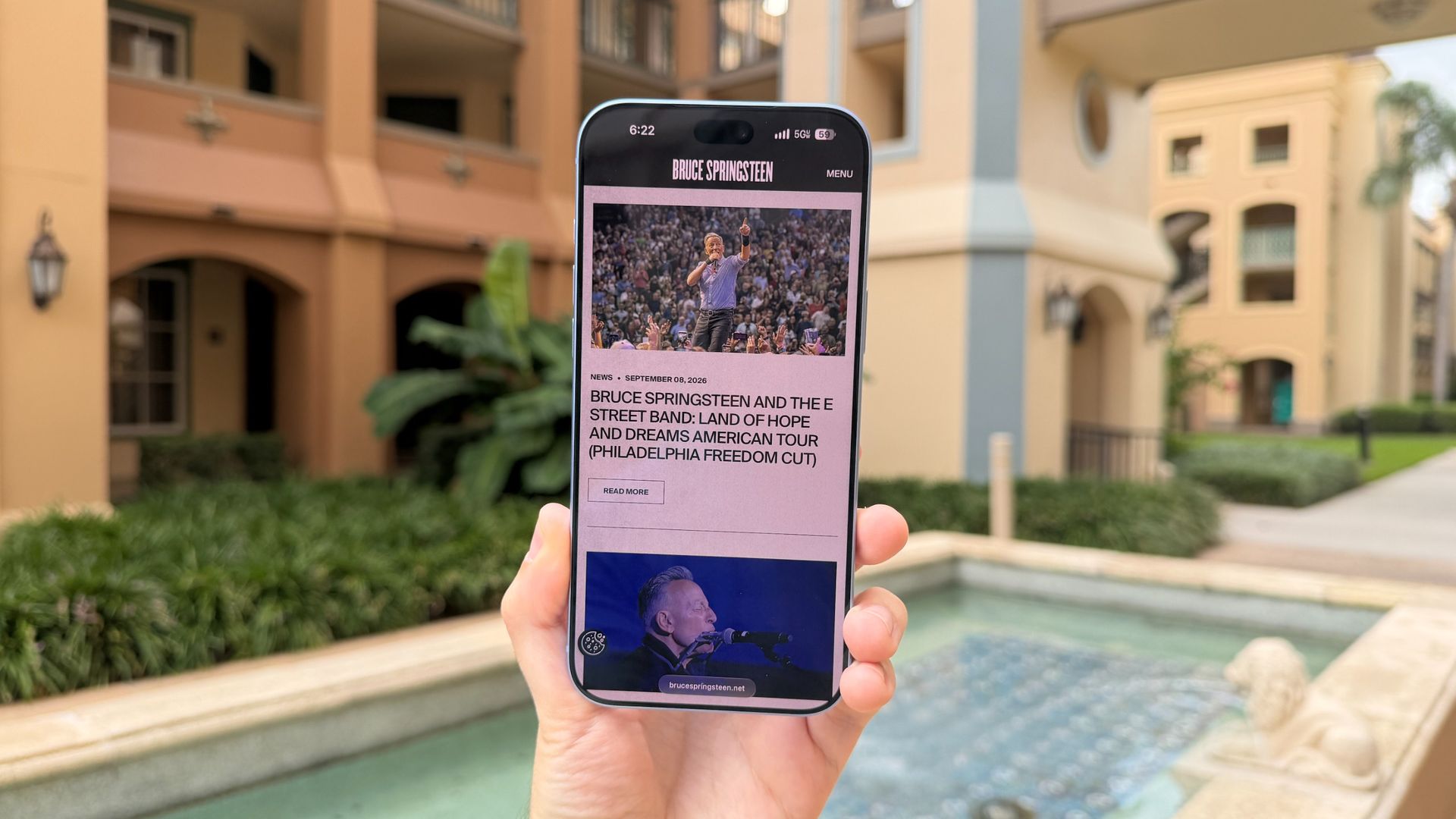
Apple Intelligence also brings a handful of other updates, including new ways to work with images, improvements to Photos and other apps, and more ways to put on-device intelligence to work. But Siri AI is easily the headline for me. After years of Siri feeling like an assistant that was increasingly behind the times, it finally feels like I’m actually talking to an AI assistant on an iPhone, rather than simply giving commands to a voice interface.
And while it’s still in beta, and there are clearly some kinks to work out, that’s an important distinction. Apple isn’t just talking about what Siri will be able to do anymore — on the iPhone 18 Pro and 18 Pro Max, I’m actually using it. It’s faster, more conversational, understands more context, and can work across the apps and information already on my phone.
For me, that makes iOS 27 feel less like a flashy annual software update, and more like the foundation for where Apple wants the iPhone to go next. The A20 Pro gives it the horsepower to keep everything moving, while Siri AI finally starts making good on the Apple Intelligence promise. And because it’s built into the iPhone, and designed around the information already on your device, it feels like a much more natural extension of how I already use my phone, rather than another AI chatbot I need to remember to open.
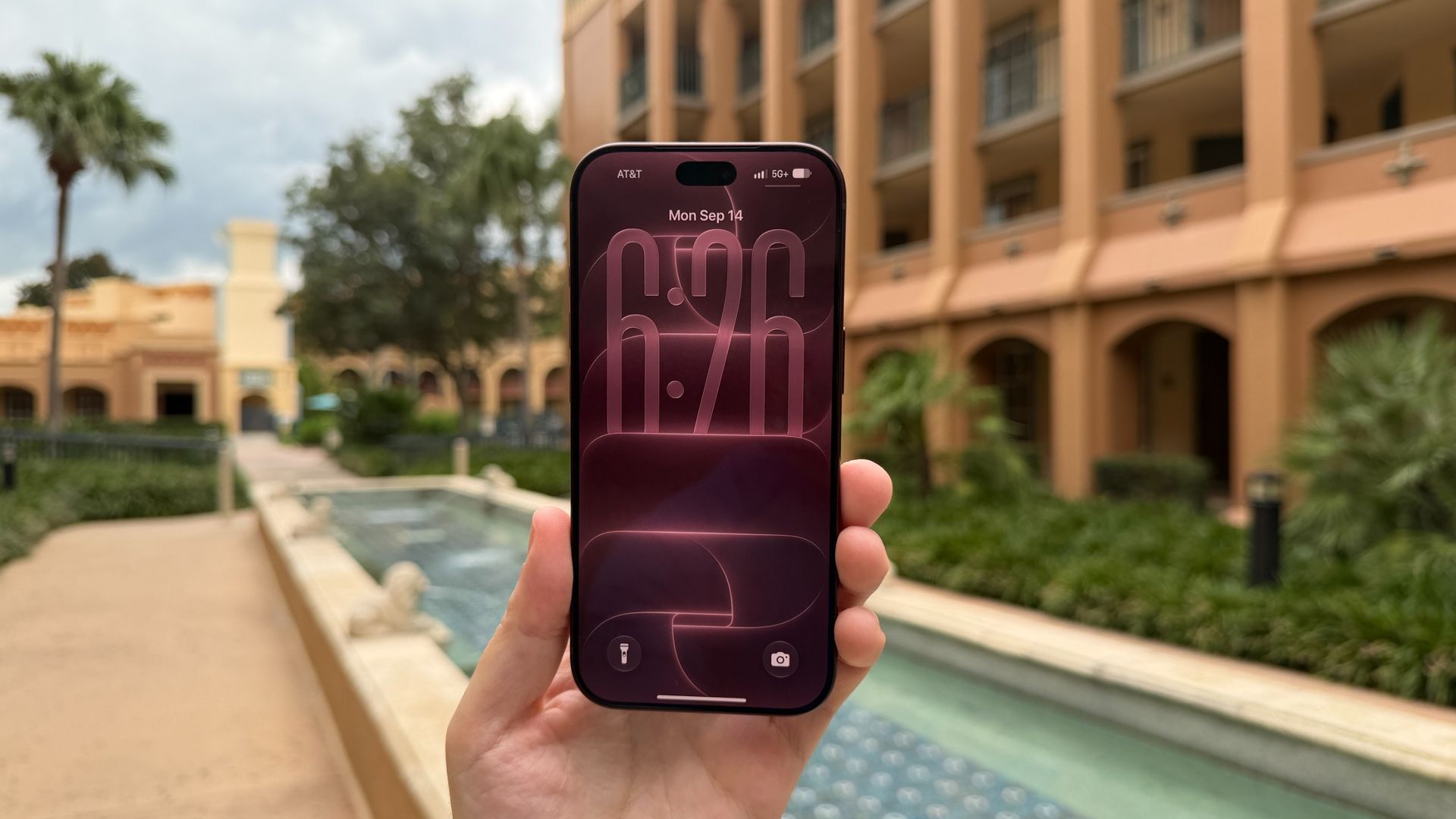
It might be no surprise, but the A20 Pro chip inside the iPhone 18 Pro and iPhone 18 Pro Max is, as Apple claims, the fastest chip it’s put in an iPhone. And it’s actually more similar to an M-Series-powered SoC that Apple might opt for in a Mac than previous A-series chips.
With the A20 Pro, the SoC actually sits next to the DRAM, rather than having the memory stacked on top, as it has been in previous generations. It’s also built on a 2-nanometer process, just like the M6.
Inside the iPhone 18 Pro and iPhone 18 Pro Max, the A20 Pro is broken up into a 6-core CPU — two performance cores and four efficiency cores — a 7-core GPU, and a dual 16-core Neural Engine.
What does all of that mean for real-world use? Well, pretty much what you’d expect from a new Pro iPhone: everything is fast. Apps open quickly, jumping between them is fluid, games run smoothly, and even more demanding tasks don’t really give the A20 Pro much pause.
Take video exports, for example. I’ve been exporting 4K videos with graphics, text, and transitions in both Edits and CapCut, and the iPhone 18 Pro and 18 Pro Max handle them quickly. It’s the kind of task where you can really feel the combination of the new chip and all that processing power, especially when you’re working with more complicated edits.
Gaming is another area where the A20 Pro flexes a bit. Real Flight Simulator runs smoothly, with environments rendering quickly as I’m flying around. The same goes for Wuthering Waves and Genshin Impact, both of which seemingly put a pretty serious load on the phones, which they seemingly handle without issue.
Multitasking has also been a non-issue. I’ve had plenty of apps open, jumped into FaceTime while playing a game, and bounced between multiple text conversations without the iPhone 18 Pro or 18 Pro Max missing a beat. That’s probably the less exciting side of performance, but it’s also where you notice the power of the A20 Pro day-to-day — you don’t really have to think about what’s running in the background.
Photo Clean Up is a bit faster than it was on the iPhone 17 Pro, for example, so removing an unwanted object or person from a shot takes less time. It’s not a massive difference, but when you use these tools frequently, those little speed improvements add up.
Additionally, the iPhone 18 Pro and 18 Pro Max handle heat better, so sustained performance doesn’t come with the same uncomfortable warmth I experienced with the 17 Pro generation. The heat isn’t magically gone, but it’s distributed better, rather than sitting in one spot on the back, and dissipates faster.
It’s worth keeping some perspective here, though. The A20 Pro isn’t night-and-day faster than the A19 Pro in the iPhone 17 Pro or the chip in the iPhone Air, and you’ll likely only see more meaningful gains over something like the iPhone 16 Pro in specific scenarios. That’s not really the point.
The A20 Pro gives the iPhone more headroom for the future, especially as we run more and more AI-powered tasks on our phones, and, increasingly, other Apple devices. After spending this much time with it, the A20 Pro gives me no pause about getting several years of strong performance out of the iPhone 18 Pro or 18 Pro Max.
If you’re coming from an iPhone 15 or older, though, that’s where I think you’ll really notice the difference. You’re not just getting a faster chip; you’re getting a phone with considerably more processing headroom for demanding games, video editing, Apple Intelligence, and whatever Apple adds over the next few years.
Additionally, the iPhone 18 Pro and iPhone 18 Pro Max will both feature the new Apple-made C2 modem globally. On my Burgundy iPhone 18 Pro connected to AT&T's network, I scored over 900MBps down in a jam-packed park, but the story is a little different with the 18 Pro Max in the US. The larger Pro iPhone in the States opts for a Qualcomm modem, but I didn't notice much of an issue with performance. I was connected to the Visible network and averaged about 350MBps to 500MBps down while in the parks and around New Jersey.
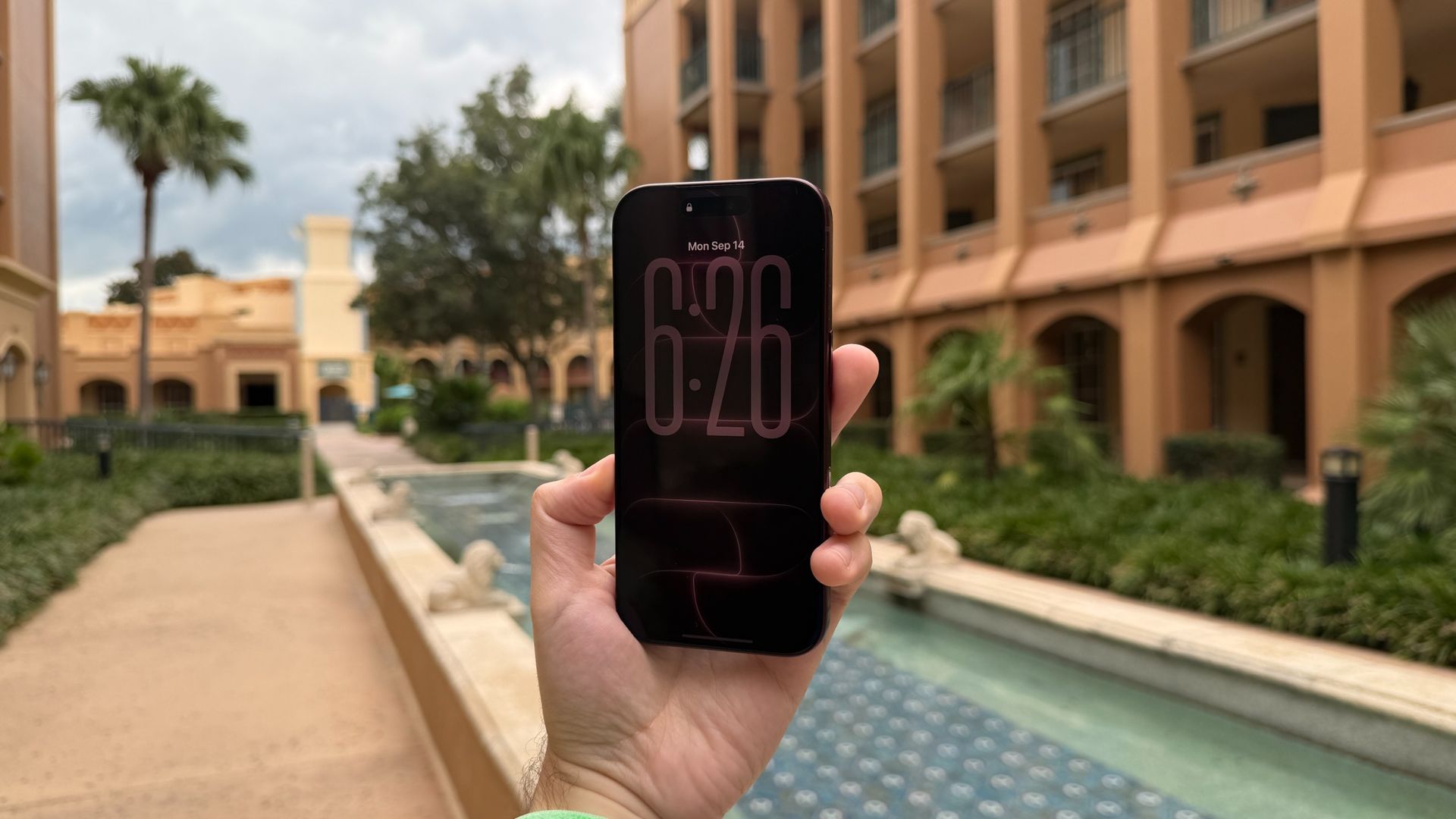
Alongside variable aperture on the main camera and the faster A20 Pro inside, Apple is making big promises about battery life with its latest Pro iPhones. In fact, the Cupertino giant notes that the iPhone 18 Pro will last longer than the iPhone 17 Pro Max, while the iPhone 18 Pro Max offers the longest battery life ever in an iPhone.
More specifically, it’s up to 36 hours of video playback on the iPhone 18 Pro, and up to 45 hours on the iPhone 18 Pro Max. These figures are based on Apple’s video-playback testing, and real-world battery life will vary depending on what you’re doing. Also keep in mind that these devices will need some time to index and get their bearings.
I’ll likely need to come back to this section in the coming weeks as indexing concludes, and I’m not shooting hundreds of photos and many minutes of video a day — after all, this is a review period. But with both the iPhone 18 Pro and iPhone 18 Pro Max, I’ve averaged around 30 hours of use before needing to plug in, and that stretches a bit further with the Max.
Even on an endurance day in the Florida heat, with hundreds of photos captured and nearly an hour of video recorded, the iPhone 18 Pro Max lasted an impressive amount of time before I needed a pit stop back at the hotel to recharge. It can drain quickly with heavy use, especially when you’re doing a lot of content capture, but in my testing thus far, both phones have been impressive.
In Future Labs' battery test, the iPhone 18 Pro lasted 16 hours and 17 minutes, while the iPhone 18 Pro Max ran for 18 hours and 27 minutes. That’s a good chunk less than Apple’s own video-playback figures, but my daily usage does stretch a bit closer to its claims.
On my last day of testing, I took the iPhone 18 Pro Max off the charger at 6AM and it hit 80% right before 11AM. With lots of app usage and some capture, it dropped to around 40% around 6PM with heavier use, but on average I got about 30 hours of use.
Apple also has improved fast wired charging, letting you hit 50% in just 15 minutes. I achieved that with both phones using Apple’s own Dynamic 40W charger, as well as a smaller Anker 45W Nano Cube. That means even if you do drain the battery, you don’t have to spend long tethered to an outlet before you’re back in business.
Attributes | Notes | Rating |
|---|---|---|
Value | Even with the $100 / £100 / AU$100 price increase, both Pro models deliver enough meaningful upgrades to justify the premium. | 4 / 5 |
Design | A similar design that's now refined with better thermals and two fantastic new colors. | 5 / 5 |
Display | The Super Retina XDR OLEDs are still punchy, sharp, and smooth with ProMotion and Always-On functionality, and with a smaller Dynamic Island. | 5 / 5 |
Software | Siri AI finally feels like the smarter, more capable assistant Apple promised, and iOS 27 is plenty smooth. | 5 / 5 |
Camera | Apple finally gives you serious camera controls on the iPhone 18 Pro and 18 Pro Max, plus a genuinely useful variable aperture for the main lens. | 5 / 5 |
Performance | The A20 Pro is incredibly fast, efficient, and ready for whatever comes next. | 5 / 5 |
Battery | Outstanding endurance, with the Pro Max delivering the longest battery life on an iPhone. | 5 / 5 |
You want the best cameras
The iPhone 18 Pro and 18 Pro Max take their three 48MP cameras to the next level, adding a variable aperture to the main camera and Pro controls across the board.
You have an iPhone 17 Pro
The iPhone 18 Pro and 18 Pro Max refine last year’s formula rather than reinvent it, so the upgrade is less substantial, especially if you're not interested in the changes.
Samsung Galaxy S26 Ultra
If you're alright with Android and want an excellent mix of performance and hardware, plus far-reaching zoom that can rival the iPhone, Samsung's latest and greatest candybar smartphone is worth a look.
Read our full Samsung Galaxy S26 Ultra review
Apple iPhone Duo
It won't arrive until October, but if you're after a design revolution from Apple, the iPhone Duo will likely fit the bill as Cupertino's first foldable phone. It offers the same excellent performance as the 18 Pro, plus an extra screen.
Read our hands-on preview of the iPhone Duo
I’ve covered iPhones since the iPhone 8 generation, and the iPhone 3GS was my first personal iPhone. For this review, I spent a week with the iPhone 18 Pro in Burgundy and the iPhone 18 Pro Max in Glacier.
☑️ 100s of smartphones reviewed
☑️ 15 years of product testing
☑️ Over 16,000 products reviewed in total
☑️ Nearly 200,000 hours testing tech
I used both as daily drivers, covering everything from calls and streaming to gaming, work apps, photography, and video. I also ran performance benchmarks, tested multitasking and demanding workloads, and tracked battery drain across different usage scenarios alongside a standardized battery test.
For the cameras, I captured hundreds of photos and dozens of videos across Disney World — including Magic Kingdom, EPCOT, Hollywood Studios, and the resorts — as well as New Jersey, California, and from airplane windows. I tested every rear camera, multiple focal lengths, variable aperture, Pro controls, Night mode, Portrait mode, and video, along with the 18MP Center Stage camera.
I also compared the 18 Pro and 18 Pro Max with the previous-generation Pro models, the iPhone 17, iPhone Air, and other smartphones including the Pixel 11 and Pixel 11 Pro.
First reviewed September 2026.
A Nintendo abriu as portas para os RPGs táticos no Switch 2 com Fire Emblem: Fortune’s Weave e já traz uma grande questão: como justificar o lançamento exclusivo no console híbrido recente, já que o formato e mecânicas sempre couberam muito bem no seu antecessor?
Para responder a essa questão, o time da Big N investiu em um crescimento exponencial de sua premissa — o que traz não apenas a maior obra da franquia, mas também uma das mais completas de todo o gênero. Como um acerto crítico, ele mostra que veio para surpreender.
Ainda que limitado em sua natureza principal, tudo o que ele pode fazer a mais é tentado. Inclusão de um mapa gigantesco, batalhas em turnos e uma exploração maior esperam por aqueles que vão mergulhar nesta aventura a partir desta quinta-feira (17).
Com um peso colossal para todo o estilo, Fire Emblem: Fortune’s Weave tem tudo para moldar a próxima geração de RPGs táticos — não apenas no Switch 2, mas nas demais plataformas que também possuem poder de fogo para aplicar suas novidades.
O que torna um RPG tático interessante: estratégias diferentes, múltiplos personagens para compor sua equipe, uma história que envolve e um conjunto de armas para vencer seus desafios. Alguns incluiriam o grinding aqui, o design ali, mas a fórmula já estaria mais do que completa apenas com isso.

Em Fire Emblem: Fortune’s Weave, tudo isso é elevado à enésima potência. Você tem o básico que, diga-se de passagem, é muito bem produzido — como os padrões da Big N garantem. Contudo, a quantidade de opções que ele apresenta é monstruosa.
Você pode explorar toda a cidade de Dagsion, repleta de bairros, lojas, atividades e heróis para recrutar. Ao sair dali, você pode explorar o mapa e encontrar inimigos surpreendentes, áreas misteriosas e locais que farão toda a diferença na aventura.
Não apenas isso, também será possível ter outro estilo de gameplay. Em calabouços espalhados pelo território, você pode explorá-los livremente, enfrentar inimigos como um RPG de turnos e descobrir itens perdidos.
“Você ainda terá caminhos diferentes para cada personagem, o que torna cada experiência única e não o ‘mais do mesmo’ que vemos dos replays”, Diego Corumba
Somado ao fato de o calendário estar ainda mais completo, com atividades semanais “recarregáveis”, um sistema de fama que te posicionará de forma ampla em relação aos demais e poderes especiais que podem ser usados em batalha deixam a ação mais eletrizante.
Não é à toa que Fire Emblem: Fortune’s Weave pode ser chamado de o “melhor RPG tático de todos os tempos”. Ele traz vários elementos que a franquia já acertava antes, enquanto almeja um patamar superior dentro do estilo. Ele está para o gênero como Elden Ring (2022) esteve para os soulslikes e The Legend of Zelda: Breath of the Wild (2017) estava para os jogos de aventura.

Se não bastasse inovar com recursos, o game abre um precedente que impulsiona ainda mais a história. Nela temos cinco heróis: Leda, Theodora, Cai, Dietrich e o personagem que você criará de forma personalizável.
O que mais me surpreendeu é que você tem abordagens, personagens e eventos diferentes para cada um deles. Não são coisas “bobas”, mas sim que mostra por completo uma nova visão sobre toda a jornada.
Mais do que complementares, eles vivem de uma forma única, exploram lugares diferentes do mundo, carregam mecânicas próprias e enriquecem o conteúdo. Sabe Pokémon, que traz duas versões do mesmo roteiro? Aqui temos cinco que se carregam jornadas distintas e todas são oferecidas em uma experiência só.
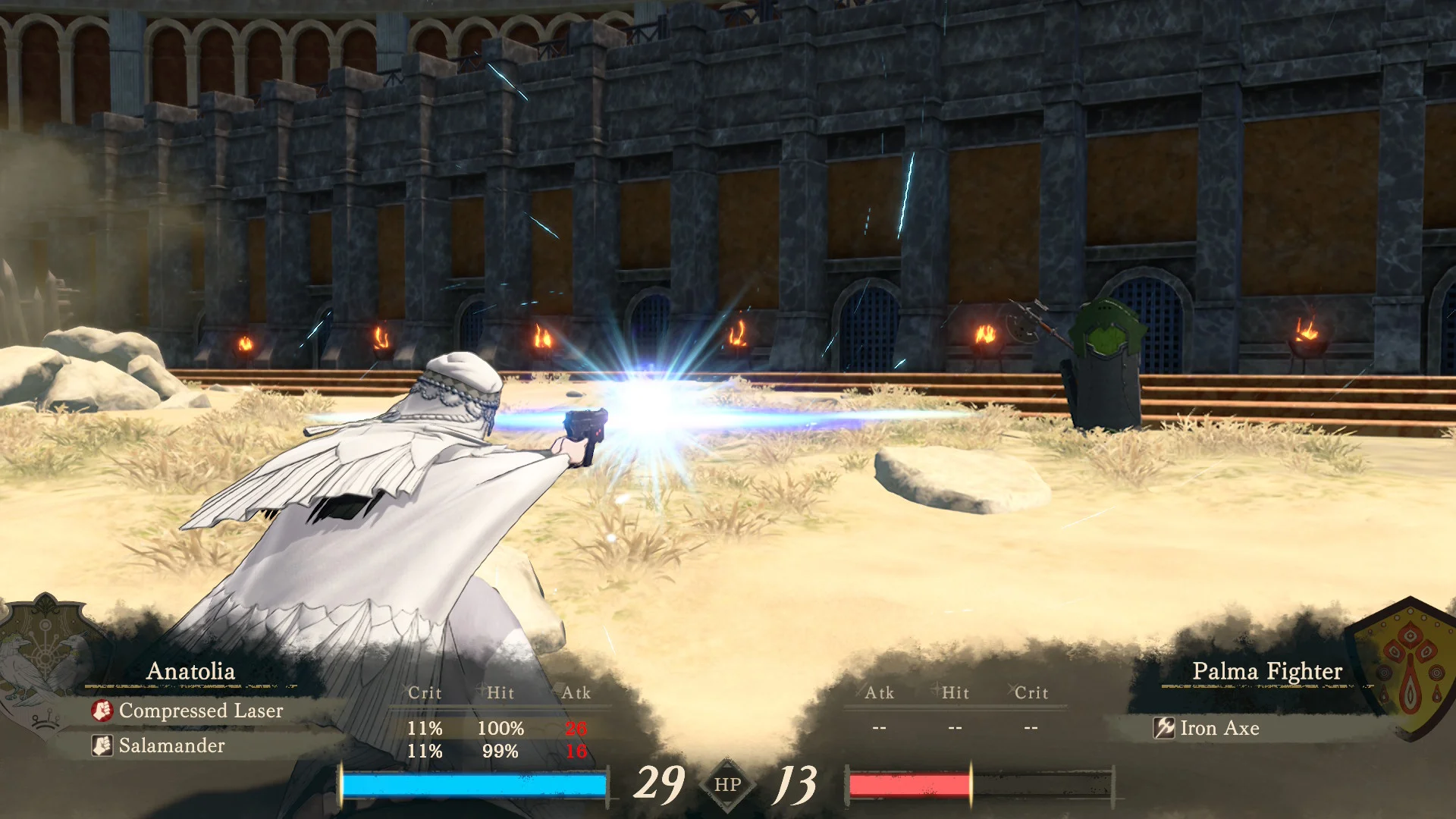
O personagem criado pelos jogadores precisa impedir uma verdadeira catástrofe e usa a viagem no tempo para mudar o passado. Cai deseja salvar seu pai da sentença de morte. Leda carrega um plano de vingança. Dietrich e Theodora mostram outro lado deste universo, o que acrescenta muito à trama.
Tudo em Fire Emblem: Fortune’s Weave converge no coliseu, com jogos que determinarão um campeão e um desejo que será realizado pelo monarca de Dagsion. Ainda que todos caminhem ao seu próprio modo, todos participam da competição para realizarem seus sonhos.
A história se divide em atos, o que possibilita ver os eventos em panorama. Toda a construção se torna uma aventura épica, que se aproveita de muitas facilidades para entregar a maior jornada de toda a franquia. De forma narrativa, todos os elementos se encontram e se afastam naturalmente. Fora dela, também.
“São basicamente cinco jogos diferentes construídos na mesma estrutura, é encantador ver todos os aspectos de vários pontos de vista distintos nesse gênero”, Diego Corumba
Vamos supor que você escolheu o caminho de Leda, acompanhou vários capítulos dela e acabou isso em questão de 25 a 30 horas. Como fazer o mesmo com Cai e Theodora? Os incentivos não serão apenas conhecer novas figuras ou experimentar formas inéditas de explorar aquele mundo.
Por meio do personagem principal, você pode usar suas conquistas para desbloquear facilidades que te ajudarão muito no fator replay. Quer proficiência maior em determinada arma? Basta usar os pontos obtidos para comprar mais experiência nelas a partir daquele momento. O mesmo vale para o “XP” comum e outros elementos.
Quase como um roguelite, você avançará com bônus que tornarão o processo menos cansativo. Para ter uma ideia, após finalizar os capítulos de uma das heroínas, comecei a história de Cai e em missões que exigem o nível 6 eu já estava com ele no nível 11 — muito acima, o que tornou os combates menos arrastados.

Não pense que sua vida será muito mais simples assim. Contra inimigos comuns, você não terá problemas se usar seus pontos sabiamente. Contudo, quando encarar os principais inimigos da sua trajetória, pode ter a certeza de que o desafio fará jus, independentemente de quão evoluído esteja.
Uma das grandes questões que o público terá com Fire Emblem: Fortune’s Weave é o tamanho colossal da cidade para não ter tanta coisa a se fazer. Exceto por lojas, templos e algumas atividades pontuais, Dagsion não tem muito para onde correr.
Em termos mais simples, é “tamanho por tamanho”. É muito bacana poder correr pelas ruas, entrar em lugares e fazer as coisas. No entanto, muitas vezes você apenas perderá mais tempo para chegar do lugar X ao Y do que terá outros propósitos.
O mapa geral segue o mesmo padrão. É vasto demais, mas preenchido de áreas de mineração simples e que levam menos de um segundo. Na maior parte das oportunidades, você viaja para outro lugar distante para missões velozes e sem muito atrativo.
A parte boa disso é que há mais combates e eventos que são descobertos pela exploração, mas ainda assim você percebe que não é tanto assim que a expanda. Em termos mais claros, ele faz demais por ser um RPG tático, mas em qualquer outro gênero isso seria um problema grave.
Outro detalhe relevante é que ele é mapa aberto, porém, com algumas gambiarras. Ao trocar de área de Dagsion, por exemplo, sempre rola um atraso de poucos segundos para carregar tudo de outro bairro. Quando se olha para trás, a porta está fechada novamente.
“Sabe aquele segundo que o personagem para, a porta abre, você atravessa nela e ela se fecha automaticamente atrás? São coisas pequenas, mas que mostram que o cenário não está tão conectado quanto a Nintendo apresentou”, Diego Corumba
Óbvio que este é o custo de trazer algo “colossal” para o Nintendo Switch 2, mas em comparação a Xenoblade Chronicles 3 (2022) e The Legend of Zelda: Breath of the Wild (2017), muito já era feito em escala e na geração anterior. Se o primeiro console híbrido aguentava, como seu sucessor ainda traz limitações assim?
Podemos bater na tecla de que são estúdios diferentes, outros gêneros e mais detalhes deste debate todo. O fato é que a Nintendo poderia ter feito mais por Fire Emblem: Fortune’s Weave. Ele sair como está é épico, mas é visível que a experiência ainda não tirou tudo o que podia da plataforma. Não teria aproveitado nem o primeiro Switch, também não o fez no atual videogame.

Mesmo sem extrair ao máximo do hardware, o game está extremamente longe de ser ruim. Para todos os efeitos, você não encontrará um game desta categoria que faça tanto e seja tão completo em sua proposta. Exceto pelos aspectos técnicos, que funcionam de forma básica, o título faz muito bem o que ele se propõe a fazer.
Em Fire Emblem: Fortune’s Weave você tem a melhor narrativa, melhores mecânicas e múltiplas opções e caminhos em uma franquia que é um modelo para qualquer RPG tático que se preze. Neste aspecto, você tem aqui a “obra-prima” que tanto esperou de uma das grandes marcas da Big N.
Podia ter feito mais, mas se você considerar que o Switch 2 completou um ano recentemente, chegará fácil na conclusão de que ainda há muita lenha para se queimar nesta geração. O primeiro Switch recebeu dois títulos da linha principal, expansões e até um spin-off musou. Na prática, o céu é o limite.
O que dói mais no game é a falta de localização, que teria caído como uma luva para milhares de fãs brasileiros mergulharem nessa jornada. Pois é, indo na contramão dos grandes lançamentos recentes e até do vindouro remake de The Legend of Zelda: Ocarina of Time, ele está disponível em inglês e espanhol.
Se você já é fã do gênero, pode se preparar que Fire Emblem: Fortune’s Weave te surpreenderá de várias formas — não apenas pelo gameplay e escala, mas também pela história épica e toda a construção que a narrativa faz do seu início ao final.
Ainda que imperdível para quem já experimentou diversas aventuras desta categoria, ele também ensina bem aqueles dispostos a começar. No fim das contas, não há desculpas para iniciar a sua jornada e conhecer este universo de tramas interconectadas.
{{WHATSAPP_CHANNEL}}

O próximo lançamento da Remedy Entertainment, Control Resonant promete trazer a primeira aventura em hack and slash da desenvolvedora. Ainda que seja sequência direta do sci-fi que chegou em 2019, a abordagem inédita marca a jornada de Dylan — irmão da protagonista da história original.
Às vésperas de sua aterrissagem no PS5, XBOX Series e PCs, você deve se perguntar que tipo de máquina vai “aguentar o tranco” para rodá-lo adequadamente. Afinal de contas, nos consoles de mesa isso é simples de saber, mas nos computadores o cenário muda de figura.
Após fortes exigências para Alan Wake 2 (AW2), será que o título seguirá o mesmo caminho ou você poderá respirar mais aliviado? Com a crise das memórias RAM e componentes, fazer aquele upgrade está mais caro do que nunca e cada passo deve ser estratégico para alcançar o desempenho que almeja.
Dito isso, confira os requisitos para rodar Control Resonant nos PCs e o que será necessário para ter uma performance adequada na experiência. Seu computador aguenta o poder do Ruído?
Três anos após seu último sucesso, a Remedy Entertainment promete não explorar ainda mais os hardwares que eram exigidos há algum tempo. Se ele já executava AW2, a boa notícia é que possivelmente conseguirá seguir com a nova aventura de Dylan. No mínimo, precisará de:
| Requisitos mínimos para rodar Control Resonant | |
| Sistema Operacional | Windows 10 ou 11 (64-bit) |
| Processador | Intel i5-85000 ou AMD Ryzen 5 3500 |
| Memória | 16 GB de RAM |
| Placa de Vídeo | NVIDIA GeForce GTX 1070, AMD Radeon RX 5600 XT ou Intel Arc A580 |
| Armazenamento | 120 GB |
| Observação | Exige SSD |
Em comparação a Alan Wake 2, é notável apenas que Control Resonant precisa de um processador um pouco mais recente. Em 2023, o estúdio pedia um Intel Core i5-7600K — que se destacava por uma frequência maior e mais potencial por núcleo.
Já Control Resonant pede que o usuário tenha no mínimo um Intel Core i5-8500, que possui mais núcleos e threads. Contudo, mesmo por ser mais moderno e ter recursos adicionais, não significa que ele é “melhor”. Cada um tem uma utilidade distinta, mas é importante notar que não estão tão distantes assim.

Fora essa diferença, ele não muda quase nada do que já foi padronizado há alguns anos. Como ele é um “AA” (longe de ter um grande orçamento, porém ainda superior a muitas experiências independentes) com foco em gráficos e cenas de ação, temos um padrão gráfico nivelado e sem nada que vai abusar do seu PC.
É importante se atentar a ter os 16 GB de memória RAM — cada vez mais necessários para jogar os principais lançamentos — e um SSD com 120 GB de armazenamento livre. Como há atualizações e outras preocupações, nossa sugestão é sempre deixar um espaço extra para não ter preocupações futuras.
Em relação ao que trará uma boa performance ao game, a Remedy Entertainment alterou pouquíssimas coisas em comparação ao que foi solicitado em Alan Wake 2. Veja tudo o que entra no pacote recomendado pelo estúdio:
| Requisitos Recomendados para rodar Control Resonant | |
| Sistema Operacional | Windows 10 ou 11 (64-bit) |
| Processador | Intel i7-10700 ou AMD Ryzen 7 3700X |
| Memória | 16 GB de RAM |
| Placa de Vídeo | NVIDIA GeForce RTX 3060 Ti, AMD Radeon RX 6700 XT ou Intel Arc B580 |
| Armazenamento | 120 GB |
| Observação | Exige SSD |
Como pode notar, há uma leve mudança nas placas de vídeo e agora a desenvolvedora pede uma GeForce RTX 3060 Ti ou uma AMD Radeon RX 6700 — com a inclusão de modelos da Intel, com a Arc B580 para garantir que a aventura esteja visualmente boa.
Ela continua a contar com uma CPU AMD Ryzen 7 3700X para fazer o trabalho com os seus títulos, assim como limita como alternativa uma Intel Core i7-10700. A exigência de memória RAM e armazenamento segue a mesma, assim como o suporte ao Windows 10 e 11 de 64-bit.
Nota-se que o estúdio continua a trabalhar com a mesma base e não terá muitos problemas para rodar Control Resonant, principalmente se a sua máquina já conseguiu dar vida a AW2 no passado. Caso decida investir em um computador apenas para isso, é bom estudar com cuidado como fazer o upgrade.

Vale notar que todos estes recursos servem para trazer a versão base da obra, sem contar com tecnologias de iluminação global, reflexos e até upscaling. Na prática, seu PC precisará de um pouco mais para alcançar um bom desempenho com estas funções que ajudam ainda mais os jogadores.
De acordo com a NVIDIA, no lançamento de Control Resonant em 24 de setembro de 2026 o título contará com recursos como DLSS 4.5 Dynamic Multi Frame Generation, DLSS Super Resolution, DLSS Ray Reconstruction e técnicas de Path Tracing.
O que isso significa? Para ter o upscaling DLSS 4.5 Dynamic Multi Frame Generation e usar o gerador de quadros para dar uma estabilidade maior aos FPS, é necessário que utilize uma placa de vídeo GeForce RTX 50.
A tecnologia Super Resolution pode ser vista nas GPUs RTX 20 em diante — algo que você pode não ver se usar o mínimo com a GTX 1070. O mesmo vale para a função de iluminação de Ray Reconstruction. Por fim, o Path Tracing pode ser encontrado em placas a partir da RTX 2060, mas games modernos pedem que o usuário tenha um modelo da linha RTX 40.
Já nas placas AMD, a obra terá suporte para o FSR 4.1 — compatível com os modelos da linha RX 7000 e RX 9000. Isso significa que, se tiver um hardware potente de qualquer uma das grandes companhias, poderá usar funções que tornam a experiência ainda melhor.
Recentemente, a Remedy compartilhou nas suas redes sociais o que precisará para tirar o máximo proveito do que Control Resonant tem a oferecer. Confira abaixo tudo o que eles determinaram para o Ray Tracing, Path Tracing:
| Requisitos e Especificações para upscaling, Ray Tracing e mais | ||||
| Entusiasta | Mínimo (Ray Tracing) | Recomendado (Ray Tracing) | Entusiasta (Path Tracing) | |
| Resolução | 2160p | 1080p | 1440p | 2160p |
| Desempenho almejado | 60 FPS | 30 FPS | 60 FPS | 60 FPS |
| Configuração de upscaling | Desempenho | Qualidade | Equilibrado | Desempenho |
| Configuração gráfica | Alta | Baixa | Média | Alta |
| Ray Tracing | Desligado | Baixo | Médio | Alto |
| Processador | Intel Core i7-10700 ou AMD Ryzen 7 3700X | Intel Core i7-8700K ou AMD Ryzen 5 3600X | Intel Core i7-10700 ou AMD Ryzen 3700X | Intel Core i7-10700 ou AMD Ryzen 7 3700X |
| Placa de Vídeo | NVIDIA GeForce RTX 3080 ou AMD Radeon RX 6800 XT | NVIDIA GeForce RTX 2060 SUPER, AMD Radeon RX 6600 ou Intel Arc A580 | NVIDIA GeForce RTX 4070 Ti ou AMD Radeon RX 9070 | NVIDIA GeForce RTX 5080 |
| VRAM | 10 GB | 8 GB | 10 GB | 12 GB |
| Memória | 16 GB de RAM | 16 GB de RAM | 16 GB de RAM | 16 GB de RAM |
| Armazenamento | SSD com 120 GB | SSD com 120 GB | SSD com 120 GB | SSD com 120 GB |
Na prática, para ter o melhor do que eles produziram no estúdio é necessário usar uma placa de vídeo GeForce RTX 5080. Ainda dá para jogar apenas com o mínimo e o recomendado, neste caso é para quem prioriza gráficos e performance acima de tudo — e está disposto a “pagar o preço” para ter todos os recursos possíveis.
Ainda que não tenham mudado tanto o “modus operandi” desde Alan Wake 2, um usuário comum terá de fazer upgrade em alguns dos componentes de seu PC para rodar o título adequadamente. A boa notícia é que ainda dá tempo de fazer isso: afinal de contas, a obra chega apenas em 24 de setembro de 2026.

Se você tiver um monitor com suporte ao formato Ultra Wide e tecnologia HDR, também conseguirá aproveitar mais de Control Resonant. Em resumo, ele pode tirar proveito de máquinas gamers, tanto as menos potentes quanto aquelas feitas para ter um desempenho competente na NASA.
Nos computadores, você encontrará a experiência em lojas como o Steam e a Epic Games Store. De acordo com a Remedy Entertainment, ele também será compatível com o serviço NVIDIA GeForce NOW, assim como uma versão para máquinas Mac está em produção e chega ainda em 2026.
Confira Wolverine, Control Resonant e os lançamentos de jogos em setembro de 2026. O que você vai curtir?
{{WHATSAPP_CHANNEL}}
O próximo lançamento da Remedy Entertainment, Control Resonant promete trazer a primeira aventura em hack and slash da desenvolvedora. Ainda que seja sequência direta do sci-fi que chegou em 2019, a abordagem inédita marca a jornada de Dylan — irmão da protagonista da história original.
Às vésperas de sua aterrissagem no PS5, XBOX Series e PCs, você deve se perguntar que tipo de máquina vai “aguentar o tranco” para rodá-lo adequadamente. Afinal de contas, nos consoles de mesa isso é simples de saber, mas nos computadores o cenário muda de figura.
Após fortes exigências para Alan Wake 2 (AW2), será que o título seguirá o mesmo caminho ou você poderá respirar mais aliviado? Com a crise das memórias RAM e componentes, fazer aquele upgrade está mais caro do que nunca e cada passo deve ser estratégico para alcançar o desempenho que almeja.
Dito isso, confira os requisitos para rodar Control Resonant nos PCs e o que será necessário para ter uma performance adequada na experiência. Seu computador aguenta o poder do Ruído?
Três anos após seu último sucesso, a Remedy Entertainment promete não explorar ainda mais os hardwares que eram exigidos há algum tempo. Se ele já executava AW2, a boa notícia é que possivelmente conseguirá seguir com a nova aventura de Dylan. No mínimo, precisará de:
| Requisitos mínimos para rodar Control Resonant | |
| Sistema Operacional | Windows 10 ou 11 (64-bit) |
| Processador | Intel i5-85000 ou AMD Ryzen 5 3500 |
| Memória | 16 GB de RAM |
| Placa de Vídeo | NVIDIA GeForce GTX 1070, AMD Radeon RX 5600 XT ou Intel Arc A580 |
| Armazenamento | 120 GB |
| Observação | Exige SSD |
Em comparação a Alan Wake 2, é notável apenas que Control Resonant precisa de um processador um pouco mais recente. Em 2023, o estúdio pedia um Intel Core i5-7600K — que se destacava por uma frequência maior e mais potencial por núcleo.
Já Control Resonant pede que o usuário tenha no mínimo um Intel Core i5-8500, que possui mais núcleos e threads. Contudo, mesmo por ser mais moderno e ter recursos adicionais, não significa que ele é “melhor”. Cada um tem uma utilidade distinta, mas é importante notar que não estão tão distantes assim.
Fora essa diferença, ele não muda quase nada do que já foi padronizado há alguns anos. Como ele é um “AA” (longe de ter um grande orçamento, porém ainda superior a muitas experiências independentes) com foco em gráficos e cenas de ação, temos um padrão gráfico nivelado e sem nada que vai abusar do seu PC.
É importante se atentar a ter os 16 GB de memória RAM — cada vez mais necessários para jogar os principais lançamentos — e um SSD com 120 GB de armazenamento livre. Como há atualizações e outras preocupações, nossa sugestão é sempre deixar um espaço extra para não ter preocupações futuras.
Em relação ao que trará uma boa performance ao game, a Remedy Entertainment alterou pouquíssimas coisas em comparação ao que foi solicitado em Alan Wake 2. Veja tudo o que entra no pacote recomendado pelo estúdio:
| Requisitos Recomendados para rodar Control Resonant | |
| Sistema Operacional | Windows 10 ou 11 (64-bit) |
| Processador | Intel i7-10700 ou AMD Ryzen 7 3700X |
| Memória | 16 GB de RAM |
| Placa de Vídeo | NVIDIA GeForce RTX 3060 Ti, AMD Radeon RX 6700 XT ou Intel Arc B580 |
| Armazenamento | 120 GB |
| Observação | Exige SSD |
Como pode notar, há uma leve mudança nas placas de vídeo e agora a desenvolvedora pede uma GeForce RTX 3060 Ti ou uma AMD Radeon RX 6700 — com a inclusão de modelos da Intel, com a Arc B580 para garantir que a aventura esteja visualmente boa.
Ela continua a contar com uma CPU AMD Ryzen 7 3700X para fazer o trabalho com os seus títulos, assim como limita como alternativa uma Intel Core i7-10700. A exigência de memória RAM e armazenamento segue a mesma, assim como o suporte ao Windows 10 e 11 de 64-bit.
Nota-se que o estúdio continua a trabalhar com a mesma base e não terá muitos problemas para rodar Control Resonant, principalmente se a sua máquina já conseguiu dar vida a AW2 no passado. Caso decida investir em um computador apenas para isso, é bom estudar com cuidado como fazer o upgrade.
Vale notar que todos estes recursos servem para trazer a versão base da obra, sem contar com tecnologias de iluminação global, reflexos e até upscaling. Na prática, seu PC precisará de um pouco mais para alcançar um bom desempenho com estas funções que ajudam ainda mais os jogadores.
De acordo com a NVIDIA, no lançamento de Control Resonant em 24 de setembro de 2026 o título contará com recursos como DLSS 4.5 Dynamic Multi Frame Generation, DLSS Super Resolution, DLSS Ray Reconstruction e técnicas de Path Tracing.
O que isso significa? Para ter o upscaling DLSS 4.5 Dynamic Multi Frame Generation e usar o gerador de quadros para dar uma estabilidade maior aos FPS, é necessário que utilize uma placa de vídeo GeForce RTX 50.
A tecnologia Super Resolution pode ser vista nas GPUs RTX 20 em diante — algo que você pode não ver se usar o mínimo com a GTX 1070. O mesmo vale para a função de iluminação de Ray Reconstruction. Por fim, o Path Tracing pode ser encontrado em placas a partir da RTX 2060, mas games modernos pedem que o usuário tenha um modelo da linha RTX 40.
Já nas placas AMD, a obra terá suporte para o FSR 4.1 — compatível com os modelos da linha RX 7000 e RX 9000. Isso significa que, se tiver um hardware potente de qualquer uma das grandes companhias, poderá usar funções que tornam a experiência ainda melhor.
Recentemente, a Remedy compartilhou nas suas redes sociais o que precisará para tirar o máximo proveito do que Control Resonant tem a oferecer. Confira abaixo tudo o que eles determinaram para o Ray Tracing, Path Tracing:
| Requisitos e Especificações para upscaling, Ray Tracing e mais | ||||
| Entusiasta | Mínimo (Ray Tracing) | Recomendado (Ray Tracing) | Entusiasta (Path Tracing) | |
| Resolução | 2160p | 1080p | 1440p | 2160p |
| Desempenho almejado | 60 FPS | 30 FPS | 60 FPS | 60 FPS |
| Configuração de upscaling | Desempenho | Qualidade | Equilibrado | Desempenho |
| Configuração gráfica | Alta | Baixa | Média | Alta |
| Ray Tracing | Desligado | Baixo | Médio | Alto |
| Processador | Intel Core i7-10700 ou AMD Ryzen 7 3700X | Intel Core i7-8700K ou AMD Ryzen 5 3600X | Intel Core i7-10700 ou AMD Ryzen 3700X | Intel Core i7-10700 ou AMD Ryzen 7 3700X |
| Placa de Vídeo | NVIDIA GeForce RTX 3080 ou AMD Radeon RX 6800 XT | NVIDIA GeForce RTX 2060 SUPER, AMD Radeon RX 6600 ou Intel Arc A580 | NVIDIA GeForce RTX 4070 Ti ou AMD Radeon RX 9070 | NVIDIA GeForce RTX 5080 |
| VRAM | 10 GB | 8 GB | 10 GB | 12 GB |
| Memória | 16 GB de RAM | 16 GB de RAM | 16 GB de RAM | 16 GB de RAM |
| Armazenamento | SSD com 120 GB | SSD com 120 GB | SSD com 120 GB | SSD com 120 GB |
Na prática, para ter o melhor do que eles produziram no estúdio é necessário usar uma placa de vídeo GeForce RTX 5080. Ainda dá para jogar apenas com o mínimo e o recomendado, neste caso é para quem prioriza gráficos e performance acima de tudo — e está disposto a “pagar o preço” para ter todos os recursos possíveis.
Ainda que não tenham mudado tanto o “modus operandi” desde Alan Wake 2, um usuário comum terá de fazer upgrade em alguns dos componentes de seu PC para rodar o título adequadamente. A boa notícia é que ainda dá tempo de fazer isso: afinal de contas, a obra chega apenas em 24 de setembro de 2026.
Se você tiver um monitor com suporte ao formato Ultra Wide e tecnologia HDR, também conseguirá aproveitar mais de Control Resonant. Em resumo, ele pode tirar proveito de máquinas gamers, tanto as menos potentes quanto aquelas feitas para ter um desempenho competente na NASA.
Nos computadores, você encontrará a experiência em lojas como o Steam e a Epic Games Store. De acordo com a Remedy Entertainment, ele também será compatível com o serviço NVIDIA GeForce NOW, assim como uma versão para máquinas Mac está em produção e chega ainda em 2026.
Confira Wolverine, Control Resonant e os lançamentos de jogos em setembro de 2026. O que você vai curtir?
{{WHATSAPP_CHANNEL}}
US vice-president’s comments come as former Anthropic researcher revisits recent claim AI could destroy humanity
The US vice-president has dismissed calls for global regulation of AI safety risks, telling companies creating the most advanced models: “If you’re building Frankenstein, stop.”
In remarks addressed towards Dario Amodei, the co-founder of Anthropic who has called on Washington DC to coordinate control of AI systems, including with China, JD Vance said: “If you’re gonna create Frankenstein, don’t come to the government and say we need regulation.”
Continue reading...
© Photograph: Mark Schiefelbein/Reuters

© Photograph: Mark Schiefelbein/Reuters

© Photograph: Mark Schiefelbein/Reuters