Sickness and disability benefits should be made as "easy as possible" to claim as the current system is too "stressful", the long-awaited Government review by Sir Stephen Timms has said.
Et si notre compréhension des objets les plus violents de l’Univers venait de faire un pas de géant ? En mobilisant des instruments et une intelligence artificielle de pointe pour étudier un monstre cosmique pendant près de 30 ans, des astrophysiciens sont tombés sur une anomalie totalement...
In the United States, the phrase Indian Wars conjures a specific set of images: the Battle of Little Bighorn, the massacres at Wounded Knee and Sand Creek, the forced marches of the Trail of Tears, the decades-long manhunt for Geronimo. All of it is generally remembered as a 19th-century story, closed out by the early […]
Historiográficamente en Estados Unidos se denomina Guerras Indias a la serie de contiendas que enfrentaron a su gobierno con los pueblos indígenas norteamericanos, plasmado en algunos episodios especialmente célebres, como la batalla de Little Bighorn, las masacres de Wounded Knee y Sand Creek, el desplazamiento masivo de tribus por el Sendero de las Lágrimas o […]
It's already too late for Michael Gove to prevent the "rewilding" of Britain's schools, says Joanna Gray. This Left-wing fantasy of dumbed-down education is already firmly entrenched and working its anti-magic.
Le cannibalisme n’a pas été un phénomène isolé dans l’Europe du Néolithique. Des ossements humains retrouvés dans plusieurs grottes du sud de l’Espagne montrent que cette pratique a ressurgi à différentes périodes. Mais derrière des marques similaires sur les os se cacheraient des réalités bien...
The other day I saw another great example of the way people in capitalist societies tend to reframe their dumb luck as the result of their own hard work and resourcefulness. At the end of the last season of the surivalist competition Alone Australia, the winner Trent Felton was asked if he felt he’d just...
Le 11 septembre 2001, le quotidien s’est gravé dans les mémoires : chacun ou presque se rappelle où il était, ce qu’il faisait. Frank Culbertson, lui, a vécu ce basculement en hauteur, dans l’espace.
Volvo designed the 50-ton class EC500 Electric to deliver the same performance as the diesel-powered EC500 the brand’s customers know and love – but saying that is one thing. Proving it? That’s another thing, entirely.
A summary of the most interesting stories in the past 24 hours that challenge the prevailing orthodoxy about the 'climate emergency', public health 'crises' and the supposed moral defects of Western civilisation.
Insiders at the firm fear tech’s advancement could cause human extinction, while others are calling their declarations of concern a ‘setup’
A day after a former researcher at Anthropic made an apocalyptic declaration about artificial intelligence, more researchers and staff members at the AI startup publicly agreed with him and posted their own dire warnings.
In response, Elon Musk and other conservative figures on X, formerly Twitter, called the chorus of concerns a “setup” and a “psyop”.
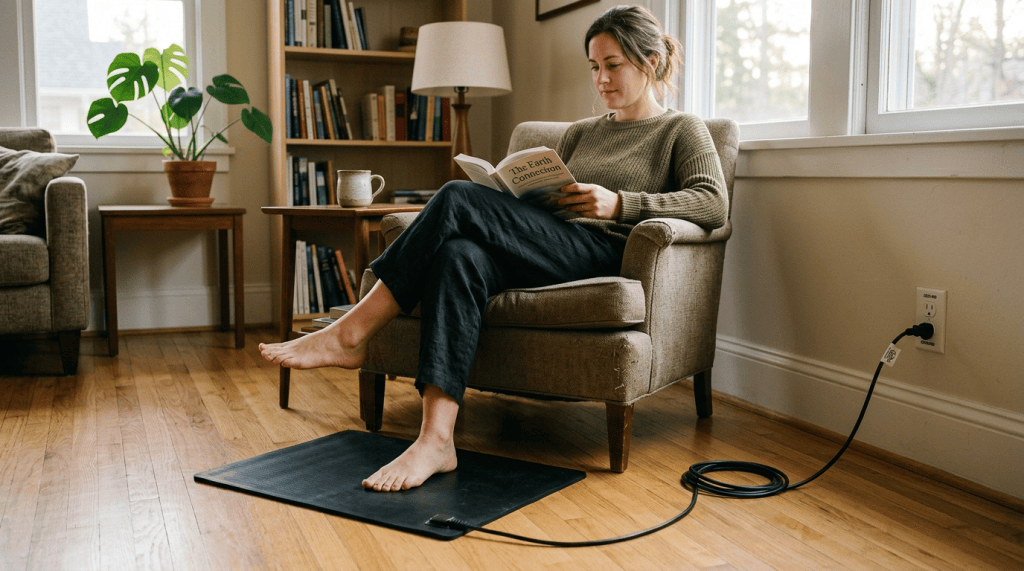
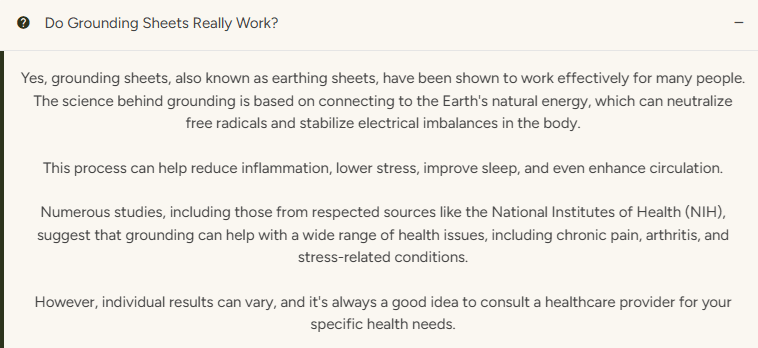
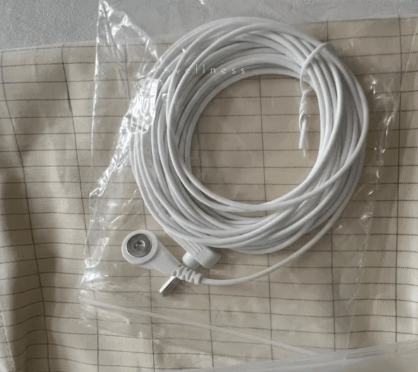
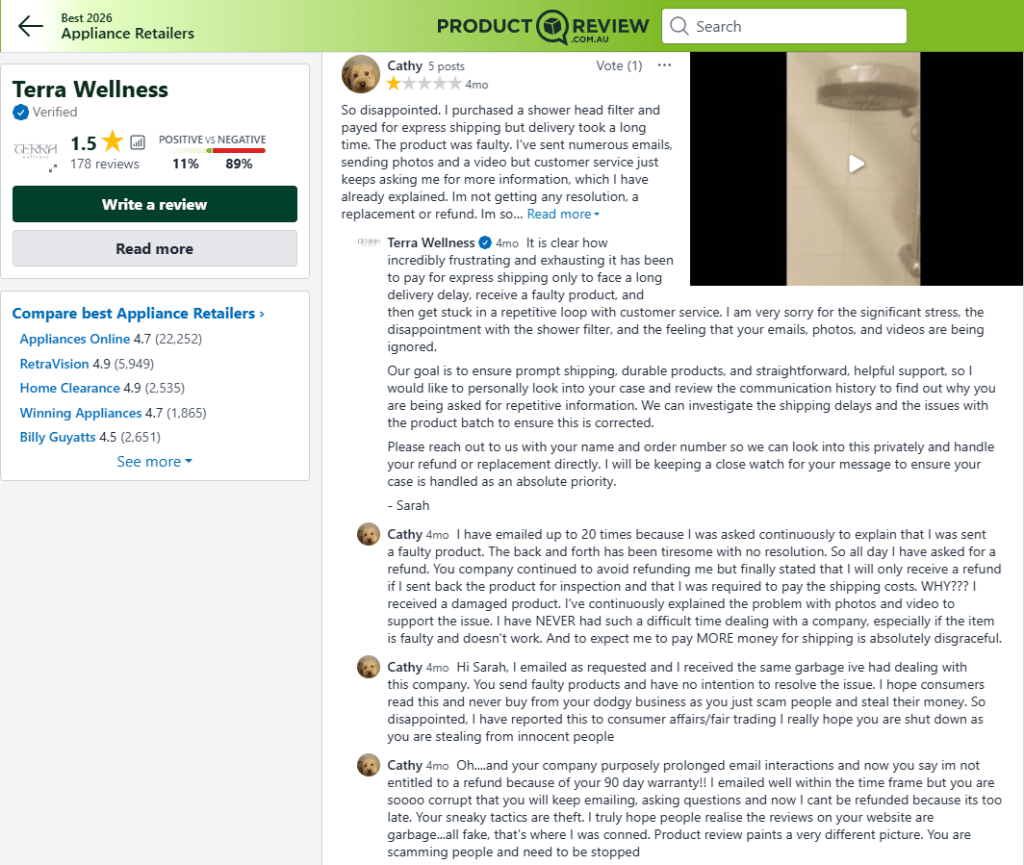
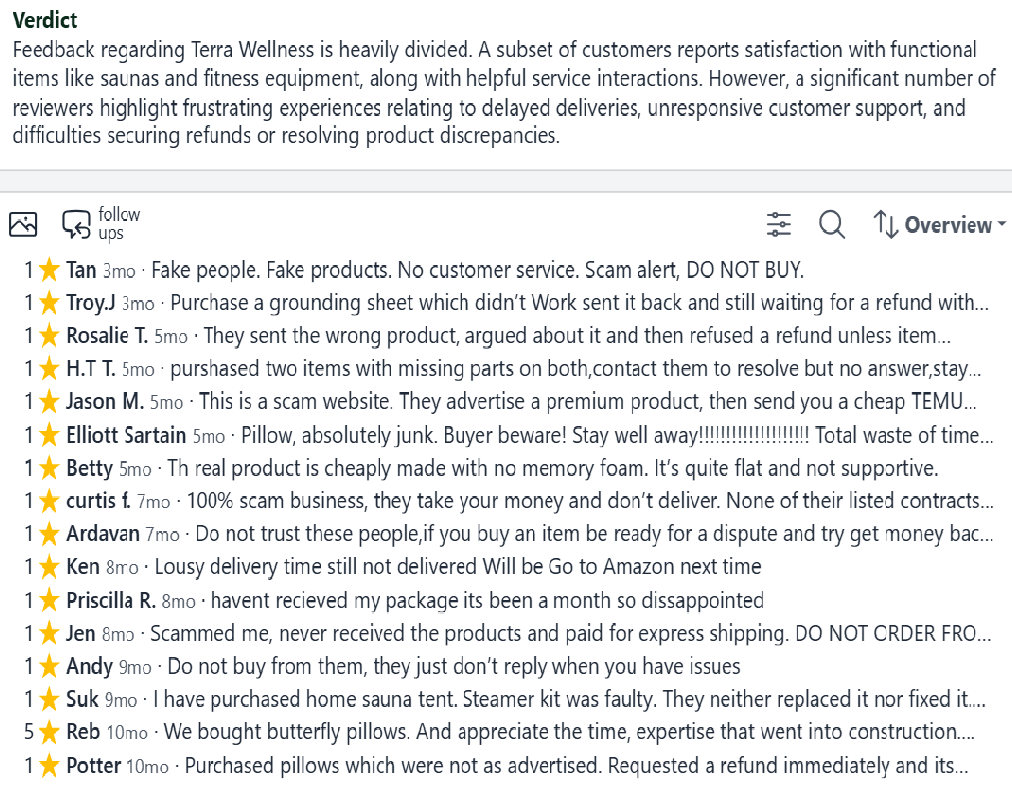
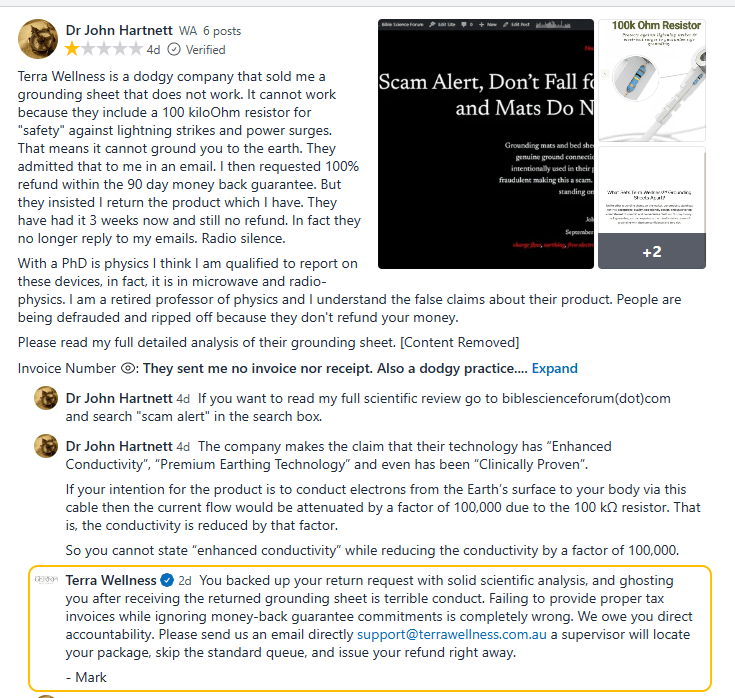
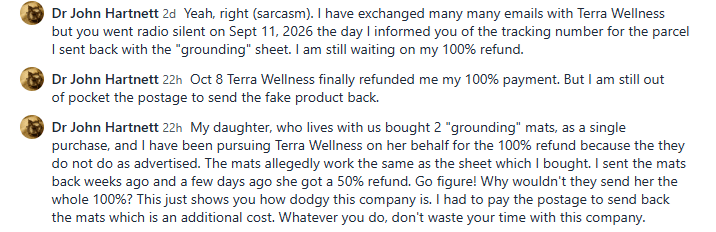
Grounding mats and bed sheets sold by Terra Wellness do not provide a genuine ground connection due to a high value electrical resistor intentionally used in their product. All such grounding products are fraudulent making this a scam. I recommend directly grounding yourself by standing on the earth with bare feet.
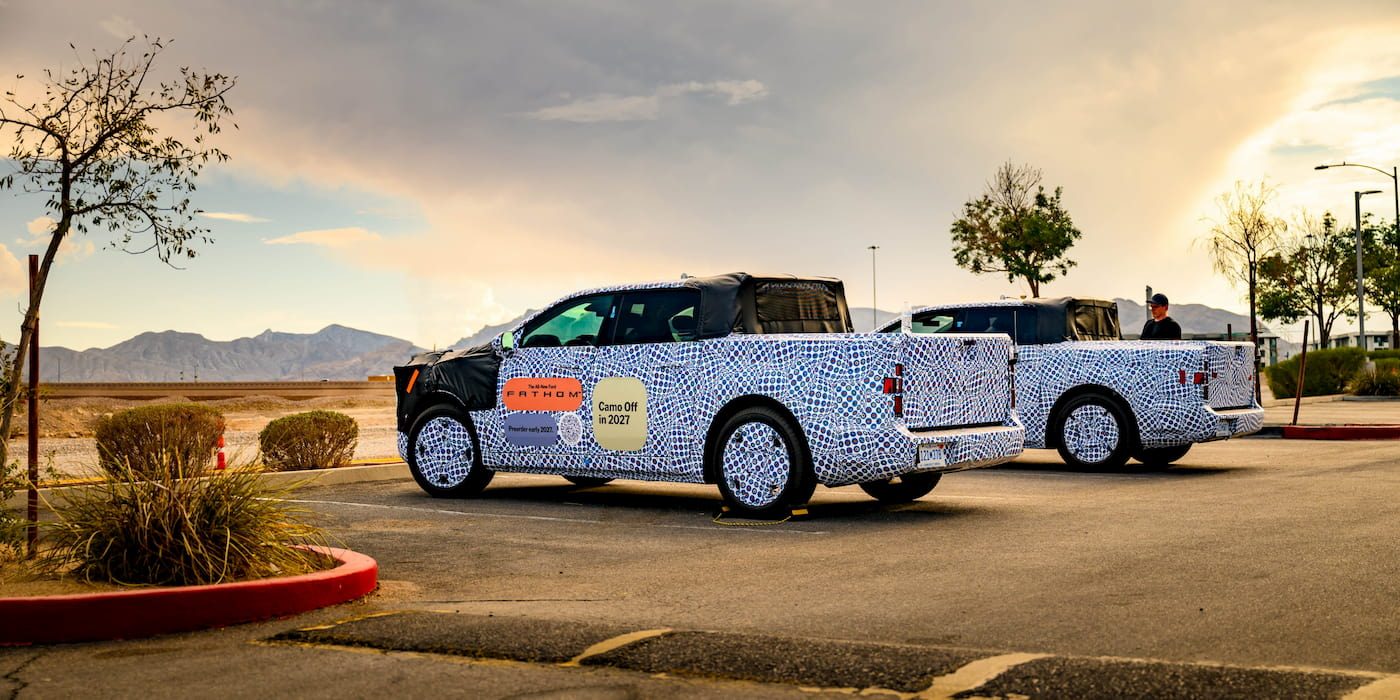
With its next-generation electric pickups arriving in 2027, the F-150 Lightning is no longer available. Ford is preparing to introduce the $30,000 Fathom EV pickup and an extended-range electric vehicle (EREV) to replace it.
LinkedIn beat two lawsuits over its practice of scanning users’ browser extensions, with a judge granting the Microsoft subsidiary's motion to dismiss the cases. The users who sued LinkedIn failed to adequately allege that they have standing to sue because neither asserted that they "had browser extensions installed that conveyed private information to LinkedIn," ruled Judge Vince Chhabria in US District Court for the Northern District of California.
In his ruling on Tuesday, Chhabria gave the plaintiffs leave to amend their complaints but said he doubts they can make a plausible case. "Given LinkedIn’s further arguments that users voluntarily download browser extensions, which by their nature intentionally expose data to websites, it seems unlikely that the plaintiffs will ever be able to allege a privacy violation, much less prevail at the end of the day," Chhabria wrote.
California residents Nicholas Farrell and Jeff Ganan separately filed class actions against LinkedIn in April, seeking to represent themselves and other LinkedIn users. Ganan's attorney, J.R. Howell, said he is evaluating whether to bring the claims in a California state court, which has different requirements on standing, or to appeal the US district court ruling in the US Court of Appeals for the Ninth Circuit.
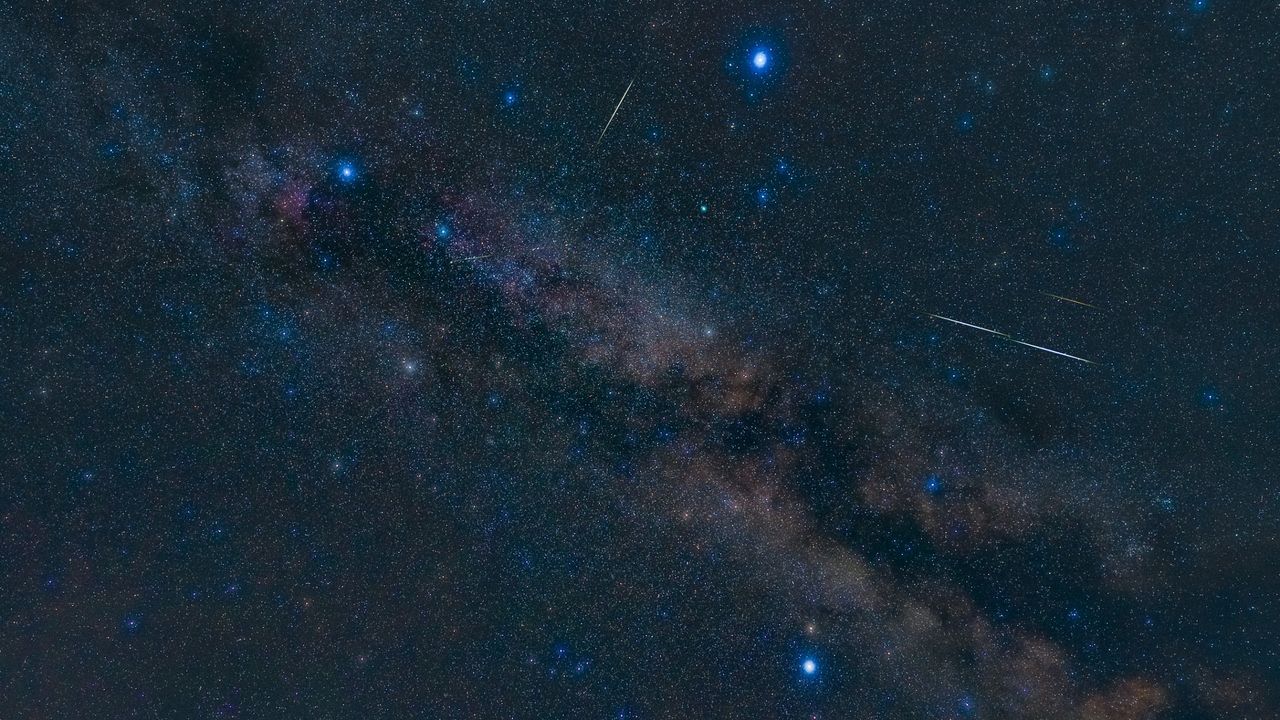
On clear September evenings, I often find myself looking up just after dusk, expecting the sky to feel a little less like summer. Yet there, still commanding the overhead darkness, are Vega,Altair, and Deneb — the three brilliant stars of the famous Summer Triangle.
Their familiar pattern can make the season feel as though it is lingering above us, even as cooler nights and earlier sunsets suggest otherwise. In fact, even as late as mid-November, the Triangle is still nearly overhead soon after sunset at dusk. That contrast raises a simple but intriguing question: if this bright celestial landmark remains so prominent well into autumn, why do we still call it the Summer Triangle?
Why not simply call it the Autumn Triangle?
Why it belongs to summer
The answer lies not in the calendar, but in how the Triangle moves across the sky over the course of a summer night. The chief reason is that, at this time of year, the Triangle does not remain visible all night. By dawn, it has begun to drop beyond the west-northwest horizon. During summer, by contrast, it remains with us from dusk until dawn: already evident in the east-northeast at nightfall, near overhead around the middle of the night, and descending in the west-northwest as daybreak approaches.
A matter of distance and brightness
The stars that compose the Triangle — Vega, Altair, and Deneb — lie at very unequal distances from us, so their apparent brightness can give a misleading impression of their true luminosity.
The closest of the three is Altair, 16.7 light-years away, followed by Vega at 25 light-years. Deneb, however, is vastly farther off, at roughly 1,600 light-years, though various sources place it between 1,400 and 2,600 light-years. Even though we see Deneb by light that may have begun its journey during the last days of the Roman Empire, it still shines at first magnitude (+1.3, to be exact) because it is a brilliant blue supergiant, at least 55,000 times brighter than the sun.
But their apparent superiority is largely a consequence of distance: Vega and Altair are only a few dozen light-years away, while Deneb lies well over a thousand light-years from Earth. Compared with the stellar lighthouse of Deneb, Vega and Altair are, comparatively speaking, penlight flashlights.
How to say "Vega"
Before continuing with this discussion about the Summer Triangle, it is worth pausing briefly on the pronunciation of Vega, a point that became especially noticeable after the 1997 science fiction drama Contact. Based on Carl Sagan's 1985 novel, the film follows astronomer Dr. Ellie Arroway, played by actress Jodie Foster, as she discovers a radio signal from Vega containing a sequence of prime numbers.
Throughout the film, the star is pronounced "Vey-gah," perhaps echoing Chevrolet's Vega, the subcompact automobile sold in the 1970s. Astronomers, however, generally use a different pronunciation.
The traditional astronomical pronunciationis Vē-ga, with the stress on the first syllable. In professional astronomical usage, Dr. Arroway and her colleagues would almost certainly have said "Vee-ga," not "Vey-gah." George Lovi (1939—1993), who was widely respected for his knowledge of star nomenclature, often reminded audiences that "Vee-ga is a star and Vey-gah is a car."
Who named the Summer Triangle?
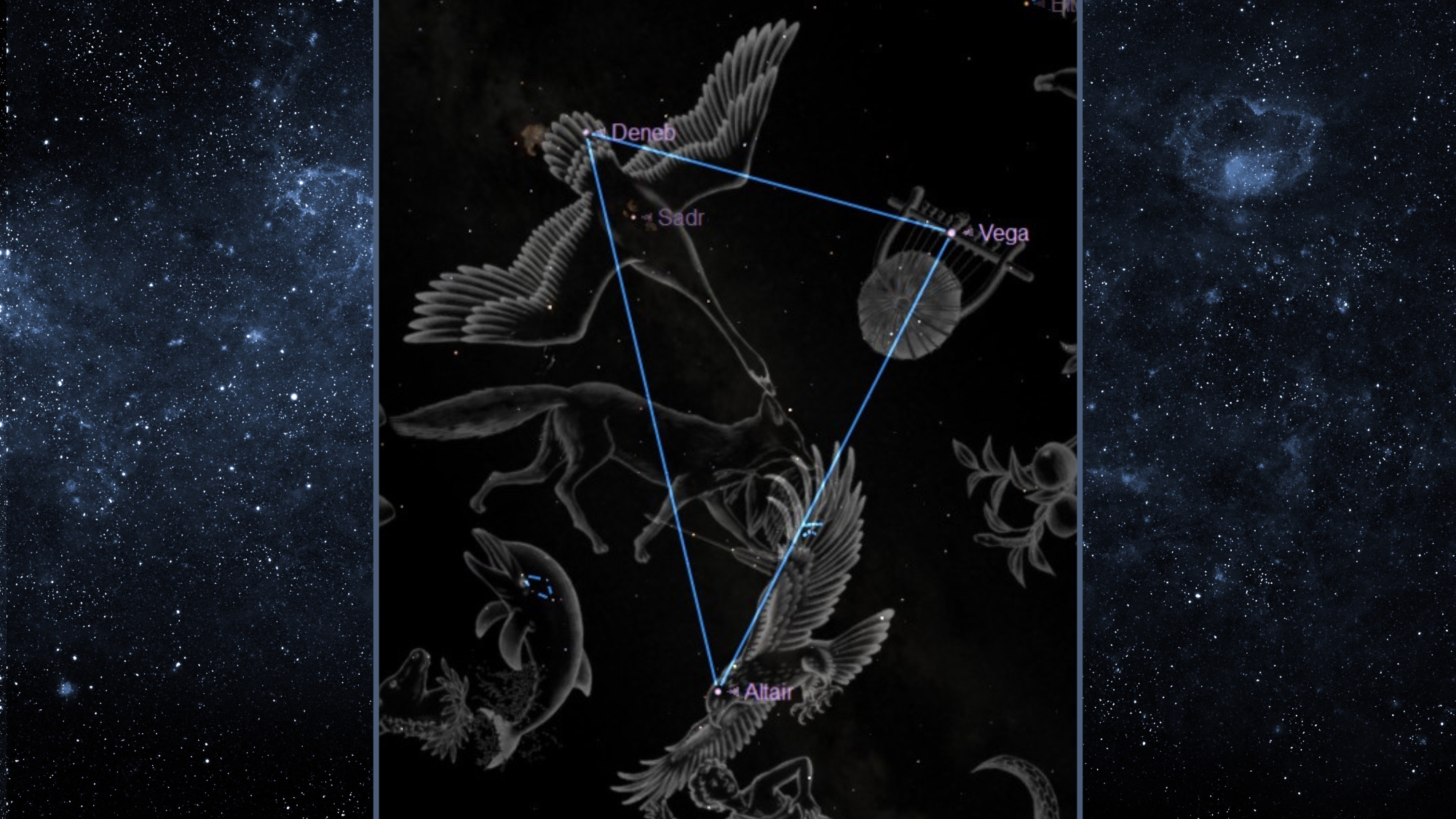
The Summer Triangle and the allegorical figures (Cygnus, Lyra and Aquila) attributed to the three constellations it belongs to, at around 9 p.m. in mid-September. (Image credit: Starry Night Pro 8.0, background added in Canva Pro.)
There has long been debate over who first christened the bright stellar trio of Vega, Deneb, and Altair as the Summer Triangle. Some credit the legendary British astronomer Sir Patrick Moore (1923—2012), who wrote, "During a 1958 television broadcast on the BBC, I introduced the nickname of the Summer Triangle, and everyone now seems to use the term, even though it is completely unofficial." Yet several years earlier, in his 1952 sky guide, The Stars — A New Way to See Them, H.A. Rey (1898—1977) referred to the three stars as a "right triangle," and in his 1954 children's book, Find the Constellations, Rey used the Summer Triangle moniker.
Still others believe the term was popularized through U.S. navigator training manuals during World War II. Interestingly, astronomer Oswald Thomas (1882—1963) described Vega, Altair, and Deneb as "Grosses Dreieck" ("Great Triangle") in the late 1920s and as "Sommerliches Dreieck" ("Summerly Triangle") in 1934.

 Login