Scientists have finally created what might be the only thing that can get meatheads to eat their veggies: protein lettuce.
By literally shooting pig genes into the chloroplasts of lettuce and tobacco cells, an international team of researchers were able to grow produce that contained the animal protein myoglobin, they report in a new study published in the journal Frontiers in Plant Science.
Is this the pathway to the next ridiculous protein-infused snack? (We’re looking at you, protein popcorn.) Not quite. Instead, the scientists say their findings could pave the way to weaning ourselves off of environmentally-destructive meat.
“Our study demonstrates, for the first time, that higher plants can stably produce myoglobin, one of the key proteins responsible for many of meat’s desirable properties,” study lead atuhor Alexia Groff, a plant biotechnology researcher at Imperial College London, told ScienceAlert. “This is very relevant at a time when the demand for sustainable food production platforms is greater than ever.”
To combine pig genes with plant DNA, the researchers used a machine called a biolistic particle delivery system, or a “gene gun.” The nickname is apt: it works by firing microscopic metal particles covered in genes into their target. (Biolistic, by the way, is a portmanteau of “biological ballistics.”)
The target, this time, were the chloroplasts of lettuce and tobacco seedlings. Because of their “bacterial ancestry and their high number of copies per cell,” Groff explained in a statement about the work, “chloroplasts are generally much better at making large amounts of protein than the cell nucleus.”
Their genetic bullets hit the bullseye. In followup tests, the seedlings showed they had incorporated the pig DNA into the chloroplast genome. When the plants grew into adulthood and produced seeds, their offspring still possessed the transferred genes.
In all, the lettuce and tobacco plants yielded about 800 mg and 810 mg of myoglobin protein per kilogram of their dry weight. That’s ten times less than beef, but because growing plants is far more efficient than raising animals, the tradeoff could be worth it.
“Plant cultivation is far more resource-efficient than livestock production; consequently, plant-derived myoglobin could achieve protein yields per hectare that rival — or even potentially exceed — those of animal agriculture,” the authors wrote in the study, “whilst also benefiting from substantially lower water use and greenhouse gas emissions.”
If this gets adopted at scale, these protein-infused plants could be dried up and be used to bolster the protein in plant-based meats.
Other researchers caution that the food still needs to be proven safe to eat and sustainable to produce, but are optimistic about the findings.
“This an important advance on earlier plant and algal research. Demonstrating stable myoglobin production in plant chloroplasts, including in an edible crop, raises the possibility of using plants as scalable, low-input production platforms alongside microbial fermentation,” Rodrigo Ledesma-Amaro, director of the ICL’s Bezos Center for Sustainable Protein, said in a statement. “In the longer term, this could diversify how and where these ingredients are produced.”
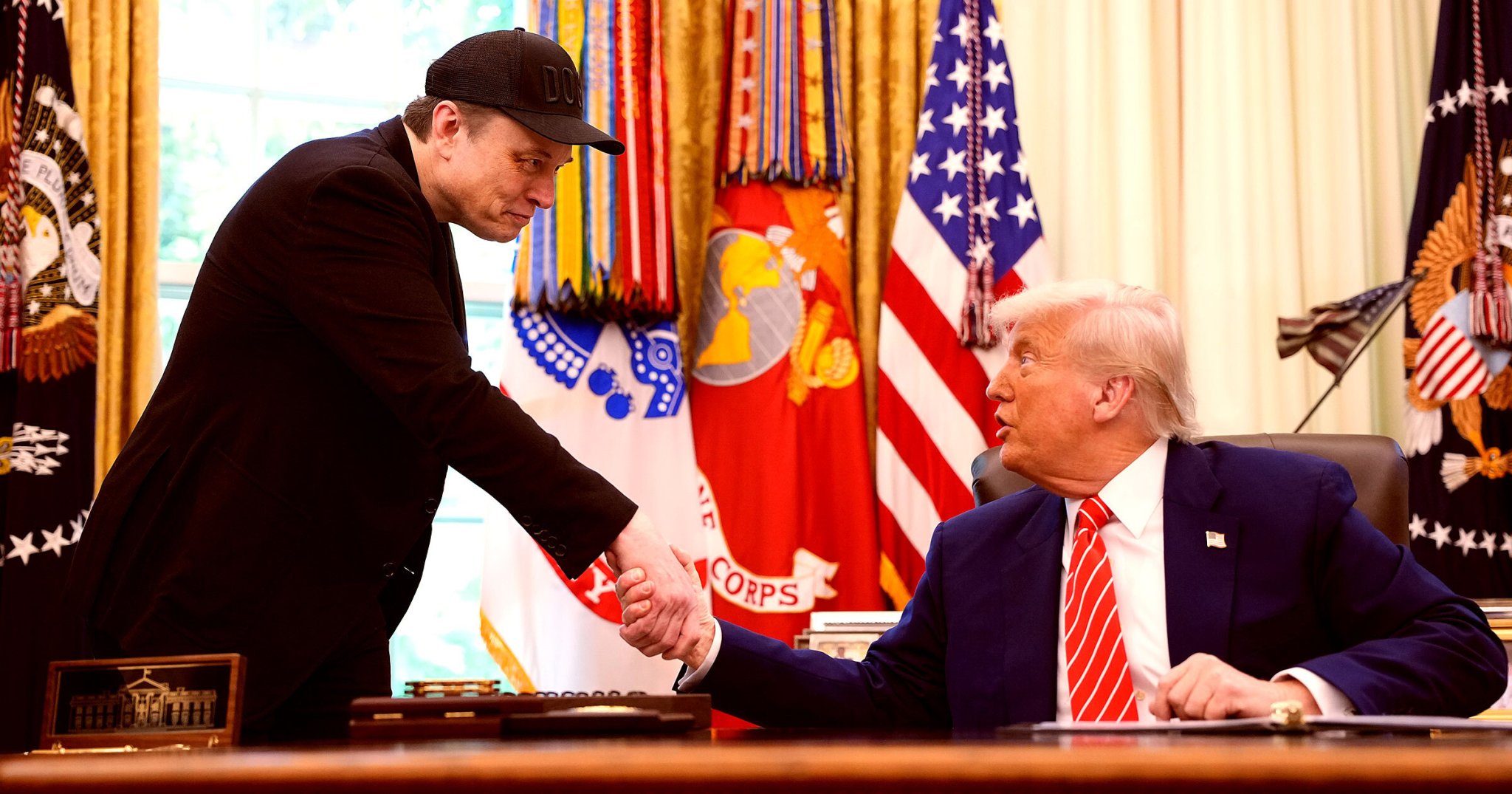
In terms of demoralizing the federal workforce and demolishing the public sector, Elon Musk’s Department of Government Efficiency was a success.
In terms of actually saving money, though — its ostensible raison d’être — it was a dismal failure.
Musk vowed to slash $2 trillion in government “waste and fraud.” Then he lowered that target to $1 trillion, and behind the scenes reportedly promised Trump to save just a tenth of that figure. In the end, DOGE boasted on its website’s “Wall of Receipts” that it had saved around $215 billion — peanuts compared to its original promise.
But the actual amount of spending it slashed may be even lower than that. In a sweeping audit, the Government Accountability Office looked through the $110 billion that DOGE claimed it saved between January and July 2025, and found a trail of staggering incompetency that let loads of supposedly saved money fall through the cracks. That framing, though, could be too generous to Musk and his pimple-facedlackeys. You could also take the view that DOGE, in all likelihood, was deliberately cooking the books.
Per the GAO’s new report, released this month, DOGE claimed it terminated 13,476 contracts, but nearly 2,000 of them weren’t actually terminated. Spending-wise, about $27.4 billion of the purported savings came from these contracts that DOGE botched the terminations of.
The clumsy — or deceptive — bookkeeping didn’t end there. The receipts “includes leases identified for termination before [the group] was established,” the report states, as quoted by The Washington Post. And 108 of 264 of the leases it claimed it nixed “were already in process for termination.”
In all, the GAO found that over half of DOGE’s claimed $61 billion in contract savings couldn’t be verified or came from contracts that weren’t actually terminated. Similarly, 96 percent of the savings that it claimed came from grants couldn’t be verified by the accountability office, either.
Last August, an investigation by Politicofound that of the $52.8 billion that DOGE had claimed to save by cancelling contracts at the time, its actual savings were closer to just $1.4 billion. To calculate how it saved money, DOGE dubiously used the maximum spending limit listed on the contracts it axed, figures that in practice are much higher than what the government ends up spending.
At the time, government procurement expert Jessica Tillipman told the outlet that the practice was akin to “taking out a credit card with a $20,000 credit limit, cancelling it and then saying, ‘I’ve just saved $20,000.'”
Pour profiter pleinement de l'éclipse solaire du 12 août, quelques conseils pour l'achat et l'utilisation de lunettes, ainsi que de nécessaires consignes de sécurité afin de pouvoir observer sans risques ce phénomène astronomique fascinant.
A protein called TRAILshort may act as a central immune brake that limits T-cell responses and CAR-T therapy. Cancer cells can weaken the immune system by producing a protein that prevents its most important defenders from attacking. Mayo Clinic researchers have identified how this protein works, revealing a possible target for treatments designed to improve [...]
When you read the newspaper, does it read you back?
On Thursday, USA Today Co — formerly known as Gannett, the publisher of its eponymous newspaper USA Today— announced that it was partnering with the AI surveillance firm Palantir to monetize and gain “actionable intelligence” on its audiences, Nieman Lab reports.
The largest newspaper publisher in the nation’s partnership was revealed in its second quarter earnings call. After extolling Palantir’s AI-powered platform, USA Today CEO Mike Reed said that it would allow the paper to “build a common intelligence layer” on the data it collects on its readers.
“Every visit, every session, and every moment of attention creates a signal,” Reed told investors Thursday morning, as quoted by Nieman. “When we connect those signals, they become actionable intelligence that allows us to engage users more effectively and monetize those relationships faster and at much greater value.”
The optics of partnering with Palantir — a company that provides military targeting software and wields a vast surveillance panopticon — are undeniably touchy. It’s worked hand in hand with ICE, secretly providing the agency a tool that scours citizen’s Medicaid and other government data to create a map of people it could potentially deport. It also supplies the Israeli military with an AI battlefield decision-making tool that can analyze enemy targets for elimination.
Still, it’s unclear how much more invasive the USA Today’s partnership will be compared to the routine data gathering and audience analysis that websites typically perform. One example of what Palantir’s platform could do, according to president of USA Today Media Kristin Roberts, was automatically identify partnerships to make money through affiliate links.
“Historically, much of our commerce business has relied on manual processes to connect affiliate opportunities with our content,” Roberts added.
It’s the latest deal Palantir has struck with media outlets as they struggle to bring in traffic from search engines in an increasingly AI-dominated web ecosystem. It’s also partnered with Axel Springer, the publisher which owns Politico, Business Insider, and the German newspaper BILD. Thomson Reuters’ partnership in particular is a case study in the dangers of letting online brands act as data brokers: 404 Media found that the Reuters publisher had supplied personal data to ICE, and some employees are protesting its $125 million deal to sell the agency voter data.
USE O CUPOM SCHWARZA E GANHE ATÉ 15% DE DESCONTO EM TODO SITE: https://creators.insiderstore.com.br/SCHWARZA
#insiderstore
O MELHOR DOCUMENTO DO QUINTO LOTE!Na notícia de hoje: Um dos documentos incluídos no mais recente lote de arquivos sobre OVNIs divulgado pelo Pentágono descreve um incidente envolvendo múltiplas luzes não identificadas e uma possível anomalia temporal registrada por uma testemunha ligada ao governo dos Estados Unidos.
Contato PROFISSIONAL: canaldoschwarza@gmail.com
Contato para palestras: juliana@vesperassessoria.com.br
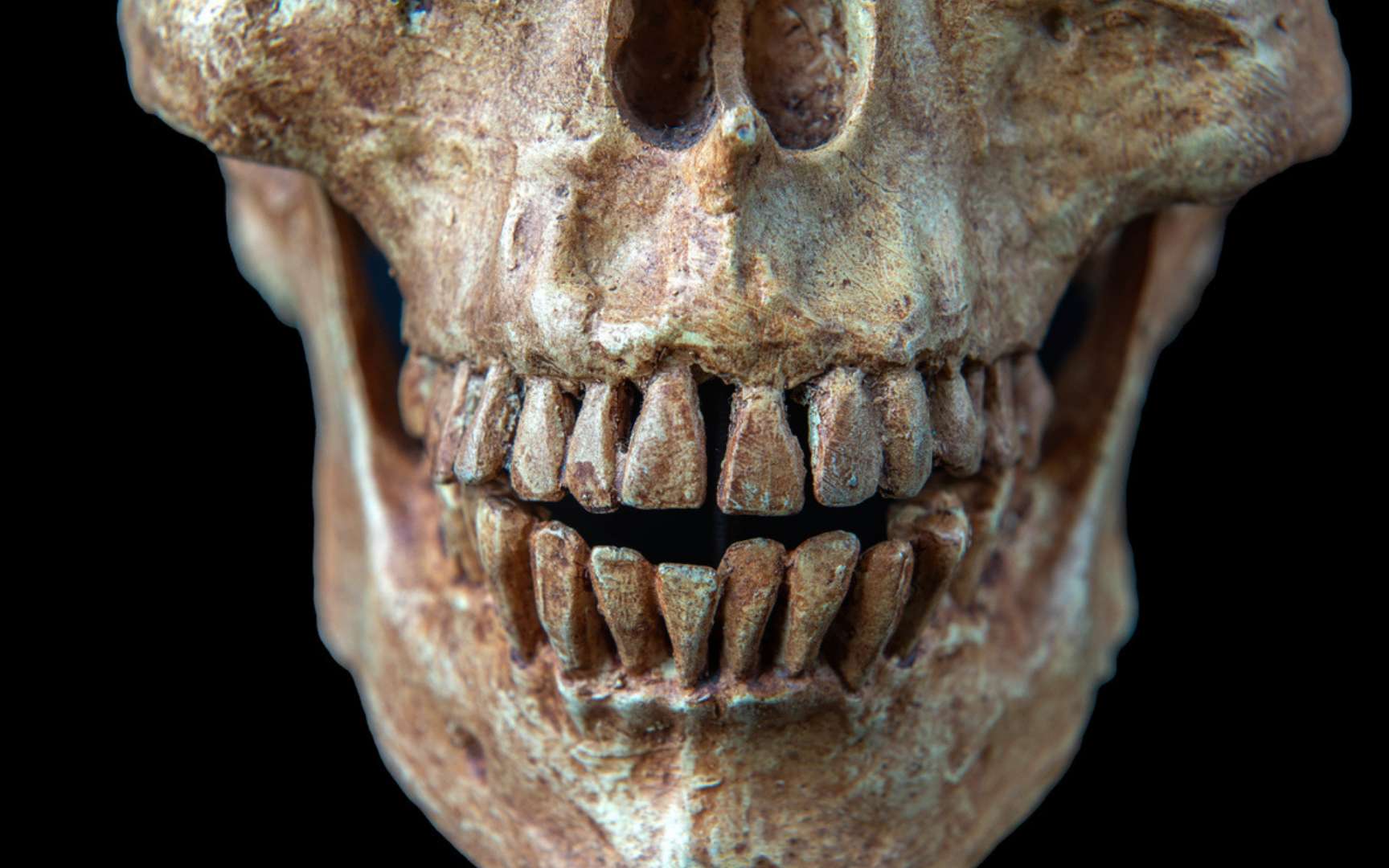
Des dents d'un noir profond, entretenues pendant toute une vie. Au nord du Vietnam, des crânes vieux de 2 000 ans viennent de livrer la recette : du fer, des tanins végétaux, et plusieurs semaines de patience. Une pratique esthétique que l'on croyait bien plus récente, et qui n'a jamais...
Turtle Beach PlayTrek 2-in-1 Case for Nintendo Switch 2: review
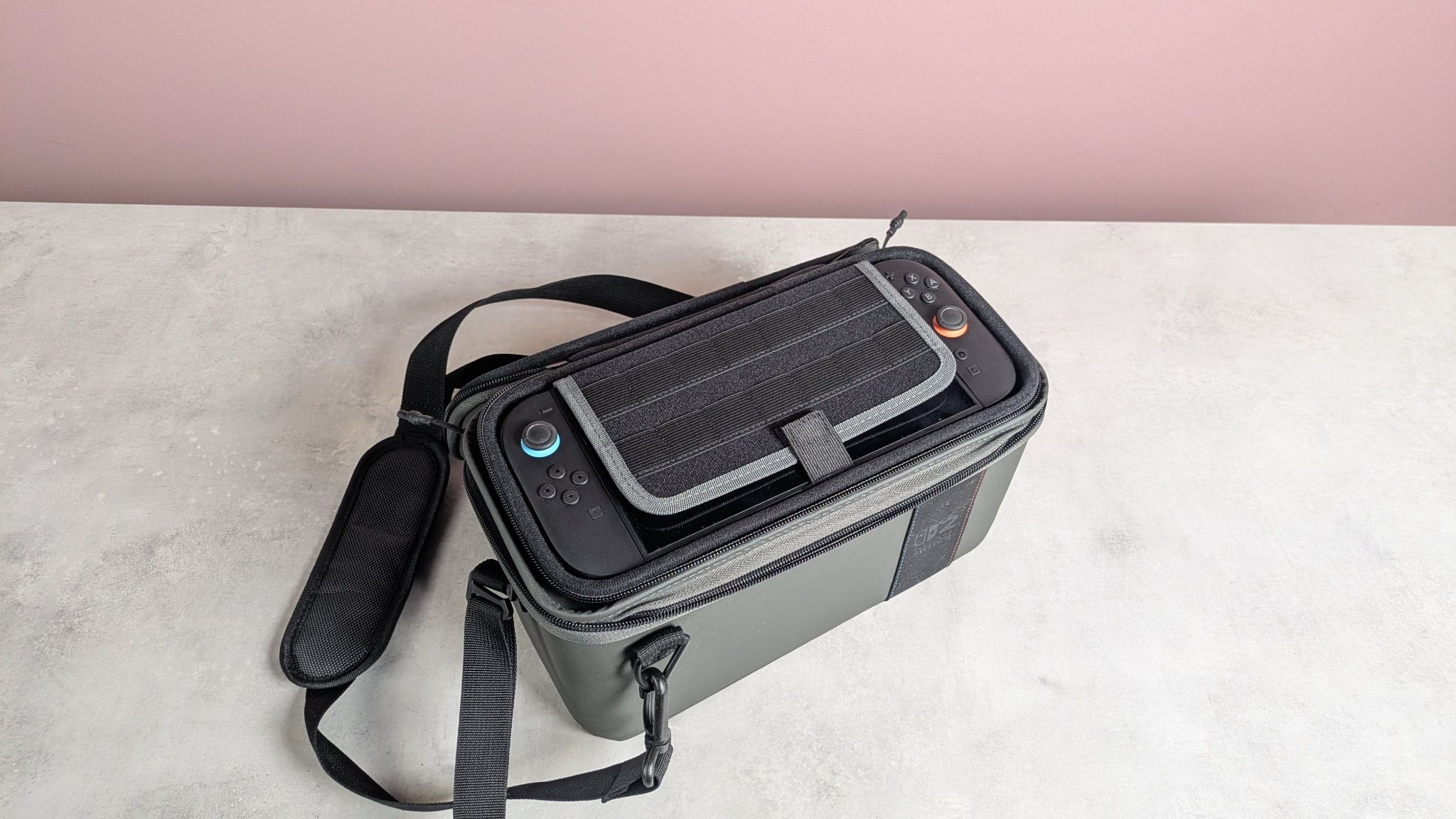
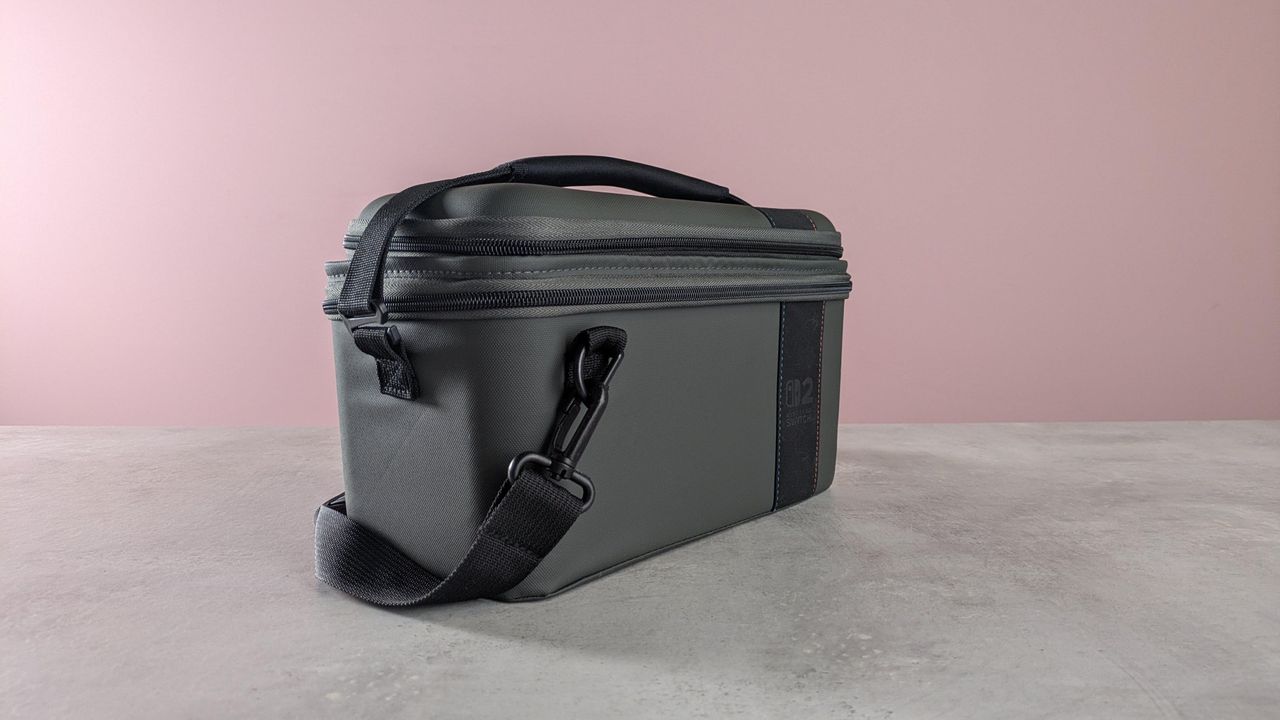
The Turtle Beach PlayTrek 2-in-1 makes a good first impression. It’s quite sleek for a large Switch 2 carrying case, and also rather stylish. This is thanks to the dark grey color and the surprisingly elegant suede strip that runs around it, offset to the right. It features subtle blue and orange stitching, a nice detail and a nod to the color coding of the Joy-Con 2 controllers.
(Image credit: Future)
The material of the entire unit also impressed me with its ruggedness. The shell of the main compartment feels solid, too, with only a slight amount of flex. As for the detachable travel case on top, I appreciated the small rubber strip that runs along its back edge, as it provides a little more durability and protection when opening it up. What’s more, the entire case is pleasingly light and slender, which is all the more impressive considering what it’s designed to carry.
The zips are similarly well-made, with a reasonably long string and a thin plastic topper that’s easy to grip. However, I did find them a little awkward to open at times, as the lids of both the travel case and main compartment have a tendency to sag inwards, slightly obscuring the teeth. This is a minor issue, though, and not one that’s likely to frustrate.
(Image credit: Future)
It’s quite versatile in terms of storage. As mentioned, and as the name suggests, there are two elements to the PlayTrek 2-in-1. The first is the travel case, which is attached via hook-and-loop fastening. This feels quite strong, so I wasn’t worried about it detaching unintentionally. The case houses the console and up to 14 game cards, courtesy of the elastic slots attached to the screen protector flap. The inner part of the lid features zipped netting for storing other accessories, such as cables and the like. There’s no carrying handle, though, which is an oversight.
The fit for the console is very snug, and the case itself is thin all over with next to no extraneous bulk. This makes it great for tucking into a backpack, like the best Nintendo Switch 2 accessories. However, it isn’t a hard shell; it flexes quite readily, so I wouldn’t be confident stacking anything heavy on top of it.
By contrast, the main compartment feels sturdy. The sides can bend inwards quite easily, but the same isn’t true of its corners, so I wouldn’t be concerned if it were subjected to outward forces.
(Image credit: Future)
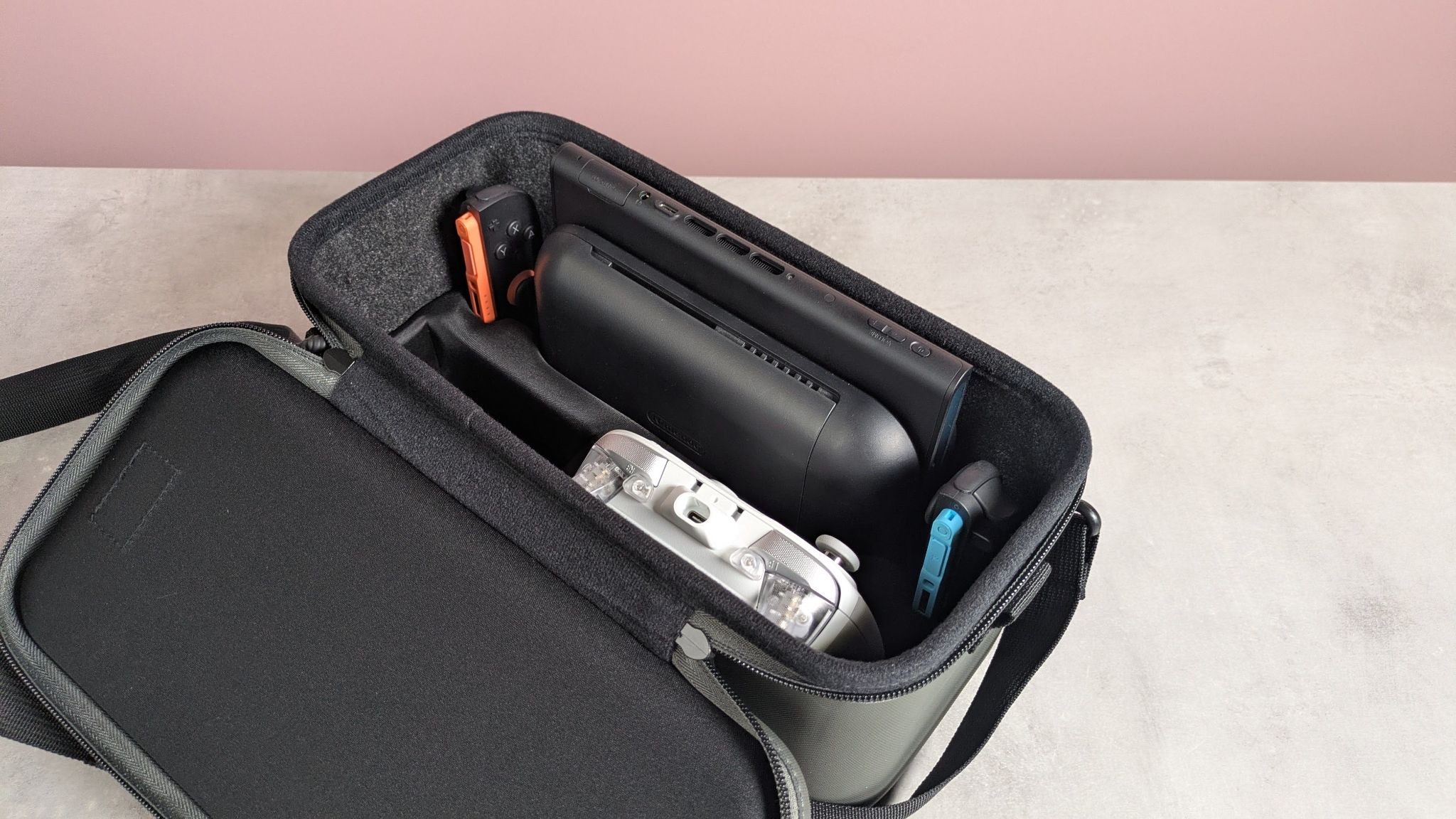
Inside there are inserts for the console, the dock, the Joy-Cons, the charger, and a large gamepad, such as the Switch 2 Pro Controller. I managed to fit the GameSir G7 Pro here instead, which is one of the best Nintendo Switch 2 controllers you can buy, with ease. The fit was snug and secure, as it was for all the other parts. Nothing moved out of place when I threw the loaded case up and down and spun it upside down several times.
The mold material is also just about soft enough to prevent scratching or marking the items within. However, during the course of my test, the glue adhering one side of the mold base to the bottom of the case failed, coming loose.
(Image credit: Future)
Obviously this was disappointing, although it’s possible I got unlucky with my particular unit. Regardless, it at least suggests some quality control issues. Despite the failure, I wasn’t too concerned that this would compromise the security of my contents: the other side of the base remained affixed, and since it sits tightly within the compartment, I wouldn’t be worried if all the glue came unstuck.
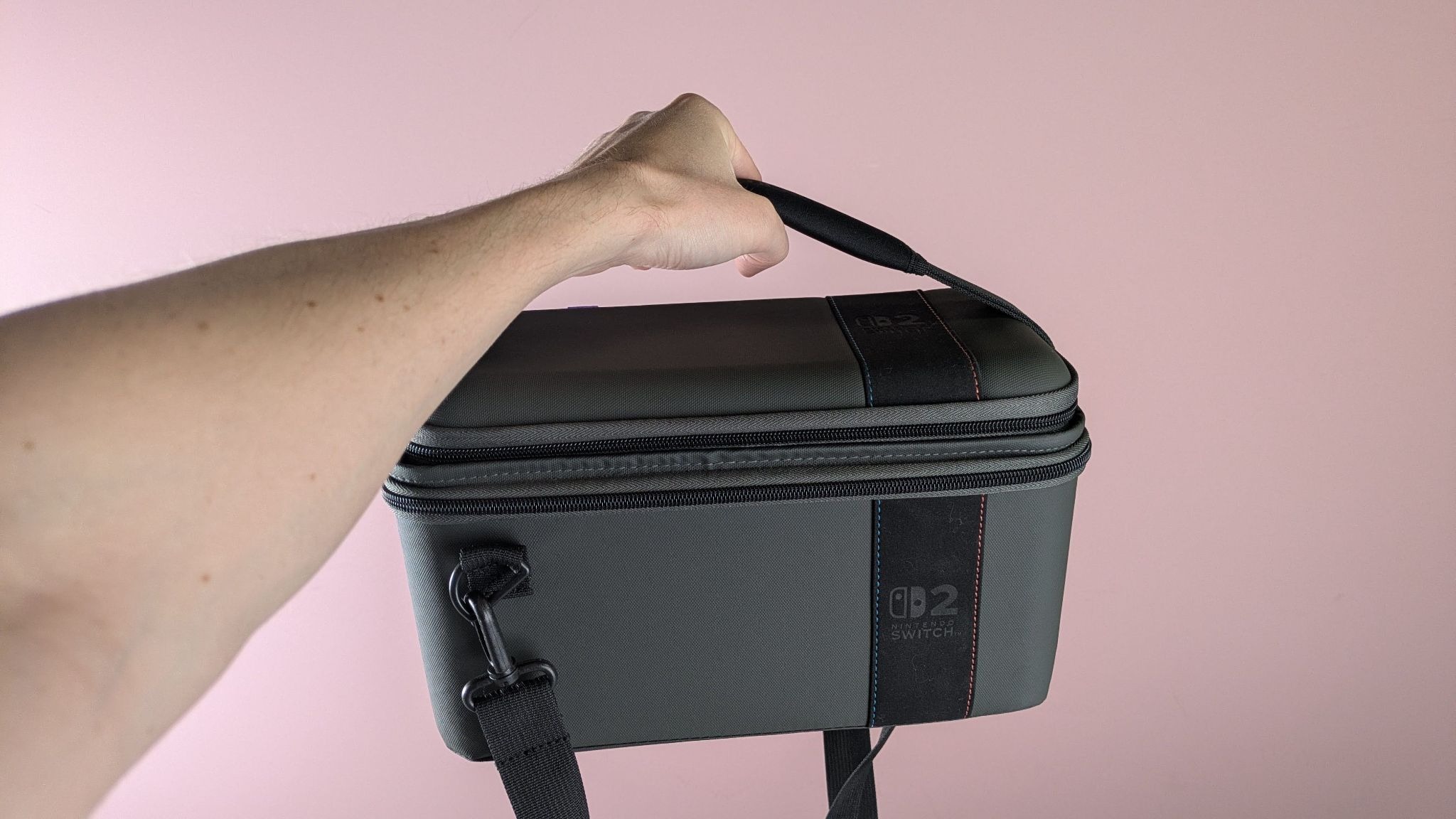
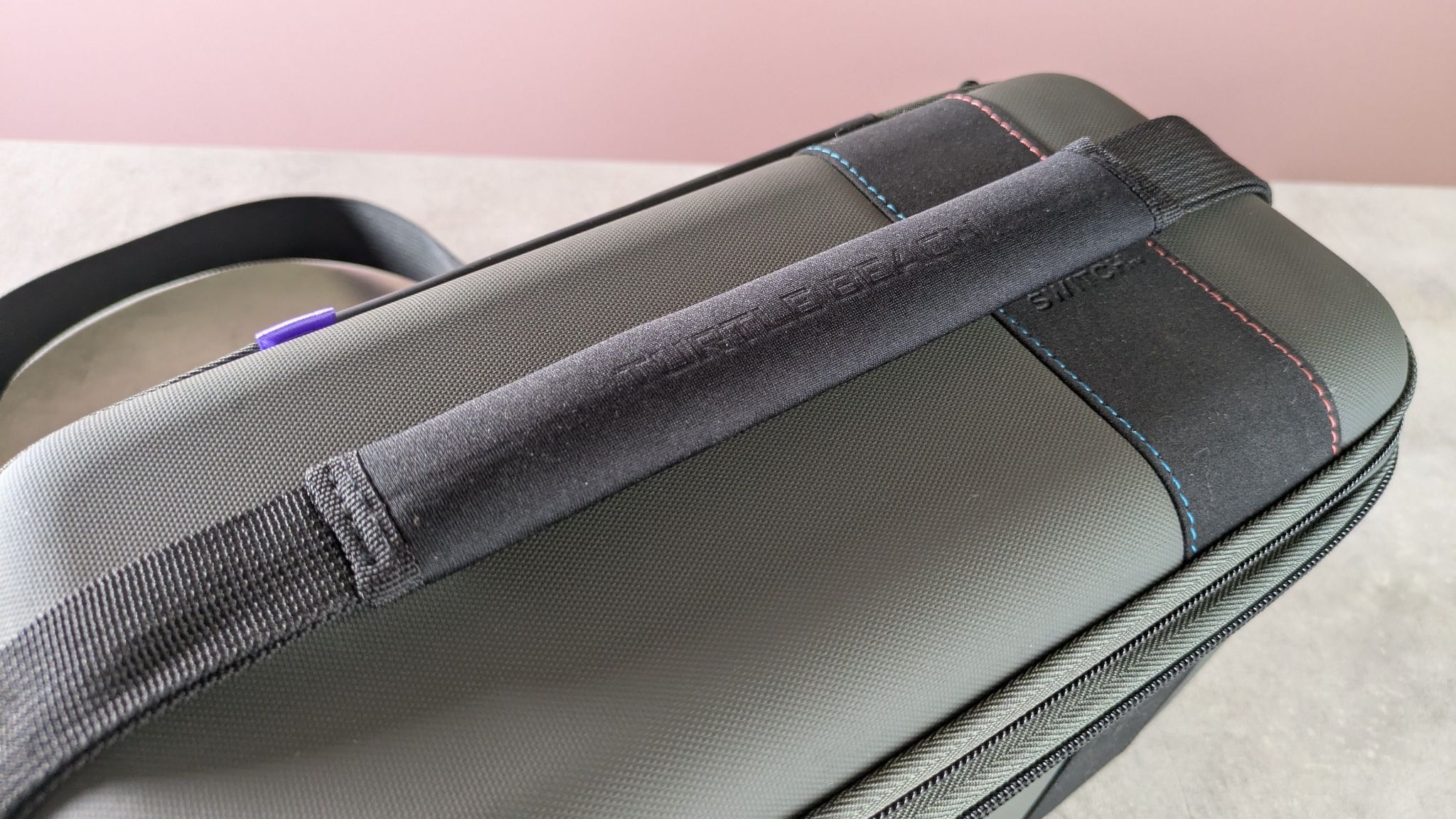
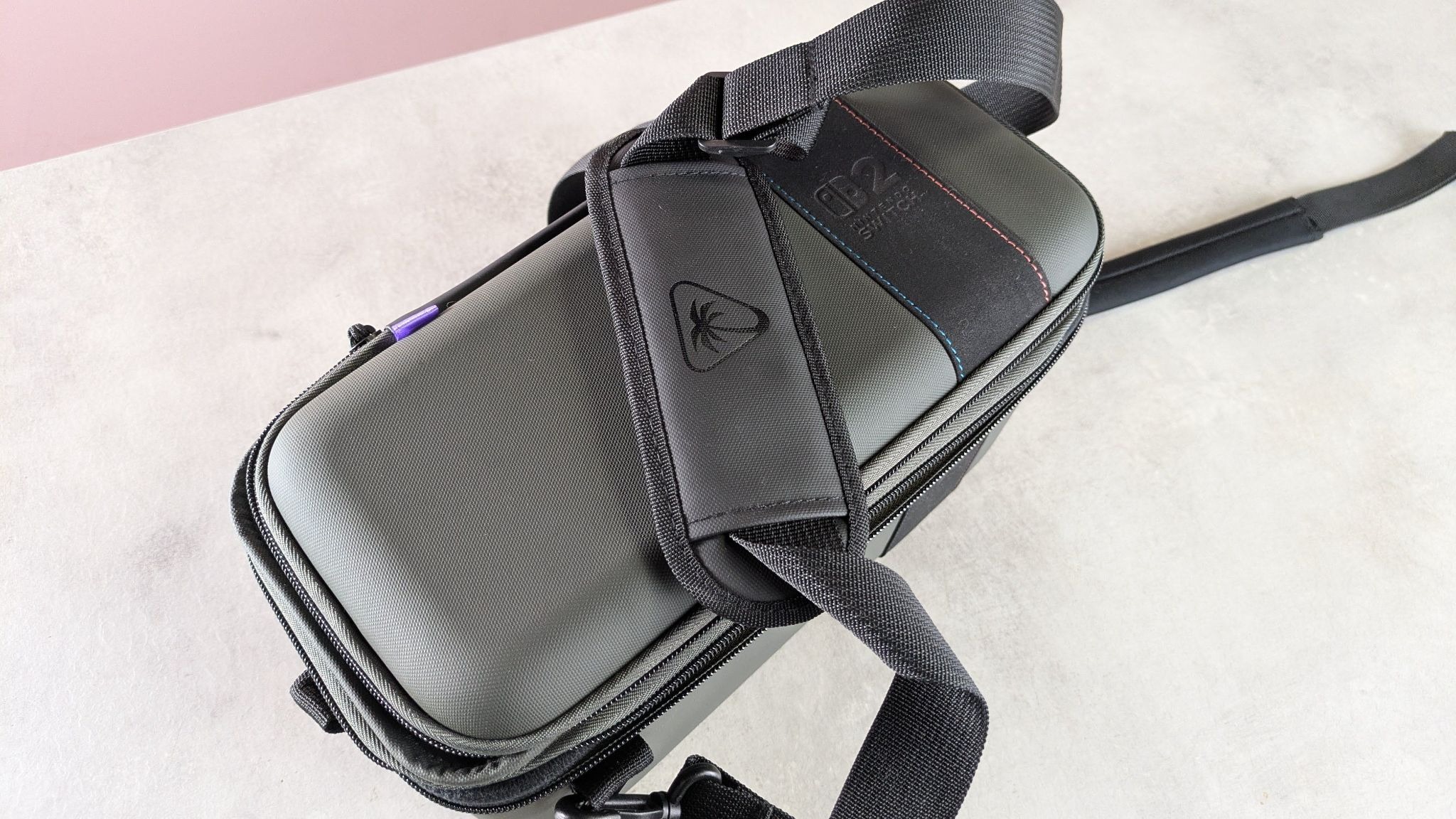
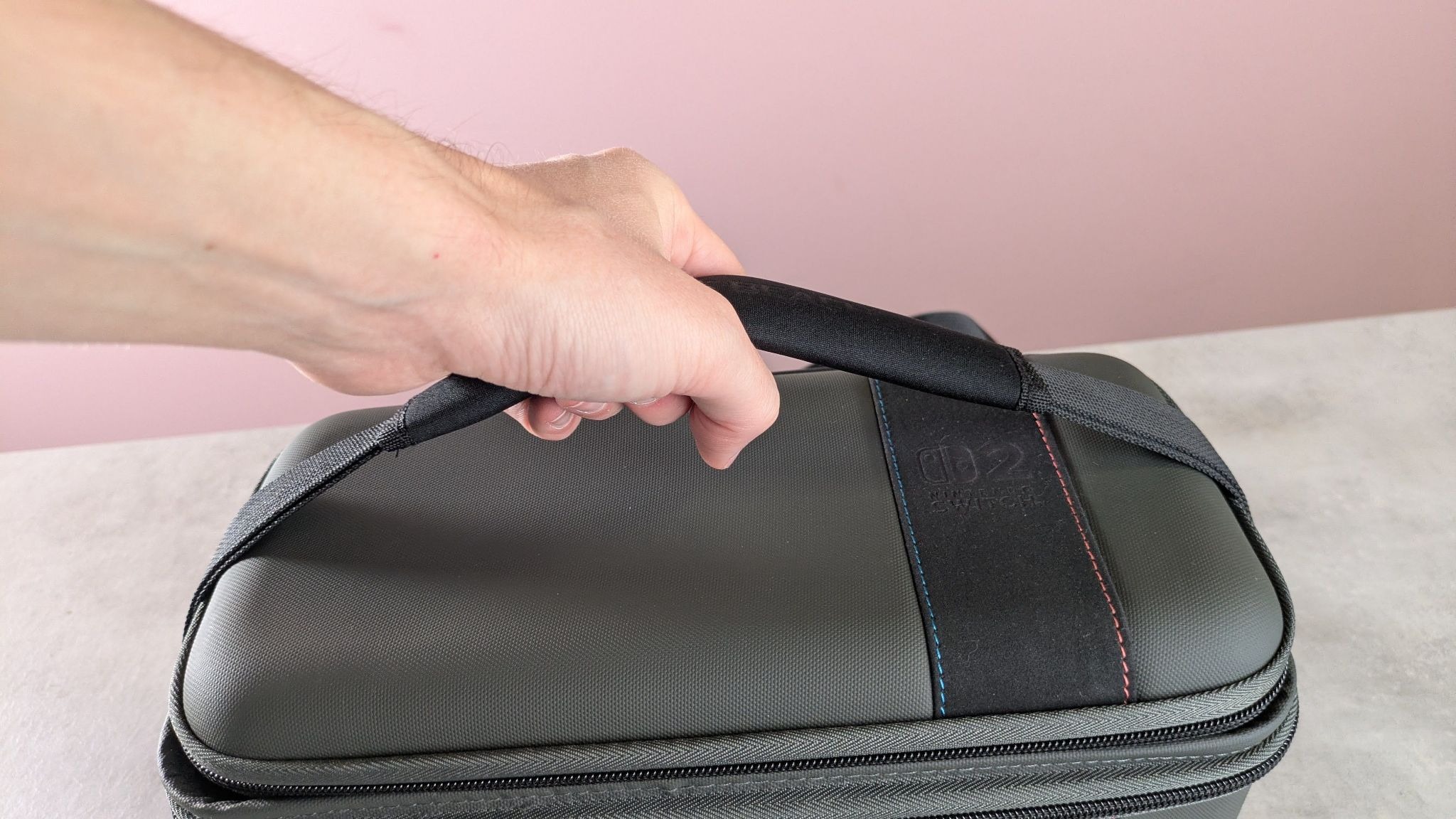
There are two straps adorning the main compartment. There’s a small carrying handle with a soft neoprene cover that’s very soft and comfortable in the hand. It provides just enough slack, although it's quite tight, which makes it awkward to move out of the way when accessing the main compartment and detaching the travel case; the handle slid out of one of its buckles accidentally on numerous occasions. On the other hand, this tightness does help to pin down the travel case on top, adding an extra layer of security to the hook-and-loop fastening.
(Image credit: Future)
The shoulder strap is a typical affair, with its nylon design and plastic karabiners. It's a small shame these and the buckles aren’t made of metal, but I guess this helps to keep the weight down. Fortunately, the karabiners are very solid, which can make them a little tough to remove, but this is a price I’m willing to pay for the security they offer in return.
The length of the strap is adjustable to a reasonable degree, although it could perhaps offer more slack to more easily accommodate taller users. The padded cover over the adjustment buckle is a little thin and lacks the cushioning of the neoprene carrying handle, but I still found it sufficient to prevent the strap digging into my skin.
At $50, the PlayTrek 2-in-1 is a reasonable price for such a feature-filled carrying case. It also has the quality to match, aside from the aforementioned issue with the inner mold. And since it’s cheaper than Nintendo’s own counterpart, it’s a compelling alternative.
Turtle Beach PlayTrek 2-in-1 Case for Nintendo Switch 2 review: Price & specs
Price
$49.99 / £39.99 (about AU$70)
Dimensions
5.83 x 12.60 x 7.99in / 148 x 320 x 203mm
Weight
1.78lbs / 809g
Number of game card slots
14
Compartments
7
Handle
Yes
Color
Grey
Should I buy the Turtle Beach PlayTrek 2-in-1 Case for Nintendo Switch 2?
Scorecard
Attributes
Notes
Rating
Design
Light and bulk-free, while still providing enough protection. The travel case is a bit too soft, though.
4 / 5
Storage
There’s plenty of room for your entire gaming setup, which is all the more impressive given its slender form.
5 / 5
Value
It’s not exactly cheap, but it’s cheaper than Nintendo’s equivalent, yet has more features and storage space.
4.5 / 5
Buy it if…
You want versatility With its detachable travel case and space for your Switch 2 and its accessories, this really is the all-encompassing solution for transporting your setup.
You want to keep the bulk down It’s relatively slender and pleasingly light without being too flimsy.
Don't buy it if…
You want a tough travel case The detachable travel case isn’t as solid as many others, which is a shame.
You want an unfussy handle The strap handle is awkward to move out of the way when opening the main compartment.
Turtle Beach PlayTrek 2-in-1 Case for Nintendo Switch 2 review: Also consider
Nintendo Switch 2 All-In-One Carrying Case As Nintendo’s official carrying case, you’d imagine the quality would be high here. And indeed it is, but it’s more expensive than the PlayTrek, yet less solid and with fewer features. There aren’t as many game card slots, and there’s no detachable travel case. Read our full Nintendo Switch 2 All-In-One Carrying Case review.
How I tested the Turtle Beach PlayTrek 2-in-1 Case for Nintendo Switch 2
(Image credit: Future)
I tested this case for a few days, storing the Switch 2 in the travel case compartment, as well as in the main compartment along with the dock, Joy-Cons, and a large controller.
I carried the case around, via both the handle and the shoulder strap, and regularly removed and replaced the handle to test how easy this was. I also tested the zips thoroughly by opening and closing them repeatedly.
I threw the case up and down and spun it upside down several times to test both the hold of the detachable travel case and the hold provided by the inner molds of the main compartment.
Researchers believe they've found evidence that brain signals reveal the pitches of notes in imagined musical melodies, reports Medical Express:
Study participants were 10 epilepsy patients with electrodes on the surfaces of their brains for clinical monitoring. Participants quietly listened to the first bars of children's tunes, then imagined the melodies of subsequent bars before humming their imagined melodies. Brain activity from the patients carried information about relative pitches within the imagined melodies. Combining note-level pitch predictions over time allowed the research team to recreate melodic changes that reflected the structure of the imagined songs...
"The model we created decodes relative pitch classes — such as do, re, mi, fa, sol, and la — rather than exact, absolute pitches," [said tudy co-lead Jii Kwon of Seoul National University]. "This is useful because people often recognize melodies by the relationships between notes, even when the same melody is played in a different key."
Clearing amyloid plaques may break the chain reaction that fuels brain cell destruction in Alzheimer’s disease. One Alzheimer’s brain offered researchers something they almost never get to see: a natural side-by-side experiment. In some regions, years of anti-amyloid treatment had removed most of the sticky plaques associated with Alzheimer’s disease (AD). Those areas contained little [...]
El día del eclipse no será uno más para nadie y mucho menos para los científicos. Algunos estarán realizando observaciones para investigaciones y otros, como Ruth Lazkoz, harán divulgación en el sitio donde estén. La doctora en Física es catedrática en la Universidad del País Vasco, se ha especializado en el universo en expansión y ahora está interesada en “devolver a la sociedad” lo que le ha dado.
En los días previos, conversa con National Geographic España sobre la ciencia detrás de este fenómeno y pone el foco en un aspecto poco difundido: el rol de las estrellas.
Pregunta. ¿Cómo se explica que dos cuerpos tan diferentes en su tamaño y su distancia queden alineados y el más pequeño impida el acceso de la luz?
Respuesta. La clave es el tamaño angular de cada objeto. Podemos pensar como si tuviéramos un palo de escoba que barre de un lado a otro de la Luna y otro palo de escobar más larga de un lado al otro del Sol. La distancia que barres y la longitud del palo cuando las divides tienes el ángulo. La cuestión curiosa es que, aunque el diámetro del Sol es 400 veces más grande que el de la Luna, la distancia a la que está es 400 veces más que nuestra distancia con la Luna. Entonces son dos números que al dividirse nos dan el mismo ángulo. Es una coincidencia cósmica. Si la Luna fuera más pequeña o estuviera más lejos, ya no veríamos eclipses totales. De hecho, las mareas lo que hacen es alejar la Luna 4 centímetros cada año de la Tierra y en aproximadamente 600 millones de años no habrá más eclipses totales. Estamos viviendo una etapa privilegiada en la historia de la humanidad.
P. ¿Dónde lo verá?
R. Yo lo voy a ver en la meseta de Burgos, que es una de las mejores localizaciones porque clásicamente es un sitio en el que en verano no suele haber nubes, polución ni partículas como en zonas costeras, y la atmósfera es estable.
P. ¿Será una buena noche para hacer observaciones astrofísicas?
R. Yo solo voy a verlo a nivel de puro aficionado, pero voy a intentar hacer alguna actividad popular en el pueblo, Covarrubias (Burgos), para intentar acercar un poquito la ciencia. Más que nada explicar con cuerdas y nueces esta cosa de cómo la Luna se coloca delante, tapa al Sol y entonces no vemos su luz, pero sí vamos a ver la luz de las estrellas porque quedan detrás del Sol. He hecho mucha investigación pura y dura, ahora lo que me interesa es devolver a la sociedad lo que me ha dado y poder enfocar el interés público hacia un entendimiento del valor de la ciencia para que avance la humanidad y todos seamos más críticos.
P. ¿Qué recomienda para tener un buen sitio de observación?
R. El eclipse será tan bajo en el horizonte, que realmente hay que controlarlo en los días previos. Porque si te colocas en un sitio, aunque estés en un pueblecito sin contaminación, puede que no vayas a verlo si no te subes a un punto elevado. Tiene un componente de aventura de buscar cada uno su lugar.
P. El Sol es el gran protagonista, pero ¿qué fenómeno ocurrirá con las estrellas?
R. Vamos a ser capaces de ver estrellas que justo en ese momento están detrás del Sol por un efecto de curvatura. El Sol es una masa muy grande y densa, que produce una curvatura significativa a su alrededor del espacio-tiempo. Todas las partículas que tengan masa (un protón, un electrón, un balón de fútbol o una partícula de luz) tienen que seguir ese espacio-tiempo, o sea, el universo. A nivel divulgativo, podemos imaginarnos el espacio-tiempo como una sábana elástica y las partículas van pegaditas.
P. Es decir, ¿el Sol actúa afecta al trayecto de la luz de las estrellas?
R. Lo que va a ocurrir es que un rayo que sale de una estrella detrás del Sol va a sentir la atracción gravitatoria del Sol y va a ser una especie de ‘pozo’ por el que pasa esa partícula de luz. Entonces, envez de escapar del Sol en su trayectoria, se va a acercar. Será como tener un obstáculo en la carretera, esquivarlo y volver a la carretera. Pues la partícula de luz va a hacer a hacer algo así: sale intentando esquivar el Sol, el Sol la atrae un poco y al atraerla vuelve hacia una trayectoria que llega hasta nuestros ojos.
P. ¿Lo podremos observar cualquiera?
R. No, realmente esto solo podría observarse con un instrumento muy sofisticado. A nivel de calle no lo vamos a ver. A nivel Física, lo importante va a ser la cantidad de gente que consigue hacerse preguntas o interesarse por esta cuestión tan hermosa.
The new GNOME Boxes app for accessing virtual systems has reached beta, announced This Week in GNOME. There's also been more work on the Sushi file previewer for Nautilus, and Papers 51 Beta can now add visual signatures to PDF documents.
But Phoronix noted one more announcement. "Germany's Sovereign Tech Agency announced earlier this year a new fellowship program and now as part of that, for the next two years GNOME has a fellow dedicated to working on design and community management... paid to help developers with design feedback and reviews, mock-up creation, and other GNOME design related efforts..."
From the blog post by GNOME Design Team member Philipp Sauberzweig:
I have been contributing to GNOME design as a volunteer for several years... I believe that it's essential for a free and democratic society to ensure free and independent access to these technologies. To achieve this goal, end-user devices based on free and open-source software are key, and the GNOME desktop and its app ecosystem offer a powerful alternative to proprietary platforms...
This two-year fellowship is a great honor and marks a significant change in my life. It is a unique opportunity for me to devote my skills and experience entirely to a project I strongly believe in.
During my two-year fellowship, I will support GNOME maintainers and developers with design feedback and reviews, create mockups, and coordinate efforts to standardize design patterns. My other activities focus on lasting improvements through two strategic initiatives: expanding the design community to increase capacity and enhancing our design tooling to reduce overhead and simplify onboarding... To attract new contributors, I will increase the visibility of design work by writing regular blog posts, giving presentations, and running workshops at conferences and hackathons. New contribution opportunities for newcomers will be created with clear instructions for independent activities such as collecting state-of-the-art examples, running accessibility and user tests, and creating mockups. Design reviews will be used as mentorship opportunities, pairing regular design contributors with experienced designers for peer review and knowledge sharing...
If you're interested in contributing to GNOME design, check out the Design Team page on the Welcome to GNOME website, familiarize yourself with the Human Interface Guidelines, and join our Matrix channel. If you're a GNOME developer feel free to reach out to me via Matrix and involve me in design reviews.
Jakub Beránek from the Rust compiler and infrastructure team also earned a fellowship in Germany's Sovereign Tech program, focusing on improving the Rust toolchain's tooling and infrastructure for Rust's developers.
Other fellows include Pablo Neira Ayuso (Linux kernel maintainer for the Netfilter subsystem), CPython core developer Stan Ulbrych, and Python core developer Hugo van Kemenade, FreeBSD contributor Alexander Ziaee.
AI-powered Flock cameras are blanketing the country. Data brokers are selling veritable dossiers worth of information on everyone to shady government agencies. And your neighbors are all spying on each other, unintentionally or otherwise, with their doorbell cameras.
All this is a nightmare for any of us that care about our privacy, sure. But it’s also quite the headache for crime novelists.
Gone are the days that a fictional criminal could don a mustache and wig to get away with murder. Or wipe the gun they just used to shoot someone and plant it to make it look like a suicide.
To keep their stories grounded, writers of crime fiction have to keep up with the surveillance tech of the times almost as much as an actual master criminal might. If they don’t account for the omnipresence of modern surveillance, they’ve lost their audience.
“Readers will not let you get away with it,” Samantha Downing, author of the bestselling thriller “Too Old for This,” told The Mercury News. “If you’re writing a story that has a murder mystery, you have to consider all that. I try to use it to my advantage. It would be easier if it didn’t exist.”
In her 2025 novel “Too Old for This,” Downing cleverly makes this tension the conceit of her story. The protagonist, a 75-year-old serial killer, makes a conscious effort to keep surveillance tech off her back, like by covering her license plate to avoid license plate cameras that have surged across the country.
“When she’s going to go do something bad, she leaves her phone — she has a little note: ‘Leave phone,'” Downing told the newspaper. “Because she’s 75 and she forgets.”
In his stories, detective fiction author Mark Coggins, a former software engineer at multiple Silicon Valley firms including Mozilla, Netscape, and HP, mulls over how the technology can easily be used to perpetrate crime, too.
In one book, he described “this tech bro killing another tech bro and framing a third party for the murder using AI to create phony footage,” he told the Mercury News. Personally, he was worried about how surveillance could be used to target protestors, imagining a potential book where a detective tries to exonerate someone framed by surveillance tech.
We’re already seeing how this new crop of AI-powered video cameras are being abused. At least 50 police officers across the US have been accused of using Flock and other license plate scanning cameras to stalk women, according to a Washington Post tally. Flock in particular has become a lightning rod for the public’s discomfort with surveillance, and despite overwhelming backlash from residents, local city leaders are resistant to dropping the tech.
“You sort of feel that the noose is tightening with all this stuff,” Coggins told the newspaper.
The real horror for writers, though, is having to do extra research to keep themselves apprised of how all these systems work.
“You need, as a writer, to do enough homework, and talk to an expert,” Tim Maleeny, a crime writer, told the newspaper.
For about 40 years, physicists have puzzled over a strange problem: What happens when an electrically charged particle encounters a hypothetical magnetic monopole? Some calculations suggested that the outgoing particle simply disappears from the theory. Now, researchers from Ghent University, the University of Cambridge and the University of Oxford may have found an answer. Their […]
A small dinosaur bone discovered in Fukushima Prefecture more than 25 years ago is giving scientists new clues about the variety of plant-eating dinosaurs that once lived along the ancient coast of Japan. The fossil belonged to an iguanodontian, a large and diverse group of herbivorous dinosaurs that lived from the Late Jurassic through the […]
Une pénurie de soja ferait grimper le prix de la viande et fragiliserait l’élevage français, très dépendant des importations. Mais elle pourrait aussi accélérer la transition vers une alimentation moins carnée et plus locale.
For many people living in Orange County, California, the American dream is starting to feel increasingly out of reach, especially when it comes to owning a home and raising a family. A new poll from the University of California, Irvine (UCI) found that residents are evenly divided over whether the American dream is still possible […]
Carbon dioxide is best known as a greenhouse gas that contributes to climate change, but scientists are increasingly exploring ways to turn it into something useful. A new study shows how sunlight and an unusual material called black silicon could help convert carbon dioxide into methane, the main component of natural gas. Researchers at National […]
Astronomers have discovered an enormous stream of gas flowing toward a young system of three stars, potentially explaining why its planet-forming disks are strangely tilted. Using the Atacama Large Millimeter/submillimeter Array (ALMA), researchers observed a gas streamer stretching about one trillion miles, or 0.2 light-years, toward the young triple-star system GW Orionis. The findings, published […]
A new study has looked at historic flooding of the Yangtze River and concluded that human attempts to temper flood risks may have actually made things worse. From ancient dykes to modern dams and floodgates, the team has concluded that, overall, these may have made flood events more devastating.
The core idea is deceptively simple: if you squeeze a river into a narrower space, the same volume of floodwater has fewer places to go. The result is that flood events, when they occur, can be amplified rather than dampened.
Historically, when the Yangtze flooded, water spread into surrounding floodplains, lakes and wetlands. Locally, this was clearly bad news, but those areas acted like enormous temporary storage tanks.
In other words, they absorbed water, slowed it down and released it gradually. In response, people then built embankments, drained lakes and reclaimed floodplains for farming and development. That protected those particular areas from ordinary floods, but the team claims, removed much of the river system’s overflow capacity.
To support their claims, the international team, led by Yu Shiyong of Jiangsu Normal University, looked at flood events over the last 500 years as the core of their study. They combined sediment archives, historical reports, and high-resolution climate reanalysis data to reconstruct the size and scale of historic floods along the river.
Did humans make Yangtze floods worse?
They found that embankment construction increased the estimated magnitude of a 100-year flood by about 18%, while lake enclosure and reclamation increased it by about 8%. A “100-year flood” does not mean one flood every 100 years. It means a flood of that size has historically had roughly a 1% chance in any given year.
But, you may well wonder, aren’t dams and levees supposed to prevent this? In short, they do, for smaller, more frequent flooding events. But the team argues that measures intended to control flooding can amplify the peak discharge of rare, extreme events.
Another problem human measures like dams and levees seem to have created, the team argues, is a perception of safety. With them in place, locals feel more secure in living in flood plains and will build houses, factories, etc, in places where they otherwise wouldn’t.
Termed the “levee effect,” when an extreme flood eventually overtops or exceeds those defences, the resulting damage can be much greater because more people and assets are now exposed.
So what can be done? The team argues that a more hybrid water management system might be better going forward. Rather than removing dams and levees, etc, they argue for strengthening defenses where needed, especially near large population centers.
They also argue that lakes and wetlands should be reconnected to rivers, and floodplains should be restored and preserved to act as natural flood absorbers. The team also suggests setting up controlled areas that can act as artificial floodplains, and restoring forests and wetlands upstream to slow rain runoff into rivers.
Nature knows best
“The core idea is not to eliminate floods, but to allow them to accumulate, divert and be released slowly in a predictable, controllable and minimally damaging space,” Lead author Yu Shiyong said in an interview.
“An ideal flood control system for the Yangtze River should be a robust river and lake ecosystem with self-adjusting capabilities, rather than relying solely on ever-rising dykes,” he added.
“Truly modern water management is about scientifically determining which areas must be protected, which areas should be left flood-prone, and when to store water and release it, while ensuring that the costs and benefits are shared fairly,” Yu added.

 Login