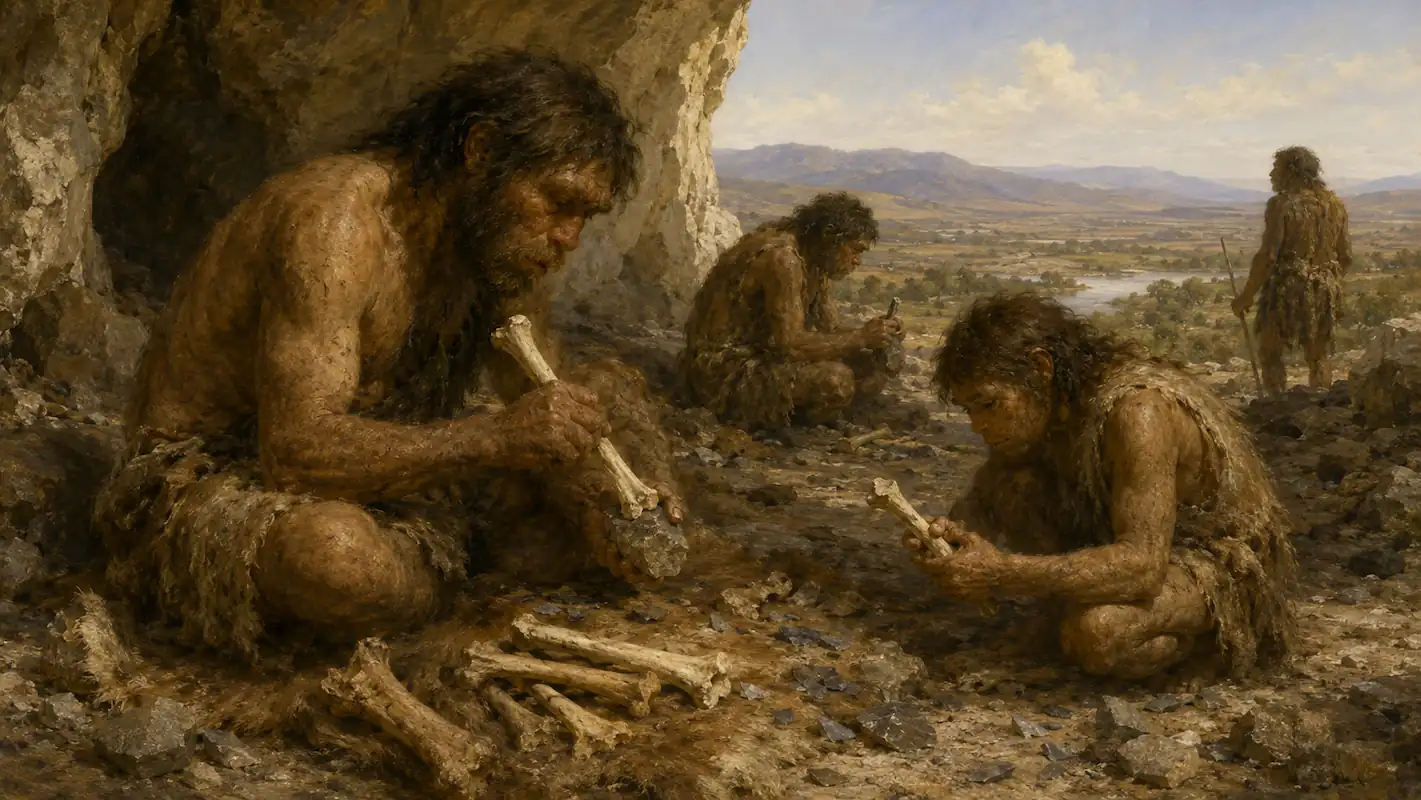
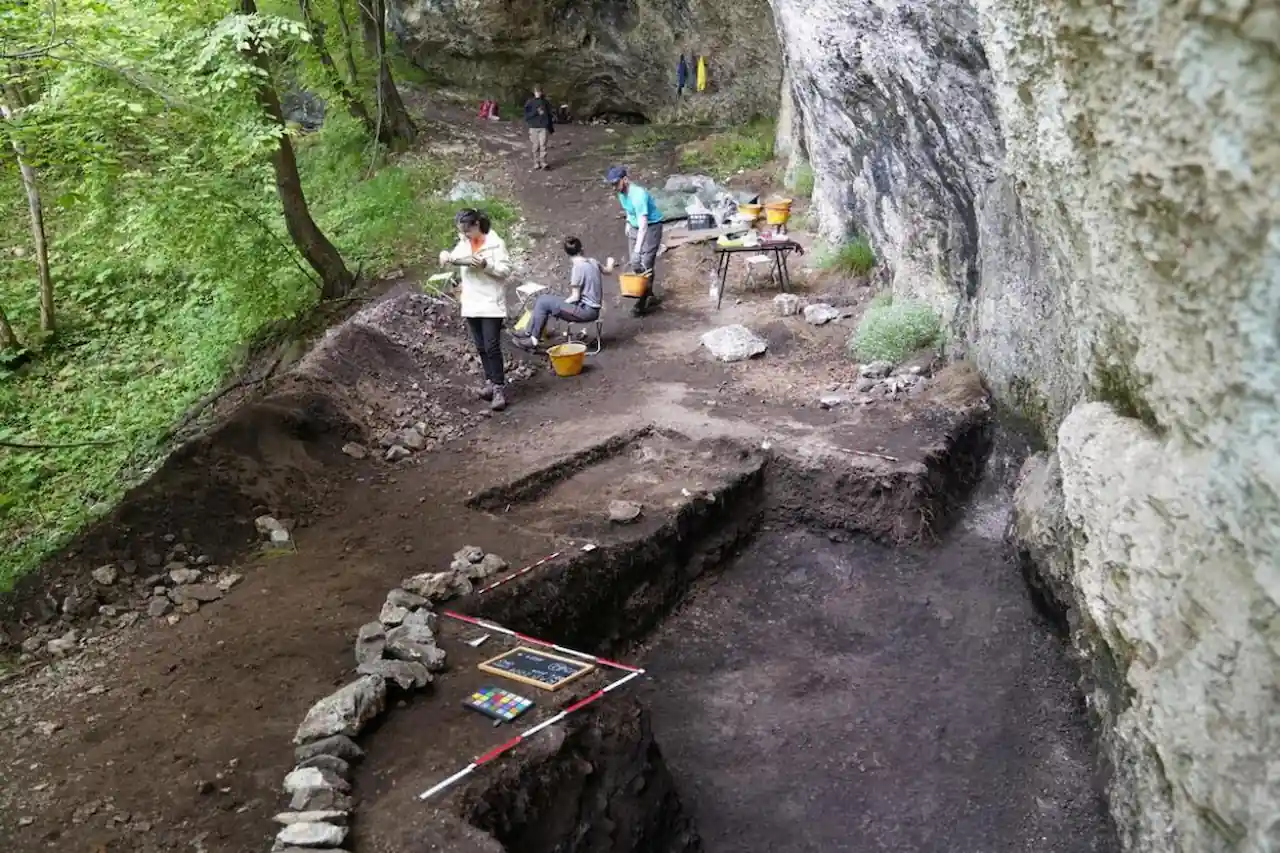
A team of researchers from the University of Burgos and the Atapuerca Foundation has published the first detailed analysis of the bone retouchers found in the Valdegoba cave, in the municipality of Huérmeces (Burgos). This site, occupied by Neanderthals during the Middle Paleolithic, has yielded 38 bone fragments that were used as tools to retouch […]
Un equipo de investigadores de la Universidad de Burgos y la Fundación Atapuerca ha publicado el primer análisis detallado de los retocadores de hueso hallados en la cueva de Valdegoba, en el municipio de Huérmeces (Burgos). Este yacimiento, ocupado por neandertales durante el Paleolítico Medio, ha proporcionado 38 fragmentos óseos que fueron utilizados como herramientas […]
The Egyptian archaeological mission under the authority of the Supreme Council of Antiquities has brought to light, during excavation work carried out in the archaeological area of Kom el-Khilgan, in the Dakahlia Governorate, a necropolis whose origins date back to the Predynastic Period and whose use continued through the Greek and Roman eras, together with […]
La misión arqueológica egipcia dependiente del Consejo Supremo de Antigüedades ha sacado a la luz, durante los trabajos de excavación desarrollados en la zona arqueológica de Kom el-Khilgan, en la gobernación de Dakahlia, una necrópolis cuyos orígenes se remontan al periodo predinástico y que prolonga su uso hasta las épocas griega y romana, junto con […]
Researchers from the University of Catania, in collaboration with the Archaeological Park of Catania and the Valley of the Aci, have located beneath the stage of the Teatro Antico a network of underground channels that in Roman times was used to intercept and evacuate groundwater toward the sea. The discovery, the result of a geoarchaeological […]
Investigadores de la Universidad de Catania, en colaboración con el Parque Arqueológico de Catania y del Valle del Aci, han localizado bajo el escenario del Teatro Antico una red de canales subterráneos que en época romana servía para interceptar y evacuar hacia el mar las aguas de la capa freática. El descubrimiento, fruto de un […]
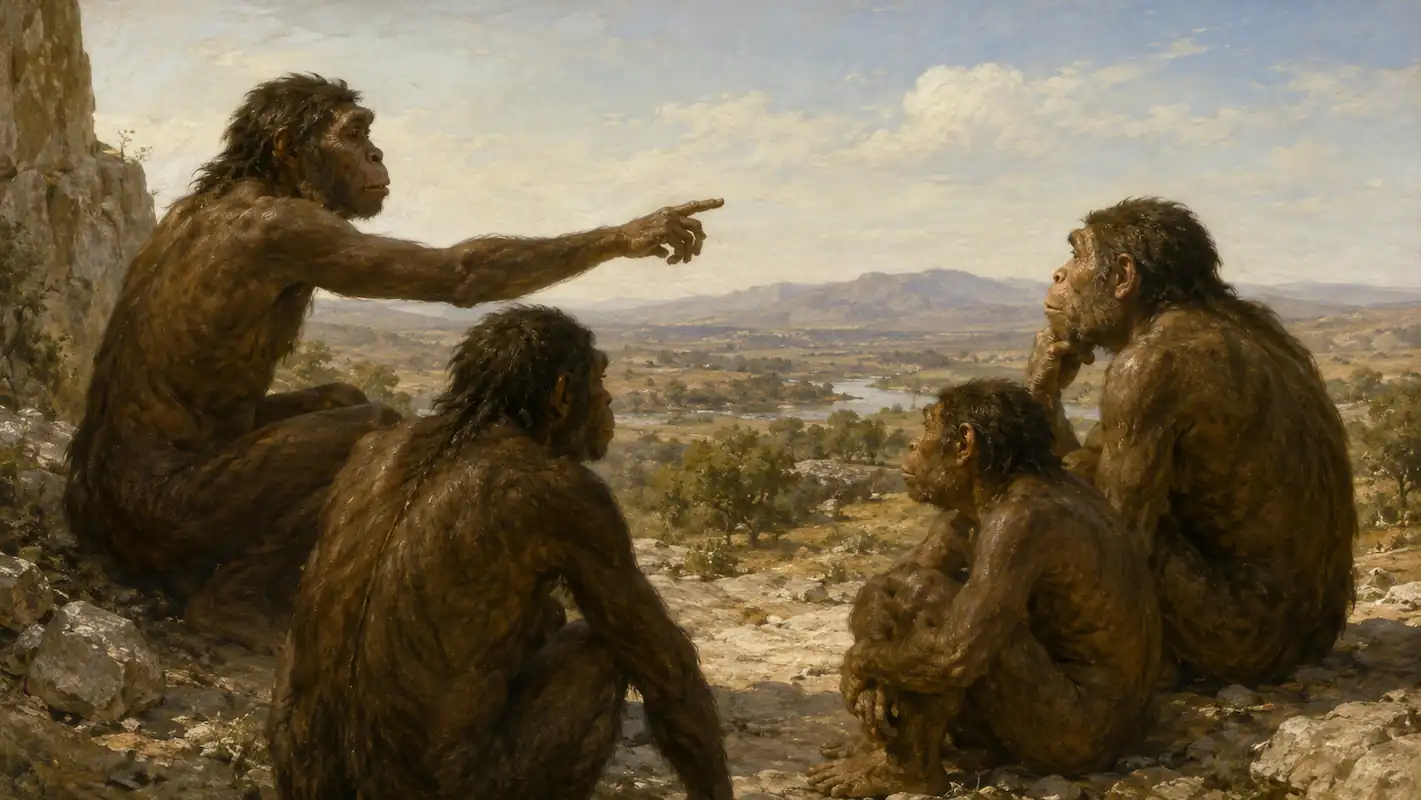
The research, published in the journal Science, was led by Richard F. Kay, emeritus professor of Evolutionary Anthropology at the Trinity College of Arts & Sciences and at the Nicholas School of the Environment at Duke University. The work, which used a unique collection of skulls mostly from the Natural History Museum of the Duke […]
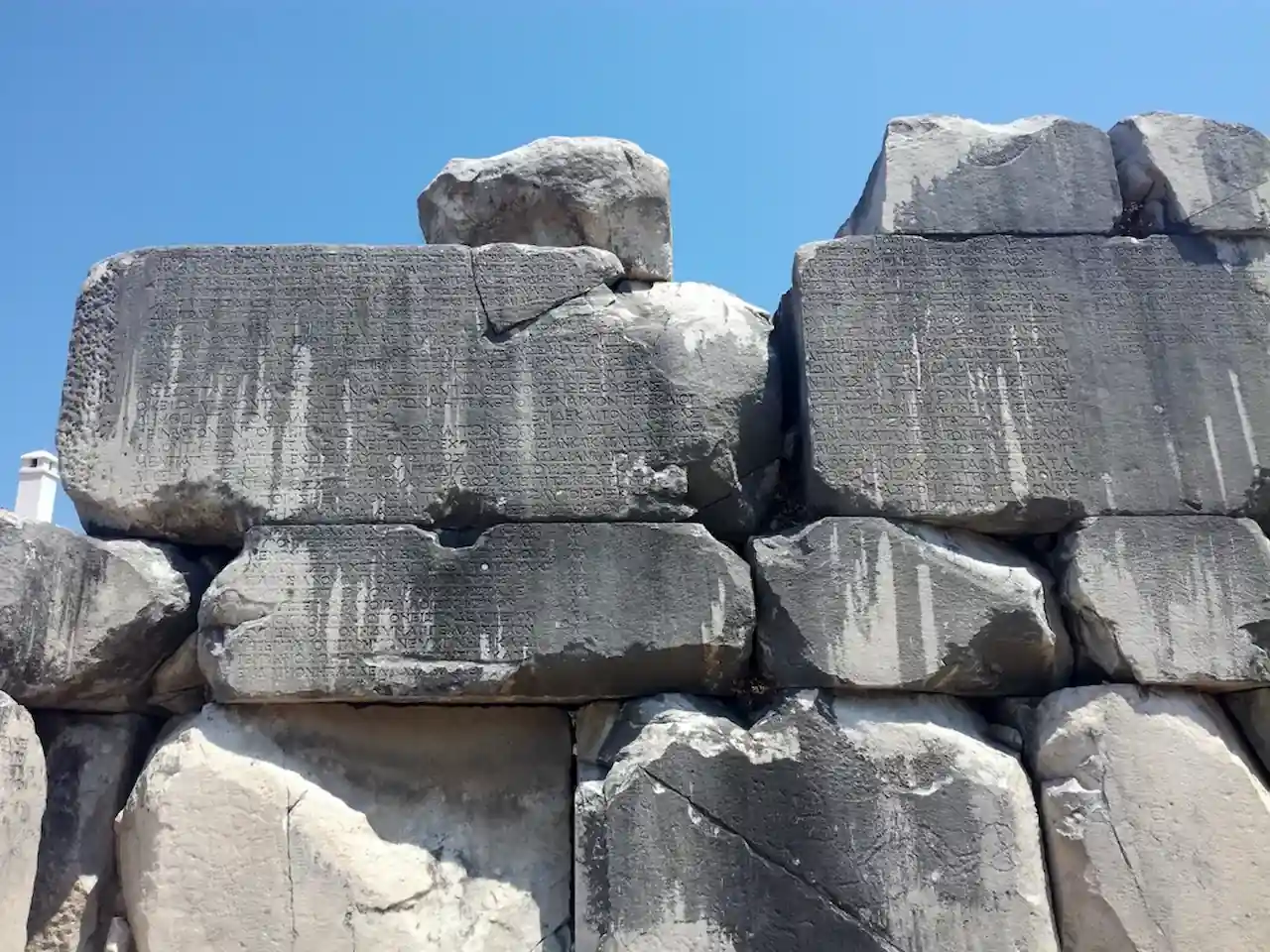
The history of the Roman Empire is often told through the exploits of emperors and generals, but the mechanisms of daily administration and, especially, the relationships between central power and the provinces, constitute an equally revealing field of study to understand the dynamics of that civilization. In this context, the discovery and subsequent analysis of […]
La investigación, publicada en la revista Science, ha sido dirigida por Richard F. Kay, profesor emérito de Antropología Evolutiva en el Trinity College of Arts & Sciences y en la Nicholas School of the Environment de la Universidad de Duke. El trabajo, que ha empleado una colección única de cráneos procedentes en su mayoría del […]
La historia del imperio romano suele narrarse a través de las gestas de emperadores y generales, pero los mecanismos de la administración cotidiana y, especialmente, las relaciones entre el poder central y las provincias, constituyen un campo de estudio igualmente revelador para comprender las dinámicas de aquella civilización. En este contexto, el hallazgo y posterior […]
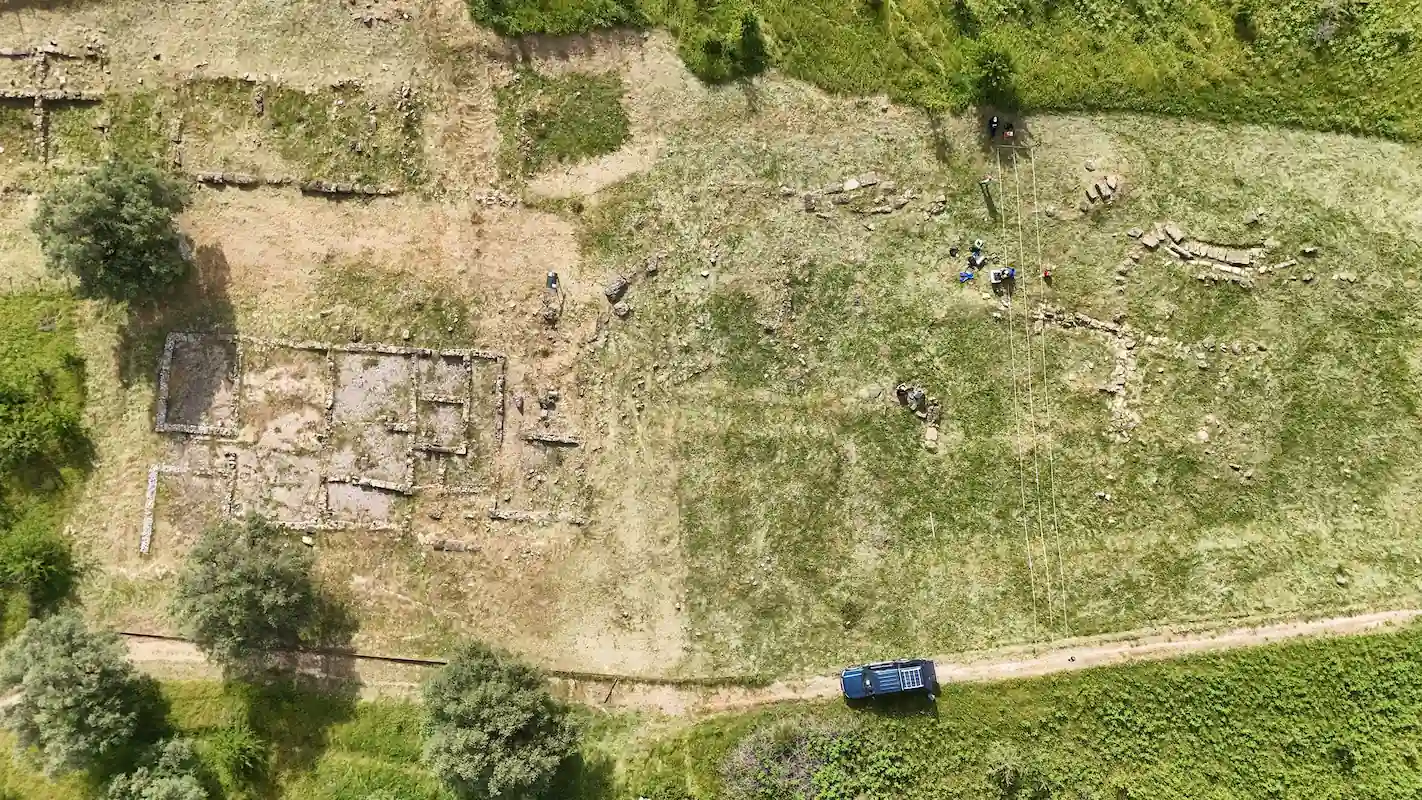
¿Qué se esconde bajo uno de los poblados fortificados más importantes de la Calabria helenística? Una investigación que aúna arqueología y geofísica ha comenzado a dar respuesta a este interrogante. Gracias a la aplicación de sofisticadas técnicas de exploración del subsuelo, un equipo interdisciplinar de la Universidad de Catania ha logrado identificar anomalías compatibles con […]
What lies beneath one of the most important fortified settlements of Hellenistic Calabria? A study combining archaeology and geophysics has begun to answer this question. Thanks to the application of sophisticated subsurface exploration techniques, an interdisciplinary team from the University of Catania has succeeded in identifying anomalies compatible with buried structures at the Castiglione di […]
The death, which radiocarbon dating places between 3932 and 3653 B.C., surprised an individual at approximately forty weeks of gestation in the rock shelter of Ripari Altí, at 1,100 meters above sea level, within the current Dolomiti Bellunesi National Park. The archaeological context points to the final phases of the Neolithic, a period in which […]
Excavations carried out as part of the National Recovery and Resilience Plan (PNRR) have brought to light an architectural complex of incalculable value in the heart of Villa Celimontana. Under the supervision of the Special Superintendency of Rome of the Ministry of Culture, the work has uncovered eight rooms belonging to an Imperial-era building whose […]
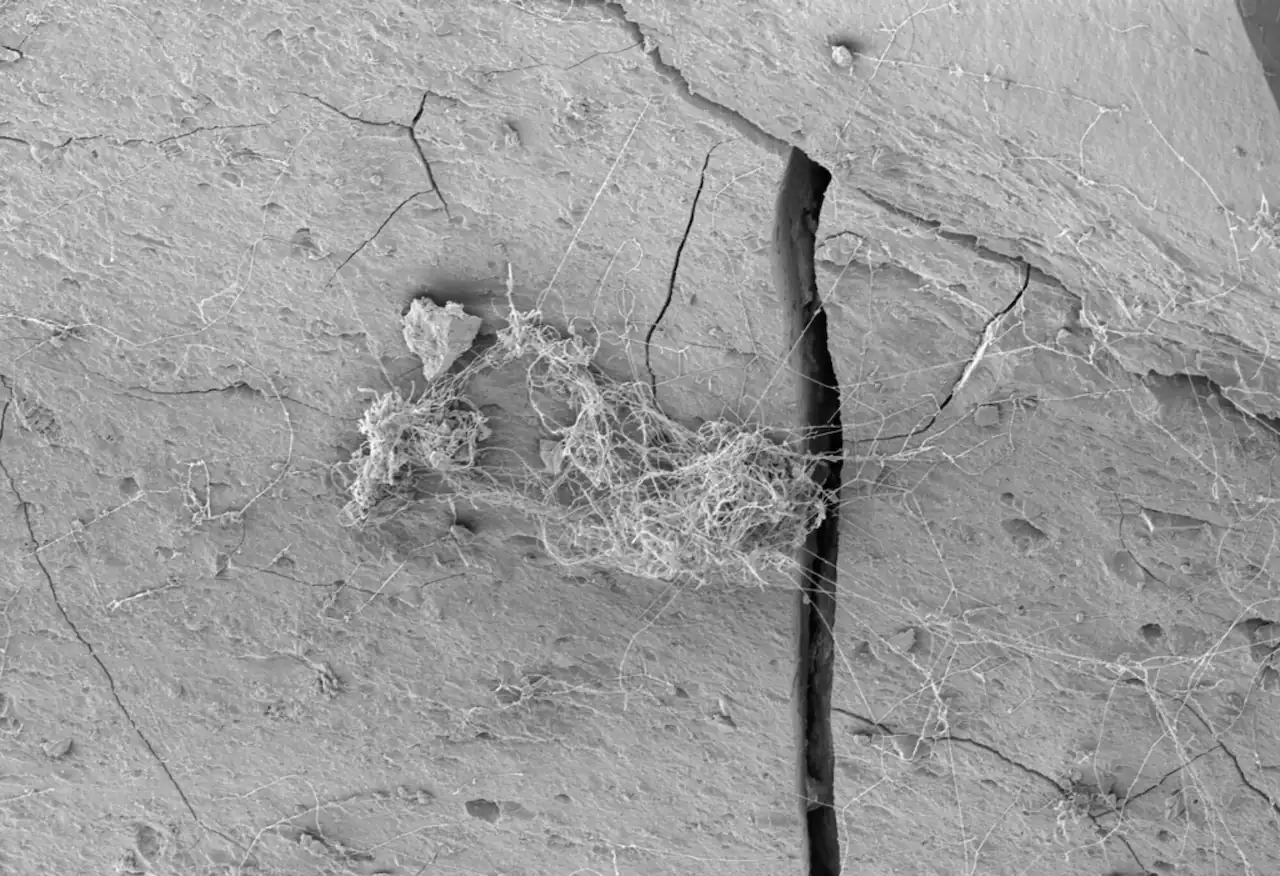
More than 500 meters beneath the Earth’s surface, a dark and ancient world teems with fungal life on a scale scientists had never imagined. A research team led by the University of Michigan has, for the first time, quantified the abundance of fungi in a deep subsurface site, reaching depths of up to 500 meters, […]
The Turkish Minister of Culture and Tourism, Mehmet Nuri Ersoy, has announced the completion of the excavation and restoration works of an ancient pool located in the frigidarium of the monumental complex known as the Hamam Gymnasium, within the ancient city of Tralleis, in the province of Aydın. The newly restored structure has remarkable dimensions: […]
The archaeological excavations currently being carried out at Kapellenberg, near Hofheim am Taunus in Germany, have provided new evidence during this summer campaign regarding the possible location of the central tomb of a large burial mound dating back approximately 6,000 years, as confirmed by the leaders of the research project directed by Professor Detlef Gronenborn […]
La muerte, que la datación por radiocarbono sitúa entre el 3932 y el 3653 a.C., sorprendió a un individuo de aproximadamente cuarenta semanas de gestación en el abrigo rocoso de Ripari Altí, a 1.100 metros de altitud, dentro del actual Parque Nacional de las Dolomitas Bellunesi. El contexto arqueológico remite a las últimas fases del […]
Las excavaciones llevadas a cabo en el marco del Plan Nacional de Recuperación y Resiliencia (PNRR) han sacado a la luz un complejo arquitectónico de incalculable valor en el corazón de la Villa Celimontana. Bajo la supervisión de la Soprintendencia Especial de Roma del Ministerio de Cultura, los trabajos han permitido exhumar ocho estancias de […]
A más de 500 metros bajo la superficie terrestre, un mundo oscuro y ancestral bulle con vida fúngica en proporciones que los científicos jamás habían imaginado. Un equipo de investigación liderado por la Universidad de Michigan ha conseguido cuantificar por primera vez la abundancia de hongos en un sitio del subsuelo profundo, alcanzando profundidades de […]

 Login