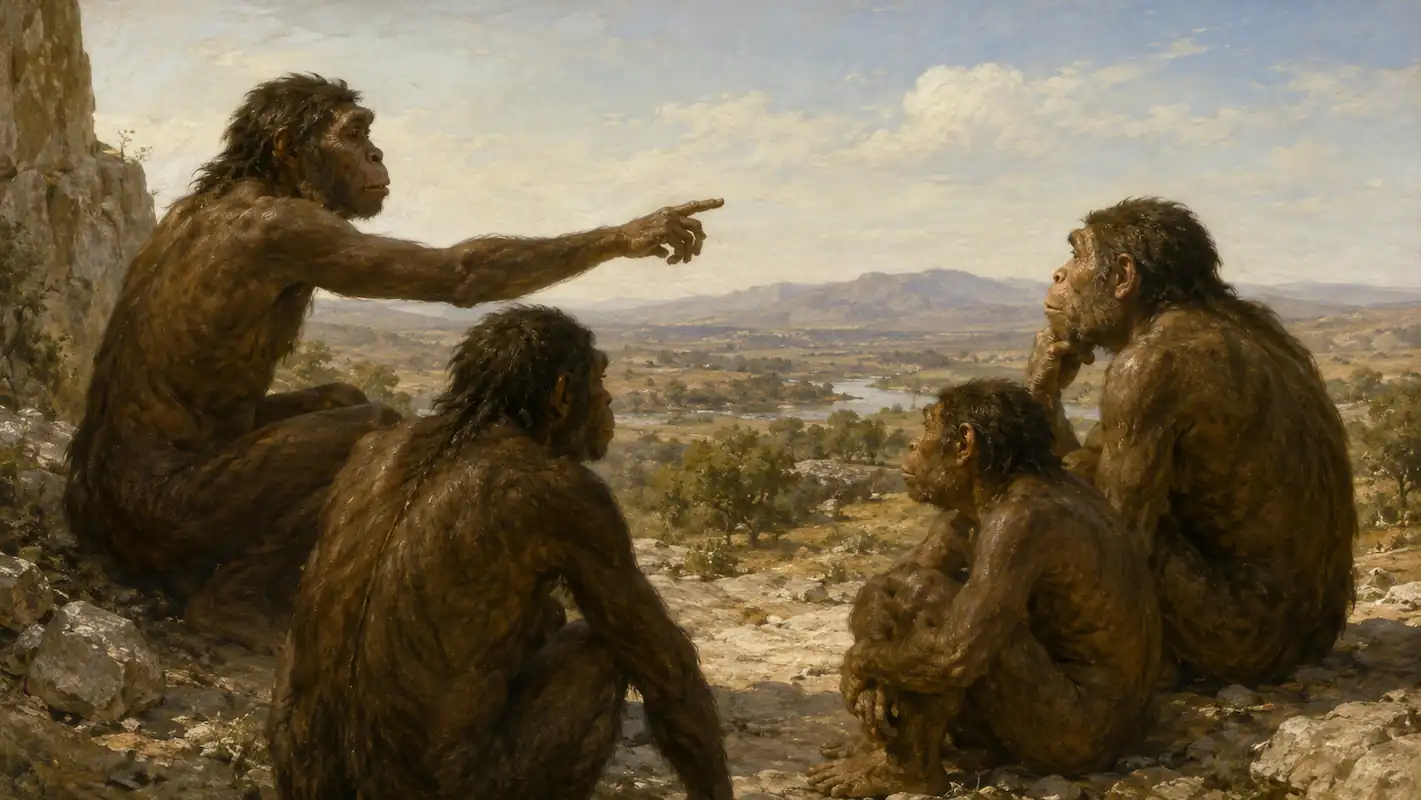
La investigación, publicada en la revista Science, ha sido dirigida por Richard F. Kay, profesor emérito de Antropología Evolutiva en el Trinity College of Arts & Sciences y en la Nicholas School of the Environment de la Universidad de Duke. El trabajo, que ha empleado una colección única de cráneos procedentes en su mayoría del […]
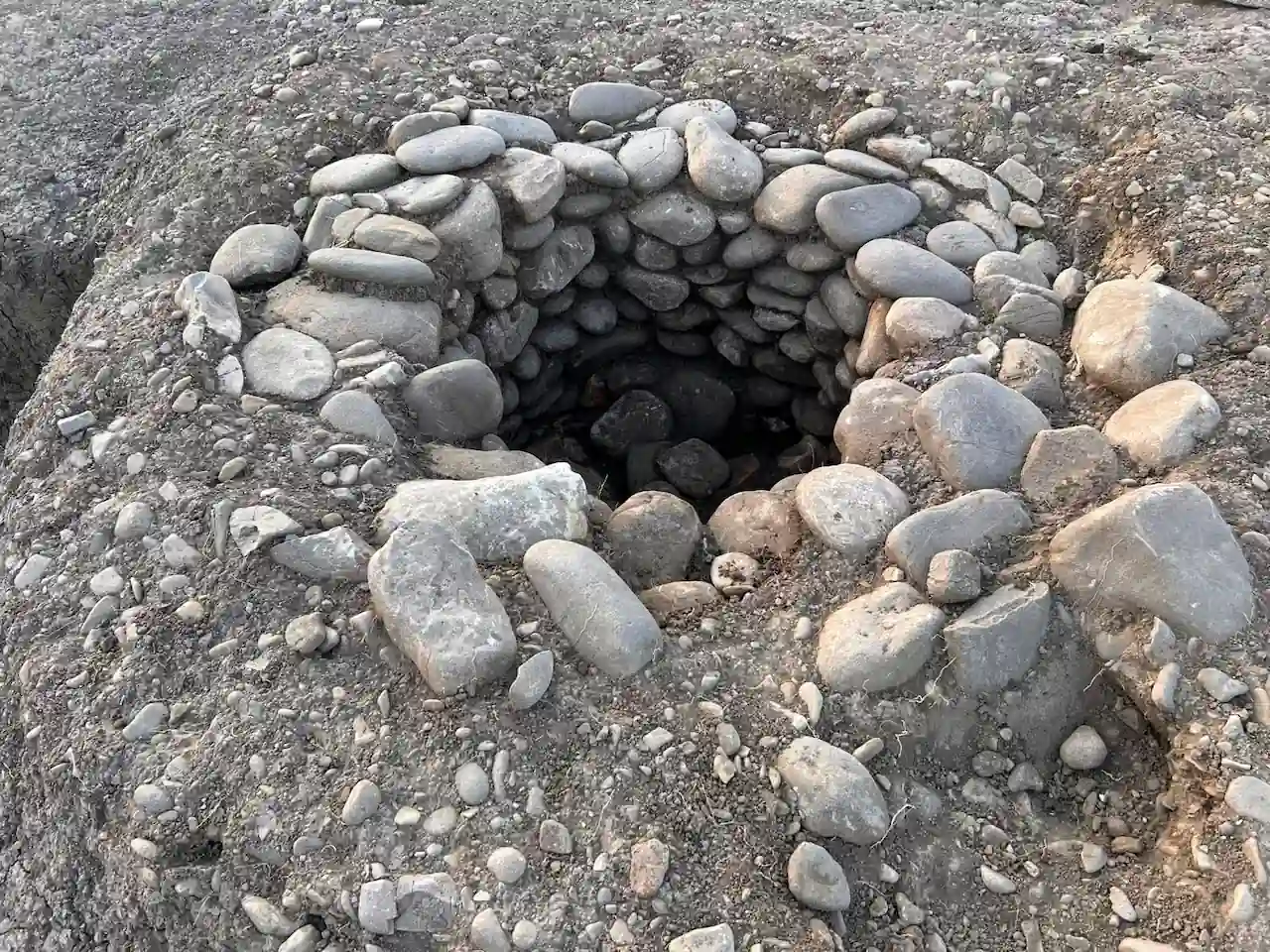
Un pozo ritual de características únicas ha emergido en el área arqueológica de la antigua ciudad etrusca de Kainua, en las proximidades de Marzabotto, en un hallazgo que la comunidad científica ya califica como extraordinario. Situado en el recinto sagrado dedicado a la deidad Uni, el pozo ha devuelto a la luz un conjunto de […]
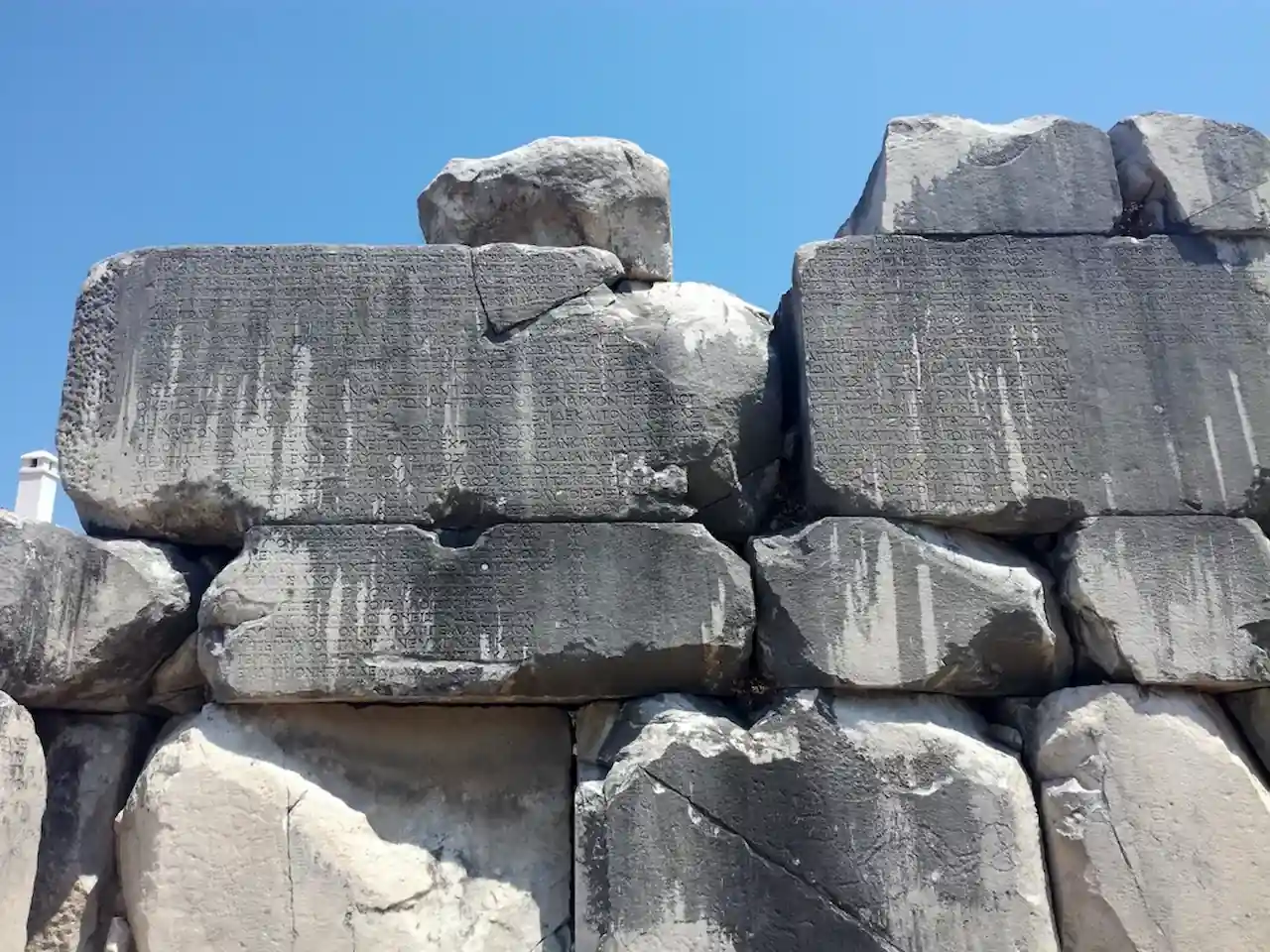
La historia del imperio romano suele narrarse a través de las gestas de emperadores y generales, pero los mecanismos de la administración cotidiana y, especialmente, las relaciones entre el poder central y las provincias, constituyen un campo de estudio igualmente revelador para comprender las dinámicas de aquella civilización. En este contexto, el hallazgo y posterior […]
Los megalitos —esos enormes bloques de piedra que llevan milenios en pie— siguen fascinando a arqueólogos y público general. Una reciente recopilación de libros publicados entre 2025 y 2026 muestra que, aunque la investigación ha avanzado a pasos agigantados gracias a nuevas tecnologías, algunas preguntas fundamentales siguen sin respuesta definitiva. ¿Quiénes construyeron estos monumentos? ¿Por […]
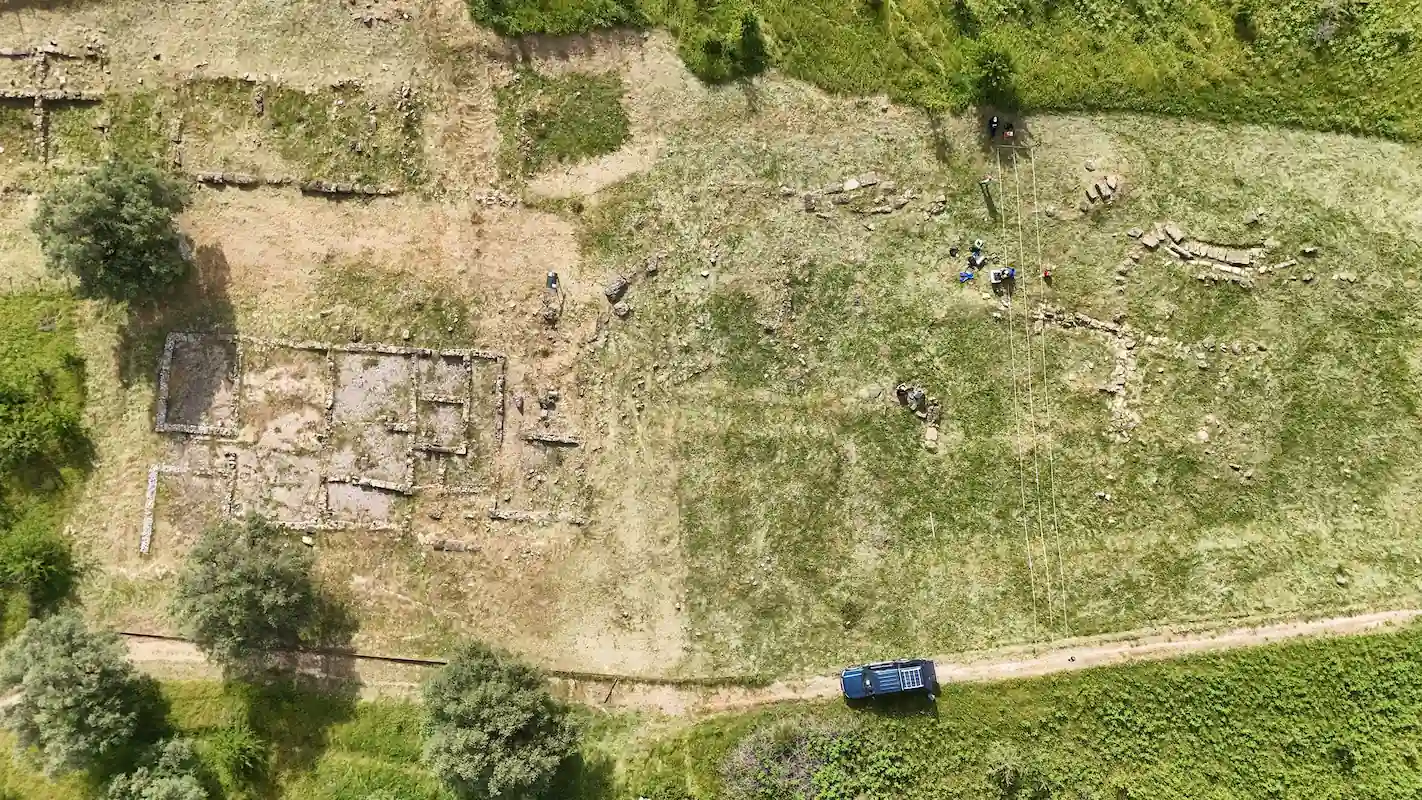
¿Qué se esconde bajo uno de los poblados fortificados más importantes de la Calabria helenística? Una investigación que aúna arqueología y geofísica ha comenzado a dar respuesta a este interrogante. Gracias a la aplicación de sofisticadas técnicas de exploración del subsuelo, un equipo interdisciplinar de la Universidad de Catania ha logrado identificar anomalías compatibles con […]
Imagínate, por un instante, que tienes que enfrentarte a un tribunal romano o a una asamblea de Atenas para pronunciar un discurso sin un solo apunte. En aquellos tiempos de la Antigüedad clásica, sacar una nota en público era considerado, con razón o sin ella, un signo de poca destreza intelectual y falta de coraje […]
Megaliths —those enormous stone blocks that have stood for millennia— continue to fascinate archaeologists and the general public. A recent compilation of books published between 2025 and 2026 shows that, although research has advanced by leaps and bounds thanks to new technologies, some fundamental questions remain without definitive answers. Who built these monuments? Why did […]
What lies beneath one of the most important fortified settlements of Hellenistic Calabria? A study combining archaeology and geophysics has begun to answer this question. Thanks to the application of sophisticated subsurface exploration techniques, an interdisciplinary team from the University of Catania has succeeded in identifying anomalies compatible with buried structures at the Castiglione di […]
The death, which radiocarbon dating places between 3932 and 3653 B.C., surprised an individual at approximately forty weeks of gestation in the rock shelter of Ripari Altí, at 1,100 meters above sea level, within the current Dolomiti Bellunesi National Park. The archaeological context points to the final phases of the Neolithic, a period in which […]
Excavations carried out as part of the National Recovery and Resilience Plan (PNRR) have brought to light an architectural complex of incalculable value in the heart of Villa Celimontana. Under the supervision of the Special Superintendency of Rome of the Ministry of Culture, the work has uncovered eight rooms belonging to an Imperial-era building whose […]
More than 500 meters beneath the Earth’s surface, a dark and ancient world teems with fungal life on a scale scientists had never imagined. A research team led by the University of Michigan has, for the first time, quantified the abundance of fungi in a deep subsurface site, reaching depths of up to 500 meters, […]
Excavations by the University of Catania at the Tava Tepe site, located in western Azerbaijan, have uncovered an archaeological complex that upends established notions about Late Bronze Age communities in the Caucasus region. What was initially interpreted as an isolated domestic structure, dated to around 1300–1000 BCE, has turned out to be the last link […]
The Turkish Minister of Culture and Tourism, Mehmet Nuri Ersoy, has announced the completion of the excavation and restoration works of an ancient pool located in the frigidarium of the monumental complex known as the Hamam Gymnasium, within the ancient city of Tralleis, in the province of Aydın. The newly restored structure has remarkable dimensions: […]
The archaeological excavations currently being carried out at Kapellenberg, near Hofheim am Taunus in Germany, have provided new evidence during this summer campaign regarding the possible location of the central tomb of a large burial mound dating back approximately 6,000 years, as confirmed by the leaders of the research project directed by Professor Detlef Gronenborn […]
Fakir is a term of Arabic origin that can be translated as “poor” and originally referred to a Muslim holy man, a Sufi saint, although since the Mughal Era it has also been applied to Hindu sadhus or ascetics, generally destitute wanderers who mortify their bodies as an act of penance in order to renounce […]
The Minister of Culture and Tourism of Turkey, Mehmet Nuri Ersoy, has announced the discovery in the ancient city of Sardis, in the province of Manisa, of a male marble sculpture approximately 2,500 years old, a piece that, due to its monumental dimensions and unusual state of preservation, stands out as an exceptional find for […]

 Login