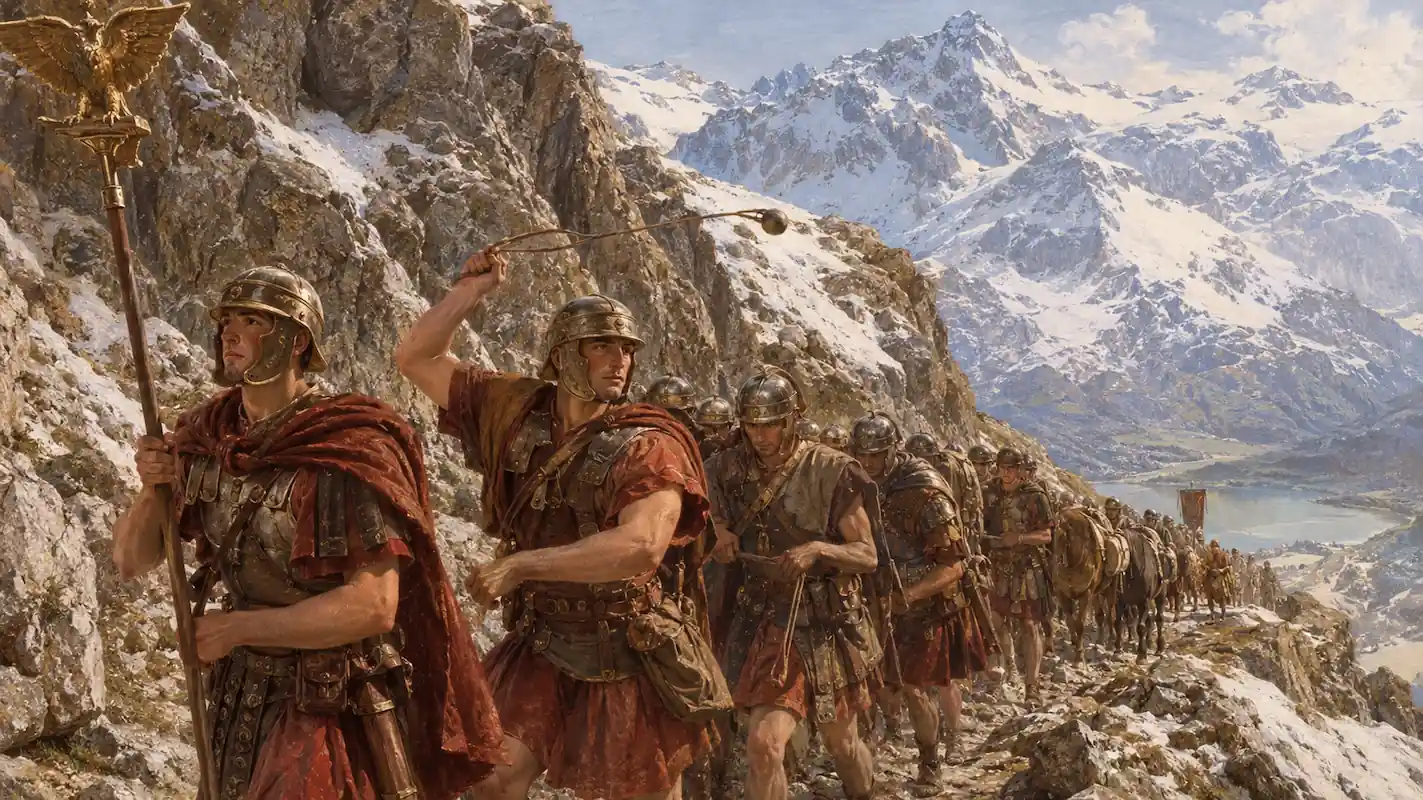
In the summer of 15 BC, Emperor Augustus’ two stepsons, Tiberius and Drusus, brought the Central Alps and the Swiss Plateau under Roman control. That campaign concluded decades of efforts to link the Gallic provinces with Illyricum and secure the routes between northern Italy and the Danube. However, while the western and eastern routes of […]
En el verano del año 15 antes de Cristo, los dos hijastros del emperador Augusto, Tiberio y Druso, sometieron los Alpes centrales y la meseta suiza al control de Roma. Aquella campaña cerró décadas de esfuerzos por unir las provincias galas con Iliria y asegurar las rutas entre el norte de Italia y el Danubio. […]
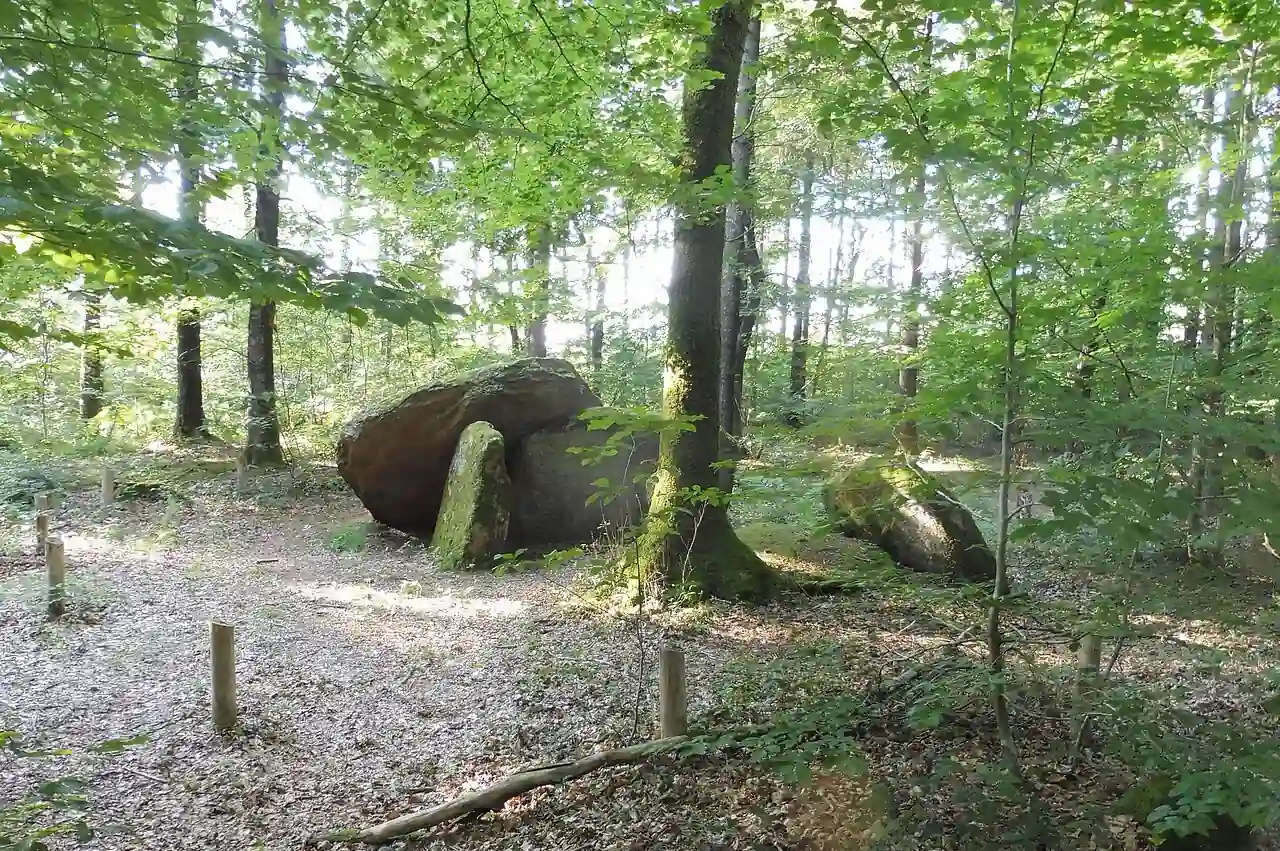
In the heart of the granite massif of the Landes de Lanvaux, in the French department of Morbihan, lies the Neolithic cemetery of Coëby, discovered in 1986. This site, preserved for centuries by the dense forest cover that shielded it from intensive agriculture, contains around 95 megalithic monuments from different periods, from the Neolithic to […]
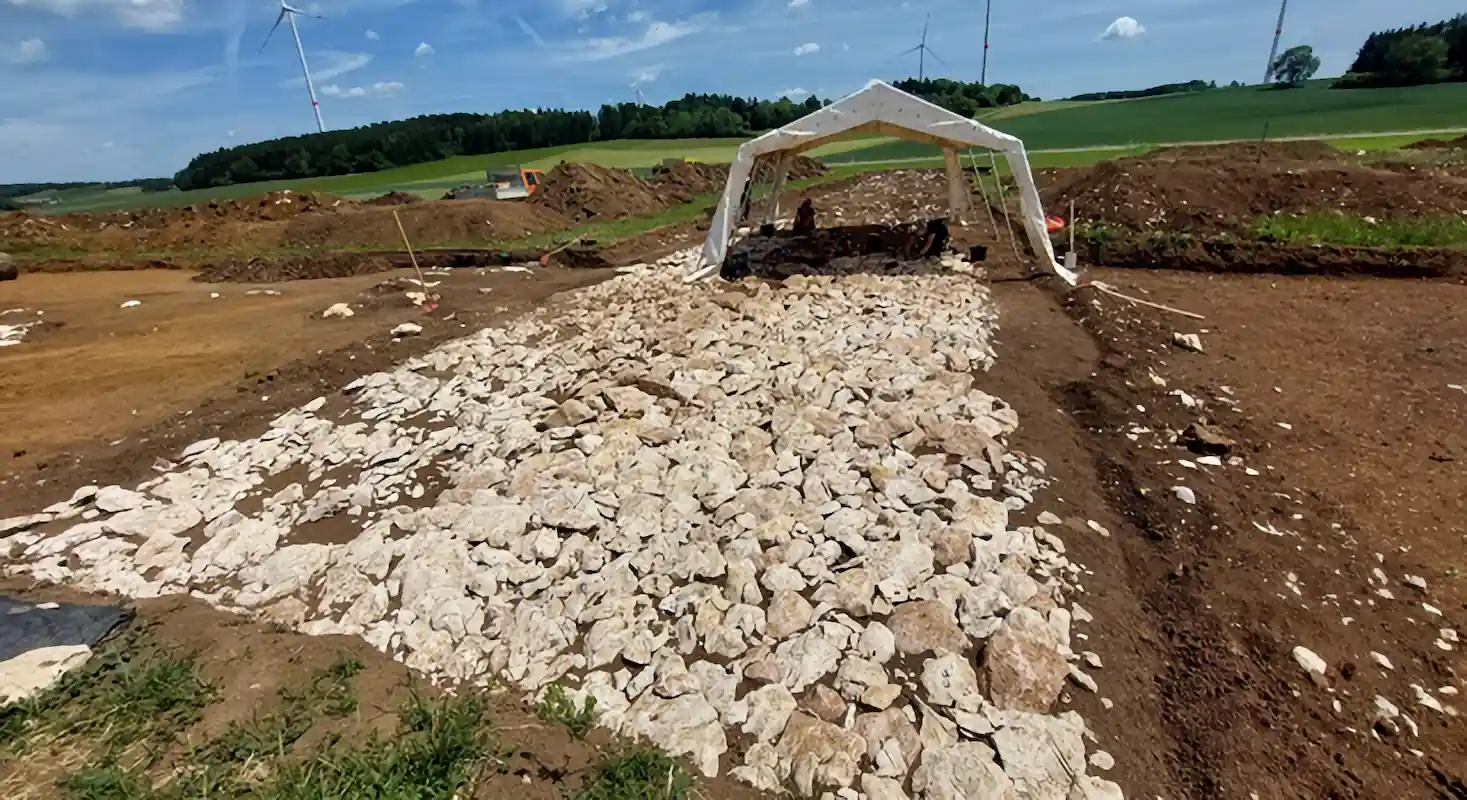
The construction of the new variant of the A8 highway in the area known as the Albaufstieg, south of Stuttgart (Germany), has uncovered a first-rate archaeological find: a segment of the ancient Roman road that, two millennia ago, structured defense and trade along the Empire’s frontier. The discovery reveals a stretch of approximately ninety meters […]
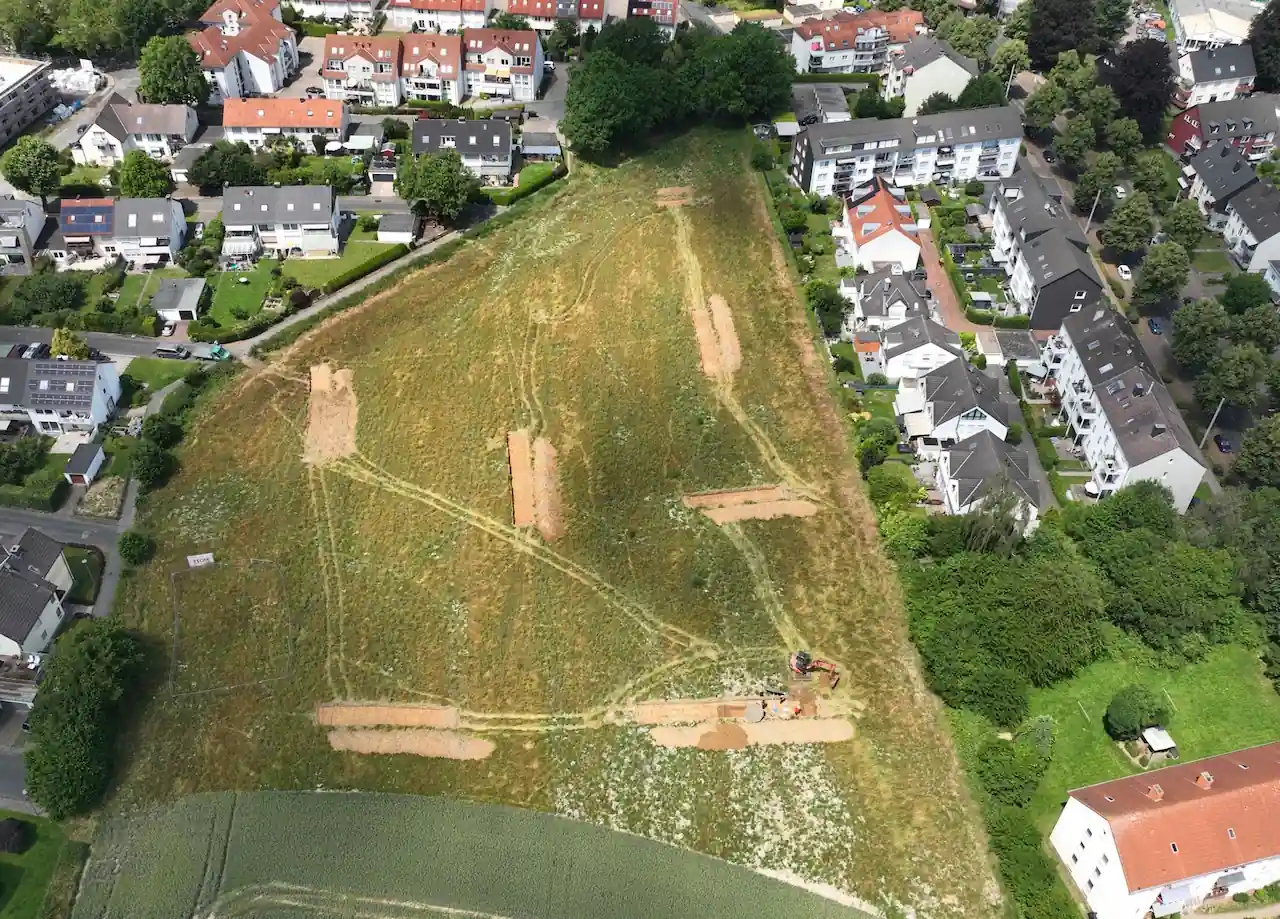
A team of archaeologists from the Landschaftsverband Westfalen-Lippe (LWL), in collaboration with a specialized company, has confirmed the existence of what is considered the first evidence of prehistoric occupation in the German municipality of Bochum. The discovery took place on a plot previously used for agriculture, located in the Linden neighborhood, where a real estate […]
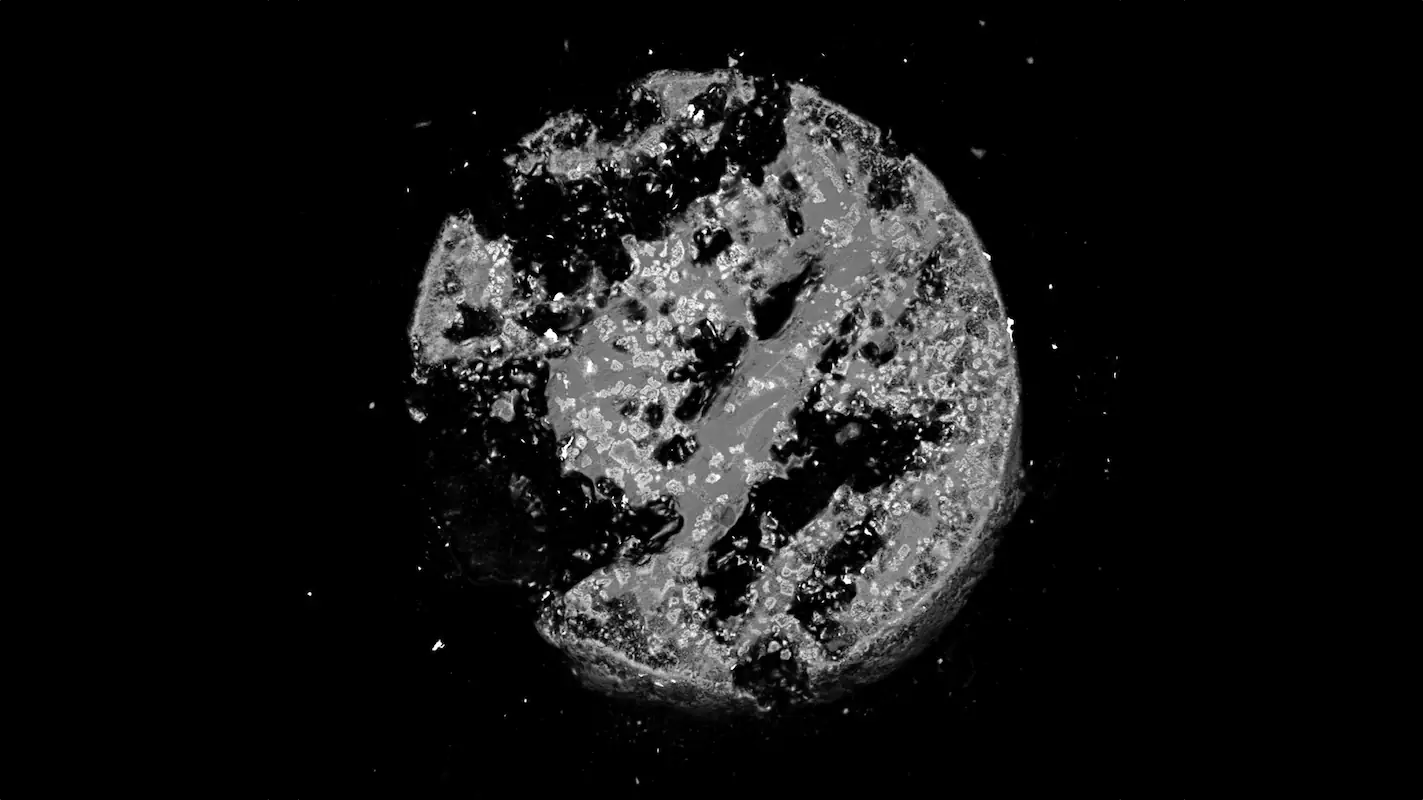
Research on nuclear explosion residues continues to bring surprises to the scientific community. A research group led by Luca Bindi, from the Department of Earth Sciences at the University of Florence, has identified a multicomponent metallic alloy previously unknown, which formed during the Hiroshima atomic bombing on August 6, 1945, and that has remained hidden […]
The archaeological mission under the Supreme Council of Antiquities has uncovered, during its first excavation campaign at the Tell Nasser archaeological area, a comprehensive complex of bathing facilities dating back to the Ptolemaic and Roman periods. The site is located approximately 40 kilometers south of the city of Port Said, 35 kilometers north of the […]
En el corazón del macizo granítico de las Landes de Lanvaux, en el departamento francés de Morbihan, se extiende el cementerio neolítico de Coëby, descubierto en 1986. Este enclave, preservado durante siglos por la densa cubierta forestal que lo ha protegido de la agricultura intensiva, alberga cerca de 95 monumentos megalíticos de distintas épocas, desde […]
Las obras de la nueva variante de la autovía A8 en el conocido como Albaufstieg, al sur de Stuttgart (Alemania), han dejado al descubierto un vestigio arqueológico de primer orden: un segmento de la antigua vía romana que, hace dos milenios, articulaba la defensa y el comercio en la frontera del Imperio. El hallazgo revela […]
Un equipo de arqueólogos del Landschaftsverband Westfalen-Lippe (LWL), en colaboración con una empresa especializada, ha confirmado la existencia de la que se considera la primera evidencia de ocupación prehistórica en el municipio alemán de Bochum. El hallazgo se produce en una parcela de uso agrícola hasta ahora, situada en el barrio de Linden, donde una […]
La investigación sobre los residuos de las explosiones nucleares sigue deparando sorpresas a la comunidad científica. Un grupo de investigación liderado por Luca Bindi, del Departamento de Ciencias de la Tierra de la Universidad de Florencia, ha identificado una aleación metálica multicomponente hasta ahora desconocida que se formó durante el bombardeo atómico de Hiroshima el […]
La misión arqueológica dependiente del Consejo Supremo de Antigüedades ha desvelado, en el transcurso de su primera campaña de excavaciones en la zona arqueológica de Tell Nasser, un complejo integral de instalaciones destinadas al baño que data de las épocas ptolemaica y romana. El yacimiento se localiza a aproximadamente 40 kilómetros al sur de la […]
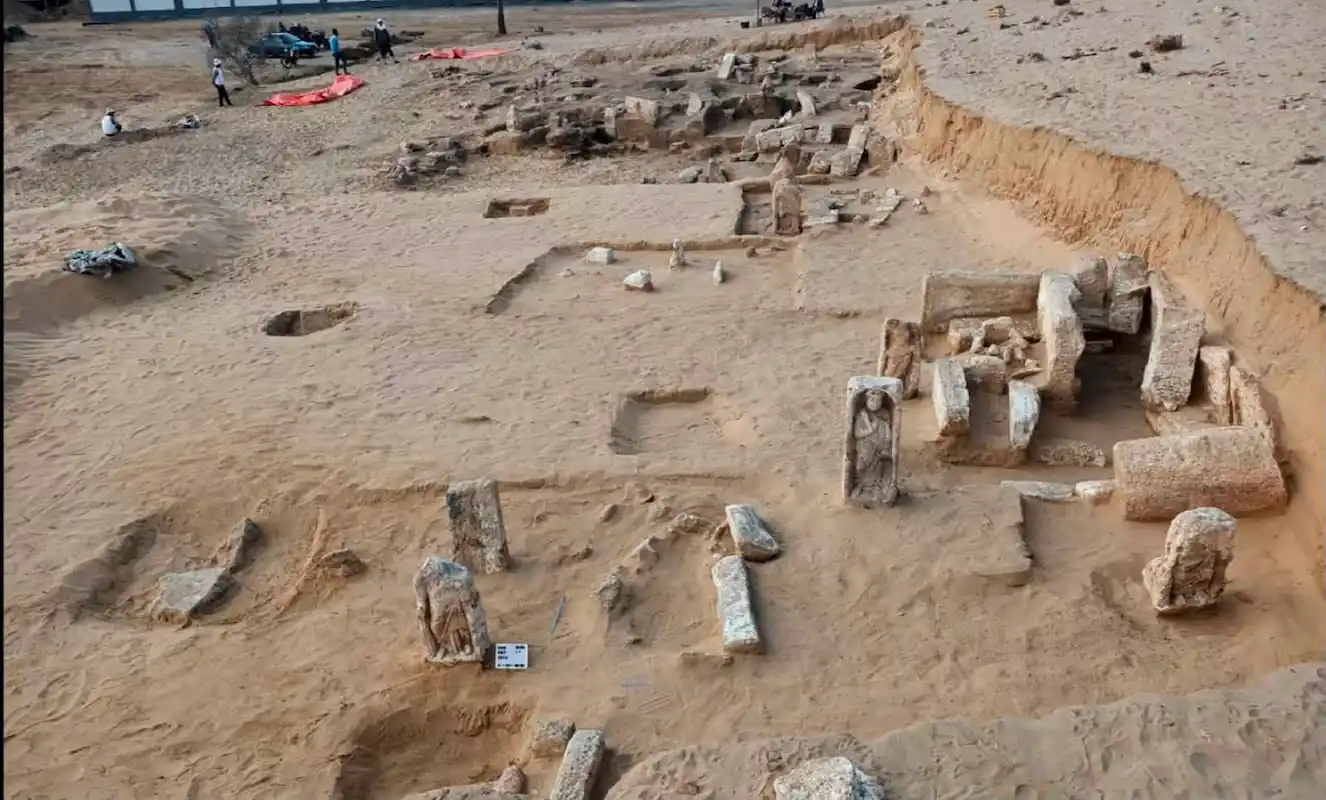
The Supreme Council of Antiquities of Egypt has announced the discovery of around twenty funerary tombstones, several sarcophagi, and a collection of amulets in Tell el-Deir, the necropolis located south of the city of New Damietta, in the Nile Delta. The discovery took place during the excavation season that the Egyptian archaeological mission is currently […]
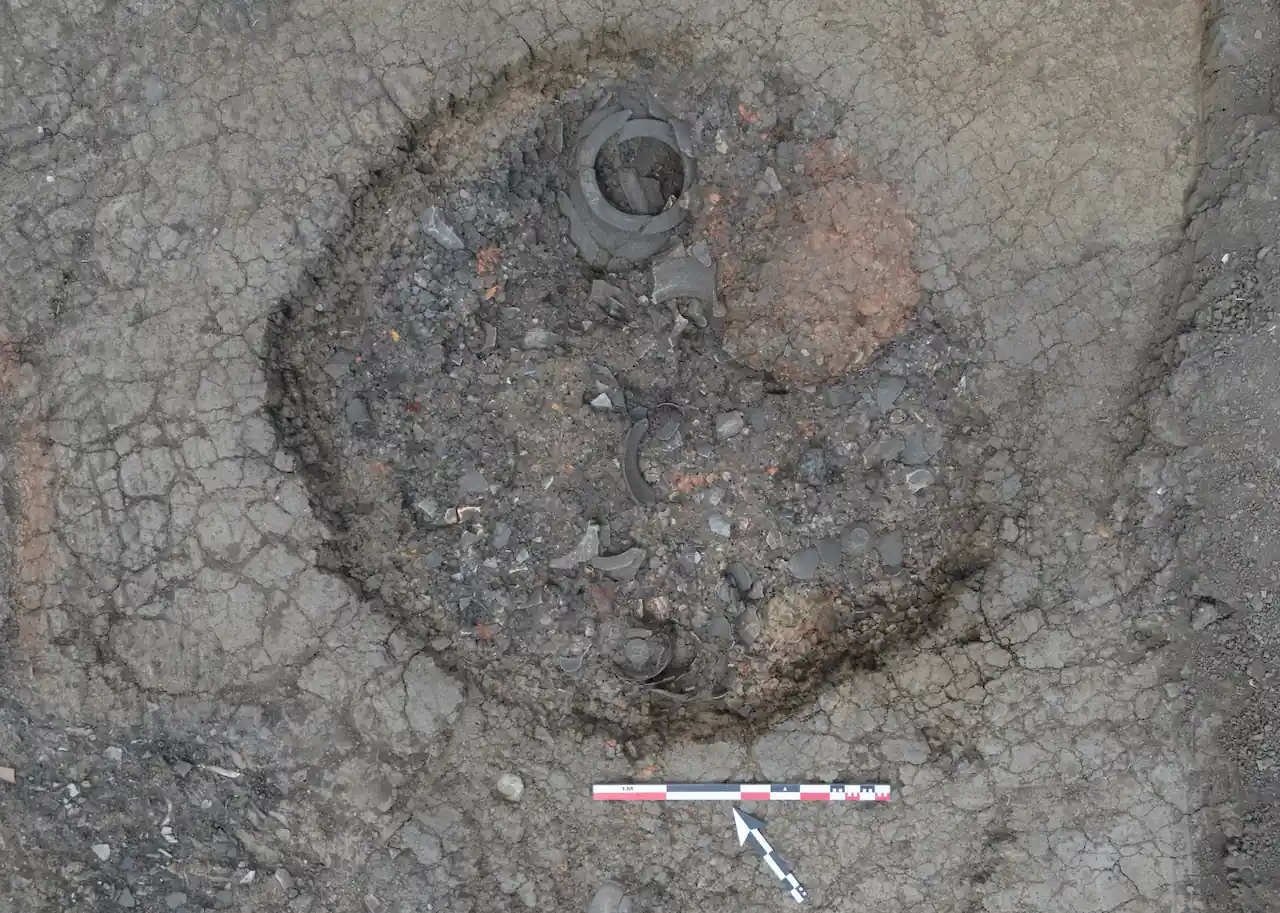
The educational excavation campaign that the University of Vienna has been conducting since mid-July in the municipality of Hannersdorf, in the Oberwart district southeast of Vienna, has brought to light the remains of two pottery kilns from the Roman era in the first fifteen days of work. The work, led by archaeologist Basema Hamarneh, focuses […]
A team from the University of Granada has confirmed that a room in the Roman villa of Fuente Álamo, in the municipality of Puente Genil, functioned as a library, making it the oldest documented in the Iberian Peninsula and one of the best-preserved in the entire Empire. The study, published in the Journal of Mediterranean […]
Excavations carried out during 2025 in the Hohle Fels cave, located in the UNESCO World Heritage area of the Swabian Jura in southwest Germany, have yielded two new discoveries of extraordinary importance for understanding Paleolithic art. These are two representations of birds carved in mammoth ivory that are 40,000 years old and, due to their […]
A discovery at the Minferri site, in the town of Juneda in Lleida, has completely upended the established chronology for lead metallurgy in the Iberian Peninsula. The research carried out at this Bronze Age site, whose results have just been published in the scientific journal Antiquity, places the production of lead objects between 1900 and […]
The publication in the journal PNAS Nexus of new evidence from Malta has shaken the foundations of what was believed about the maritime capabilities of the last hunter-gatherers in Europe. The discovery that the central Mediterranean islands were colonized before the invention of agriculture directly contradicts decades of established conceptions, which placed the development of […]
El Consejo Supremo de Antigüedades de Egipto ha anunciado el hallazgo de una veintena de lápidas funerarias, varios sarcófagos y un conjunto de amuletos en Tell el-Deir, la necrópolis situada al sur de la ciudad de Nueva Damietta, en el delta del Nilo. El descubrimiento se ha producido durante la temporada de excavación que la […]
La campaña de excavación docente que la Universidad de Viena desarrolla desde mediados de julio en el término municipal de Hannersdorf, en el distrito de Oberwart al sureste de Viena, ha sacado a la luz los restos de dos hornos de alfarero de época romana en los primeros quince días de trabajo. Los trabajos, dirigidos […]

 Login