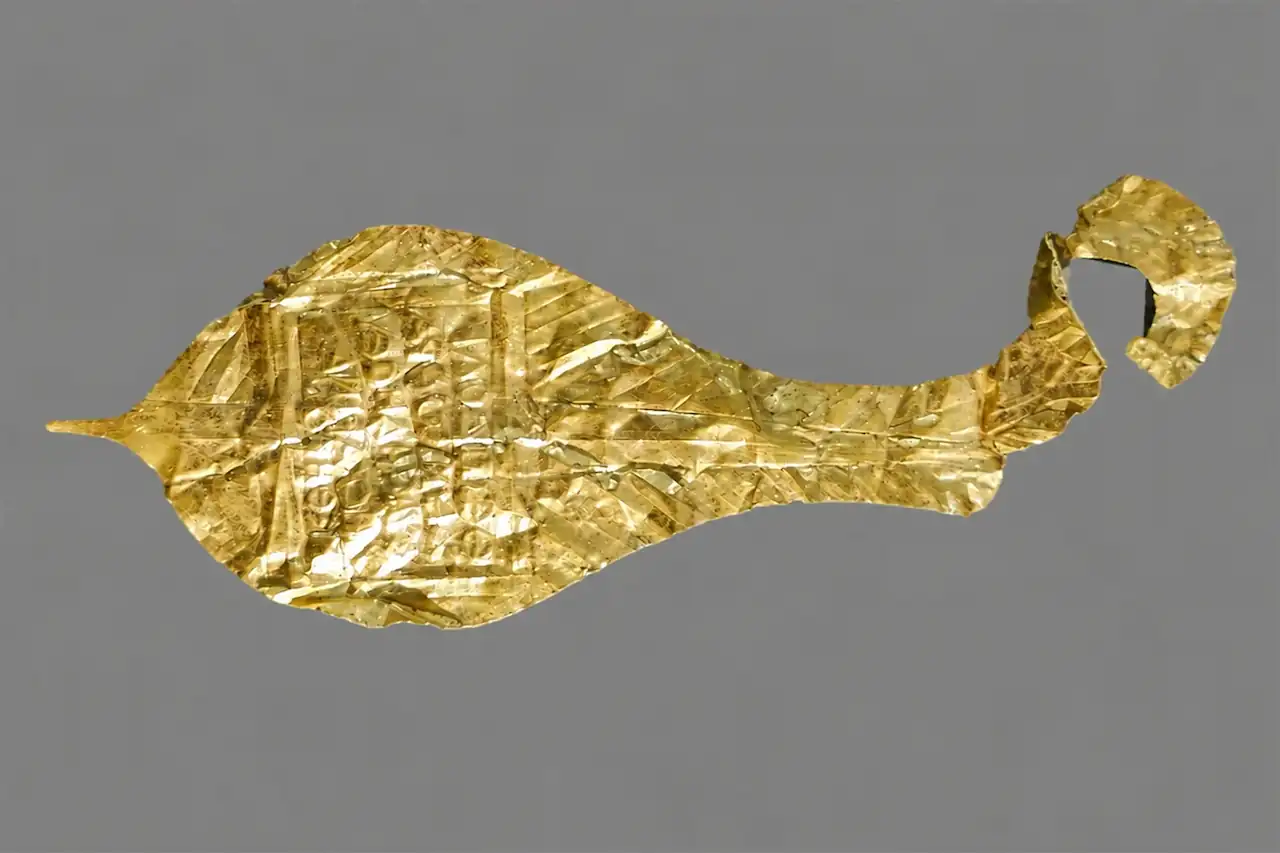
Hace unos 1.900 años, un hombre llamado Trasímedes dedicó una lámina de oro, con su nombre escrito en griego, a un dios que no era ni griego ni romano, sino originario del sureste de Anatolia. La pieza quedó en un fuerte romano de la costa oriental del mar Negro, en la actual Georgia, y allí […]
Some 1,900 years ago, a man named Thrasymedes gave a thin sheet of gold to a god who was neither Greek nor Roman. The deity came from the borderlands of what is now southeastern Turkey. The offering was left inside a Roman army fort on the eastern shore of the Black Sea, in modern Georgia, […]
A pocos kilómetros al suroeste de Lugo, en una aldea del municipio, se encuentra la iglesia de Santa Eulalia de Esperante, o Santalla de Esperante en gallego. La historiografía la describía como un templo rural sencillo de época plenomedieval, con una sola nave, una cabecera recta y una fachada lisa del siglo XVIII coronada por […]
The church is Santa Eulalia de Esperante, known in Galician as Santalla de Esperante. It stands in a hamlet a few kilometres southwest of Lugo. Until now, historians saw a simple rural church from the high Middle Ages, with one nave, a square east end and a smooth 18th-century front topped by a bell gable […]
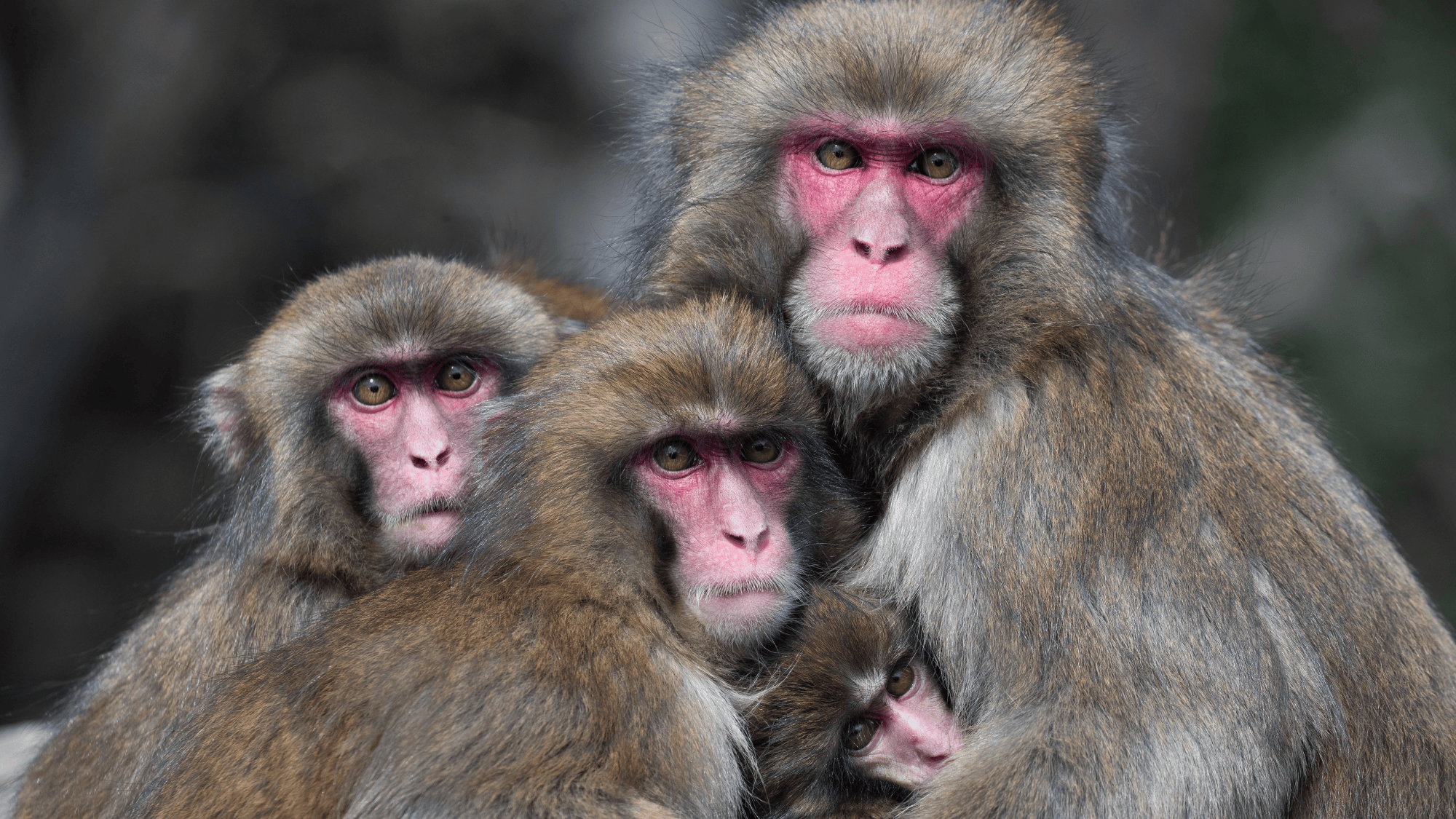
When a new disease emerges, things can get a little weird. We start to clean groceries with antibacterial wipes, the sound of a sneeze can trigger our fight-or-flight response, and we generally become more cautious. Humans may not be the only primate species that change their behavior in the face of disease.
According to a study published today in the journal Royal Society Open Science, Japanese macaques (Macaca fuscata) that lived through a deadly outbreak in 2020 became noticeably more cautious about food that appeared contaminated, even though this disease was not spread by food or feces. This indicates that purposefully shifting behavior to avoid a pathogen can be shaped by our appearance and that disgust may have deep evolutionary roots. It also sheds light on the behavioral immune system—a collection of behaviors that help animals avoid an infection before the biological immune systems respond.
“We can show now, in non-human primates, that this is the same for them,” Federico Rossano, a study co-author and cognitive psychologist at the University of California San Diego, said in a statement. “Even with no knowledge of how disease is transmitted, being exposed to others getting sick and dying changes the likelihood of engaging in behaviors that potentially could lead to some form of sickness.”
2020 was a big year for outbreaks
In 2020, the staff at a primate sanctuary in southern Texas confirmed the presence of simian retrovirus Type II. This disease can cause AIDS-like immunodeficiency and is primarily transmitted through bites and scratches. It caused severe illness and death in some of the monkeys. The sanctuary staff separated the groups and implemented testing and quarantine measures in response to the outbreak. Since the groups live in separate enclosures, scientists then had the chance to compare animals with similar backgrounds that had experienced very different social and disease environments.
In total, three groups of monkeys experienced the outbreak while one had not. The team tested
55 macaques to see how they responded to a choice between food that was put on a clean wooden surface and food placed on a surface covered with real macaque feces. The food with the feces was sealed under a layer of clear epoxy, so that the monkeys could see the food and poop without risking infection.
In the group that had been exposed to the outbreak, some of the individuals had been infected while others had lived alongside sick monkeys without getting sick. This allowed the researchers to question if experiencing an outbreak without getting infected could change the macaque’s behavior. To test that further, the clean surface was replaced with a brightly colored kitchen sponge in some of the scenarios to see if the animals were just avoiding unfamiliar objects.
Previous studies found that macaques aren’t necessarily deterred by contamination—as long as the payoff is tempting. When presented with a favorite treat (such as a peanut) wild Japanese macaques would still eat food from a surface covered in feces, but will avoid it for food like grains of wheat.
Continued caution
The team found that macaques from groups that went through the outbreak were far less likely to eat the food from the contaminated surface. They ate from the fake contaminated surface in only 47 percent of trials. The monkeys that did not experience the outbreak ate from the potentially contaminated surface in 79 percent of trials.
The monkeys from outbreak-exposed groups also behaved similarly whether or not they themselves had been infected. According to the team, this suggests the behavioral change was associated with their experiencing living through the outbreak, instead of actually getting sick
“Groups have histories, and those histories show up in behavior,” added study co-author and UC San Diego cognitive psychologist Stephan Kaufhold. “Living through the disease outbreak appears to have made those monkey groups more cautious around food that looks contaminated.”
The virus was spread through blood or saliva from bites and scratches, and not through contaminated food. Interestingly, the macaques who saw their fellow primates get sick, were more reluctant to eat food placed on a surface that visually suggested contamination in some of the tests.
Disgust’s evolution
In addition to shedding light on how illness affects primate behavior, it also offers insight into the evolution of disgust. The team did not measure disgust directly, but found that monkey’s avoidance of potential sources of infection can change with their experience, similar to what humans do.
Human disgust is believed to play an important role in protecting us from pathogens. We recoil from the smell and sight of poop, spoiled food, and other potential sources of infection. Our sensitivity to those cues can also change depending on context.
Since primates are capable of social learning, the team believes that heightened pathogen avoidance could be learned from other members in the group and persist over time. Future studies could see if newly introduced animals adopt the behavior of a group that has already experienced an outbreak.
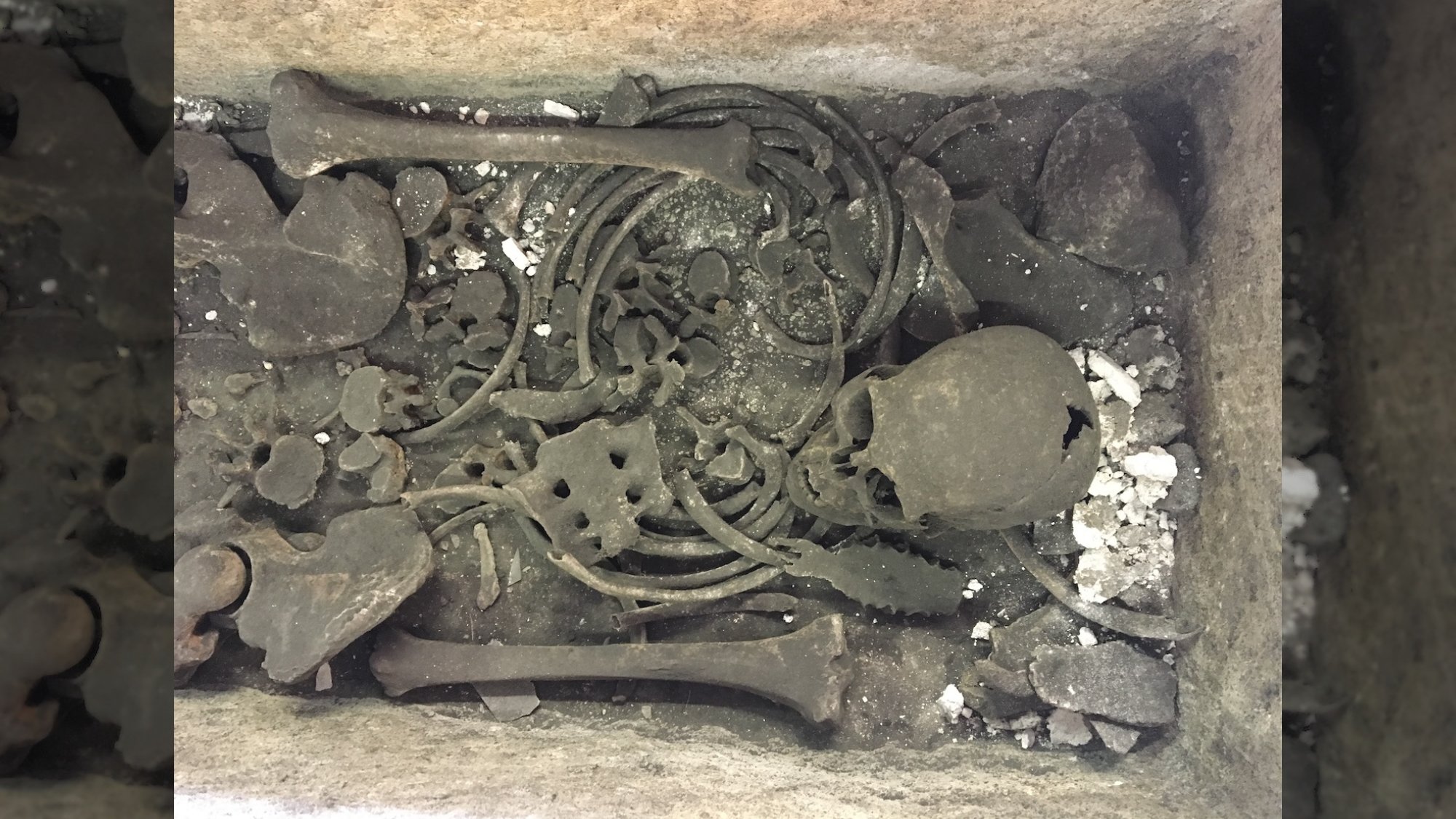
A formerly inexplicable Roman sarcophagus discovered at England’s Westminster Abbey over 150 years ago is likely a rare example of medieval funerary recycling. Although archaeologists stopped short of definitively identifying who was buried inside, the team confidently narrowed down their candidates to a pair of high-ranking Benedictine monks.
The mysterious limestone tomb was originally crafted during the 4th century CE, when the Roman empire’s jurisdiction still extended as far away as Britain. By the mid-13th century, King Henry III constructed a Benedictine sacristy above the sarcophagus, and it remained undisturbed for nearly 600 years. In 1820, workers accidentally cracked its lid into six pieces after unintentionally exposing the tomb. It would take until 1869 for archaeologists to finally repair the damage, as well as discover its confounding origins.
The coffin features an inscription to Valerius Amandinus, who died during the 4th century CE. Credit: Dean & Chapter of Westminster
The Roman sarcophagus has baffled researchers ever since. The limestone enclosure featured an inscription to Valerius Amandinus, a rich local who lived nearby sometime between 300 and 400 CE. But the sarcophagus lid clearly displayed a much more recent, medieval Latin cross. The cross implied the sarcophagus possibly housed someone other than Amandinus, but who?
Extensive stonework analysis and skeletal carbon dating finally point towards two probable suspects. The first possibility is the Westminster Abbot Aelfwig, who died around 1020. The second is his successor, Wulnoth, who died in 1049. Further skeletal examinations indicate the man was 35 to 49 years old and around 5-foot 9-inches tall when he died. Interestingly, this contradicts the initial 19th century theory of a slightly shorter, “robust young man” less than 30 years old.
The full sarcophagus on display at Westminster Abbey. Credit: Dean & Chapter of Westminster
“We do not know the date of birth of either. But either would fit equally well if we assume the Abbot was in his early twenties when the appointment was made and close to fifty when he died,” explained Rodwell.
If Rodwell had to pick between the two, he may lean towards Aelfwig, since he was already a Westminster monk during that era.
The monk’s associates likely first placed him in a timber coffin that they lowered into the sarcophagus. Next, they sealed it with a re-carved cover displaying the Latin cross. But regardless of who resided in the tomb, its reuse wasn’t considered a slight. Instead, its original craftsmanship was intended to honor the deceased monk. It’s unlikely the mourning monks gave much thought to anyone else’s opinion on burial recycling, especially those living nearly 1,000 years after their respected Abbot’s passing.
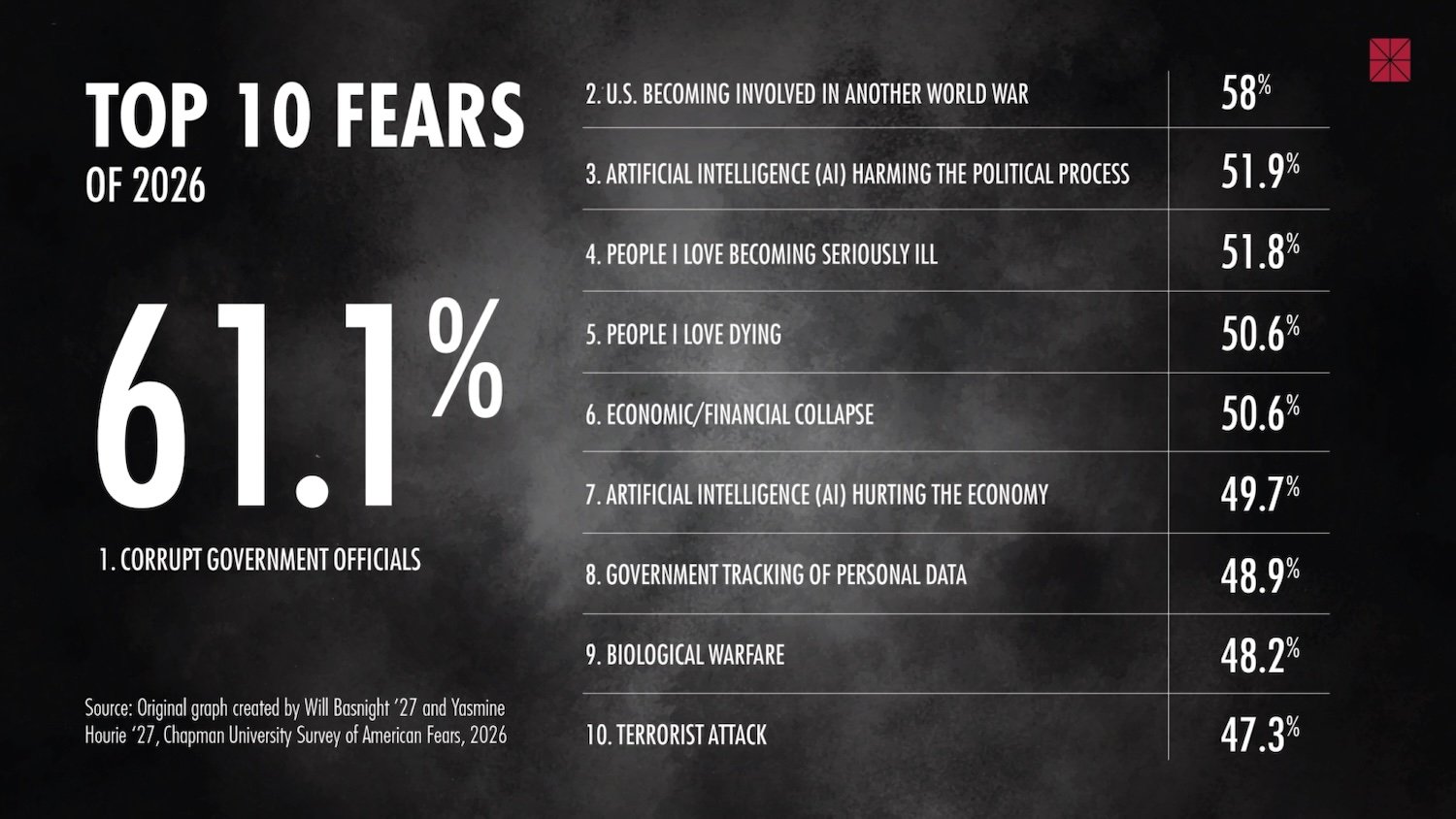
First conducted in 2014, the recurring questionnaire tracks yearly anxiety trends that often range from everyday concerns to existential terrors. This year, 61.1 percent of over 1,200 respondents once again cited “corrupt government officials” as their biggest fear—the same subject was last year’s number one entrant as well as its 11th year on the list. After that, it’s the fear of another world war (51.9 percent). However, “AI harming the political process” wasn’t too far behind for third place at 51.9 percent. The technocentric worry is now essentially tied with the fear of loved ones becoming gravely ill (51.8 percent).
Government corruption is once again at the top of the list. Credit: Chapman University
That said, the survey’s own plus or minus 3.79 percentage point margin of error complicates the results a bit. Taking the margin of error into consideration, it’s a tossup when trying to definitively rank the list’s third through tenth fears. Regardless, about 49.7 percent survey takers are also anxious about AI negatively impacting the economy—a double dose of AI-centric woes for the first time in the survey’s history. It’s also the first year researchers at Chapman University in California included questions about AI, but they made it clear it likely won’t be the last.
“As artificial intelligence becomes more integrated into everyday life, understanding these fears will be increasingly important,” said Chapman University sociologist and survey creator Christopher Bader. “We expect concerns about AI to remain a significant part of the national conversation in the years ahead.”
It’s understandable why AI currently vexes so many people. The blanket term now encompasses everything from photorealistic fake images, to dubious search engine chatbots, to nebulous doomsday warnings. Despite these worries, the AI industry’s biggest threats arguably remain the rampant spread of misinformation, coupled with a lack of meaningful regulations or oversight.
But no matter your top technological fear, survey organizers still believe the annual report highlights a very relatable human emotion.
“What I’m seeing more and more over time is that our fear about our loved ones is going to always be there, no matter what’s going on in the world,” said sociologist Ashley Kranjac, director of Chapman University’s Earl Babbie Research Center.
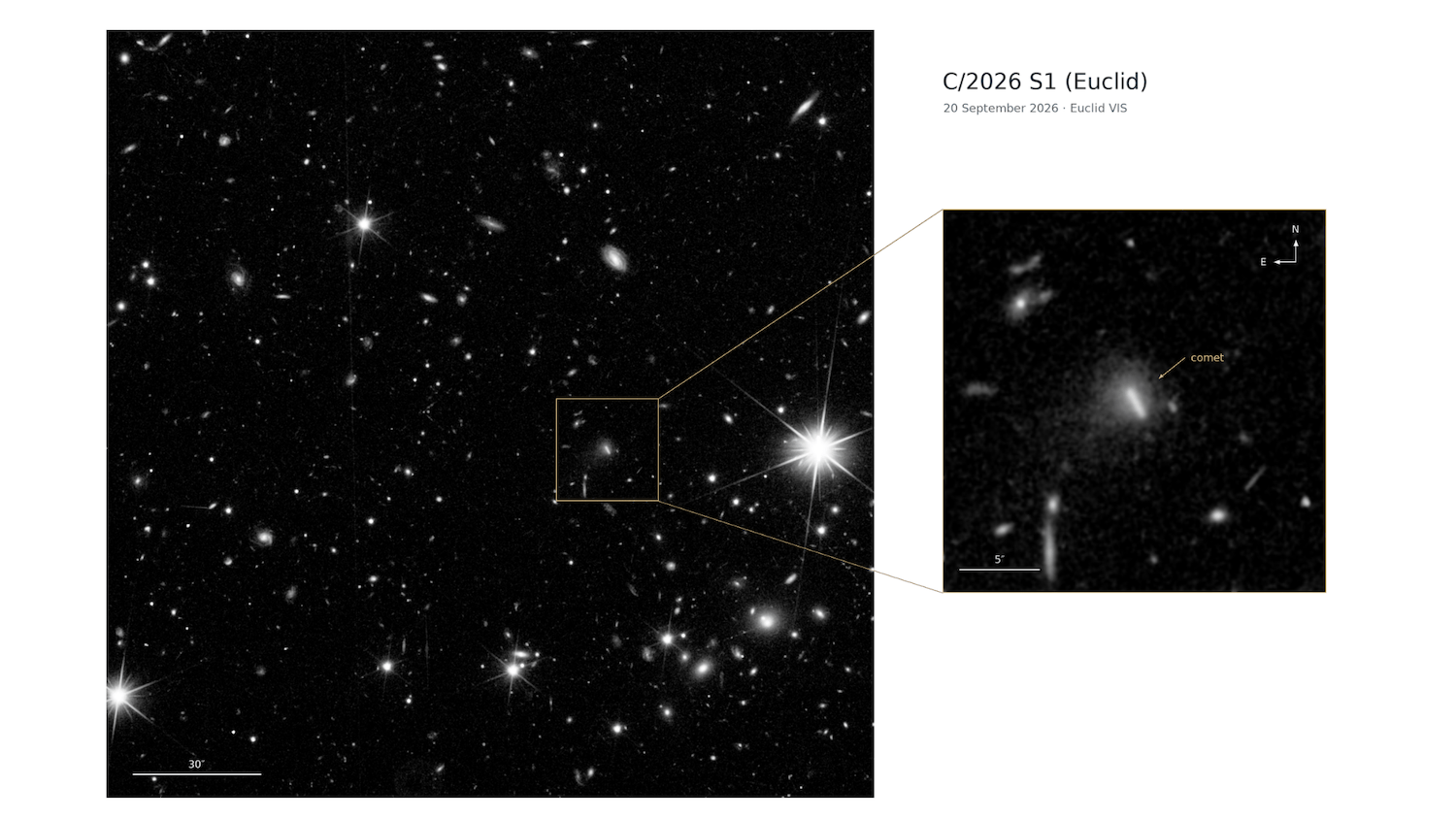
Launched in 2023, the European Space Agency’s (ESA) Euclid space telescope observes some of the most distant regions of the visible universe for signs of dark matter and dark energy. But even while focused on the “big picture,” Euclid’s onboard equipment is surprising astronomers by capturing tiny photobombers like errant comets.
Its recent portraits of one specific dusty space rock are especially impressive, however. Euclid spotted a never-before-seen comet sailing through space more than 807.7 million miles from Earth. The telescope isn’t designed to automatically flag an image interloper. Instead, the bright blemish seen in multiple images was spotted by a moving object detection program designed by Mikko Pöntinen, an astronomer at the University of Helsinki in Finland.
“I was excited to see my software flag a ‘streak’ smeared across several images—the result of a fast-moving object,” said Pöntinen. “Further inspection revealed that it had a fuzzy cloud around it, indicative of an active object like a comet that is shedding dust and gas.”
Pöntinen quickly relayed his findings to the International Astronomical Union’s Minor Planet Center (MPC), which then passed the news along to researchers around the world. On October 8, the MPC confirmed the newly discovered comet, which is now classified C/2026 S1 (Euclid).
C/2026 S1 was seen from five different fields of view over multiple days in the Euclid Deep Field North region of the telescope’s scans. Astronomers now know the comet’s trajectory isn’t located on the same horizontal plane as the planets. Instead, its path is technically taking it over the solar system along a multi-thousand-year orbit.
Euclid’s discovery is particularly striking because the telescope’s six-year mission is specifically mapped to avoid areas of the sky that are laden with comets and asteroids.
“Very few comets are expected to be discovered by Euclid, so it was a happy coincidence,” added Euclid archive scientist Bruno Altieri.
With Alaska’s fat bears done packing on their winter weight and spooky season in full swing, it’s time to turn our collective animal-loving attention to a smaller mammal—bats. The Bureau of Land Management’s (BOEM) annual Bat Beauty Contest returns on October 24 and promises “plenty of batty puns.”
Beginning Saturday, October 24, BOEM will post photos of the competitors to their Facebook and Instagram accounts and ask you to vote for the best-looking one. All of the competing bats are part of wild populations that live on land managed by the public agency and are photographed by wildlife technicians. The winner will be announced (appropriately) on Saturday, October 31.
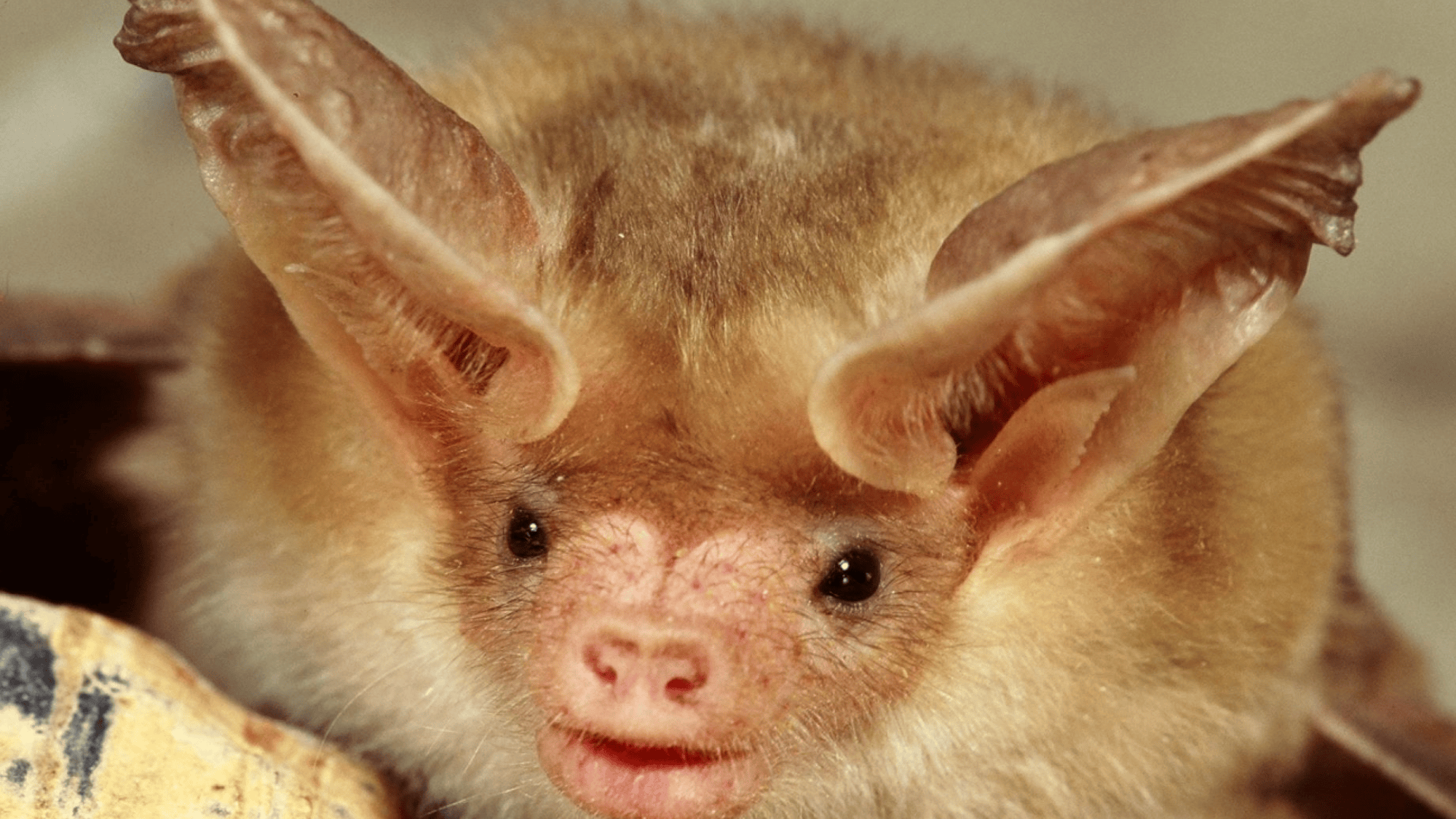
The bats in this competition are known for their squishy faces and clever names. In 2024, a hoary bat (Lasiurus cinereus) from Oregon named Hoary Potter took the crown. Other contestants included a long-eared myotis (Myotis evotis) named Honey Bunches of MyOtis, a myotis bat (Myotis myotis) named Robert Battinson, and western small-footed bats (Myotis ciliolabrum) named Batt Damon and Batlor Swift. The contest was not held in 2025 due to the 43-day-long federal government shutdown.
A hoary bat at Isle Royale National Park in Michigan. Image: NPS Photo/Bat Conservation International.
The contest is not all bat puns and a way to keep the spirit of Fat Bear Week alive. It falls during Bat Week (October 24-31). Bat Week raises awareness about the Earth’s only flying mammal. More than just a Halloween symbol, bats play a critical ecological role as plant pollinators and through eating insects that can threaten crops and forests around the world. According to Bat Week, one bat can eat up to its body weight in insects every night. Only three species of bats eat animal blood, with two specializing in bird blood. Female lesser long-nosed bats even make tequila possible. Every spring, they migrate from south-central Mexico up to the southwestern United States, following “nectar corridors” of columnar cacti and agave plants. They pollinate agave plants, which are then used to make tequila and mezcal. When they feed on cactus fruits and nectar, they may also help disperse cacti seeds. Other bats eat pollen, nectar, or fruit.
Bats are increasingly threatened due to habitat loss, light pollution, and diseases like white-nose syndrome. This fungal disease infects the skin of the muzzle, ears, and wings of hibernating bats. In about 20 years, it has killed millions of bats across North America and affects about half of the species on the continent. Bats also are often misunderstood as carriers of diseases such as rabies.
The planet is home to over 1,400 species of bats, and they make up almost 20 percent of all mammal species. Bats also can be found almost everywhere on Earth, even in desert and polar regions. To look up which bat species live near you, you can use Bat Week’s state bat database.
LOS ANGELES — October 20, 2026 AnySignal, a leading provider of software-defined radios and space-based networking, today announced an agreement with Reflect Orbital to deliver space-to-earth communications for Reflect Orbital’s inaugural […]
BloombergNEF’s (BNEF) Transition Metals Outlook 2026 finds that nine of the 10 materials studied are on track to have sufficient supply capacity through 2050, a significant improvement on previous forecasts.
Cathode interlayers play a pivotal role in improving the performance of organic solar cells. Yao, Zhang, Zhang, Wang et al. show a stepwise solvent treatment to achieve a vertically aligned cathode interlayer, enabling a certified efficiency of 20.65% in binary organic solar cells.
BELLEVUE, Wash., Oct. 15, 2026 — Agile Space Industries, a leading provider of in-space chemical propulsion solutions, has expanded into the Seattle metropolitan area with the opening of a new […]
How is surging solar and battery investment reshaping Central and Southeast Europe’s power markets? Explore how grid constraints, widening power-price spreads and coal closures are shifting value toward flexibility across the region.
Carbon capture with conventional mixed-matrix membranes is limited by the inability to achieve high packing densities of porous fillers while preserving their intrinsic transport properties. Here the authors develop high-performance membranes based on single-crystal covalent organic framework fillers using a weak-interaction inlaying strategy that enables high filler loadings.
DURANGO, Colo., Oct. 5, 2026 — Agile Space Industries today announced that Jonathan Baliff has joined its Board of Directors, bringing extensive experience in aerospace, finance, and corporate leadership. His […]
Clean energy systems rely on large amounts of minerals. Here the researchers show that meeting EU solar and wind targets will create high demand for copper, zinc, silicon and rare earth elements, especially when offshore wind remains central.

 Login