A BMW iniciou um plano global de demissão voluntária, que oferece indenizações de até 650 mil euros (cerca de R$ 3,6 milhões) para funcionários que concordarem em deixar a empresa. A medida vem para eliminar 8 mil postos de trabalho até o fim do ano que vem como parte de uma reestruturação financeira para reduzir custos operacionais na Alemanha e nas operações globais.
Os valores das indenizações variam conforme a idade, o tempo de serviço e a remuneração de cada profissional — segundo o site Carscoops, alguns funcionários receberam propostas de pagamento cujos valores chegaram aos seis dígitos.
A montadora também criou o incentivo "Turbo Bonus", um extra para incentivar que os funcionários formalizem a saída até 31 de março de 2027. Os desligados podem optar por receber o montante integral à vista, em parcelas ou revertido para previdência e apólices de seguro.
Demissão na BMW
A iniciativa vem em resposta à necessidade de cortar custos sob a gestão do CEO Milan Nedeljkovic, que busca economizar 1 bilhão de euros anuais a partir de 2028. O movimento ocorre após a fabricante registrar queda de 6,3% nas entregas globais no terceiro trimestre, impulsionada por uma retração de 24,8% nas vendas no mercado chinês.
O plano de corte busca elevar a margem operacional da BMW de 3% para 5% até 2028, projetando atingir até 10% na década de 2030. Paralelamente à redução do quadro de pessoal, a montadora alemã mantém o cronograma de lançar 40 modelos novos ou renovados até o final de 2027, incluindo o inédito i3 e a nova geração do sedan Série 3.
The concept of a corporate psychopath is eerily recognizable, depending on your work history. It’s also notoriously misunderstood. The archetype of the manipulative, self-serving manager has regularly resurfaced in popular culture for decades, but concrete evidence supporting the wider concept is debatable. For example, a research study went viral in 2016 after estimating upwards of 1-in-5 business employees fit the “psychopath” bill, only to be retracted two years later. Additionally, psychiatrists widely agree that only about 1 percent of the general population truly can be considered clinically psychopathic.
That said, many of the people determined to claw their way to the top of the company ladder display at least some of the trademark psychopathic behaviors. Many theorists have convincingly argued this has a lot to do with corporate capitalism’s foundational principles, which leave it easily exploited by the most ruthless and manipulative among us.
Clive Boddy, one of the world’s foremost investigators of corporate psychopathy, recently took this idea to its logical historical conclusion. In a study recently published in the Asian Journal of Business Ethics, Boddy reviewed one of toxic corporate leadership’s earliest documented examples—and he makes today’s nightmare coworkers sound tame in comparison.
Who was Jeronimus Cornelisz?
Meet Jeronimus Cornelisz, an all-time contender for World’s Worst Boss. According to archival accounts, the 17th century Dutchman Cornelisz embodied every core corporate psychopath characteristic over 400 years ago while working for the conglomerate that started it all: the Dutch East India Company.
Established in Amsterdam in 1602, the Dutch East India Company is arguably the world’s first multinational, shareholder-owned company. It quickly amassed enough funds and power to rival most sovereign countries through the import and export of spices, tea, luxury items, coffee, wine, and enslaved populations. The Dutch East India Company eventually exerted enough influence to wage its own wars, mint its own currency, form colonies, as well as arrest and execute convicts.
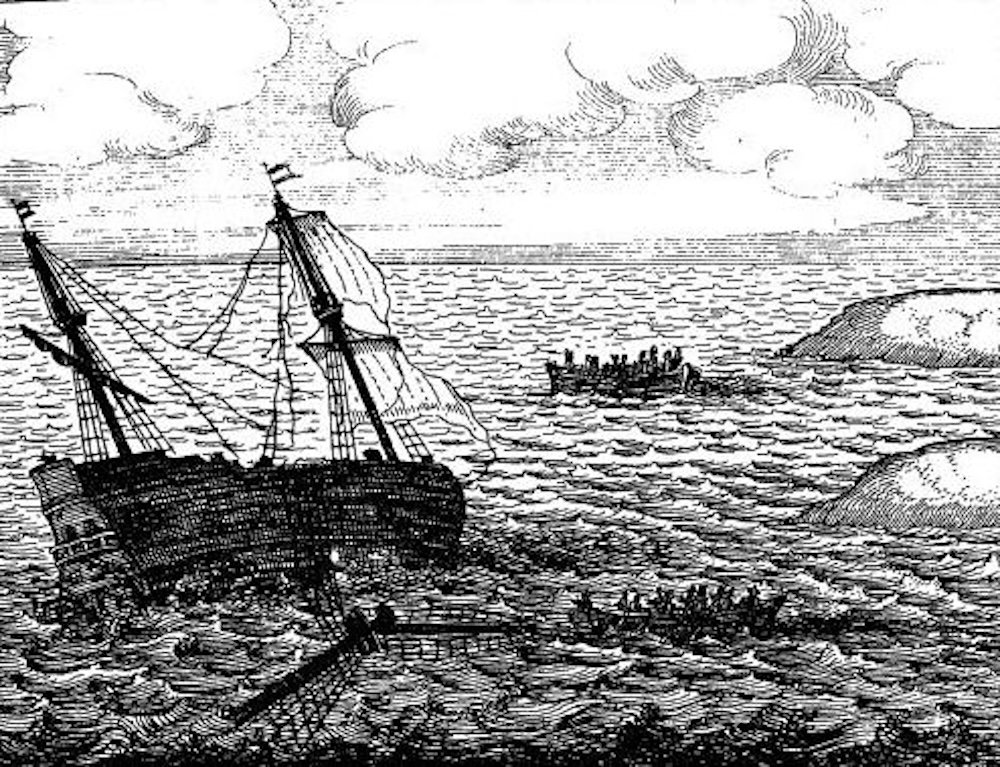
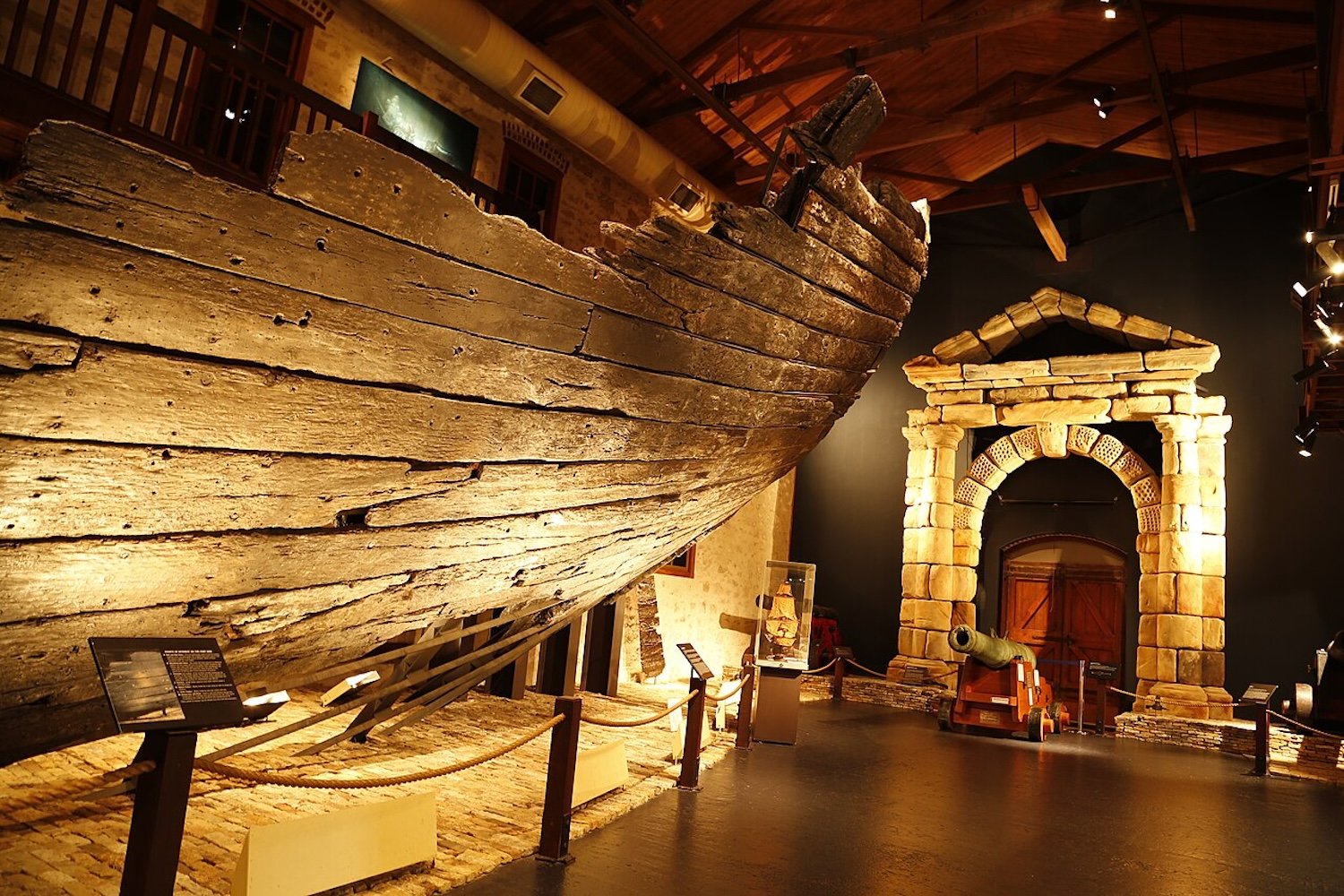
All of this was made possible through a vast fleet of ships,but even the best outfitted vessels sometimes fell afoul of nature. In June 1629, a Dutch East India Company’s flagship called Batavia collided with a reef off the Western Australian coast. Nearly 300 survivors made it to the nearby island shores, but their remote location ensured they wouldn’t survive without help. The ship’s senior officers soon set off in an open longboat on a 1,900-mile journey to present-day Jakarta, then the Dutch East Indies’ capital. Before leaving, they appointed under-merchant Jeronimus Cornelisz to the top corporate position in their absence.
An illustration from 1647 depicting survivors being transferred from the wrecked Batavia to nearby islands in the ship’s boats. Credit: Wikimedia Commons
Mutiny, murder, and malignant narcissism
Unbeknownst to Batavia’s departing senior crew, Cornelisz had already spent weeks scheming on ways to incite a mutiny. The plan was to take control of the vessel then steer its copious stores of gold and silver to a new life. Cornelisz apparently viewed getting marooned as an inconvenient detour, and quickly got to work on his hostile takeover.
According to firsthand accounts, Cornelisz immediately consolidated power by swapping fellow council members with loyalists and requiring them to pledge an oath of allegiance to him. Next, he tricked suspected opponents under the direction of a soldier named Wiebbe Hayes to search a nearby island for supplies, then left them to die.
Although his revised plan required any impending rescue ship, Cornelisz’s ultimate goal remained the same—get as far away as possible, then start his own kingdom using riches plundered from Batavia. Over the ensuing months, Cornelisz directed his gang to kill more than 100 of the shipwrecked men, women, and children. Cornelisz often justified the murders under the pretense of conserving food and water, when in actuality he was continuing to eliminate perceived threats. Meanwhile, some of the surviving women were subjected to sexual abuse.
However, Cornelisz underestimated his abandoned compatriots. As the operatically psychopathic Cornelisz terrorized his group of survivors and scrounged for supplies, Hayes’ team reportedly discovered freshwater wells and hunted local wallabies, seals, and fish. The two sides subsequently squared off on multiple occasions after learning of each others’ continued existence until a rescue ship finally arrived in October 1629. After nearly three months, only about a third of Batavia’s original passengers and crew were left.
Management ultimately decided Cornelisz wasn’t internal promotion material, even by Dutch East India Company standards. Nearly everyone involved in his reign of terror was executed. As for Cornelisz and his closest loyalists, authorities eventually hanged them, but not before cutting off their hands.
The tragedy of the Batavia is an admittedly extreme case study, but Boddy argued that it illustrates how corporate structures have facilitated and encouraged psychopathic behaviors since the invention of the corporation itself.
“The same playbook we see in toxic workplaces today appears in this case from 1629,” he said. “He removed opponents, rewarded loyalists, created fear, manipulated followers and pursued power at any cost.”
A corporate (psychopath) case study
In recent years, some historians have expressed doubts about details in the Batavia saga after reviewing available evidence and recontextualizing cultural dynamics. Instead of focusing on the machinations of a single ruthless corporate psychopath, they contend Batavia is more accurately a case study in group desperation. But even when viewed under this lens, the chilling event is still a cautionary tale about corporate capitalism’s darker underpinnings.
“Perhaps the most striking finding is that another leader facing the same circumstances achieved completely different outcomes,” Boddy said. “This was effectively a natural experiment in leadership. One group prospered while the other descended into murder and abuse.”
O 1Password lançou uma nova solução para liberar as senhas de cada pessoa de forma segura durante o uso de agentes de IA. O gerenciador consegue preencher as credenciais automaticamente, mas não informa nenhuma senha ou dado sensível para o serviço de inteligência artificial.
De acordo com a empresa, o 1Password for Agents (“1Password para Agentes”, em tradução livre) é uma forma de garantir que os clientes usem as ferramentas mais avançadas de IA sem perder o controle sobre os próprios dados. O recurso é compatível com bots de Meta, Claude, OpenAI, Perplexity e outras empresas do mercado.
Um agente de IA pode pedir acesso a uma conta de aplicativo para concluir uma tarefa automatizada, mas a medida exige login com senha e até autenticação em dois fatores. A nova solução permite liberar o acesso sem deixar as credenciais sob controle dos bots.
Como o 1Password funciona com agentes de IA
Ao chegar a uma tela de cadastro, o agente usa uma chave digital para verificar a identidade com o 1Password e envia um pedido com as credenciais necessárias para completar o login (senha ou código de verificação, por exemplo).
O gerenciador de senhas comunica o usuário sobre o pedido, informa de onde veio e qual o motivo do acesso, e depois libera para a pessoa permitir ou não o acesso. Com a aprovação, o aplicativo preenche a senha no formulário sem enviar as informações para o agente.
Assim, o login é finalizado de forma segura e o servidor de IA não tem acesso às credenciais do indivíduo. O recurso está disponível para contas individuais e familiares das assinaturas pagas do 1Password.
Um trailer deMass Effect: Universe, projeto cancelado com o fim da BioWare, vazou nesta quinta-feira (22) e apresenta mais detalhes do título que não chegará mais aos consoles e PCs. Este seria o quinto game da franquia e uma das experiências mais ambiciosas do estúdio.
O material foi compartilhado por uma pessoa que se diz ex-funcionária da desenvolvedora, com dois minutos de gameplay em estágio inicial. De acordo com o próprio vídeo, os trechos utilizam assets da pré-produção e não era o que a equipe planejava para o trabalho concluído.
Rumores, que supostamente surgiram de funcionários da própria Electronic Arts, sugerem que o trailer estava pronto há meses — contudo, a produtora decidiu não compartilhar o material com o público, pois o fechamento da empresa já estava previsto há algum tempo.
Pouco se sabe sobre Mass Effect: Universe, mas a jogabilidade mostra um combate dentro de um bar lotado. O local é invadido por alguns caçadores de recompensa, que tentam capturar um alvo e são confrontados pelo personagem. A prévia também traz outras cenas que compõem o enredo.
A EA não se pronunciou oficialmente sobre o fim do estúdio ou o cancelamento do título. Além de encerrar as atividades da desenvolvedora, que completou 31 anos em 2026, a companhia também executou uma onda de demissões em várias de suas subsidiárias — inclusive a Maxis, Respawn e EA Motive.
A confusão em torno de Mass Effect: Universe
Anunciado em 2020, o game esteve em desenvolvimento durante um período de seis anos. Nesse trajeto, a BioWare também lançou Dragon Age: The Veilguard (2024) e, possivelmente, atuava de forma ativa no novo Mass Effect.
Porém, a Electronic Arts apresentou informações contraditórias ao longo do tempo. Ela afirma que o jogo estava em “estágio inicial de desenvolvimento” — mesmo 6 anos após a sua divulgação inicial, o que soa muito estranho.
Vale ressaltar que a produção de Mass Effect: Universe sofreu muitos impactos de 2020 para cá. Como Dragon Age: The Veilguard e Anthem foram considerados fracassos comerciais, a BioWare sofreu diversos cortes e o projeto foi reiniciado em determinado momento.
De acordo com o repórter Jason Schreier, da Bloomberg, o estúdio chegou a trabalhar com apenas 50 desenvolvedores no projeto antes de ser fechado. Não foi divulgado o status da adaptação da franquia. Série live-action de Mass Effect será sequência da trilogia original, mas com o fim da desenvolvedora e do próximo jogo, seu destino também é incerto.
MIT researchers marooned 13 AIs on a virtual island, and they responded by inventing games, mourning a lost ring and, eventually, getting better at their jobs.
At this year’s Disrupt, Lovable GTM lead Luke Arno, Polsia's Ben Broca, and Theory Ventures’ Tomasz Tunguz gave founders some tips on how to achieve true sales success in the first 90 days.
In this episode, SpaceNews’ Mike Gruss talks with the CEO of Aalyria Brian Barritt about how networks are evolving, what scaling the company means and the role of software interoperability […]
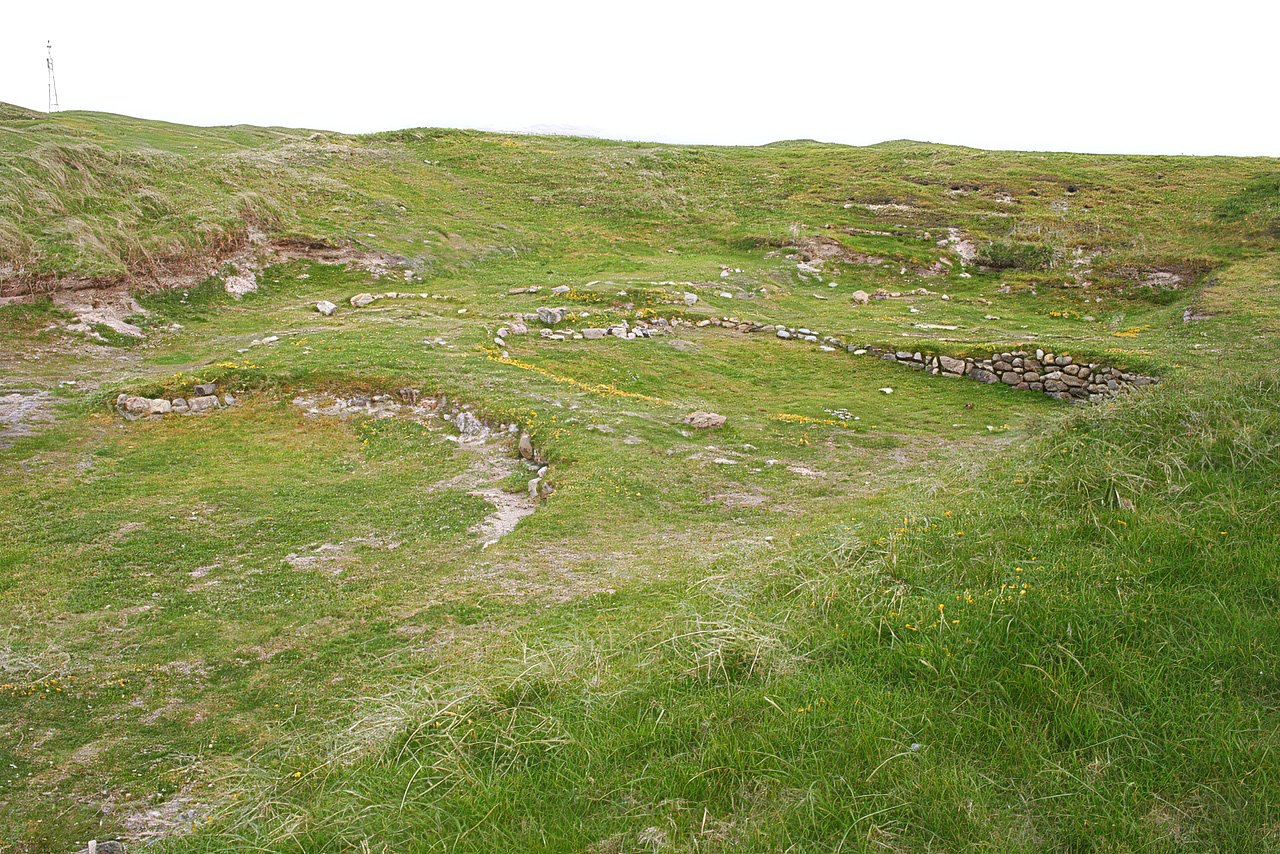
In 2001, archaeologists were painstakingly excavating a dwelling at the Bronze-Age site of Cladh Hallan in the Outer Hebrides islands off of Scotland’s northwestern coast. The house had been oval in shape, with a low door leading to an interior hearth. Other conveniences included sunken storage areas and stone-lined water storage tanks. Under the floors of these houses, though, and under the feet of the occupants, was a fascinating feature that evokes the opening scenes of a classic horror film.
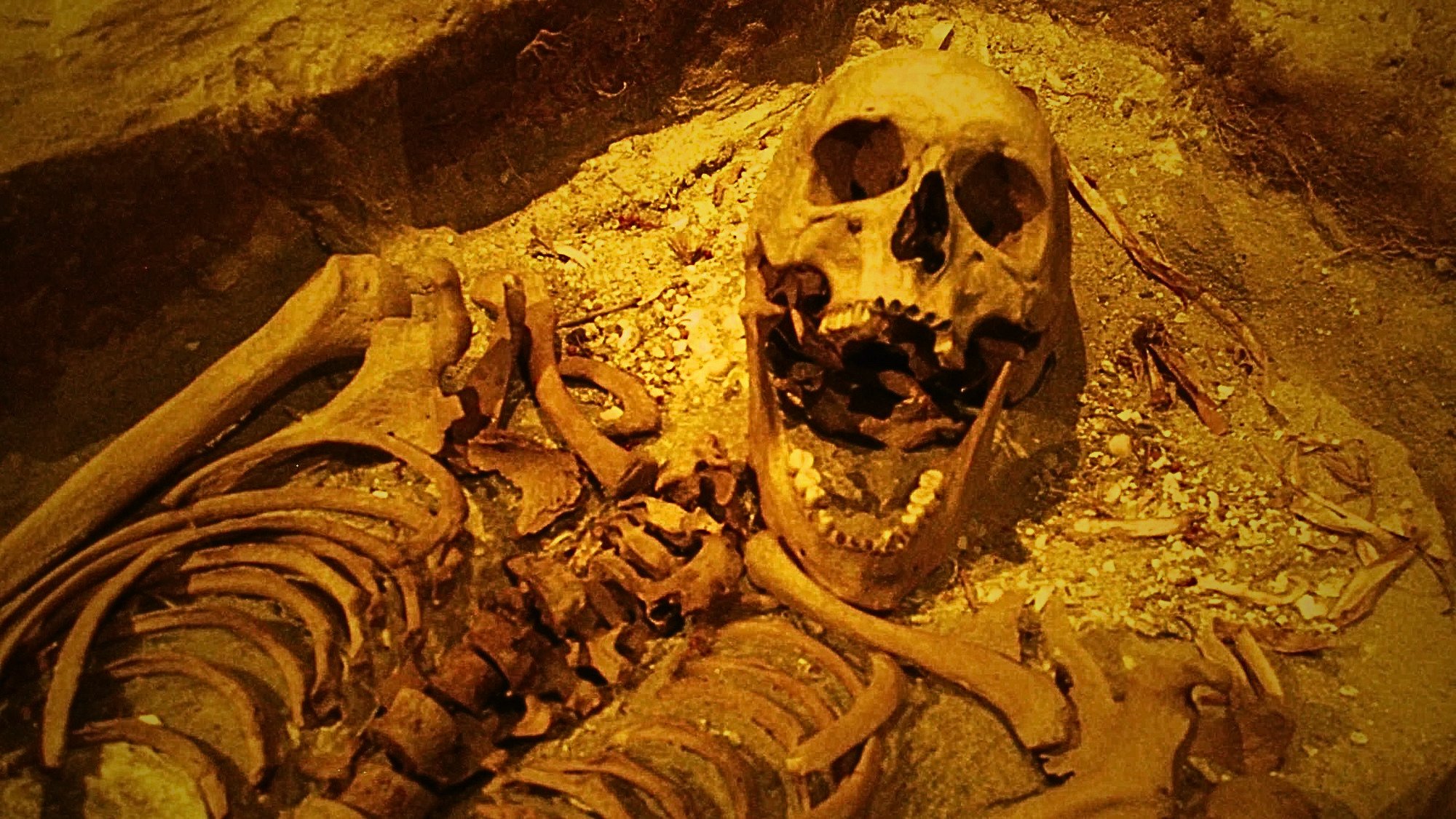
As the archaeologists slowly dug through the floor of the structure, they came unexpectedly upon a human skeleton, legs tucked up in the fetal position. Another skeleton, similarly arranged, was found beneath a different roundhouse’s floor. These people had clearly been laid to rest with care, with stones laid out around them.
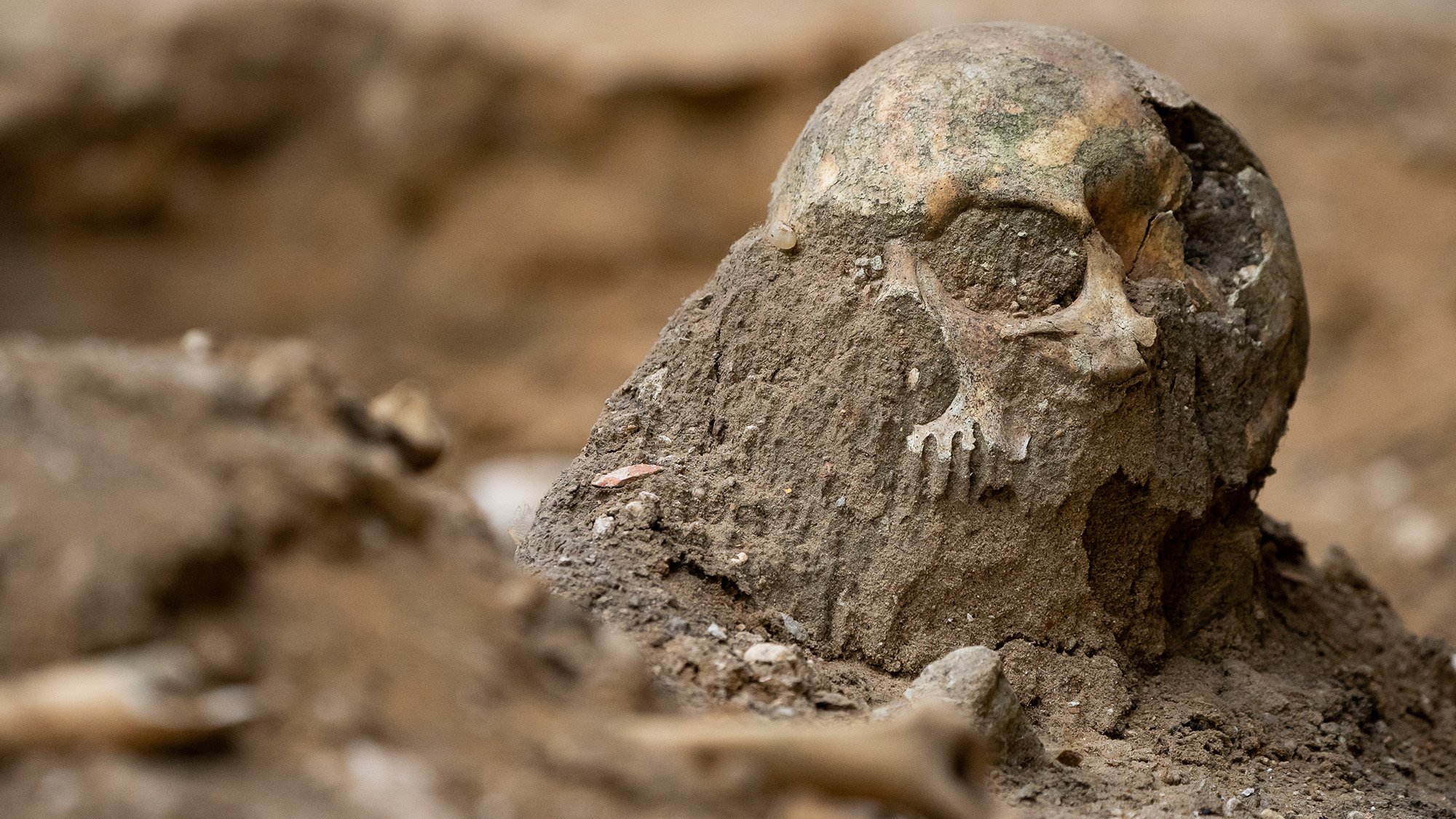
When archaeologists began to study the remains, though, they were staggered to learn that each body’s parts had not all come from the same person. These were composite mummies, assembled with the remains of at least six people who had died over the span of two hundred years. But this wasn’t a jumbled-together macabre collection or evidence of a Bronze-Age serial killer. These bodies had been treated carefully and buried in stone-lined graves. So what were the people of Cladh Hallan doing with the dug-up remains of their ancestors?
What was Cladh Hallan? And what mummies were found there?
More than four thousand years ago, early farmers began to work the soil on the Outer Hebrides islands off of Scotland’s northwestern coast. At the time, the Roman Empire and even ancient Greece were specks on the chronological horizon. Along the Aegean coast, Minoans and Mycenaeans were building palaces and cities. Farther north, Germanic tribes were exporting amber and expertly forging bronze and gold artifacts.
At Cladh Hallan, early farmers grew barley, herded sheep, and foraged the abundant resources on the island’s beaches. Their descendants continued to thrive on the island for centuries, the population grew, and so did the need for land.
Ancient farmers at Cladh Hallan built circular dwellings today known as roundhouses. Image: Anne Burgess / CC BY-SA 2.0
Nearly a thousand years into Cladh Hallan’s occupation, with living space on the small island becoming harder to find, people started building over the burial grounds of their ancestors. But the islanders were definitely aware of the graves beneath their feet—in fact, they went out of their way to acknowledge the people buried in them.
Residents of Cladh Hallan dug down into these older burials containing both cremated and unburnt remains, removing some parts and leaving the rest undisturbed. Then they assembled the exhumed remains into the requisite anatomical combinations that modern archaeologists have found centuries later. Once this was done, the composite bodies were once again laid to rest under the foundations of the roundhouses.
The best mummy finds at Cladh Hallan
The two best-known adult skeletons from Cladh Hallan are the most unusual. Each was found under a roundhouse. One skeleton was identified as male, the other female, based on their pelvic bones. The bodies date to between 1300 and 1500 BCE…mostly.
The skeleton originally identified as a woman had a man’s skull where her own head used to be. Two of the teeth were missing from the skull, and those had been placed in each of the woman’s hands. By radiocarbon dating the bones, researchers found that the skull actually belonged to a man who had died at least a century earlier, perhaps a relative from an older generation.
The body originally identified as male was put together from three different people—all confirmed as male through DNA testing. The burial was made up of a man’s torso, a second man’s skull, and a third man’s jawbone. Each of these men had died at different times over the span of about 150 years. Again, ancestry and family identity seem to play a big part in these re-burials.
It isn’t terribly uncommon for cultures to include their deceased loved ones in celebratory, ritual, or even daily activities. Every few years, families in the Toraja region of Sulawesi, Indonesia exhume the remains of loved ones, clean them, dress them in fresh garments, and honor them with festivals.
South Korean “death beads” are made from the cremated remains of family members and displayed in the home.
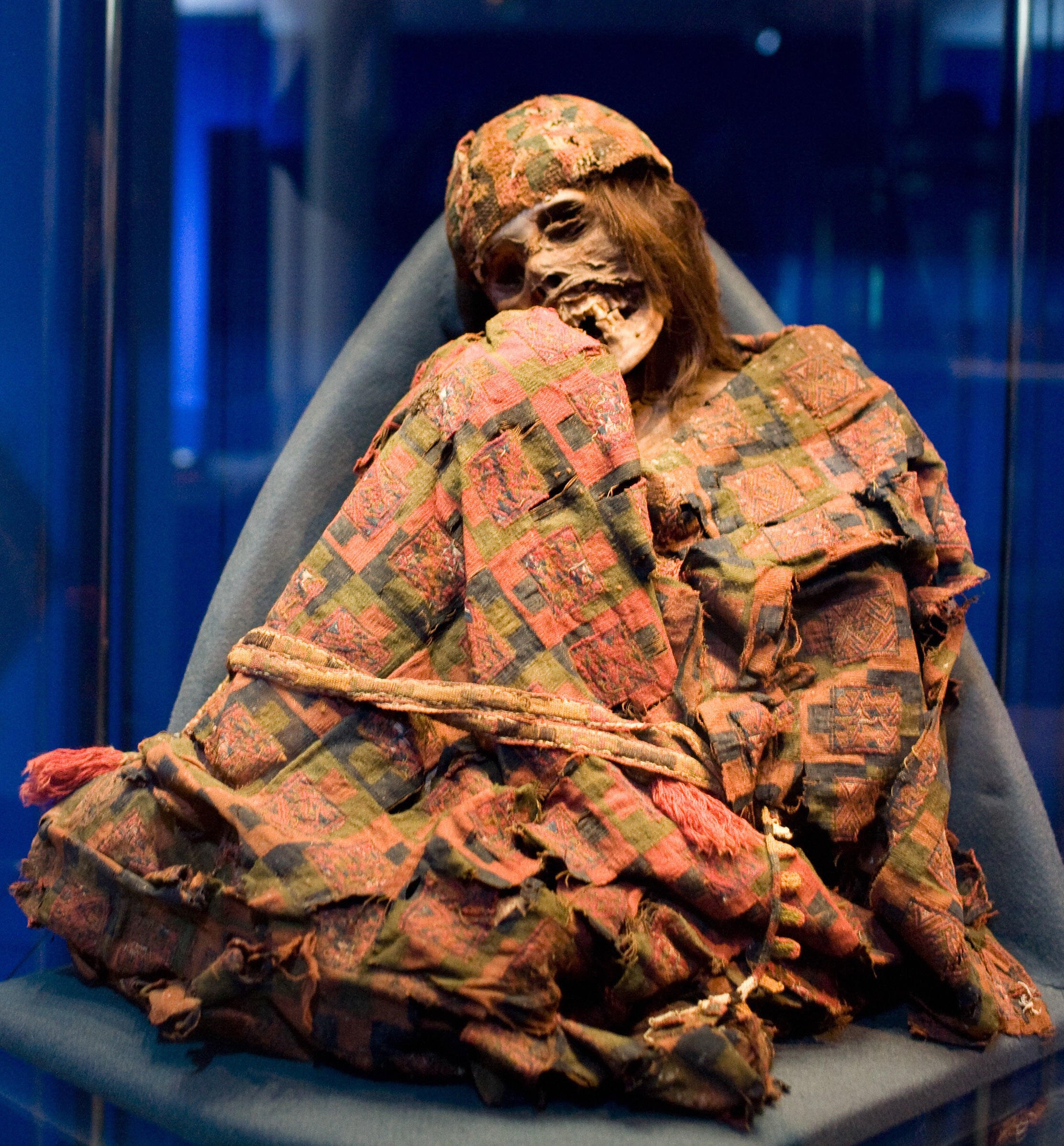
Pre-colonial Inca religious tradition included regular ceremonial processions featuring the remains of people “buried” in natural alcoves in the Andes mountains and mummified by the dry, cold mountain air. The Cladh Hallan skeletons had once been mummified as well, though this was not mummification as it was practiced in ancient Egypt, nor like the mountainside Inca tradition.
Ancient Egyptians were far from the only society to mummify their dead. For instance, many Inca mummies have been found in the mountains, such as this female Inca mummy. Image: Getty Images / Staff / MICHAEL LATZ
First, the bodies were tightly wrapped in fabric, which kept the bones and soft tissue flexed into the fetal position. This is why the limbs remained so tightly curled towards the torso, and why the bodies were so well-preserved. Archaeologists were able to identify this type of preservation based on microscopic changes to the surfaces of the bones from the acidic environment of the peat bogs in which the bodies were submerged after wrapping.
Why peat is so good at preserving bodies
Peat is a dense, wet accumulation of centuries of decaying plant matter, and is a feature of lots of landscapes, particularly in the northern latitudes. People have used dried peat as fuel for thousands of years, since it burns well and slowly, and is plentiful in areas where there aren’t a lot of trees for firewood. Peat from the Scottish isles, notably, is responsible for the smoky, earthy taste characteristic of Scotch whiskey.
Peat bogs are so packed with plant material that there is almost no oxygen present, which is great for preservation, as is the typically cool temperature beneath the peat’s surface. The lack of oxygen keeps microbes and other critters from consuming the body’s soft tissues, and the tannic acid from all the decaying plants in the bog turns skin dark and leathery.
By first burying the bodies of family members under layers of peat, the people at Cladh Hallan ensured that the remains would be as intact as possible when later generations exhumed them. This not only means that the Bronze Age inhabitants of the island were well aware of peat’s preservative properties, but that the entire process was a deliberate sequence of events.
But why did people in Cladh Hallan make these many-part mummies?
Archaeologists interpret the pieced-together reburials as a part of a social or religious tradition that emphasized family lines and reverence for ancestors. Stones clearly marked the graves under the roundhouses, so the homes’ placement was definitely on purpose.
The initial bog burials were deliberately used as a source of family remains, and the parts that composed the buried skeletons seem to have been deliberately chosen, though we may never know why or how. It seems as though ancestor-recycling may have been a regular process at Cladh Hallan in the later part of the Bronze Age, as older generations gave way to new.
Archaeologists also surmise that the exhumed mummified remains were initially kept above ground, maybe in a special place in the house, and included as a part of daily life. These multi-ancestor figures might have been consulted when important decisions were made, or they may have been seen as household protectors.
Archaeology can never really uncover the full story of what people thought and believed thousands of years ago. Thoughts do not fossilize, and decay and weathering affect even the best-preserved archaeological sites.
We will probably never know exactly what it was like to live at Cladh Hallan when it was a busy, thriving settlement. We may never understand how the people that lived there conceived of their world, or how they thought about spirituality. Thanks to the burials at Cladh Hallan, though, we have a tantalizing glimpse of how people may have seen death in their universe as a continuous, pieced-together chain of lives lived over generations.
In That Time When, Popular Science tells the weirdest, most surprising, and little-known stories that shaped science, engineering, and innovation.
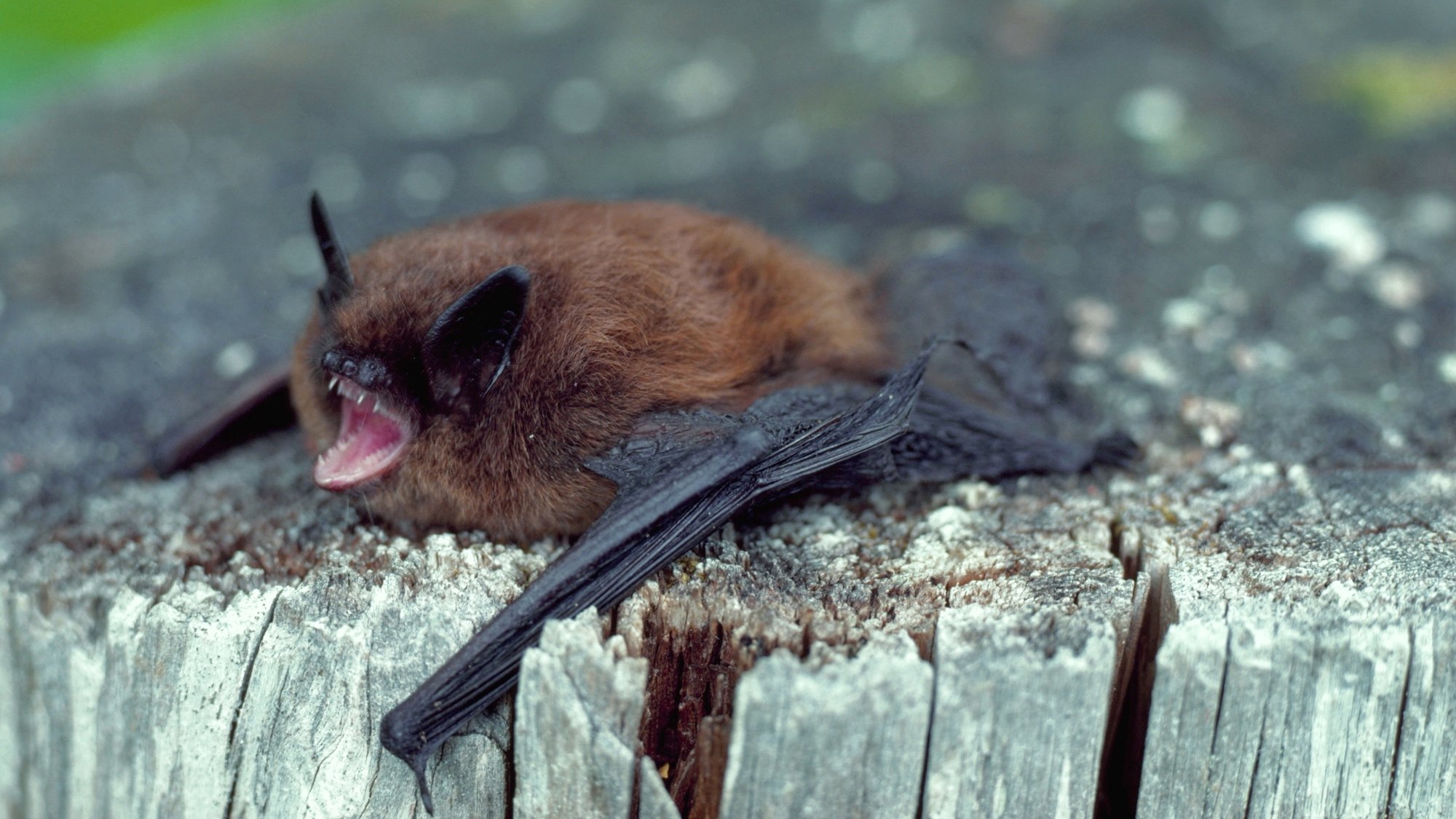
A single bat colony contains hundreds or even thousands of the winged mammals. But with less-than-ideal eyesight and so many neighbors, how do mothers identify their pups amid the extremely crowded conditions? Writing in a new study published today in the journal Frontiers in Ethology, researchers say it often comes down to the subtle, unique vocalizations emitted by their individual offspring. To assess their responses, the team relied on an even more delicate biological signal—the mother bat’s own heartbeat.
The investigation began when biologists at Japan’s Doshisha University noticed a surprising—but consistent—behavior among the Japanese house bats (Alionoctula abramus) in their laboratory colony. Whenever a pup wandered too far from its roosting area, only its mother raced to the rescue.
“We knew that pups emit isolation calls—acoustic distress signals—when separated. But seeing this strict behavioral selectivity made us wonder: what is happening inside the mother when she hears these calls?” recalled study co-author and Doshisha University biologist Kazuki Yoshino-Hashizawa.
To learn more, Yoshino-Hashizawa and his colleagues monitored four mother bats who each recently birthed a litter of three pups. Some of the litters only contained females, so they decided to exclude the young males from the study to avoid sex-based variations. At two days old, the team recorded clips of the female pups’ tiny isolation calls. These function like the cries from a human baby, and each vocalization has its own unique tones.
However, Japanese house bats grow quickly. The new generation started making echolocation calls at about eight days old, and they ceased isolation calls after around 12 days. After roughly one month, they began flying like adults and set off on their own within the colony. The researchers then recorded their adult echolocation calls, as well.
Around 40 days after the pups’ birth, the team isolated each mother and played them the various audio clips while monitoring their heart rates using an ECG machine. As a control, they also played the recording of a random adult male bat. The study’s authors quickly saw that a mother bat’s heart rate sped up when they heard cries of their own pups, but not the pups that belong to other bat moms. Surprisingly, the mother bats’ heart rates boosted the most from recordings of the older, independent pups. Researchers theorize this might relate to the bats’ memory of more recent calls, but that idea requires more study to confirm.
Still, don’t get overly sentimental. The team also recorded strong heart rate reactions when the mothers heard calls from the random adult male. It’s possible the bats interpreted the sounds as a threat, but the team stopped short of categorizing the reactions as good or bad.
“‘[Heart rate measurement] cannot distinguish between positive emotions, such as maternal motivation, and negative ones, such as stress or alarm,” Yoshino-Hashizawa added.
Instead, the study authors suggest heart rates may be a solid starting point when trying to analyze bat behaviors and responses to their everyday environment. At the same time, a mother bat’s heart certainly seems to patter a bit more for her pups.
“[This] suggests that these vocalizations instantly physiologically prime the mother to engage in maternal behavior,” explained Yoshino-Hashizawa.
Com a estreia de Cyberpunk: Mercenários 2, a animação da Netflix se prepara para se conectar ainda mais com Cyberpunk 2077 e com toda a saga multimídia (que envolve HQs, clipes musicais e até mesmo um filme previsto para o futuro).
Não basta a história ser ambientada em Night City, o mesmo local que os jogadores exploram no game lançado em 2020, mas também ver a presença de personagens e temas que são comuns aos fãs. Ainda mais do que a primeira temporada, a segunda intensifica as referências e sua ligação com este universo.
Porém, de que modo as duas histórias paralelas se interligam? Inclusive, existe a participação de heróis dos games e do ano anterior nos novos episódios? A Netflix e a CD Projekt Red esconderam muitas coisas, mas diversas outras já estão visíveis para todos.
Veja como Mercenários 2 se conecta ao universo de Cyberpunk 2077, assim como o que esperar do que virá daqui em diante. Antes disso, preste atenção: este texto contém spoilers da série. Se você não assistiu ainda e pretende ver sem levar surpresas, salve este link e acesse quando vir os episódios.
O futuro de Cyberpunk 2077
Um dos primeiros grandes impactos de Cyberpunk: Mercenários 2 é que a história não se passa antes dos jogos e nem de forma simultânea à narrativa. Ela acontece no ano de 2078, um ano após os eventos vistos nos videogames e PCs.
Na prática, essa é a primeira vez que os fãs podem ver o que acontece com Night City após os acontecimentos finais da aventura. O mundo de Cyberpunk 2077 já não é mais o mesmo e alguns sinais ficam bem claros ao público.
O maior deles é a presença da corporação Arasaka, enfraquecida e diante de uma grande crise. Após as ações de David Martinez na temporada anterior e de V, no game, o conglomerado tenta se levantar após os golpes sofridos.
Além disso, o desenho animado usa o conceito de Psicófago para alimentar o roteiro. Criado pela netrunner Alt Cunningham, o programa permite transferir a consciência das pessoas para o mundo digital.
A Arasaka transformou a tecnologia em arma com o projeto Relic e desencadeou graves consequências no ecossistema de Night City. Johnny Silverhand, por exemplo, vive em V por meio de um chip implantado na protagonista. Em Cyberpunk: Mercenários 2, o mesmo ocorre com D e Capri.
Contudo, a Arasaka não é a única corporação que trabalha com os Psicófagos. Os Kang Tao também têm uma versão própria da tecnologia, o que cria uma nova “corrida” pela sua propriedade em Night City.
Isso pode render mais conteúdo para a sequência de Cyberpunk 2077? Possivelmente, já que a CD Projekt Red ajudou a produzir o anime e trabalha ativamente no desenvolvimento do próximo jogo. Logo, pistas podem ter começado a ser plantadas.
Mais de Cyberpunk em Mercenários 2
Além de ver a presença da Arasaka e demais elementos mostrados nos jogos, também há diversos sinais de um envolvimento maior da série dentro do mundo criado nos videogames em 2020.
Ainda que o estúdio e a Netflix não tenham confirmado, muitos juram ter visto a personagem V em um banco de dados acessado pelos personagens de Mercenários 2. O fundo amarelo, clássico das artes do game, realça sua presença ainda mais.
Também é notável a presença de David Martinez na trama, como um dos elementos que desencadeiam a investigação de D e Roman — enquanto ambos buscam os responsáveis pela morte do clã do novo herói da animação.
A ciberpsicose, que integrou a trama da primeira temporada, volta na segunda — desta vez, com atuação sobre Talia e Weak. Este foi apenas um problema que David enfrentou, mas aqui o efeito é explorado e até uma possível solução para os casos.
Haverá uma 3ª temporada de Mercenários?
Se levarmos em consideração a sincronia de histórias entre o game e as duas temporadas, é possível que algo de concreto seja formalizado no futuro. Porém, isso talvez não aconteça na animação, mas sim nos cinemas.
Não é mistério para ninguém que o estúdio produz um novo game, mas este segue sem detalhes oficiais ou uma data prevista para o seu lançamento. Possivelmente chegará na próxima geração de hardwares, com o PS6 e XBOX Helix nas lojas.
Na prática, até lá pode surgir Cyberpunk: Mercenários 3 para compor o universo e suas discussões. Contudo, a produção não foi confirmada pela Netflix e pelo Studio Trigger — então é bom se sentar para aguardar por futuras novidades.
Um objeto metálico misterioso foi encontrado em um milharal em Minnesota, nos Estados Unidos. Claro que a identificação do item rendeu todo tipo de rumores e piadas sobre sua possível origem extraterrestre — e, se você é do time que ficou animado com a possibilidade de se tratar de um artefato alienígena, pode ficar frustrado ao saber que o objeto parece ser simplesmente lixo espacial. E da China.
Tudo começou no dia 14, quando um fazendeiro entrou em contato com as autoridades para reportar a identificação de um objeto estranho na plantação. “Ao chegarem ao local, os policiais confirmaram que um grande objeto metálico, com aproximadamente 11 pés de diâmetro, presumivelmente um objeto espacial, estava no milharal”, informou o Gabinete do Xerife em um comunicado publicado nas redes sociais.
Segundo o anúncio, o item não oferece riscos para moradores. Por enquanto, não há confirmação da sua origem, mas tudo indica que o item metálico seja parte de um foguete que foi ao espaço em setembro, levando 10 satélites da Qianfan — caso você não a conheça, trata-se de uma empresa que vem lançando satélites com objetivos parecidos com aqueles que a SpaceX tem com os Starlink.
Queda de lixo espacial
E, afinal, por que o suspeito é o foguete chinês Zhuque-2E? Bem, primeiro, vale lembrar que o lançador tem diâmetro de 3,35 m, ou seja, seu tamanho corresponde perfeitamente ao do objeto encontrado em Minnesota.
Além disso, dezenas de observadores na região nos Estados Unidos flagraram bolas de fogo brilhando no céu em 15 de setembro, quando o foguete foi lançado. Em outras palavras, é possível que o objeto metálico seja um detrito deixado pelo lançamento que ficou ali, aguardando tranquilamente sua descoberta.
Se este for o caso, trata-se de mais uma queda de lixo espacial causada por uma reentrada descontrolada, ou seja, fora de uma área segura, que é algo bem longe das melhores práticas do setor. Para completar, a China acostuma ser acusada de deixar seus foguetes retornarem à Terra de forma descontrolada.
Você já deve ter visto a obra "A Noite Estrelada", do holandês Vincent van Gogh, e talvez tenha se perguntado quando, afinal, foi a noite em que o pintor viu o que retratou na tela. Agora, parece que cientistas da empresa de ciência espacial SLLAB Inc. e da Universidade Kyung Hee, na Coreia do Sul, encontraram a resposta.
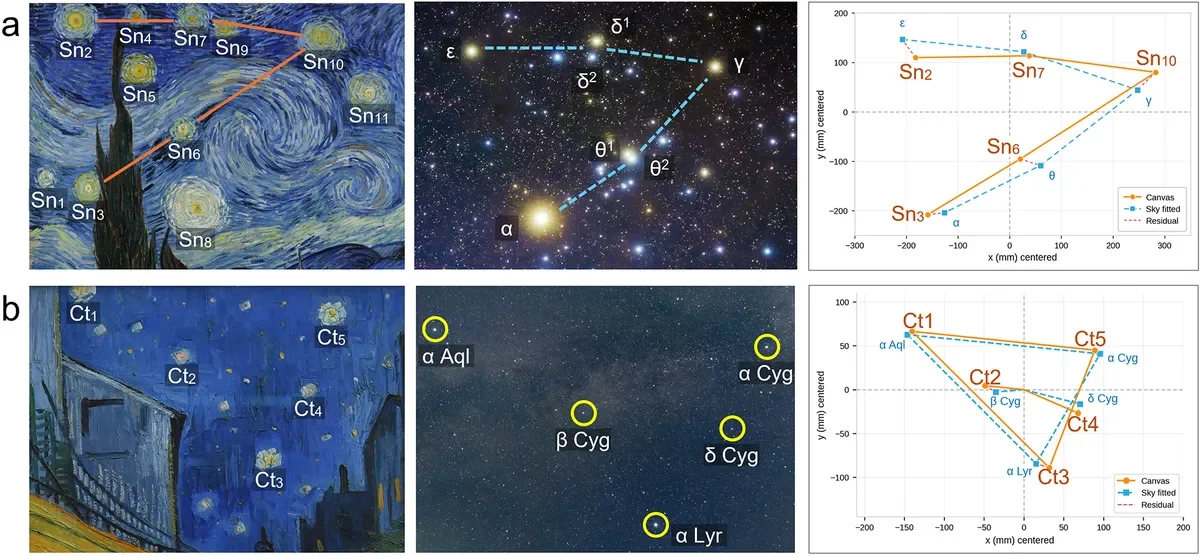
Segundo uma nova análise, a pintura mostra o amanhecer de 22 de julho de 1889. O levantamento analisou o céu do hospital psiquiátrico de Saint-Rémy, no sul da França, e concluiu que o célebre quadro reproduz um fenômeno astronômico real e observado pelo pintor holandês.
Além de curiosa, a descoberta resolve o impasse deixado por pesquisas anteriores — outros estudiosos concluíram que a tela mostrava o céu de junho de 1889, mas se este fosse o caso, a Lua estaria bem perto da fase cheia.
Noite estrelada, de Van Gogh
Elijah Jeong-hyun Kim, autor que liderou o estudo, recordou que viu pesquisas anteriores descrevendo que a tela mostrava a constelação de Áries; foi ali que surgiu a ideia de explorar a pintura mais a fundo. “Para um astrônomo observacional, o aglomerado de estrelas na pintura pertence às Híades, na constelação de Touro”, declarou.
Se considerarmos a madrugada de 22 de julho de 1889, a Lua, Vênus e as Híades estariam plenamente visíveis, correspondendo melhor ao que Van Gogh retratou — se fosse o caso das datas que indicavam junho, Vênus e a constelação de Áries não poderiam ser vistos. De qualquer forma, para comprovar a hipótese, os pesquisadores viajaram até a França para checar a perspectiva exata da janela de Van Gogh.
A data de julho também foi sustentada por boletins meteorológicos da época, que registraram céu limpo naquela madrugada, além de menções ao canto de cigarras e ao calor nas cartas enviadas pelo próprio artista. Estas características combinam com o verão europeu.
A Capcom confirmou nesta quinta-feira (22) que sofreu um megavazamento que envolve o serviço Capcom ID — com a exposição de 11.774.247 contas ao redor do planeta. De acordo com a produtora japonesa, cibercriminosos tiveram acesso ao endereço de e-mail e informações pessoais de usuários.
Em seu pronunciamento oficial, a companhia afirma que foram expostas a data da criação do perfil, data do último login, quantidade de logins e o endereço do IP da última vez que entrou no cadastro. Porém, um total de 43 perfis tiveram a data de nascimento, gênero, país/região e nicknames revelados.
O evento gerou transtornos graves, já que resultou em 196 trocas de senha não autorizadas — o que levou a Capcom a resetá-las. Contudo, ela aponta que não encontrou evidências de credenciais vazadas ou de informações do cartão de crédito.
O primeiro sinal do megavazamento ocorreu na segunda-feira (19), mas a equipe de segurança conseguiu identificar e bloquear as atividades enquanto investigavam o que havia de errado. Uma força-tarefa se formou para detectar o problema e o incidente foi registrado na polícia e na Comissão Japonesa de Proteção às Informações Pessoais na quarta-feira (21).
Como forma de prevenir golpes e outros desdobramentos, a Capcom afirmou que contatará os consumidores afetados — com alertas para e-mails suspeitos, tentativas de phishing (que podem contar com o logo da própria companhia ou das suas parceiras comerciais).
A Valve também sofreu com cibercriminosos, com 12 TB de arquivos que chegaram ao público. Entre os dados, estão a comprovação de que Half-Life 3 existiu em determinado ponto e prévias de franquias como Resident Evil, Batman Arkham, Call of Duty e diversas outras.

 Login