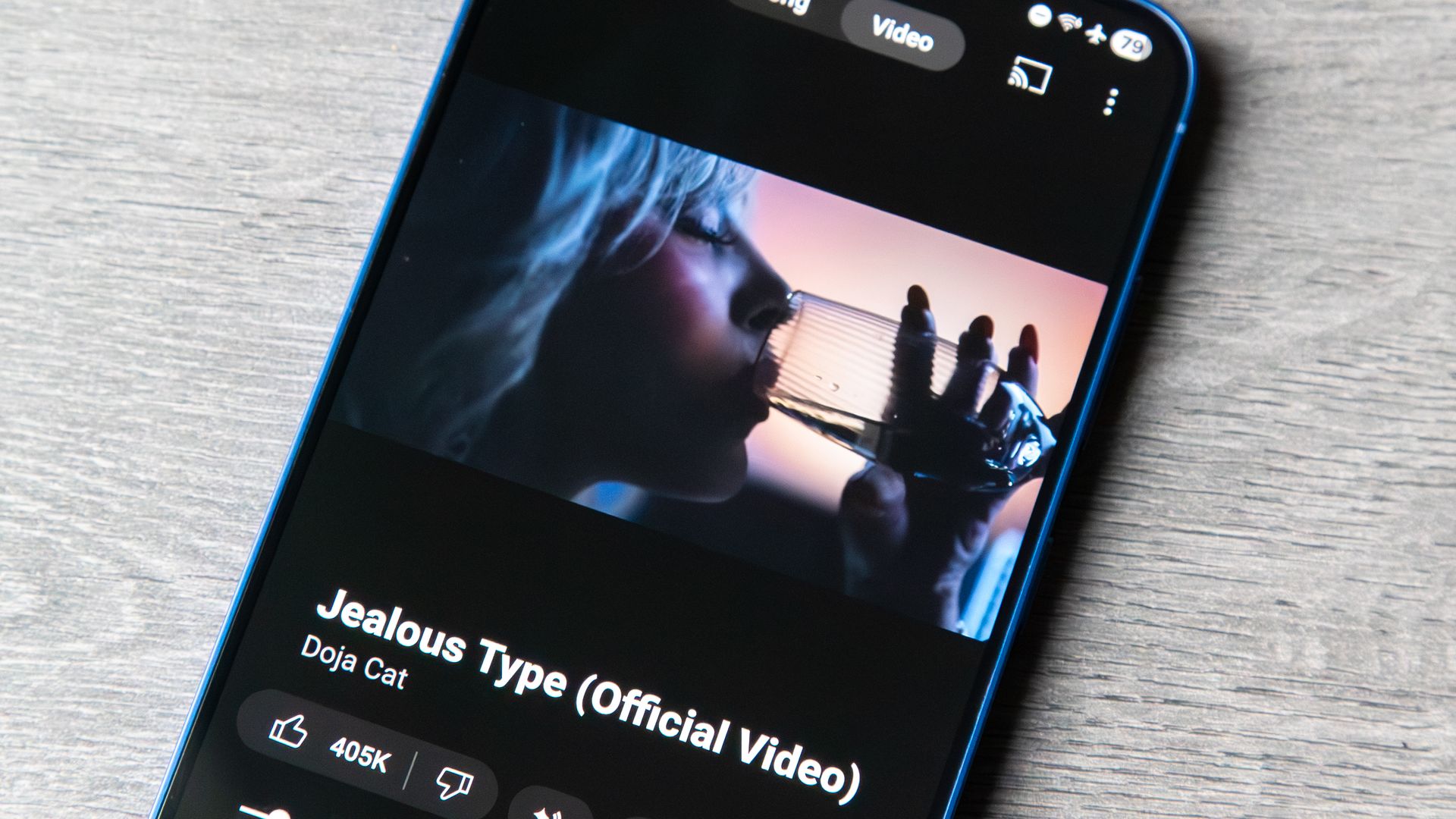
YouTube is reportedly planning to launch audiobooks for its Premium subscribers.
Audiobooks could arrive for the platform's ad-free $16 subscription plan in 2027 if this goes without a hitch for Google/YouTube.
YouTube would run into competition with the likes of Spotify (audiobooks arrived in 2023) and Audible.
Audiobook-enjoyers might have something to celebrate on YouTube. There are rumors that the platform is looking to enter a new market for its Premium subscribers.
A post by the Wall Street Journal (paywalled) highlighted rumors that YouTube Premium could soon offer audiobooks in one of its subscription plans (via GSMArena). Supposedly, Google has been "talking with publishers" about bringing audiobooks onto the platform in 2027.
Early reports allege YouTube Premium would offer audiobooks in its ad-free plan, which currently runs consumers $16 a month. What's interesting is that this could solve an issue: piracy. GoodEReader brought this up in its coverage, highlighting data that shows "45% of listeners" consume "audiobooks" on YouTube. The air quotes (and literal quotes) are warranted here, as the publication states these are AI-narrated, not authentic.
Audiobooks in YouTube Premium would give users the best experience possible, away from false creations. However, it's worth remembering that these are rumors, and nothing's been confirmed by YouTube yet.
YouTube's branching out
(Image credit: Chris Wedel/Android Central)
Android Central's Take
This is one of those things where you can associate a product or a feature or a form of entertainment with the name. If I think Spotify, I think music. If I think Audible, I think audiobooks. When I think of YouTube... I do not think about audiobooks (nevermind the fact that I prefer reading over an audiobook). I wonder how large of a market there is for YouTube. But I guess there must be if there's a piracy problem, and they're using AI voices. Crazy.
Many should be well-acquainted with Audible's audiobook offerings. In recent history, Spotify has joined that market, taking the fight directly to Audible with over 200,000 "free" titles. That was how it all started, anyway. When audiobooks launched for Spotify Premium in 2023, the platform gave its subscribers in the U.S. and the U.K. 15 hours of listening per month.
After you exceeded your limit, you could pay an additional $12.99 to get 10 more hours "or buy them a la carte." Spotify's library exceeded that initial 200,000 for Premium subscribers. But if you wanted more, you'd have to buy them individually. Spotify then launched its "Audiobook Access" tier for $9.99, giving users the same 15 hours of listening per month deal.
It goes without saying that YouTube will have its work cut out for it by stepping into this new world.
A report claims that Samsung's Galaxy S27 Ultra has run into extreme overheating issues with the Snapdragon 8 Elite Extreme Gen 6.
These issues have reportedly caused "throttling" in the device, lowering its performance significant; a problem Samsung has reached out to Qualcomm to solve.
Reports say time is ticking, and if these issues aren't solved, Samsung might have to go with the Exynos 2700.
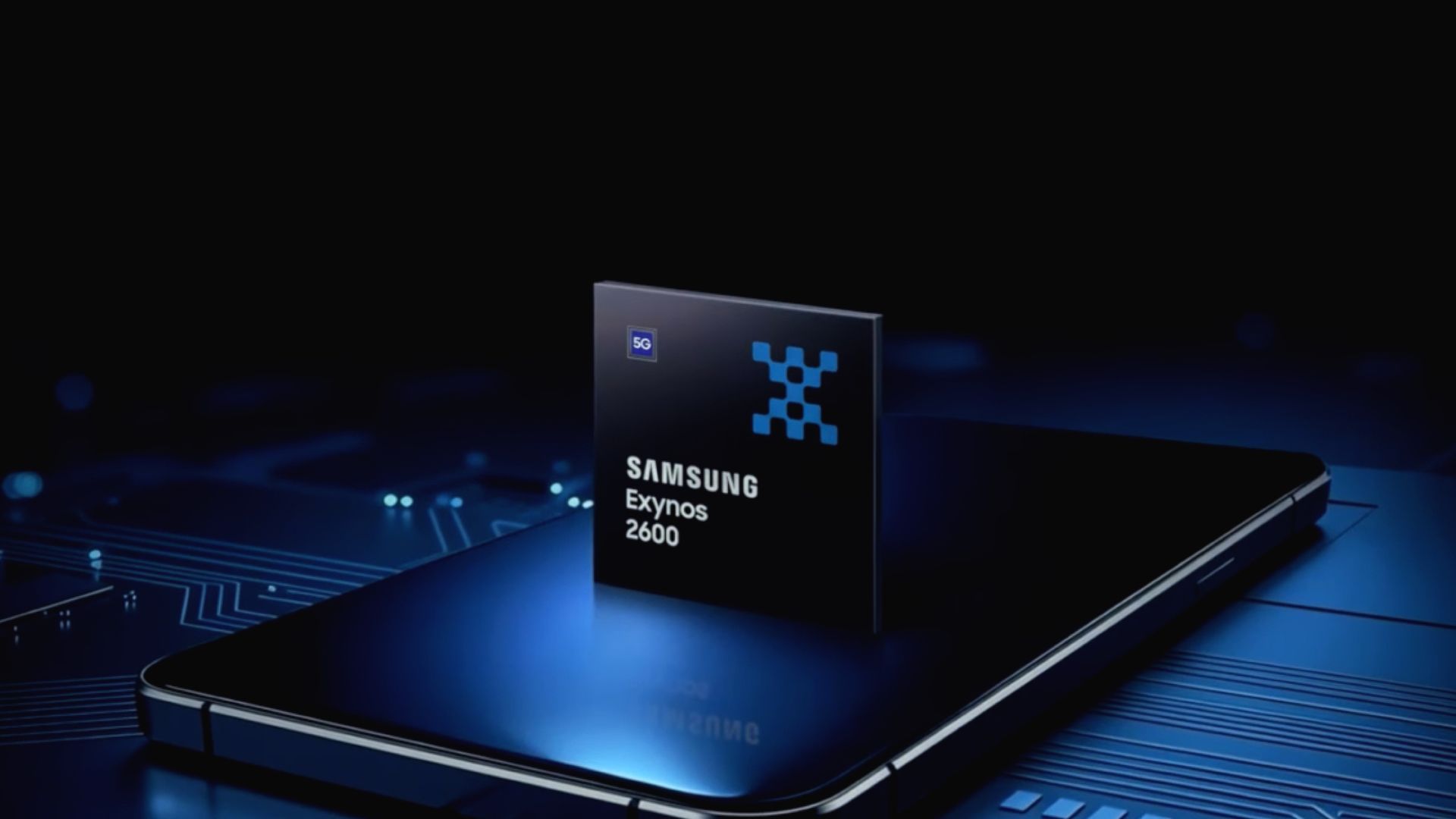
These issues are familiar, considering Samsung's own chips have struggled in the past with overheating problems, but the Exynos 2600 tried to solve that.
While we're eagerly awaiting the next Ultra flagship from Samsung, a report states the company's run into a problem. The issue lies with its chip and its supposed performance hiccups.
A report late this week by SEDaily (Korean) claims that Samsung's run into problems with Qualcomm's Snapdragon 8 Elite Extreme Gen 6 on the Galaxy S27 Ultra (via SamMobile). Samsung reportedly observed that the chip pushed the phone's temperatures beyond acceptable thresholds. Much like a computer, if the device begins to overheat, performance issues will occur.
Samsung has reportedly experienced "throttling" with the Galaxy S27 Ultra. This hasn't sat well with the Korean OEM. The publication reports that Samsung holds the device to the highest standards and that it must "stably run high-performance cameras, graphics, and AI features" (machine-translated).
Presently, if the S27 Ultra continues to experience issues with the SD 8 EE Gen 6, then Samsung may switch to the Exynos 2700. This is a reality that has yet to happen.
The post states that Samsung has reached out to Qualcomm about these issues. Time is of the essence; however, the OEM has given the chipmaker until "mid-October" to rectify the problems. The problem Samsung experienced is interesting, considering it mirrors the gripes consumers have had with its Exynos series in the past.
Overheating chips
(Image credit: Samsung)
Qualcomm split its flagship chips going into 2027 with the Snapdragon 8 Elite Gen 6 and the 8 Elite Extreme Gen 6. The latter is designed to push the boundaries of mobile phone technology and targets Ultra phones. Qualcomm built the chip on a 2nm process with its new Adreno Neural Fusion technology. This leans on AI to boost graphics performance for gamers during longer sessions.
As we alluded to before, Samsung's Exynos chips were infamous for overheating. We'd like to remind you of the Exynos 2600 from 2025. This chip was a significant step for Samsung in the right direction compared to previous generations. Not only was it the world's first 2nm chip, but its CPU and GPU upgrades were also important. What's more, the company introduced a new Heat Path Block (HPB) to fix overheating and performance issues.
While these overheating fixes did well, Samsung could do better. Rumors about the Exynos 2700 say the company wants to introduce a next-generation HPB, reducing heat generation further.
Android Central's Take
This is textbook tech. If it can output graphic or whatever at a higher strength, it will generate more heat. Look at gaming PCs. Why do you think they have so many fans? Why do you think the graphics card has its own fan—or maybe two or three! There's a chance that Samsung and Qualcomm will have to reconfigure some things in the Galaxy S27 Ultra and the chip. Beyond this, there's also public perception. Samsung hesitates to drop an Ultra with Exynos in the States because it could impact sales.
Then there's overall performance. Can the Exynos 2700 go blow for blow with the SD 8 EE Gen 6?
I fondly remember owning my first BlackBerry, and then my second ... and third. The smartphone was a sign of prestige, a device you could fit in your pocket with both a screen (later also a touchscreen in some models) and a miniature QWERTY keyboard. It was genius. That is, until elongated, touchscreen-only phones started coming to market, namely the first iPhone. Suddenly, BlackBerrys weren't so trendy anymore.
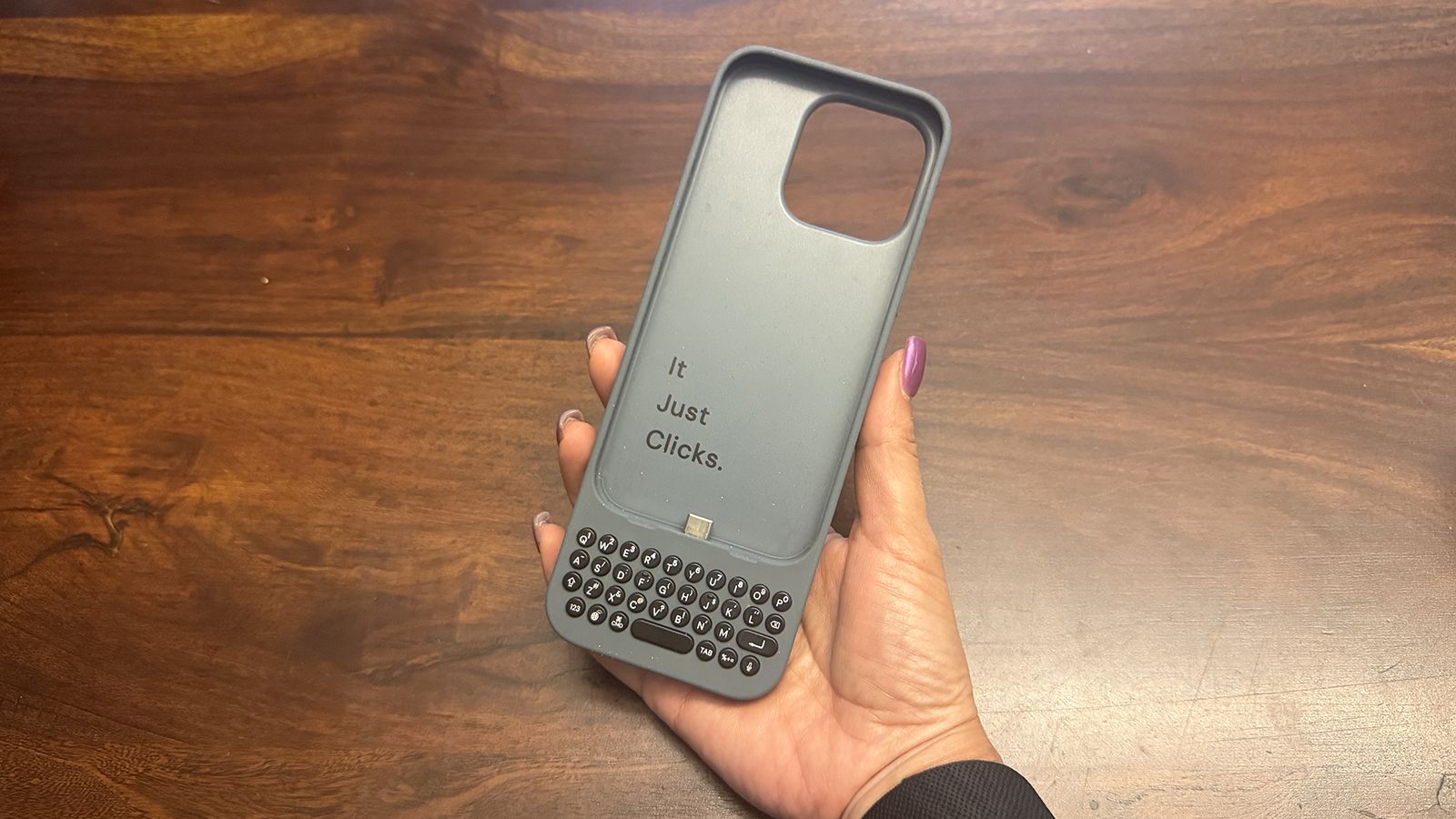
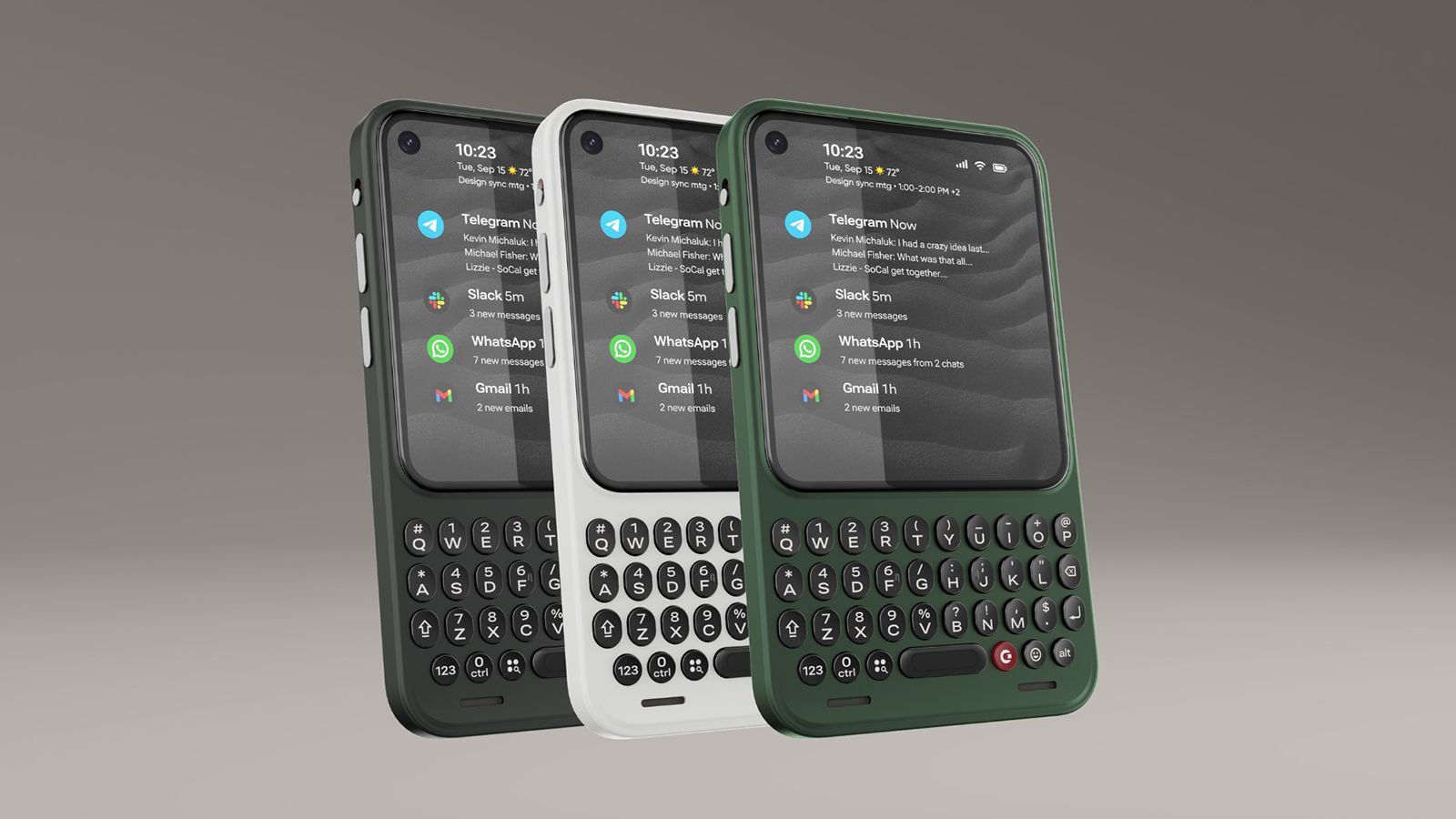
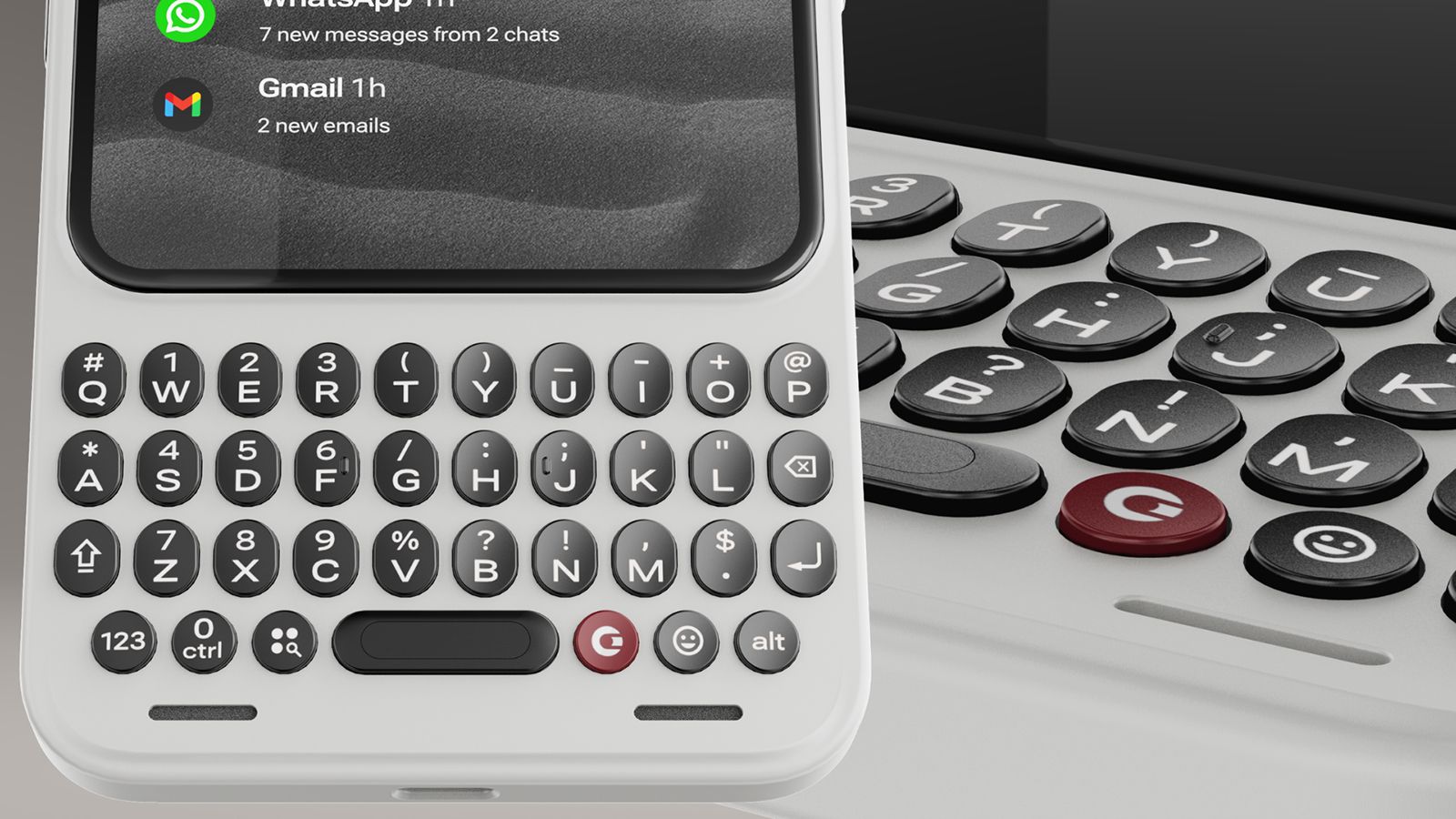
What's old becomes new again, however — a statement that fits almost every industry, from fashion to music and even tech. Clicks Technology, a U.K.-based hardware company with team members who previously worked for BlackBerry and within the BlackBerry space, is leaning into this trend. Growing from its first keyboard case, there are two devices coming this year: the Clicks Power Keyboard, which is now shipping, and the hotly anticipated Clicks Communicator, which should launch in December.
"Something was thrown out with the bathwater when we moved to modern smartphones," Jeff Gadway, co-founder of the company (and former marketing director at BlackBerry), explained in a recent interview. His company aims to bring it back — and possibly a little magic to a market that could sorely use some fresh ideas.
I saw both devices in prototype form at CES 2026 earlier this year, and in an interview with Gadway, discussed how the company is bringing razzle dazzle back to mobile.
Clicks introduced its first keyboard case for iPhone in 2024, eventually expanding to make cases for select Android phones, too. To say people were excited would be an understatement. "It was like catching lightning in a bottle that first year," Gadway told me during a recent podcast interview.
Interestingly, it wasn't just nostalgia-fueled business executives but also younger folks from the digital native generations who were intrigued. Young adults who had never used anything but a touch- or voice-controlled phone loved the concept as much as they are now learning to love vinyl, CDs, and wired earbuds.
(Image credit: Clicks Technology)
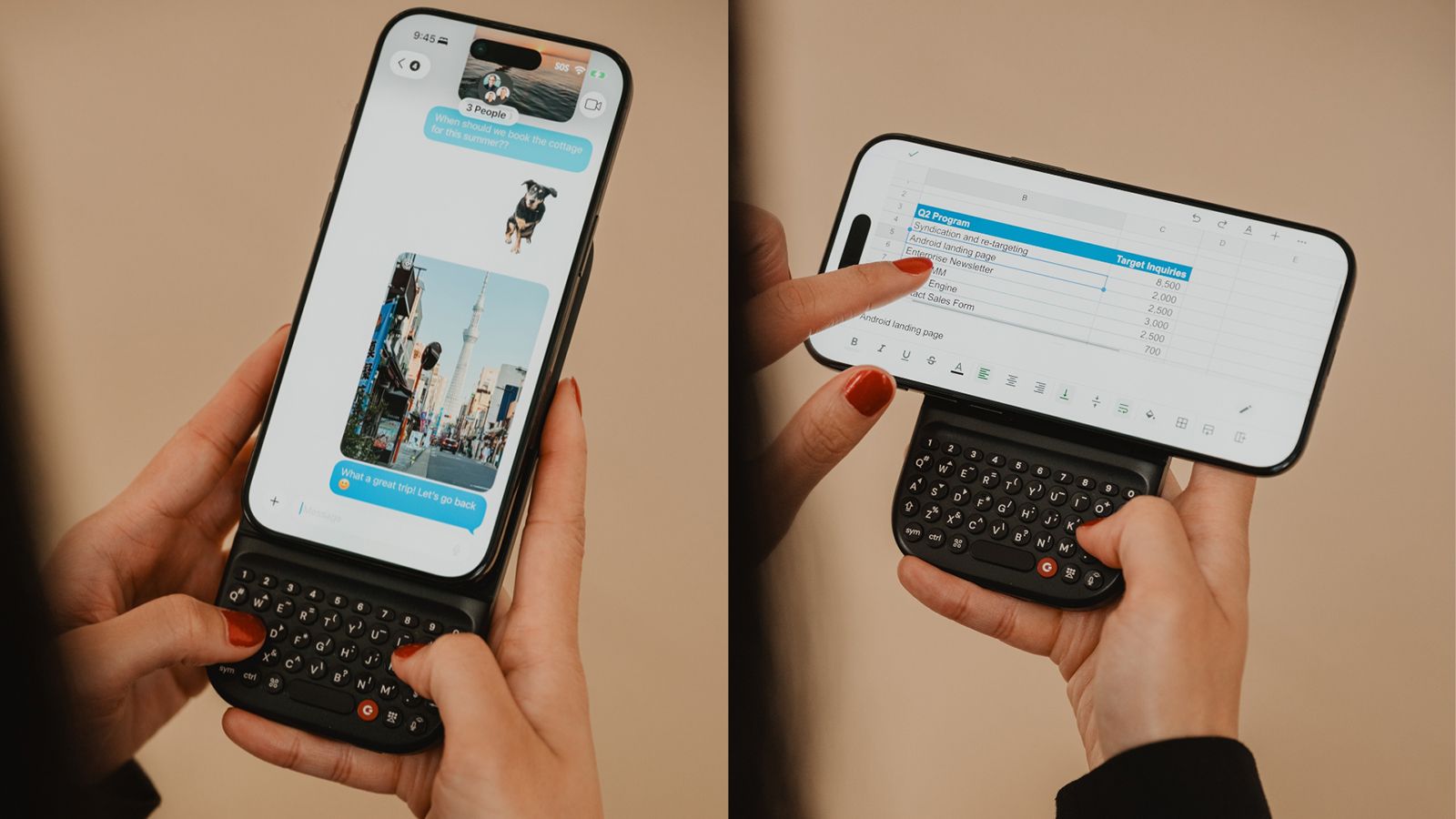
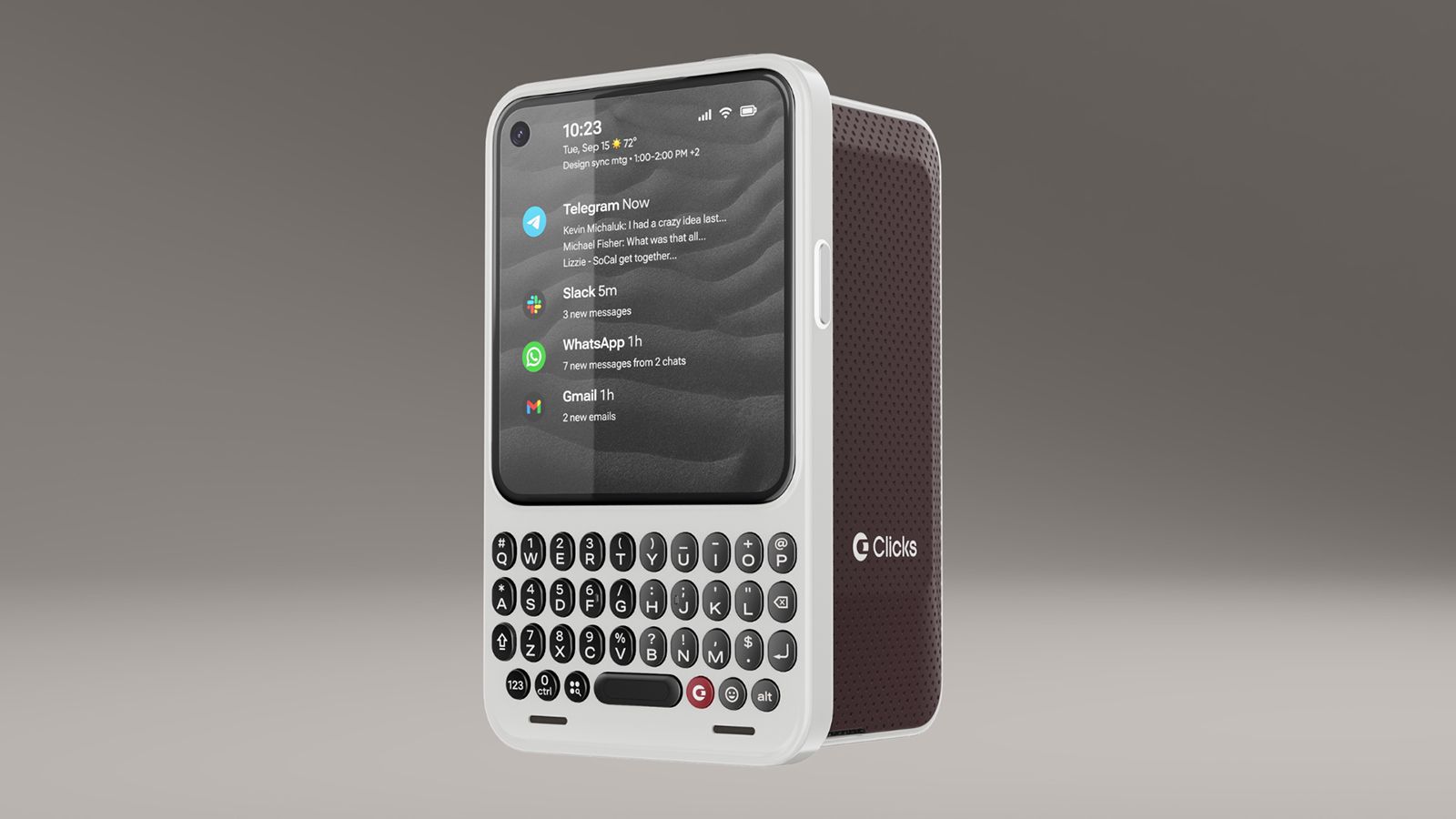
The company has since developed the Power Keyboard, a MagSafe enabled keyboard accessory you can use with any MagSafe-enabled phone or case, or any Bluetooth input device, for that matter. The Communicator is an Android phone reminiscent of a BlackBerry Bold that combines a small screen with a miniature QWERTY keyboard.
The Power Keyboard is universal
(Image credit: Clicks Technology)
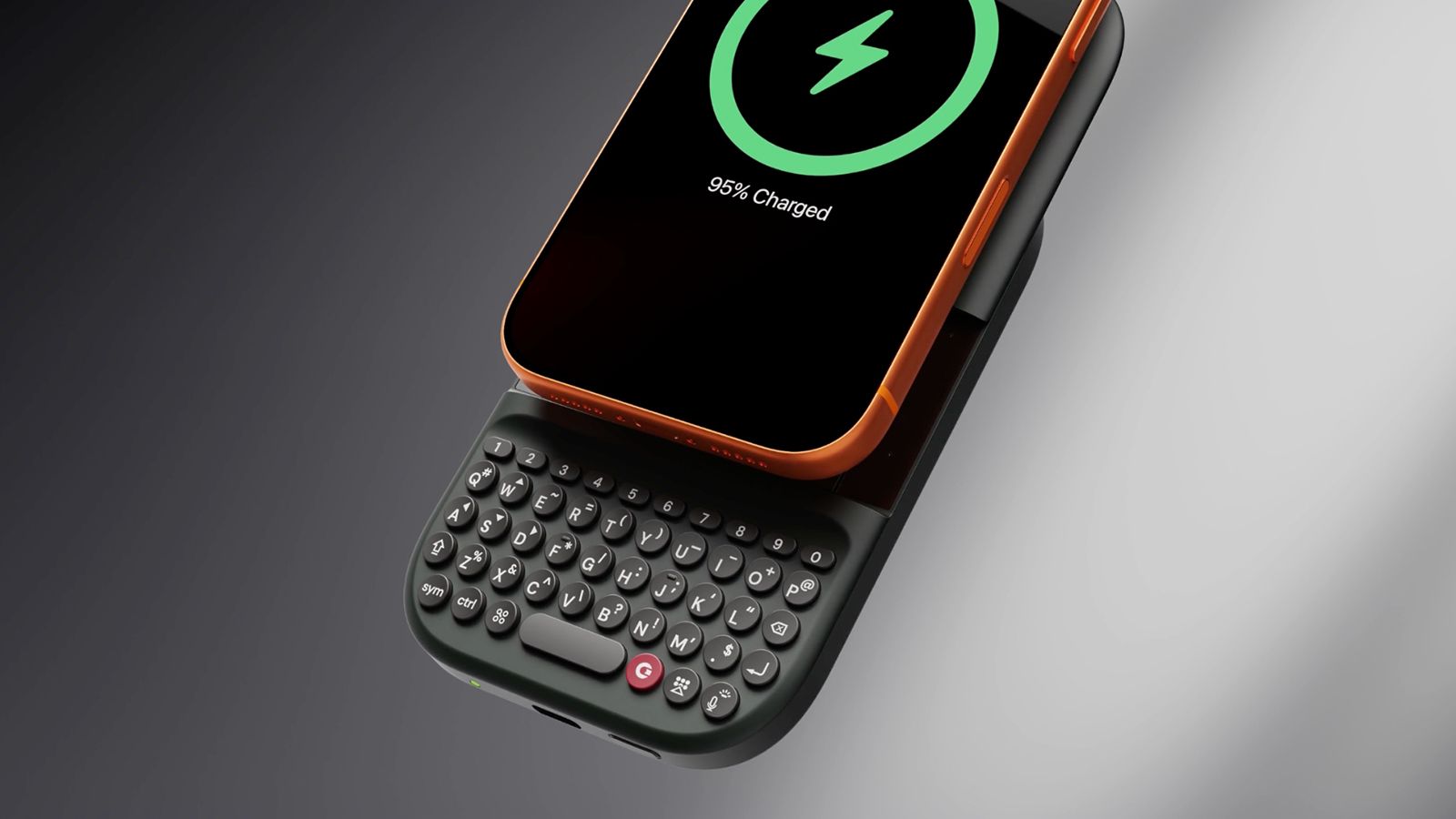
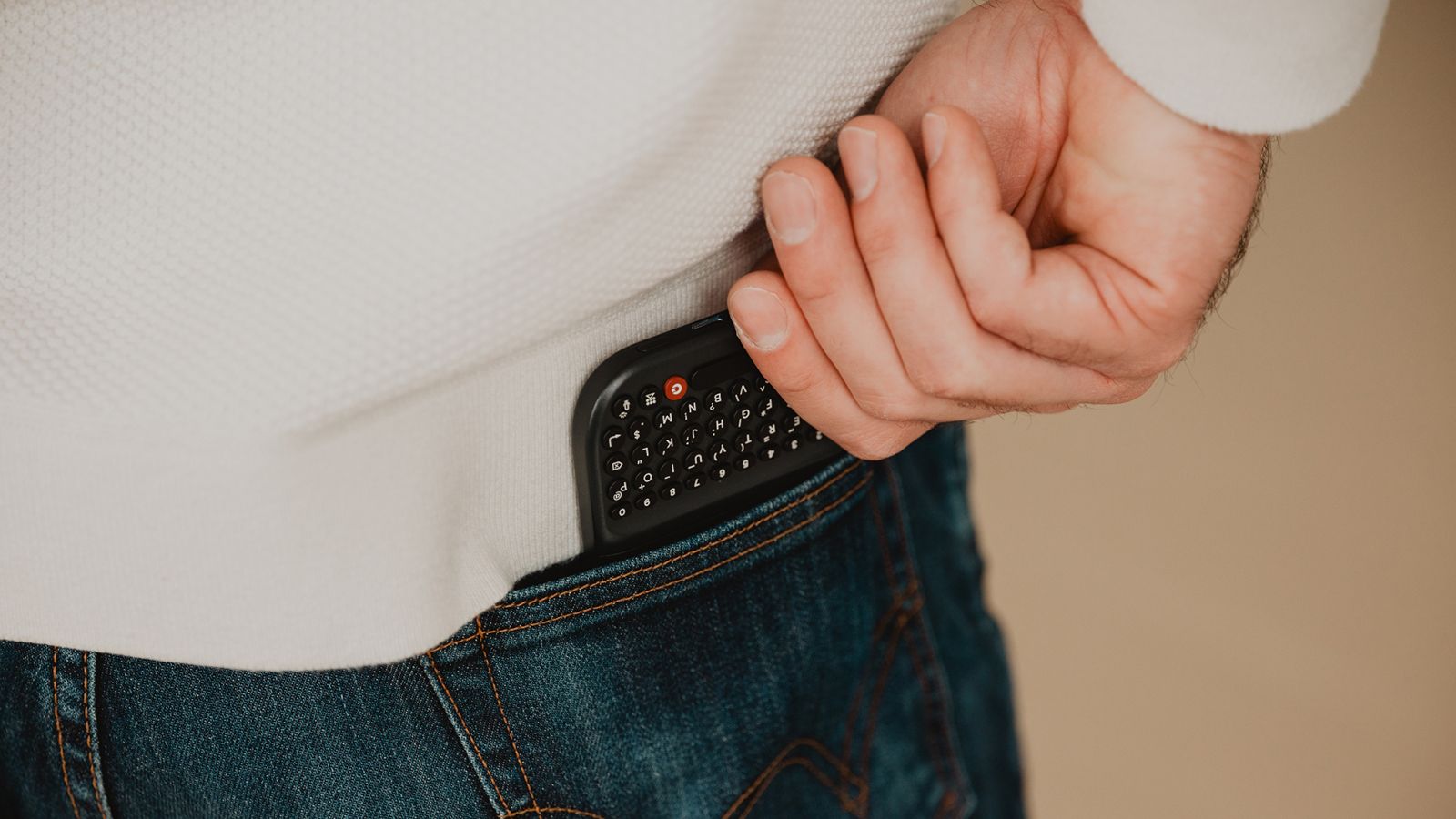
The Power Keyboard solves the biggest issue with the original Clicks Keyboard Case: needing a fitted case for every model phone. Instead, this version is magnetic, clipping vertically or horizontally onto the back of any MagSafe-enabled phone or phone case and functioning as a power bank with a slide-out keyboard.
(Image credit: Clicks Technology)
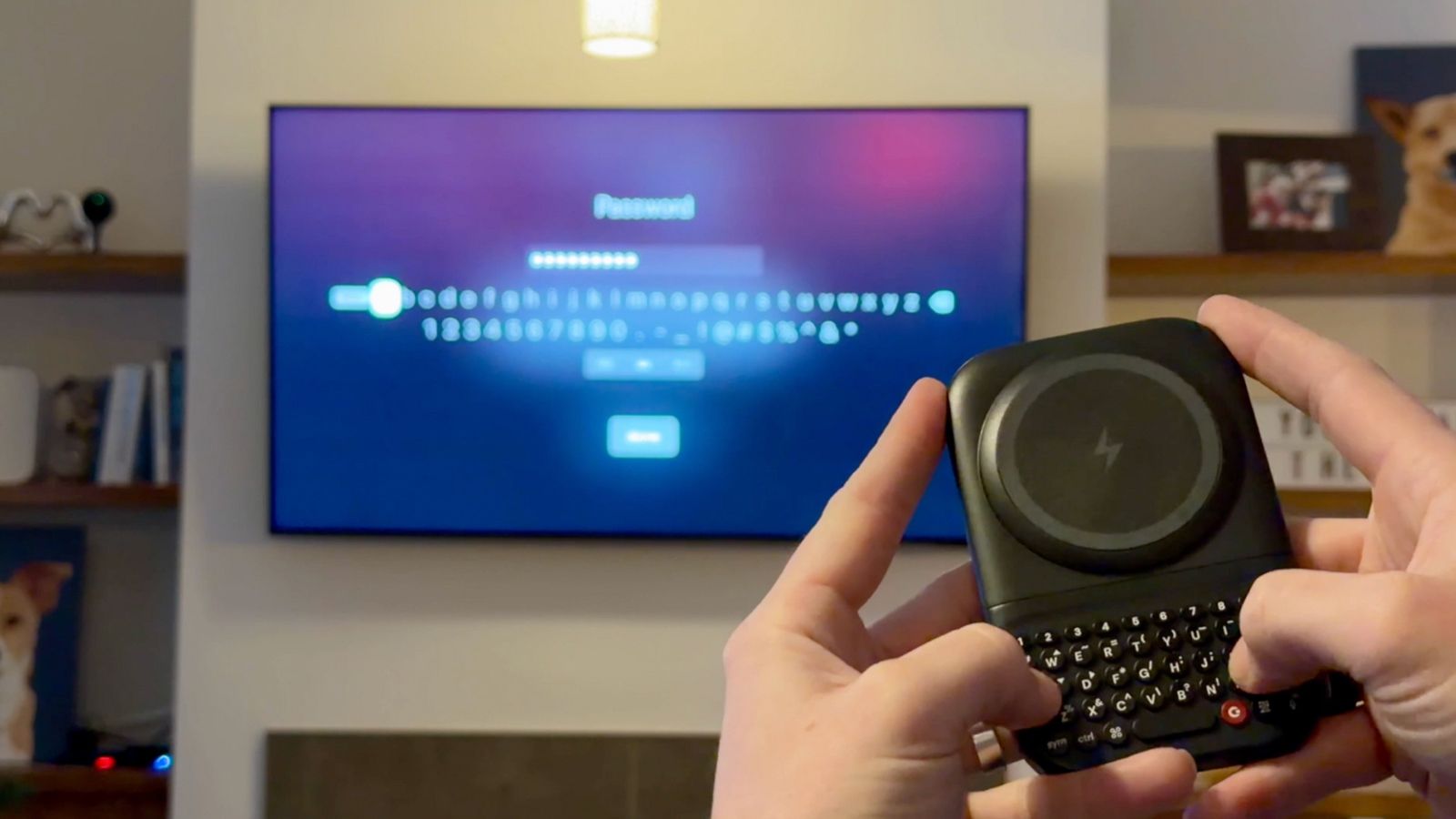
It isn't limited to phones: Use it handheld with a tablet or even as a Bluetooth mini keyboard for your smart TV. If you've ever attempted to enter a password into an app using your TV's remote and on the on-screen keyboard, you know how frustrating that experience can be. Gadway says the use cases run the gamut, from students using this in class with their phone instead of bringing a laptop, to CEOs, writers, and musicians being productive on the go.
Clicks Communicator reminds you what a phone is for
(Image credit: Clicks Technology)
Taking things a step further, the Clicks Communicator is designed to remind us of the true purpose of a mobile phone: communication. Newer smartphones are designed for content consumption and creation with bigger screens, cameras, processors, and batteries, says Gadway. "What if you could build a phone that was really optimized for communication?"
There are two ways you might use the Communicator. The first is as a secondary phone with its own plan or tethered to your primary device. Maybe you have a company-provided phone on which you aren't permitted to download personal apps. The Communicator can be that secondary device to keep in touch with family, access banking and social media apps, play games, and more. The difference between the Communicator and another smartphone is that the smaller, utility-type screen makes this possible, but it's not optimized for going down the rabbit hole of endless scrolling.
(Image credit: Clicks Technology)
The second is as a primary phone, which Gadway told me is how a lot of pre-order customers have said they want to use it. The Communicator sits between a dumbphone, which eliminates access to distracting apps altogether, paring down the experience to bare bones communication, and a full-featured premium smartphone.
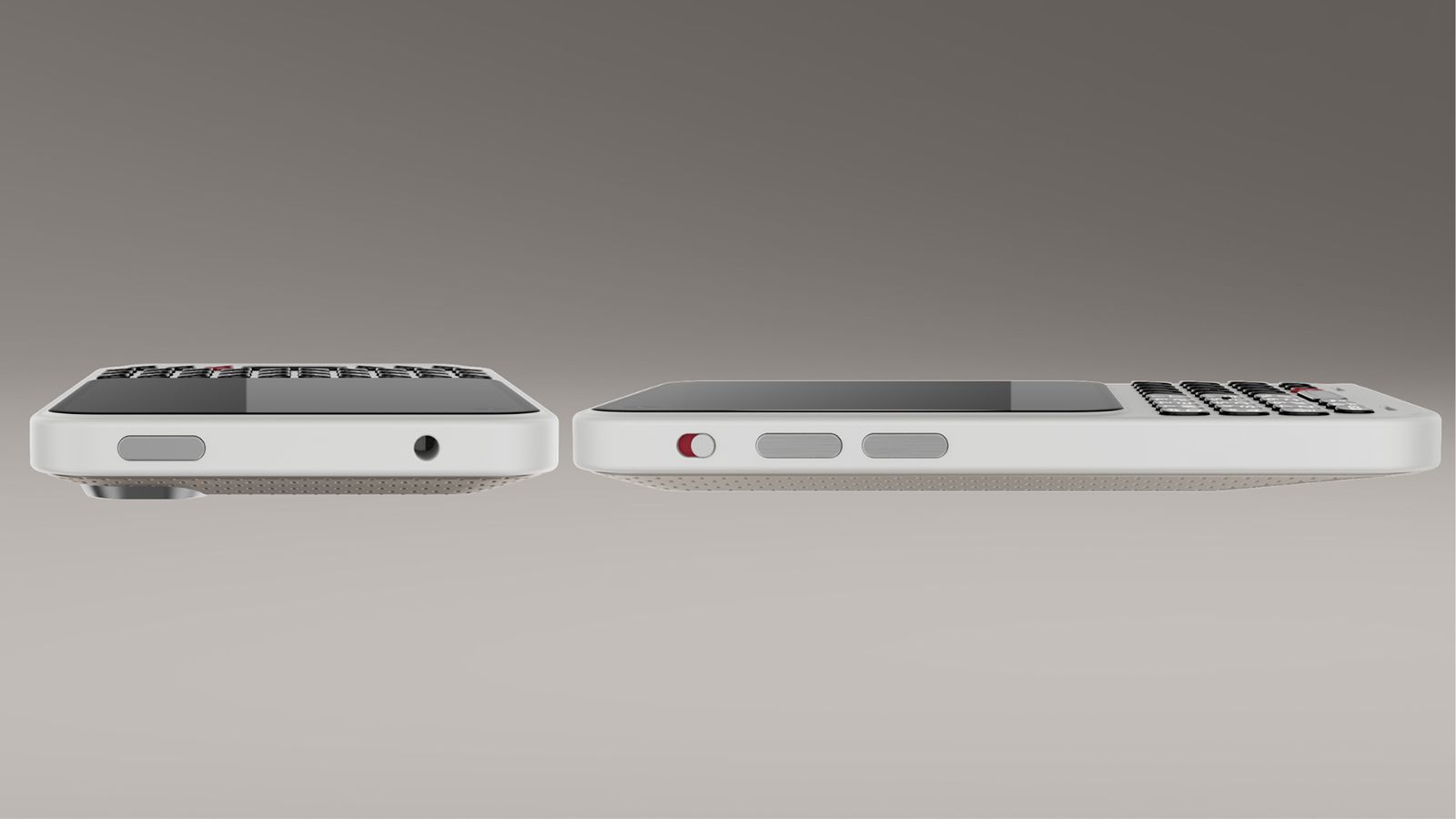
The Communicator is a full Android 17 device, though, with access to the Google Play Store, a MediaTek Dimensity 8300 processor, a 50MP main camera, and a 24MP front-facing camera. Clicks even upgraded the RAM to 12GB prior to the official launch. It has legacy features you won't find in most modern phones, like a 3.5mm headphone jack and microSD card slot to expand the built-in 256GB storage.
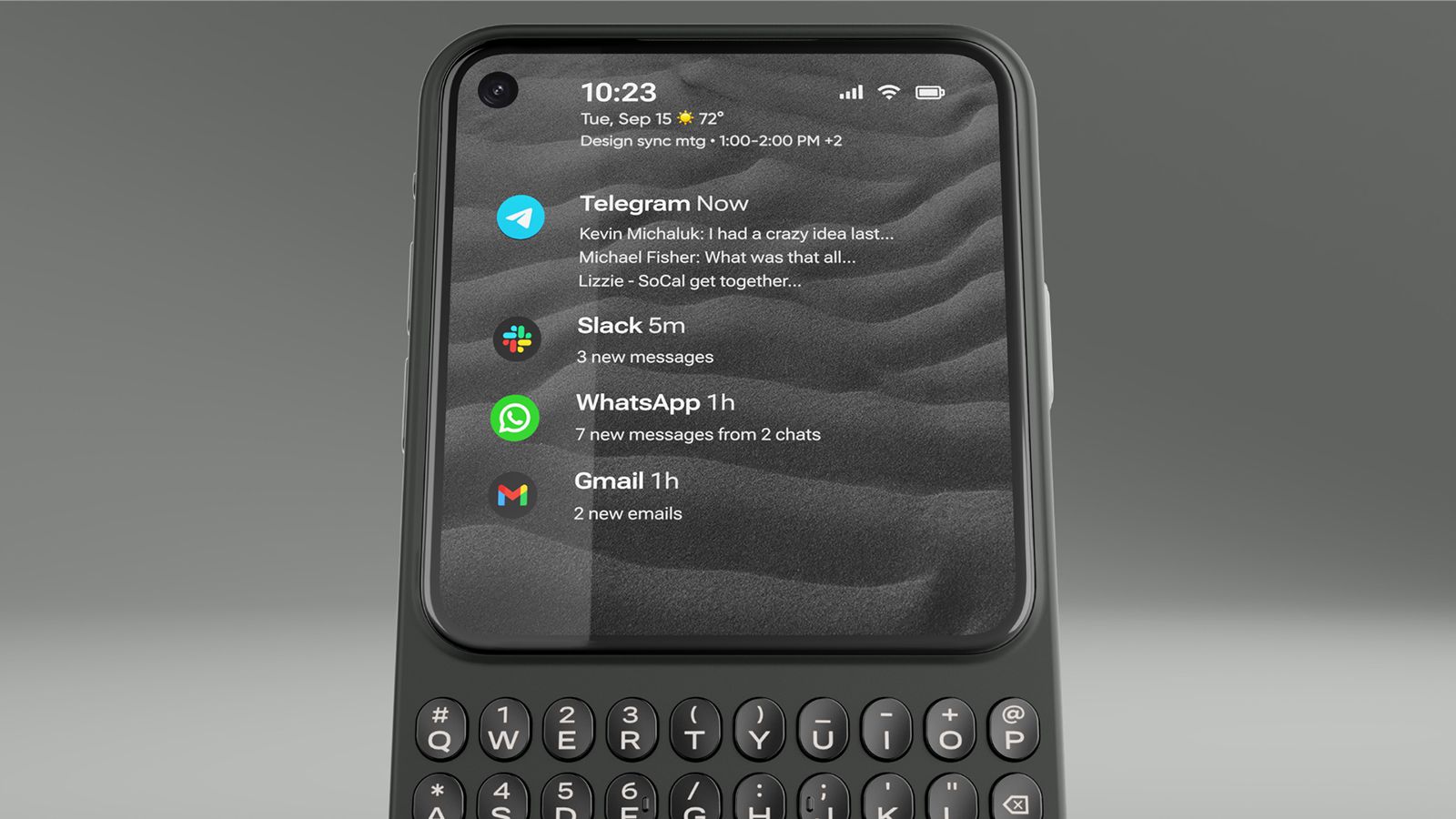
The key is in the design: a touchscreen occupying the top three-quarters (4.03 inches, 120Hz) and a bottom keyboard. It's a constant reminder that this isn't a phone to doomscroll TikTok and Instagram or get caught up in mobile games. You can do that. But you won't want to, and that's a good thing.
(Image credit: Clicks Technology)
Other simple features are meant to further encourage focus, like a signal light, similar to the HiLight button in the Google Pixel 11 Pro series phones. Customize it with illuminating colors so you know when an incoming call or message is from your mom, child, spouse, or business partner versus a spam call or an old friend you don't have time to chat with right now.
Clicks is working with Niagara to build a custom Android launcher that can curate messages from your favorite apps on the home screen. Triage these apps, Gadway explains, to help prevent you from getting "sucked into side quests."
"What we're doing with Niagara," he explains, "is creating a version of this that taps into the hardware of Communicator using the touch-sensitive keyboard to scroll through your messages, and the keys themselves to delete, reply, forward, or mark as unread right from that home screen without ever having to actually go into the app itself. So, it's a much more purposeful home screen experience."
Clicks represents a return to form
(Image credit: Clicks Technology)
Modern smartphones do more than ever. But there's something inherently missing from the experience. It stems from nostalgia, for those who grew up using phones with keyboards. But there's also value from a usability perspective for a younger generation who never put their hands on one.
Gadway says that with the original Keyboard Case, 40-45 percent of buyers had never used a BlackBerry before. "They wanted to reshape their relationship with technology, have some tech that was a little more intentional, a little more purposeful, and that allowed them to get their screen real estate back and have a more satisfying tactile experience."
(Image credit: Clicks Technology)
"Touchscreen smartphones are amazing," Gadway said recently. "They do so many things. And yet they lack some of that tactility and the ability to accomplish certain things from your phone that you wait to do back at your desk."
Originally, Clicks was positioned, at least in the minds of those who clamored to get a look at the original case years ago, as a throwback to simpler times. Today, with the latest generation products, it's evident that a physical keyboard is no longer just catering to the BlackBerry faithful. "There is a much bigger audience than we expected," says Gadway. Touchscreens and voice activation aren't going anywhere. But there's something about tactile feel that even the younger generations yearn to experience, too.
Google is notifying AI Plus subscribers that access to Pro models in Gemini and AI Mode will change on November 13.
Users on the $5 Google AI Plus plan will lose the ability to select Pro models but can continue using Flash models.
Keeping access to Gemini's Pro models will require Google AI Pro, which costs $20 per month, four times as much.
Google has started notifying users that they'll soon have to pay more if they want to continue using Gemini's Pro models in both the Gemini app and Google Search.
Currently, the Google AI Plus plan is a pretty good deal. For just $5 per month, you get a generous 400GB of cloud storage alongside access to some of Google's latest and most powerful Gemini models. But now, Google wants users to pay more if they want to continue using the Pro models in the Gemini app and AI Mode in Google Search.
As spotted by a Reddit user (via Droid-Life), Google has started emailing Google AI Plus subscribers, informing them that the ability to select Pro models in both the Gemini app and AI Mode in Search will move behind the more expensive Google AI Pro subscription starting November 13, 2026.
Essentially, this means Google AI Plus subscribers will no longer be able to manually select the Pro models in either service after that date. Instead, users who want to continue accessing those models will need to upgrade to Google AI Pro, which costs $20 per month in the U.S.
(Image credit: Andrew Myrick / Android Central)
Google does mention in the email that AI Plus subscribers will continue to have access to its Flash models, so it's not like Gemini is going away entirely for those on the cheaper plan. But if you've been using the more capable Pro models for complex tasks, reasoning, or research, you'll now need to pay for the higher tier to keep using them.
Of course, Google is also offering several other benefits with its AI Pro subscription to make the higher price a little easier to justify.
Alongside access to its latest and most capable Gemini models, Google AI Pro also includes benefits such as YouTube Premium Lite, Google Home Premium, Google Health Premium, and 5TB of cloud storage that can be shared across Google services.
Those are some pretty useful additions, especially if you're already paying for several of Google's services separately. But that doesn't change the fact that users who were previously getting access to Gemini's Pro models for $5 per month will now have to spend four times as much to retain that functionality.
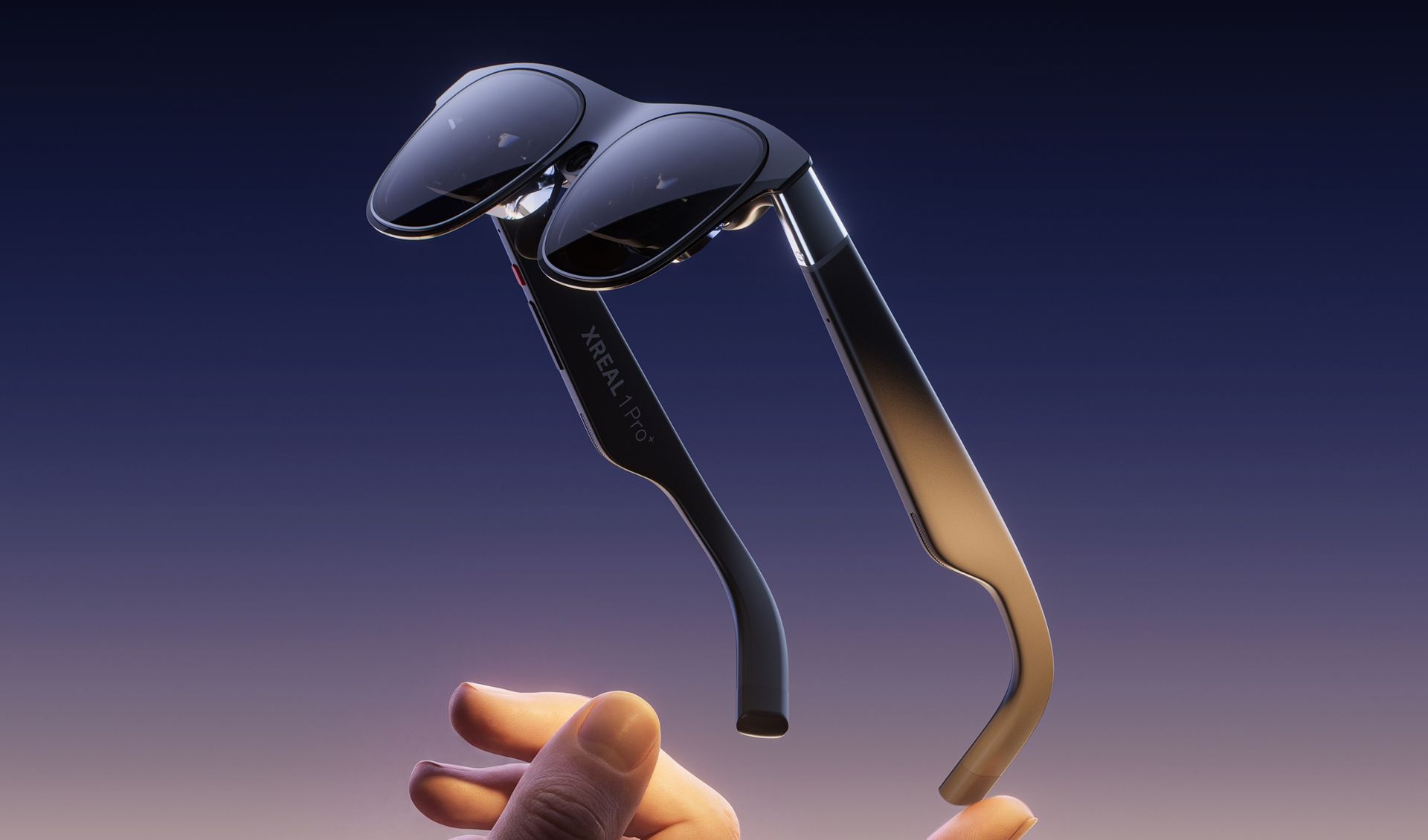
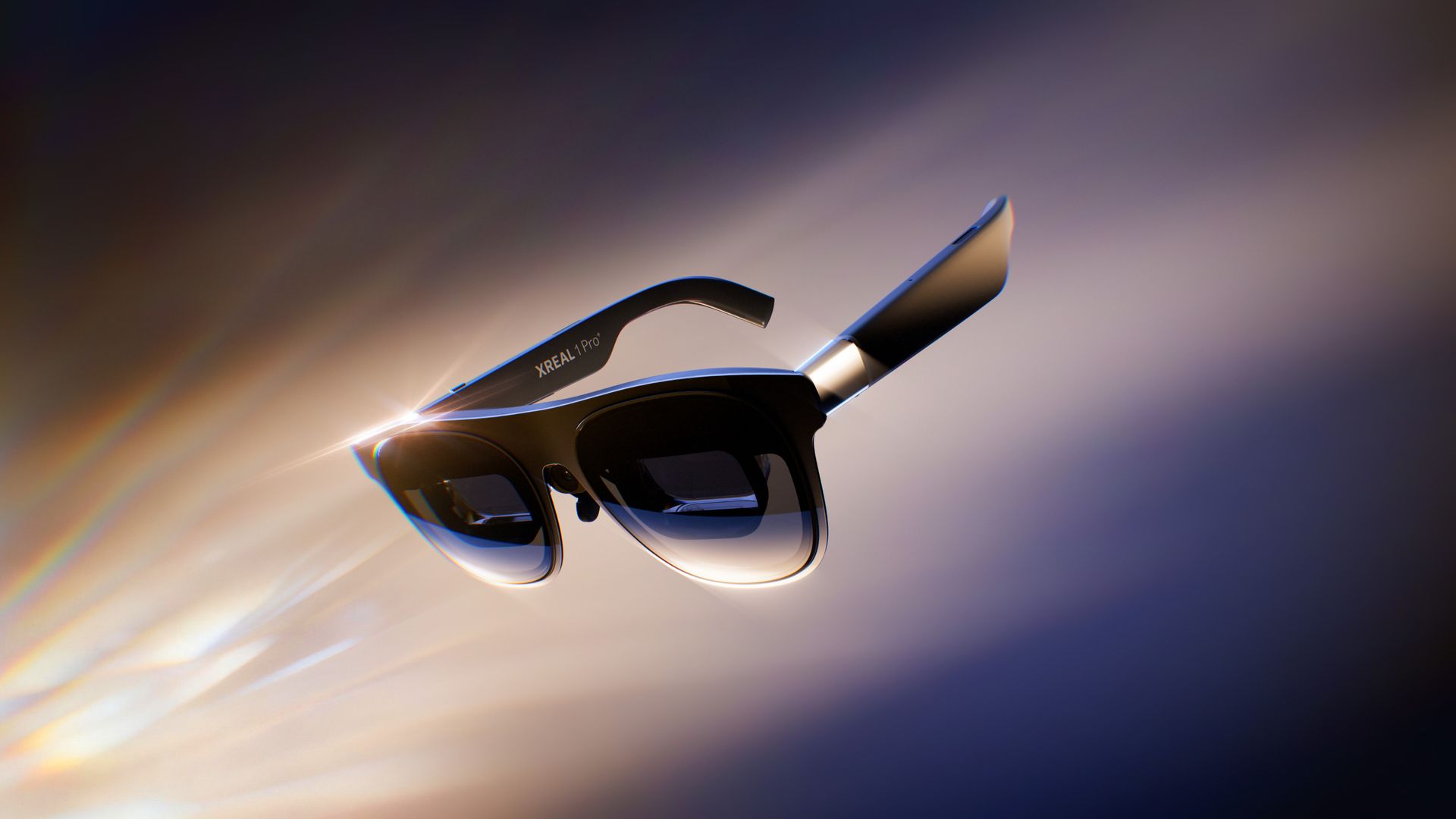
Xreal has launched the One Pro Plus AR glasses with brighter Sony Micro-OLED displays and improved viewing modes.
The new glasses reach 1,200 nits of peak brightness, up from 700 nits on the previous One Pro model.
The One Pro Plus retains the X1 chip and 57-degree field of view, with pricing starting at $599 in the U.S..
Xreal today announced the launch of its latest AR glasses, called the Xreal One Pro Plus.
While Meta's new VR glasses may offer some pretty interesting XR experiences, Xreal has been at the forefront of this category for a while now. We went hands-on with the Xreal One last year and came away impressed by how easily the glasses could create a virtual monitor in front of you, essentially turning almost any compatible device into a spatial computing experience simply by connecting through USB-C.
Since then, Xreal has launched the One Pro, which brought a wider field of view and improved brightness of up to 700 nits. And now, the company has announced the Xreal One Pro Plus, taking things a step further with some upgrades to the display and overall viewing experience.
The biggest change this time around is brightness. The Xreal One Pro Plus features dual 0.55-inch Sony Micro-OLED panels that can now reach up to a whopping 1,200 nits of peak brightness, up from 700 nits on the previous model.
(Image credit: Xreal)
Xreal has also added AI-driven High Dynamic Range (AI HDR), which should help improve contrast and make content look better when viewed through the glasses. There are also three new viewing modes called Standard, Movie, and Reading, giving users more control over how content appears depending on whether they're watching a movie, reading, or simply using the glasses as an external display.
The company has also upgraded its built-in Real 3D engine, which converts regular 2D content into spatial 3D. The feature can now process content at up to 60fps, compared to 30fps on the previous generation, which should make the experience smoother, especially when watching videos or other moving content.
But perhaps one of the more useful improvements this year is the focus on comfort. Xreal says the One Pro Plus features a newly engineered nose pad geometry designed to improve how the glasses sit on your face, which should make them more comfortable during longer viewing sessions.
In terms of the rest of the hardware, though, not much has changed. The Xreal One Pro Plus still uses the company's X1 spatial computing chip and retains the same 57-degree field of view as the previous model.
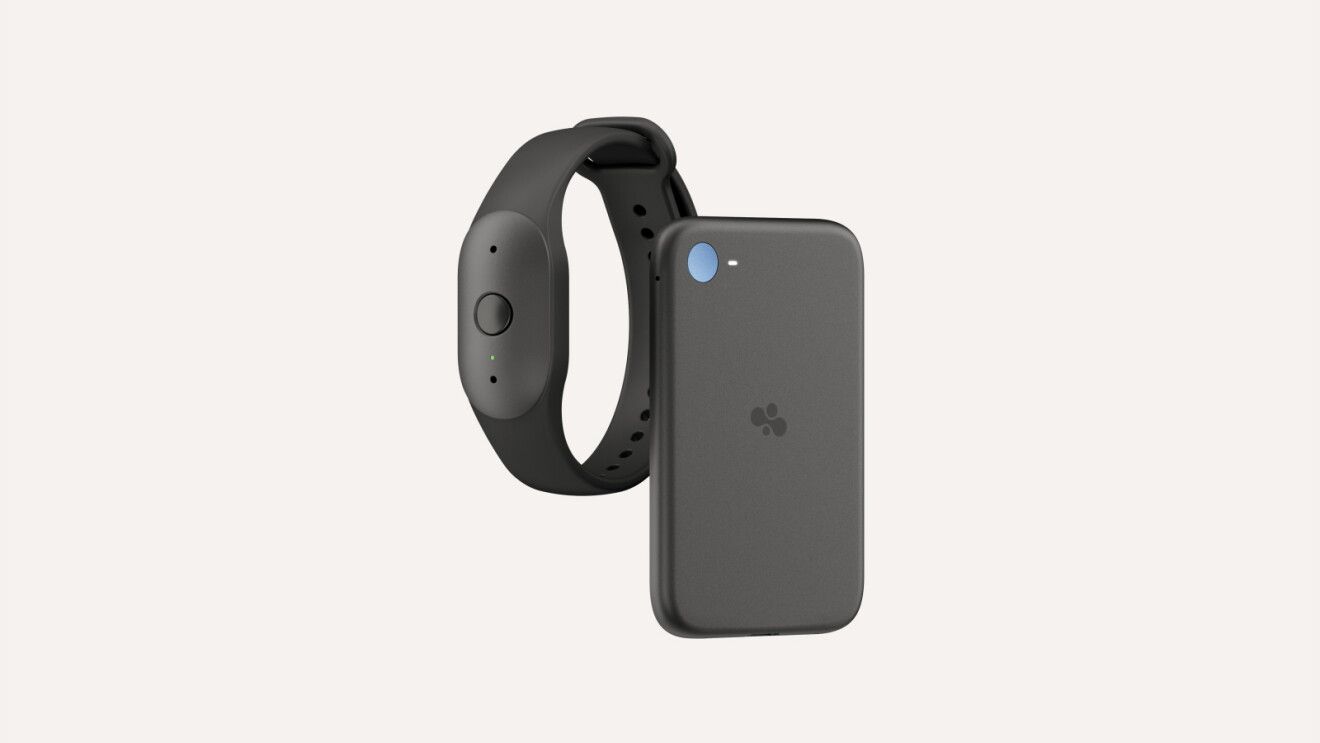
Amazon launched the Bee Frontier and Bee Eclipse wearable AI products that listen in on your conversations for transcription, summary, and reminder creation.
The Bee Eclipse magnetically attaches to the back of your phone and can listen in on your calls, while the Frontier is a wrist-bound wearable for conversations.
Privacy is a huge topic for Bee, and the company said your conversations are encrypted on your phone and never leave unless you share them.
The Bee Frontier starts at $74, while the Eclipse runs for $99.
Amazon unveiled the next generation of wearable AI with two new products from Bee. The idea is to turn what's been said throughout the day into "insights and reminders."
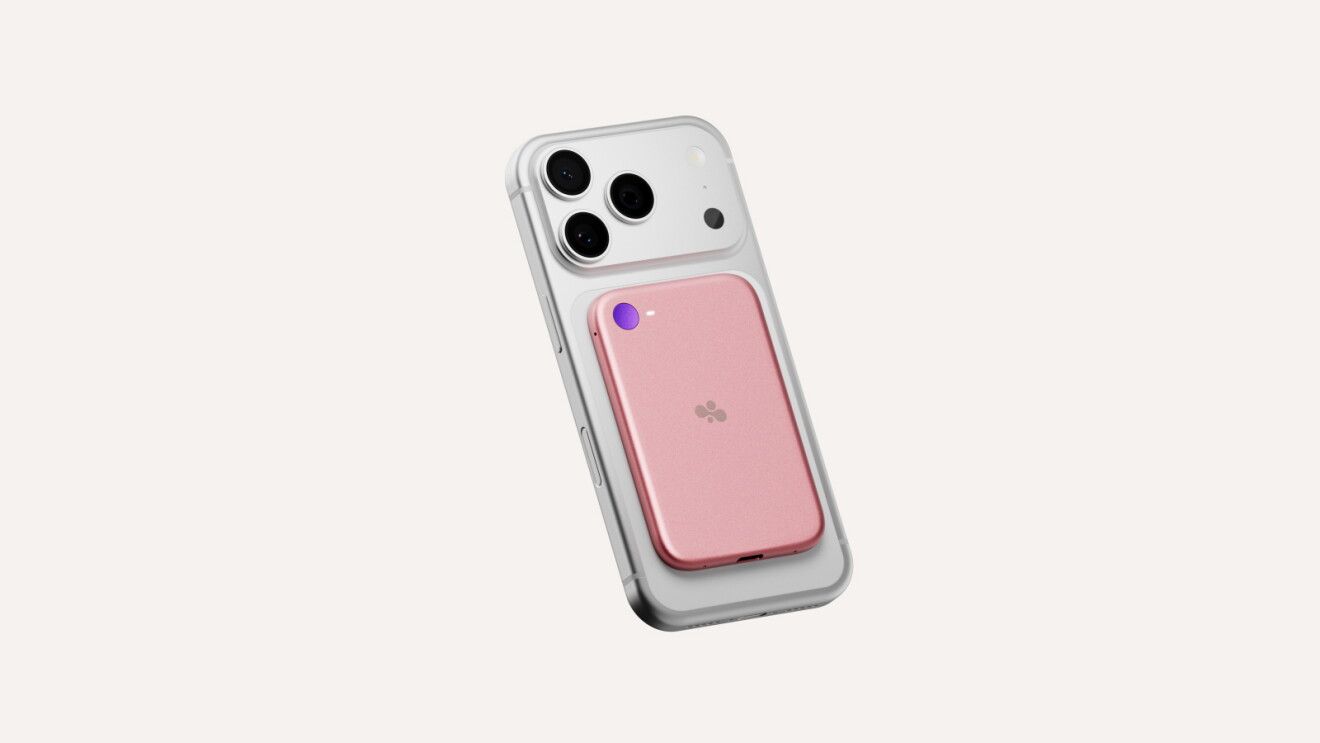
Today (Oct. 15), Amazon launched the Bee Frontier and Bee Eclipse wearable AI products. For context, the post states, "Bee gathers context from your conversations and connected apps to provide insights and recommendations." Everything the devices capture can be accessed in the Bee mobile and desktop apps. The Bee Eclipse magnetically attaches to your phone and is no bigger than a credit card.
Essentially, the Bee Eclipse is dialed into your phone calls. Everything you're talking about is condensed into useful notes, summaries, or reminders for future use. Amazon states users will need permission from the person they're calling before the Bee Eclipse can record.
This device features a battery with over 21 days of power.
The Bee Eclipse is available for $99 in Silver, Midnight, Honey, and Blush.
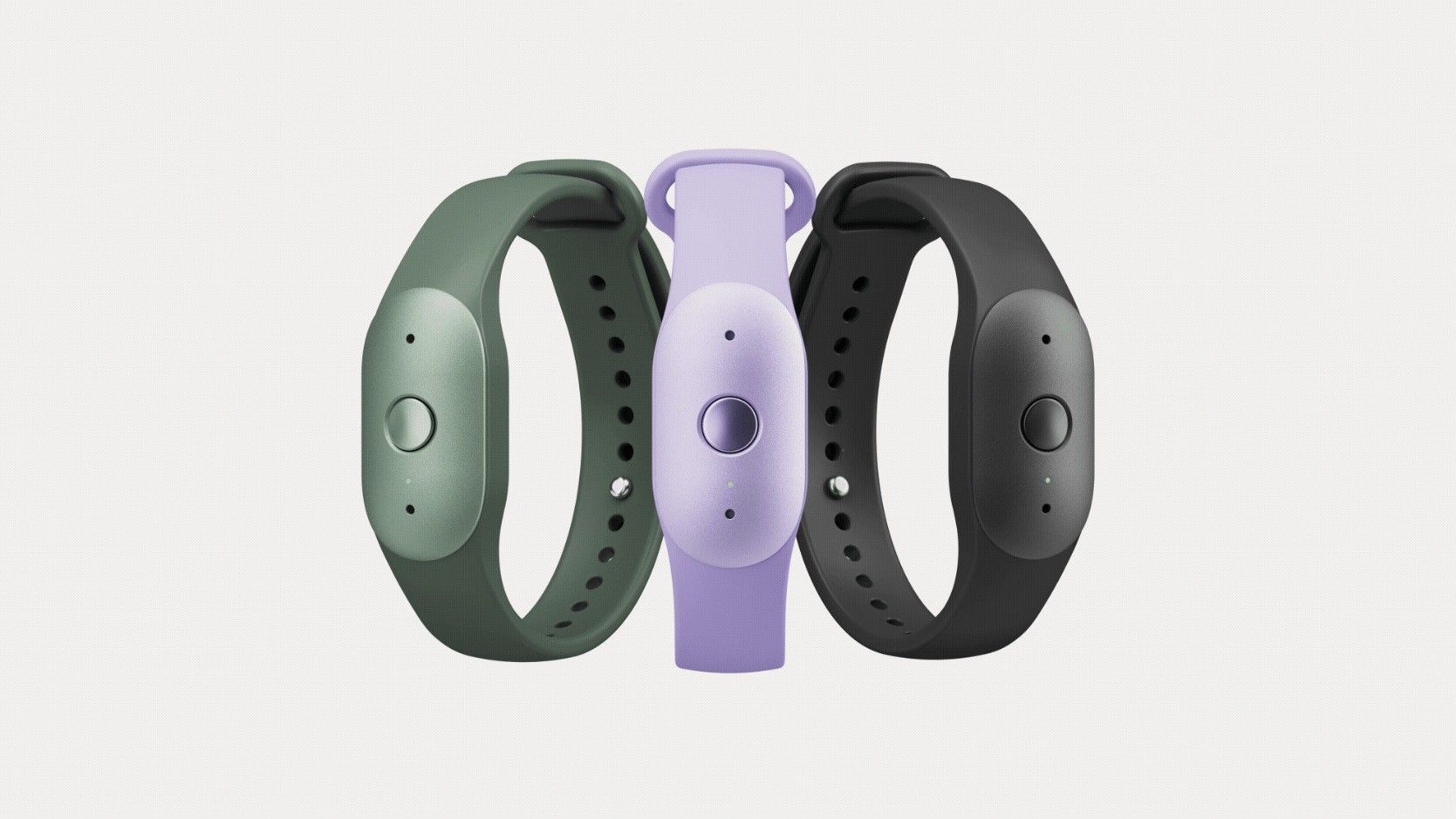
An alternative (and truly a wearable) is the Bee Frontier. Consumers can clip the Frontier onto their wrist or clothes for comfort and all-day capture. Amazon states the more the user wears the Bee Frontier, the smarter it becomes. This is likely because, when activated, the Frontier is constantly listening to your conversations, saving important details, plans, or reminders for items you need to purchase.
The Bee Frontier features a seven-day battery, IP67 water resistance, and a USB-C charging port.
You can purchase the Bee Frontier for $74 in Onyx, Lavender, and Sage on Amazon, like the Bee Eclipse. While there's some use in these devices, privacy is a major concern. Amazon and Bee highlighted these concerns, while also expressing that users remain in control.
Could it be a problem?
AmazonAmazon
Android Central's Take
Whatever happened to good old note-taking? I like writing notes. I write them quite often, actually. I also try my best to remember things as they're happening. I can see the appeal of these Bee products for some people. Especially when you think about being involved in business meetings. There's always a ton of info in those, and this helps you get to the point when you need it. But for the everyday... I don't know.
Amazon states the Bee Frontier and Bee Eclipse feature the same privacy safeguards to ensure users remain in control and that no one can access their data. The first safeguard involves a button that users can press to turn the Frontier and Eclipse on or off. If on, the LED light will let you know.
On the other hand, Bee stresses that the audio these devices capture is "never stored." It explains that "Audio is processed into insights in real time and deleted after processing." These insights are sent directly to your phone. From there, Bee says your transcriptions are encrypted "using keys that only your device creates and controls." It adds that no one can access these unless you share them.
Users can also connect their Bee device to Alexa. The ability to delete transcriptions/summaries remains within your realm of control.
Google is rolling out several updates for Search AI (AI Mode and AI Overviews) to help fuel user confidence when searching.
Search AI will now feature inline source links higher in responses, while also displaying "more engaging" links with thumbnail photos.
Timely news articles in Search AI will be housed in a carousel for quicker perusal.
AI Mode and AI Overviews are two prominent features in Google Search nowadays, but they're far from flawless. Google states it's rolling out updates to improve its inline source links.
This morning (Oct. 15), Google announced that it's rolling out updates to how AI Mode and AI Overviews help users discover the right information. No matter which feature you're using, Google's AI offers links back to its sources; however, it's never been perfect. According to the post, Google is moving its inline links "higher up in responses more frequently."
Users will find quicker access to true, verified sources for information across their searches. Additionally, if you're diving deeper into topics with AI Mode, Google says it's now displaying "more engaging and prominent" links. Users will notice links with thumbnail photos and a more click-encouraging design.
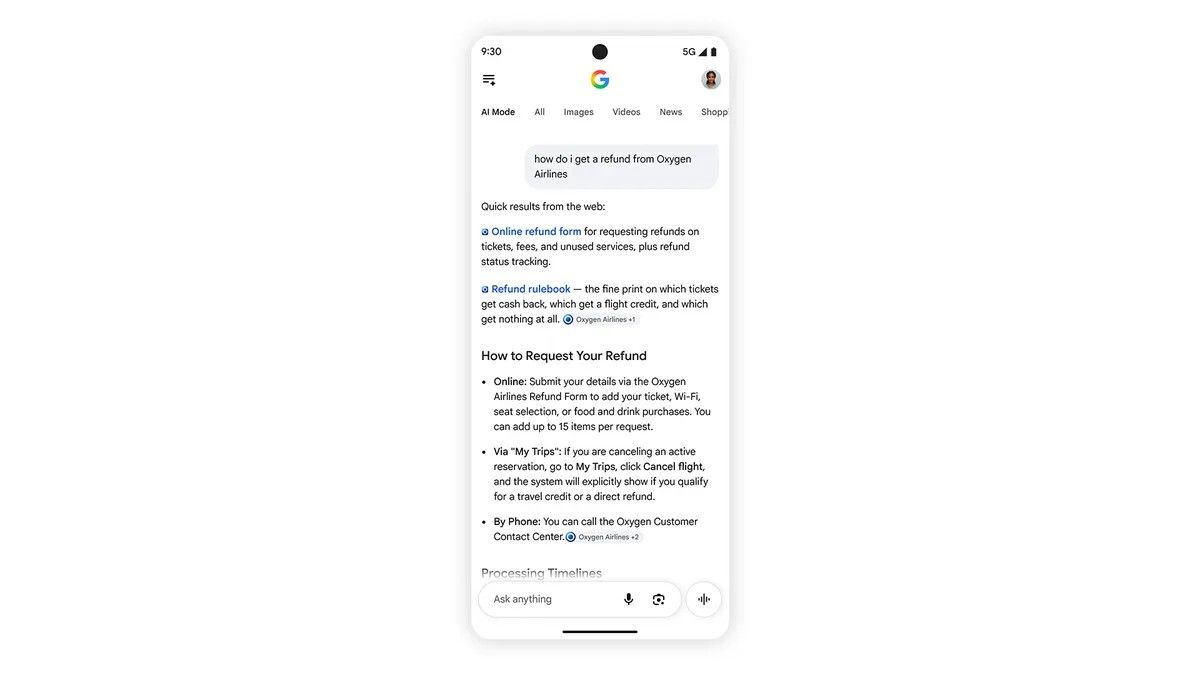
Elsewhere, the company detailed a test it's preparing to run for its AI responses. Some users may notice a new display at the top of some responses under a "Quick results from the web" category. Google says these links will feature a quick explanation of why they're the "best" sources for what you've searched.
These changes should help Search AI
(Image credit: Google)
Aside from your standard searches, Google is updating how published news stories appear. Preferred Sources helps users find content from websites they enjoy much more easily in Search. Google says it's rolling out a "prominent carousel" of news stories for timely articles. If you've searched for a recent event or a breaking news story, you will likely see this carousel of articles ready for your perusal.
Elsewhere, Google has now rolled out clickable creator and publisher profiles in video results. This will send users to their Search Profile, which holds the full scope of their content and more. Search Profiles gave us social media vibes when Google launched the feature in June. Primarily for your Discover feed, creators and publishers will feature a "Follow on Google" button in their knowledge panel.
Their profile will host their articles, social media posts, and videos.
These updates to Google's Search AI will roll out throughout October, so keep an eye out
A Delaware jury sided with Qualcomm this week, finding Arm guilty of breaching a licensing agreement and "interfering" with business relations.
Qualcomm was awarded $1 in damages for each offense, but the shouting will continue: the companies will likely find themselves in court over royalty payments.
This started over Qualcomm's allegations that Arm "violated its contract" after its 2021 acquisition of Nuvia.
Qualcomm's court case with Arm was settled this week, and the former came out the victor ... in a way.
Reuters reported this week that a recent court case between Qualcomm and Arm over an alleged licensing breach has been settled. A Delaware jury found Arm guilty of the breach and of "interfering" with Qualcomm's business relationships, and as a result, Qualcomm was awarded $2 in damages — $1 for each offense.
While the jury officially sided with Qualcomm, Arm saw it differently. In a statement, the company said "the jury’s verdict confirms that Arm operated in good faith under its technology license agreement and its award of only two dollars confirms the merit of Arm’s arguments in the case."
This likely won't be the end of Qualcomm and Arm's court dates. According to Reuters, Qualcomm has more to bring up, which it will likely do in court with Judge Maryellen Noreika. Since Arm neglected its responsibilities of providing the necessary tools for its chips, Judge Noreika could rule that Qualcomm can "stop paying royalties to Arm for five years." This is something Qualcomm has been after since this dispute began.
So far, Arm is against such a ruling. It remains to be seen what will happen.
Qualcomm's allegations
(Image credit: Android Central)
Qualcomm and Arm's court case began in early October. The former wants to freeze royalty payments for up to five years, a ruling Judge Noreika will have to decide in the future. But it all started after Qualcomm’s 2021 acquisition of the chip startup Nuvia. As stated before, Qualcomm alleged Arm "violated its contract" by withholding its chip-testing tools.
Beyond this were Qualcomm's business relationships. The company claimed Arm "leaked its threat to end a key license in 2024." This reportedly hurt Qualcomm's potential chip deal with Meta that year. Qualcomm said this leak dropped $170 million off its deal with Meta. Arm denied that it was linked to any of this. Instead, Meta's change of heart from VR headsets to AI glasses was the real reason, the company claimed.
There's still a concern that the fallout of these cases could impact future phone prices. Price negotiations and control over CPU technology could be hit the hardest.
YouTube Music will label AI-generated songs to help listeners identify AI involvement.
YouTube combines partner disclosures with AI detection tools to identify tracks, even when creators leave disclosure fields blank.
YouTube plans to bring AI labels to its main video platform, extending transparency beyond music streaming.
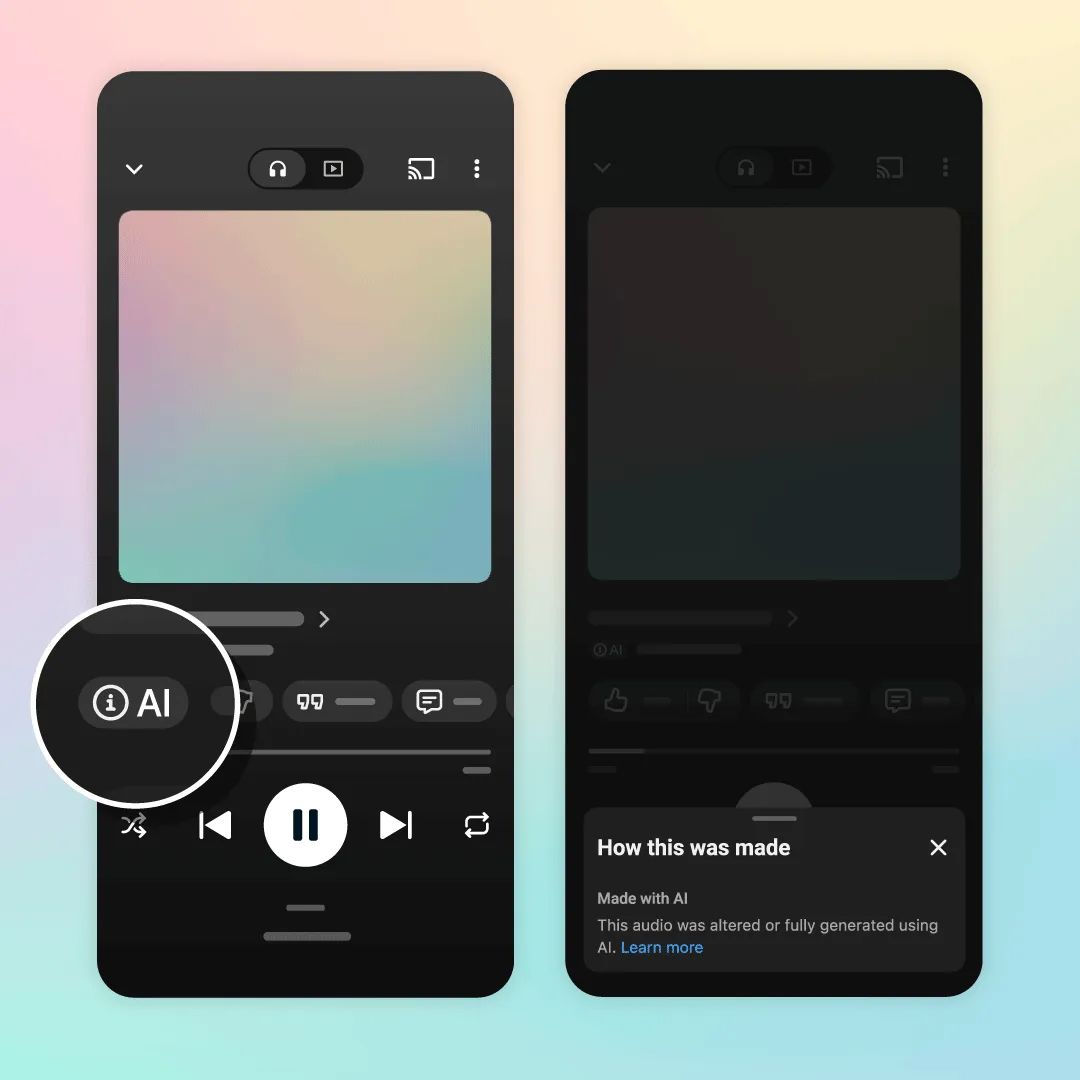
YouTube Music is rolling out new labels that tell listeners when generative AI played a big part in making a song, the company announced Wednesday. The labels will appear directly on the music player, providing users a more transparent idea of what they are listening to without having to sift through descriptions or wonder if a track was created by a human artist or an AI model.
The feature covers music created largely with AI, including songs where generative models contribute both the composition and vocals. Tap a label, and a menu appears with more information about the song’s AI participation. YouTube says the labels will eventually reach its main video platform as well.
The move comes as generative AI makes it easier to produce music at scale. The challenge for streaming services is to help listeners distinguish between AI-assisted work and AI-made work, without treating all uses of AI the same.
YouTube pairs creator disclosures with detection tools
(Image credit: YouTube)
YouTube is using a mix of disclosure from its music partners and its own detection tools instead of relying on artists and music distributors to flag AI-created content. Partners can identify delivered tracks as “Fully Gen AI”, “Partly Gen AI”, or “No Gen AI” through supported metadata workflows.
This distinction is important since an artist using AI to help in a certain part of the production is not the same as a fully AI-generated song. The labels are not intended to lump every AI-assisted track into one category but rather to provide more context for listeners about that difference.
YouTube's help page says it may use additional signals when partners don't provide AI information. If the platform can detect that a track has content created by AI, it could be marked as fully or partially AI-generated. Therefore, not entering anything in the disclosure field is no guarantee a song won’t be tagged.
Not an AI-free listening experience, but transparency
The new labels are not a prohibition on AI-generated music. Instead, YouTube is providing listeners with more information on how tracks were made and letting them choose what belongs in their playlists.
That approach puts the spotlight on transparency as AI music becomes more prevalent across streaming platforms.
I would love to see AI labels become the standard for everything I consume online, from music and videos to news articles and social media posts. I’m not necessarily against content produced by AI, but I want to be told that I’m hearing or seeing it before I decide what I think about it.
YouTube Music adding these labels is moving in the right direction, and I’d welcome the additional transparency. I just hope the labelling on YouTube is accurate; a disclosure system is only useful if listeners can trust it.
Google is updating older Nest speakers with firmware version 3.79.550760, which is being tested through the Home Preview Program.
The original Google Home, Home Mini, Nest Mini, and Nest Audio are eligible for the update.
Google expects to release the update more broadly over the next few weeks, but it hasn’t announced an exact date.
Some love is coming to a few of Google's older Nest speakers in the form of updates designed to make them more useful around the house — but don't expect a dramatic transformation from hardware that has been around for years.
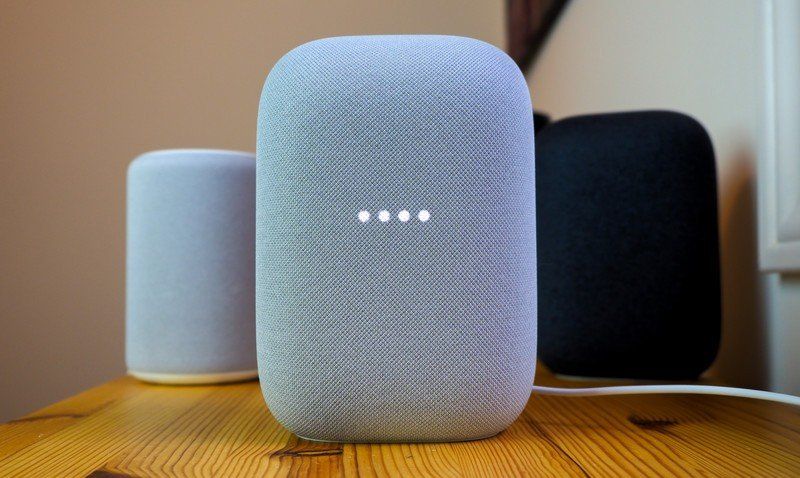
The update, version 3.79.550760, is now in testing through Google's Home Preview Program. This includes the original Google Home from 2016, Home Mini, Nest Mini and Nest Audio. The Google Home Max isn’t included in this testing round.
The release comes as Google continues to refine its smart home experience, where voice commands and connected devices are supposed to work together without users having to fight their setup. It’s especially the case for older smart speakers, which still have utility for basic tasks as Google’s newer hardware and software evolve.
The original Home Mini was released in 2017, followed by the Nest Mini in 2019 and Nest Audio in 2020. These speakers can still handle everyday requests, but their age means they’re not necessarily getting the same attention as Google’s newer products. That said, better software can extend their usefulness.
For owners, the bigger question is whether these changes will just keep existing speakers ticking over or make them more reliable and convenient. Smart speakers are only as good as the assistants inside them, and Google’s software updates could help older Nest speakers remain useful, even as newer hardware and features arrive.
But software updates can only go so far. Older speakers can still manage basic smart home tasks and play audio; in other words, anyone expecting a major upgrade should temper their expectations.
Google’s latest moves prove it hasn’t totally forgotten about its older Nest lineup. That’s good news for those who would rather keep a perfectly functional speaker than replace it just to stay “current.”
Owners can join the preview
Owners who want to give it a try can go to the Google Home app, tap on their speaker, go to Settings > Device information > Preview program, and sign up if they are eligible. The firmware will install automatically overnight. Google expects to roll it out more widely over the next few weeks but hasn’t given a specific date.
There’s a separate October Google Home update too, improving Gemini for Home conversations, voice commands, weather responses and device controls in the app.
Samsung announced that it's rolling out an update for its Health app in October for the Sleep and Running coaches.
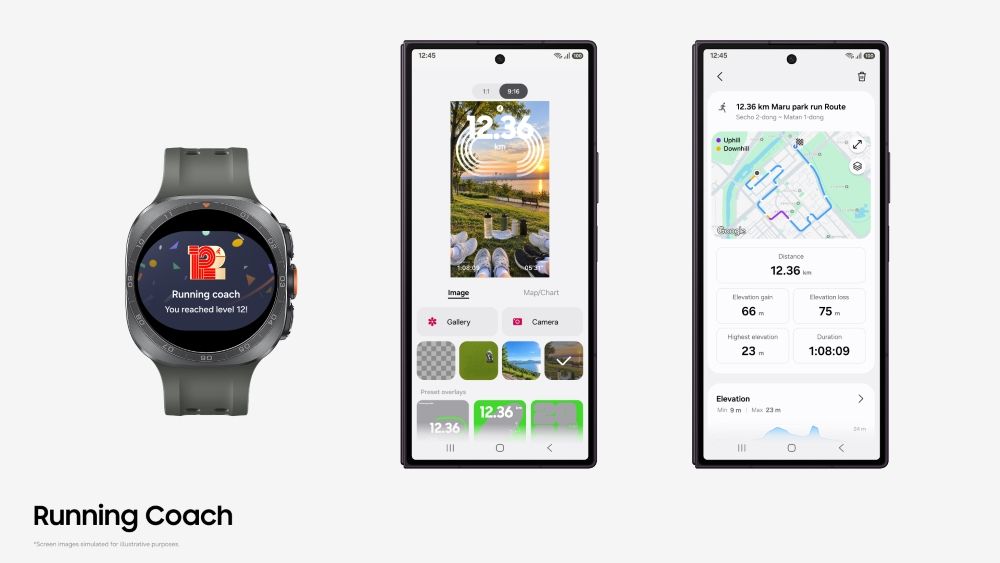
The Sleep Coach now only requires three days' worth of data from the past two weeks (down from seven days in a month), and it introduces a new glanceable graph for sleep insights.
The Running Coach's training levels have been increased from 10 to 12, and Samsung states its Strava partnership supports imported running routes.
Samsung is changing up its two in-app coaches for user health in an October update. The company states the changes are to help make "weekly guidance" easier.
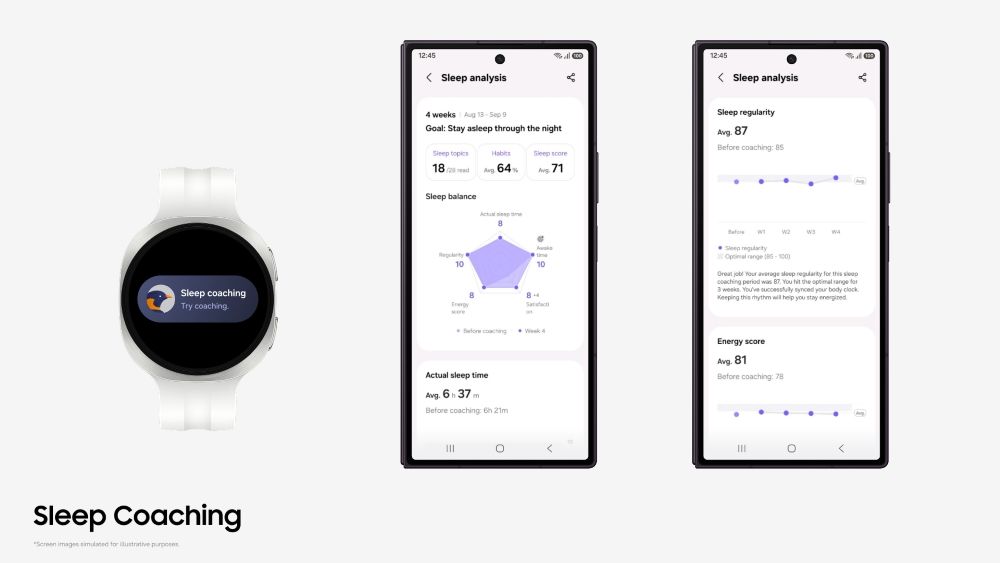
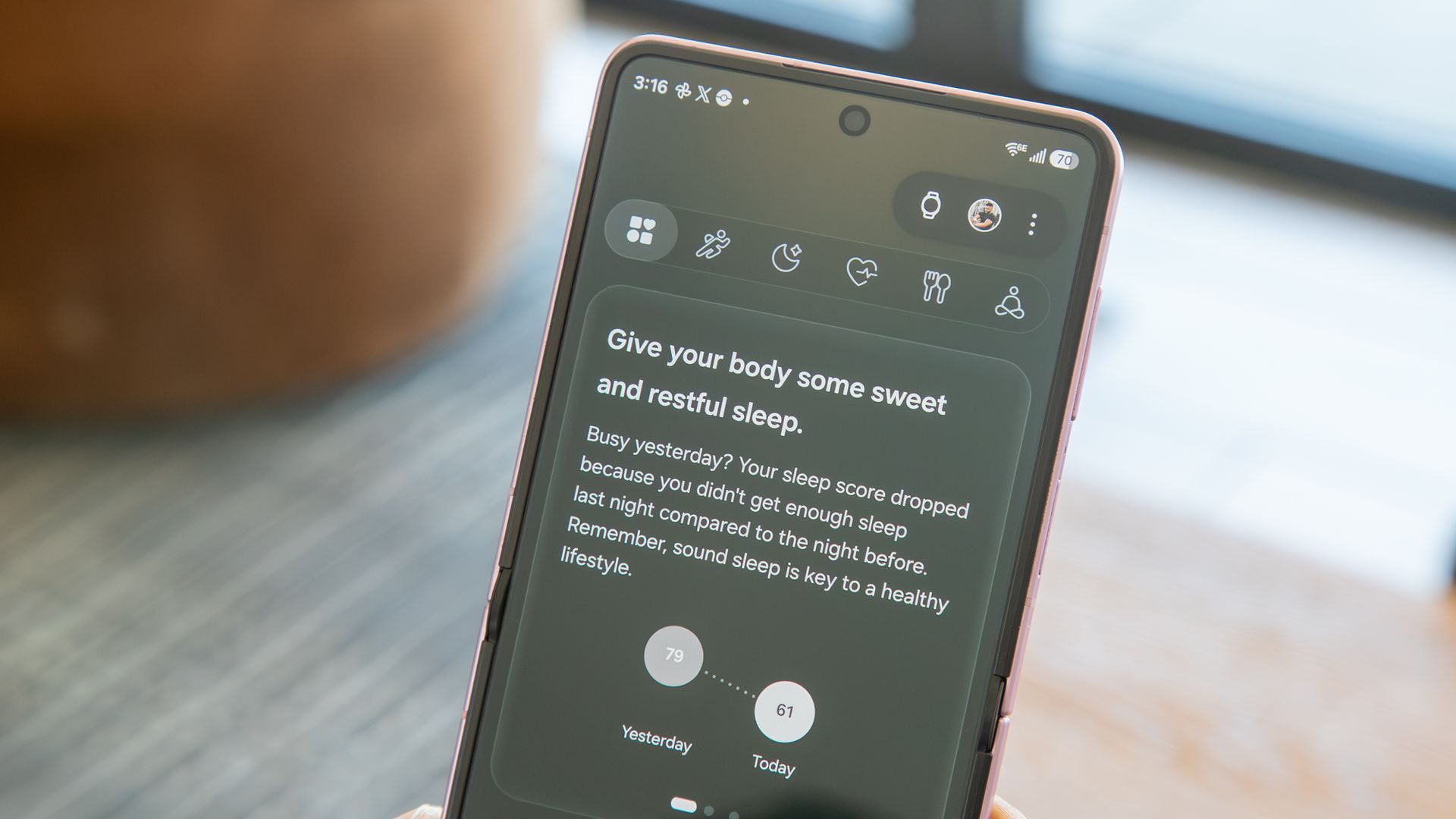
Samsung revealed the contents of its October Health app update in a Newsroom post. It got off to a fast start with the changes arriving for the Sleep Coach. Samsung says "sleep tracking tells users how they slept"; however, the coach is designed to turn "personal sleep goals and data into daily habits," but that's never been easy. In today's update (Oct. 14), users can launch the Sleep Coach using three days of sleep data (within the past two weeks).
This is a stark change from the old requirement: seven days within a month.
(Image credit: Samsung)
Users will need to fill out a quick survey regarding their "sleep regularity." This will also involve sleep interruptions, caffeine intake, and more. The Sleep Coach will use this info (and your three days of data) to create a "tailored four- to eight-week coaching program" to meet your goals. What's more, Samsung is introducing a Sleep Balance graph.
It states this graph will include sleep time, sleep regularity, awake time during the night, sleep satisfaction, and Energy Score. While this graph provides a glanceable look at how you're sleeping, the app's morning daily insights will offer tips based on your sleep trends.
For the runners
(Image credit: Samsung)
Samsung states that its Running Coach has risen in popularity, pushing it to overhaul its systems for a better experience. According to the post, the Running Coach's training tiers have expanded from 10 to 12. This increase is aimed at intermediate and advanced runners.
These users can push their limits by setting "higher benchmarks, challenge themselves, and steadily improve their performance." On the other hand, the company states it's continuing its partnership with Strava. This update lets users import Strava Routes (running, trail running, cycling) into the Samsung Health app.
These updates should begin rolling out soon.
Before the Galaxy Watch 9 launched, Samsung detailed a major Health app update for features like "Vitals." Vitals focuses on five key heart metrics: heart rate, heart rate variability, respiratory rate, skin temperature, and blood oxygen. By comparing your current data with your previous trends, Vitals can help users identify important changes. Health Heart Score dials into your heart analytics to point out meaningful changes that you can bring up with your doctor.
Samsung also revamped its app's Energy Score with AI.
Rumors on social media claim Nothing is working on two smart glasses variations: one with a camera and one without.
The "audio-equipped" version will reportedly let users place/receive calls and feature transition lenses.
The camera version would offer similar capabilities to the audio-only one; however, it may feature translation capabilities, ChatGPT, and more.
Earlier rumors this year suggested Nothing's CEO Carl Pei moved the company down this route with a potential release in 2027.
Nothing has made Android phones, headphones, and earbuds. However, recent rumors claim the company wants to branch out into smart glasses.
Rumors got underway on Bluesky by tipster Roland Quandt, who claims Nothing is working on a pair of smart glasses (via GSMArena). The tipster suggests the brand could launch two variations of its smart glasses: one with a camera and one without. Regarding the "audio-equipped" glasses, rumors purport Nothing's take could feature "auto-tinting photochromic lenses."
Otherwise known as "transition lenses," Nothing's smart glasses could darken (like sunglasses) when outside before clearing once you're inside. Quandt adds that these glasses would closely integrate with your phone's AI assistant and let users place/receive calls.
The alternative is the alleged camera-equipped version. Rumors on Bluesky state this pair would also provide translation capabilities and ChatGPT. There's little else about these alleged Nothing-branded smart glasses, so take these rumors with a grain of salt.
Nothing Glasses 1 (remember that?)
(Image credit: Nicholas Sutrich / Android Central)
This would be the second time we've heard rumors about Nothing smart glasses (or a Nothing Glasses 1, as we've joked before). Earlier this year, a report claimed that Nothing CEO Carl Pei began making moves within the company to bolster the development of AI smart glasses. It was alleged that these lenses would feature a camera, speaker, and microphone.
Compared to what we've seen on Bluesky, some of these aspects could be separated. That report suggested that these smart glasses wouldn't be able to "handle everything" on their own. They would lean/rely heavily on your phone. For example, it was speculated that the glasses would rely on your phone for "the cloud to handle AI processing." It's unclear if things have changed, but Nothing might reveal these glasses in 2027.
It'll be interesting to see how Nothing handles a camera on smart glasses. We've seen the major backlash Meta has received. Cameras on smart glasses raise serious privacy concerns for many people. No one wants to be recorded constantly without their consent.
Android Central's Take
I'm really interested in what Nothing smart glasses would look like. I like the design its given its phones. It's different, and might seem like an acquired taste to some. I wonder if Nothing would go the transparent route, or would it try and match whatever design its next phones are going with? A unified direction could work out nicely for a brand that's already turning heads with its aesthetic.
Google is rolling out a new Shop Devices section in the Play Store for browsing Pixel and Samsung Galaxy hardware.
The new option appears in the Play Store's profile menu and redirects users to Google's existing hardware storefront.
The portal lists devices like the Pixel 11, Pixel Watch 4, Galaxy S26 Ultra, Google TV Streamer, and more.
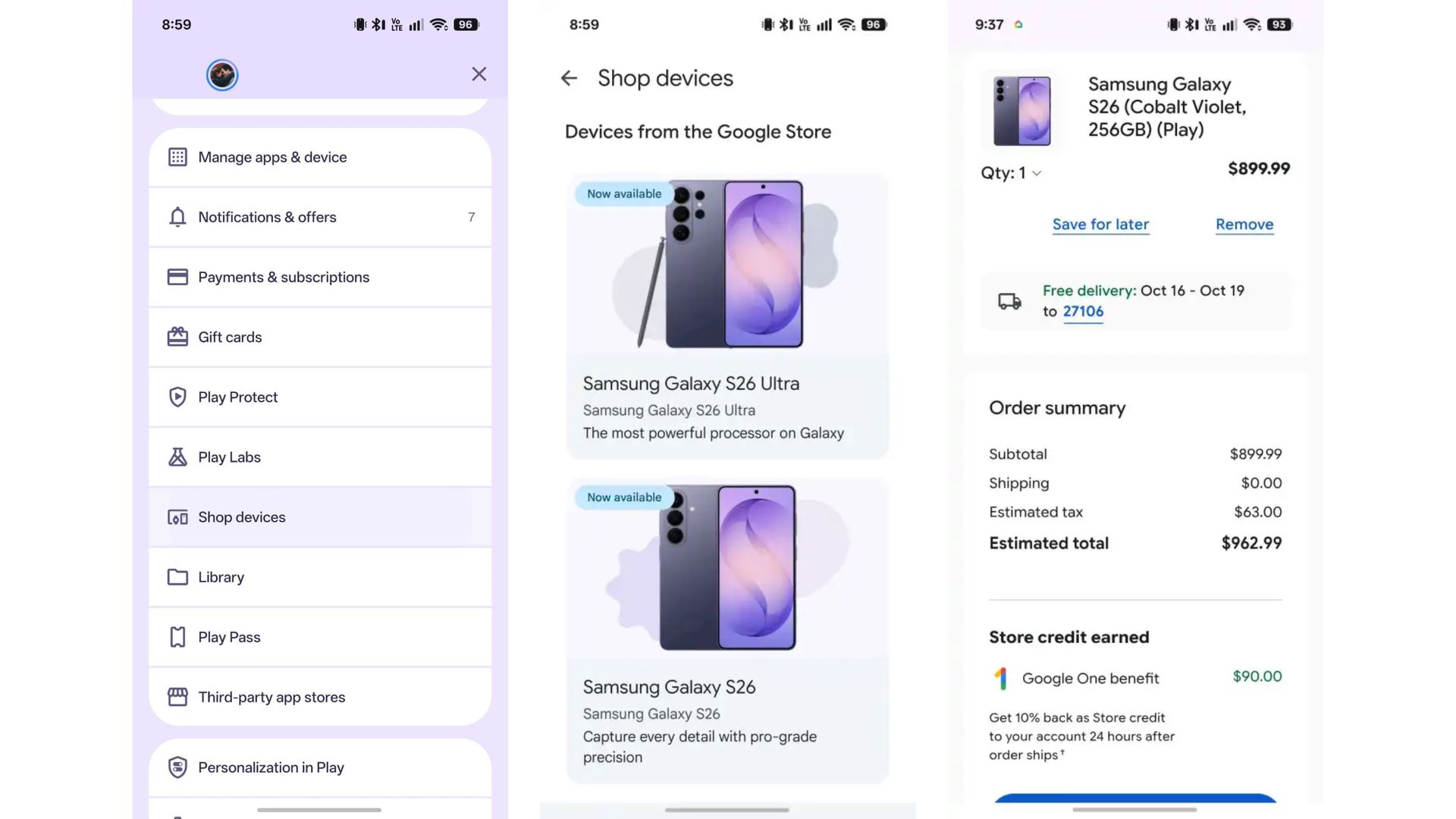
Google is rolling out a new Shop devices option in the Play Store, allowing users to buy not just apps and games, but also smartphones and other hardware directly through the app.
For years, the Google Play Store has been the go-to storefront for downloading apps, games, books, and more. But now, Google wants to expand that experience to hardware as well. As spotted by 9to5Google, the company has added a new "Shop devices" section within the Play Store that lets users shop for not only Google Pixel phones and Pixel Watches, but also Samsung Galaxy devices.
The new Shop Devices option appears when you tap your profile icon in the top-right corner of the Google Play Store. Selecting it opens the Google Store where you can browse and purchase Google Pixel and Samsung Galaxy devices.
Currently, the portal lists several devices, including the Samsung Galaxy S26 and Galaxy S26 Ultra, alongside Google's own products like the Pixel 10a, Pixel Watch 4, Pixel 11 Pro Fold, Google TV Streamer, Pixel 11, and Pixel 11 Pro.
(Image credit: 9to5Google)
Other devices, including the Galaxy Z Flip 8, are also listed. However, it doesn't appear to be a complete storefront for either brand just yet, with only select devices available for now. Google could expand the selection as more products are added to the portal.
It's worth noting that eligible Google One subscribers can also take advantage of the 10% Google Store credit benefit when purchasing supported devices through the portal. You can then use the 10% credit towards any other future Google Store purchase.
But perhaps the more interesting part is that Google doesn't seem to have updated the prices of Samsung's Galaxy S26 series in the new shopping section.
For those unaware, Samsung recently increased the prices of the Galaxy S26 lineup in the U.S. by $100, meaning the base Galaxy S26 now starts at $1,000, while the Galaxy S26 Ultra starts at $1,400.
However, the Shop Devices portal still shows the older, lower prices for both phones. So, at least for now, you may be able to pick up the Galaxy S26 or Galaxy S26 Ultra for less than Samsung's revised pricing, although it's worth checking the final price at checkout.
That said, if you're specifically looking for a deal on the Galaxy S26 series, it's still worth comparing prices with retailers like Amazon, where you might find better discounts than what's available through Google's new shopping portal.
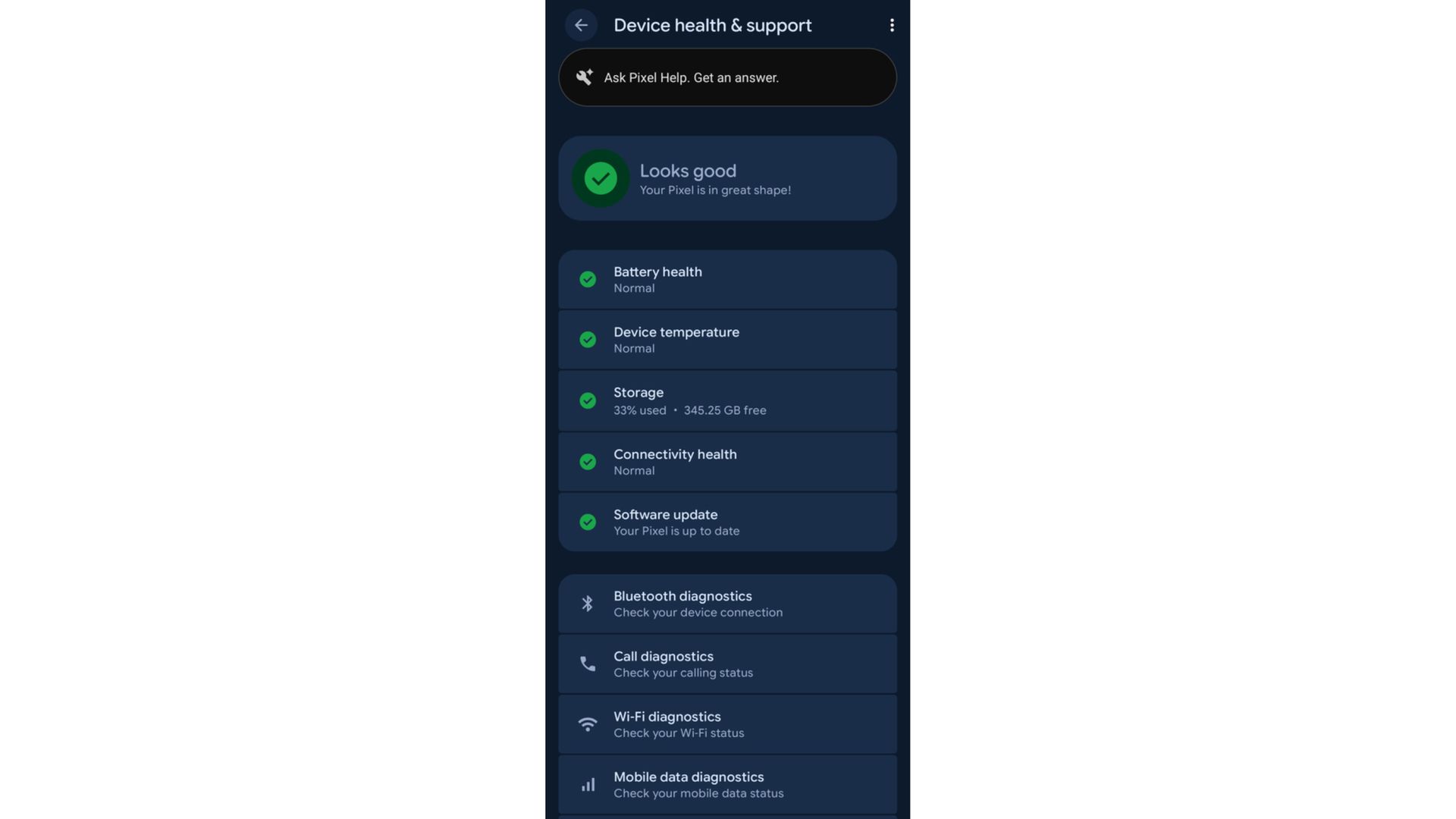
Google is developing new Pixel diagnostic tools to help troubleshoot problems with calls, Wi-Fi, and mobile data.
The new tools appear under Device Health & Support, alongside existing battery, Bluetooth, and touchscreen diagnostics.
Pixel phones could soon identify connectivity problems and either attempt a fix or guide users through troubleshooting..
One of the issues we regularly run into on Android phones, unfortunately, is related to mobile data, Wi-Fi, and overall connectivity. But it looks like Android 17 could soon be able to diagnose and fix some of these problems for you.
Google has been building out its Pixel troubleshooting and diagnostics tool for a while now. Pixel phones can already check for issues related to battery health, connectivity, Bluetooth, and even touchscreen problems. But now, it looks like Google is expanding these tools to help users fix calling, Wi-Fi, and mobile data issues as well.
As spotted by Android Police, the recently released Android 17 QPR3 Beta 1, alongside the latest Google Play Services beta, introduces new diagnostic tools designed to troubleshoot problems with calls, Wi-Fi, and mobile data. The new options appear under the Device health & support section.
(Image credit: Android Police)
So, if you're having trouble connecting to Wi-Fi, experiencing dropped calls, or your mobile data suddenly stops working, you'll be able to open the relevant diagnostic tool and have your Pixel check what's going wrong behind the scenes.
Depending on the issue, the tool could either attempt to fix the problem automatically or guide you through the necessary steps to get things working again. This could save users from having to manually dig through network settings or reset their connections every time something stops working.
For now, these new tools have only been spotted in Android 17 QPR3 Beta 1 with the Google Play Services beta, so they aren't widely available yet. However, considering they're already showing up in testing, there's a chance Google could introduce them with the stable Android 17 QPR3 release early next year.
Given how frequently Pixel owners have complained about connectivity issues over the years, having built-in tools that can actually help diagnose and fix those problems could be a pretty useful addition.
Google officially replaced Assistant with Gemini in September, but a Redditor has found a way to bring it back.
The workaround involves uninstalling Google app updates and reopening Google Assistant through the Play Store.
Users can reportedly decline the Gemini switch and set Google Assistant as their default digital assistant again.
You'll need to disable automatic Google app updates to keep the workaround working.
A Redditor seems to have found a new trick to get Google Assistant working again on Android phones, even after Google officially shut it down.
Last month, Google pulled the plug on Google Assistant for Android phones on September 4, 2026, replacing the good old assistant with Gemini. Gemini is now the default assistant on Android smartphones, whether you like it or not. However, a new workaround discovered by a Redditor (via Android Police) claims to bring back the Google Assistant experience.
According to the Reddit post, the user managed to get Google Assistant working again by uninstalling updates to the Google app on their Android phone. They then opened the Google Assistant listing on the Play Store, after which the old assistant reportedly started working again.
When Google Assistant launches, a prompt appears asking users to switch to Gemini. But according to the Redditor, there's still an option to decline the switch and continue using Google Assistant instead.
(Image credit: Nicholas Sutrich / Android Central)
Selecting that option reportedly lets users set Google Assistant as their default digital assistant again, restoring the familiar experience Google discontinued last month. Of course, there's another step you'll need to follow if you want to keep Google Assistant working through this method.
You'll have to disable automatic updates for the Google app on the Play Store. Otherwise, the app could update itself to the latest version and replace Google Assistant with Gemini again. To do this, open the Google Play Store and search for the Google app. Open its listing, tap the three-dot menu in the top-right corner, and uncheck Enable auto-update.
And that's it. If you've been missing the good old Google Assistant experience on your Android phone, this workaround appears to offer a way to bring it back, at least for now.
Of course, there's no guarantee it'll continue working. Google could disable the workaround through a future update or server-side change at any time. But if you still prefer Google Assistant over Gemini, or simply want to give the old assistant another go for nostalgia's sake, this might be worth trying.>
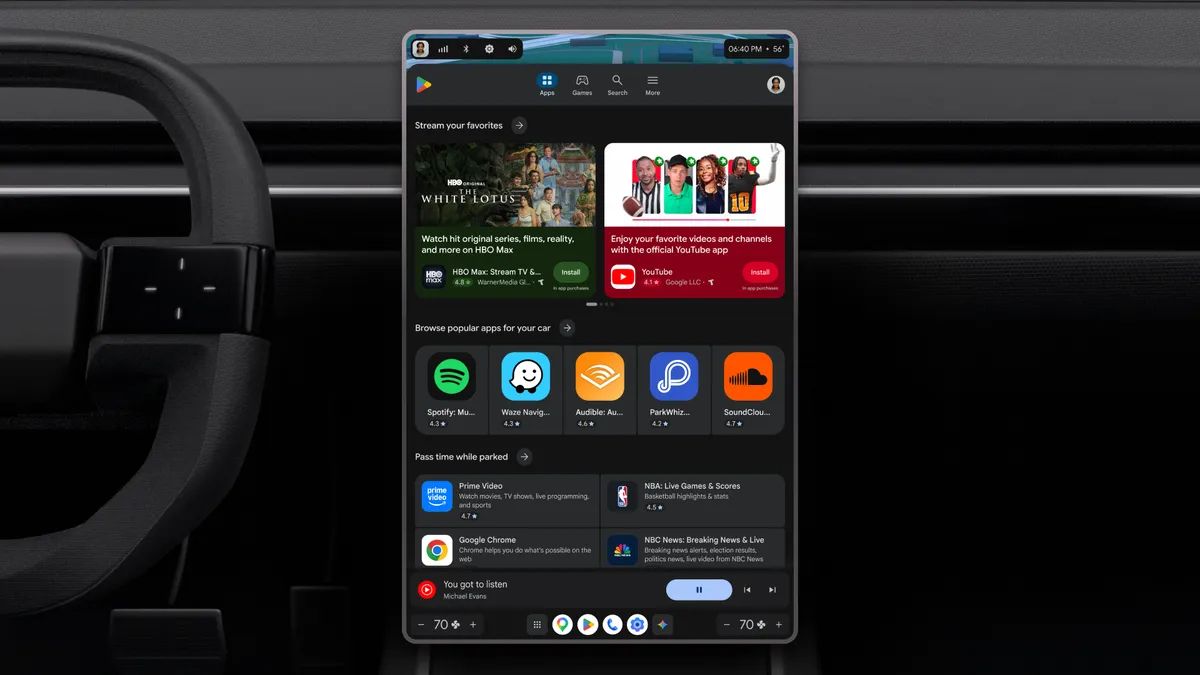
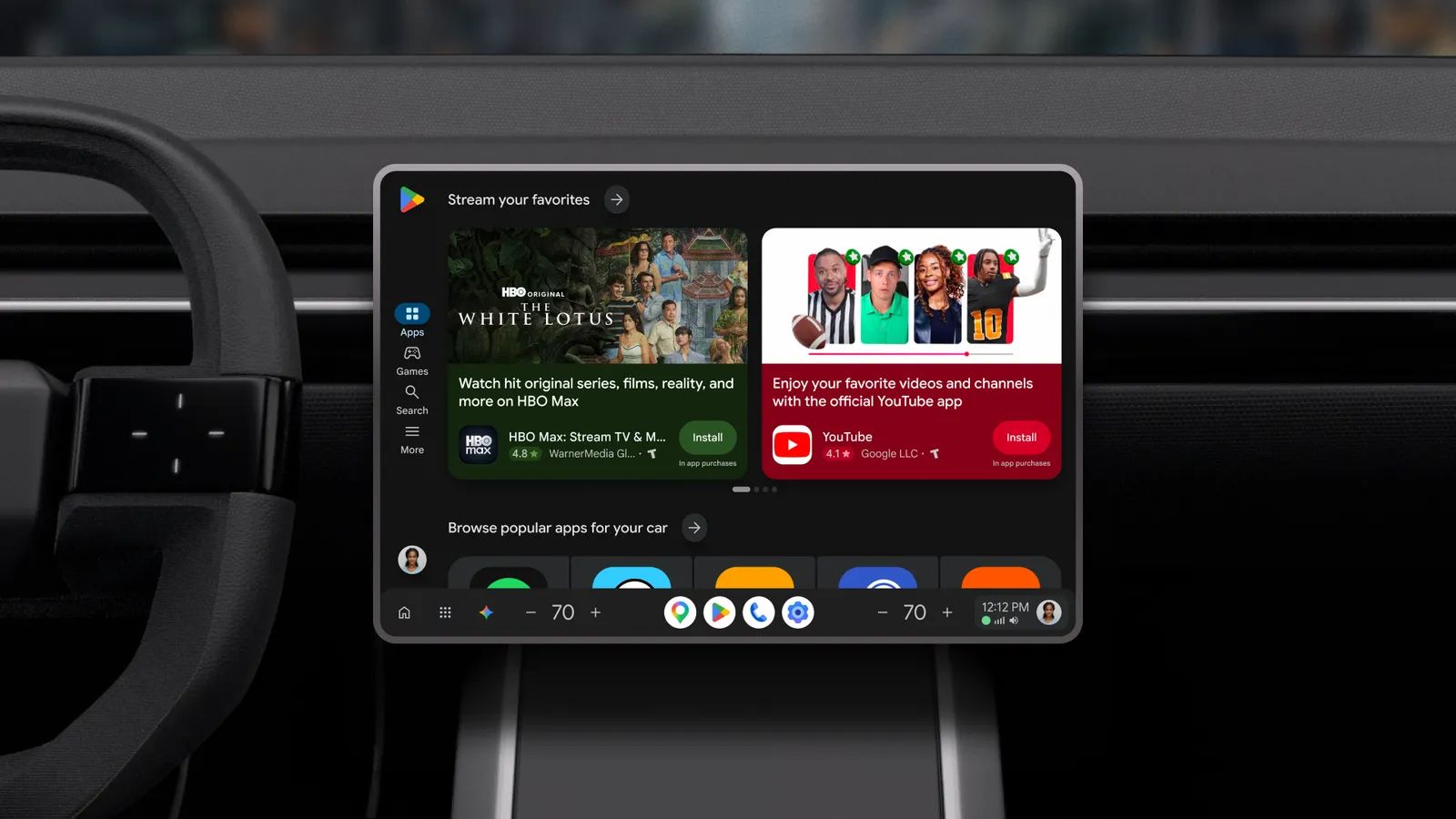
Vehicles with Google built-in are getting a redesigned Play Store, new apps, and improved YouTube playback over the next few weeks.
The updated Play Store will make its catalog of apps easier to browse, with featured picks, new releases, and curated collections.
YouTube will automatically switch to audio-only playback when drivers shift into drive, letting videos continue without distracting visuals.
Google is rolling out a more useful entertainment experience for cars with Google built-in, including a redesigned Play Store, new apps, and a YouTube upgrade that lets you keep listening after shifting into drive. Drivers will not have to do anything themselves to install it, as the changes will come automatically over the next few weeks.
The Play Store refresh is meant to make the app-finding process less painful. Google notes that there are already more than 700 available apps on compatible vehicles, but the new interface should help make browsing that catalog a lot easier. You'll see featured apps, new releases, and useful app details directly on the homepage, and curated collections will help you find options depending on whether your car is parked or moving.
Google is also moving on from one-size-fits-all interfaces. The new storefront will be able to adapt to the size, shape, and orientation of each vehicle’s infotainment display. One-tap downloads will make it easier and quicker to get new apps.
And there’s more to come. STARZ, Firefox, Ludo King, and JioHotstar are coming to the in-car app lineup, giving you more ways to stream shows, browse the web, and play games while you’re parked. These additions should make the charging stops and waiting periods more useful for passengers and drivers taking a break.
(Image credit: Google)
YouTube finally makes driving less annoying
The bigger improvement might be YouTube’s new background playback behavior. Previously, starting a drive would stop YouTube playback. In the new update, you can watch a video while parked and automatically switch to audio-only playback as you shift into drive.
That means podcasts, interviews, and other videos can continue to play without distracting visuals on the dashboard. The catch is, you’ll need a YouTube Premium subscription to take advantage of the feature.
Google has talked about this park-to-driving functionality before, but the latest announcement confirms it’s coming to YouTube on cars with Google built-in. Don’t confuse this with Android Auto, which shows compatible phone apps on a car’s display. Google has not said if the same automatic background playback feature is coming to Android Auto.
The updates will be pushed automatically to eligible vehicles over the next few weeks.
Counterpoint Research states Q3 for the global phone market reached its lowest point in 14 years.
Research states the market dropped by 20% YoY, and Samsung took the number one spot, thanks to the Galaxy Z Fold 8 and Fold 8 Ultra.
Counterpoint and Omdia suggest that Q4 might not show any meaningful improvements.
The global phone market looked bleaker and bleaker after every quarter in 2026. And new research states this is the worst it's been in 14 years.
Counterpoint Research analysts have published their Q3 2026 findings, which show just how far global phone shipments have plummeted. According to the research, global shipments saw a 20% YoY decline — and the culprit is clear. "The extreme memory shortage is pushing the smartphone market into a more selective phase," said Counterpoint senior analyst Shilpi Jain.
It states this is the lowest global phone shipments have been since 2012. While a sharp decline, Counterpoint states Samsung has retained its top position in the past quarter with a 3% YoY decline. What's more, Samsung's market share reportedly increased by 23%, "the largest share gain among major OEMs." Researchers attribute this to the Galaxy Z Fold 8 and Fold 8 Ultra sales and its Galaxy A series.
The extreme memory shortage is pushing the smartphone market into a more selective phase
Counterpoint senior analyst Shilpi Jain
Apple sits right behind Samsung in Q3, and the iPhone lineup is informative: The iPhone 18 series lacks a base option, offering only an 18 Pro and an 18 Pro Max. Counterpoint's analytics suggest this warranted the decline. Additionally, Chinese OEMs (Xiaomi, OPPO, and Vivo) round out the top five with massive declines of their own.
While a shortage of DRAM and NAND (courtesy of AI) is a key player in the market's decline, Counterpoint states "consumer behavior" has also changed as a result. Jain said, "Consumers are holding on to their devices longer than estimated, increasingly considering refurbished devices and prioritizing higher-value devices."
Q4 2026 remains dire for global phone shipments, with the post stating a recovery isn't likely "until component costs and supply conditions improve."
Struggling times
(Image credit: Nicholas Sutrich / Android Central)
Android Central's Take
The idea of consumers hanging onto their phones longer is an interesting note for me. You end up having to make a decision: Do I buy this new phone I want that costs over $1,000, or do I keep the phone I already have? I hear every day how people are struggling with money. At the end of the day, you need a device that does what you need it to. If that's a phone that you bought a year or two ago, why get a new one when that money is better spent elsewhere?
Sentiments surrounding Q3 and Q4 of 2026 have not changed. In July, Omdia posted its research on the global phone market for Q2. The market dipped by 4% YoY in Q2; however, Samsung and Apple saw growth of 2% and 4%, respectively, compared with other OEMs. While Omdia highlighted that the memory crisis caused the Q2 decline, it also forecasted continued turbulence for Q3 and Q4.
Today, Counterpoint brought up an interesting point. It said OEMs are starting to focus on "profitability over shipment volumes amid elevated component costs and weaker affordability." Samsung is reportedly taking this path, asking suppliers to cut Q4 phone production by 20% to 30%.
Nothing's General Release for its Android 17 update (OS 5.0) is rolling out now for the Phone 3.
Nothing OS 5.0 brings major updates to the Phone 3, such as deeper phone customization, improved Essential AI tools, a Glyph Interface app, and a brand-new typeface, Geist.
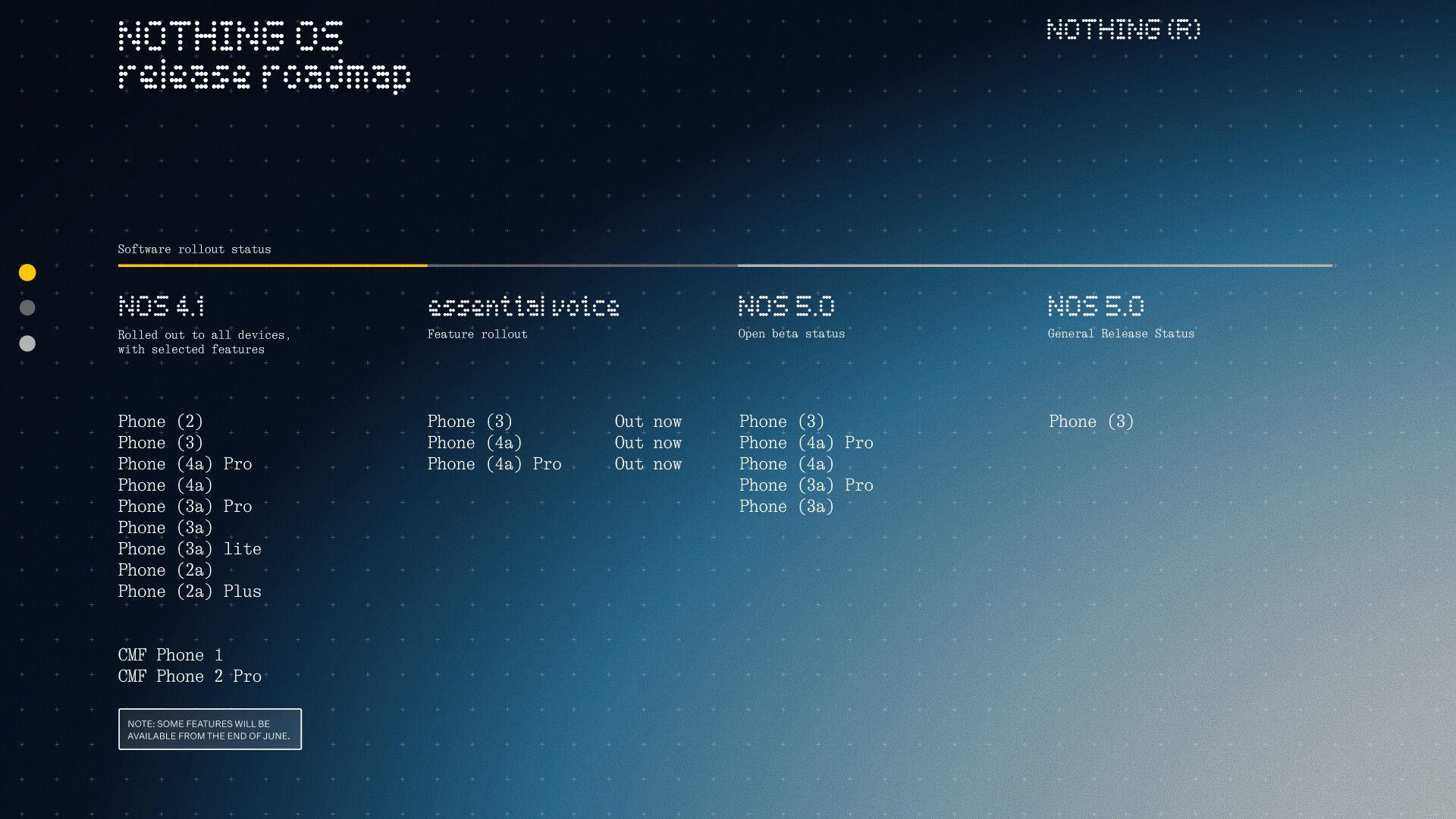
An updated roadmap reiterates the Open Beta for several more phones (Phone 4a and 3a series), ahead of an eventual General Release.
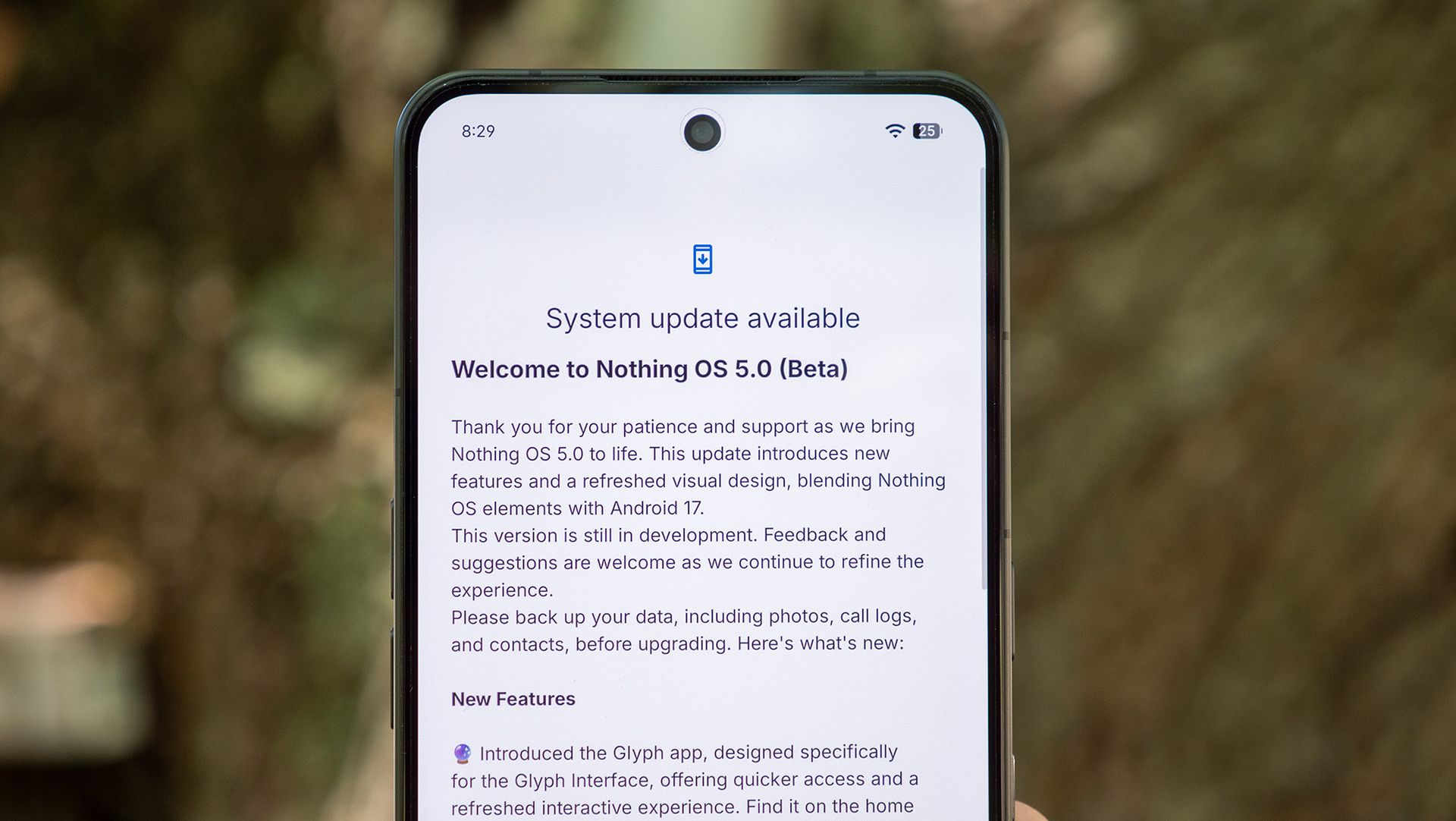
It's been two months of testing for Nothing's Android 17 software, and the update is finally rolling out.
Nothing announced in a community post that its OS 5.0 upgrade (Android 17) is rolling out for Phone 3 users. This "General Release" brings the "full experience" to all users—those who participated in the beta and those who didn't. Nothing states users should expect a "staggered release" for Nothing OS 5. While some users have received the update since Nothing announced its rollout, others will have to wait.
Certain regions and users in those regions will see the patch before others. So have patience this week and into next. If you're curious, Nothing states Phone 3 users should head into Settings > System > System Update to check if their device is ready to download/install.
(Image credit: Nicholas Sutrich / Android Central)
Nothing OS 5 is huge—beyond the fact that it's Android 17. In late August, the company launched the software's open beta, encouraging Phone 3 users to join. Highlights include the system's new typeface, Geist. This typeface is "cleaner and easier to scan." It joins other refreshes to the device's UI's status bar, camera, Settings, and Gallery.
Elsewhere, you'll find the Glyph Interface inside a dedicated app. All features and sounds are housed in one place.
Nothing's Essential AI tools have been upgraded in OS 5. AI features have become a focal point for the company, and its Android 17 update sees it doubling down. Real-time transcriptions have been improved, and Smart Collections can "suggest and organize content for you automatically."
The Phone 3 was the first to enter Nothing's Android 17 Open Beta, and it's the first to exit. However, we're still waiting on several more updates. Nothing's updated roadmap shows that the Phone 4a, Phone 4a Pro, and the Phone 3a and 3a Pro are still in their respective Open Betas. These devices entered the Open Beta program in September.
There's a chance a General Release could arrive later in October or November for these phones.
Samsung’s Galaxy Glasses could weigh just 41 grams with standard lenses, making them lighter than earlier leaks suggested.
Battery life could reach nine hours, with the charging case extending total runtime to 72 hours.
Gentle Monster reportedly offers six frame designs across 16 variants, while Warby Parker plans three styles with multiple color and lens options.
A November launch is reportedly planned, with Gentle Monster models targeting South Korea and the US, and Warby Parker versions initially limited to the US.
Samsung’s first AI-enabled smart glasses might be lighter than previous leaks have suggested, and they look to be available in a wider range of designs than we’ve seen so far.
New information obtained by SammyGuru reveals that the upcoming Galaxy Glasses weigh around 41 grams with standard lenses, alongside a detailed look at frame options from Gentle Monster and Warby Parker. For context, official regulation golf balls max out at 45.9 grams — meaning these smart glasses are actually slightly lighter.
Previous reports put the glasses in the range of 46 to 50 grams. Of course, prescription lenses will certainly add some weight, but the exact amount will depend on the model. By keeping the hardware this light, Samsung can make its smart glasses comfortable enough for everyday wear.
The glasses are powered by Qualcomm’s Snapdragon AR1 Gen 1 chip inside, with 2GB of RAM and 64GB of storage. The 12MP camera captures video at 3K resolution and 30 frames per second, and there are four microphones for calls and talking to Google Gemini. The audio comes through two open-ear speakers so you can still hear the world around you.
These glasses do not include a display but instead focus on hands-free AI assistance, photography, and audio instead of information in front of your eyes. It boasts a 155mAh battery that lasts up to nine hours, while a charging case offers a total of 72 hours of battery life. The IPX4 rating should also protect the glasses against sweat and light splashes, but the case itself is not water-resistant.
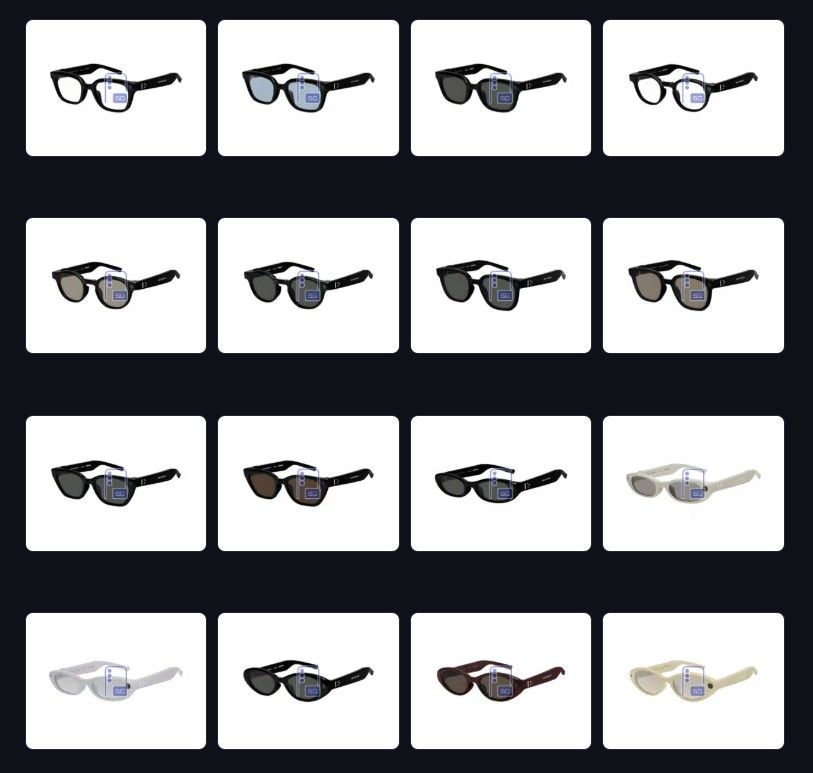
Samsung seems to be working just as hard on the styling. SammyGuru reports that Gentle Monster has six frame designs in 16 variants, including black, burgundy, cream, and pale lilac.
(Image credit: SammyGuru)
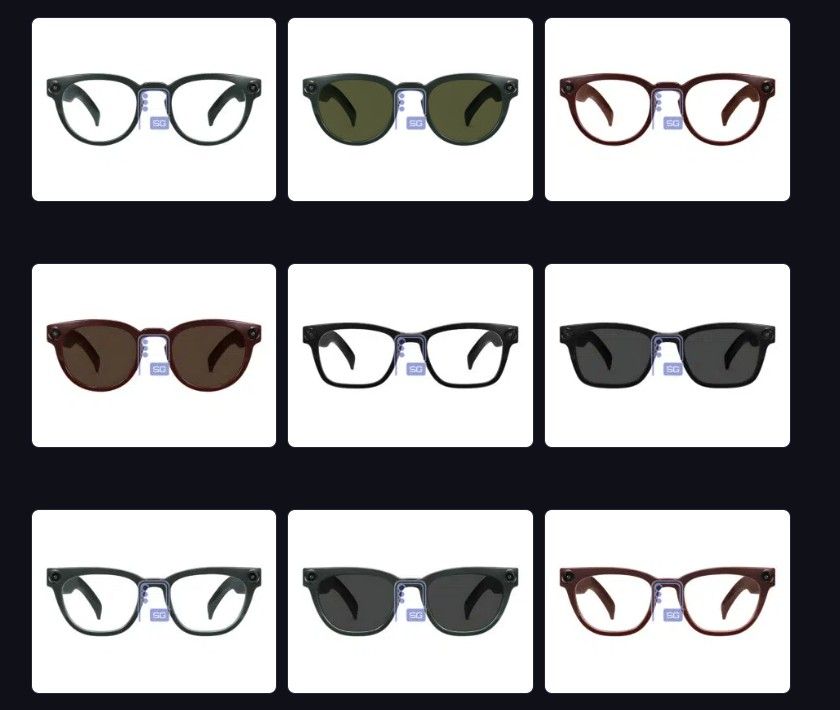
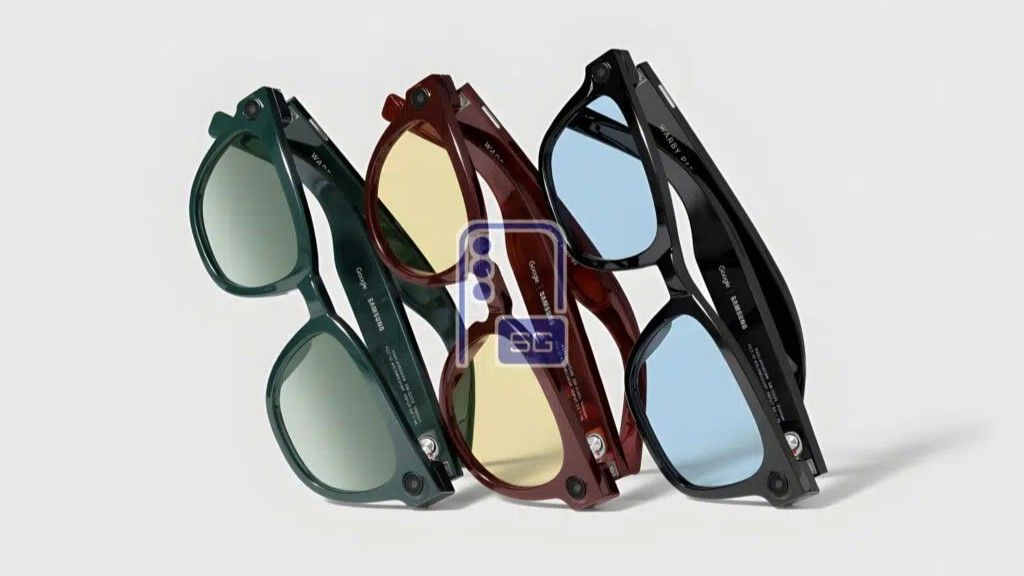
Warby Parker is also expected to have three named styles — Alden, Reid, and Wren — in colors like dark green, reddish brown, and black. Clear lenses and sunglasses are also said to be available depending on the frame.
(Image credit: SammyGuru)
The glasses are expected to run Android XR, Google’s operating system for extended reality, with AI features powered by Gemini.
Samsung is reportedly targeting a November release. Gentle Monster models are expected to be available in South Korea and the US, while Warby Parker versions will be US-only at launch. The glasses will be available for purchase through the brands’ stores and websites and Samsung Experience Stores in the US. Pricing and a definitive launch date have yet to be confirmed.
The big question is whether Samsung can assemble a competitive smart glasses offering against Meta’s well-established products without sacrificing comfort, style, or battery life. At 41 grams, its upcoming eyewear could have a promising starting point, but its success will ultimately depend on how useful Gemini proves in everyday situations.
Google has added the Pixel 9, Pixel 9 Pro, and Pixel 9 Pro XL to its Certified Refurbished program in the US.
Prices start at $499 for the Pixel 9, while the Pixel 9 Pro and Pro XL cost $649 and $699, respectively.
Every refurbished Pixel goes through Google's quality checks, uses genuine replacement parts, and includes a one-year warranty.
Google is also offering six months of Google AI Plus with 2TB of storage alongside every Certified Refurbished Pixel 9 purchase.
Google has started selling certified refurbished Pixel 9 phones in the U.S., with prices starting at just $499.
For those unfamiliar, Google has a pretty interesting Certified Refurbished program in the US, where the company sells pre-owned Pixel smartphones that have been professionally inspected, tested, and restored to meet its quality standards, all at a lower price than when they originally launched. And now, the Pixel 9 series has joined the program.
As spotted by 9to5Google, Google has listed several Pixel 9 models on its Certified Refurbished page, including the base Pixel 9, Pixel 9 Pro, and Pixel 9 Pro XL. The regular Pixel 9 starts at $499, while the Pixel 9 Pro and Pixel 9 Pro XL are available for $649 and $699, respectively.
(Image credit: Google Store)
Currently, the base Pixel 9 appears to be out of stock, although some configurations of the Pixel 9 Pro and Pixel 9 Pro XL are still available to purchase. And to make the deal a little more enticing, Google is also offering buyers a free six-month Google AI Plus subscription, which includes 2TB of cloud storage that can be shared across Google services.
This makes the refurbished Pixel 9 series a pretty decent deal, especially considering these aren't just regular second-hand smartphones.
Google says every Certified Refurbished Pixel goes through a multi-point inspection and rigorous quality checks covering things like the battery, display, housing, and cameras. If any repairs or replacements are needed, Google uses genuine parts to restore the device to its quality standards.
The refurbished phones also come with a one-year limited warranty, similar to what you'd get when purchasing a brand-new Pixel phone.
So, compared to the regular Pixel 9, which originally launched for $799, you're saving around $300 by going with Google's certified refurbished model. The Pro models also offer some pretty substantial savings over their original launch prices.
Of course, these are still pre-owned devices, but with Google's official refurbishment process, genuine replacement parts, and a one-year warranty, they could be worth considering if you've been looking to pick up a Pixel without spending flagship money.

 Login