❌

Normal view

Move over He-Man, Mattel's Major Matt Mason space toys could still be blasting off for Hollywood

1 August 2026 at 17:00

As evidenced by Paramount's live-action "Transformers" movies and the recent "Masters of the Universe" film released by Amazon MGM Studios, nostalgic toy lines can serve as fertile grounds for a variety of engaging Hollywood projects leaning into vintage intellectual properties.

With Mattel ramping up their own film production efforts and toy-to-screen endeavors after enormous success with "The Barbie Movie" and hi-octane plans for Hot Wheels movies rolling into theaters, the toys-to-silver screen craze shows no sign of slowing down. What could be next? We think there's a perfect choice hiding in the Mattel goldmine that might just become the next big thing.

We're of course talking about Major Matt Mason, that Plastisol astronaut action figure and kids' playset product line from the 1960s, which is celebrating its 60th anniversary this year.

Born in the 1960s, during the heat of America's space race with NASA's Apollo program aiming for the lunar landing by the end of the decade, Mattel's design mastermind's found inspiration in visionary space concept artists' wild dreams of futuristic moon bases, lunar buggies, and space vehicles.

Major Matt Mason was one of the first serious space toys to exist in the marketplace, first hitting the shelves of toy shops and department stores across the country in 1966.

Capitalizing on the daily news stories of Gemini missions and Apollo moon-walking dreams, this spacefaring fellow and his astronaut pals let kids everywhere imagine colorful cosmic adventures.

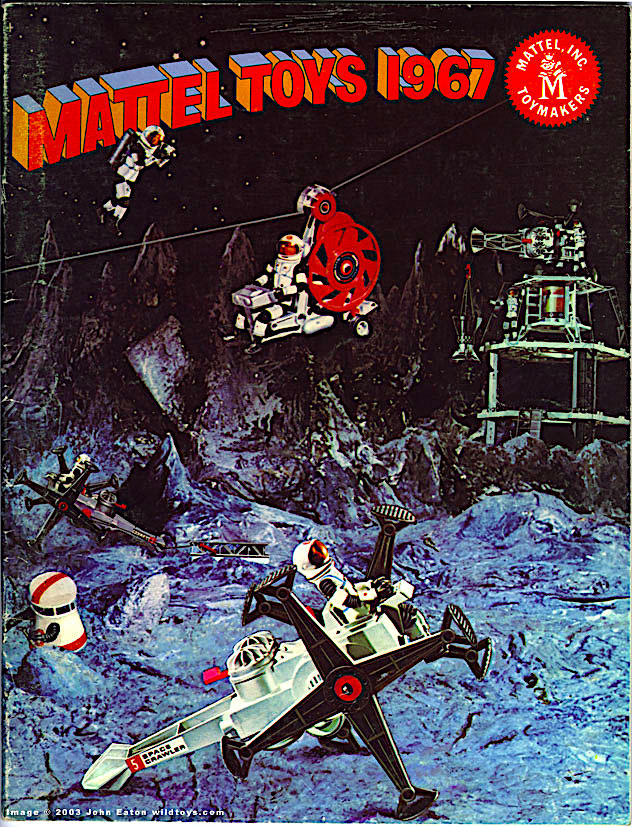
A catalog image for a line of space toys.

The expanded line of Major Matt Mason's vehicles and playsets shown in a 1967 catalog. (Image credit: Mattel)

Back in 2019, Variety reported that Tom Hanks was attached to star in a Major Matt Mason live-action film being set up at Paramount Pictures with Akiva Goldsman ("A Beautiful Mind," "The Da Vinci Code") hired to write the screenplay.

Hanks is an enthusiastic advocate of NASA history after starring in Apollo 13 and co-executive producing the Emmy Award-winning HBO docuseries "From The Earth To The Moon" alongside "Band of Brothers" super producer Graham Yost. Despite the heavy hitters attached, momentum has since stalled on the sci-fi project and it's sadly been shelved for the immediate future.

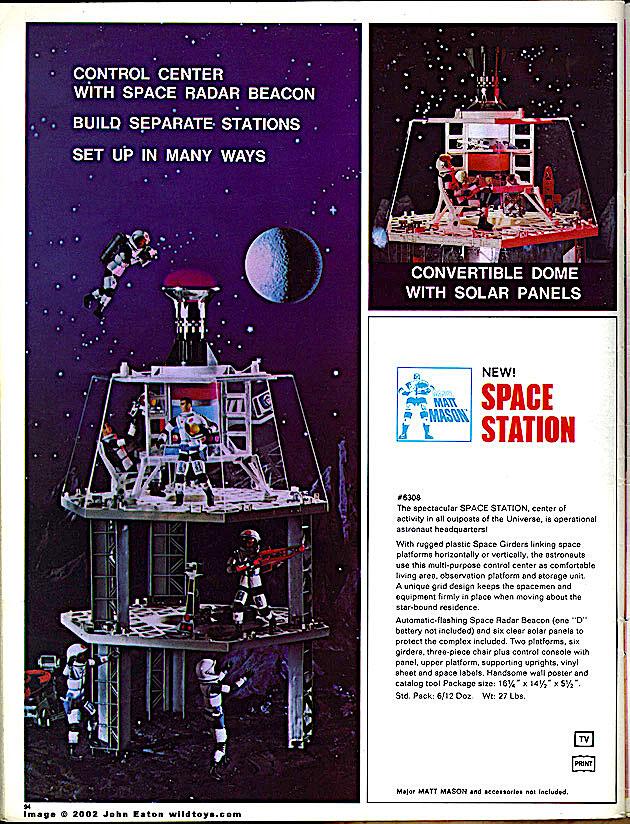
A catalog page for a line of space toys.

Matt Mason and his astronaut buddies score their own space station. (Image credit: Mattel)

Matt Mason's line-up of bendy 6-inch astronaut action figures was developed as a competitor to Hasbro's 12-inch G.I. Joe toys that ruled the marketplace in the mid-60s.

Along with Matt's fellow rubberized space buddies — available in a variety of color-accented spacesuits — Mattel also offered a complete universe to create your own space outpost and ramped lunar headquarters, alongside accessory vehicles, moon gear, expansive playsets, and Matt's "allies from the stars": A purple-and-pink creature called Scorpio, and a green-skinned friendly Jovian alien called Callisto.

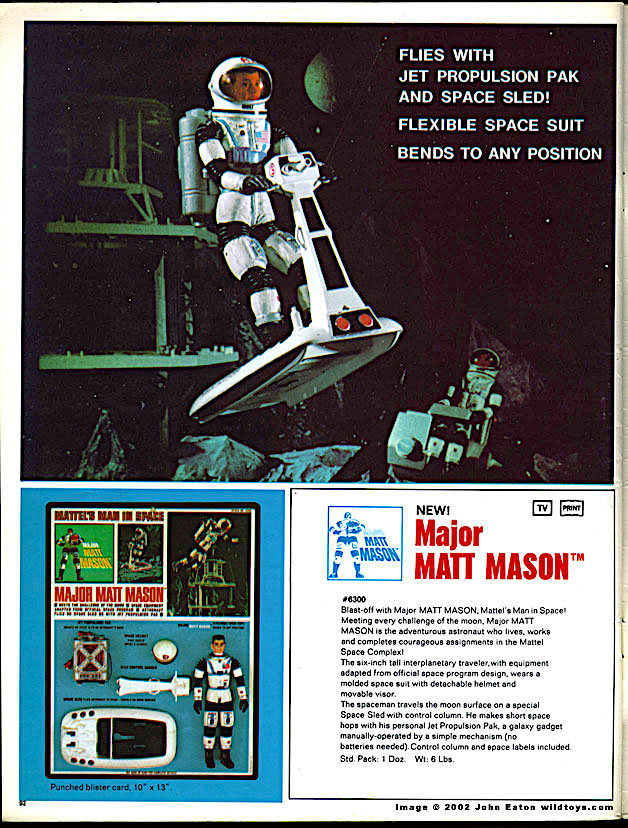
A catalog page for a 1960s space toy line.

Some of Major Matt Mason's retro-cool lunar accessories included a jet propulsion pak and space sled. (Image credit: Mattel)

With the Vietnam War raging in Southeast Asia and televised on the nightly news, Major Matt Mason blasted into Sears and JCPenney catalogs when soldier action figures were losing their appeal.

He wasn't a gun-toting commando but a heroic explorer "ready and able to cope with any space task or fierce danger." In addition to the action figures and peripheral playsets, Matt Mason became a pop culture phenomenon with his own board game, coloring books, lunch boxes, and puzzles.

Named after Mattel's co-founder Harold "Matt" Matson, the Matt Mason line carried a certain air of authenticity as many of its designers happened to be former aerospace engineers. Some of the toys' far-out designs were taken straight out of NASA conceptual art and prototypes seen in the pages of Popular Mechanics, Life, and National Geographic magazines.

A catalog page for a toy space station.

Matt Mason's space station could be built in many different ways. (Image credit: Mattel)

But, the general public is difficult to please for any extended period of time and following the Apollo 11 moon landing in July of 1969, space toys faded in interest. Just one year later, Major Matt Mason was no more, destined only to be coveted decades later as collectors items .

As NASA ramps up their Artemis program with 2027's Artemis 3 mission, before an Artemis 4 moon landing set for 2028, and the space agency doubling down on plans for a recently announced permanent lunar base, can there be any better time for Hollywood moguls to resurrect this cool project for a fantastic, retro-styled Major Matt Mason movie or TV series?

It's certainly a better idea than a Matchbox movie.

This Week In Space podcast: Episode 221 — Starship Can Float?

1 August 2026 at 15:16

On Episode 221 of This Week In Space, Tariq Malik and guest host Rick Jenet of the National Space Society talk about SpaceX's Starship Flight 13, which deployed new Starlink V3 satellites and stunned viewers when the ship survived reentry intact enough to float in the ocean for days afterward.

They also discuss NASA's Roman Space Telescope, now just a month from launch, and an in-progress emergency effort to save the ailing Swift Space Observatory using a servicing spacecraft that is itself now experiencing technical trouble. Finally, they look into Boeing's continued Starliner delays and India's first successful private orbital launch via Skyroot Aerospace's Vikram-1 rocket. Tune in!

Download or subscribe to this show at: https://twit.tv/shows/this-week-in-space.

Get episodes ad-free with Club TWiT at https://twit.tv/clubtwit

Space news of the week

Model Falcon 9!

TOP TELESCOPE PICK:

A Celestron telescope on a white background

(Image credit: Celestron)

Looking for a telescope to see planets and comets? We recommend the Celestron Astro Fi 102 as the top pick in our best beginner's telescope guide.

Finally, did you know you can launch your own SpaceX rocket? Model rocket maker Estes' stunning scale model of a Falcon 9 rocket that you can pick up now. The launchable model is a detailed recreation of the Falcon 9 and retails for $149.99. You can save 10% by using the code IN-COLLECTSPACE at checkout, courtesy of our partners collectSPACE.com.

About This Week In Space

This Week in Space covers the new space age. Every Friday we take a deep dive into a fascinating topic. What's happening with the new race to the moon and other planets? When will SpaceX really send people to Mars?

Join Rod Pyle and Tariq Malik from Space.com as they tackle those questions and more each week on Friday afternoons. You can subscribe today on your favorite podcatcher.

'Flight of the Navigator' at 40: the Disney space movie that messed with time dilation long before 'Interstellar'

1 August 2026 at 13:00

Despite Han Solo's protestations to the contrary, travelling faster than light on screen is usually just as straightforward as dusting crops. So whether you're in "Star Wars", "Star Trek" or "Battlestar Galactica", jumping to hyperspace, going to warp or spooling up the FTL really is as simple as popping out to the store.

In fact, Albert Einstein's time-dilating general theory of relativity tends to be little more than an afterthought, with films highlighting the inconveniences of interstellar travel definitely in the minority. For this reason, the very existence of "Flight of the Navigator" is even more improbable than its premise.

The Disney family movie — which celebrates its 40th anniversary this weekend — sends an ordinary kid on an unlikely journey that's part "Interstellar", part "Back to the Future".

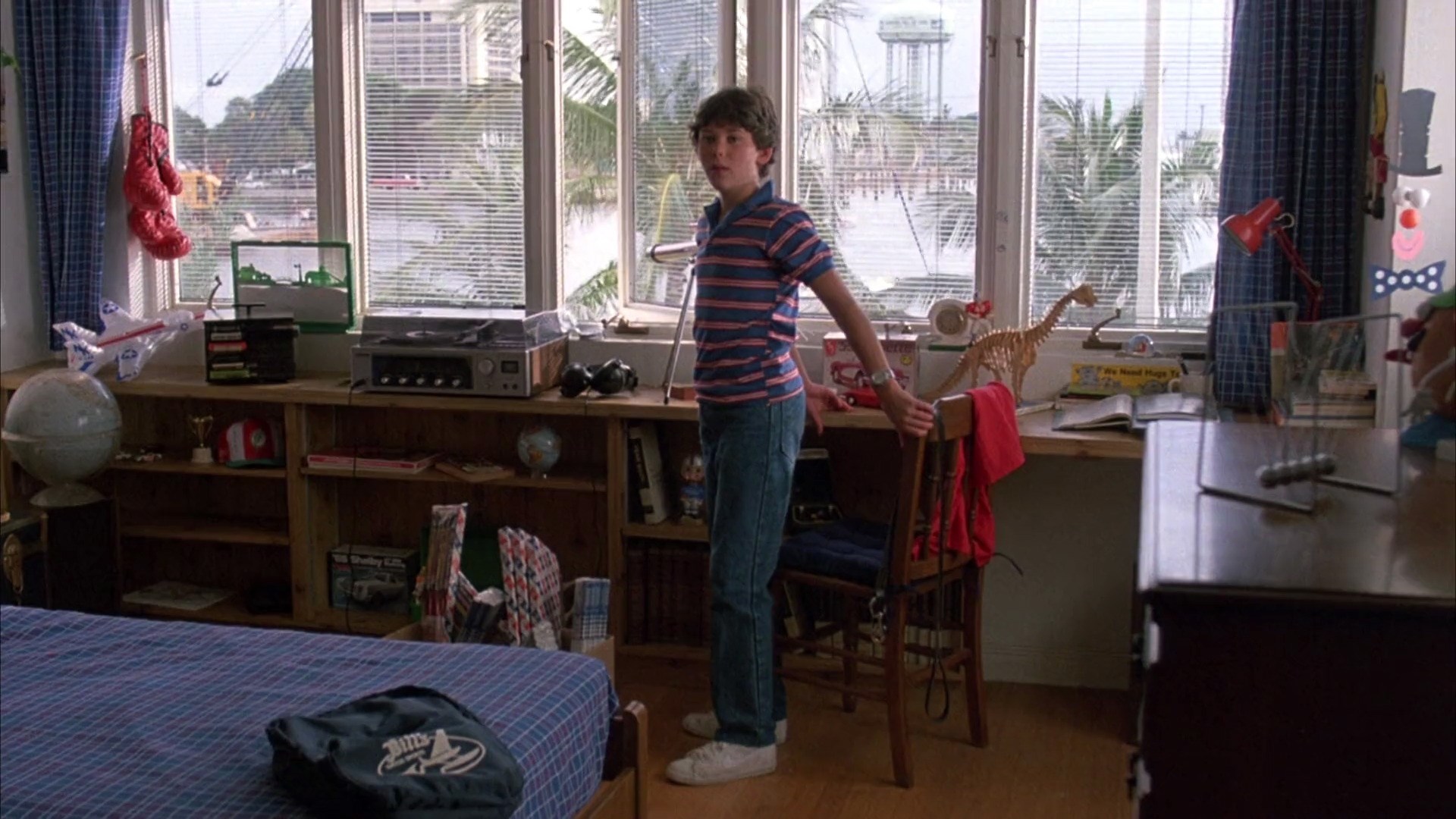
On July 4, 1978, 12-year-old David Scott Freeman is briefly knocked unconscious after he falls into a ditch near his Florida home. When he wakes up — seemingly moments later — he finds strangers living in his house, and gradually comes to realize that eight years have passed for everybody else. In the meantime, David has been declared dead, his little brother is now his big brother, and — perhaps weirdest of all — music videos are now a very big thing on MTV.

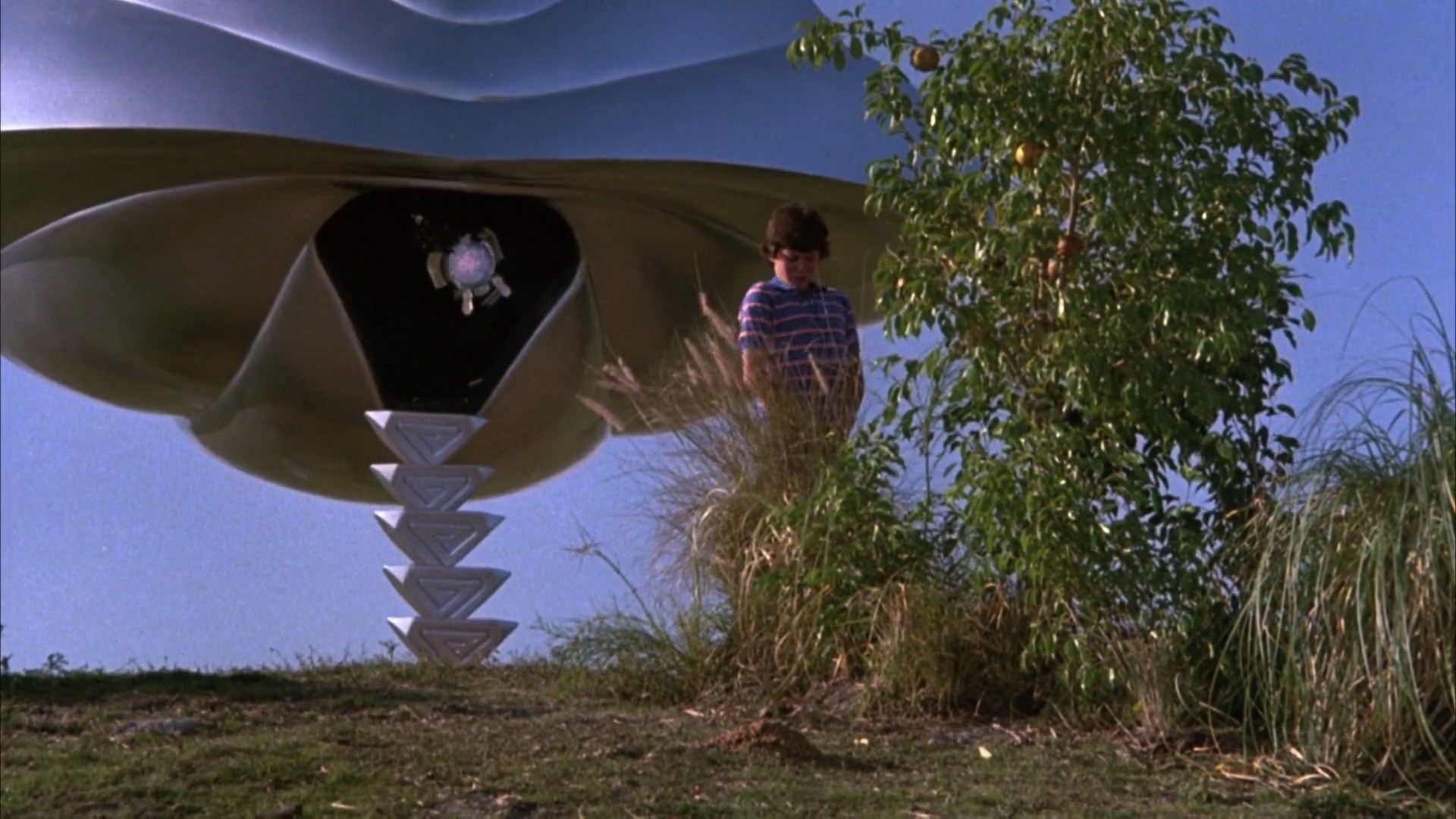
He doesn't know it yet, but much like Matthew McConaughey's Cooper in "Interstellar", David has been caught in the crosshairs of relativity. It turns out that he's unwittingly taken a ride in a Trimaxion drone ship, making the round trip to the planet Phaelon (some 560 light years away) in a mere 4.4 solar hours.

Screenshot from the 1986 sci-fi movie

(Image credit: Disney)

NASA scientists explain away the eight-year time slip as a consequence of "light speed theory", the idea that "time slows down as you approach the speed of light". And if that sounds like a big concept for "Flight of the Navigator"'s target audience to grasp, the filmmakers weren't particularly worried.

"I think kids can understand it," director Randal Kleiser said back in 2020. "'Back to the Future' was sort of like that, and kids are smarter than most people think. You just tell them that you’re going at the speed of light and time slows down, and they get it."

Kleiser was best known for the musical smash hit "Grease", the highest-grossing movie of 1978, when he got the "Flight of the Navigator" gig. When he came on board, the film's paymasters were already disagreeing about the direction they wanted to take Mark H Baker's story.

Screenshot from the 1986 sci-fi movie

(Image credit: Disney)

Disney, unsurprisingly, were shooting for a family movie "with dancing little animals", while their production partners at Producers Sales Organization (PSO) were looking for something a little edgier. "They wanted to have the army come in and shoot down the spaceship," Kleiser recalled.

Eventually, a gun-free compromise was found, though the opening act of the movie would remain surprisingly bleak and emotionally complex. Now living in 1986, David has to come to terms with his new reality as a human guinea pig in a world where his family looks familiar, but he no longer really knows them. Also, how did his brain come to be filled with weird alien languages and complex star maps?

The role was always going to ask a lot of its actor, and Kleiser ultimately selected a young Vancouver native named Joey Cramer. Cramer beat hundreds of other kids to the role, including future Hollywood stars Chris O'Donnell and Joaquin Phoenix, who appeared in "Space Camp" the same year.

Screenshot from the 1986 sci-fi movie

(Image credit: Disney)

"Joey was so easy to get to cry," Kleiser said of his casting decision. "For him to be able to do it in the audition — and be also so personable and likeable — was the thing that put him over the top."

Cramer's main co-star would prove even more difficult to find, however, seeing as faster-than-light spacecraft from distant worlds called Phaelon don't — as far as we know — exist.

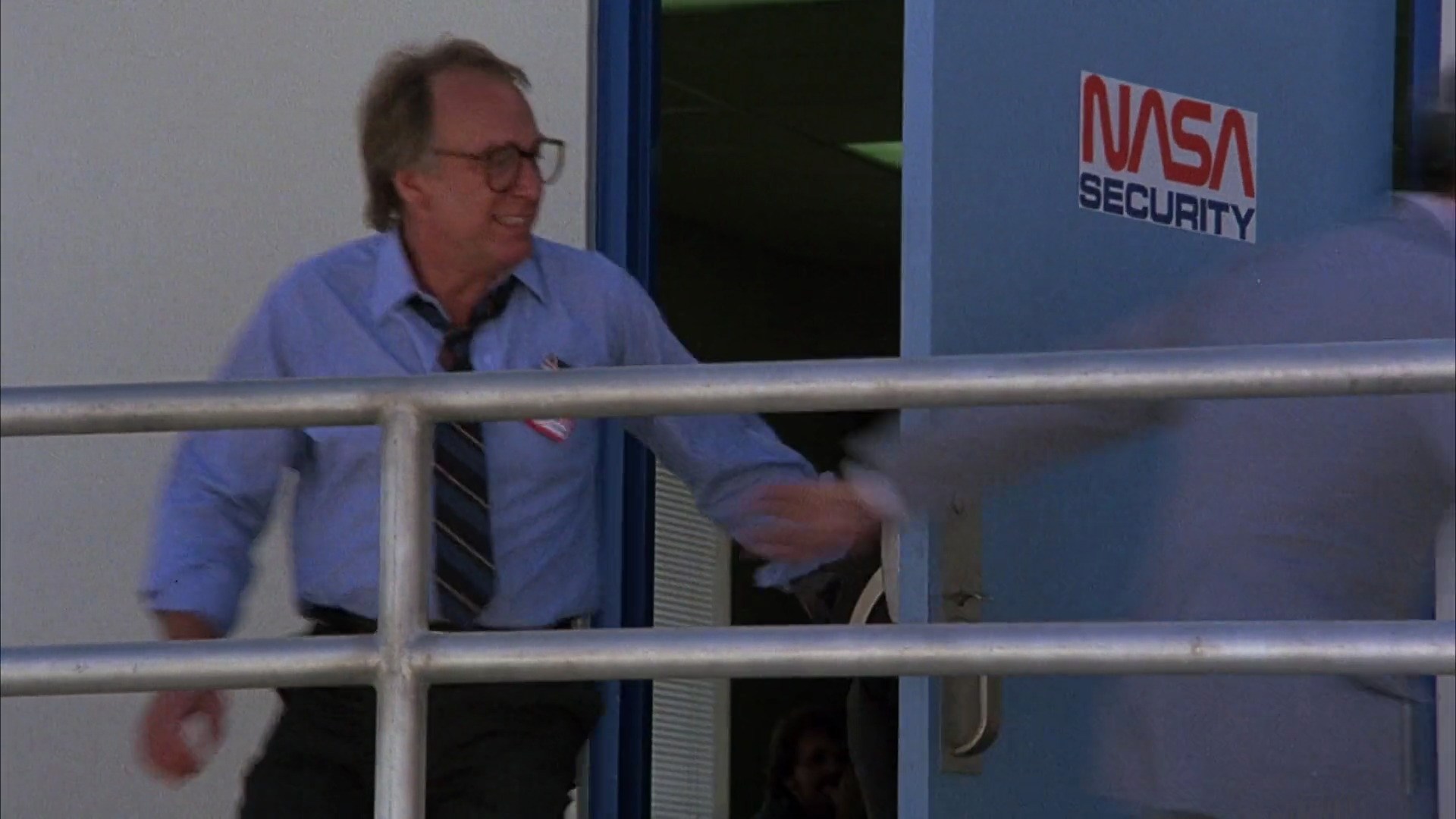
In the second half of "Flight of the Navigator", David makes a credibility-stretching escape from a top-secret NASA facility — seriously, where did they find such a negligent bunch of security guards? — to hitch a ride on board the aforementioned Trimaxion ship.

Screenshot from the 1986 sci-fi movie

(Image credit: Disney)

Nicknamed Max and voiced by Pee-wee Herman star Paul Reubens (credited here as Paul Mall), the spacecraft reveals that David is one of several alien species taken to Phaelon for study; we also meet a menagerie of puppets on board, including a hungry little guy who eats David's hat, and the pocket-sized, implausibly cute Puckmaren.

Max would usually return the test subjects back to the time and place he found them, but says that David's human physiology is too fragile to make the journey back to 1978. In the meantime, he also needs to access the maps he uploaded to the human kid's brain, seeing as a collision with some electricity pylons has damaged his navigational databanks. It's here that the movie evolves into childhood wish-fulfilment fantasy, as David and the fast-learning AI become BFFs on the run from the authorities.

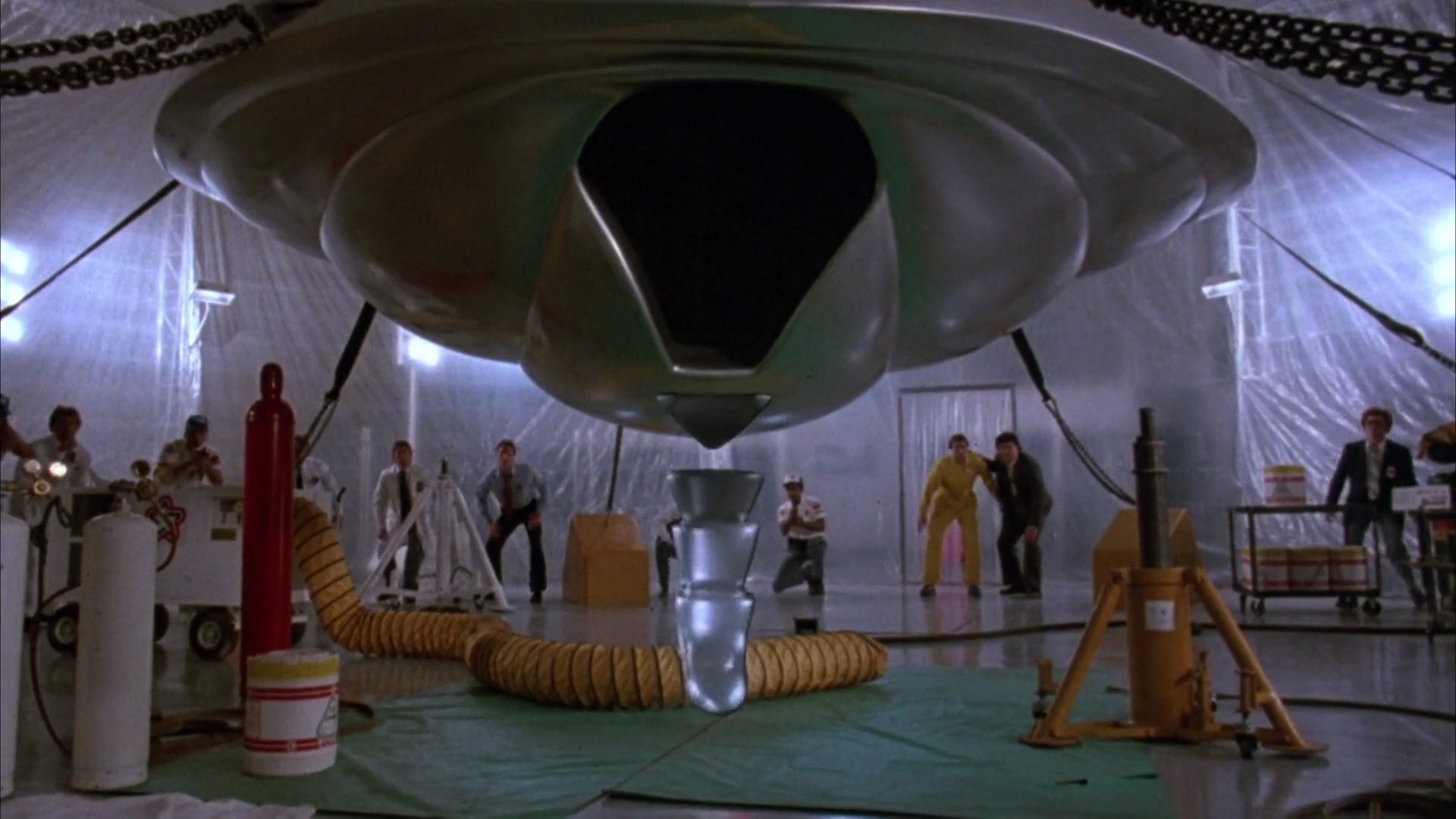
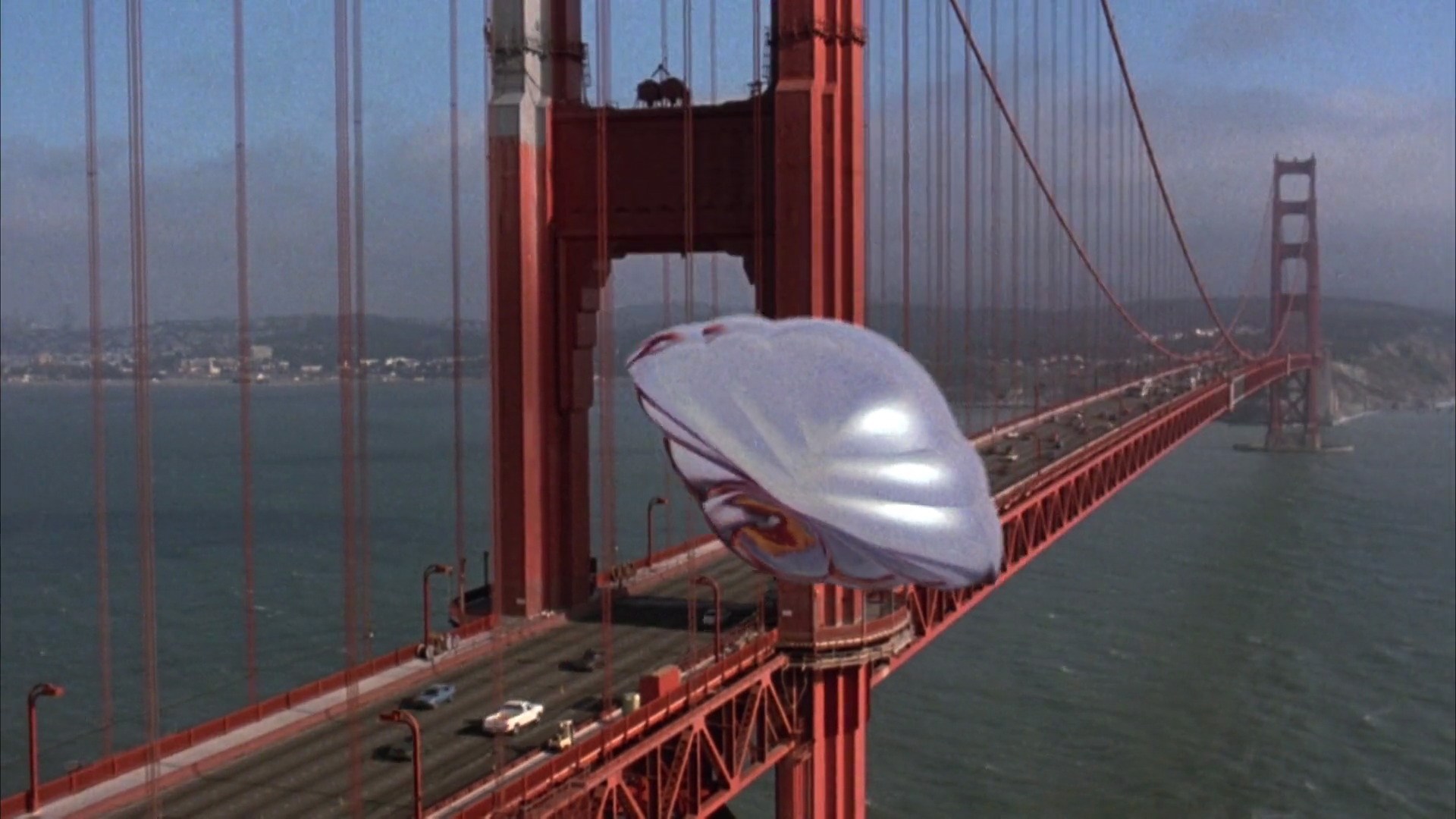
The spaceship exterior, meanwhile, is arguably the most groundbreaking thing about the film, a mirrored, shapeshifting update of the classic flying saucer design popularized by "The Day the Earth Stood Still".

Screenshot from the 1986 sci-fi movie

(Image credit: Disney)

Kleiser persisted with that shiny surface, despite the advice of a former University of Southern California classmate (a certain George Lucas) who told him that all those reflective surfaces would make the ship "more trouble than it's worth". (By the time "The Phantom Menace" was released 13 years later, Lucas had clearly changed his mind, so maybe "Flight of the Navigator" had a tiny bit of influence on a galaxy far, far away.)

"I wanted to find something different that hadn’t been done before," Kleiser explained. "I was driving down the freeway behind a big silver truck, and I could see my car reflected behind it. And I thought, 'Wow, I've never seen a spaceship like that.' It took a while till we figured out how to do it!"

After several unsuccessful experiments involving silver paint and mylar glued to paper plates, salvation came courtesy of Kleiser's brother Jeff, who'd worked on the VFX for "Tron" and was a pioneer in the nascent field of computer graphics. And while the liquid metal effects aren't quite as, ahem, polished as James Cameron's genre-defining efforts in 1991's "Terminator 2: Judgment Day", "Flight of the Navigator" deserves to be mentioned in the same breath.

Screenshot from the 1986 sci-fi movie

(Image credit: Disney)

Despite having an innovative spaceship and a considerably happier ending than "Interstellar" (spoiler: David does eventually make it home), "Flight of the Navigator" struggled at the box office. It eventually found its audience on home video, however, and deservedly so, seeing as it's an inventive, witty, and surprisingly sophisticated family movie that refuses to talk down to its audience.

"When it first came out, I think maybe it just wasn’t marketed properly," said Kleiser, "but the fact that it’s become kind of a cult classic is nice. I run into people all the time who say that it's their favourite movie. [Lots of them] really like the fact that it explored how time travel could change a sibling relationship."

As we said, "Flight of the Navigator" really is "Back to the Future" and "Interstellar" rolled into one.

'Flight of the Navigator' is available to stream on Disney+ in the US and Prime Video in the UK. 'Life After the Navigator', a documentary about the film, is also available on Prime Video in the UK.

Watch Flight of the Navigator on Disney+ (US):
Disney+ (With Ads): $11.99/month
Disney+ Premium (No Ads): $18.99/month or $189.99/year

Watch Flight of the Navigator on Amazon Prime Video (UK):

Amazon Prime: $14.99/month or $139/year
Amazon Prime Video: $8.99/month

Ad-free add-on: $2.99/month

'Strange New Worlds'' latest episode is more 'Event Horizon' than classic Trek

30 July 2026 at 14:00

"Doctor Who" may have a reputation for making kids hide behind the sofa, and the "Alien" franchise famously sold itself on the futility of screaming in outer space, but "Star Trek"'s traditional "story of the week" format has also provided numerous opportunities to bring sci-fi scares to starship corridors.

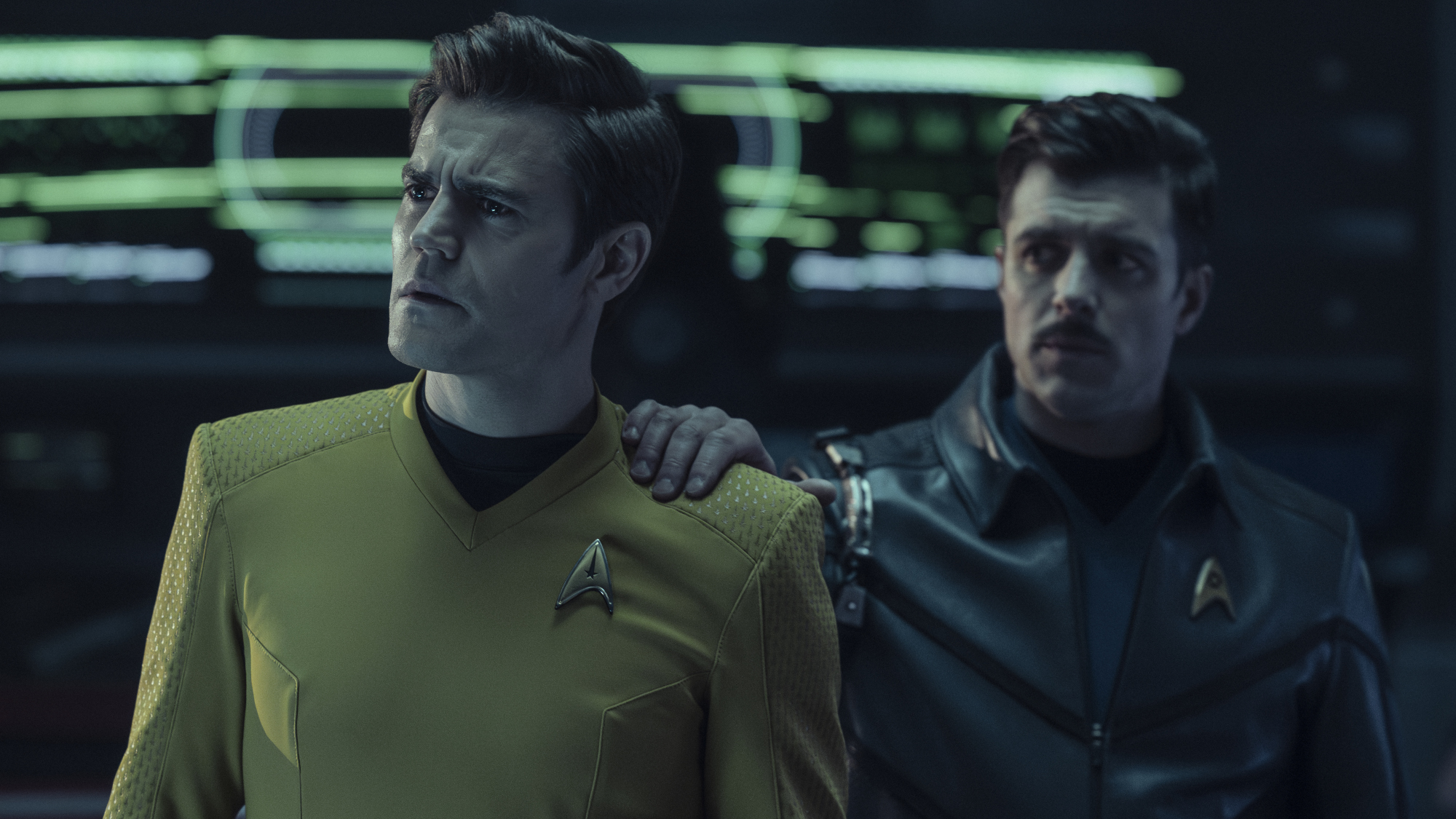
But few of the franchise's horror outings have been quite as overt as "The Griffin Incident", the latest episode of "Strange New Worlds". In it, Spock (Ethan Peck), La'an Noonien-Singh (Christina Chong) and James T Kirk (Paul Wesley) are making their way back from the Future Federation Leaders Retreat (sounds like a blast) when they receive a mysterious signal in uncharted space.

SPOILERS AHEAD! ANYONE YET TO WATCH "THE GRIFFIN INCIDENT" SHOULD PROCEED WITH CAUTION TO AVOID VIOLATING TEMPORAL PRIME DIRECTIVES.

It turns out the communication originated from the USS Griffin, a starship that went missing with 300 souls on board nine years earlier, so — being the conscientious Starfleet officers they are — the trio beam aboard to investigate. It's a decision they quickly come to regret, as they realize they've stumbled on a haunted house floating through the darkness…

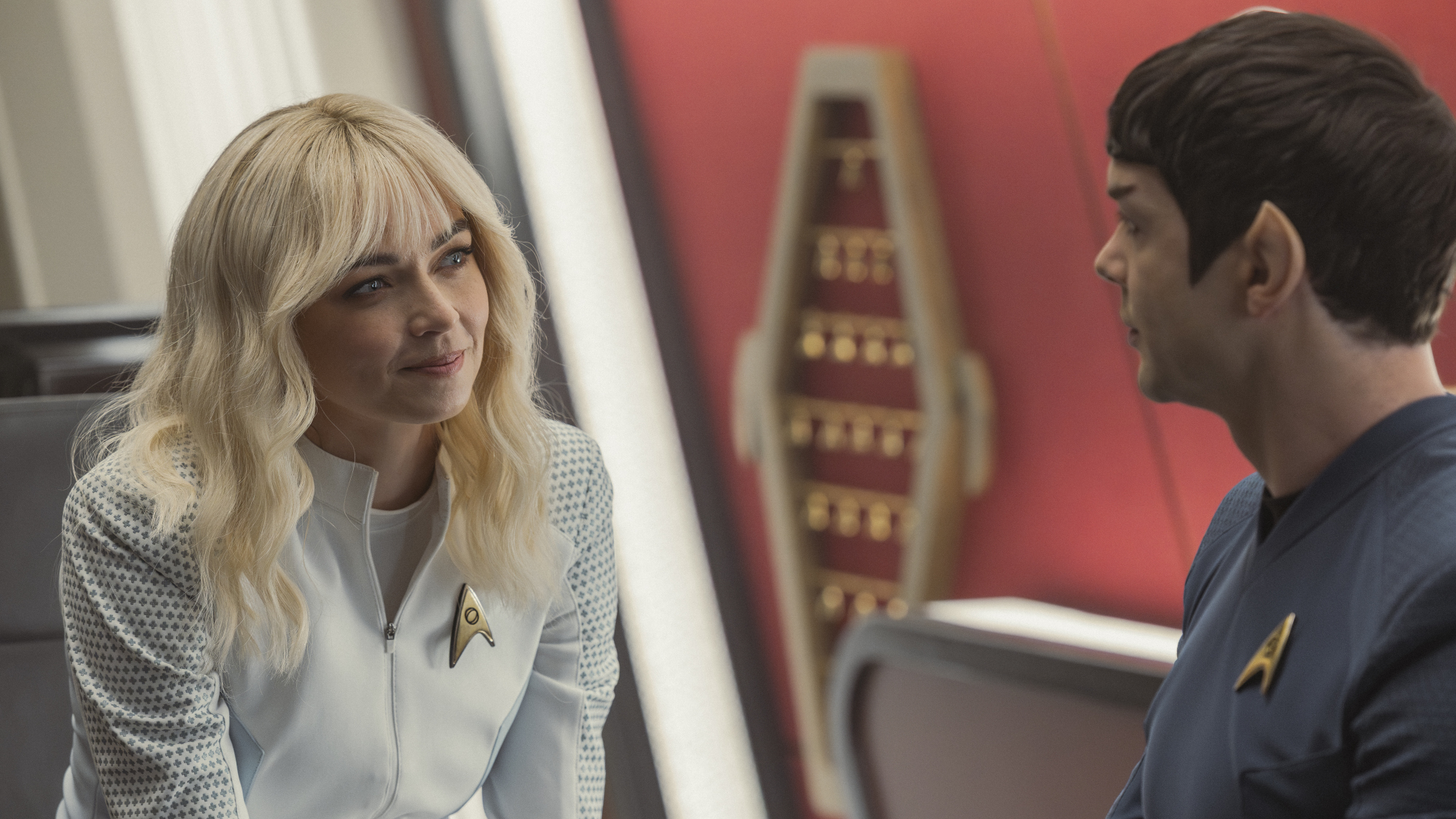
This unashamed ghost story soon becomes a chilling mix of psychological terror and body horror, as Kirk hears the cries of his young son David, Spock unexpectedly comes face-to-face with his spurned fiancée, T'Pring, and La'an becomes closely acquainted with the Griffin's ghostly chief security officer, Rose Harper (Sorika Wolf).

Celia Rose Gooding as Uhura in season 4, episode 2, of Star Trek: Strange New Worlds

(Image credit: Paramount)

As in "Event Horizon" (originally pitched as "'The Shining' in space"), the ship is a malevolent force preying on its victims' insecurities: for Kirk, it's the fear of being an absent father; for Spock, it's the conflict between his human and Vulcan heritage; and for La'an it's the growing fear that her previously latent Noonien-Singh DNA might be stirring something dark within her.

In the tradition of many of "Star Trek"'s scariest missions, "The Griffin Incident" puts a sci-fi spin on classic tropes. Indeed, as far back as "The Man Trap" (the very first Original Series episode aired), the franchise has been transporting recognizable genre conventions light years beyond the confines of planet Earth.

"The Man Trap" is essentially a vampire story, albeit with a "monster" that feasts on salt rather than blood. Meanwhile, "The Enemy Within" (which materialized a few weeks later) is a 23rd-century take on "The Strange Case of Dr Jekyll and Mr Hyde", in which a transporter malfunction splits Captain Kirk into a good and bad version of himself — two William Shatners for the price of one.

(L-R): Paul Wesley as James T. Kirk and Dan Jeannotte as Sam Kirk in season 4, episode 2, of Star Trek: Strange New Worlds

(Image credit: Paramount)

There have also been several captain's log entries concerning close encounters of the zombie kind, from the re-animated corpses of "Strange New Worlds"' "Shuttle to Kenfori", to the Borg in "Star Trek: First Contact" — despite their quest for technologically enhanced perfection, the movie's cyborg hordes wouldn't look out of place in "The Walking Dead".

And the horror callbacks don't end there. The parasites who infiltrate the upper echelons of Starfleet in "The Next Generation"'s "Conspiracy" are "The Wrath of Khan"'s Ceti Eels given "Invasion of the Body Snatchers" delusions of grandeur. And "Deep Space Nine"'s own enemy-within episode, "The Adversary", features a shapeshifting Founder hiding in plain sight — think "The Thing", but with less of the ick.

But the franchise's move to streaming has undoubtedly allowed "Trek" to become more extreme than it was in the syndication/network days of the '80s, '90s and '00s. That's not to say "Trek" didn't push the censors' limits back then — the aforementioned "Conspiracy" was heavily edited by the BBC in the UK, who decided a "Scanners"-like exploding head wasn't suitable for teatime viewing.

Christina Chong as La’an Noonien-Singh in season 4, episode 2, of Star Trek: Strange New Worlds

(Image credit: Paramount)

In the main, however, the horror was more likely to be built on psychological scares than full-on gore — REM sleep deprivation driving everybody mad in "TNG"'s "Night Terrors", for example, or crews becoming alien test subjects in "TNG"'s "Schisms" and "Voyager"'s "The Scientific Method" — the latter storylines could almost have been lifted from "The Twilight Zone". Even the Vidiians, a race of aliens who borrow heavily from the David Cronenberg playbook with their frequent body modifications, are portrayed in a resolutely PG way.

Fast forward to the present, and "Strange New Worlds" has given the Gorn — who famously looked like a guy in a crocodile suit in the Original Series — a new lifecycle, including an "Alien"-style penchant for impregnating humans with their parasitic offspring. An unwanted Gorn infestation subsequently paves the way for Captain Marie Batel to become the Beholder, protecting the galaxy from the horror movie-worthy Vezda.

"The Griffin Incident" is a continuation of this push towards R-rated horror territory, in which T'Pring cuts off the tips of Spock's ears with scissors, and La'an stabs Kirk so enthusiastically you'd think she was auditioning for the next "Scream" movie.

(L-R): Jess Bush as Christine Chapel and Ethan Peck as Spock in season 4, episode 2, of Star Trek: Strange New Worlds

(Image credit: Paramount)

Crucially, however, "Trek"'s latest mission makes a significant departure from most of its horror predecessors in not attempting to provide a quasi-scientific explanation for the Griffin's transformation into the scariest destination in the entire Alpha Quadrant. Instead, Captain Pike delegates the investigation to Division 12, a mysterious branch of Starfleet that specializes in unexplained phenomena.

Expect the descendants of Agents Mulder and Scully to have a field day with this one — assuming, of course, that the truth really is out there.

New episodes of "Star Trek: Strange New Worlds" debut on Paramount+ on Thursdays.

Watch Star Trek: Strange New Worlds on Paramount+:
Essential (ads): $8.99/mo or $89.99/yr
Premium (no ads): $13.99/mo or $139.99/yr

'The Ark' creator Dean Devlin talks season 3's enormous mystery box and sci-fi surprises (interview)

29 July 2026 at 16:00

SYFY’s optimistic space opera series, "The Ark," embarks upon its third thrilling season today, occupying a unique entertainment spot as the only weekly scripted sci-fi series currently on regular broadcast television.

With an impressive creative resume featuring executive producers Dean Devlin ("Stargate," "Independence Day") and Jonathan Glassner ("Stargate SG-1") and a hopeful premise about humanity’s search for a new home amid the stars, it’s a refreshing show perfect for a laidback, summertime watch.

Season 3 delivers more dangerous exoplanets inhabited by ravenous toothy monsters, the mystery of an alien stone tablet, and Captain Sharon Garnet’s Ark One searching for long-lost colonists. We caught up with Devlin to find out more about this third outing.

"We got so lucky with this cast," Devlin tells Space. "Some were cast from Canada, some from Spain, from England, and a lot of them were from Serbia. You never know if they’re going to gel, if they’re going to get along, if there's going to be any egos. It's truly an amazing group of individuals."

Talking more on the unique shooting location, Devlin notes, "I do also believe that because we shoot this show in Serbia, it kind of forces them to live together in a way. They work together, they go out to dinners together. They really spend all their time together, and I think it's created a bond off-screen that you can really see on screen."

a banner poster for a sci-fi survival TV show

"The Ark" Season 3 launches exclusively on SYFY on July 29, 2026 (Image credit: SYFY)

Season 3 accelerates all the careful plot mechanisms set up in the previous outings, and the result is a colorful blend of space fantasy action and interpersonal melodrama that makes for good old-fashioned fun.

"Season one had been this crazy hit, and it did so much better than anyone thought," he explains. "While we were making season two, we had discussions about maybe splitting the show into two shows. And that one show takes place on the new colony, and the other show takes place rescuing people. When the season was over, we thought maybe we’d just stick with one show. Then suddenly I had two shows I had to cram into one show. It became twice as big with more locations, more cast, and more adventures.

"We went nuts. We went wildly over budget and just made the biggest, craziest season we could possibly imagine. Our industry has moved so far into streaming, which is great in so many ways. But the weekly viewing on cable is still something that I really treasure and really am grateful that I have a chance to do that. We have two shows doing that this summer [with TNT's "The Librarians: The Next Chapter"] and in both situations we're the only scripted show on each network."

Devlin hints that viewers are going to be shocked at some of the unexpected surprises this season and where it goes on a character level.

"That's always been the strength of this show," he adds. "These characters and bringing out new information about them and seeing how that causes conflicts amongst our group and how they overcome those conflicts. 'The Ark' always has had a mystery element, but this year the mystery box is enormous.”

One thing that’s immediately noticeable is the impressive range of visual effects on 'The Ark' this year, and Devlin admits that this is where a good chunk of the budget-busting occurred.

a female spaceship captain on a colony starship

Christie Burke stars as Captain Sharon Garnet on "The Ark' Season 3 (Image credit: SYFY)

"The main VFX team is in Serbia, a company called Fried, and they’ve been with us this whole time. I put another team together in Los Angeles that used to be part of our Electric Entertainment effects company. So we basically had two houses because we wanted to step it up; we had a lot more shots to do, and we split the work between us. I’m really proud of the collaboration. In season one, I promised everybody that there were no aliens on 'The Ark,' but maybe down the line. Well, I guess we’re down the line.

"This is a season where if you've never seen the show before, you can jump right in. But if you have been with us for the whole journey, you're going to get some extra love by the time we get to the end of the season. This may be the most emotional ending of a season we've ever done, and I'm anxious to watch people go on that ride with us.”

Starring Christie Burke, Reece Ritchie, Richard Fleeshman, Pavle Jerinic, Stacey Read, Samantha Glassner and Ryan Adams, SYFY's "The Ark" Season 3 launches weekly starting Wednesday, July 29, 2026.

'Silo' season 3's Ashley Zuckerman and Jessica Henwick share the secret to their on-screen chemistry (interview)

28 July 2026 at 18:00

In Apple TV’s "Silo" season 3, we lunge back 352 years to the Before Times to see how the greatest engineering project in the history of the world began… and would end.

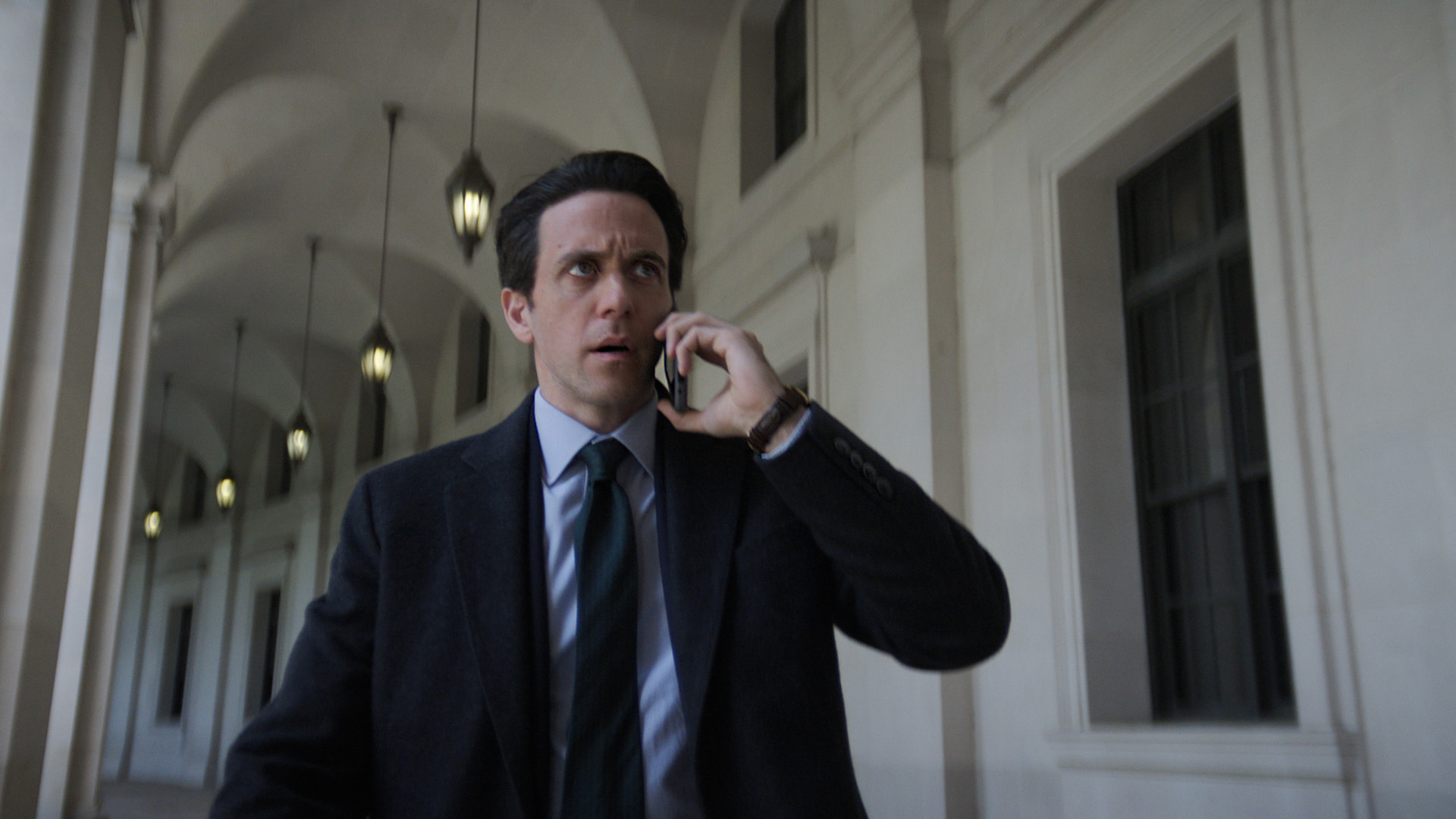
Center stage in this dark sci-fi drama are ambitious Congressman Daniel Keene (Ashley Zukerman) and journalist Helen Drew (Jessica Henwick), the pre-apocalypse duo we were first introduced to in Season 2's final episode.

In that scene, the handsome couple met on a first date in a Washington, D.C. restaurant in the aftermath of a dirty bomb that had irradiated the city.

Daniel and Helen play pivotal roles in "Silo's" elaborate conspiracy to save humanity, helping to orchestrate a colossal project in Georgia to build a controlled network of survival bunkers that will last centuries until the Earth somehow becomes habitable again after a mysterious calamity. Wait, that sounds familiar...

Zukerman and Henwick create a completely believable relationship as they’re reluctantly drawn into this mind-boggling plot to save the human race. We connected with them to learn details about cultivating their chemistry and intimacy on the show.

a man in a business suit talking on a cell phone

Ashley Zukerman as Daniel Keane in "Silo" Season 3 (Image credit: Apple TV)

"It's nothing we worked to generate; it was really just there from the beginning," Zukerman tells Space. "We hung out, and we certainly didn’t hang out for the purpose of building that chemistry. I think we got very lucky to find a teammate to be able to do that with."

"We share the same taste and work ethic," elaborates Zuckerman. "When you go on a journey that’s this big with someone, and we shot every day for four months together, we just always had each other’s backs, and there was an immense amount of unconditional respect and excitement. I’m not the kind of actor that could fake it."

Henwick discussed the complexities of her resourceful character and her expanded role in season 3 by exploring what she drew from to compose a layered Helen.

"It was my memory of working on the school newspaper when I was 14," she explains. "And also my natural inclination to ‘Spanish Inquisition’ everyone. I do feel quite an affinity to journalists. I always love to ask questions, and I want to know why and want to understand things. I’m really curious about the world. I didn’t feel like I had to generate much for Helen. I actually felt like she was very close to me."

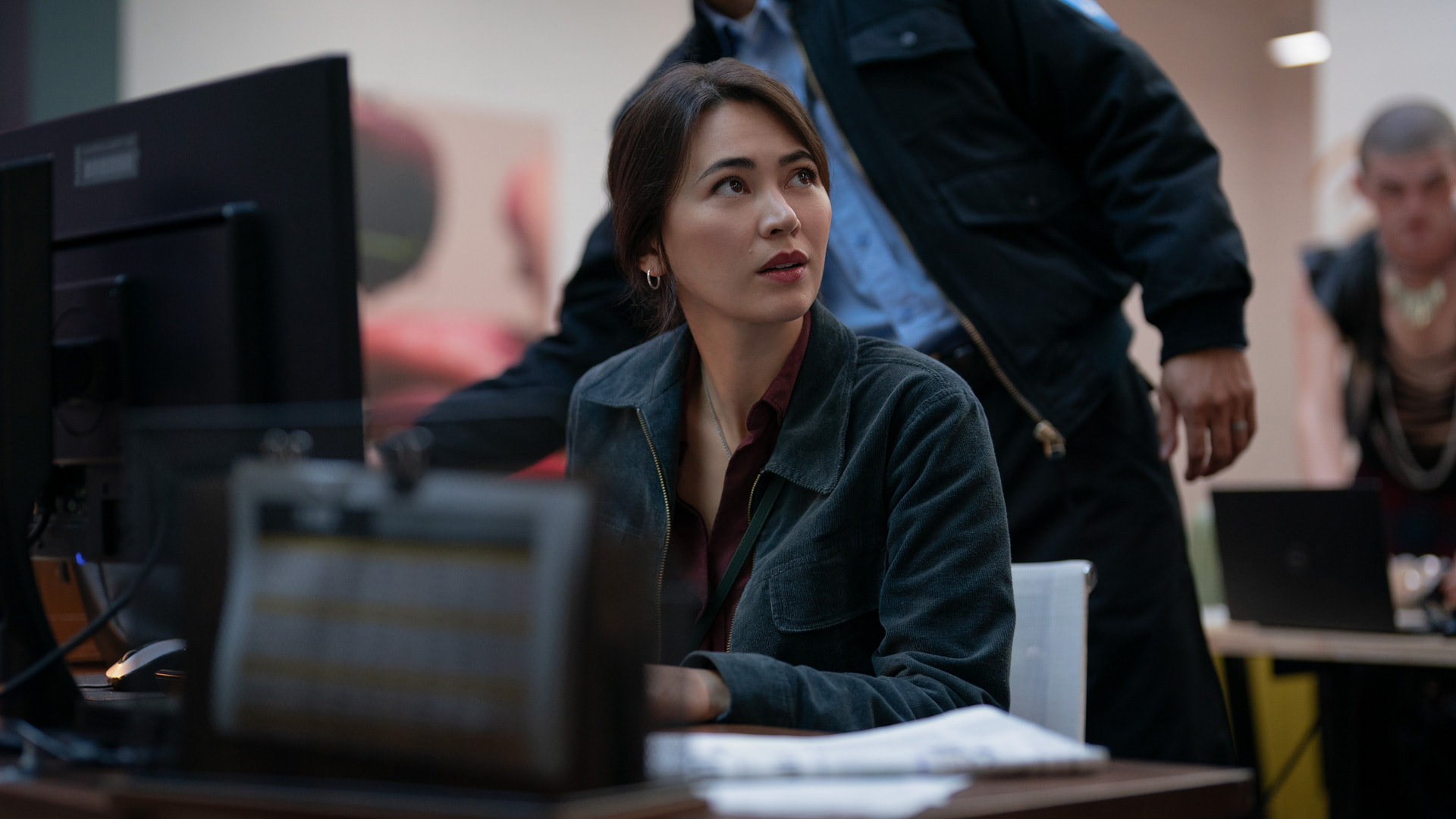
a woman sitting at a computer desk in an office

Jessica Henwick as Helen Drew in in "Silo" Season 3 (Image credit: Apple TV)

"Silo"'s impressive set design certainly helped the cast immerse themselves in the doomsday world of author Hugh Howey's dystopian novels and in this lavish Apple TV adaptation.

"I'm sort of a terrible guest to sets, especially if I'm a part of the production," Zukerman adds. "I have to remember to sit in wonder for a second at the scale of the operation. Usually I just try to live as the characters live. Then I'm so thankful that you actually get to live in a real space, especially in a sci-fi, which is not our real world.

"Where the drawers open and when you're looking at something, you're not looking at a blue screen or a green screen, you're actually able to experience life as close as you can within this alternate reality."

Likewise, Henwick absorbed "Silo's" immense scope and scale right from the start.

"I've done a lot of fantasy and sci-fi where I’m stuck in front of a green screen, or there's a tennis ball on a stick, and you have to follow it, and that's the spaceship," she shares. "It was nice to be on a show where so much of it was done practically. I remember the first day going to visit the stairs, and that blew my mind. It is a massive set, one of the biggest sets I've been on."

Executive produced by Graham Yost, “Silo” Season 3 is now streaming on Apple TV.

Watch Silo on Apple TV+:
Apple TV+: $12.99/month (7-day free trial)
Apple TV & Peacock Premium: $14.99/month

❌