❌

Normal view

The 10 best places in the UK to see the partial solar eclipse on Aug. 12

15 July 2026 at 17:00

On Aug. 12, 2026, skywatchers across the U.K. will experience a rare astronomical double-header: a deep partial solar eclipse before sunset followed, hours later, by the peak of the annual Perseid meteor shower. Although the path of totality will sweep from Greenland and Iceland to Spain, it will miss Britain entirely. However, the solar eclipse will still be dramatic, with up to 96% of the sun obscured for viewers in the far southwest.

This will be the U.K.'s deepest partial solar eclipse since 2015, and timing will be everything. The eclipse reaches its peak around 7:00-7:16 p.m. BST, with the sun hanging low above the west-northwest horizon as a narrowing crescent shortly before sunset. Because the sun will be relatively low, choosing the right location will matter far more than traveling huge distances. Coastal viewpoints, hilltops and open landscapes with unobstructed western horizons will offer guaranteed views β€” if the sky is clear.

The locations below prioritize another crucial factor: dark skies. While the eclipse will be visible almost everywhere in the U.K. and most will be happy to see it from close to where they live, the real reward comes after darkness falls, when the Perseids begin flashing across the sky. Find somewhere remote, stay overnight β€” ideally camp β€” and this could become one of the most memorable observing sessions of the year.

Eclipse timings and sightlines are from Xavier Jubier's Interactive Google Maps; cloud cover is from Time and Date, the figures reflect long-term climatological averages for mid-August, not weather forecasts. Bortle and sky quality meter (SQM) data come from the Light Pollution map.

During a partial solar eclipse, it is NEVER safe to look directly at the sun without solar eclipse glasses designed for solar viewing. Read our guide on how to observe the sun safely.

1. Hugh Town

Small boats rest on the sandy shore of a coastal village at low tide, with waterfront buildings and a partly cloudy sky in the background.

The Isles of Scilly will see the largest eclipse in the U.K. (Image credit: Westend61 via Getty Images)

Location: St. Mary's Island, Isles of Scilly, U.K.

Max eclipse: 96.4% at 7:16 p.m. BST

Sun position: 13Β° above west-northwest horizon

Eclipse window: 6:19-8:10 p.m. BST

Sunset: 8:49 p.m. BST

Light pollution: 3.2 Bortle/SQM 21.86

Cloud risk: 74%

The Isles of Scilly combine Britain's deepest partial eclipse with some of southern England's darkest skies. From Hugh Town and nearby west-facing beaches on St Mary's, the eclipsed sun will hang low above the Atlantic Ocean late in the day. Later that night, with minimal light pollution and broad sea horizons, the islands are an exceptional place to watch the Perseid meteor shower beneath pristine late-summer skies.

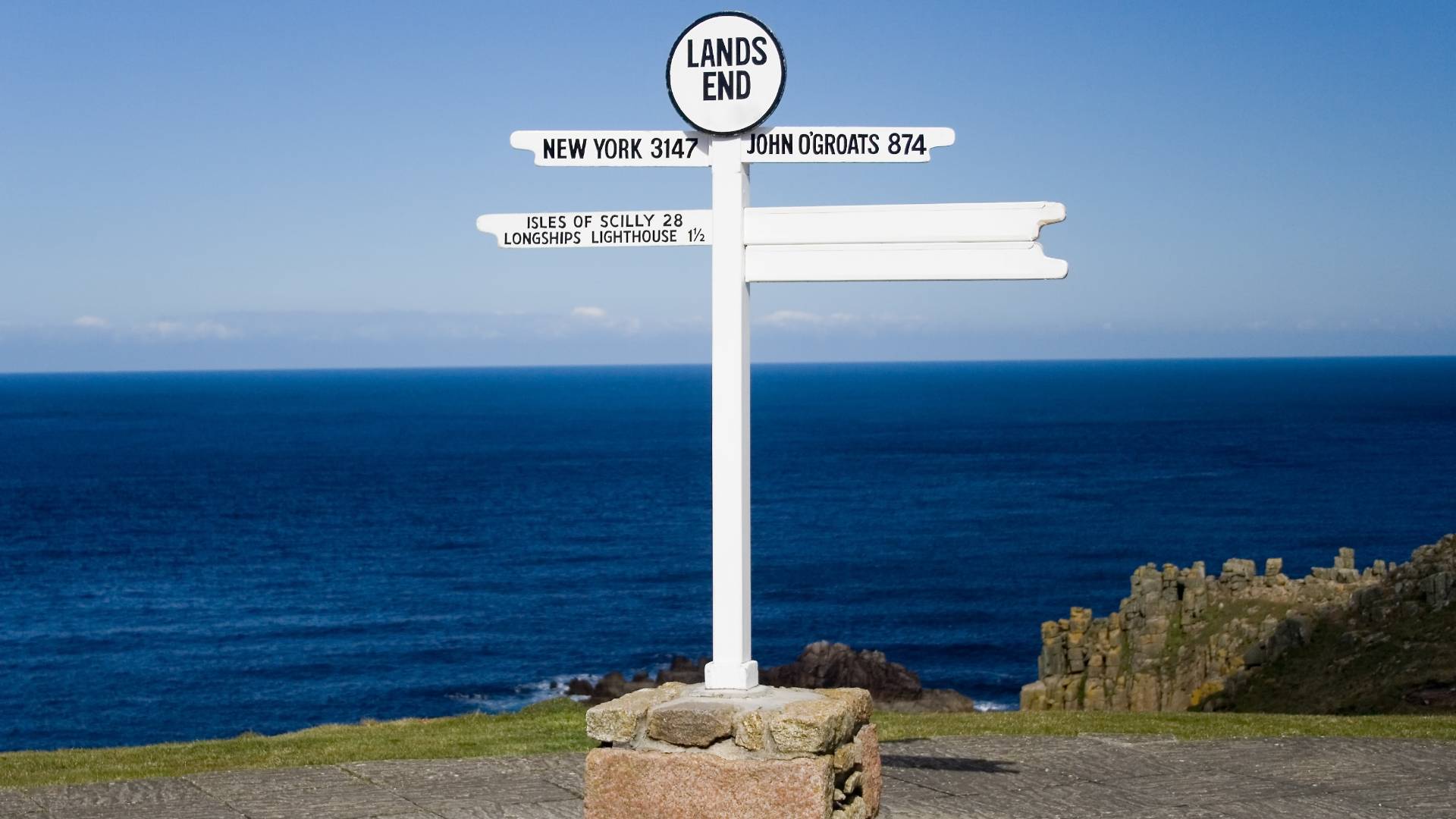
2. Land's End

White signpost at Land's End, England, shows distances to New York, John O'Groats, Isles of Scilly, and Longships Lighthouse, with blue sea and sky in the background.

Land's End will see one of the biggest eclipses on the U.K. mainland. (Image credit: PKM1 via Getty Images)

Location: Sennen, Penzance, England

Max eclipse: 95.9% at 7:16 p.m. BST

Sun position: 13Β° above west-northwest horizon

Eclipse window: 6:19-8:10 p.m. BST

Sunset: 8:47 p.m. BST

Light pollution: 3.1 Bortle/SQM 21.85

Cloud risk: 71%

Land's End is one of the best places on mainland Britain to watch the eclipse because of its vast Atlantic horizon and minimal obstruction toward the west-northwest. The sun will appear heavily eclipsed as it descends toward the ocean before sunset. After dark, the remote far-western location and low levels of artificial light make this region an outstanding destination for viewing the Perseid meteor shower.

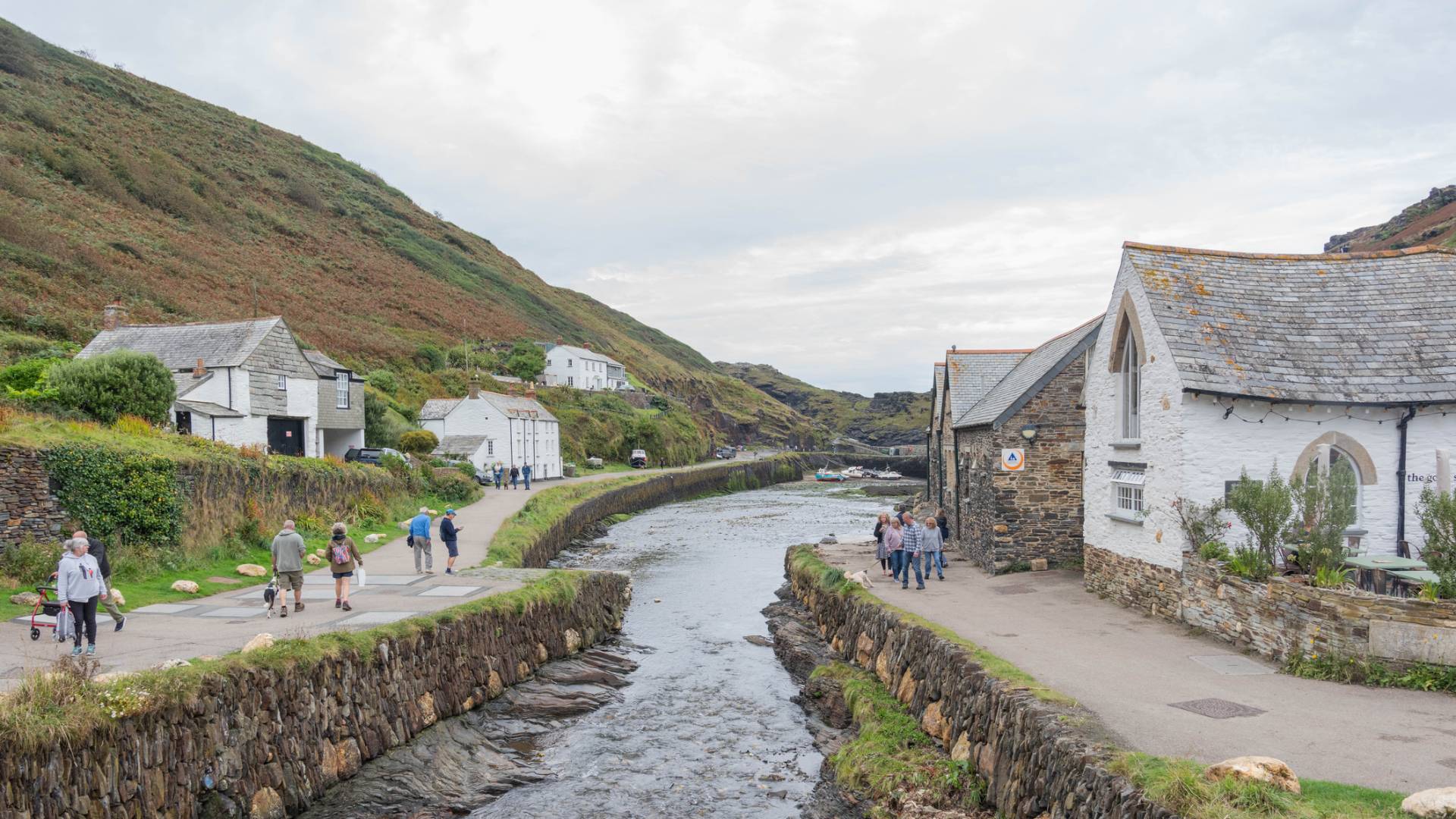
3. Boscastle

A narrow stream runs through a village with stone and white buildings on either side, set against a green hillside. People walk along the path beside the water under a cloudy sky.

Boscastle's River Valency valley will frame the eclipsed sun. (Image credit: Graham Custance Photography via Getty Images)

Location: Cornwall, England

Max eclipse: 94.7% at 7:15 p.m. BST

Sun position: 13Β° above west-northwest horizon

Eclipse window: 6:18-8:09 p.m. BST

Sunset: 8:45 p.m. BST

Light pollution: 4.0 Bortle/SQM 21.71

Cloud risk: 76%

Boscastle's narrow harbor and dramatic valley may create a natural frame for the eclipsed sun as it sinks toward the Atlantic. The village's northwest-facing coastline offers clear views toward the low evening eclipse, while the surrounding Cornish countryside remains relatively dark after sunset. Once twilight fades, the cliffs and headlands nearby become excellent places to watch for bright Perseid meteors.

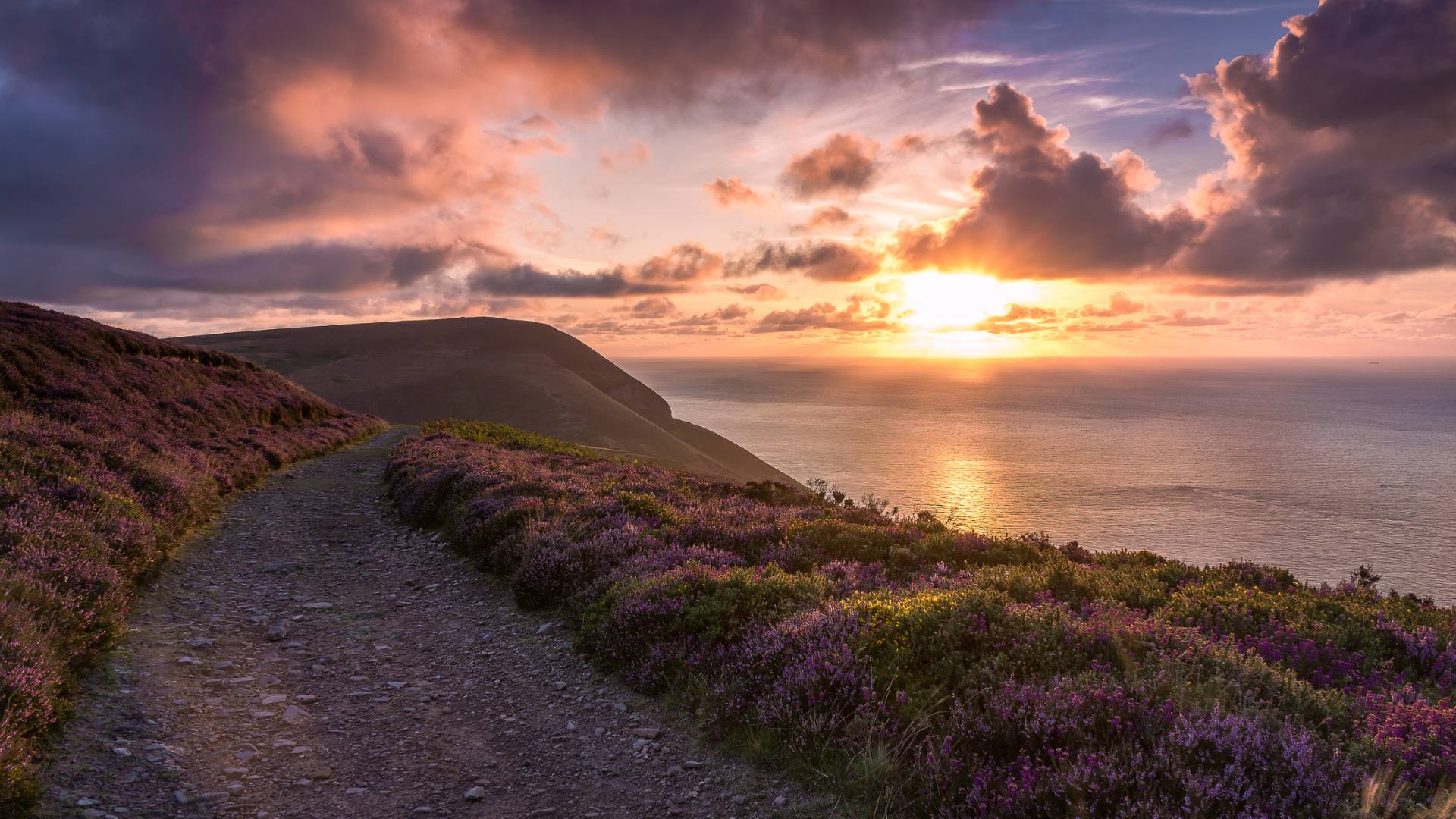
4. Exmoor Dark Sky Reserve

A dirt path winds through purple heather-covered hills, leading towards a dramatic sunset over the ocean, with golden sunlight reflected on the water and clouds tinged with orange and pink hues.

Exmoor Dark Sky Reserve is a great choice for an eclipse and the Perseids. (Image credit: Devon and Cornwall Photography via Getty Images)

Location: Exmoor National Park, Somerset and north Devon, England

Max eclipse: 93.7% at 7:14 p.m. BST

Sun position: 12Β° above west-northwest horizon

Eclipse window: 6:17-8:08 p.m. BST

Sunset: 8:42 p.m. BST

Light pollution: 3.9 Bortle/SQM 21.67

Cloud risk: 69%

Exmoor combines elevated moorland, dramatic coastline and protected dark skies, making it ideal for both the eclipse and the Perseids. Coastal viewpoints such as Valley of Rocks and Heddon's Mouth offer clear west-facing horizons for the low-eclipsed sun before sunset. Later that night, Exmoor's status as a Dark Sky Reserve makes it perfect for seeing bright Perseid meteors β€” and the Milky Way.

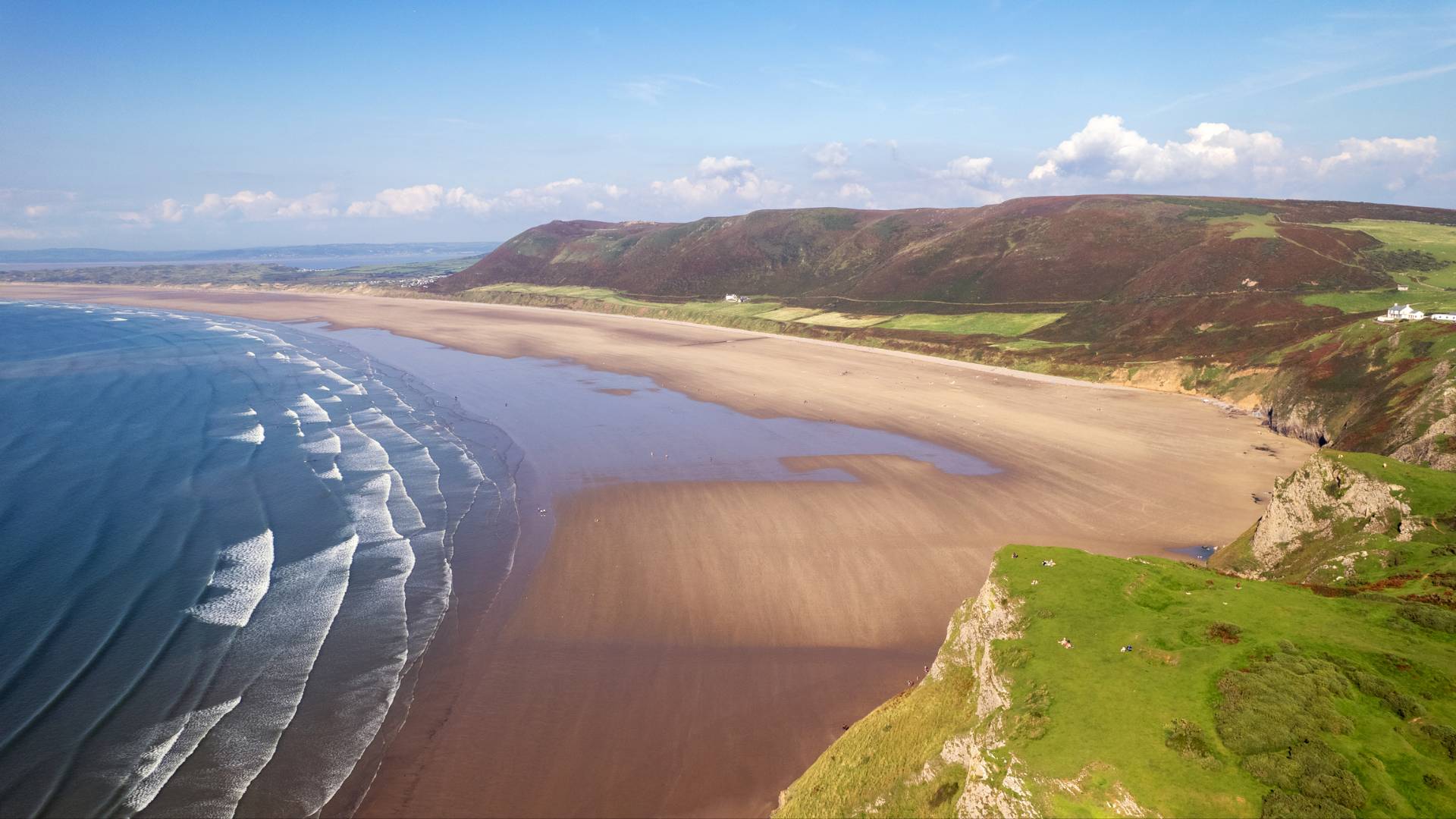
5. Rhossili Bay

A wide sandy beach stretches along the coastline with gentle waves lapping the shore, bordered by grassy green cliffs and rolling hills under a blue sky with scattered clouds.

Rhossili Bay in the Gower has a west-facing beach and dark skies at night. (Image credit: Chris Griffiths via Getty Images)

Location: Gower Peninsula, Swansea, Wales

Max eclipse: 93.8% at 7:13 p.m. BST

Sun position: 13Β° above west-northwest horizon

Eclipse window: 6:16-8:07 p.m. BST

Sunset: 8:46 p.m. BST

Light pollution: 4.0 Bortle/SQM 21.63

Cloud risk: 73%

Rhossili Bay's enormous west-facing beach and elevated clifftops make it ideal for watching a low eclipse unfold above the sea. Located on the Gower Peninsula, the area is a Dark Sky Community that retains relatively dark skies despite its popularity during the day. As darkness falls later that evening, the open coastal landscape provides excellent visibility for Perseid meteors.

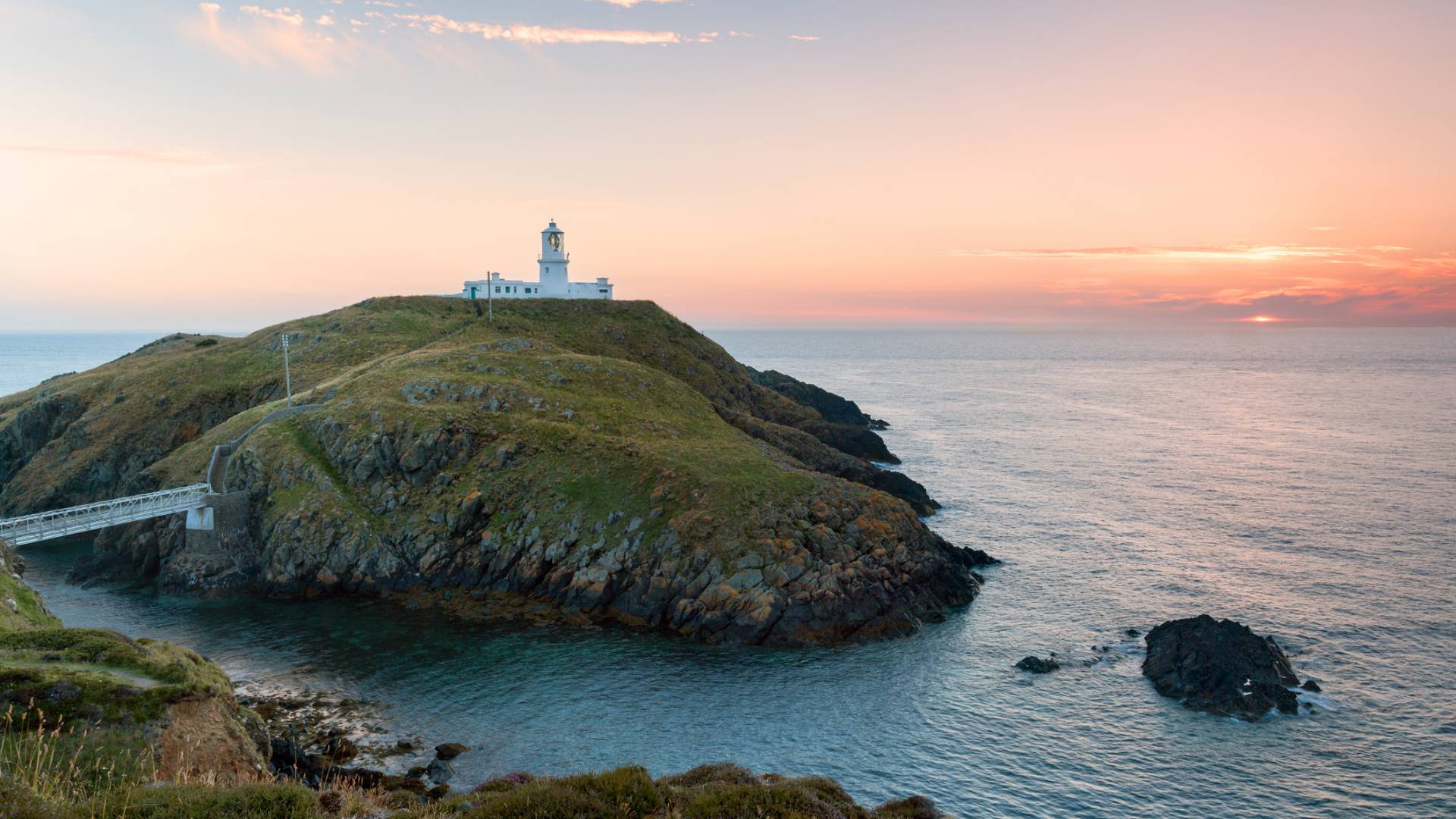
6. Strumble Head

A white lighthouse sits atop a grassy cliff overlooking the calm sea at sunset, with a footbridge connecting the island to the mainland and soft orange and pink hues in the sky.

Strumble Head in west Wales has a clear western horizon and dark skies. (Image credit: Andrea Ricordi, Italy via Getty Images)

Location: Pencaer, Pembrokeshire, west Wales

Max eclipse: 94.0% at 7:13 p.m. BST

Sun position: 14Β° above west-northwest horizon

Eclipse window: 6:15-8:07 p.m. BST

Sunset: 8:51 p.m. BST

Light pollution: 3.3 Bortle/SQM 21.84

Cloud risk: 70%

Strumble Head offers one of the clearest west-facing horizons in Wales, with the eclipsed sun appearing above the Irish Sea beside its iconic lighthouse. The remote Pembrokeshire coastline experiences very little artificial light, helping preserve dark skies after sunset. Once the eclipse ends, this rugged headland becomes an excellent place to watch the Perseids, with broad ocean views and little interference from nearby towns.

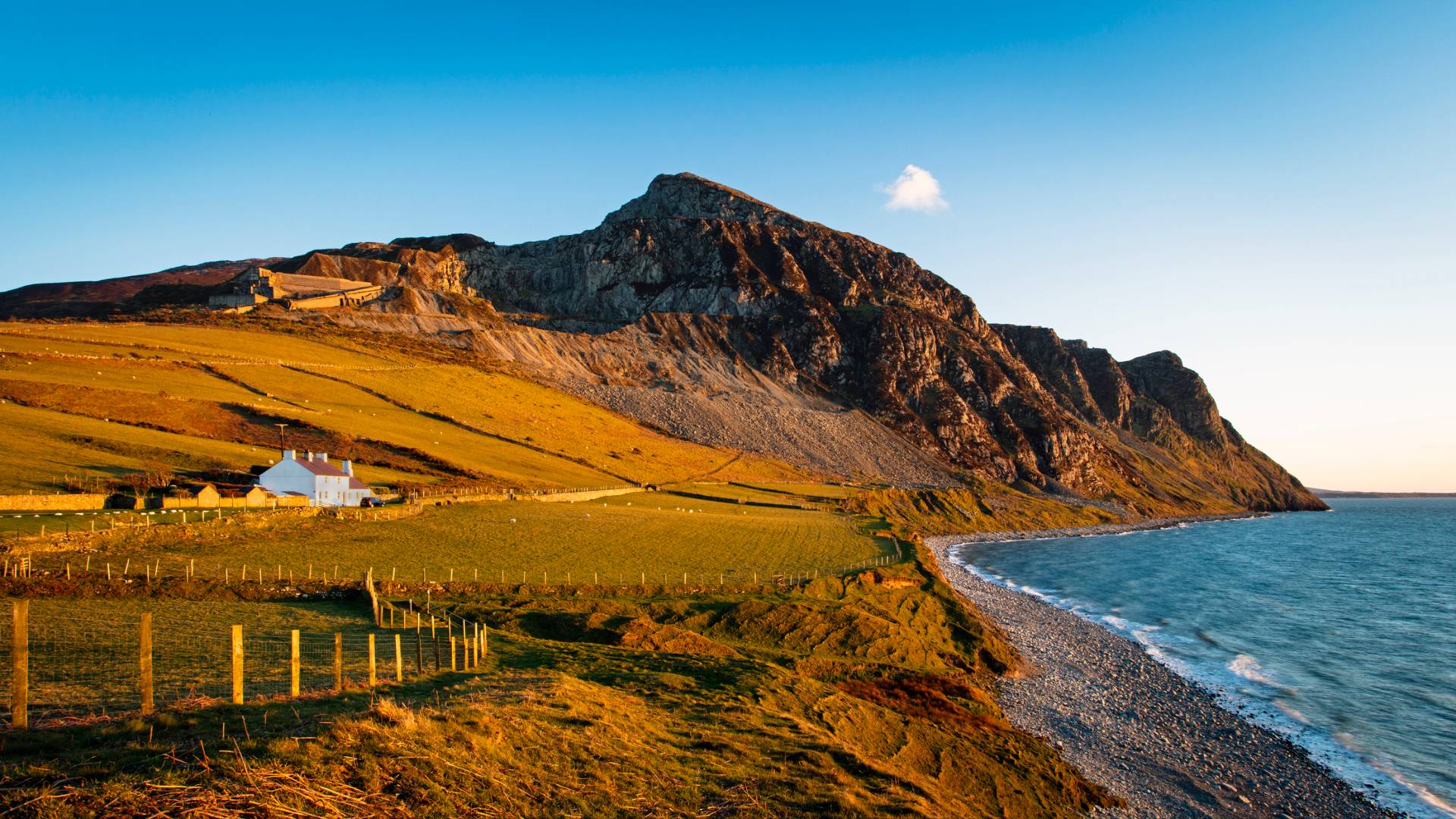
7. LlΕ·n Peninsula

A coastal landscape at sunset features rolling green fields, a white cottage, rocky cliffs, and a pebble beach bordering calm blue sea under a clear sky.

The remote Lleyn Peninsula is close to a Dark Sky Sanctuary. (Image credit: WLDavies via Getty Images)

Location: LlΕ·n Peninsula, Gwynedd, north Wales

Max eclipse: 93.3% at 7:11 p.m. BST

Sun position: 14Β° above west-northwest horizon

Eclipse window: 6:14-8:05 p.m. BST

Sunset: 8:52 p.m. BST

Light pollution: 2.9 Bortle/SQM 21.91

Cloud risk: 70%

The remote LlΕ·n Peninsula projects deep into the Irish Sea, offering expansive views toward the west-northwest horizon, where the eclipsed sun will appear before sunset. It is also one of the darkest regions in Wales, lying close to the protected skies of Ynys Enlli (Bardsey Island) Dark Sky Sanctuary. With minimal light pollution and wide rural vistas, the peninsula becomes a superb location for watching Perseid meteors later that same night.

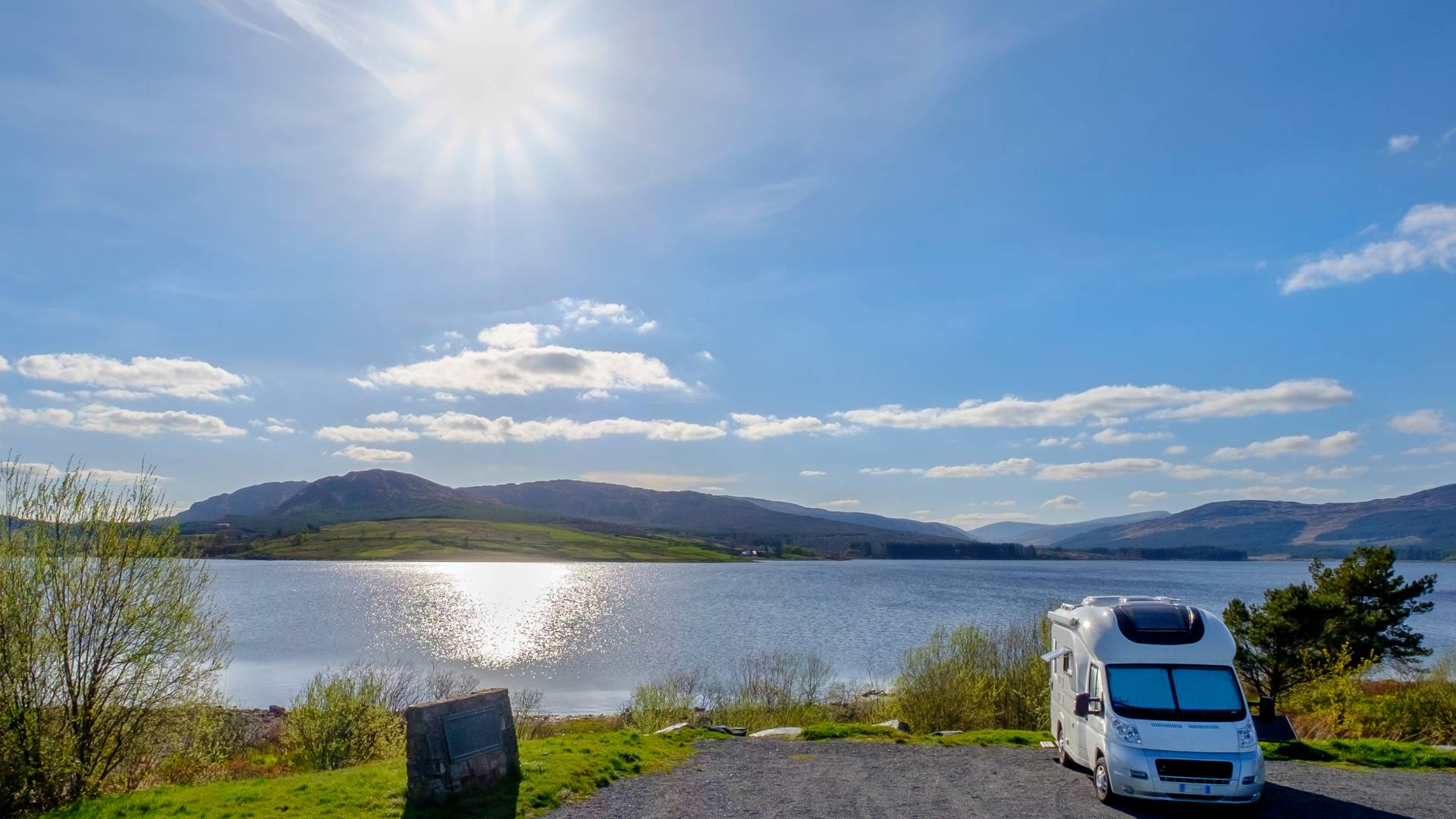
8. Galloway Forest Dark Sky Park

A white camper van is parked by a calm lake with hills in the distance, under a bright, sunny sky with scattered clouds and the sun reflecting on the water.

The shore of Clatteringshaws Loch in Galloway Forest Park. (Image credit: Flavio Vallenari via Getty Images)

Location: Galloway Forest Park, Dumfries and Galloway, Scotland

Max eclipse: 91.8% at 7:07 p.m. BST

Sun position: 14Β° above west-northwest horizon

Eclipse window: 6:10β€”8:01 p.m. BST

Sunset: 8:47 p.m. BST

Cloud risk: 85%

Galloway Forest Park was Britain's first Dark Sky Park and remains one of the country's premier stargazing destinations. Open western views around Clatteringshaws Loch, along with other viewpoints away from the forests, make it well-suited to the low evening eclipse. After twilight fades, exceptionally dark skies reveal the Milky Way in striking detail, creating near-perfect conditions for viewing the Perseid meteor shower in the early hours β€” if the sky is clear.

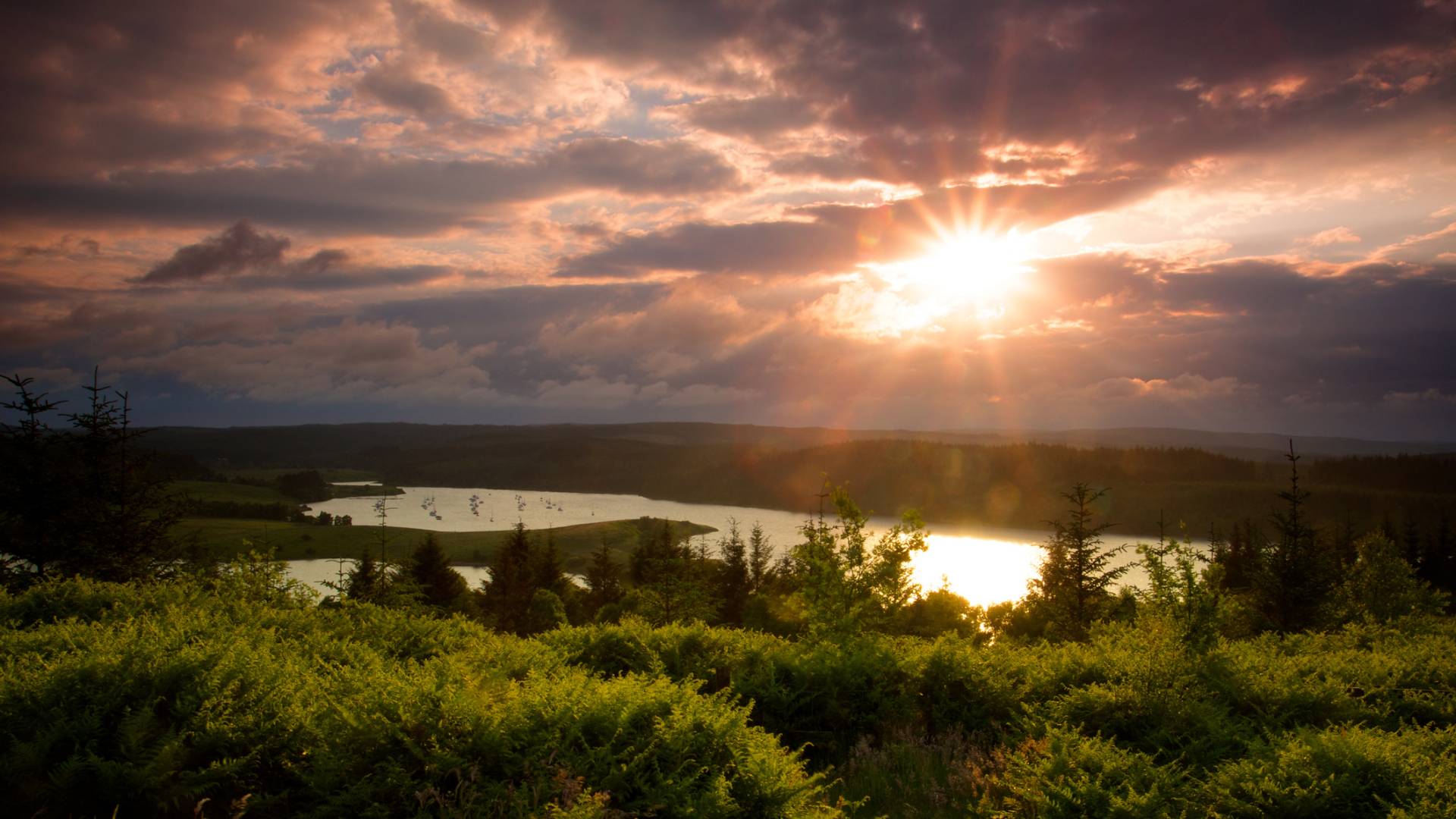
9. Northumberland Dark Sky Park

Sunset over a lush green landscape with a lake and trees; sunlight shines through dramatic clouds, casting warm light on the scene.

Sunset at Kielder Water in Northumberland. (Image credit: Paul Hayes via Getty Images)

Location: Northumberland National Park and Kielder Water & Forest Park, Northumberland, England

Max eclipse: 90.4% at 7:07 p.m. BST

Sun position: 13Β° above west-northwest horizon

Eclipse window: 6:10-8:00 p.m. BST

Sunset: 8:49 p.m. BST

Light pollution: 3.3 Bortle/SQM 21.82

Cloud risk: 90%

Northumberland's Dark Sky Park combines remote landscapes with some of England's darkest skies. Locations around Kielder Water and Northumberland National Park provide broad views toward the low west-northwest eclipse shortly before sunset. Later that night, the region becomes one of the finest places in Europe to watch the Perseids, with frequent views of the Milky Way and bright meteors overhead. Check for any events at Kielder Observatory.

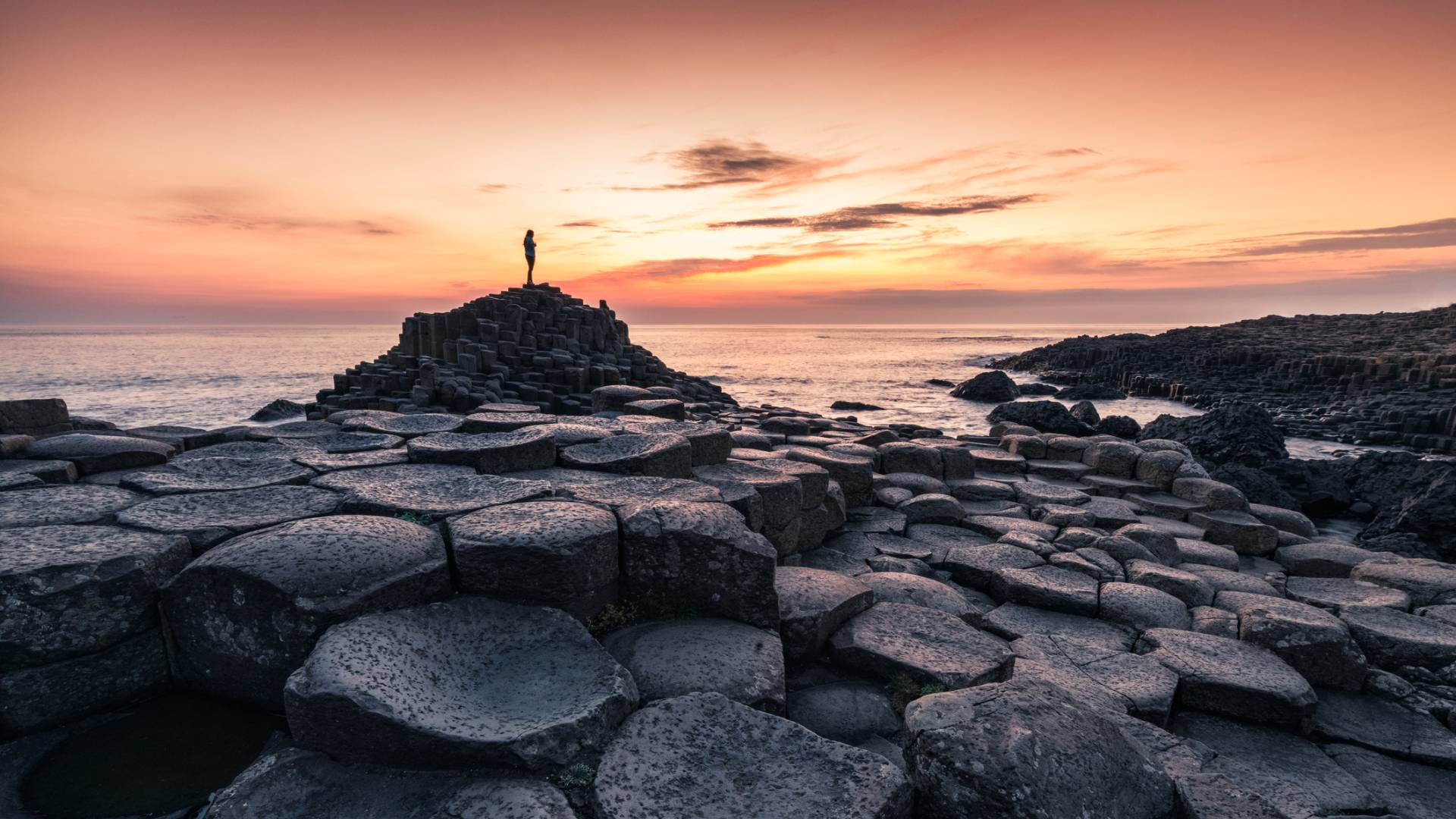
10. Giant's Causeway

A person stands atop the hexagonal basalt columns of Giant’s Causeway in Northern Ireland at sunset, with a colorful sky and calm sea in the background.

Giant's Causeway will have a great view of the eclipse. (Image credit: Francesco Vaninetti Photo via Getty Images)

Location: Bushmills, Northern Ireland

Max eclipse: 93.1% at 7:07 p.m. BST

Sun position: 16Β° above the west horizon

Eclipse window: 6:09-8:02 p.m. BST

Sunset: 9:31 p.m. BST

Light pollution: 4.2 Bortle/SQM 21.52

Cloud risk: 81%

The Giant's Causeway in Northern Ireland offers a spectacular foreground for the eclipse, with the sun appearing low above the Atlantic beyond the famous basalt columns. Although the skies here are not as dark as in some rural parks, the north Antrim coastline still experiences relatively modest light pollution. Nearby coastal viewpoints and beaches provide good conditions for watching Perseid meteors later that night beneath expansive northern skies.

The biggest skywatching day of 2026 is coming. Here's what you'll see in North America and Europe

14 July 2026 at 13:00

Sometimes weeks go by without anything notable happening in the sky. Then along comes something spectacular, like a total solar eclipse, the peak of a major meteor shower or a bright planet reaching a landmark moment in the evening sky. On Wednesday, Aug. 12, 2026, all three occur almost simultaneously. As a bonus, if you are under a dark sky for the Perseids, the Milky Way's bright central regions will stretch across the southern sky by around midnight.

Exactly what you'll see of the eclipse depends on where you are on Earth. From within a narrow 180-mile-wide path of totality across eastern Greenland, western Iceland and northern Spain, a total solar eclipse will briefly turn day into night for lucky locals and intrepid eclipse chasers. Across the U.K., millions will see a partial eclipse of the sun, ranging from 90% to 95%. Across Europe and northwest Africa, an equally deeply eclipsed sun will peak at sunset, creating a truly strange sight. Minutes later, brilliant Venus reaches dichotomy β€” appearing exactly half-lit in telescopes, while to the naked eye it blazes at magnitude -4.4 in the western twilight. A few hours later, the annual Perseid meteor shower reaches its peak.

Wherever you are, there will be something worth looking at. Here's exactly what will happen, where and when, depending on where you are (times are from Time and Date).

Iceland or Greenland: a total solar eclipse … and aurora?

If you've traveled to (or live in) western Iceland, or you're booked on an expedition cruise ship on Aug. 12, you're in for a treat. The point of maximum eclipse β€” 2 minutes 18 seconds β€” is off the coast of Iceland, accessible by ship, but likely not by many. It's possible that expedition ships in the lower reaches of Scoresby Sund, Greenland, will experience the most totality, with 2 minutes 17 seconds possible at 4:36 p.m. WGST, with the eclipse 25 degrees above the west-southwest. Here, the sun will set at 10:15 p.m., with the darkest time about 12:50 a.m. β€” there is no truly dark night, just all-night civil twilight. That makes the Perseids and aurora unlikely to be seen even if they're present. Ditto Venus β€” Greenland is too far north.

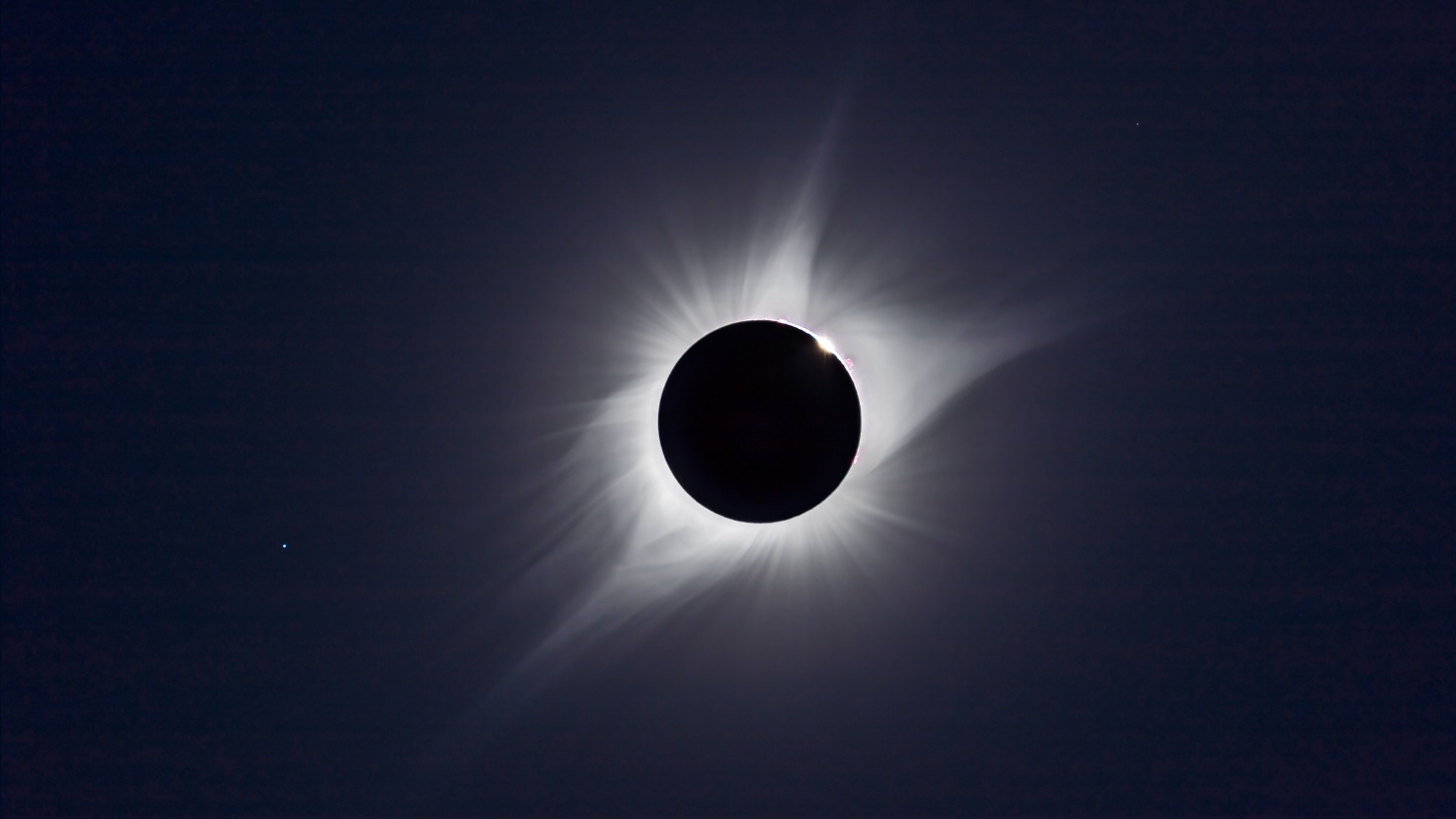
total solar eclipse, the sun is covered by the moon and a striking white halo is visible around the moon - the sun's outer atmosphere, the corona.

Parts of Greenland, Iceland and Spain will see a total solar eclipse on Aug. 12. (Image credit: Alan Dyer/Stocktrek Images via Getty Images)

In Iceland, totality will begin between 5:43 and 5:50 p.m. GMT, depending on the exact location. It will last longest in regions farthest west, with 2 minutes 13 seconds at LÑtrabjarg in the remote Westfjords (5:44 p.m.) and 2 minutes 10 seconds at the westernmost coast of Snæfellsnes Peninsula (5:45 p.m.). The eclipse will be 25.5 degrees above the west-southwest. The sun will set at 9:53 p.m. in Reykjavík, with the darkest window from 11:00 p.m. to 4:00 a.m. (and the darkest time 1:30 a.m.). That makes Perseids and aurora possible — though summer twilight often limits visibility. However, Venus will not be visible after sunset.

Spain: Totality, Venus and the Perseids

For anyone within Spain's path of totality, Aug. 12 promises to be one of the greatest days of skywatching imaginable. The main event comes late in the day as the moon completely covers the sun. In parts of northern and eastern Spain, totality will occur with the sun hanging low above the western horizon, creating one of the most photogenic eclipse scenarios of the century.

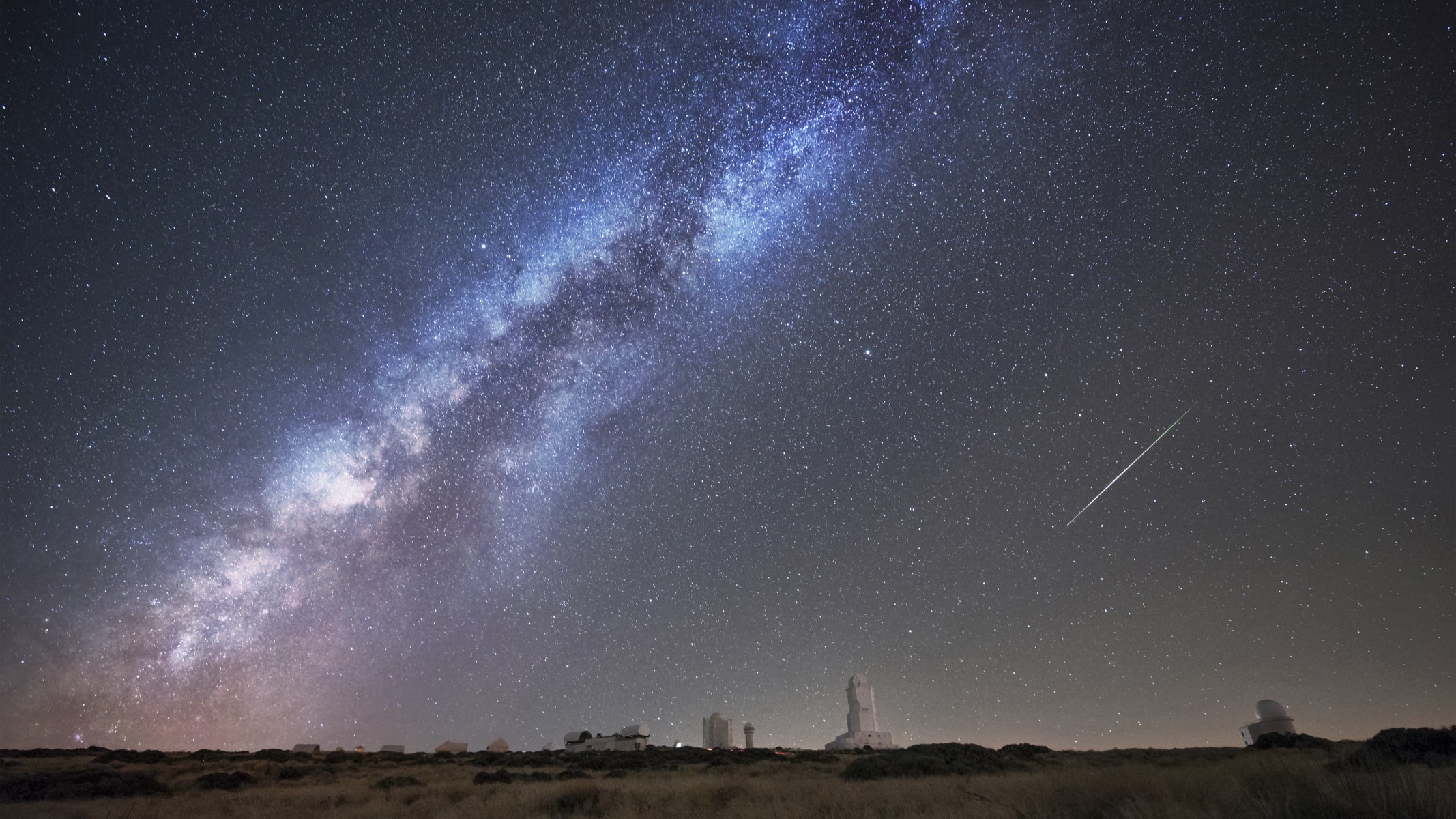
night sky landscape image with milky way stretching across the sky and a meteor streaking in the center right

From Spain, the Perseid meteor shower and Milky Way views beckon after the eclipse. (Image credit: Westend61 via Getty Images)

In Spain, totality will begin between 8:26 and 8:33 p.m. CEST, depending on the exact location. Its maximum duration in Spain will last longest in regions farthest northwest, with 1 minute 50 seconds at Playa de la Escaladina in Galicia (8:26 p.m.), where the eclipse will be 11 degrees above the west-northwest. It will be at its shortest, at 1 minute 36 seconds, at Bellavista, Mallorca, one of the Balearic Islands (8:31 p.m.). The eclipse will be just a couple of degrees above the west-northwest. The sun will set at 9:16 p.m. in Madrid, with a dark night from around midnight through 4:40 a.m. CEST. The darkest part of the night β€” and the point when the radiant point Perseus will be high above the horizon β€” will be around 02:00 a.m. CEST.

Unless there's a whopping solar storm (unlikely), concentrate on the Perseid meteor shower, rather than hoping for aurora. Light pollution is irrelevant for a total solar eclipse, but if you've cross-referenced your eclipse-viewing sight with a Light Pollution Map, you'll be in Bortle 4 skies in rural Spain, ready for a potentially unforgettable Perseids (the solar eclipse means by definition that it's taking place at new moon, after all). Under rural Spanish skies, particularly in dark-sky regions away from towns and cities, observers could see 30 to 50 meteors per hour, with occasional bursts producing even more.

It might be wise to have an afternoon nap before the eclipse β€” it could be a long, exciting night if skies are clear.

U.K: Deep eclipse, Venus and the Perseids

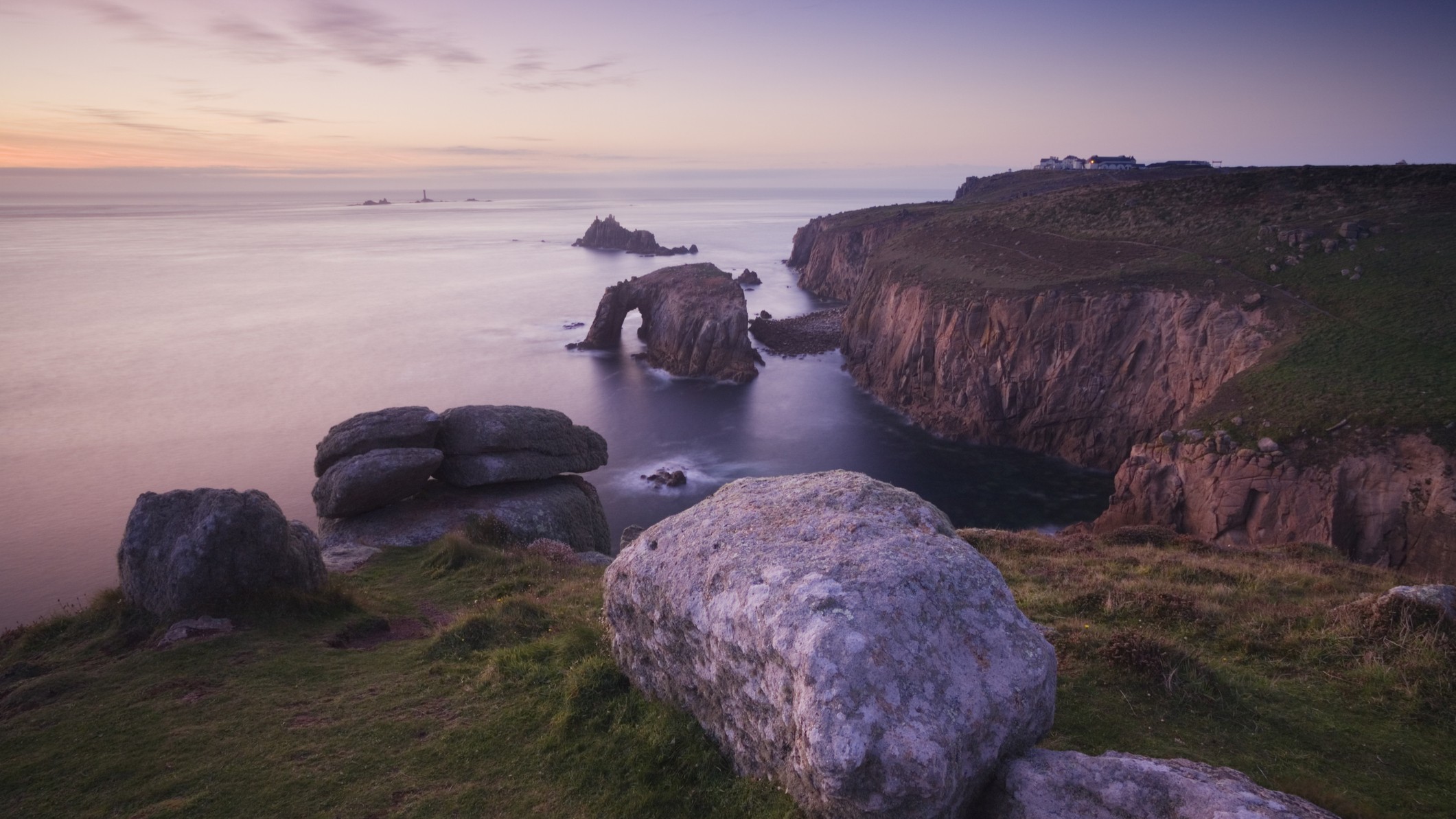
The path of totality misses Britain entirely, but Aug. 12 will still be a remarkable day. Across most of the U.K., more than 90% of the sun will be covered by the moon, with maximum eclipse shortly after 7 p.m. BST. The sun will hang low above the west-northwest horizon as a narrowing crescent, so the best locations will be coastal viewpoints, hilltops and open landscapes with clear western horizons. London, Manchester and Glasgow all experience about 91% coverage, while Cardiff reaches 93%. The deepest eclipse will be seen in the far southwest, with 96% coverage in the Isles of Scilly and almost 96% at Land's End in Cornwall.

striking cliffs meet the sea. there is a rock with an arch.

The U.K. gets a deep partial eclipse (at its deepest at Land's End on the mainland), Venus and the Perseids (Image credit: James Osmond via Getty Images)

Although it will not become as dark as during totality, observers may notice a subtle drop in temperature and a strange dimming of the landscape. Shadows will soften, colors will become muted, and daylight will take on an unusual quality that many first-time eclipse watchers find surprising.

Once the eclipse ends, Venus becomes the next target. Look west after sunset for the dazzling Evening Star. Venus is only days from its greatest elongation and near its best evening appearance of 2026, making it hard to miss. Even a small telescope will reveal its half-lit phase. The Perseids will then peak during the early hours of Aug. 13.

Western Europe: Eclipsed sunset, Venus and the Perseids

sunset scene with people on gondolas on canals of Venice as the sky glows golden.

Venice will see one of the most dramatic sunset eclipses visible anywhere this decade on Aug. 12. (Image credit: Gary Yeowell via Getty Images)

For millions of people across Western Europe, Aug. 12 offers a slightly different spectacle. Instead of totality or a partial eclipse in late afternoon, many locations will witness a deeply eclipsed sun setting below the horizon. An eclipsed sunset is surprisingly rare, and particularly one this deep. In some places, more than 90% of the sun will be obscured as it approaches the horizon, creating a dramatic crescent-shaped sunset. In places such as Corsica, the Ligurian coast, Venice, the Alps and parts of central Europe, photographers will have the chance to capture one of the most dramatic sunset eclipses visible anywhere this decade.

With Venus visible across Europe after sunset, as well as the Milky Way and the Perseids peak, Aug. 12 will effectively become an all-night astronomy festival across Europe.

North America: Partial eclipse, Venus and the Perseids

The total solar eclipse β€” and a deep partial eclipse β€” may belong to Europe, but North America gets its own small version of the event. A partial solar eclipse will be visible from Alaska to New England, touching 26 U.S. states and every Canadian province. While the eclipse is modest compared with North America's recent total eclipses, millions of people will still be able to participate in the global event.

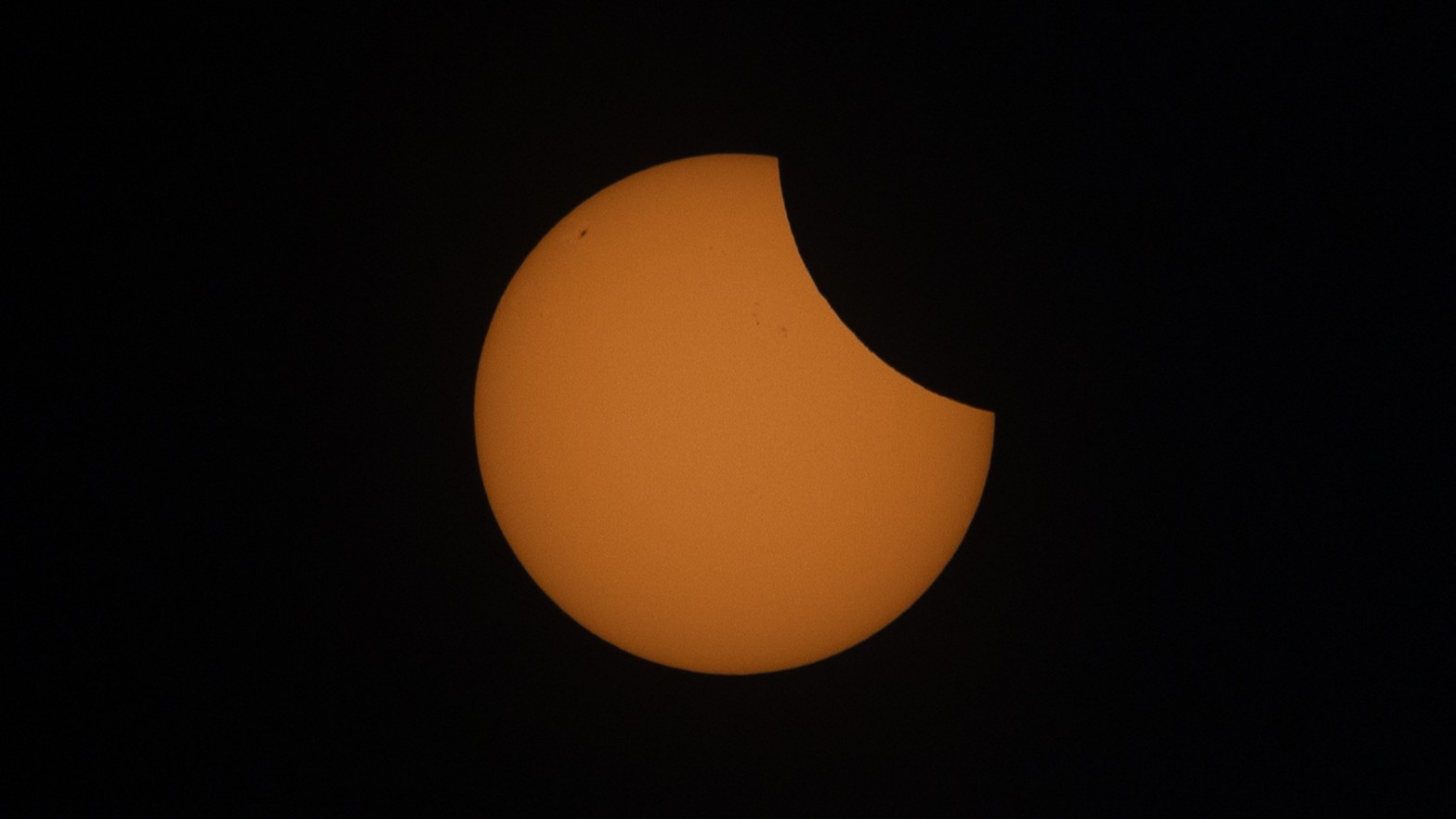
a partially eclipses sun with the upper right portion appearing missing, it is actually just being covered by the moon.

The U.S. gets a small partial eclipse, then views of Venus and the Perseids. This photo shows a partial solar eclipse from Saint Petersburg, Russia, on March 29, 2025. (Image credit: Photo by Sergei Mikhailichenko/Anadolu via Getty Images)

The deepest U.S. eclipse occurs in Alaska, where Fairbanks will see about 37% of the sun covered and Anchorage almost 28% (8:21 a.m. AKDT). In the Northeast, Maine gets the best view, with about 28% obscuration (1:50 p.m. EDT), while Boston sees 16% (1:55 p.m. EDT) and New York City about 10% (1:54 p.m. EDT). In Canada, the eclipse becomes considerably more impressive. Iqaluit, Nunavut, will see 61% of the sun covered (1:24 p.m. EDT), while St. John's, Newfoundland, will experience more than half of the sun obscured (3:35 p.m. NDT). Every Canadian province will see at least some part of the eclipse. Remember that eclipse glasses are still essential, even for small partial eclipses.

If you're looking for a telescope or binoculars to make the most of these incredible skywatching events, our guides for the best binocular deals and the best telescope deals are here to help. Interested in capturing the night sky? Check out our best cameras for astrophotography and best lenses for astrophotography.

1 month until the total solar eclipse 2026 β€” Here's what you need to know

One month from today, millions will turn their eyes to the skies for one of the most anticipated skywatching events of the year: the total solar eclipse on Aug. 12, 2026.

The eclipse will sweep across parts of Greenland, Iceland and Spain, briefly turning day into night for those lucky enough to be within the narrow path of totality.

It's been a long time coming for European skywatchers, as the event marks Europe's first total solar eclipse since 1999.

Where can I see the total solar eclipse?

If you're hoping to experience totality, now is the time to finalize your plans. The path of totality crosses Greenland, Iceland and northern Spain, with maximum eclipse lasting up to 2 minutes and 18 seconds.

map showing the path of totality across the coast of iceland
Path of totality over Iceland.Created using MapHub.net. Source: Esri, Maxar, GeoEye, Earthstar Geographics, CNES/Airbus DS, USDA, USGS, AeroGRID, IGN, and the GIS User Community
map showing the maps of totality across northern spain.
Path of totality over Spain.Created using MapHub.net. Source: Esri, Maxar, GeoEye, Earthstar Geographics, CNES/Airbus DS, USDA, USGS, AeroGRID, IGN, and the GIS User Community
map showing the entire path of totality - it shows where the total solar eclipse is visible from Greenland, iceland and spain.
Entire path of totality. From Greenland through Iceland and Spain. Created using MapHub.net. Source: Esri, Maxar, GeoEye, Earthstar Geographics, CNES/Airbus DS, USDA, USGS, AeroGRID, IGN, and the GIS User Community

Spain is expected to be one of the most popular destinations thanks to its favorable weather prospects, though it's not without a catch! Viewers will need to secure a clear view of the western horizon because the eclipsed sun will sit very low in the sky during totality.

Notable locations and timings of totality

Location

Totality duration

What time?

Sun height

Scoresby Sund, Greenland

1 minute, 46 seconds

4:35 p.m. CGST

24 degrees above west

Reykjavik, Iceland

1 minute, 1 second

5:48 p.m. GMT

25 degrees above west

Snæfellsjâkull National Park, Iceland

2 minutes, 10 seconds

5:45 p.m. GMT

25 degrees above west

GijΓ³n, Spain

1 minute, 46 seconds

8:26 p.m. CEST

10 degrees above west-northwest

A CoruΓ±a, Spain

1 minute, 15 seconds

8:27 p.m. CEST

12 degrees above west-northwest

Palencia, Spain

1 minute, 42 seconds

8:29 p.m. CEST

9 degrees above west-northwest

Burgos, Spain

1 minute, 44 seconds

8:28 p.m. CEST

8 degrees above west-northwest

Segovia, Spain

54 seconds

8:31 p.m. CEST

8 degrees above west-northwest

SigΓΌenza, Spain

1 minute, 38 seconds

8:30 p.m. CEST

7 degrees above west-northwest

Mallorca, Balearic Islands, Spain

1 minute, 36 seconds

8:31 p.m. CEST

2.7 degrees above west-northwest

Will I see the eclipse from where I live?

Not inside the path of totality? Don't worry. A spectacular partial solar eclipse will be visible across much of Europe, with more than 90% of the sun covered from locations including London, Paris and Dublin.

Location

% of sun's disk covered

New York City

9%

St. John's, Newfoundland, Canada

53%

Nuuk, Greenland

79%

Oslo, Norway

83%

Berlin, Germany

84%

London, U.K.

91%

Paris, France

92%

Tangier, Morocco

92%

Dublin, Ireland

94%

Lisbon, Portugal

94%

Nice, France

95%

Madrid, Spain

99.96%

Barcelona, Spain

99.82%

If you're still deciding where to watch, we have several guides on the best viewing locations close to popular Spanish holiday destinations, the best Spanish beaches, and the best places to view the eclipse overall.

How we will be covering the eclipse

Over the coming weeks, Space.com will bring you everything you need to prepare for eclipse day. We'll publish viewing guides, safety advice and information on how to watch the eclipse online.

Closer to the event, we'll launch a dedicated live blog covering the latest eclipse news and insights from our reporters in the field.

Skywatching Editor Daisy Dobrijevic will join an eclipse expedition to Greenland with HX, while Skywatching Writer Anthony Wood will travel to northern Spain with the DEB initiative and citizen scientists to report firsthand from the path of totality.

These rare glowing 'space clouds' are summer's best-kept skywatching secret

10 July 2026 at 17:03

Should stargazers also be cloudspotters? Everyone knows clouds are the first thing you see as soon as you get under a dark sky or buy a new telescope β€” it's almost guaranteed! However, by early July, I usually start actively looking for a special kind of noctilucent or "night shining" cloud β€” and they can be a magnificent sight to rival anything celestial.

At its core, the search for these so-called "space clouds" is the flip side of the seemingly never-ending twilight in July in mid-northern latitudes of the Northern Hemisphere. You wait all winter for tolerable temperatures, then summer arrives and the night sky never properly commits to darkness. At my latitude, the northern horizon glows all evening in early-to-mid July like somebody forgot to turn the sun off completely. Serious stargazing gets harder as even bright constellations seem washed out by lingering light.

Cue noctilucent clouds. Peer at the northern sky during twilight between late May and August, and you may see strange silver-blue ripples. Delicate yet bright, they can look artificial β€” thin electric-blue strands stretched across twilight, with a texture like smoke. They seem entirely detached from the normal atmosphere.

Noctilucent clouds are an accident. They are caused by sunlight striking ice crystals roughly 50 miles above Earth, near the edge of space, where ice crystals can only form under extremely cold conditions. They exist so high in the mesosphere β€” a layer of Earth's atmosphere above the stratosphere and below the thermosphere β€” that they continue to glow long after sunset, because the sun is still shining on them even though it has set as seen from beneath.

Water vapor should not exist in the mesosphere, a dry layer on the edge of space. Yet under the right conditions, trace amounts of water vapor can freeze onto tiny particles, creating the ice crystals that make noctilucent clouds possible.

While greenhouse gases warm the Earth's surface, they cool the mesosphere, allowing the increased moisture to freeze. There is growing evidence that changing upper-atmosphere conditions and increasing atmospheric moisture may be affecting how often noctilucent clouds appear and how far south they are seen.

Perversely, noctilucent clouds arrive exactly during the brightest weeks of the year, when many stargazers are complaining that there is nothing worth observing. Cloudspotting on summer nights was probably not on your stargazing wishlist when you started, but for some of us, the chance of noctilucent clouds is all we have for a few weeks. See them once, and they'll fast become a seasonal delight you'll wait all year for.

What's happening and when to look

tree silhouette against backdrop of noctilucent clouds shining bright high in the summer sky.

Noctilucent clouds can appear just after sunset and just before sunrise. (Image credit: Alan Dyer/Stocktrek Images via Getty Images)

If you want to search for noctilucent clouds this week, look north about an hour to two hours after sunset, or before sunrise, during deep twilight when the sky is dark except in the extreme north. July is prime season across northern latitudes, including much of the U.K., northern Europe, Canada and the northern U.S. You do not need total darkness.

The key is a clear northern horizon. Noctilucent clouds usually appear low in the sky as pale blue, silver or sometimes faintly gold ripples and filaments. Beginners often mistake them for illuminated cirrus clouds at first, but ordinary clouds darken after sunset. Noctilucent clouds keep glowing with an oddly cold brightness.

How and when I'm watching it

Woman takes pictures with smartphone of noctilucent clouds on the river bank at night

Noctilucent clouds glow because they remain sunlit long after sunset.Β  (Image credit: Svetlana Repnitskaya via Getty Images)

You wouldn't typically go out on a special trip to see noctilucent clouds β€” it's too much of a long shot (though if they're sighted one night, going out the following night is a good idea). Instead, I have developed a habit of checking the northern horizon obsessively every clear July evening before bed. If I'm lucky, I'll pause if the twilight looks suspiciously textured. Noctilucent clouds don't hang around for long β€” they reward attentiveness more than planning. You don't need telescopes or even dark-adapted eyes, just a willingness to keep looking north during a season when many astronomy enthusiasts assume nothing interesting is happening.

Stargazer's corner: July 10-17, 2026

night sky graphic showing the moon shining above mars with the Pleiades to the upper right.

See a crescent moon and the Pleiades on July 11. (Image credit: Starry Night)

The real challenge in July is not moonlight but the simple fact that darkness never fully settles at northern latitudes. This week, the moon wanes toward new, creating some fabulous opportunities for anyone crazy enough to get up very early. The prime moment is about 80 minutes before sunrise on July 11, when you can glimpse a 15%-illuminated waning crescent moon curled up to the Pleiades open cluster (M45), with Mars and red supergiant star Aldebaran below. For something more leisurely, look west after sunset on July 17 to see the exact opposite sight β€” a 15%-illuminated waxing crescent moon close to Venus. Put a telescope on Venus itself, and you'll see that it's now a 60%-lit gibbous shape as it gets closer to Earth.

Constellation of the week: Cassiopeia

night sky graphic showing constellation cassiopeia in the night sky.

Find the W-shape of the constellation Cassiopeia. (Image credit: E. Slawik/NOIRLab/NSF/AURA/M. Zamani)

Cassiopeia becomes especially useful during the noctilucent cloud season because it remains visible above the northern horizon throughout summer twilight. It's a familiar W-shape that cuts through even bright skies surprisingly well. It's a circumpolar constellation, so it always sits opposite the Big Dipper, forming two distinctive shapes permanently wheeling around Polaris, the North Star.

My latest stargazing obsession

starry sky reflected in a small body of still water below.

Look for reflections of stars in puddles. (Image credit: Jamie Carter)

I'm always on the lookout for puddles. The dark skies coming this week will be a fabulous time to photograph nightscapes, including the Milky Way, but composition is everything. The night sky reflected in still water can look more dramatic than the sky itself because reflections compress and simplify structure. If I'm under a dark sky (or even in twilight) with a camera, I actively search for reflective surfaces β€” parked car roofs, wet pavements, ponds and puddles. Stargazing teaches you that observing is not always about pointing higher into the sky. It's often just as much about noticing how Earth participates in the view.

The moon, Mars and the Pleiades form a stunning lineup before dawn on July 11. Here's how to see it

10 July 2026 at 14:00

Before dawn on July 11, early risers will be treated to a striking celestial scene low in the east-northeast sky.

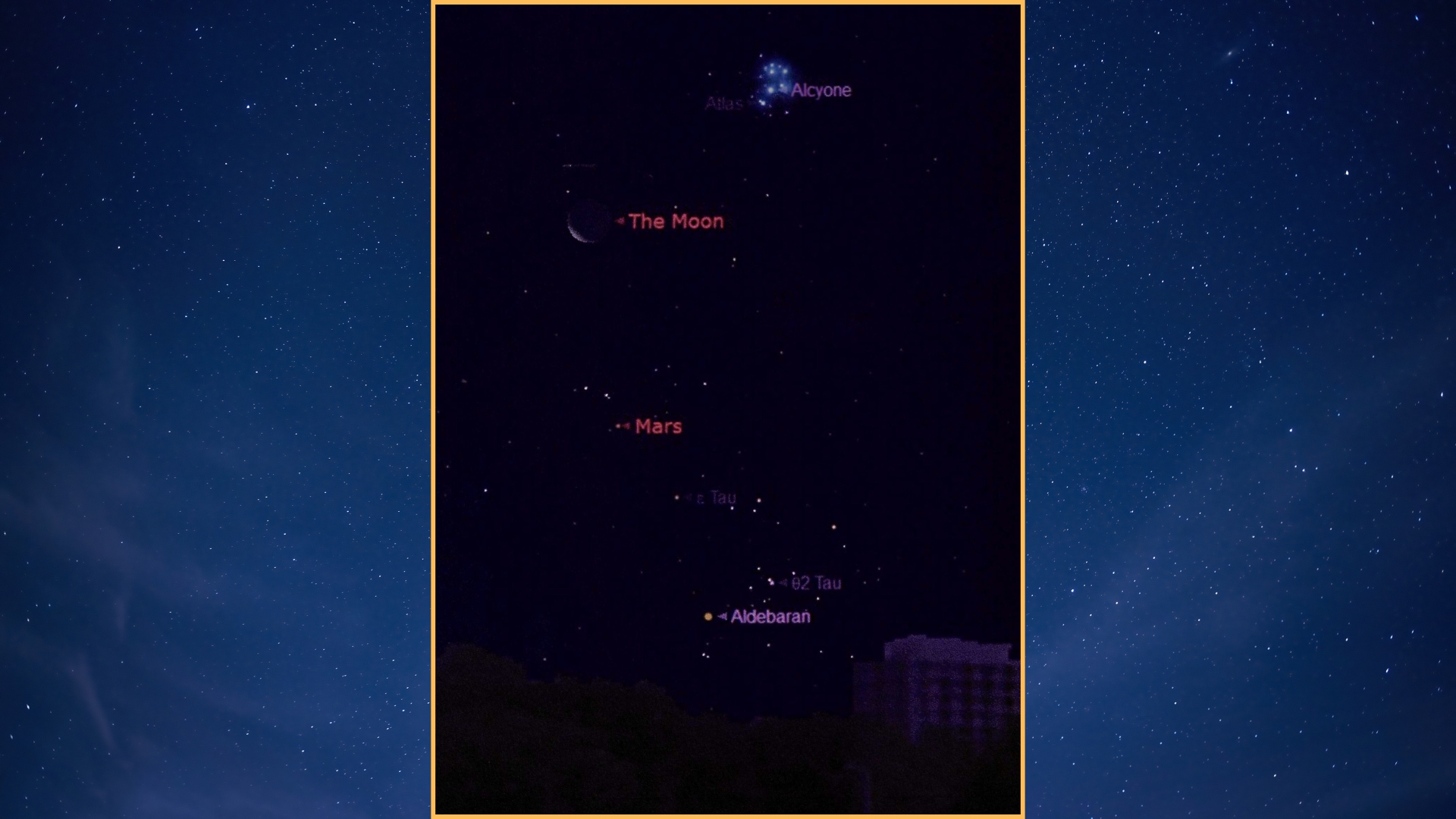
A slender waning crescent moon, softly glowing with earthshine, will appear to align with the orange light of Mars, the orange-red star Aldebaran, with the sparkling Pleiades and Hyades star clusters close by. Together, they will form a beautiful morning tableau in Taurus β€” one well worth setting an alarm to see.

First: the moon

Most obvious is, of course, the moon, appearing as a lovely waning crescent, 14% illuminated. It rises around 2:00 a.m. local daylight time and will likely appear as a thin arc of light enclosing a ghostly ball. Here is one of nature's beautiful sights and fits the old saying, "the old moon in the new moon's arms." Leonardo da Vinci (1452-1519) was the first to recognize it as earthshine. That faint bluish-gray light is light from Earth reflected toward the moon. Earth's light, of course, reflects sunlight, so earthshine is really sunlight that is reflected off Earth to the moon and reflected toward Earth.

Next: Mars

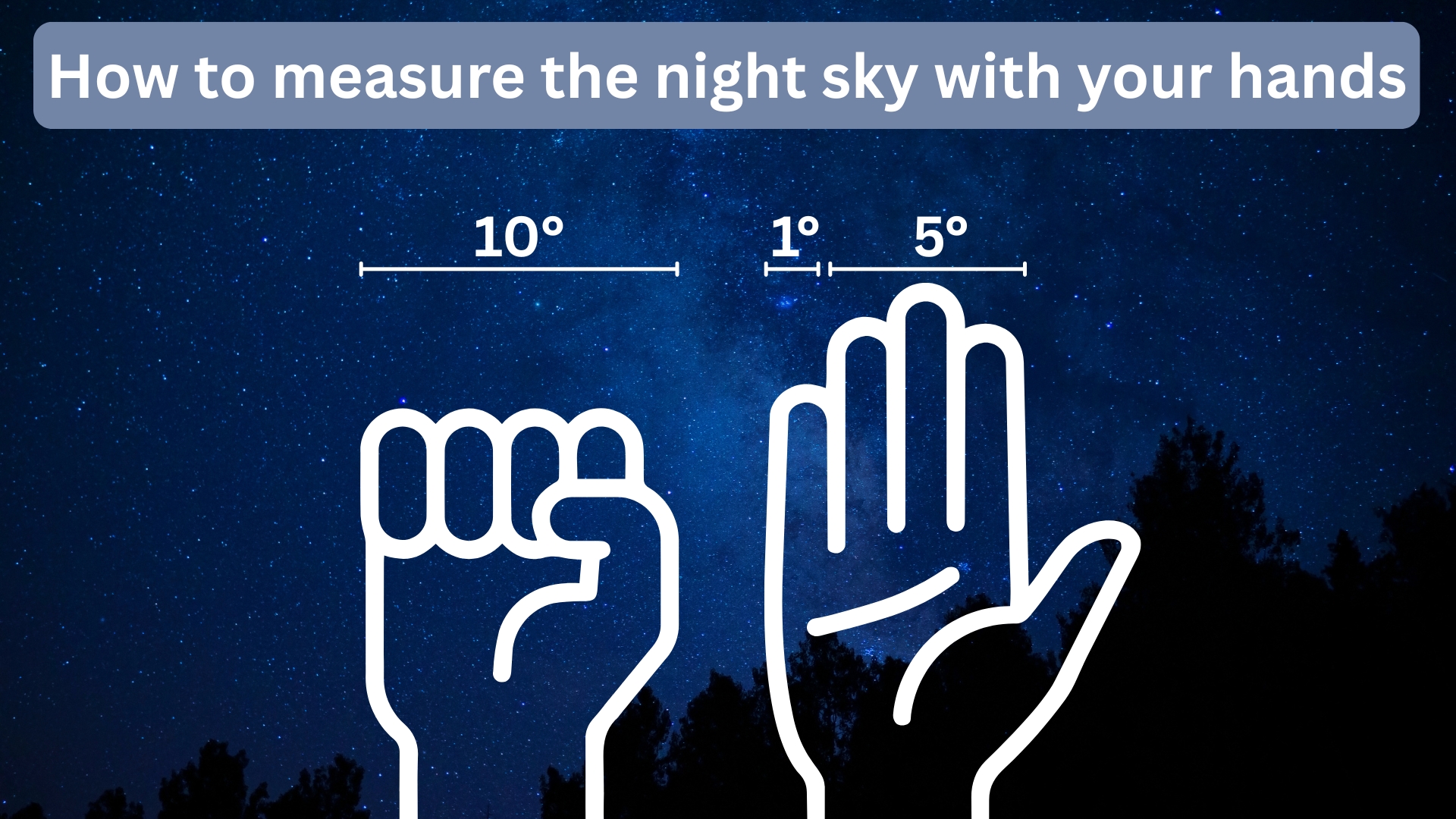
The second object is a planet: Mars. It will appear as an orange-yellow star roughly five degrees below and slightly to the right of the moon. Your clenched fist held at arm's length measures roughly 10 degrees in width, so Mars will hover roughly 'half a fist-width" below the lunar disk.

Mars rises around 2:40 a.m. local time and is about 15 degrees above the east-northeast horizon by dawn. So as the eastern sky begins to lighten up, Mars will be about "one and a half fist-widths" above the horizon.

It currently resides within the boundaries of the zodiacal constellation of Taurus the Bull. Mars remains rather inconspicuous, but its luminosity continues to increase as we gain on it in our smaller, faster orbit, though it is a very slow process. The planet moves from 17.5 light minutes away on July 1 to 15.4 light minutes by Sept. 1, brightening ever-so-slightly from magnitude +1.3 to +1.2. At its closest approach this coming February, Mars will be only 5.6 light minutes from Earth and will appear to shine fully 10 times brighter than it does now.

night sky graphic showing an eye-catching alignment of the crescent moon, Mars and the bright orange star Aldebaran, accompanied by the beautiful Pleiades and Hyades star clusters.Β 

On July 11, looking low toward the east about 90 minutes before sunrise, skywatchers will see an eye-catching alignment of the crescent moon, Mars and the bright orange star Aldebaran, accompanied by the beautiful Pleiades and Hyades star clusters. (Image credit: Joe Rao using Starry Night Pro 8.0/Simulation Curriculum.)

Finally: Aldebaran

Shining about 5.5 degrees below and slightly to the right of Mars will be a similarly hued, orange-red star, appearing to shine nearly twice as bright as the planet. That will be Aldebaran, marking the angry right eye of Taurus. Aldebaran is the fourteenth brightest star in the sky and lies 67 light-years from Earth. This is a red giant star, 45 times larger than our sun, 1.6 times more massive and over 400 times as luminous. Aldebaran is older and redder than the sun and is preparing to fuse its lightweight core into heavier elements, which are common among stars of its type. Aldebaran has a surface temperature of about 6,760 degrees F (3,738 degrees C). And Aldebaran is really a double star; its companion is much smaller and far dimmer, with an overall mass less than half that of the sun and only about one-third as large.

Incidentally, although it appears among them, Aldebaran is not actually a member of the V-shaped Hyades cluster. But it's much closer to us in space than the other Hyades stars, so it's simply an "innocent bystander," but nicely completes the V-shaped face of the Bull in our sky. Henry M. Neely (1879-1963), a long-time lecturer at New York's Hayden Planetarium, wrote in his book: A Primer for Stargazers:

"When Taurus is in the night sky, it is well worth the while of any stargazer to beg, borrow or steal a pair of binoculars. . . because the most dazzling of the stars are not visible to the naked eye. This is particularly true of the area inside the V of the Bull's face. Someday I hope an imaginative designer of jewelry will duplicate this superb setting of celestial gems, matching them in color, sparkle and design."

graphic showing how to measure the night sky with your hands showing a clenched fist showing about 10 degrees of sky, a finger is 1 degree and middle three fingers are 5 degrees.

A helpful guide on how to roughly measure the night sky with your hand held out at arm's length. (Image credit: Created in Canva Pro)

And completing this lovely early morning tableau, is the beautiful Pleiades star cluster. They'll glitter, as Tennyson imagined, "like a swarm of fireflies tangled in a silver braid." They'll sparkle about six degrees to the moon's upper right. Good binoculars will reveal a score of stars in this little group, while long-exposure observatory photographs show about 1000 in the area β€” all suffused in great clouds and streamers of nebulous light.

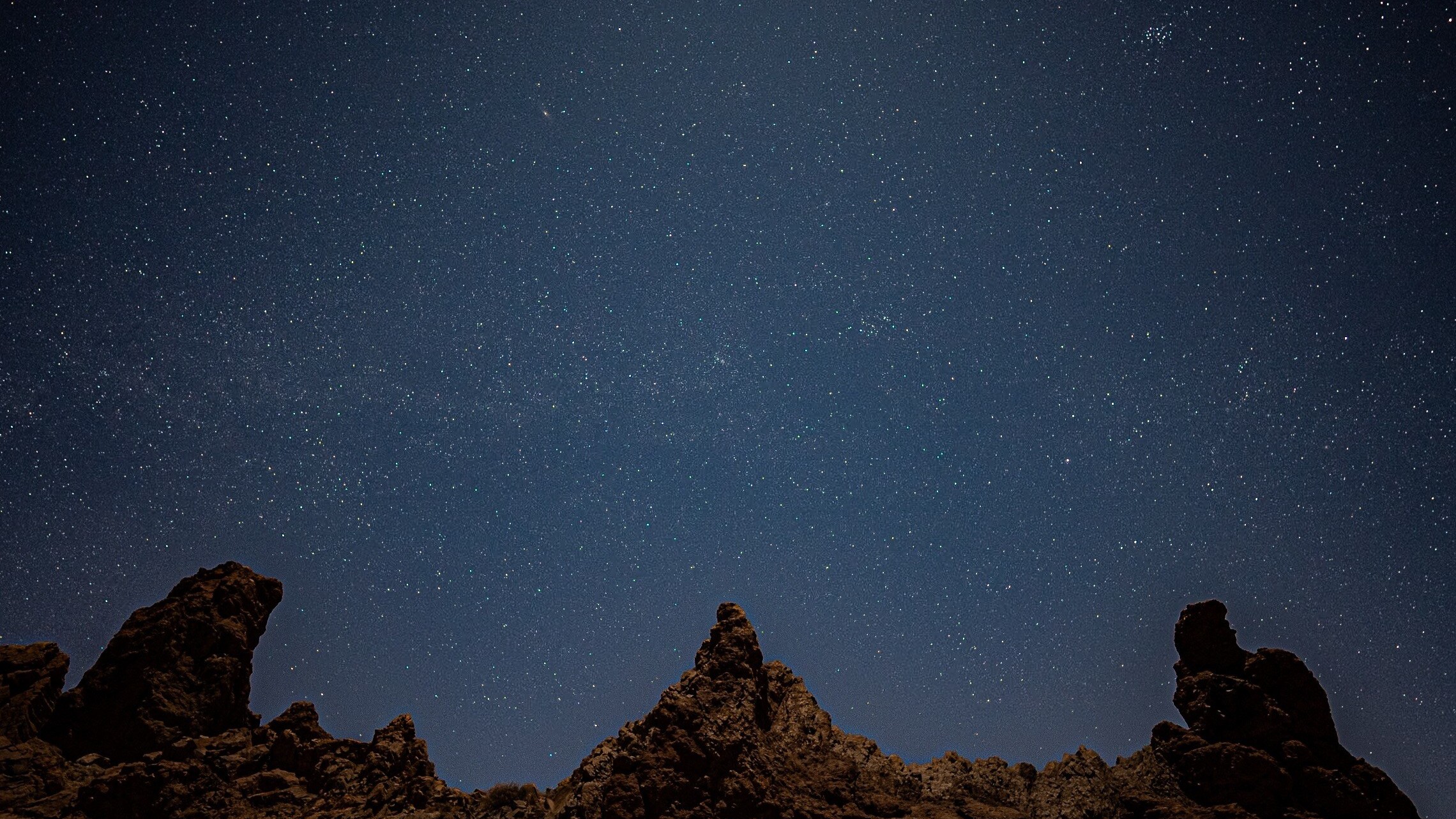
starry sky above interesting rock formation

The Pleiades (upper right) and Andromeda (upper center) shine bright in the skies above Tiede National Park. Captured with Sony AS7 III. (Image credit: Daisy Dobrijevic/Future PLC)

What a great way to start the second weekend of July!

So, rise before the first blush of dawn, seek out a clear east-northeast horizon, and let the morning sky reward your early vigil. With binoculars in hand, linger a little longer among the Pleiades and the nearby celestial jewelsβ€”an ancient sparkle waiting quietly above the waking world.

If you're looking for a telescope or binoculars to observe the night sky, our guides for the best binocular deals and the best telescope deals can help. Our best cameras for astrophotography and best lenses for astrophotography can help you get ready to capture the next stunning skywatching event.

Joe Rao serves as an instructor and guest lecturer at New York's Hayden Planetarium. He writes about astronomy for Natural History magazine, Sky and Telescope, The Old Farmer's Almanac and other publications.

❌