Login
4K Video Downloader Plus 26.2
2 August 2026 at 19:47


Apple Podcasts runs within CarPlay, Apple’s in-car software platform for accessing compatible iPhone apps through a vehicle’s display and controls. CarPlay provides the driving environment, while Podcasts supplies the programs, episodes, library and playback features available inside it.
That combination suits a part of the day that often feels wasted. A commute may be too fragmented for reading or watching something, but it can provide enough uninterrupted time for a news briefing, interview, documentary series or comedy show.
Podcasts also give each journey a different character. The morning drive can offer information before work, while the return trip can provide lighter entertainment or continue a longer story. Drivers are free to choose whether the time should be useful, relaxing or simply less repetitive.
Apple Podcasts appears alongside other compatible audio apps when an iPhone connects to CarPlay. The vehicle display offers access to available episodes and essential controls without reproducing the complete iPhone interface on the dashboard.
The distinction is simple: Apple Podcasts does not create or power CarPlay. It is an audio app designed to operate within the wider CarPlay experience, which also handles navigation, calls, messages and other supported services.
CarPlay reduces podcast playback to the functions most appropriate in a vehicle. Drivers can use the Now Playing screen, CarPlay Dashboard, steering-wheel controls or buttons provided by the vehicle. Available commands can include playing, pausing, jumping back 15 seconds, moving forward 30 seconds and changing playback speed.
Siri provides another way to manage audio while keeping attention on the road. A driver can request a followed show, pause the current episode or continue listening without searching through the display. Support varies according to the vehicle and its controls, but the app remains connected to the iPhone rather than operating as a separate system installed by the automaker.
The interface is especially suitable for spoken audio. Songs can often continue without intervention, while a podcast listener may want to replay an explanation, skip part of an episode or resume a program interrupted earlier. CarPlay keeps those common controls accessible without placing the full Podcasts app in front of the driver.
A regular route creates a predictable amount of listening time. Someone with a 15-minute drive may prefer concise news, business updates or language lessons. A 40-minute journey provides room for detailed interviews, investigative reporting or serialized fiction.
Apple Podcasts includes programs covering education, technology, culture, history, sports, health and entertainment. The variety allows listeners to build different routines around the same drive rather than depending on one radio schedule or repeatedly hearing familiar music.
A morning episode can provide context for events likely to shape the working day. On the way home, comedy and conversational programs can create distance from work before the listener reaches the front door. Neither choice requires treating every available minute as a productivity exercise.
The format can also make traffic less frustrating. A delayed journey remains inconvenient, but an episode gives the driver something continuous to follow as the arrival time changes. Spoken stories can hold attention without asking the driver to look away from navigation or the road.
Apple Podcasts keeps longer programs useful even when they do not fit into one trip. Listening progress can synchronize across compatible devices using the same Apple Account, allowing an episode started at home to continue in the car or resume later on another device.
The safest podcast decision is usually the one made before the car starts moving. Apple Podcasts allows listeners to follow shows, download episodes and arrange a queue on the iPhone in advance. CarPlay can then concentrate on playback instead of discovery.
A prepared queue is useful when several episodes are planned for one journey. The next selection can begin automatically after the current program ends, removing the temptation to search through categories while driving. Listeners can combine a short briefing with a longer interview or place lighter material after a demanding program.
Downloads make the experience more reliable. Saved episodes can continue playing through areas with weak cellular coverage, including rural roads, tunnels and underground parking structures. Downloading through Wi-Fi can also prevent a long daily routine from consuming unnecessary mobile data.
Automatic downloads can keep recent episodes from followed shows ready for the next drive. Storage still requires attention, especially when subscriptions publish frequently, but played downloads can be removed automatically according to the selected Podcasts settings.
Playback speed provides another form of control. Faster playback can help a listener finish a familiar news format within a shorter trip, while normal or slower speeds may suit technical discussions, unfamiliar accents or narrative programs where delivery forms part of the experience.
CarPlay does not create a separate podcast library inside the vehicle. It extends the listening activity already connected to the iPhone, preserving followed shows, saved programs and playback position when the drive ends.
That continuity prevents commute listening from becoming isolated. A listener can discover and prepare episodes on an iPhone, hear part of one through CarPlay and continue later on a Mac or another compatible device. Downloads remain stored on the device that received them, while supported library information and progress can synchronize through the Apple Account.
Commute length can eventually shape a personal programming schedule. A 12-minute daily news show may fit the morning route almost exactly, while a 45-minute interview can cover both directions with the remaining section ready for the following day. The queue can change with the calendar, leaving shorter episodes for busy mornings and deeper programs for the roads that provide enough time to hear them properly.
The post Apple Podcasts Is a Perfect Match for CarPlay appeared first on AppleMagazine.

Microsoft and Xbox are currently facing all sorts of troubles (many of their own doing) in the shape of sweeping layoffs, studio cuts, and calls to boycott their products, to name a few. Extremely talented developers (who deserve much better) still put out exciting video games regardless, and with the remake of Halo: Combat Evolved out now, we look to Gears of War: E-Day, the series' first mainline entry since 2019.
While there are plenty of upcoming space games worth keeping tabs on, Gears of War's return feels special for a number of reasons. Although Gears 5 was not a flop – quite the opposite – there was a growing sentiment among the fanbase that Gears of War needed to reevaluate its future by revisiting its past. After a solid remaster of the original game last year, this next chapter is taking us back to where it all started: Emergence Day.
With gameplay systems, mechanics, controls, and visuals fully rebuilt on Unreal Engine 5, The Coalition aims to deliver the ultimate Gears of War experience with E-Day, and at least the atmosphere and tone seem pitch-perfect. But with nostalgia taking so many beloved franchises a few steps back in recent times, we must wonder if there's more to E-Day than reliving the series' glory days? Here's everything you should know about Gears of War: E-Day ahead of its launch.
Gears of War: E-Day launches on October 6, 2026.
After a gameplay-less reveal in summer 2024, The Coalition went silent to continue work on the prequel. It was finally during the Xbox Games Showcase 2026 that we received confirmation Gears of War: E-Day would arrive before the year's end.
No, Gears of War: E-Day won't be releasing on PS5 despite last year's remaster of the first game marking the series' debut on Sony consoles.
Though rumors and leaked materials pointed to Gears of War: E-Day launching on Sony's console alongside Xbox, the full reveal in summer 2026 underlined it was an Xbox Series X/S console exclusive. It will, however, also launch on Windows via the Xbox app and Steam. As usual, Game Pass Ultimate subscribers will also get access to it day one.
Three editions will be available at launch, and you can pre-order them already:
All editions also benefit from pre-order bonuses that include open beta early access (on August 6), the Exfil weapon set, and Exfil Dom legendary character skin.
Xbox and The Coalition are sharing all sorts of short videos in the lead-up to launch, but if you want to only watch the trailers and gameplay demos, we have them right here:
Gears of War: E-Day is the first chapter in the Gears timeline. It tells the story of how the humans on the Earth-like planet of Sera came in contact with the bloodthirsty and relentless Locust Horde on what would later be called Emergence Day.
If you're planning to play the Gears of War games in order, this would be the perfect place to start moving forward. Though the original game and Judgment (a spinoff that was released for Xbox 360) gave us information on what happened during E-Day, we never really had a Rogue One-like prequel similar to Halo: Reach. Now, both veterans and newcomers will be able to experience the struggle humanity faced as a new conflict erupted.
Alongside a supporting cast of new and familiar faces, the story follows original trilogy protagonists Marcus Fenix and Dominic 'Dom' Santiago as they battle through the chaos of E-Day and push back against the subterranean invaders. For additional context, the war against the Locust kicks off only a few weeks after the 79-year conflict between human factions known as the Pendulum Wars, which explains why the COG wasn't in the best of conditions when the monsters attacked.
Gears of War: E-Day is a third-person, cover-based shooter in the style of the previous games and, as such, both co-op and competitive multiplayer are back alongside the single-player experience.
The main story campaign can be played in single-player, or with up to four players online or two players locally via split screen. It must be noted the PC version of the game won't feature local co-op. These player counts also apply to the series' famous Horde Siege PvE survival mode, which pits players against waves of enemies as they select different classes and loadouts.
Versus PvP multiplayer for online competition also returns with all-new maps and both Social and Ranked matches. While the post-launch support hasn't been fully detailed, it feels likely more maps will be added in the future at no extra cost.
There's no Gears of War: E-Day demo announced at the time of writing. However, players can look forward to a multiplayer open beta happening in the coming weeks. More specifically, those who pre-order or have active Game Pass Ultimate subs can access the test early, from August 6 to 10. The second – and fully open – weekend will happen at a later date, probably the following week.
There’s No Place Like Home, Snoopy is now available globally on Apple TV, beginning a new Peanuts adventure with the accidental sale of one of the comic strip’s most recognizable objects.
The 31-minute animated special follows Snoopy after his doghouse disappears during a yard sale. Charlie Brown attempts to help his devastated friend by organizing a search, but recovering the missing home becomes more difficult once it has left the neighborhood.
The story uses Snoopy’s doghouse as more than a familiar red prop. It is the place where he sleeps, stores his possessions and begins the imaginary adventures that transform him into a World War I flying ace, author and explorer.
Losing it removes the physical center of that private world. Charlie Brown and Snoopy must determine whether home depends on recovering the exact building or remaining close to the people and memories connected to it.
The Apple Original is rated TV-G and includes Dolby Atmos audio in supported languages and configurations. An Apple TV subscription is required, with availability extending across the Apple TV app and the service’s supported devices.
The central problem begins with an ordinary neighborhood event rather than one of Snoopy’s elaborate fantasies.
His doghouse is mistakenly treated as an item that can be sold. By the time Charlie Brown and the others understand what happened, Snoopy has lost the one place he regards as entirely his own.
The premise creates a recognizable childhood fear. A treasured object can appear unimportant to another person while carrying memories and emotional meaning for its owner.
Snoopy cannot explain that attachment through conventional dialogue. His reactions, imagination and physical comedy must communicate why the loss feels larger than a missing piece of outdoor furniture.
Charlie Brown responds by doing something he rarely manages for himself: taking charge with enough confidence to help someone else. His search gives the special momentum while preserving the uneven friendship at the center of many Peanuts stories.
Snoopy frequently ignores Charlie Brown, takes his meals for granted and escapes into fantasies. Charlie Brown continues caring for him even when the beagle’s behavior makes that affection difficult to return.
The missing doghouse reverses their normal relationship. Snoopy needs practical help, while Charlie Brown becomes the person capable of guiding him through the disappointment.
Charles M. Schulz turned Snoopy’s doghouse into one of the most flexible locations in the Peanuts comic strip.
From the outside, it is a simple red structure with a black entrance. Snoopy rarely sleeps inside it, preferring to rest on the pointed roof despite the physical impossibility of remaining balanced there.
The interior follows no ordinary rules. Comic storylines have suggested that it contains a pool table, television, library, guest rooms, paintings and other possessions that could not fit within its exterior dimensions.
Schulz generally avoided showing the complete interior. That decision allowed the doghouse to expand according to Snoopy’s imagination without requiring one definitive layout.
The roof also becomes the Sopwith Camel flown by the World War I flying ace. A few changes in posture and sound can transform a suburban backyard into an aerial battle with the Red Baron.
For Snoopy, the building is simultaneously a bedroom, stage, aircraft, writing desk and portal into imaginary lives. Selling it removes the starting point for nearly every identity he creates.
There’s No Place Like Home, Snoopy can therefore explore loss without introducing a permanent tragedy into the Peanuts world. The doghouse is physically replaceable, but Snoopy’s attachment to the original makes the search emotionally credible.
Riley Vargas voices Charlie Brown, while Terry McGurrin returns as Snoopy. McGurrin has become closely associated with the modern animated version of the character through Apple’s Peanuts programming.
Rob Tinkler voices Woodstock, the small yellow bird who frequently joins Snoopy’s adventures. Although Woodstock’s speech appears as rapid bird sounds, Snoopy understands him, allowing the pair to communicate without conventional dialogue.
Grace Nicolaou-Wood voices Sally, and Jo-Hannah Atchison performs Lucy. Kitai O’Garro plays Franklin, Josephine Nisbett voices Marcie and Lexi Perri voices Peppermint Patty.
Athan Giazitzidis appears as Linus, while Diego Whalen voices Rerun. Noah Paisley plays Milo.
The larger ensemble gives Charlie Brown access to the neighborhood network needed for a search without shifting the story away from Snoopy. Each character can respond differently to the problem according to an established personality.
Lucy may approach the situation with certainty, Linus with reflection and Sally with her own interpretation of what occurred. Woodstock has the closest connection to Snoopy’s private world and understands what the doghouse represents without requiring an explanation.
Ridd Sorensen directed There’s No Place Like Home, Snoopy, with Rob Boutilier serving as series director. Rob Hoegee wrote the special.
Executive producers include Josh Scherba, Stephanie Betts, Logan McPherson, Paige Braddock, Chris Bracco and Mark Evestaff.
The production continues Apple’s collaboration with WildBrain, Peanuts Worldwide and Lee Mendelson Film Productions. Those organizations combine modern animation production with the characters and creative legacy established by Schulz.
The special was produced in Canada and is available with extensive dubbing and subtitle support.
Audio descriptions are included across many of those language options. English playback supports Dolby Atmos and Dolby 5.1 on compatible equipment.
The wide localization reflects the international reach Peanuts developed long before streaming. Schulz’s comic strip appeared in more than 2,600 newspapers and reached readers across 75 countries.
Apple can now release one new animated story simultaneously across more than 100 countries and regions without waiting for separate broadcast schedules.
There’s No Place Like Home, Snoopy includes the original song “Home, Where Your Heart Found Me” by singer-songwriter Allen Stone.
Music has always occupied an important place in animated Peanuts productions. Vince Guaraldi’s jazz compositions became inseparable from the classic television specials, creating a musical identity that later productions must acknowledge without simply reproducing the same material.
An original song allows the new story to develop its own emotional language around home and attachment. It can express ideas that Snoopy cannot communicate verbally while avoiding the need for Charlie Brown to explain the complete meaning of the adventure.
The title connects home with an emotional discovery rather than an address or possession. That idea supports the special’s central distinction between the missing doghouse and the relationships Snoopy still has around him.
Apple previously expanded the musical side of its Peanuts catalog through Snoopy Presents: A Summer Musical, the first Peanuts musical special in decades. The addition of Allen Stone continues that willingness to use original songs rather than treating music only as background.
The special is available through the Apple TV app on iPhone, iPad, Mac, Apple TV 4K and Apple Vision Pro.
It can also be watched on supported smart televisions from manufacturers including Samsung, LG, Sony, Vizio and TCL. Roku, Amazon Fire TV, Google TV, PlayStation and Xbox devices provide additional access.
Web playback is available through tv.apple.com after signing in with an Apple Account carrying an active subscription.
Apple TV currently costs $12.99 per month in the United States and includes a seven-day trial for eligible new subscribers. Customers activating a qualifying new iPhone, iPad, Mac or Apple TV 4K may receive three free months, subject to Apple’s promotional conditions.
There’s No Place Like Home, Snoopy is presented as one complete special rather than an episodic series. Its 31-minute running time makes it closer to the length of traditional Peanuts television programs than a feature film.
Parents can locate it within the Kids & Family area of Apple TV. Its TV-G classification indicates that it is designed for a general audience, although rating systems and descriptions can vary by country.
Apple has served as the principal streaming home for Peanuts since 2020, combining classic holiday programs with new specials, series and documentaries.
The agreement has sometimes received attention because programs such as A Charlie Brown Christmas, A Charlie Brown Thanksgiving and It’s the Great Pumpkin, Charlie Brown spent decades appearing on broadcast television.
Apple has provided limited free streaming windows for major holiday titles, allowing people without a subscription to continue watching selected specials during their associated seasons.
The wider library includes The Snoopy Show, Snoopy in Space and Camp Snoopy. Original Snoopy Presents specials have focused on characters and subjects that received less attention in the earliest television productions.
One-of-a-Kind Marcie centered on Marcie’s quiet approach to leadership. Welcome Home, Franklin expanded Franklin’s introduction to the neighborhood, while Lucy’s School explored the group’s anxiety about change.
Apple also carries the documentaries Who Are You, Charlie Brown? and Peanuts in Space: Secrets of Apollo 10.
The service added This Is America, Charlie Brown and The Charlie Brown and Snoopy Show during July 2026, bringing more material from the 1980s into the same streaming catalog as the latest production.
Apple’s Peanuts partnership extends through 2030, giving WildBrain and Peanuts Worldwide several more years to create original series and specials for the service.
The most ambitious announced project is Snoopy Unleashed, an animated feature film currently in production.
That story will reverse the situation presented in There’s No Place Like Home, Snoopy. Instead of Charlie Brown searching for the doghouse, the Peanuts gang will search for Snoopy after he runs away to the Big City.
The larger setting will move Snoopy beyond the familiar neighborhood and require Charlie Brown, Lucy, Linus and the others to navigate an environment rarely explored in the comic strip.
Apple plans to release Snoopy Unleashed in 2027. Until then, Snoopy’s missing doghouse provides a smaller journey built around the same question the film will approach from another direction: what remains of home when the person or place associated with it disappears?
The post There’s No Place Like Home, Snoopy Arrives on Apple TV appeared first on AppleMagazine.
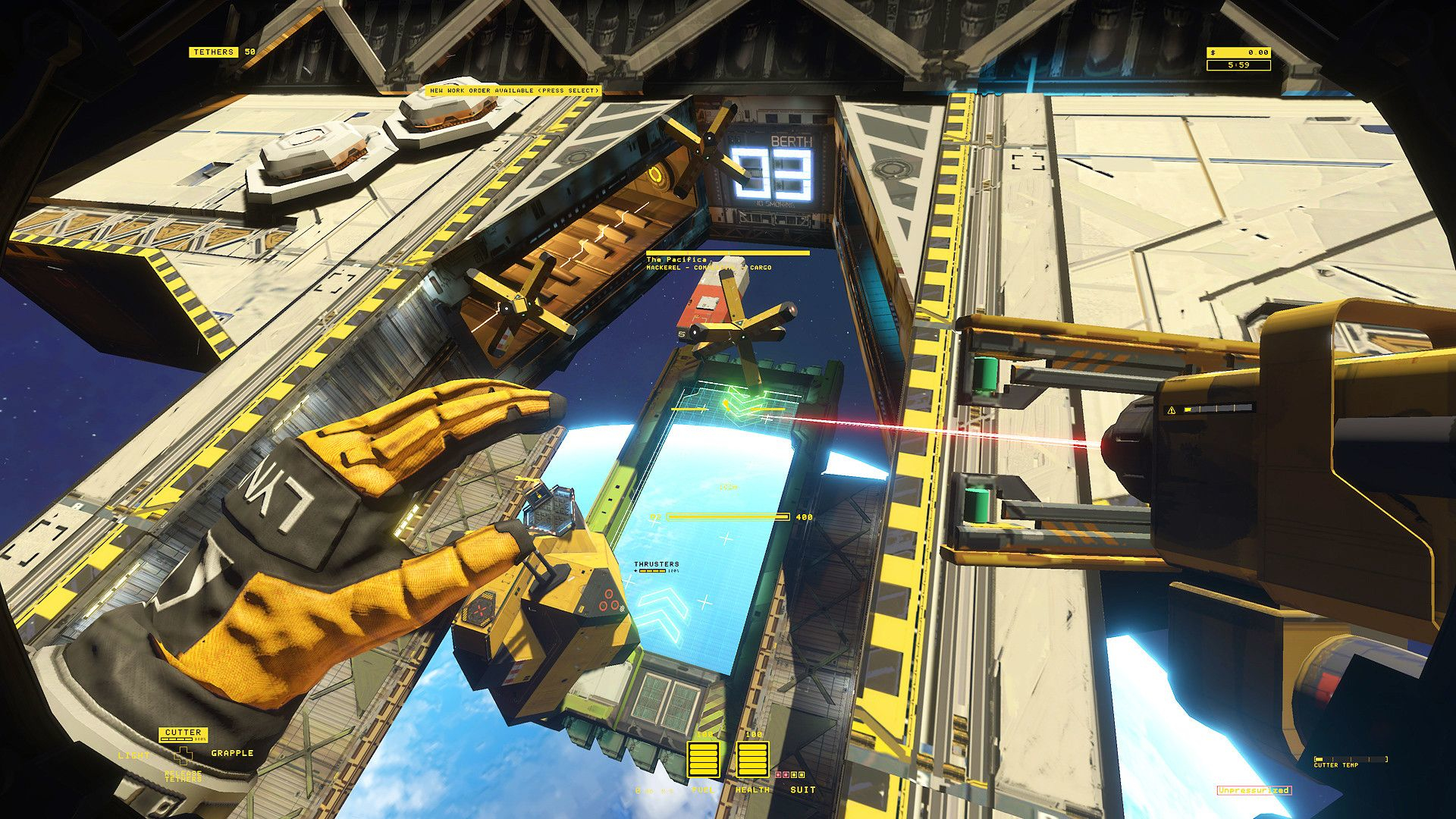
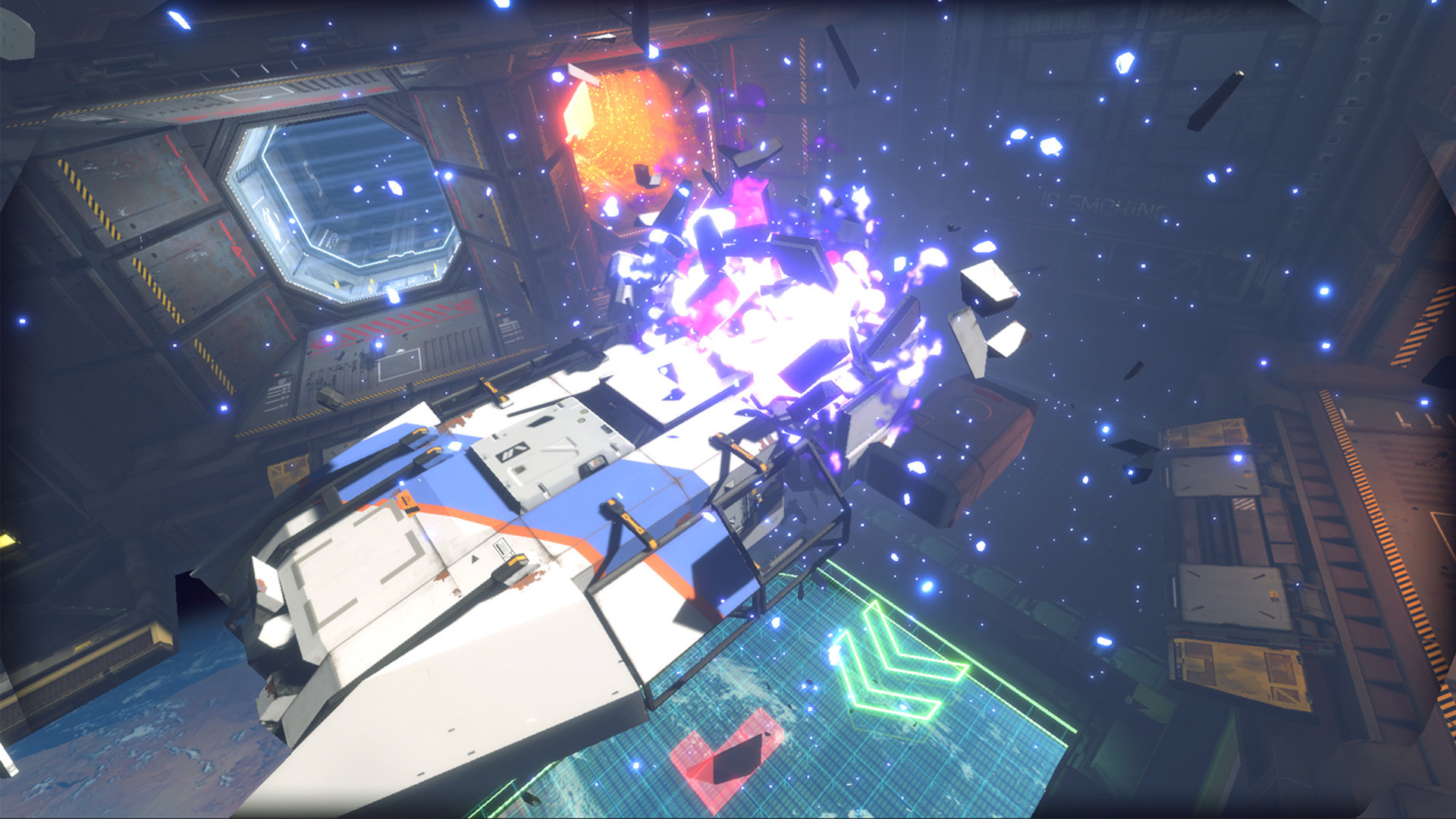
While Hardspace: Shipbreaker does an excellent job of capturing the dystopian perils of unchecked hypercapitalism, the real fun in this space game comes from carving up massive capital ships with space lasers and explosives.
Floating in zero gravity, players slice derelict spacecraft into salvageable chunks, while also contending with unruly physics, pressure, and profit margins. It's a compelling fantasy: orbital blue-collar labor, where yesterday's spacecraft become tomorrow's raw materials.
As satisfying as the simulation is, the real-world challenge of space debris removal is both more constrained and more urgent.
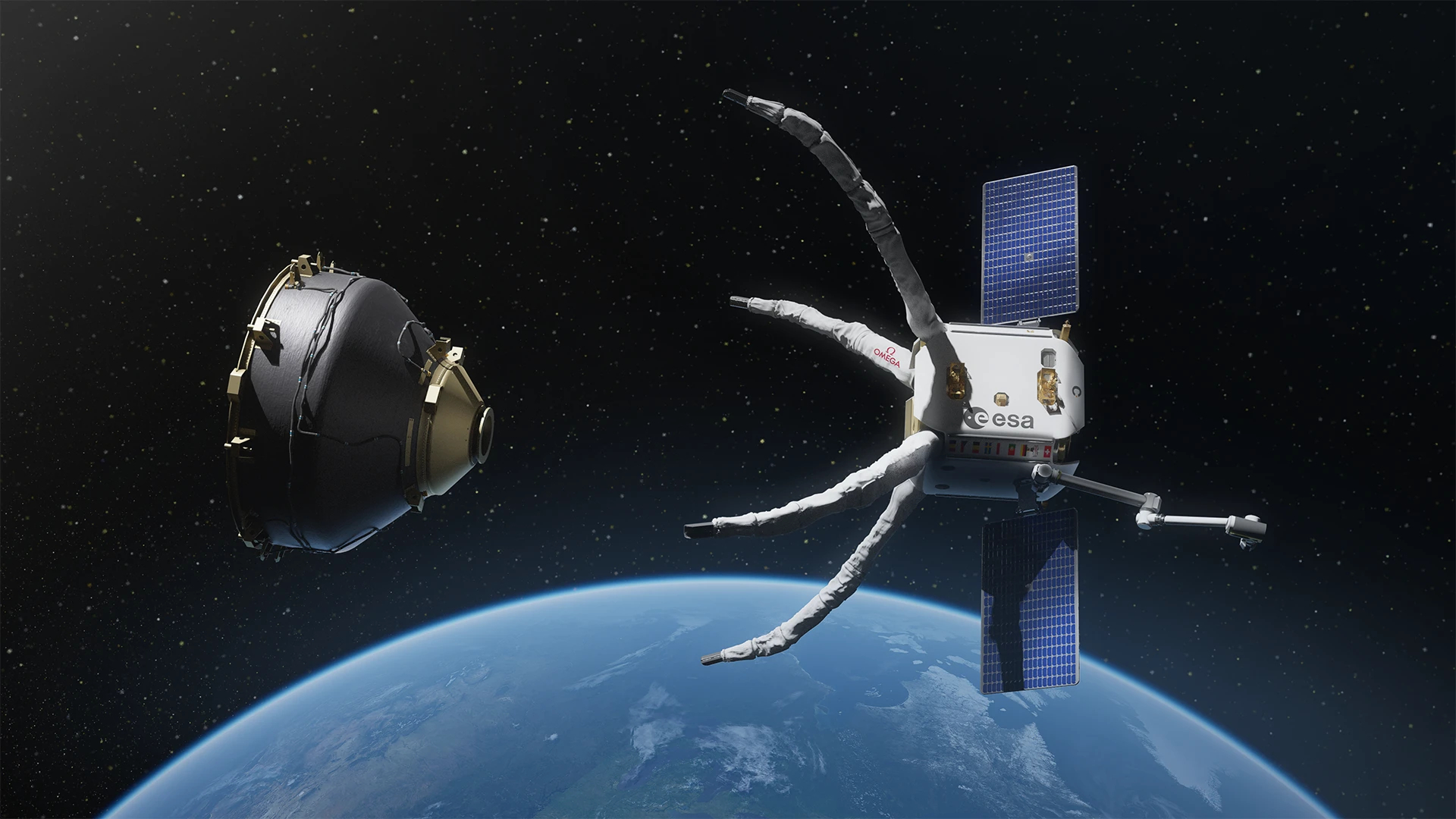
Christian Steimle is the Project Manager of the European Space Agency's (ESA) ClearSpace-1 mission, the first ever aimed at removing a piece of debris (in this case, a satellite called PROBA-1) from low-Earth orbit.
We spoke to him to get a sense of how actual space junk removal will happen in the future, and how it stacks up to the representations we see in sci-fi games like Shipbreaker.
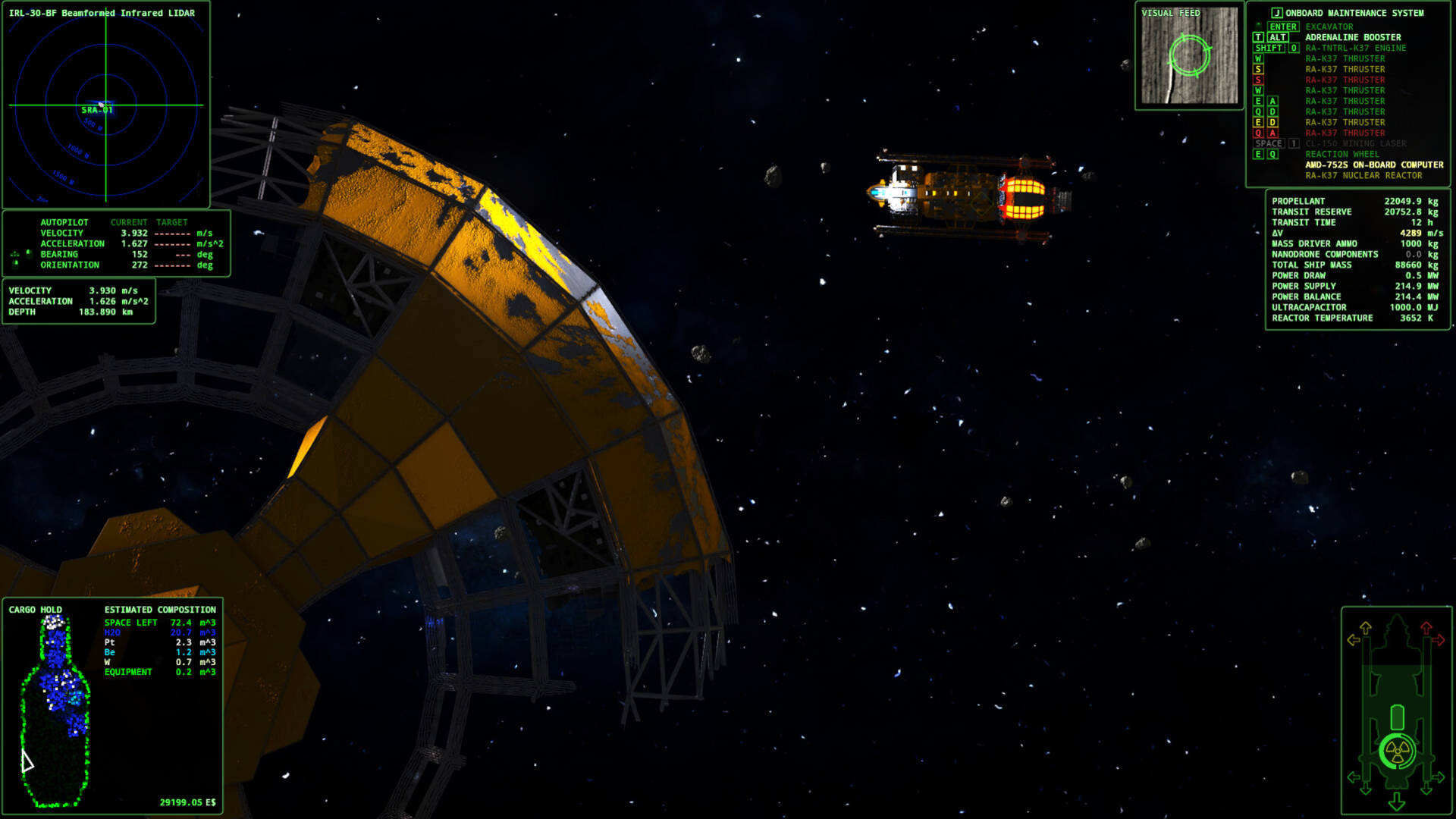
Games like Hardspace: Shipbreaker, ΔV: Rings of Saturn, and other space cleanup simulators tend to emphasize three core ideas: that debris can be dismantled piece by piece, that tools can safely cut or break apart structures in orbit, and that salvage is economically driven and scalable.
While they may be necessary assumptions to make for engaging gameplay, they diverge pretty significantly from current realities.
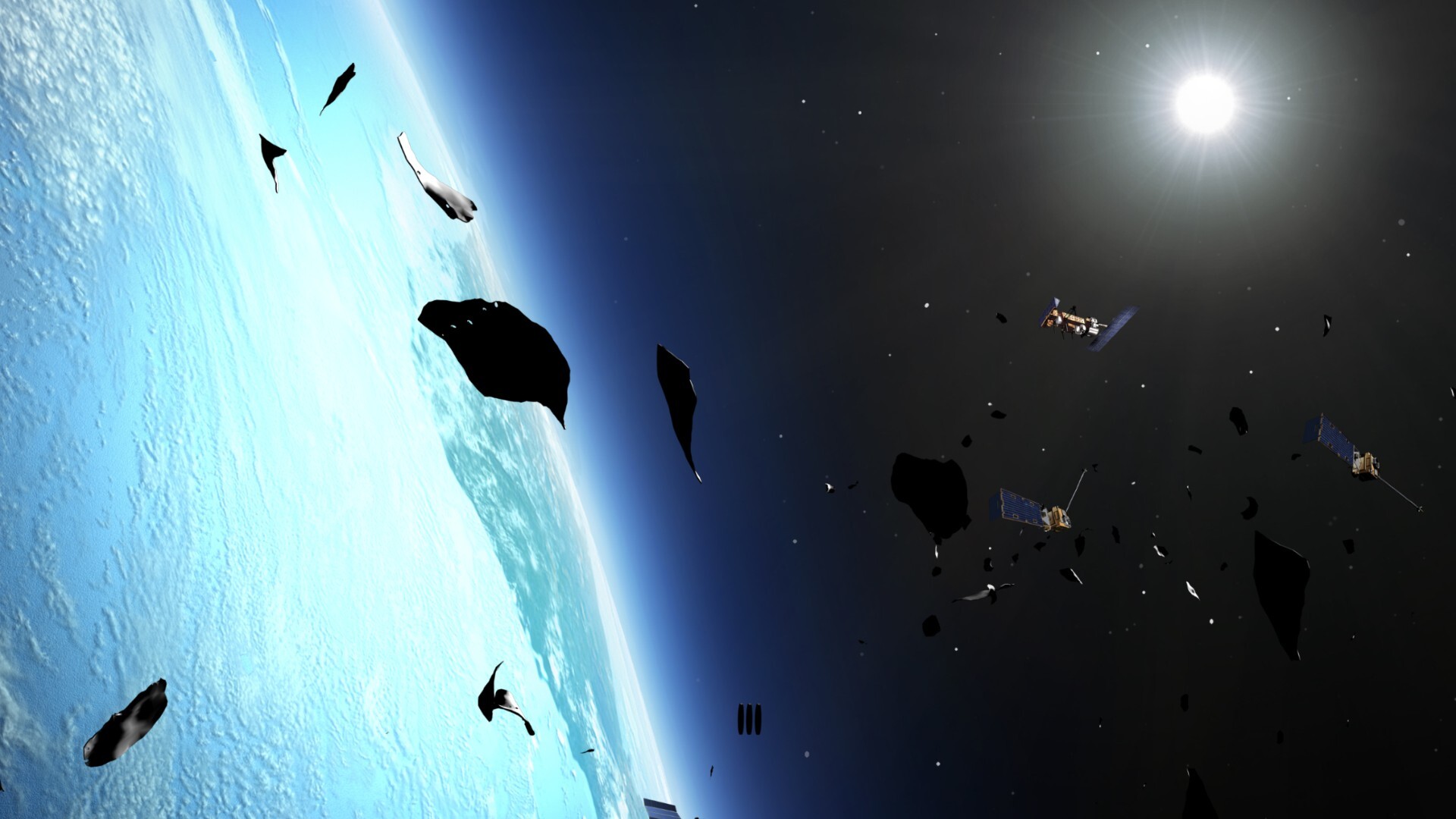
The main issue is fragmentation. Breaking apart a defunct satellite, even under the most carefully controlled and monitored conditions, risks generating thousands of high-velocity fragments. Some of those generated would be too small to feasibly track, yet large enough to destroy operational spacecraft, satellites, or stations. This is the nightmare scenario behind the Kessler syndrome, a cascading chain of collisions that could render entire orbital pathways unusable.
As Christian Steimle, Project Manager for the European Space Agency's ClearSpace-1 mission, explains, "The common agreement between all of these missions is that objects to be removed shall not be broken up or damaged… especially to avoid creating smaller debris which is more difficult to track."
That means that the core mechanic of many space salvage games (cutting or exploding things into smaller bits) is precisely what real missions are designed to avoid.
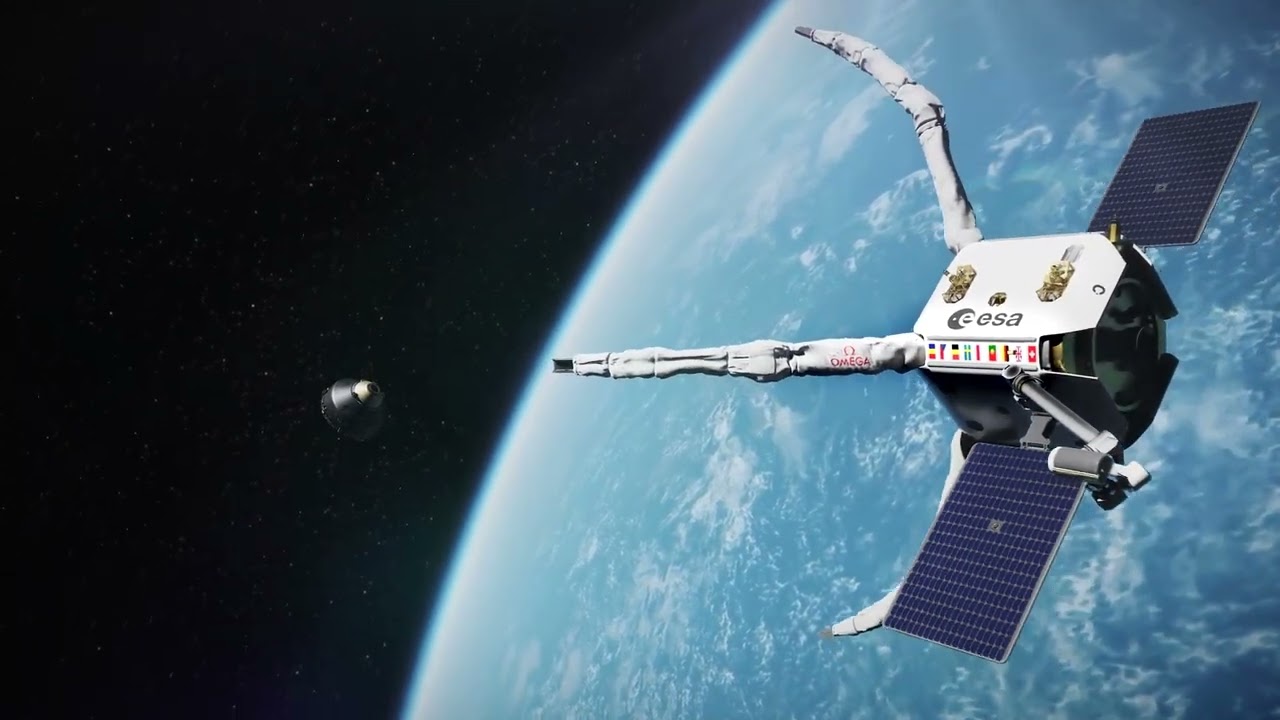
ClearSpace-1 takes a more holistic approach. Instead of dismantling debris, the mission aims to capture PROBA-1 with as little initial damage as possible, then guide it to destruction in Earth's atmosphere.
"ClearSpace-1 will be launched into a position slightly below PROBA-1 by a dedicated launch," Steimle says. "After successful commissioning, the ClearSpace-1 servicer will inspect PROBA-1 in a number of fly-around manoeuvres."
These inspection passes are not just reconnaissance. They validate visual navigation systems and analyze how the target object is tumbling so the capture vehicle can respond appropriately.
The capture itself is a delicate operation. "The ClearSpace-developed capture system will encompass the client satellite, first forming a cage around PROBA-1, then closing the cage carefully to avoid damaging the client," Steimle explains.
Once secured, the combined spacecraft must be stabilized before any orbital change. Only then can the system lower its orbit, ensuring both objects burn up safely during re-entry. "ClearSpace-1 is designed to demise during re-entry, ensuring on-ground safety and disposal at the same time."
The process more closely resembles a surgical extraction of potentially hazardous material than scrapyard demolition.
Despite their liberties, space cleanup games do hit the mark in a number of areas. One is the importance of orbital mechanics. Many games emphasize inertia, momentum, and the difficulty of stopping or redirecting large masses. Real active debris removal (ADR) missions face similar constraints, where even small velocity mismatches can lead to mission failure or damage to the capture vehicle or target.
The danger of uncontrolled motion is also well represented. Tumbling objects are among the hardest targets in space operations. Synchronizing with them requires precise, multi-axis propulsion and control systems. As Steimle notes, future vehicles must "synchronise [their] motion with a potentially tumbling space object and apply the proper control to detumble." One of the main challenges in games like Shipbreaker is avoiding being clobbered by moving debris, especially after you've detonated some explosives, or matching the speed of a rotating component long enough to cut it apart.
Third, specialization is key. Your toolkit and how you use it in games like Shipbreaker is key, and real missions rely on highly tailored capture systems. Each target may require a different approach, from robotic arms to nets, harpoons, or enclosure systems like ClearSpace's.
The biggest gap between games and reality isn't the tech, it's risk tolerance.
In games, mistakes are recoverable. In orbit, a single error can generate long-lived debris fields traveling at roughly 7–8 kilometers per second, turning tiny fragments into deadly kinetic weapons.
Games also tend to assume an eventual salvage economy, where materials are recovered and reused in space. While in-orbit manufacturing and recycling are active areas of research, current debris removal efforts aren't about profit. They're about mitigation.
"The overarching requirement is to preserve the space environment around the Earth for use by future generations," Steimle says. "Removing large objects before first collisions occur is key."
There are also orbital regime differences that games rarely address. In geostationary orbit (GEO), for instance, debris is not deorbited but moved to a higher "graveyard orbit" due to the prohibitive energy cost of re-entry. This kind of orbital zoning has no real analogue in most gameplay systems.
Looking ahead, the field of in-orbit servicing and debris removal is diversifying rapidly. Steimle says agencies and private companies across Europe, the United States and Japan are developing competing capture technologies and mission architectures.
Low-Earth orbit operations will likely favor agile, highly maneuverable vehicles capable of complex rendezvous and stabilization tasks. GEO missions, by contrast, will involve larger, less dynamic spacecraft performing long-duration servicing and relocation.
What remains consistent is the guiding principle: do no harm to the orbital environment. There's little room for the improvisational cutting and explosive decompression you see in most space salvage games. Instead, the future of orbital cleanup will depend on autonomy, precision guidance, and tightly controlled interactions with fragile, often unpredictable objects.
Perhaps tellingly, most space cleanup games focus on the economy of salvage. You're tasked with generating profit, or feeding it into a progression system to purchase new tools or more efficient methods of destruction. In reality, the immediate challenge is more conservative and more urgent: preventing a runaway cascade of collisions that could close off access to space altogether.
If anything, the contrast highlights just how precarious Earth's orbital environment has become. The fantasy is not that we can break things apart in space; it's that we can continue to use space safely without cleaning up the vast constellations of trash we've already left behind.
"It takes close to eight months to produce the topiaries," explained Debbie Mola Mickler, area manager at Disney's Horticulture — for installations that were on display for just a few weeks.
On that clock, Disney's horticulture team is likely already deep into next year's lineup — even though this year's International Flower & Garden Festival at EPCOT only wrapped June 1. Mola Mickler oversees production of the living character sculptures that define the festival at Walt Disney World in Orlando. What look like decorative topiaries from a distance reveal themselves up close as something far more complex.
Underneath, engineered steel frames, a moss growth medium, and tightly integrated irrigation work together so that whether it's Mickey, Buzz, Lightning McQueen, or any other character, the topiary presents itself exactly as it should. They're closer to architecture than landscaping, and the timeline to build one reflects that.
That timeline starts long before any planting begins. Disney's horticulture team works directly with Walt Disney Imagineering to decide which characters can even be translated into living structures — a process that blends creative direction with real-world constraints like weight, scale, and maintenance. Once a character is selected, Mola Mickler goes straight to the source and thinks about scale — how big the topiaries need to be, and what plant material can tell that story.
From design, Disney's digital team produces a maquette — a small 3D-printed physical model of each topiary — that serves as the reference guide for everything that follows, from fabrication through final trimming.
That translation from screen to structure is where Disney's topiaries stop being just landscaping and become systems design problems. "Our Imagineers are so creative, they've pushed us towards getting these topiaries with more movement," she explained. The dresses have folds; legs may be bent like a character is mid-dance. That push toward motion and expression has forced a redesign of how internal structures are built — especially as characters become more dynamic and less symmetrical.
Once a design is approved, Disney builds a full production pipeline that starts with digital modeling and ends with custom steel fabrication. "You can't just go to the yellow pages and find a welder to make the frame," Debbie said.
Each topiary begins as a custom-engineered stainless steel structure designed to support weight, shape, and long-term outdoor exposure. Built into each frame are engineered pick points — load-bearing anchors that allow heavy equipment like cranes and forklifts to position the finished topiaries into their beds in the park. Some characters arrive in multiple pieces and are assembled on-site.
Once the steel frame is in place, it's filled with sphagnum moss, which acts as the primary growth medium. For larger characters, Disney builds a secondary cage of chicken wire inside the frame first — since plants only need about two to three inches of growing area, the inner cage reduces the amount of moss required while maintaining the structure's shape.
The moss retains moisture, supports plant plugs, and forms the core structure that everything else grows into. Built into each frame is a segmented irrigation system that allows Disney to control water distribution at a surprisingly granular level.
"We can do arms, we can do the head, we can do the feet," Debbie said. "And then we'll turn it off as needed." That segmentation isn't just for efficiency — it's environmental control. Florida's climate can shift rapidly, and different parts of a topiary may require different hydration levels depending on sun exposure and airflow.
As the plants grow in, the maquette becomes the trimming guide — helping maintain pose accuracy and character shape across months of active growth before the festival opens.
Behind the scenes, Disney operates continuous environmental monitoring across 12 greenhouse facilities, each subdivided into controlled environments that simulate different growing conditions depending on plant type and stage. Debbie described automated alerts that notify her directly if temperatures fall outside safe ranges — a system her team relies on enough that they refer to themselves as "weather watchers."
The foundational methods, though, have deep roots. "Many years ago when I first started in Disney horticulture, we did not have sphagnum topiary," Debbie said. "We only had woody topiaries with single shrubs being trained in a frame, and it can take seven to 10 years to grow one."
Those traditional systems, still used at Disneyland, rely on shrubs trained over lightweight frames and take several years to mature. At EPCOT, the sphagnum system enables faster production cycles and far more expressive designs — but still requires nearly a year of preparation per installation.
Some heritage pieces remain in rotation, including a more than 50-year-old elephant topiary originally built for Magic Kingdom that now makes a special appearance just for Flower & Garden in EPCOT's United Kingdom Pavilion.
Modern festival builds, meanwhile, sit at the intersection of horticulture and fabrication engineering. Materials like palm fiber replicate textures such as Woody's hat and boots; coconut coir matting handles facial detailing. Props like belt buckles and sheriff badges are 3D printed and integrated directly into the structures.
Even animation principles feed into final assembly. "We want to make sure the eyes are always looking at the guest when they take a picture," Debbie said.
It's that kind of detail — designed not just to be seen, but to be experienced — that makes the topiaries something more than seasonal decoration. They're living installations built to hold up across an entire festival, in Florida heat, one carefully engineered character at a time.
Angela Nissel's latest book, Good Grief, Pass the Bread, Mom Is Dead, is my kind of memoir. Sure, it's a deeply emotional tale about caring for a terminally ill parent. But it's delivered with the sort of gallows humor that I often turn to to get me through tough times.
Of course, that sort of dark humor should come as no surprise from Nissel. She first made a splash with The Broke Diaries, which grew out of a blog she kept in college detailing her daily struggles and, at times, embarrassment at being a broke student. Eventually she went on to produce and write for hit shows including Scrubs and The Boondocks.
One of her most lasting cont …
Fenix Flexin is best known as a member of Shoreline Mafia, a rap duo from Los Angeles. But he's recently found solo success with the track "Rubberz," which has climbed to number 58 on the Billboard Hot 100. Almost immediately, though, questions were raised about the song's origins, with many speculating that it was largely, if not entirely, generated by AI. Fenix has denied those accusations, but done little to dispel them.
Part of the suspicion is certainly due to the fact that the song is a dramatic left turn. Fenix has primarily trafficked in trap-influenced West Coast rap. "Rubberz," on the other hand, is heavily influenced by '80s UK s …
A bootleg of Spider-Man: Brand New Day was up on X for over seven hours before eventually being pulled. During that time, it reached over 5.9 million accounts and accumulated over 143,000 likes. Other accounts have reposted the leaked film, but none have lasted particularly long, as Disney now seems to be on top of issuing takedown requests.
The leak is unlikely to slow down the box office juggernaut, which is already shattering records. It raked in $72 million in previews this week. The previous record holder was Avengers: Endgame, which grossed $60 million during its previews way back in 2019. Endgame went on to set staggering records for …
Spider-Man: Brand New Day has spun its way into theaters — and there's something about the Marvel movie's end credits scene that's dominated my thoughts since I left my screening.
I've already written about the post-credits stinger in my Spider-Man: Brand New Day ending explained piece, but I didn't elaborate on what it could be teasing. That's because, based on a new theory I have about this Spider-Man film's end credits scene, I deemed that discussion worthy of its own article.
It goes without saying, but full spoilers immediately follow for Spider-Man: Brand New Day. If you haven't seen it yet: bookmark this page, read my Spider-Man: Brand New Day review to see if it's any good, and then watch it at your local theater. Once you've completed those steps, re-open this page — it'll be worth the wait, I promise.
Alright, let's first review what happens in Spider-Man 4's post-credits scene, which centers on the Spidey Tracker app developed by Ned Leeds.
Initially, a flashing marker, accompanied by an automated voice message that says "New Spider-Man sighting", indicates that the titular hero is still in New York City. However, the message soon starts saying "Location unknown", which highlights that Spider-Man's actual whereabouts are, well, unknown. Cue the app zooming out to try to find Peter Parker.
Eventually, the app zooms out far enough that it not only shows us the entire Earth, but also that the popular Marvel Cinematic Universe (MCU) character can't be found. That's until the app moves away from our world, lays down a new pin that indicates Spider-Man is somewhere in space, and ends with the voice message saying "Location found."
What does that mean? The obvious answer is that Spidey is no longer planet-side. I know, shock, horror. What isn't clear, though, is why he's in space. Again, there's an easy answer for this: it's got something to do with Avengers: Doomsday and/or its sequel Avengers: Secret Wars.
That pair, which come out on December 18, 2026 and December 17, 2027, mark the end of Marvel Phase 6 and the divisive Marvel Multiverse Saga. And, while current Spidey star Tom Holland isn't confirmed to appear in Doomsday, the fan-favorite A-lister will, by virtue of his popularity, feature in one or both of the aforementioned films. So, it would make a ton of sense if Brand New Day's end credits stinger is teasing his involvement in Doomsday and/or Secret Wars.
Nonetheless, what if — and I realize this is a huge if — the Spidey Tracker isn't picking up Holland's Spider-Man, but one of his fellow webheads?
Now, I know that's a stretch, but hear me out. After all, everything we learn about the Spidey Tracker in Brand New Day suggests it's tailored specifically to the MCU's Spider-Man, so why would it detect another wallcrawler, such as Tobey Maguire or Andrew Garfield's, instead?
Well, for one, we don't actually know that the Spidey Tracker has been custom-built for Holland's version. If it hasn't, there's no reason why it wouldn't detect one of his multiversal variants.
That multiversal aspect is perhaps the most crucial part of my theory, too.
The next two Avengers movies will be the culmination — and celebration — of every Marvel Universe we've seen on the big screen. That includes the MCU, the original Fox X-Men franchise, and — based on myriad rumors that have been circulating online for months — the realities inhabited by Maguire and Garfield.
Furthermore, Avengers: Doomsday's story synopsis has already confirmed that it'll revolve around the threat posed by Incursions.
These multiversal calamities occur when the barriers between two universes break down, and lead to a collision that permanently destroys one or both worlds. As such, Doomsday will feature heroes from three distinct universes — the MCU, original FoX-Men, and The Fantastic Four — battling to save their realities.
But are these the only universes we'll visit in Avengers 5? It would be a glaring error if Marvel overlooked Maguire and Garfield's worlds in Doomsday and/or Secret Wars, and I don't think anyone believes that the comic giant would.
It's for that very reason, then, that I believe Brand New Day's post-credits scene isn't actually showing us that Holland's Parker has gone off-world. No, I'm convinced that the Spidey Tracker is actually picking up Maguire or Garfield's Spider-Man — and, of the two, it's the former that it's detected.
Think about it. Doomsday's first proper trailer appears to suggest that the FoX-Men have successfully navigated an Incursion. I speculate more on this in my Avengers: Doomsday trailer breakdown article, but essentially, the teaser's first few seconds show Charles Xavier/Professor X shielding his eyes from a humungous, blinding explosion. Of course, this might not be the final moments of the FoX-Men destroying another world to save their own, but what else could cause such a massive and bright blast if not the destruction of an entire universe?
And what's that got to do with Maguire's Spider-Man? Well, maybe it's his reality — aka the Sam Raimi Spider-Verse — that's being annihilated in that scene. If so, it's possible that a giant mega-Incursion involving the MCU, Fantastic Four-Verse, FoX-Men universe, and Raimi-Verse happens at the same time in Doomsday, which results in the FoX-Men proactively destroying the Raimi-Verse because their reality is most at risk of colliding with it.
Should that be the case, it would explain why the Spidey Tracker detects Maguire's Peter Parker instead of Holland's and subsequently backs up my admittedly wild theory.
There's the tiniest shred of evidence that I might be onto something, too. During a cute chat with kids on the Celebrity Surprise YouTube channel, Holland was asked if Maguire would appear in Spider-Man: Brand New Day. Holland's reply? "He's not in the movie [Spider-Man 4], but... yeah, I... yeah, careful now."
The implication here is that Holland knows something about when and where Maguire's version of the character could show up next. Holland is famous for having loose lips when it comes to MCU spoilers, too, so the fact that he stops himself here before he reveals something is, in itself, revealing.
Does he know that Maguire will feature in Doomsday and/or Secret Wars? I wouldn't be shocked if he does. After all, Holland, Maguire, and Garfield all shared the screen in 2021's Spider-Man: No Way Home. If they still keep in touch, it's plausible they've discussed their possible involvement in one or both forthcoming Avengers films, with Maguire potentially telling them — in the strictest confidence — that he's in Avengers: Doomsday. For the sake of my offbeat theory, I hope that's the case.
In the meantime, learn everything we know so far about Avengers: Doomsday, get the lowdown on Avengers: Secret Wars, and find out how to watch the Marvel movies in order.
As evidenced by Paramount's live-action "Transformers" movies and the recent "Masters of the Universe" film released by Amazon MGM Studios, nostalgic toy lines can serve as fertile grounds for a variety of engaging Hollywood projects leaning into vintage intellectual properties.
With Mattel ramping up their own film production efforts and toy-to-screen endeavors after enormous success with "The Barbie Movie" and hi-octane plans for Hot Wheels movies rolling into theaters, the toys-to-silver screen craze shows no sign of slowing down. What could be next? We think there's a perfect choice hiding in the Mattel goldmine that might just become the next big thing.
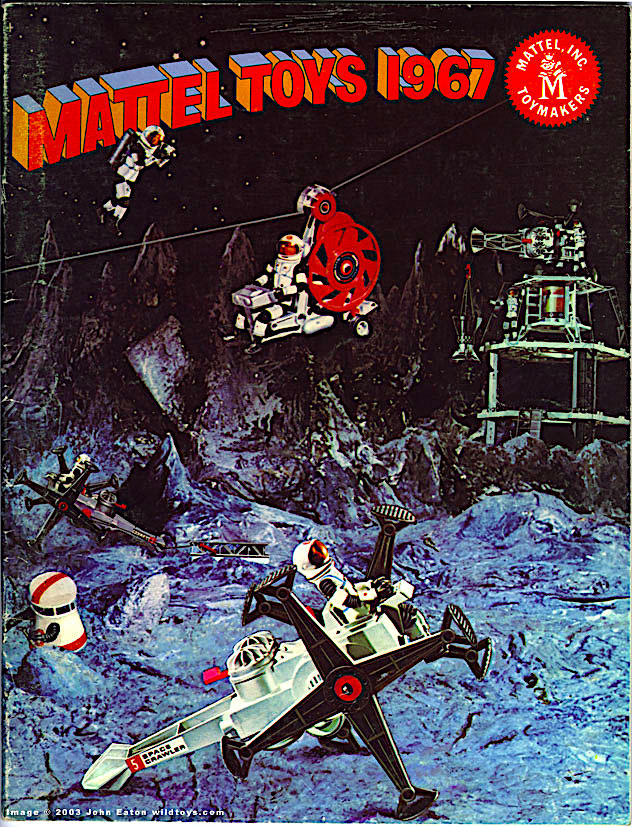
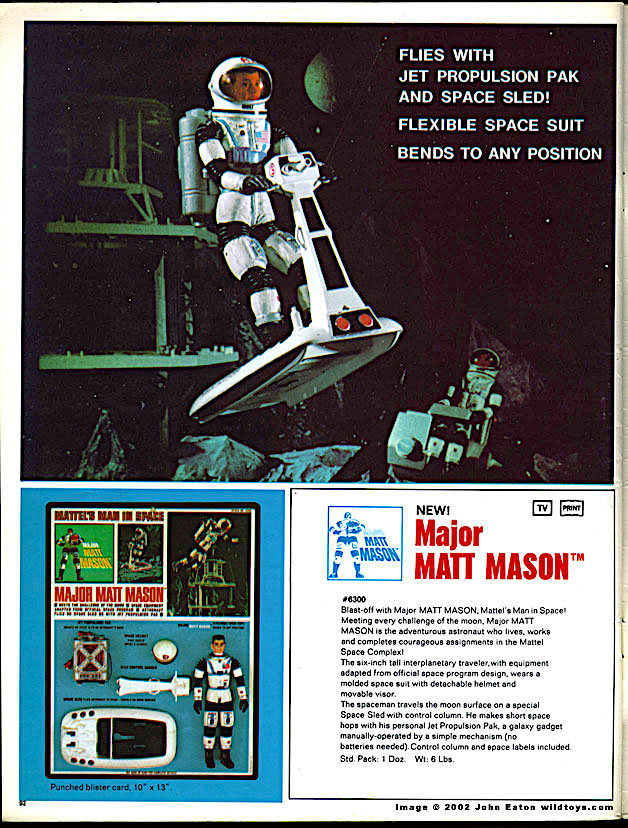
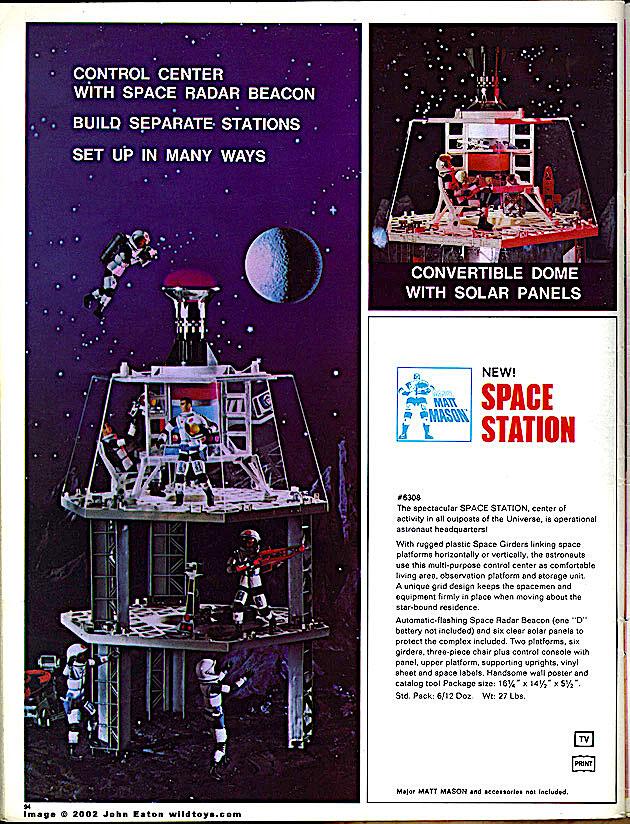
We're of course talking about Major Matt Mason, that Plastisol astronaut action figure and kids' playset product line from the 1960s, which is celebrating its 60th anniversary this year.
Born in the 1960s, during the heat of America's space race with NASA's Apollo program aiming for the lunar landing by the end of the decade, Mattel's design mastermind's found inspiration in visionary space concept artists' wild dreams of futuristic moon bases, lunar buggies, and space vehicles.
Major Matt Mason was one of the first serious space toys to exist in the marketplace, first hitting the shelves of toy shops and department stores across the country in 1966.
Capitalizing on the daily news stories of Gemini missions and Apollo moon-walking dreams, this spacefaring fellow and his astronaut pals let kids everywhere imagine colorful cosmic adventures.
Back in 2019, Variety reported that Tom Hanks was attached to star in a Major Matt Mason live-action film being set up at Paramount Pictures with Akiva Goldsman ("A Beautiful Mind," "The Da Vinci Code") hired to write the screenplay.
Hanks is an enthusiastic advocate of NASA history after starring in Apollo 13 and co-executive producing the Emmy Award-winning HBO docuseries "From The Earth To The Moon" alongside "Band of Brothers" super producer Graham Yost. Despite the heavy hitters attached, momentum has since stalled on the sci-fi project and it's sadly been shelved for the immediate future.
Matt Mason's line-up of bendy 6-inch astronaut action figures was developed as a competitor to Hasbro's 12-inch G.I. Joe toys that ruled the marketplace in the mid-60s.
Along with Matt's fellow rubberized space buddies — available in a variety of color-accented spacesuits — Mattel also offered a complete universe to create your own space outpost and ramped lunar headquarters, alongside accessory vehicles, moon gear, expansive playsets, and Matt's "allies from the stars": A purple-and-pink creature called Scorpio, and a green-skinned friendly Jovian alien called Callisto.
With the Vietnam War raging in Southeast Asia and televised on the nightly news, Major Matt Mason blasted into Sears and JCPenney catalogs when soldier action figures were losing their appeal.
He wasn't a gun-toting commando but a heroic explorer "ready and able to cope with any space task or fierce danger." In addition to the action figures and peripheral playsets, Matt Mason became a pop culture phenomenon with his own board game, coloring books, lunch boxes, and puzzles.
Named after Mattel's co-founder Harold "Matt" Matson, the Matt Mason line carried a certain air of authenticity as many of its designers happened to be former aerospace engineers. Some of the toys' far-out designs were taken straight out of NASA conceptual art and prototypes seen in the pages of Popular Mechanics, Life, and National Geographic magazines.
But, the general public is difficult to please for any extended period of time and following the Apollo 11 moon landing in July of 1969, space toys faded in interest. Just one year later, Major Matt Mason was no more, destined only to be coveted decades later as collectors items .
As NASA ramps up their Artemis program with 2027's Artemis 3 mission, before an Artemis 4 moon landing set for 2028, and the space agency doubling down on plans for a recently announced permanent lunar base, can there be any better time for Hollywood moguls to resurrect this cool project for a fantastic, retro-styled Major Matt Mason movie or TV series?
It's certainly a better idea than a Matchbox movie.
On Episode 221 of This Week In Space, Tariq Malik and guest host Rick Jenet of the National Space Society talk about SpaceX's Starship Flight 13, which deployed new Starlink V3 satellites and stunned viewers when the ship survived reentry intact enough to float in the ocean for days afterward.
They also discuss NASA's Roman Space Telescope, now just a month from launch, and an in-progress emergency effort to save the ailing Swift Space Observatory using a servicing spacecraft that is itself now experiencing technical trouble. Finally, they look into Boeing's continued Starliner delays and India's first successful private orbital launch via Skyroot Aerospace's Vikram-1 rocket. Tune in!
Download or subscribe to this show at: https://twit.tv/shows/this-week-in-space.
Get episodes ad-free with Club TWiT at https://twit.tv/clubtwit
Looking for a telescope to see planets and comets? We recommend the Celestron Astro Fi 102 as the top pick in our best beginner's telescope guide.
Finally, did you know you can launch your own SpaceX rocket? Model rocket maker Estes' stunning scale model of a Falcon 9 rocket that you can pick up now. The launchable model is a detailed recreation of the Falcon 9 and retails for $149.99. You can save 10% by using the code IN-COLLECTSPACE at checkout, courtesy of our partners collectSPACE.com.
This Week in Space covers the new space age. Every Friday we take a deep dive into a fascinating topic. What's happening with the new race to the moon and other planets? When will SpaceX really send people to Mars?
Join Rod Pyle and Tariq Malik from Space.com as they tackle those questions and more each week on Friday afternoons. You can subscribe today on your favorite podcatcher.
Despite Han Solo's protestations to the contrary, travelling faster than light on screen is usually just as straightforward as dusting crops. So whether you're in "Star Wars", "Star Trek" or "Battlestar Galactica", jumping to hyperspace, going to warp or spooling up the FTL really is as simple as popping out to the store.
In fact, Albert Einstein's time-dilating general theory of relativity tends to be little more than an afterthought, with films highlighting the inconveniences of interstellar travel definitely in the minority. For this reason, the very existence of "Flight of the Navigator" is even more improbable than its premise.
The Disney family movie — which celebrates its 40th anniversary this weekend — sends an ordinary kid on an unlikely journey that's part "Interstellar", part "Back to the Future".
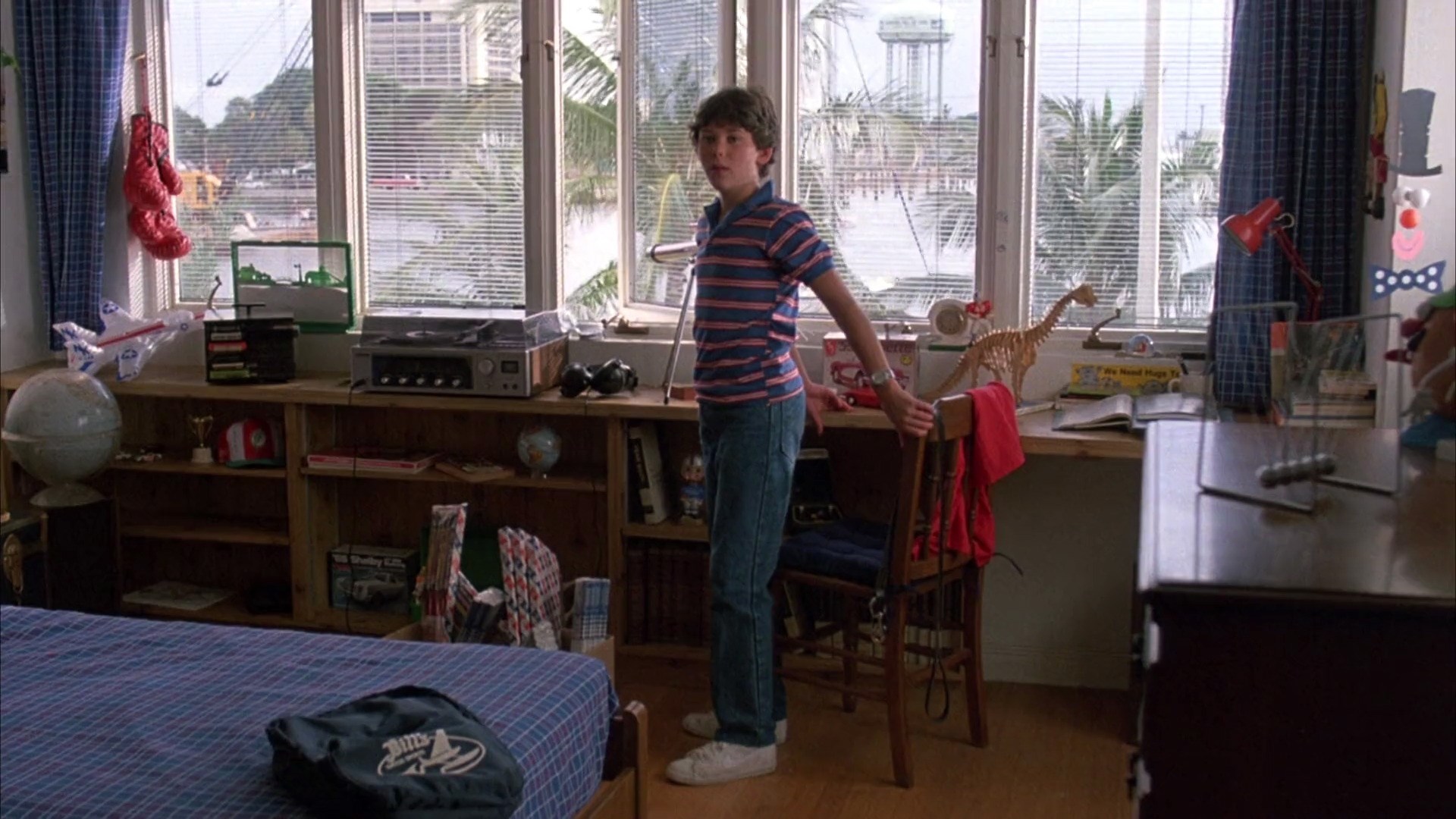
On July 4, 1978, 12-year-old David Scott Freeman is briefly knocked unconscious after he falls into a ditch near his Florida home. When he wakes up — seemingly moments later — he finds strangers living in his house, and gradually comes to realize that eight years have passed for everybody else. In the meantime, David has been declared dead, his little brother is now his big brother, and — perhaps weirdest of all — music videos are now a very big thing on MTV.
He doesn't know it yet, but much like Matthew McConaughey's Cooper in "Interstellar", David has been caught in the crosshairs of relativity. It turns out that he's unwittingly taken a ride in a Trimaxion drone ship, making the round trip to the planet Phaelon (some 560 light years away) in a mere 4.4 solar hours.
NASA scientists explain away the eight-year time slip as a consequence of "light speed theory", the idea that "time slows down as you approach the speed of light". And if that sounds like a big concept for "Flight of the Navigator"'s target audience to grasp, the filmmakers weren't particularly worried.
"I think kids can understand it," director Randal Kleiser said back in 2020. "'Back to the Future' was sort of like that, and kids are smarter than most people think. You just tell them that you’re going at the speed of light and time slows down, and they get it."
Kleiser was best known for the musical smash hit "Grease", the highest-grossing movie of 1978, when he got the "Flight of the Navigator" gig. When he came on board, the film's paymasters were already disagreeing about the direction they wanted to take Mark H Baker's story.
Disney, unsurprisingly, were shooting for a family movie "with dancing little animals", while their production partners at Producers Sales Organization (PSO) were looking for something a little edgier. "They wanted to have the army come in and shoot down the spaceship," Kleiser recalled.
Eventually, a gun-free compromise was found, though the opening act of the movie would remain surprisingly bleak and emotionally complex. Now living in 1986, David has to come to terms with his new reality as a human guinea pig in a world where his family looks familiar, but he no longer really knows them. Also, how did his brain come to be filled with weird alien languages and complex star maps?
The role was always going to ask a lot of its actor, and Kleiser ultimately selected a young Vancouver native named Joey Cramer. Cramer beat hundreds of other kids to the role, including future Hollywood stars Chris O'Donnell and Joaquin Phoenix, who appeared in "Space Camp" the same year.
"Joey was so easy to get to cry," Kleiser said of his casting decision. "For him to be able to do it in the audition — and be also so personable and likeable — was the thing that put him over the top."
Cramer's main co-star would prove even more difficult to find, however, seeing as faster-than-light spacecraft from distant worlds called Phaelon don't — as far as we know — exist.
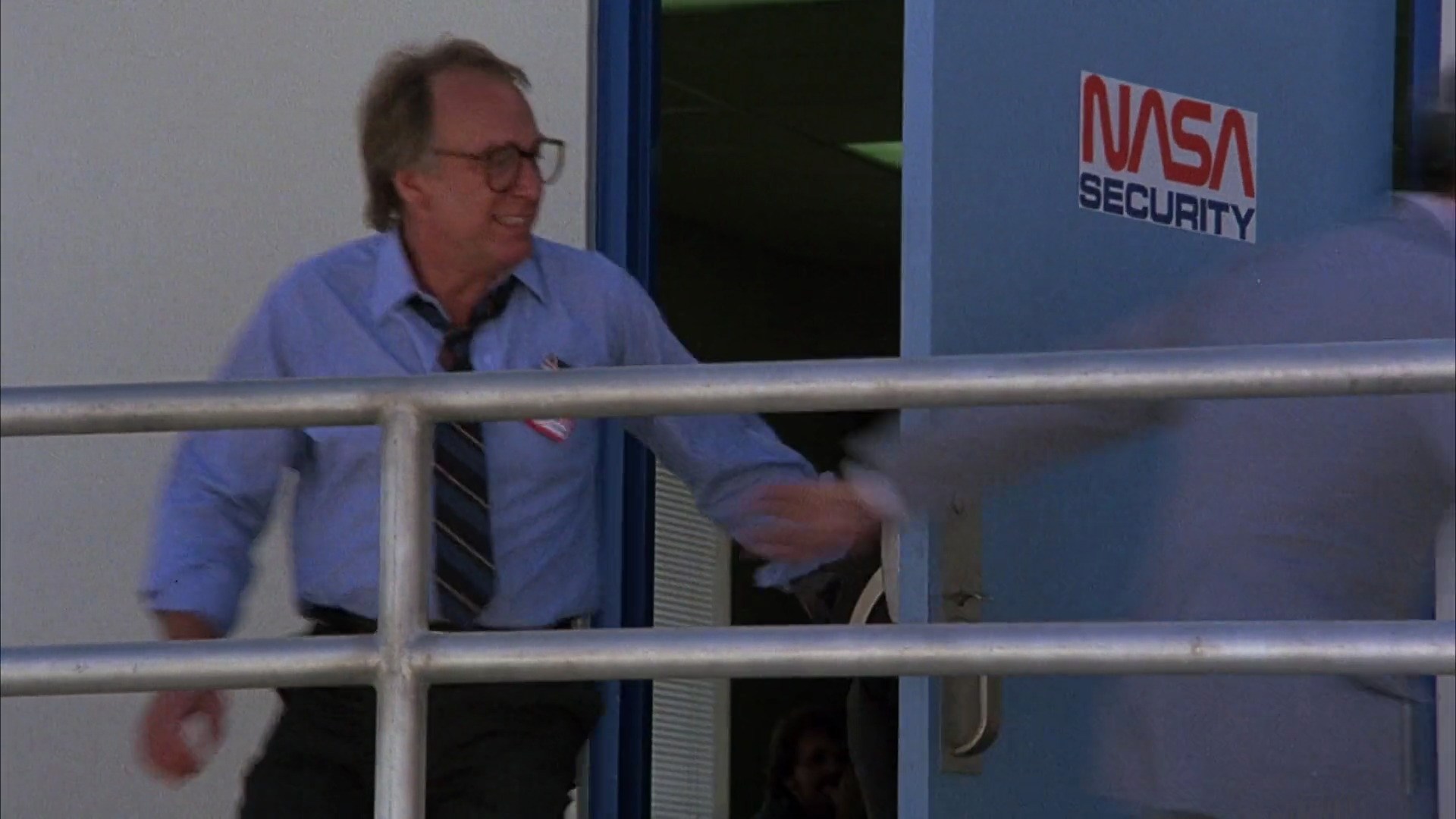
In the second half of "Flight of the Navigator", David makes a credibility-stretching escape from a top-secret NASA facility — seriously, where did they find such a negligent bunch of security guards? — to hitch a ride on board the aforementioned Trimaxion ship.
Nicknamed Max and voiced by Pee-wee Herman star Paul Reubens (credited here as Paul Mall), the spacecraft reveals that David is one of several alien species taken to Phaelon for study; we also meet a menagerie of puppets on board, including a hungry little guy who eats David's hat, and the pocket-sized, implausibly cute Puckmaren.
Max would usually return the test subjects back to the time and place he found them, but says that David's human physiology is too fragile to make the journey back to 1978. In the meantime, he also needs to access the maps he uploaded to the human kid's brain, seeing as a collision with some electricity pylons has damaged his navigational databanks. It's here that the movie evolves into childhood wish-fulfilment fantasy, as David and the fast-learning AI become BFFs on the run from the authorities.
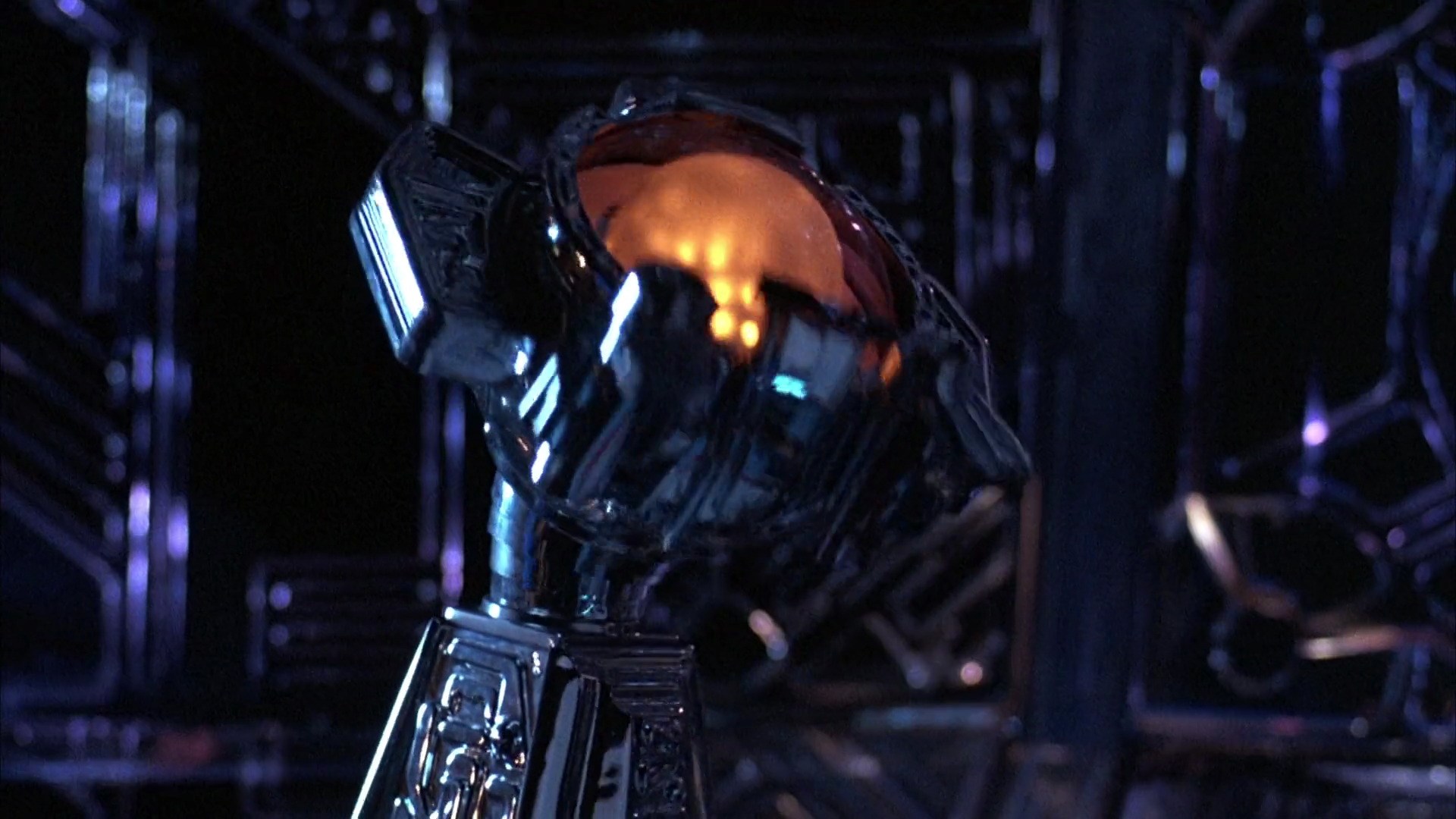
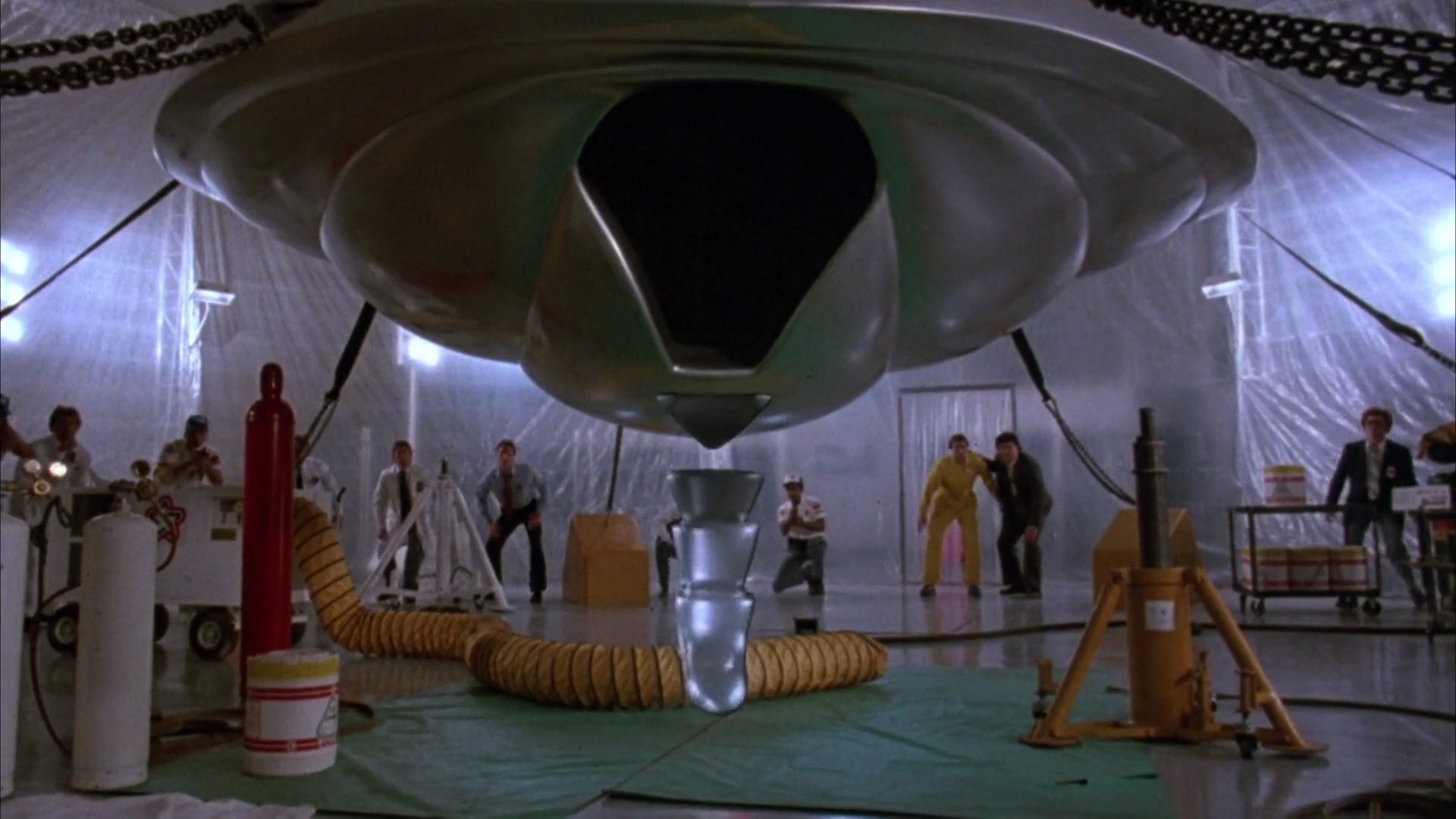
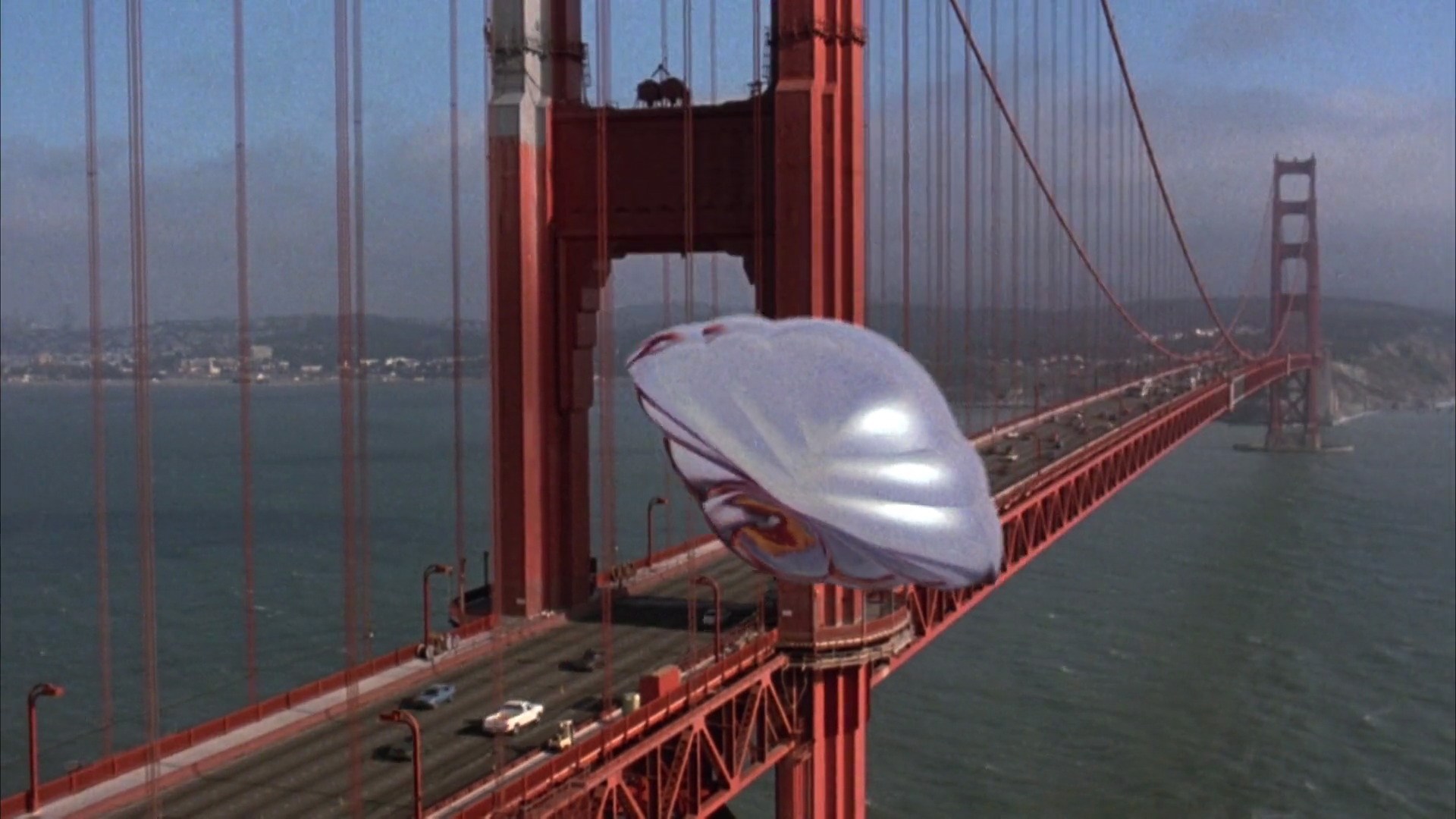
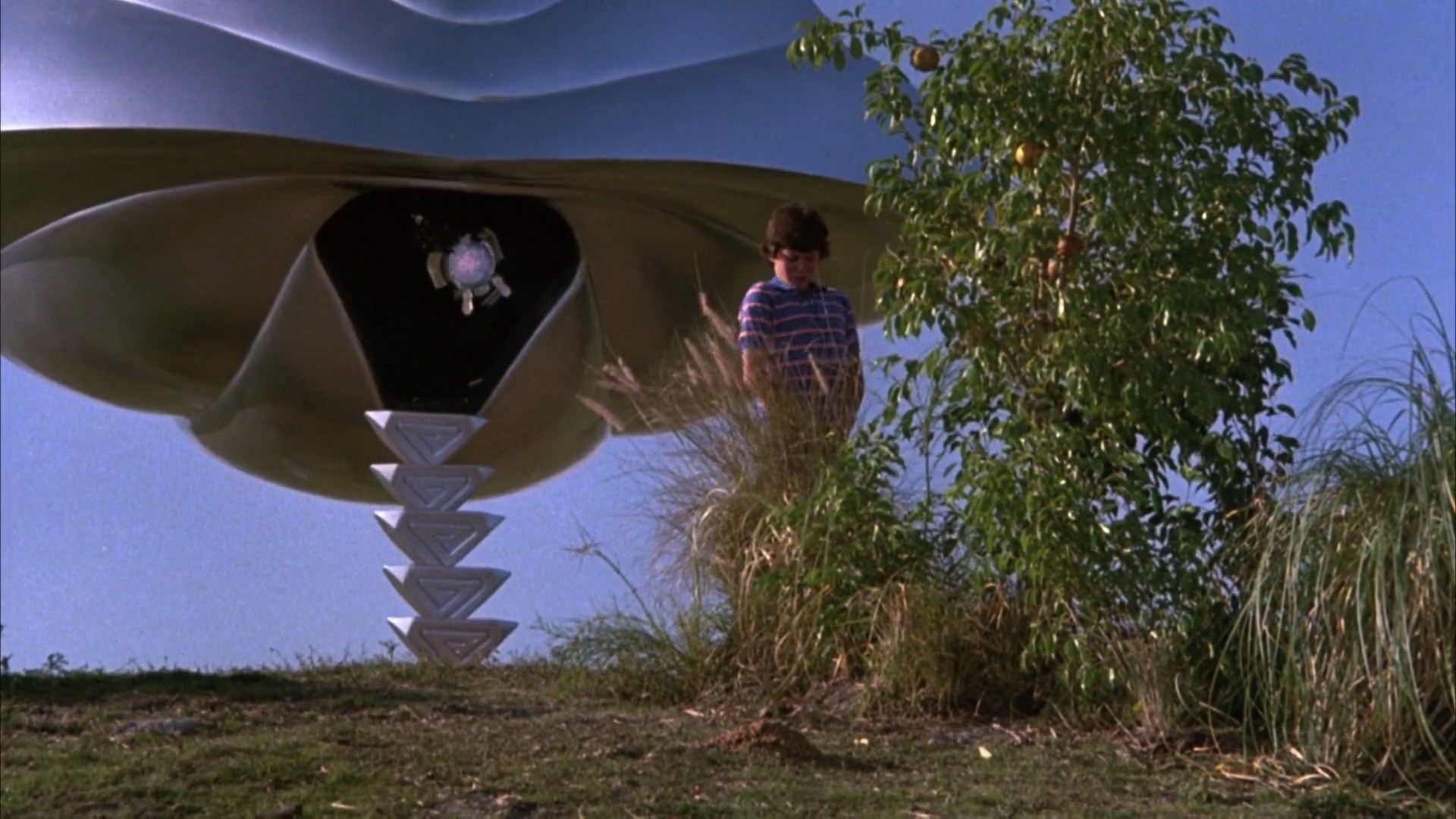
The spaceship exterior, meanwhile, is arguably the most groundbreaking thing about the film, a mirrored, shapeshifting update of the classic flying saucer design popularized by "The Day the Earth Stood Still".
Kleiser persisted with that shiny surface, despite the advice of a former University of Southern California classmate (a certain George Lucas) who told him that all those reflective surfaces would make the ship "more trouble than it's worth". (By the time "The Phantom Menace" was released 13 years later, Lucas had clearly changed his mind, so maybe "Flight of the Navigator" had a tiny bit of influence on a galaxy far, far away.)
"I wanted to find something different that hadn’t been done before," Kleiser explained. "I was driving down the freeway behind a big silver truck, and I could see my car reflected behind it. And I thought, 'Wow, I've never seen a spaceship like that.' It took a while till we figured out how to do it!"
After several unsuccessful experiments involving silver paint and mylar glued to paper plates, salvation came courtesy of Kleiser's brother Jeff, who'd worked on the VFX for "Tron" and was a pioneer in the nascent field of computer graphics. And while the liquid metal effects aren't quite as, ahem, polished as James Cameron's genre-defining efforts in 1991's "Terminator 2: Judgment Day", "Flight of the Navigator" deserves to be mentioned in the same breath.
Despite having an innovative spaceship and a considerably happier ending than "Interstellar" (spoiler: David does eventually make it home), "Flight of the Navigator" struggled at the box office. It eventually found its audience on home video, however, and deservedly so, seeing as it's an inventive, witty, and surprisingly sophisticated family movie that refuses to talk down to its audience.
"When it first came out, I think maybe it just wasn’t marketed properly," said Kleiser, "but the fact that it’s become kind of a cult classic is nice. I run into people all the time who say that it's their favourite movie. [Lots of them] really like the fact that it explored how time travel could change a sibling relationship."
As we said, "Flight of the Navigator" really is "Back to the Future" and "Interstellar" rolled into one.
'Flight of the Navigator' is available to stream on Disney+ in the US and Prime Video in the UK. 'Life After the Navigator', a documentary about the film, is also available on Prime Video in the UK.
Watch Flight of the Navigator on Disney+ (US):
Disney+ (With Ads): $11.99/month
Disney+ Premium (No Ads): $18.99/month or $189.99/year
Watch Flight of the Navigator on Amazon Prime Video (UK):
Amazon Prime: $14.99/month or $139/year
Amazon Prime Video: $8.99/month
Ad-free add-on: $2.99/month
The summer is slowly waning as we soon turn the calendar page to August and back to school supplies are already cluttering store shelves, but Hollywood still has a pocketful of of possible surprises hitting the silver screen. My prediction for "Masters of the Universe" as a summertime sleeper hit did not come to pass, though it was a totally enjoyable nostalgic romp, if not about 20 minutes or so too long.
Recent teasers and trailers starring Ewan McGregor and Anne Hathaway and their suburban family have them sprinting for their lives after a strange cosmic event whisks their placid American neighborhood seemingly back to prehistoric times when dinosaurs roamed the Earth. Think "The Twilight Zone" meets "Jurassic Park" with a dash of "A Quiet Place" and you’ll be pretty close to the wild narrative that will unfold when the "running and screaming" begins.
This all seems like the perfect recipe for a fun cocktail of primeval creatures rampaging across driveways and lawns while residents fight back with guns and garden tools. "I think our house, our neighborhood, our whole street, has moved," Hathaway's Denise Platt explains to her children in the first teaser that dropped in March and racked up a hefty 30 million views.
While "Spider-Man: Brand New Day" is surely destined to become a global sensation, we’d like you to redirect your cinematic radar to "The End of Oak Street," a cool little sci-fi fantasy film brought to life by executive producer J.J. Abrams and Bad Robot ("Lost," "Cloverfield," "Star Trek," "Star Wars: The Force Awakens").
Stomping into theaters on Aug. 14, 2026, it's written, produced, and directed by David Robert Mitchell ("It Follows") who brings his twisted sensibilities to the surreal survival material.
Fans of "The Outer Limits" might recall a similar theme, minus the feathered dinos of course, playing out in the 1964 episode, "A Feasibility Study," where aliens abduct a 6-block suburban neighborhood to their planet Luminos to study them as candidates for enslavement. Whether or not aliens are involved in this plot is unclear and Warner Bros. is now keeping that tightly under wraps.
Also starring Maisy Stella and Christian Convery and produced by Hannah Minghella, Jon Cohen, Matt Jackson and Tommy Harper, "The End of Oak Street" thunders into multiplexes on Aug. 14, 2026 and is our best bet for a late summer smash before the kiddies return to school!
Silo Season 3, Episode 5 finally explains what happened after Juliette returned to Silo 18. Titled “Memory,” the episode revisits several important events from a different point of view while revealing the people secretly working against the system. What happens in Silo Season 3, Episode 5? Spoilers ahead for Silo Season 3, Episode 5. The […]
The post ‘Silo’ Season 3, Episode 5 Recap: Juliette Finally Gets Her Memory Back appeared first on The Mac Observer.
Sugar Season 2, Episode 7 delivers the major confrontation viewers expected from the finale, even though one episode remains. Titled “What Else Can You Do?”, the episode brings John Sugar’s investigation into the Moon brothers to a dramatic conclusion. Danny and Ji reunite, Ray Vega meets a brutal end, and Sugar crosses a line he […]
The post ‘Sugar’ Season 2, Episode 7 Recap: John Sugar Crosses a Line He Can’t Undo appeared first on The Mac Observer.
Cape Fear Season 1 ends with Max Cady finally losing control, although the Bowden family does not escape the nightmare without lasting emotional damage. Warning: Major spoilers for Cape Fear Season 1, Episode 10 follow. The finale places Anna, Tom, Natalie and Zack Bowden in one final confrontation with Max. A hurricane provides the perfect […]
The post Cape Fear Season 1 Ending Explained: Does Max Cady Die in the Finale? appeared first on The Mac Observer.
Sugar Season 2, Episode 8 will arrive on Apple TV on Friday, August 7, 2026. The upcoming chapter serves as the season finale and will reveal the consequences of John Sugar’s violent confrontation with Ray Vega. Where Is the Story Heading? Spoiler warning: The following section discusses events from Season 2, Episode 7. Episode 7 […]
The post ‘Sugar’ Season 2, Episode 8 Release Date and What to Expect appeared first on The Mac Observer.