
❌

Normal view

Received — 9 August 2026 ⏭ Outbreak News Today

DRCongo: Cholera epidemic continues to rage in Kwilu province

9 August 2026 at 13:35

According to provincial health authorities in Kwilu province, in western Democratic Republic of the Congo (DRC), 419 cases of cholera, including 30 deaths, have been recorded since the beginning of June in four health zones.

Following Bandundu and Kikongo, the health zones of Mokala and Ipamu have also recorded cases of cholera. To date, the outbreak remains active in these two zones, while no new cases have been reported in Bandundu and Kikongo.
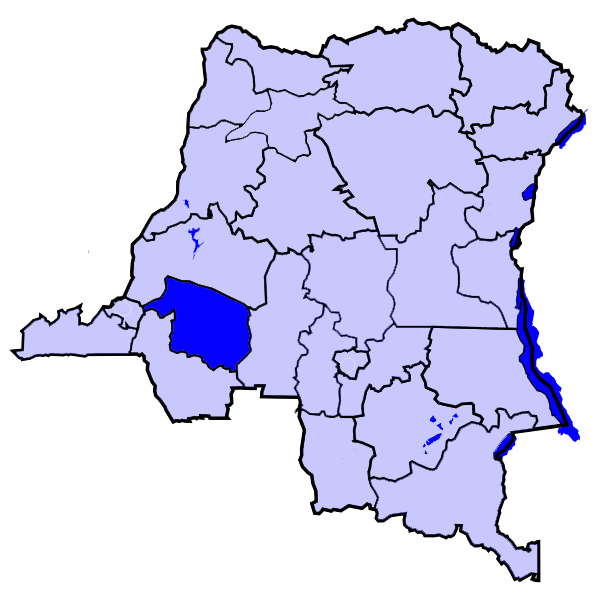
In the Bandundu health zone, 212 cases have been reported, including 14 deaths. More than 198 people who received care have been declared recovered and discharged from health facilities.

In Kikongo, 166 cases have been recorded, including 8 deaths. More than one hundred patients have also been declared recovered, while no new cases are currently reported in this health zone.

Ebola outbreak in DR Congo continues to spread at an 'alarming and unprecedented rate'

However, the situation remains worrying in Mokala and Ipamu, where health teams are continuing interventions to contain the spread of the disease.

According to health authorities, the consumption of unsafe water from the Kasai River is one of the main factors contributing to the transmission of cholera in the region.

Water chlorination is among the main measures taken in the affected areas. Operations are being carried out in Piopio and Panu, in the Mokala health zone, and in Kinkole, in the Ipamu health zone.

Cholera: A significant global health concern

The response to this epidemic is supported by both the central government and the Kwilu provincial government. Water treatment supplies, personal protective equipment for healthcare workers, and disinfection equipment for infected sites have been provided to the teams involved in combating the epidemic.

According to the Africa CDC, since the beginning of the year, more than 33,000 total cases and 943 deaths.

Outbreak News Today is a reader-supported publication. To receive new posts and support my work, consider becoming a free or paid subscriber.

Louisiana reports 5 deaths due to Vibrio vulnificus

9 August 2026 at 00:34

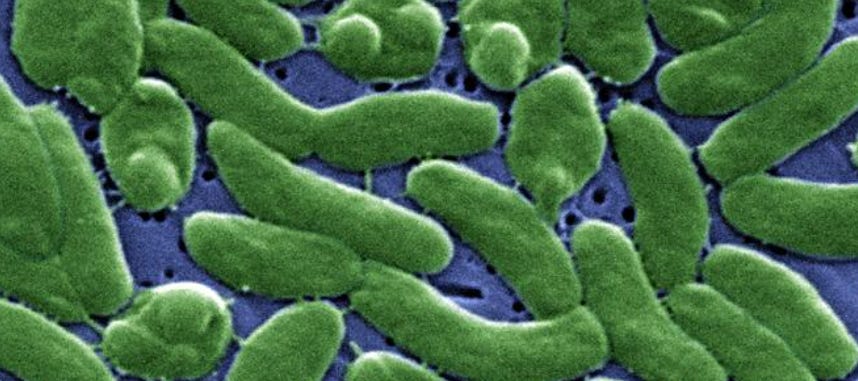
Louisiana state health officials are reporting nine cases of Vibrio vulnificus so far in 2026, with all nine requiring hospitalization, including five deaths, prompting officials to urge residents to take precautions to prevent infection from the bacterium found naturally in warm coastal waters.

All nine cases reported this year were associated with wounds exposed to seawater, and all patients had underlying health conditions.

The number of cases and deaths this year are higher than in recent years. During the same period over the previous 10 years, Louisiana reported an average of seven cases and one death.

According to the Louisiana Department of Health, Vibrio bacteria occur naturally in warm coastal waters and are found in higher numbers from May to October, when water temperatures are warmer. Infection can occur when an open wound is exposed to brackish or salt water or when a person eats raw or undercooked seafood, particularly oysters.

Vibrio vulnificus: Risk, transmission, disease and prevention

Vibrio infection can result in gastrointestinal illness, wound infection, or blood poisoning (bloodstream infection).

Some species, including Vibrio vulnificus, can cause severe and life-threatening infections. People with severe infections may require intensive care or limb amputation. About one in five people with Vibrio vulnificus infection dies, sometimes within a day or two of becoming ill.

Anyone can get a Vibrio infection, but the risk of severe complications is highest among people who:

  • Have liver disease, cancer, diabetes, HIV, or thalassemia

  • Receive immune-suppressing treatment

  • Take medicine that reduces stomach acid

  • Have recently undergone stomach surgery

Signs of Vibrio wound infection include:

  • Fever

  • Redness, pain, swelling, or warmth around the wound

  • Skin discoloration

  • Drainage or discharge

Seek medical care immediately if a wound exposed to brackish or salt water becomes red, swollen, painful, warm, or discolored. Tell the health care provider about the water exposure.

Signs of a bloodstream infection include fever, chills, dangerously low blood pressure, and blistering skin lesions.

Ebola outbreak in DR Congo continues to spread at an ‘alarming and unprecedented rate’

Common gastrointestinal symptoms of Vibrio infection include watery diarrhea, stomach cramps, nausea, vomiting, fever, and chills.

How to reduce your risk

  • Stay out of brackish or salt water if you have an open wound, including cuts, scrapes, recent surgery wounds, or piercings.

  • Cover wounds with a waterproof bandage if they could come into contact with brackish or salt water, raw seafood, or raw seafood juices.

  • Wash wounds thoroughly with soap and after possible exposure.

  • Cook seafood thoroughly, especially if you have a weakened immune system, are pregnant, or have certain medical conditions like liver or stomach disorders.

  • Wash your hands with soap and water after handling raw shellfish.

  • Keep cooked seafood separate from raw seafood and its juices.

If you are in a high-risk group, you should also:

  • Wear protective clothing and footwear to help prevent cuts and scrapes in coastal water.

  • Wear gloves when handling raw seafood.

Outbreak News Today is a reader-supported publication. To receive new posts and support my work, consider becoming a free or paid subscriber.

Peru distributes nearly 200,000 doses of dengue vaccine to priority regions

9 August 2026 at 00:16

The Ministry of Health (Minsa), through the National Center for the Supply of Strategic Health Resources (Cenares), distributed a total of 199,892 doses of the Qdenga dengue vaccine to Piura, La Libertad, Lambayeque, San Martín and Ucayali, priority regions due to reporting the highest number of cases of the disease transmitted by the Aedes aegypti mosquito.

Image/Minsa

According to the officials, 47,170 doses were delivered to Piura, 20,722 to La Libertad, 59,000 to Lambayeque, 30,000 to San Martín and 43,000 doses to Ucayali.

The delivery of the vaccines will allow for the vaccination of children and adolescents between 10 and 20 years of age against dengue fever, protecting them from the impact of the El Niño Costero phenomenon.

Ebola outbreak in DR Congo continues to spread at an 'alarming and unprecedented rate'

With these actions, the Ministry of Health reaffirms its commitment to strengthening the fight against dengue through the timely supply of the vaccine. It also urges families to comply with preventive measures such as eliminating potential breeding grounds, covering containers, and using insect repellent, among others.

From the beginning of the year through mid-July, Peru has recorded more than 38,000 total dengue cases, including 30,151 laboratory confirmed cases. 42 deaths have been reported to date.

Dengue serotypes 1, 2, and 3 are circulating in Peru.

Outbreak News Today is a reader-supported publication. To receive new posts and support my work, consider becoming a free or paid subscriber.
Taiwan reports first confirmed case of locally transmitted typhoid fever

8 August 2026 at 23:51

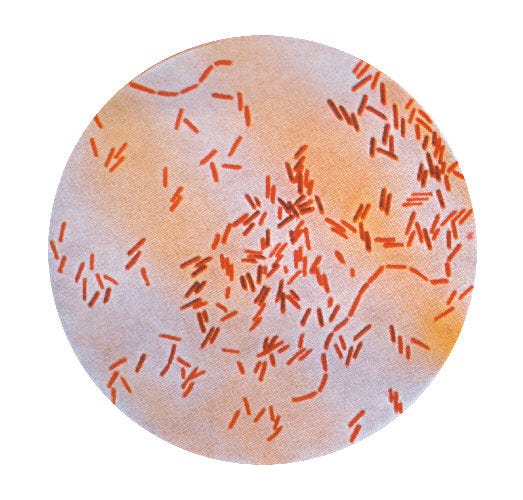
The Taiwan Centers for Disease Control (CDC) recently announced the first confirmed case of locally acquired typhoid fever in Taiwan this year.

The patient is a woman in her 70s from central Taiwan with a history of chronic illness and no recent domestic or international travel history.

She developed symptoms such as fever and diarrhea in mid-July. Due to the lack of improvement in her symptoms, she sought medical attention and was hospitalized. She was diagnosed after testing and has since been discharged and is recuperating at home.

Ebola outbreak in DR Congo continues to spread at an 'alarming and unprecedented rate'

According to CDC statistics, there have been a total of four confirmed cases of typhoid fever in Taiwan this year, including one locally acquired case and three imported cases. The number of locally acquired cases is comparable to the number of cases in the same period from 2022 to 2025 (between 1 and 3 cases). Taiwan has reported a total of 40 cases since 2022, including 11 locally transmitted cases and 29 imported cases. The majority of these cases are in the 20-39 age group, with the majority of imported cases originating from Indonesia (22 cases).

Typhoid fever is a bacterial infectious disease caused by Salmonella Typhi. The incubation period is generally 8 to 14 days (but can vary from 3 to 60 days). It is primarily transmitted through food or water contaminated with the feces or urine of infected individuals or carriers.

Common symptoms include persistent fever, headache, fatigue, loss of appetite, abdominal pain, diarrhea, relative bradycardia, or a rash on the trunk. The CDC urges the public to pay attention to food and hand hygiene. Drinking water should be boiled or bottled water should be used. Food must be thoroughly cooked before consumption, and cross-contamination between raw and cooked foods should be avoided during cooking and preparation.

Furthermore, maintaining good personal hygiene habits, such as thoroughly washing hands with soap and water before meals, after using the toilet, before handling food, and after changing diapers, is crucial for preventing infection.

Outbreak News Today is a reader-supported publication. To receive new posts and support my work, consider becoming a free or paid subscriber.
Ebola outbreak in DR Congo continues to spread at an 'alarming and unprecedented rate'

8 August 2026 at 18:31

In this news video, I go over the latest numbers from the Ebola Bundibugyo outbreak in the Democratic Republic of the Congo.

In addition, I look at what some major health organizations, like MSF, WHO and Africa CDC, say about their concerns about the outbreak.

Lastly, I offer some good news about some suspected cases that turned out negative very close to the capital city of Kinshasa.

Outbreak News Today is a reader-supported publication. To receive new posts and support my work, consider becoming a free or paid subscriber.
Check out news, interviews and information about health and disease at Outbreak News TV - Subscribe, Like, Comment, Share

Uganda reports Crimean-Congo hemorrhagic fever cases in Yumbe district, One death

8 August 2026 at 18:15

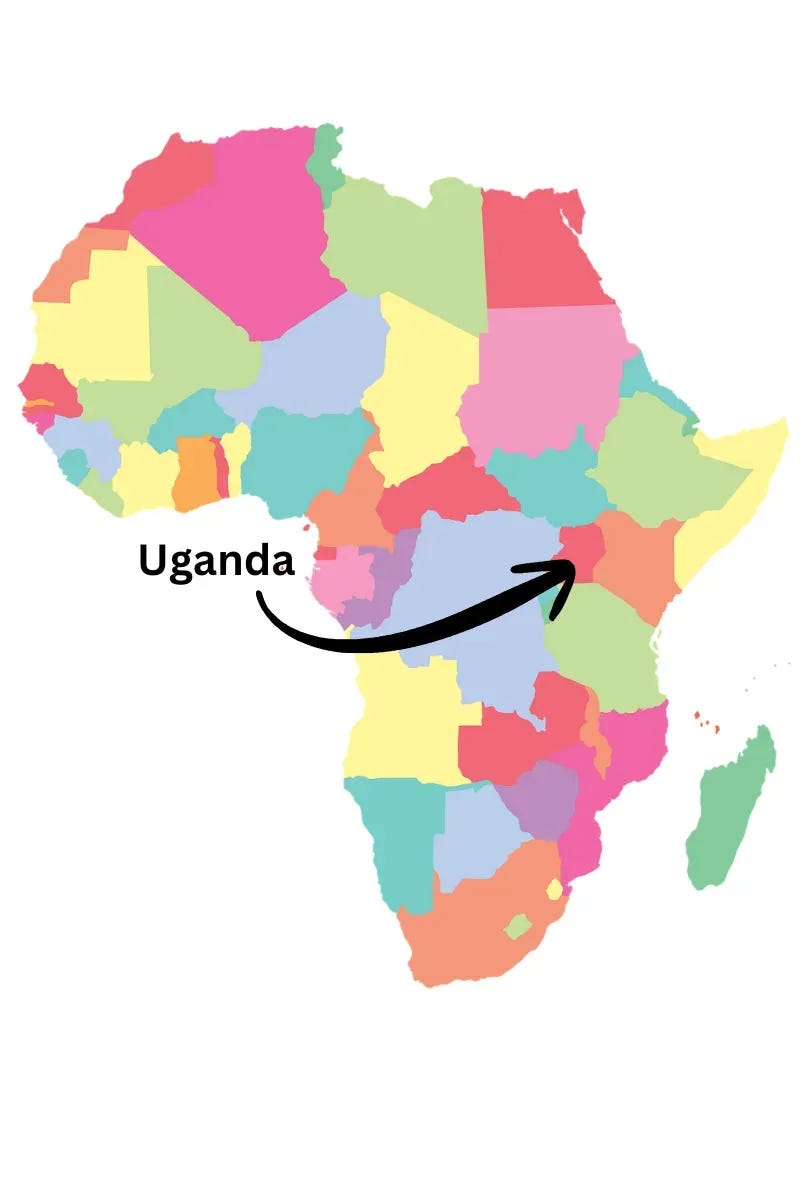
Health officials in Yumbe dustrict in northern Uganda report two confirmed cases of Crimean-Congo hemorrhagic fever (CCHF).

The two cases include an 18-year-old from Ariwa sub-county and a fatal case in a nine-year-old boy from Lodonga sub-county.

Crimean-Congo hemorrhagic fever 101

Sporadic CCHF outbreaks are reported in Uganda annually.

Ebola outbreak in DR Congo continues to spread at an ‘alarming and unprecedented rate’

Crimean-Congo Hemorrhagic Fever (CCHF) is caused by infection with a tick-borne virus (a nairovirus, CCHF virus).

CCHF virus is spread by contact with infected ticks or animal (e.g., livestock) blood. CCHF virus can be spread from human to human through contact with infectious blood or bodily fluids.

Initial symptoms of CCHF include headache, high fever, back pain, joint pain, stomach pain, and vomiting. As the illness progresses, large areas of severe bruising, severe nosebleeds, and bleeding at injection sites can be seen.

In documented outbreaks of CCHF, fatality rates in hospitalized patients have ranged from 9% to as high as 50%.

Outbreak News Today is a reader-supported publication. To receive new posts and support my work, consider becoming a free or paid subscriber.
Japan: Yagiyama Zoological Park reports deaths of 4 Humboldt penguins due to avian malaria

8 August 2026 at 12:55

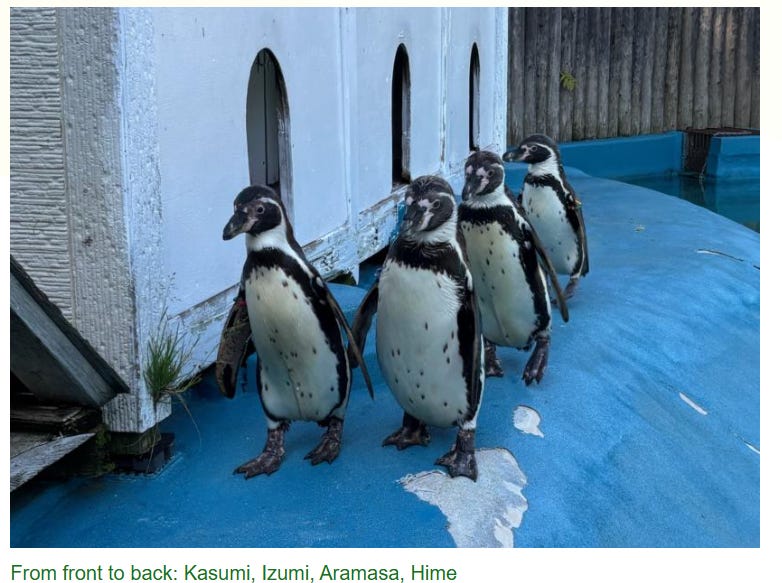
In an announcement made Friday, the Yagiyama Zoological Park in Sendai in northeastern Japan reports the death of four Humboldt penguins from avian malaria.

According to the zoo, the penguins died in succession- On July 9th, "Aramasa (male)" died, followed by "Hime (female)" on the 10th, "Izumi (male)" on the 18th, and "Kasumi (female)" on the 19th.

Image/Yagiyama Zoological Park

After "Aramasa's" death, the exhibit was suspended and the birds were moved to the back area.

All four birds showed no abnormalities such as poor health or loss of appetite until the day before their deaths and were behaving normally.

Baylisascaris procyonis: The little known but very dangerous raccoon roundworm

Because "Aramasa" and "Hime" died suddenly in quick succession, and based on similar cases at other zoos, "avian malaria" was suspected, so "Izumi" and "Kasumi" were given antimalarial drugs, but unfortunately they also died.

Iwate University was commissioned by Yagiyama Zoological Park in Sendai to investigate the cause of the birds' deaths.

Blood and organ tests were conducted at the research institution, and the gene for avian malaria parasites was confirmed in several birds.

Based on a comprehensive assessment of the circumstances of death, the results of this investigation, and cases from other zoos, it is believed that the cause of death for the four birds was avian malaria.

Avian malaria is a disease caused by infection with the malaria parasite, which is widely found in birds, and is transmitted by mosquitoes. It does not infect humans.

In penguins, symptoms such as lethargy, loss of appetite, anemia, and apathy may occur, but in some cases, the condition can deteriorate rapidly without any obvious symptoms, and death can result.

The zoo announced that based on the results of this inspection, they will implement the following measures to control the occurrence of mosquitoes that transmit avian malaria parasites and to maintain the health of the penguins, with the aim of reopening the penguin exhibit:

  • We will improve the unevenness of the ground in the exhibition hall to prevent puddles from forming, and improve ventilation by removing weeds to create an environment where mosquitoes are less likely to breed.

  • Regular administration of antimalarial drugs reduces the risk of avian malaria.

  • To prevent physical exhaustion due to the heat, we will install new fans in addition to the existing sunshades and misting systems.

Humboldt penguins are commonly found along the coasts of Peru and Chile in South America. They are considered better adapted to warmer climates than penguins from colder regions like Antarctica, and are commonly kept in zoos throughout Japan.

Outbreak News Today is a reader-supported publication. To receive new posts and support my work, consider becoming a free or paid subscriber.
Costa Rica reports significant increase in chikungunya in 2026

8 August 2026 at 01:30

Health officials in Costa Rica reported their first confirmed chikungunya virus case since 2016 in a 24-year-old Costa Rican man, a resident of Esparza, Puntarenas, in late January.

Since that time, the country has recorded a total of 82 cases, including 48 confirmed. This compares to 8 total cases and no confirmed cases in all of 2025.

The current outbreak is located in the North-West of the country, affecting San Jose, Puntarenas, Guanacaste, Alajuela, and Heredia provinces.

Chikungunya epidemic risk: A call to action

Chikungunya is a viral disease transmitted by the bite of infected mosquitoes such as Aedes aegypti and Aedes albopictus. It can cause high fever, joint pain, muscle pain, and headache. Although chikungunya disease rarely causes death, the joint pain associated with the disease can last for months or years and can become a cause of chronic pain and disability.

Outbreak News Today is a reader-supported publication. To receive new posts and support my work, consider becoming a free or paid subscriber.
DR Congo: Ebola outbreak tops 4,000 confirmed cases

8 August 2026 at 01:01

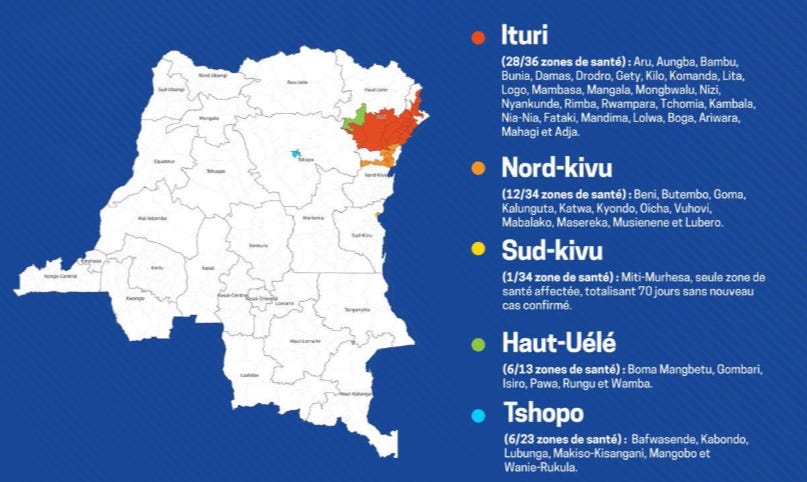
According to the Democratic Republic of the Congo (DRC Ministry of Health (MOH), 4,053 confirmed Ebola cases across 53 health zones in five provinces have been reported as of August 5, 2026.

The two newly affected zones are: Gombari (Haut-Uélé) and Bafwasende (Tshopo). Ituri remains the primary epicenter, accounting for 86.9% of cumulative cases.

Other key numbers include 1,850 deaths (45.7% fatality rate), 793 recoveries, 694 patients in isolation or hospitalized, and contact tracing progress at 77.7%, supported by 1,158 alerts investigated in 24 hours.

Ebola Bundibugyo outbreak in Africa

Response efforts focus on enhanced surveillance, treatment centers, community engagement, and a free hotline (151) for suspected cases, with visuals showing geographic spread and operational improvements.

The current, ongoing outbreak in the DRC is the 2nd largest on record. Here are the top 3 largest Ebola outbreaks:

  • 2014–2016 West Africa Outbreak:

    • Cases: ~28,616

    • Deaths: ~11,325

    • Location: Primarily Guinea, Liberia, and Sierra Leone

    • Strain: Ebola virus (Zaire ebolavirus)

  • 2026 DRC Outbreak:

    • Cases: Over 4,000 (ongoing)

    • Deaths: ~1,850+

    • Location: Democratic Republic of the Congo (concentrated in Ituri province)

    • Strain: Bundibugyo virus

  • 2018–2020 Kivu Outbreak (DRC):

    • Cases: 3,470

    • Deaths: 2,287

    • Location: Democratic Republic of the Congo

    • Strain: Ebola virus (Zaire ebolavirus)

The current outbreak which began on May 15 is the 17th Ebola disease outbreak reported in DRC.

Subscribe now

Doctors Without Borders (MSF), in a press release published on Wednesday, August 5, 2026, warned of the “alarming” spread of the Ebola epidemic in eastern Democratic Republic of Congo. Two months after its initial declaration, the organization stated that the disease continues to spread at an alarming and unprecedented rate, despite the tireless efforts of medical teams mobilized on the front lines to try to contain the outbreak.

MSF points out that this death toll is significantly higher than during previous epidemics over a comparable period. For comparison, the devastating 2014 Ebola epidemic in West Africa caused 279 deaths during the same timeframe.

The epidemic shows no signs of slowing down. New suspected cases are being reported almost daily in new locations, outside of the already identified chains of transmission.

The statement explains that, to avoid further loss of life, the response must be accelerated to outpace the current rate of transmission. The international medical response must be strengthened without delay, as many critical gaps remain. While progress has been made in testing and contact tracing, these efforts are still insufficient to contain the epidemic.

According to MSF, 90% of patients admitted to Ebola Treatment Centers (ETCs) were not previously monitored contacts. Furthermore, across Ituri province, only 59% of contacts have been traced. Therefore, strengthening collaboration with communities is urgently needed. An effective response can only be achieved if it is developed with and led by local stakeholders.

Without communities at the heart of the response, surveillance and contact tracing will continue to miss some cases. Greater involvement of community members is therefore essential to ensure early case detection and rigorous monitoring.

The statement also specifies that this epidemic is exacerbating an already existing humanitarian crisis. Malaria, measles, cholera, malnutrition, and other preventable but treatable diseases continue to cause severe illness and death. It is therefore equally crucial to support health facilities so they can maintain the provision of essential medical services throughout the Ebola response and thus help protect healthcare workers.

Finally, MSF stresses that strengthening epidemiological surveillance, improving community engagement and ensuring safe access for humanitarian personnel are absolute priorities.

Although the response is gradually intensifying, it is still not reaching communities quickly enough to break the chains of transmission.

Outbreak News Today is a reader-supported publication. To receive new posts and support my work, consider becoming a free or paid subscriber.
Tularemia cases investigated in Suffolk County, New York

7 August 2026 at 15:40

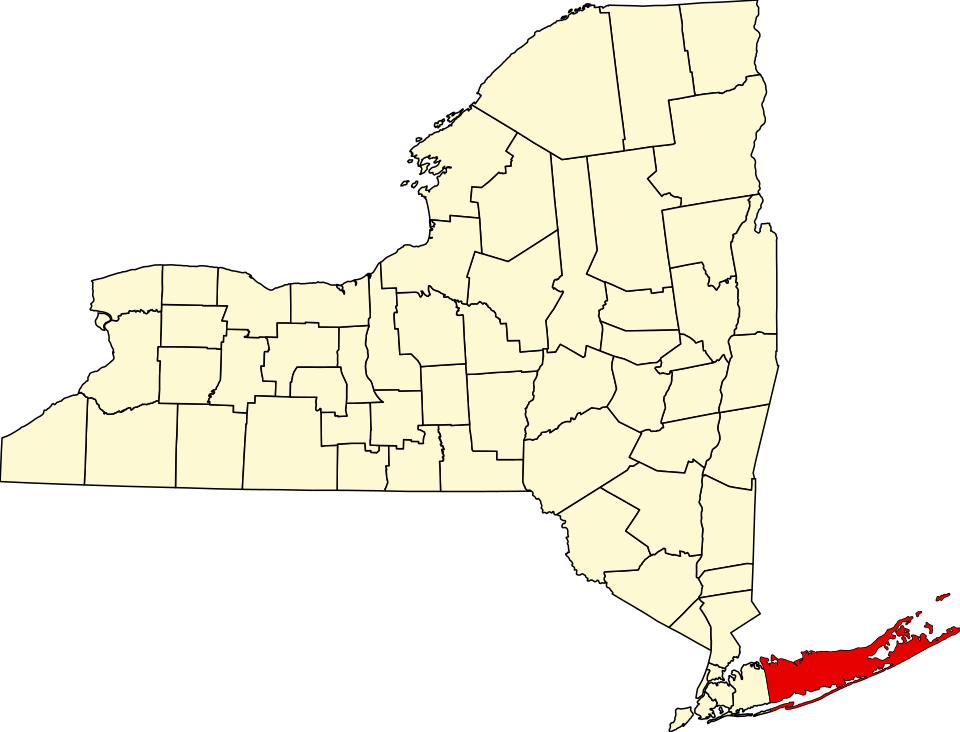
The Suffolk County Department of Health Services reports investigating four cases of tularemia, according to local media.

Image/David Benbennick

The county’s health commissioner, Dr. Gregson Pigott, reiterated that tularemia is uncommon, but this is not the first time multiple cases have popped up.

Suffolk logged six cases in 2025, four in 2024, and three in 2023, according to Pigott.

Tularemia, aka rabbit fever, is caused by the bacterium  Francisella tularensis, which can be found in wildlife, particularly rabbits, squirrels, beavers, muskrats and other rodents. Pets are most often exposed to tularemia by hunting these animals but can also be exposed through tick or fly bites.

Hantavirus and tularemia: Discussions with two prominent Public Health Veterinarians

It can be transmitted to humans through insects (ticks), infected animals, contaminated water or food and airborne bacteria.

Symptoms include fever, non-healing skin ulcer at the site of infection and swollen and painful lymph glands. If the infection is caused by ingesting contaminated food or water, the symptoms include a sore throat, mouth sores, abdominal pain and diarrhea. If bacteria are inhaled, pneumonia can develop with symptoms including fever, chills, headache, muscle aches, dry cough and progressive weakness.

Outbreak News Today is a reader-supported publication. To receive new posts and support my work, consider becoming a free or paid subscriber.
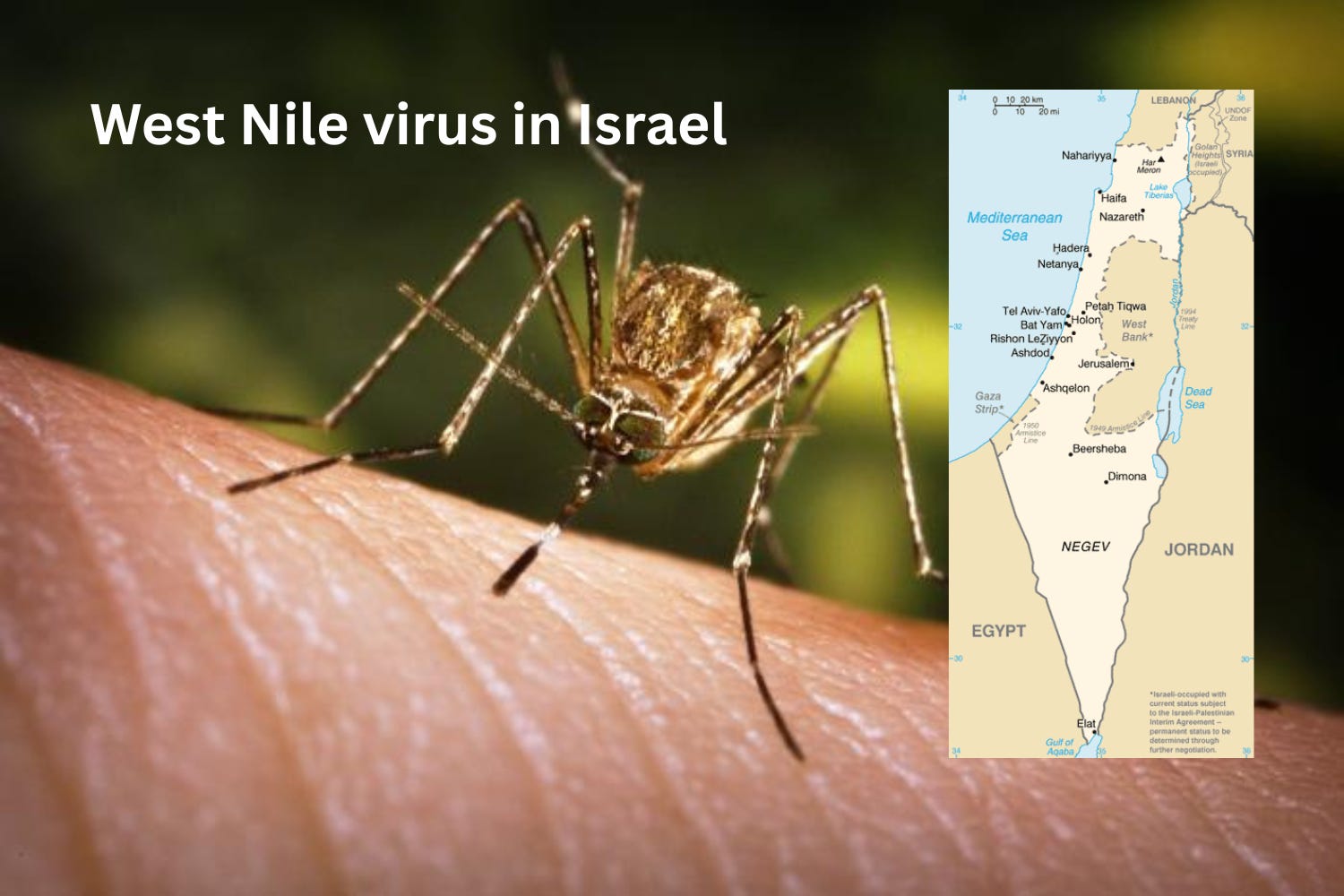
Israel reports 1st human West Nile virus death, Case total now at 10

7 August 2026 at 00:34

In a follow-up on a report last week, the Israel Ministry of Health reports on a person who died after contracting West Nile fever.

The deceased is a 70-year-old man who developed symptoms in mid-July, died after being hospitalized due to complications of the disease.

Since the beginning of the season, ten patients have been diagnosed with the disease so far.

Most of the patients suffered from symptoms typical of the disease, including fever, rash and changes in consciousness. As of today, three of the patients are still hospitalized in good condition. Epidemiological investigations are continuing with the aim of locating the possible place of exposure to mosquitoes.

Bacterial vaginosis (BV) and the increased risk of sexually transmitted infection (STI) coinfections

In addition, the Ministry of Environmental Protection and the Ministry of Health update on the capture of mosquitoes infected with the West Nile fever virus in Tel Aviv-Jaffa, Taiba, Tira, Qalanswa and the Lev Hasharon Regional Council.

The Ministry of Environmental Protection has instructed local authorities to expand the prevention, monitoring, information and eradication system and calls on all authorities to increase their activity in the field of sanitary pests.

In the summer, due to stagnant water and hot and humid weather, the risk of mosquito development increases. The responsibility for removing hazards and nuisances originating from sanitary pests in public areas lies with local authorities. In addition, the public is asked to assist in the effort in accordance with the guidelines:

  • Dry and drain sources of standing water, such as buckets, flowerpots, old tires, gutters, ornamental ponds, barrels and any vessel that may collect water.

  • Use a mosquito repellent containing an active ingredient such as DEET or another mosquito repellent approved for use, in accordance with the manufacturer’s instructions.

  • Install screens on windows and doorways and wear long, light-colored clothing, especially during mosquito activity hours.

  • Turn on a fan when staying at home, on balconies, in gardens and in open areas.

  • Report mosquito infestations or sources of standing water in public spaces to the local authority’s 106 hotline.

At the same time, as part of the ongoing monitoring carried out by the ministries throughout the year, with an emphasis on the mosquito season, mosquitoes that were confirmed by the Ministry of Health laboratories as carriers of the West Nile fever virus were detected in Tel Aviv-Yafo, Taiba, Tira, Qalanswa and the Lev Hasharon Regional Council. Following the findings, the Ministry of Environmental Protection directed all local authorities, and the authorities where the mosquitoes were detected in particular, to expand prevention, monitoring, information and pest control activities, in order to reduce the risk of the spread of infected mosquitoes and protect public health.

As every year, from the beginning of June to the end of November, an increase in the prevalence of mosquitoes carrying the West Nile fever virus is expected. Therefore, the pest and pest control team at the Ministry of Environmental Protection conducts thousands of monitoring of mosquito larvae and hundreds of captures of adult mosquitoes throughout the year. The mosquitoes are being transferred to the Ministry of Health laboratories for identification and testing. Since the beginning of the year, mosquitoes carrying the virus have been reported to be captured in the south of the country, and this is the first report this year of infected mosquitoes being captured in the center of the country as well.

The ministries emphasize that residents’ reporting to the local authority is an important component in reducing mosquito pests and allows the authorities to focus monitoring and pest control activities quickly and effectively.

Prof. Sigal Sadetzki, head of the Public Health Division at the Ministry of Health: “West Nile fever is a disease transmitted to humans through the bite of mosquitoes that feed on infected birds. It is usually a mild disease without symptoms, but in exceptional cases serious symptoms such as encephalitis or meningitis may also appear. The risk of severe illness is higher among people aged 60 and over and people with underlying diseases, so it is especially important to adhere to preventive measures.”

Dr. Shai Reicher, Director of the Pest and Extermination Division at the Ministry of Environmental Protection: “In recent days, mosquitoes carrying the West Nile virus have been captured in several locations in central Israel. A mosquito carrying the virus may transmit it to a person through a bite, thereby causing illness. The ministry has issued detailed instructions to local authorities to take immediate action aimed at reducing the risk to human health. In parallel with monitoring and extermination activities, the public also has an important role in reducing mosquito hazards. Drying up standing water and reporting to the local authority will allow for a significant reduction in the mosquito population and help protect public health and the environment.”

Outbreak News Today is a reader-supported publication. To receive new posts and support my work, consider becoming a free or paid subscriber.
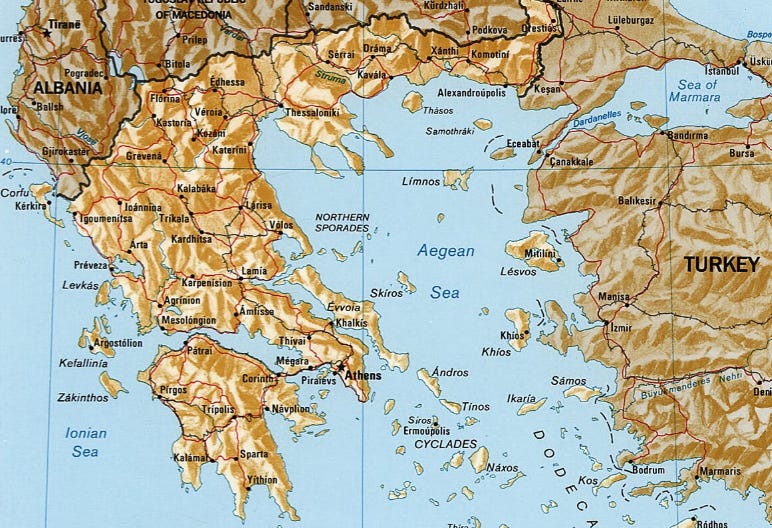
West Nile virus in Greece to date in 2026

6 August 2026 at 20:41

Since the beginning of the year and through August 5, 2026, a total of sixty-five (65) domestic cases of West Nile virus (WNV) infection have been diagnosed in Greece, of which fifty-four (54) cases presented Central Nervous System (CNS, encephalitis and/or meningitis and/or acute flaccid paralysis) and eleven (11) cases had mild manifestations/no CNS manifestations, according to an epidemiological report from the National Public Health Organisation (EODY).

Image/CIA

The total number of deaths due to WNV, six (6) deaths have been recorded in patients with viral infection and CNS manifestations, aged over 65 years (median age of the deceased: 79 years, range: 66 - 91 years).

EODY said the infections had been detected in 25 municipalities across 10 regional units in Attica, Thessaly and Central Macedonia.

West Nile virus is carried by wild birds and can be transmitted to people through the bite of an infected mosquito. It does not spread from person to person.

Most people infected with West Nile virus will not experience any symptoms, but about one in five people will develop a fever and other symptoms such as headache, body aches and joint pain. About one in 150 people will develop a serious neurologic illness and symptoms may include high fever, headache, neck stiffness, disorientation, seizures, and paralysis.

The peak mosquito season for WNV is between May and November.

Outbreak News Today is a reader-supported publication. To receive new posts and support my work, consider becoming a free or paid subscriber.

Bacterial vaginosis (BV) and the increased risk of sexually transmitted infection (STI) coinfections

6 August 2026 at 19:18

Women who test positive for bacterial vaginosis (BV) were over three times more likely to also test positive for one or more non-viral sexually transmitted infections (STIs) than women who test negative for BV, according to a new Health Trends® study from Quest Diagnostics and Hologic, Inc., published in the journal Obstetrics and Gynecology Open.

Joining me today to discuss the study and what healthcare providers should do based on this information is Beth Marlowe , PhD. Dr Marlowe is Executive Scientific Director and heads R&D for Quest Diagnostics Infectious Diseases and Immunology and co author of the study.

Vaginitis and Sexually Transmitted Infections Coinfections

Outbreak News Today is a reader-supported publication. To receive new posts and support my work, consider becoming a free or paid subscriber.

Outbreak News Roundup: Africa

6 August 2026 at 16:52

Ebola in the Democratic Republic of the Congo

The Democratic Republic of the Congo (DRC) Ministry of Health reported 99 additional confirmed Ebola virus cases and 52 deaths, bringing the outbreak totals to 3,973 cases and 1,801 deaths as of August 4.

The cases are reported from 51 health zones in five provinces.

The DRC has been facing an Ebola epidemic since May 2026, caused by the Bundibugyo strain, a variant for which there is still no approved vaccine or treatment. The epidemic, whose epicenter is in Ituri, is the largest ever recorded in the country.

Mpox in Madagascar

Through the first seven months of 2026, Madagascar has reported 4798 notified mpox cases (of which 3146 are laboratory-confirmed cases) and 22 deaths since the outbreak began in mid-December 2025, from multiple regions of the country.

Vaccination is being prioritized for close contacts, frontline healthcare workers, and high-risk groups including sex workers in dense urban and port areas.

Clade 1b was isolated from the sequenced samples.

Rhodesia anthrax epidemic of 1978-1980: A natural outbreak or the result of biowarfare?

Somalia diphtheria

Between the last two weeks of July, Somalia health officials reported 273 new suspected cases and 10 deaths.

This year to date, a total of 2,934 suspected cases and 86 deaths from all six states in Somalia.

Chikungunya in Mauritius

Between the last two weeks of July, Mauritius officials recorded 107 new confirmed chikungunya cases and no deaths- 103 cases on Mauritius Island and 4 on Rodrigues Island.

Since the outbreak started in early January, Mauritius has recorded 6,782 confirmed cases and no deaths between the two islands (Mauritius 6,686 andf Rodrigues 96).

Outbreak News Today is a reader-supported publication. To receive new posts and support my work, consider becoming a free or paid subscriber.

Measles case infectious while visiting Universal Studios Hollywood

6 August 2026 at 15:23

LA County health officials report investigating a measles case involving a person who was infectious while visiting at least one public location in Los Angeles County- Universal Studios Hollywood- on Sunday, July 26, 2026 from 10 a.m. to 9 p.m, prompting officials to warn the public of potential exposure to measles.

People who were at Universal Studios Hollywood – 100 Universal City Plaza, Universal City, CA 91608, during the date and time listed above may be at risk of developing measles from 7 to 21 days after being exposed. These individuals should confirm their protection against measles. Those who have had measles in the past or received the recommended measles vaccine are likely protected but should still monitor for symptoms. People who are unimmunized or have unknown measles immunization status are at higher risk and should monitor for symptoms closely. Anyone who remains symptom-free for more than 21 days after being exposed is no longer considered at risk.

The last day to monitor for symptoms is August 16, 2026.

Additional locations where possible exposures may have occurred are being investigated.

Public Health urges everyone in LA County to ensure they are fully protected from measles before traveling and take recommended precautions.

The most effective way to protect yourself and your family is with the measles-mumps-rubella (MMR) vaccine. Children 12 months and older are considered fully protected against measles after receiving two doses of the MMR vaccine. Infants who are older than 6 months and are traveling internationally or to domestic areas with ongoing measles outbreaks can get an early dose.

In the United States, as of July 31, a total of 2,371 measles cases have been reported this year. Most of these cases are associated with outbreaks that started in 2025 and 2026. The majority of cases are unvaccinated or have unknown vaccination status. Seven percent of these cases required hospitalization for management of measles complications or isolation. Los Angeles County last reported a measles case on July 21, 2026.

Outbreak News Today is a reader-supported publication. To receive new posts and support my work, consider becoming a free or paid subscriber.

❌