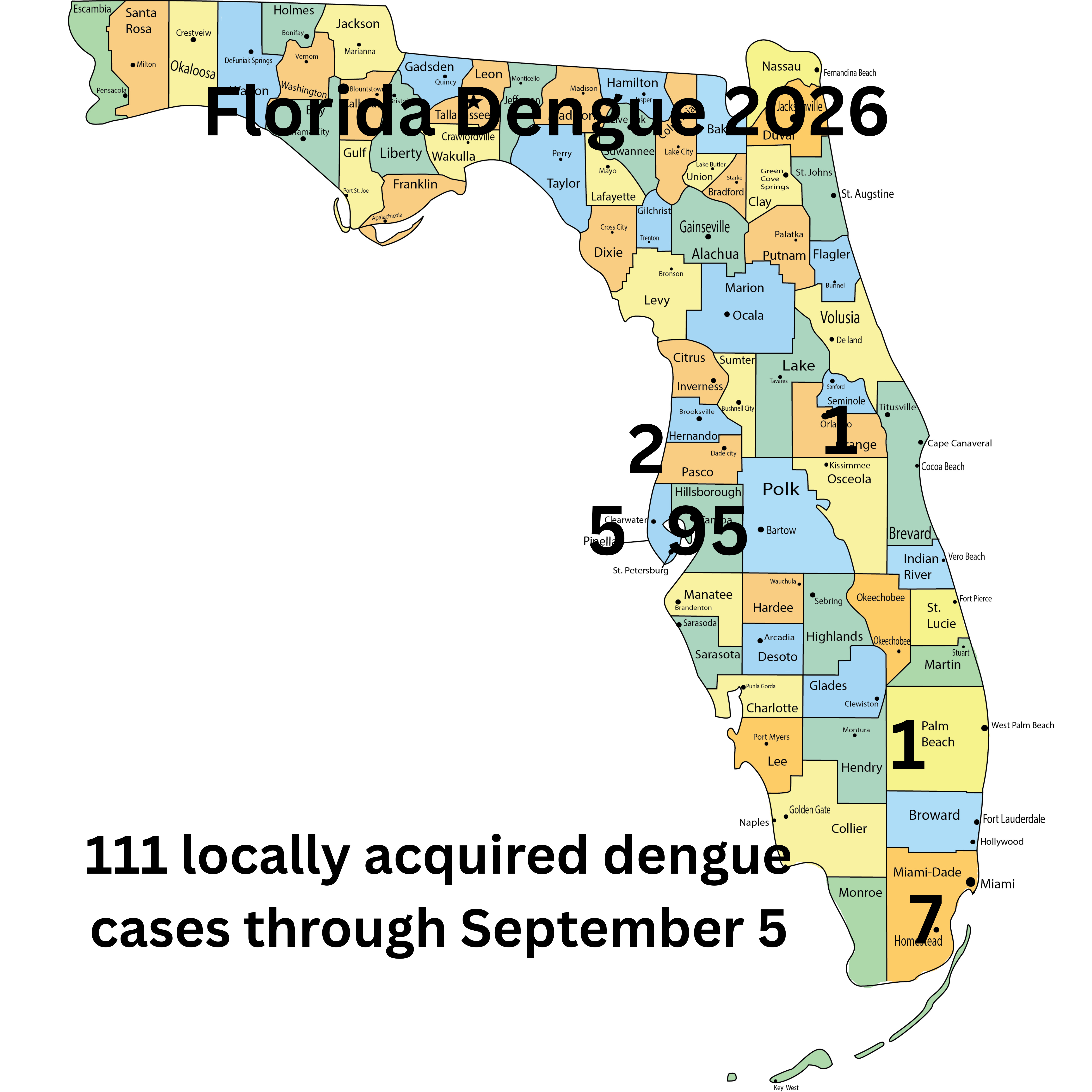
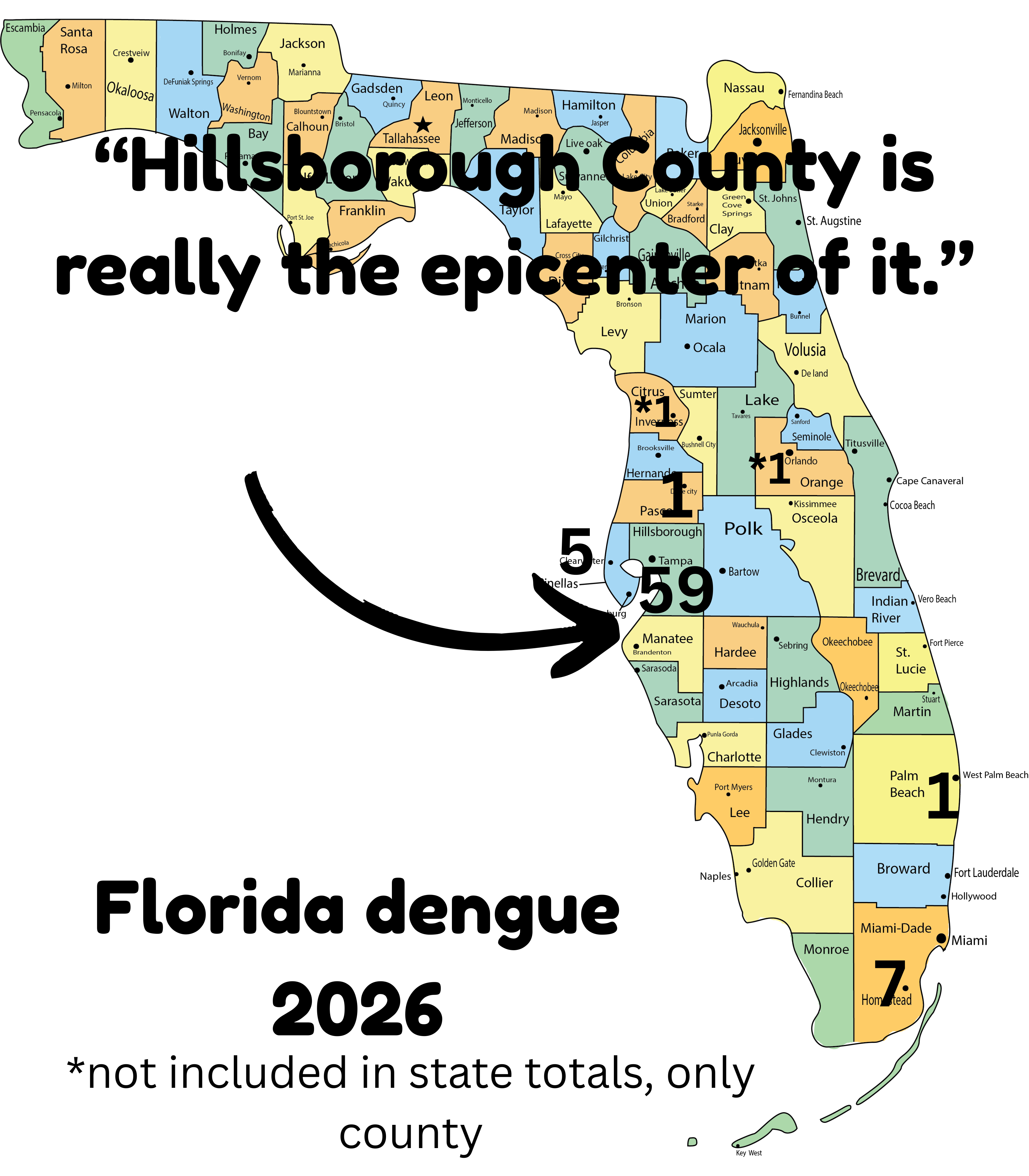
In a follow-up on the locally transmitted dengue fever situation in Florida, state health officials report 38 additional autochthonous cases during the week ending September 5, bringing the total in the state to 111.
Hillsborough County continues to be the state’s hotspot reporting 36 additional cases, while Pasco County reported one more and Orange County reported their first.
Year to date, 6 counties have recorded local transmission - Hillsborough (95), Miami-Dade (7), Orange, Palm Beach, Pasco (2), and Pinellas (5).
93 percent of the total cases (103) in the state have been typed as DENV-2 by PCR.
Concerning travel associated dengue cases, twenty-four cases of dengue were reported this week. In 2026, 160 travel-associated dengue cases have been reported.
Counties reporting cases were: Bay, Brevard (2), Broward (15), Collier (2), Duval (2), Hillsborough (8), Lake, Lee (8), Manatee, Miami-Dade (91), Monroe, Orange (5), Osceola, Palm Beach (8), Pinellas (2), Polk (3), Sarasota, Seminole (2), St. Johns, St. Lucie (4), and Walton. Two cases were reported in non-Florida residents.
Dengue is a disease caused by a virus spread through mosquito bites. The disease can take up to 2 weeks to develop with illness generally lasting less than a week.
Symptoms from dengue include fever, headache, nausea, vomiting, rash, muscle and joint pain, and minor bleeding.
Dengue can become severe within a few hours. Severe dengue is a medical emergency, usually requiring hospitalization.
In severe cases, health effects can include hemorrhage (uncontrolled bleeding), shock (seriously low blood pressure), organ failure, and death.
If you like the reporting on Outbreak News Today, please consider a paid subscription for $5/month or $30 a year. Help support the cause of this niche journalism. It is appreciated.
Outbreak News Today is a reader-supported publication. To receive new posts and support my work, consider becoming a free or paid subscriber.
Hong Kong health authorities report investigating two confirmed mpox (aka monkeypox) cases, and strongly urged high-risk target groups to receive Mpox vaccinations.
The first case involves a 32-year-old male who developed a mild fever on August 29. He later developed rashes on various parts of his body, including his face, trunk, limbs and genital area. As his symptoms persisted, he sought medical attention at a private clinic and the Accident and Emergency Department of Queen Elizabeth Hospital on September 7. According to information provided by the patient, he had high-risk exposure with a male stranger in Hong Kong during the incubation period.
The second case involves a 28-year-old male who developed papules on his genital area since September 4. As his symptoms persisted, he sought medical treatment at a social hygiene service clinic (SocHS) under the Department of Health on September 7. According to information provided by the patient, he had high-risk exposure when he was outside Hong Kong during the incubation period.
Both of their clinical specimens were tested positive for monkeypox virus upon laboratory testing by the Centre for Health Protection’s (CHP) Public Health Laboratory Services Branch. The CHP has arranged them to receive isolation treatment at hospitals. They are currently in stable condition. No epidemiological linkages between these cases or confirmed Mpox cases earlier recorded in Hong Kong have been identified so far.
Since 2022, Hong Kong has recorded a total of 102 Mpox cases (80 local cases and 22 imported cases), including the above-mentioned two cases. All patients were males. Epidemiological investigations revealed that most cases had high-risk sexual behavior, including having sex with strangers or having sex without wearing condoms.
Outbreak News Today is a reader-supported publication. To receive new posts and support my work, consider becoming a free or paid subscriber.
The Mpox vaccine can prevent infection and severe disease. The Department of Health provides Mpox vaccination services for high-risk groups. The following high-risk target groups are eligible for Mpox vaccinations on a voluntary basis:
individuals with high-risk sexual practices, e.g. having multiple sexual partners, sex workers, or having a history of sexually transmitted infection within the past 12 months;
healthcare workers responsible for caring for patients with confirmed Mpox;
laboratory personnel handling zoonotic pox viruses; and
animal care personnel with high risk of exposure in case of Mpox occurrences in animals in Hong Kong.
The Michigan Department of Agriculture and Rural Development (MDARD) is reporting a detection of eastern equine encephalitis (EEE) in an 18-month-old Quarter Horse filly from Roscommon County. The filly was unvaccinated and was humanely euthanized.
“EEE and other mosquito-borne diseases are preventable. By working with your veterinarian to be sure your animals are fully vaccinated, you can protect them from these viruses. This is Michigan’s second case this summer and underscores the importance of vaccinations and mosquito control,” said State Veterinarian Dr. Nora Wineland, DVM, MS, DACVPM. “These detections show that EEE, along with other mosquito-borne viruses, is present in the state s mosquito population. Taking steps to avoid mosquito bites is essential to reducing the risk of these diseases for both animals and people.”
EEE is a zoonotic, viral disease transmitted through the bites of mosquitoes to both animals and people. Cases of the disease are typically seen in late summer to early fall each year in Michigan. EEE and other mosquito-borne diseases are not spread by horse-to-horse or horse-to-human contact.
Outbreak News Today is a reader-supported publication. To receive new posts and support my work, consider becoming a free or paid subscriber.
According to South Dakota State Veterinarian, Mendel Miller, DVM, anthrax has been confirmed in a South Dakota beef herd currently located in Meade County. This is the first confirmed case of anthrax in 2026.
The cow/calf herd initially began experiencing deaths while pastured in Butte County, where exposure is believed to have occurred. The cattle were later moved to Meade County where they continued to experience symptoms.
The Animal Disease Research and Diagnostic Laboratory at South Dakota State University confirmed the disease from samples submitted by the herd veterinarian. In response, the Animal Industry Board (AIB) has quarantined the affected herd, notified the neighboring herd owners, and will quarantine any additional herds impacted.
“Veterinary oversight is important when faced with disease concerns, and the Animal Industry Board will continue to work with ranchers and private veterinarians to quickly respond to anthrax,” said State Veterinarian Dr. Miller. “Anthrax vaccine has proven effective and allows ranchers to take steps to protect their herd.”
The adult cattle in the herd have been vaccinated in response to the diagnosis.
Anthrax is a devastating disease for livestock which can cause rapid loss of animals in a short amount of time. Anthrax spores survive indefinitely in soil and significant weather events, such as drought, floods, and high winds, can cause exposure leading to infection.
Outbreak News Today is a reader-supported publication. To receive new posts and support my work, consider becoming a free or paid subscriber.
The Namibia Health and Social Services reports 122,612 confirmed malaria cases and 122 deaths since the beginning of 2026.
The ministry has also recorded 9,956 hospital admissions linked to malaria, according to figures presented by Health Minister, Esperance Luvindao.
Of the confirmed infections, 81 per cent were locally transmitted, while 19 per cent were classified as imported cases. “Malaria remains stubbornly endemic in 10 out of the 14 regions of our country,” Luvindao said.
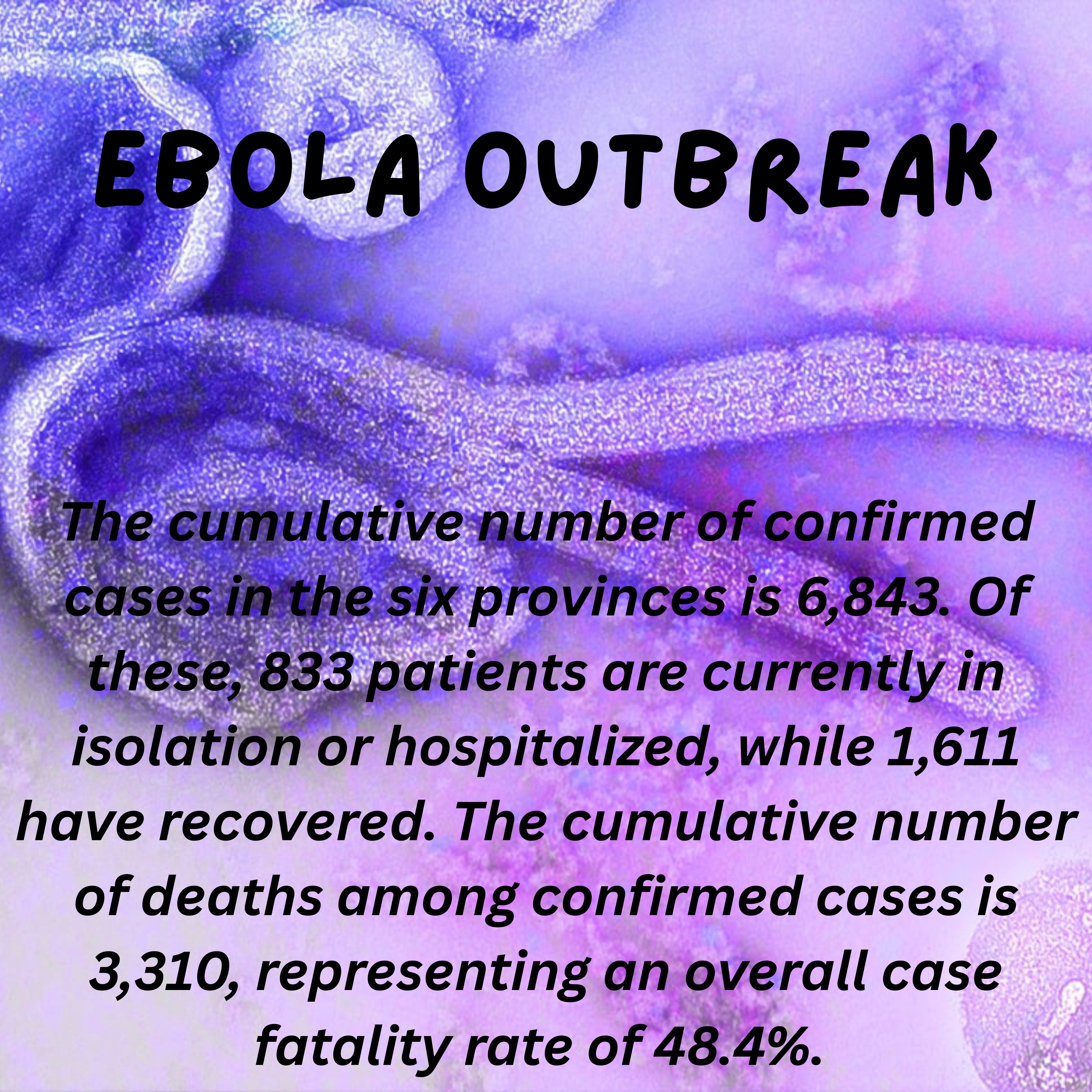
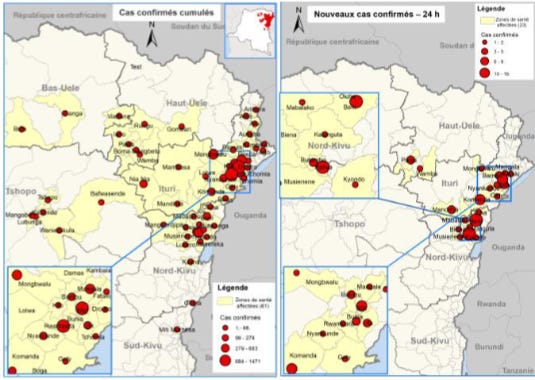
The response to the Ebola epidemic continues in six provinces of the Democratic Republic of Congo, with 61 health zones affected.
According to the situation report of September 6, 2026, Ituri remains the main focus of the epidemic, while a new health zone has been affected in North Kivu.
From the beginning of the year to August 29, 2026, 128,634 dengue cases were reported, a 39% decrease from 209,631 cases reported in the same period last year. Among the reported cases, 48,132 (37%) were confirmed, 16,874 (13%) were probable, and 63,628 (49%) were suspected.
Ilocos Norte (Region I), Aurora (Region III), Albay, Camarines Sur, Camarines Norte, Catanduanes and (Region V), Bohol and City of Lapu-Lapu (Region VII), Zamboanga Sibugay and the City of Zamboanga (Region IX), South Cotabato (Region XII), Basilan, Sulu, and Special Geographic Location (BARMM), Abra (CAR), and Agusan del Sur (Caraga) breached the epidemic thresholds at least twice in the past four weeks (August 2 to 29, 2026).
An increasing trend has been observed over the past six weeks across 107 municipalities and cities.
Clustering of cases was reported in 2,760 barangays across all regions. The regions with the highest number of barangay clusters are Region III (299, 11%), Region VII (277, 10%), and Region I (257, 9%).
510 deaths due to dengue have been reported (CFR 0.04%).
If you like the reporting on Outbreak News Today, please consider a paid subscription for $5/month or $30 a year. Help support the cause of this niche journalism. It is appreciated.
Outbreak News Today is a reader-supported publication. To receive new posts and support my work, consider becoming a free or paid subscriber.
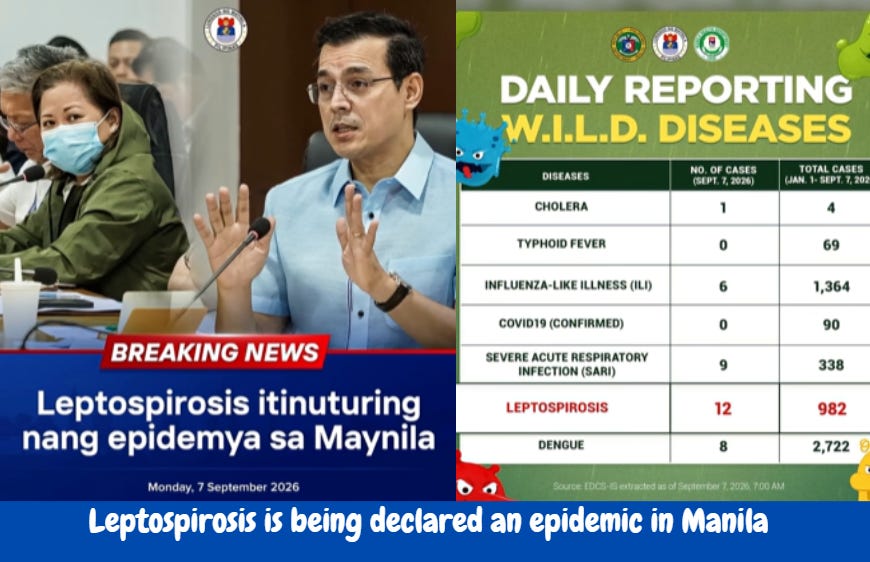
The outbreak of leptospirosis cases in Manila has reached the epidemic threshold, according to Manila City Mayor Francisco “Isko” Moreno Domagoso on Monday morning.
According to Manila Health Department (MHD) data, from a 1.27% attack rate last week, it has now reached 3.48%, indicating a rapid increase in cases within a short period.
Dr. Padilla added that some city government district hospitals, including Manila General Hospital, Sta. Ana Hospital, and Justice Jose Abad Santos General Hospital, are at full capacity due to the continued increase in patients.
Following the report by the MHD, Domagoso directed the city government agencies to intensify the ongoing leptospirosis campaign.
This includes an aggressive public information campaign to inform the public that there are free doxycycline capsules available at all 44 health centers and 7 district hospitals under the Manila Government.
Domagoso said that the Manila Government, through the MHD and 896 barangays, has reached out to the public to distribute doxycycline to those affected by the flood last week.
During the period of January 1 to August 29 this year, the Philippines has reported 6,253 leptospirosis cases and 378 deaths (CFR 6.05%). There is a 77% increase from weeks 31-32 (August 2 to August 15, 2026), with 824 cases reported, compared to weeks 29-30 (July 19 to August 1, 2026), which had 465 cases.
Outbreak News Today is a reader-supported publication. To receive new posts and support my work, consider becoming a free or paid subscriber.
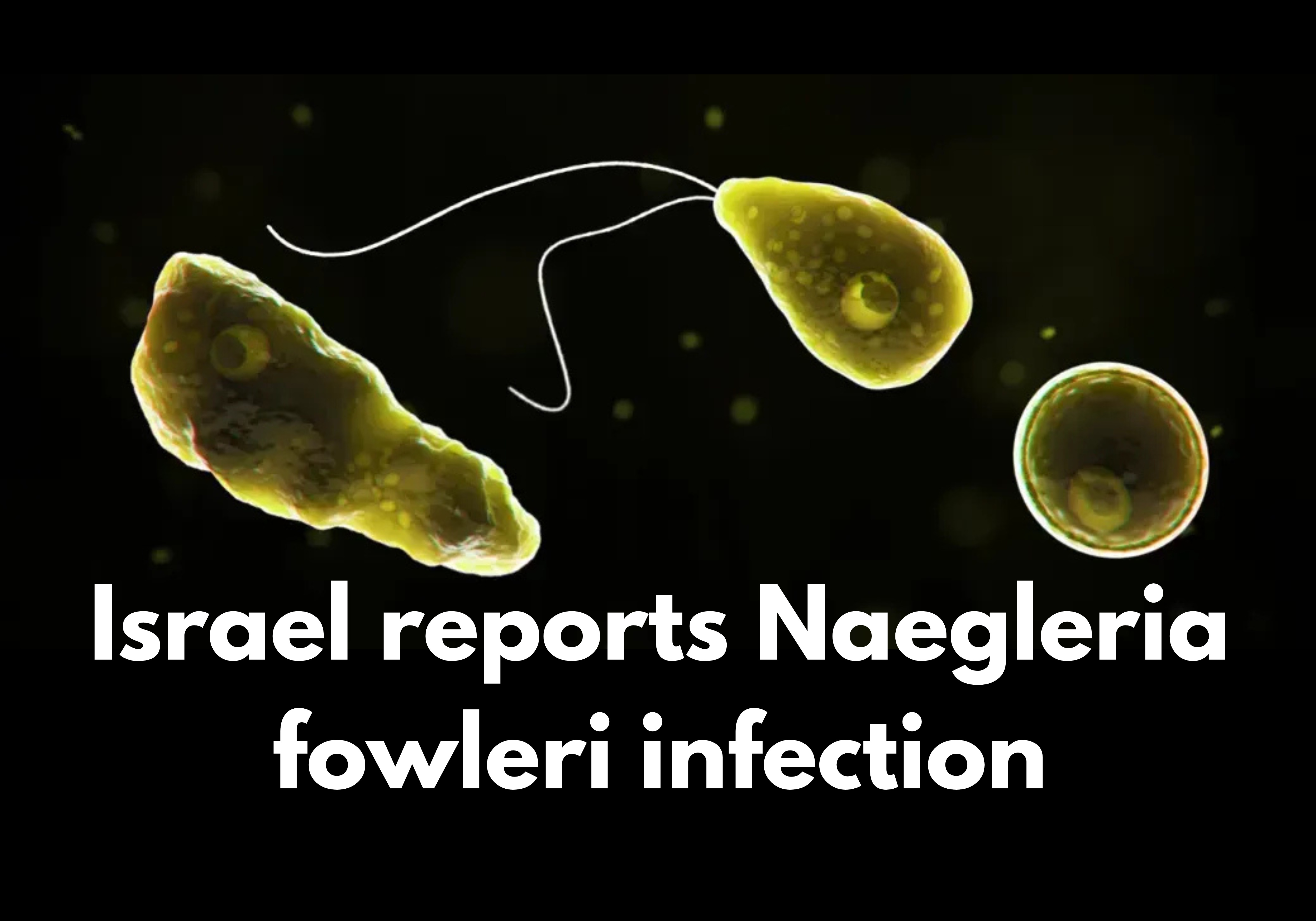
The Israel Ministry of Health reported a brain infection in a 9-year-old in hospitalized in Haifa after contracting the parasite, Naegleria fowleri.
This has prompted the Ministry to update recommendations for swimming in the Sea of Galilee.
Health officials say that this parasitic infection is a very rare, but serious and life-threatening disease. Given the severity of the disease, the Ministry of Health recommends taking precautions designed to reduce the risk of infection as much as possible.
Infection occurs when water containing the amoeba enters the nose, from where it can reach the brain. It cannot be contracted by drinking the water and the disease is not transmitted from person to person. The amoeba is found mainly in warm, fresh water sources, and the risk may increase as the water temperature rises.
When bathing in the Sea of Galilee, it is recommended to minimize the entry of water into the nose as much as possible:
Use a suitable nose seal.
Avoid diving, jumping into the water, and putting your head under water as much as possible.
Avoid activities where water enters the nose under pressure.
Avoid digging or stirring the waterbed in shallow places.
The disease is severe, develops rapidly, and has a very high mortality rate. Therefore, even when the risk of infection is low, it is important to take precautions.
These precautions are consistent with internationally accepted recommendations for reducing the risk of amoeba infection.
The Ministry of Health recommends placing clear and accessible signage on the shores of the Sea of Galilee that will provide bathers with information about the risk and recommended precautions.
If you like the reporting on Outbreak News Today, please consider a paid subscription for $5/month or $30 a year. Help support the cause of this niche journalism. It is appreciated.
The first case was diagnosed in 2022 in Israel. In July 2024, two additional cases were diagnosed, and the epidemiological investigation found that both patients had shared exposure to the water park on Guy Beach in the Sea of Galilee area.
The fourth case is the current case. As part of the epidemiological investigation, it was found that the child had bathed at Kursi Beach on the Sea of Galilee about a week before his hospitalization.
Naegleria fowleri is a single-celled amoeba that lives naturally in freshwater sources. In extremely rare cases, it can cause a disease called Primary Amebic Meningoencephalitis (PAM) – a severe and rapidly progressing inflammation of the brain and meninges.
The disease is recognized in various countries around the world but remains extremely rare. Less than 500 cases have been reported in the scientific literature. In the United States, where the disease has been monitored for many years, 167 cases were recorded in the years 1962–2024.
Outbreak News Today is a reader-supported publication. To receive new posts and support my work, consider becoming a free or paid subscriber.
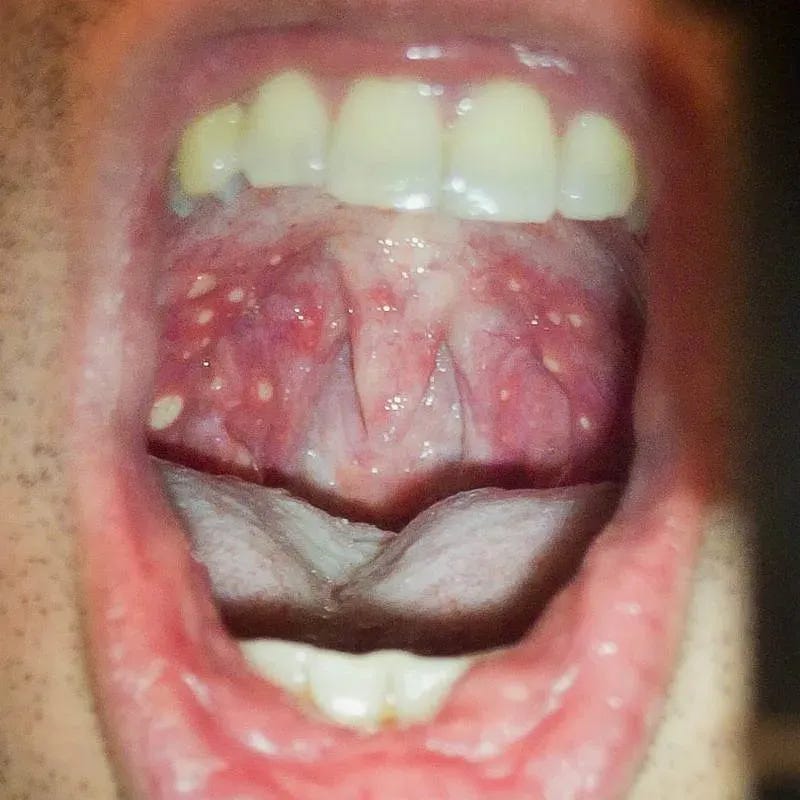
The Thailand Department of Disease Control warns that hand, foot, and mouth disease (HFMD) is common in young children, especially during the rainy season and the start of the school year. The number of cases is likely to increase, and outbreaks may occur in educational institutions. Therefore, schools, childcare centers, and daycare facilities are urged to increase the vigilance in screening and monitoring children's symptoms continuously. Parents should also closely observe their children for symptoms such as fever, sore mouth, mouth sores, and rashes or blisters on the hands and feet. Children should stay home from school and see a doctor for proper diagnosis and treatment.
On September 4, 2026, Dr. Montien Kanasawasdi, Director-General of the Department of Disease Control, stated that hand, foot, and mouth disease (HFMD) remains a disease requiring close monitoring among young children. During the rainy season, the number of cases tends to increase, often resulting in outbreaks in schools and childcare centers in many areas. This is because children have close contact through activities and share objects, increasing the likelihood of disease transmission. Therefore, cooperation from educational institutions and parents is requested in closely monitoring the situation and strictly adhering to disease prevention and control measures.
Regarding the HFMD situation, data from the Digital Disease Surveillance System (DDS) of the Epidemiology Division, from January 1 to September 1, 2026, shows a cumulative total of 53,362 cases and 1 death, with a mortality rate of 0.002 per 100,000 population. The top three age groups with the highest number of cases are 0-4 years, followed by 5-9 years and 10-14 years, respectively. A total of 5,408 patients required hospitalization. Overall, the number of HFMD cases in 2026 remains lower than the previous year.
Dr. Montien further explained that the main symptoms of hand, foot, and mouth disease include fever accompanied by sores or red blisters in the mouth, such as on the tongue, palate, or cheeks; and rashes or clear blisters on the palms, soles, body, or buttocks. Young children may be irritable, refuse to eat or drink, drool, or complain of mouth pain. Parents should closely observe their children for symptoms, especially before taking them to school or daycare. If these symptoms are observed, suspect that the child may have hand, foot, and mouth disease and take them to a doctor for diagnosis and treatment. Children should be kept at home to recover and should not be taken to school or other places with many children to prevent the spread of infection. If a child has severe symptoms, such as high fever, very little food and water intake, lethargy, seizures, excessive vomiting, or shortness of breath, they should be taken to a doctor immediately, as these symptoms may be warning signs of serious complications such as encephalitis or myocarditis, which can be life-threatening.
Dr. Direk Khamphaen, Deputy Director-General of the Department of Disease Control, provided the following recommendations for educational institutions and childcare centers : 1) Screen children daily before entering school, observing for symptoms such as fever, rashes, blisters, and sores or red bumps in the mouth. 2) If a child is found to be ill, immediately notify parents to pick the child up and take them to a doctor, and notify the local public health officials. If two or more children in the same classroom are diagnosed with hand, foot, and mouth disease within one week, the classroom must be closed for at least one day for cleaning and intensified screening of other children for another week. 3) Regularly clean classrooms, restrooms, toys, learning materials, and areas frequently used or touched by children using appropriate cleaning agents such as detergent, dishwashing liquid, soap, or diluted sodium hypochlorite (bleach) according to the concentration and ratio indicated on the product label, strictly following safety instructions. 4) Provide sufficient handwashing sinks and soap, and promote appropriate hygiene practices among children and caregivers, emphasizing proper handwashing with soap and water. Especially before eating and after using the toilet. 5) Do not share personal items such as drinking glasses, spoons, handkerchiefs, hand towels, or bath towels. 6) Continuously monitor and track the situation. If multiple children are found to be ill or if a cluster of illnesses is found within the educational institution, coordinate with the local public health agency to assess the situation, investigate the disease, and implement appropriate disease control measures as soon as possible. For parents, please observe your children’s symptoms carefully. If you find that they have a fever accompanied by a sore mouth, sores or red blisters in the mouth, have difficulty eating or drinking, or have a rash or clear blisters on their hands, feet, around their buttocks, or other areas of the body, keep the child at home and take them to a doctor. Children who are sick should stay home from school for 5 working days or until they are fully recovered. They should not be taken to school or places where children are gathered together to prevent the spread of infection to others.
The Department of Disease Control requests the cooperation of educational institutions, parents, teachers, and caregivers in continuously monitoring and preventing hand, foot, and mouth disease. This includes regularly screening and observing children for symptoms, promoting good hygiene, especially frequent handwashing with soap and water, and regularly cleaning shared items and areas. If a child is found to be ill, they should be isolated from their group and kept home from school until their symptoms improve. If a child has severe symptoms, they should be taken to a doctor immediately to reduce the risk of serious complications, minimize the chance of transmission, and prevent outbreaks in educational institutions. For further information, please contact the Department of Disease Control hotline at 1422.
Outbreak News Today is a reader-supported publication. To receive new posts and support my work, consider becoming a free or paid subscriber.
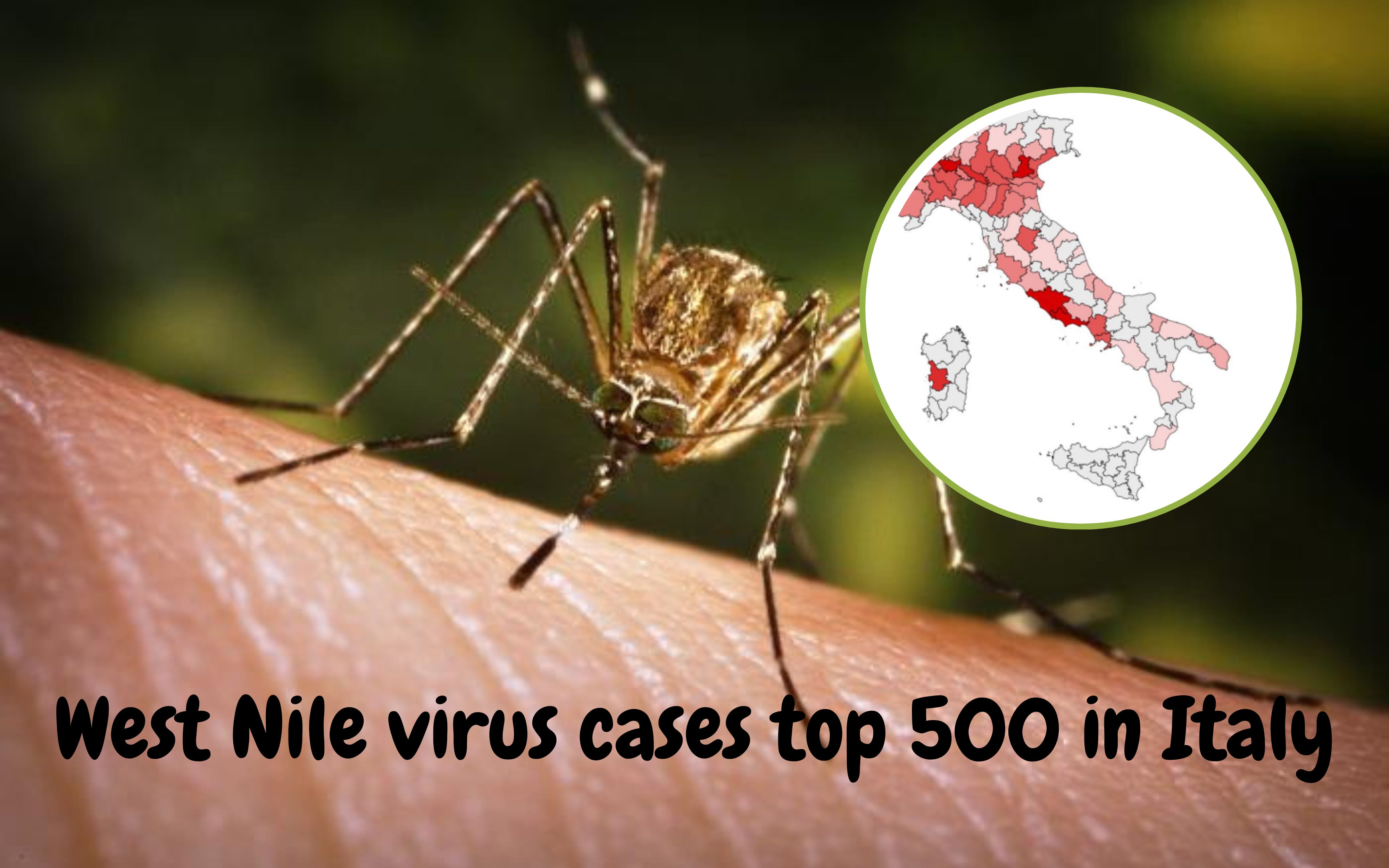
Since the start of surveillance and up to September 2, 2026, 521 confirmed cases of West Nile Virus (WNV) infection in humans have been reported in Italy, up 89 cases in the past week.
Of these, 269 presented as the neuro-invasive form (including 4 imported cases: 1 from the Maldives, 1 from France, 1 from Belgium, and 1 from Greece), 70 were asymptomatic cases identified in blood donors, 179 were cases of fever (1 imported case from Burkina Faso), 2 were cases with other symptoms, and 1 was an asymptomatic case.
The number of provinces with confirmed WNV circulation has risen to 75, across 19 regions: Piedmont, Aosta Valley, Lombardy, the Autonomous Province of Trento, Veneto, Friuli-Venezia Giulia, Liguria, Emilia-Romagna, Tuscany, Umbria, Marche, Lazio, Abruzzo, Molise, Campania, Puglia, Calabria, Sicily, and Sardinia.
Among the confirmed cases, 26 deaths were reported (including one associated with an imported case). The case fatality rate, calculated based on the autochthonous neuro-invasive forms reported and confirmed to date, is 9.4% (compared to 14.6% during the same period in 2025).
Outbreak News Today is a reader-supported publication. To receive new posts and support my work, consider becoming a free or paid subscriber.
3,747 cases were registered among men and 1,387 among women
343,224 test episodes were completed
Incidence continued to rise among men who have sex with men, while there were signs of stabilization among heterosexuals
In 8 percent of cases where the country of infection was reported, the infection was acquired abroad.
Two cases of ceftriaxone-resistant gonococci were found in 2025. A third was found in January 2026. All three people were infected in Southeast Asia. It is especially in Cambodia and Vietnam that such gonococci are found.
No further spread of the three ceftriaxone-resistant gonococcal strains has been detected in Denmark.
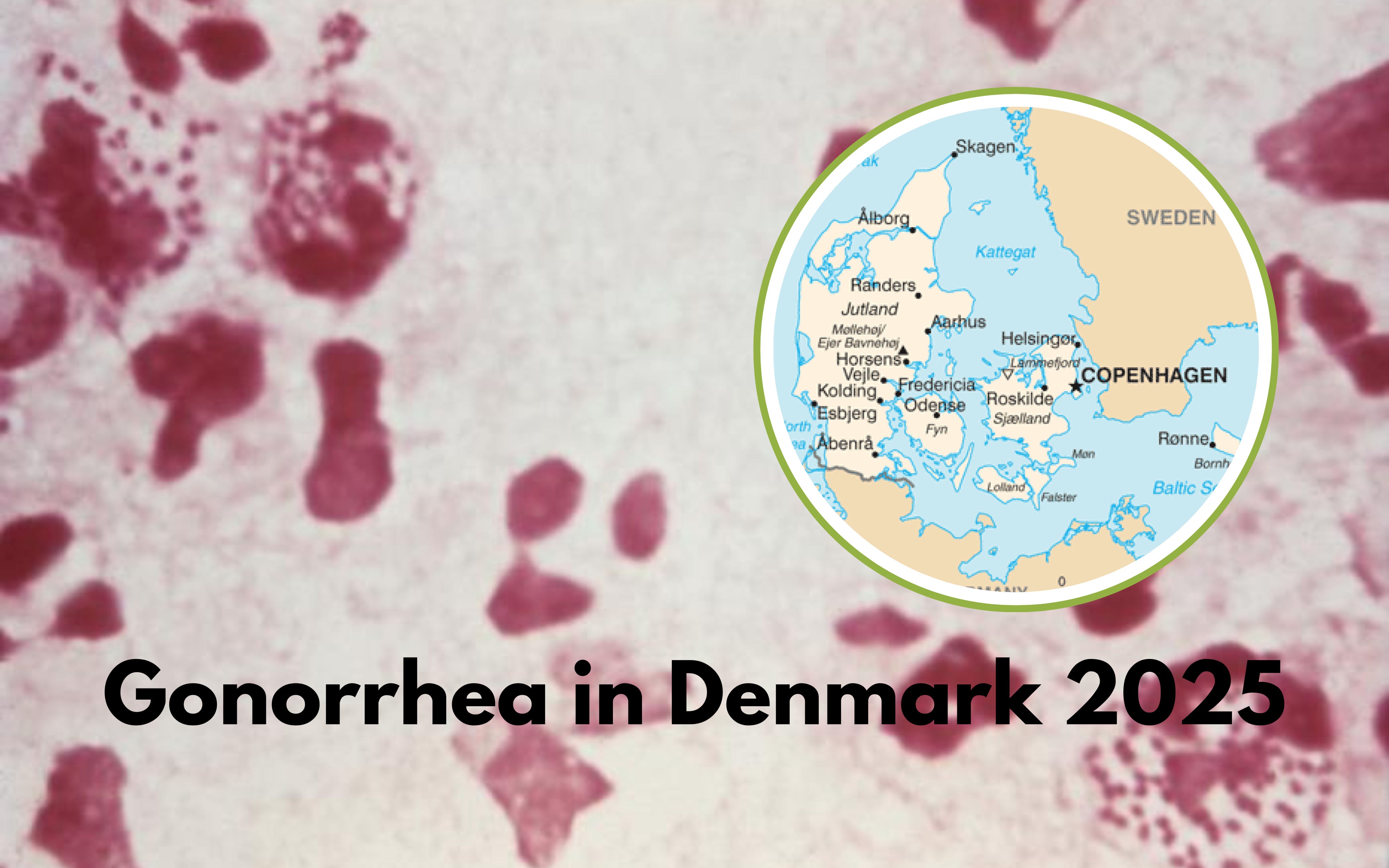
The Statens Serum Institut (SSI) reports 5,134 cases of gonorrhea in Denmark in 2025, a number on par with recent years; however, among men who have sex with men, the increase continues, while the development among heterosexuals appears to be more stable, according to their recently published 2025 annual report on gonorrhea.
In 2025, information on where gonorrhea was acquired was available for 4,013 episodes (78%), of which 8% were reported as having been acquired abroad (10% in 2024). In 2025, 338 cases were reported as having been acquired abroad, distributed across 53 countries, most of which were acquired in Spain, Germany, Thailand, Sweden and the United Kingdom. A higher proportion of gonorrhea episodes among men were acquired abroad (10%) compared to women (5%). By sexual orientation, 9% of cases among MSM were acquired abroad, while for MSM it was 10%.
In 2025, men accounted for 73% of the registered gonorrhea episodes, which is an increase of two percentage points from 2024.
In 12 cases, infection between two women was reported (eight in 2024).
In 2025, gonorrhea, in addition to the usual anatomical locations (urogenital, anorectal and pharynx), was detected in 20 cases from eyes, synovial fluid and blood.
The new report also shows changes in the resistance of gonorrhea bacteria to antibiotics. Over time, the gonorrhea bacteria have developed resistance to several antibiotics, and in a few cases acquired abroad, SSI has now also found resistance to the antibiotic that is normally used against gonorrhea in Denmark.
In Denmark, gonorrhea is generally treated with the antibiotic ceftriaxone. Resistance to ceftriaxone is still very rare in Denmark, but international developments are giving rise to concern.
In 2025, SSI found ceftriaxone-resistant gonococci in two men who had been infected in Southeast Asia. In January 2026, another case was found, also in a man infected in Southeast Asia. In all three cases, there was only a very low level of resistance.
All three were treated with ceftriaxone, and there was no treatment failure. Analyses of the bacteria’s DNA show that the three cases are not related, and SSI has found no signs that the resistant gonococci have spread further in Denmark.
Outbreak News Today is a reader-supported publication. To receive new posts and support my work, consider becoming a free or paid subscriber.
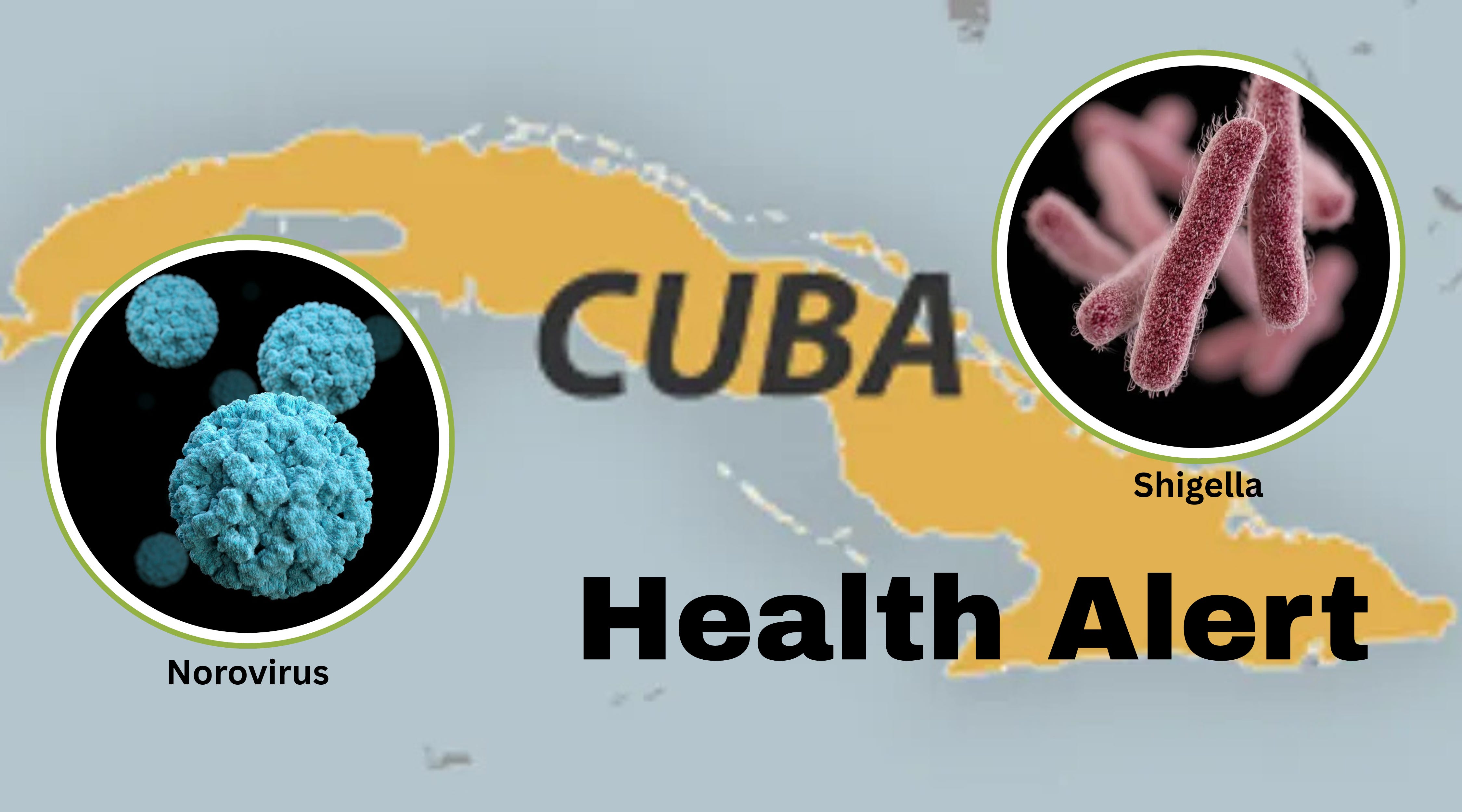
The US Embassy in Havana issued a health alert last week after seeing a significant increase in diarrheal illness across Cuba, associated with the continuing degradation of the water and energy infrastructure.
This degradation affects water supply, and food storage and temperature control. Recent cases have included E. coli, norovirus, Shigella, and other gastrointestinal pathogens.
This comes after a health alert dated August 28 which noted that Cuba’s water delivery infrastructure is increasingly unstable.
The Embassy is aware of reports of residential neighborhoods that have gone for long periods without receiving water from municipal or public sources.
Prolonged and worsening water issues and power outages caused by the regime’s mismanagement of public infrastructure impact the entire island. Water often only flows to residences when city power is on for a sufficient amount of time. Media reports indicate wells are running dry across the country due to drought, aggravating the ability to supplement water delivery.
The lack of water, coupled with power shortages that have disrupted cold chain networks, can present significant health and safety challenges. We remind U.S. citizens to be aware of the risks when traveling to Cuba and take precautions.
Embassy officials offer the following precautions to prevent illnesses:
Avoiding Foodborne Illness:
Be cautious of meat, poultry, seafood, eggs, dairy, and other perishable foods that may have been inadequately stored.
Avoid foods that appear to have been sitting at room temperature for extended periods.
Avoid raw or improperly washed vegetables.
Be cautious of food cooked and then cooled, stored, or reheated, as improper temperature control can allow pathogens or toxins to develop.
Wash hands thoroughly with soap and water before eating and after using the restroom. Hand sanitizer may be less effective against certain gastrointestinal pathogens, including norovirus.
Outbreak News Today is a reader-supported publication. To receive new posts and support my work, consider becoming a free or paid subscriber.
Water Safety:
Use only water known to be safe for drinking, brushing teeth, making ice, and cooking.
Use bottled or appropriately treated water; check that bottle seals are intact before opening.
Avoid ice unless the water source is known to be safe.
Do not use untreated tap water to prepare beverages or food.
Be aware that contamination can occur when food, utensils, and surfaces are washed with contaminated water.
If You Become Ill:
Stay hydrated, especially with frequent diarrhea or vomiting. Most illnesses are self-limited and improve within several days.
Seek medical attention for persistent or severe diarrhea, bloody stools, high fever, significant abdominal pain, repeated vomiting, signs of dehydration, or symptoms not improving.
Common medications (e.g., acetaminophen, ibuprofen, antibiotics) are frequently unavailable in Cuba; consider bringing your own supply.
If you like the reporting on Outbreak News Today, please consider a paid subscription for $5/month or $30 a year. Help support the cause of this niche journalism. It is appreciated.
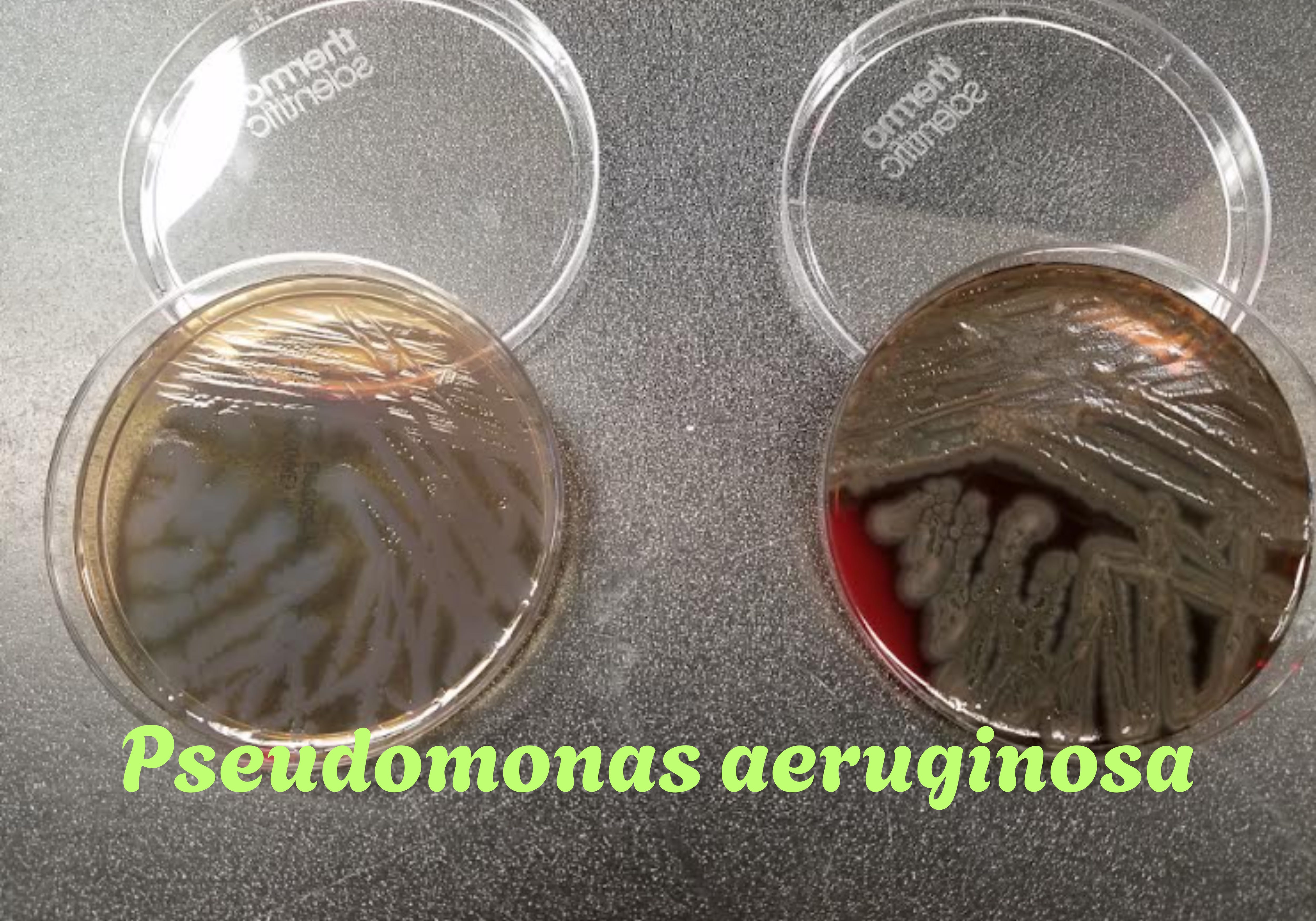
Pseudomonas aeruginosa is a common, rod-shaped bacterium found in soil and water that can cause severe infections in people with weak immune systems. It is an “opportunistic pathogen,” which means it rarely makes healthy people sick, but it attacks individuals who are already vulnerable.
Pseudomonas aeruginosa often spread in hospitals and healthcare facilities. They target patients with severe burns, open wounds, or medical devices like breathing tubes and urinary catheters. Depending on where the infection strikes, symptoms can include pneumonia, rashes, earaches, or green wound drainage with a fruity odor.
Infections are hard to cure because the bacteria resist many common antibiotics, including carbapenems, known as multidrug-resistant (MDR) P. aeruginosa. They also build sticky, protective shields called biofilms on surfaces and medical tools, making them very difficult for medicines to reach. Doctors must use aggressive, specialized drug combinations to treat these dangerous outbreaks.
Image/Robert Herriman
Outbreak News Today is a reader-supported publication. To receive new posts and support my work, consider becoming a free or paid subscriber.
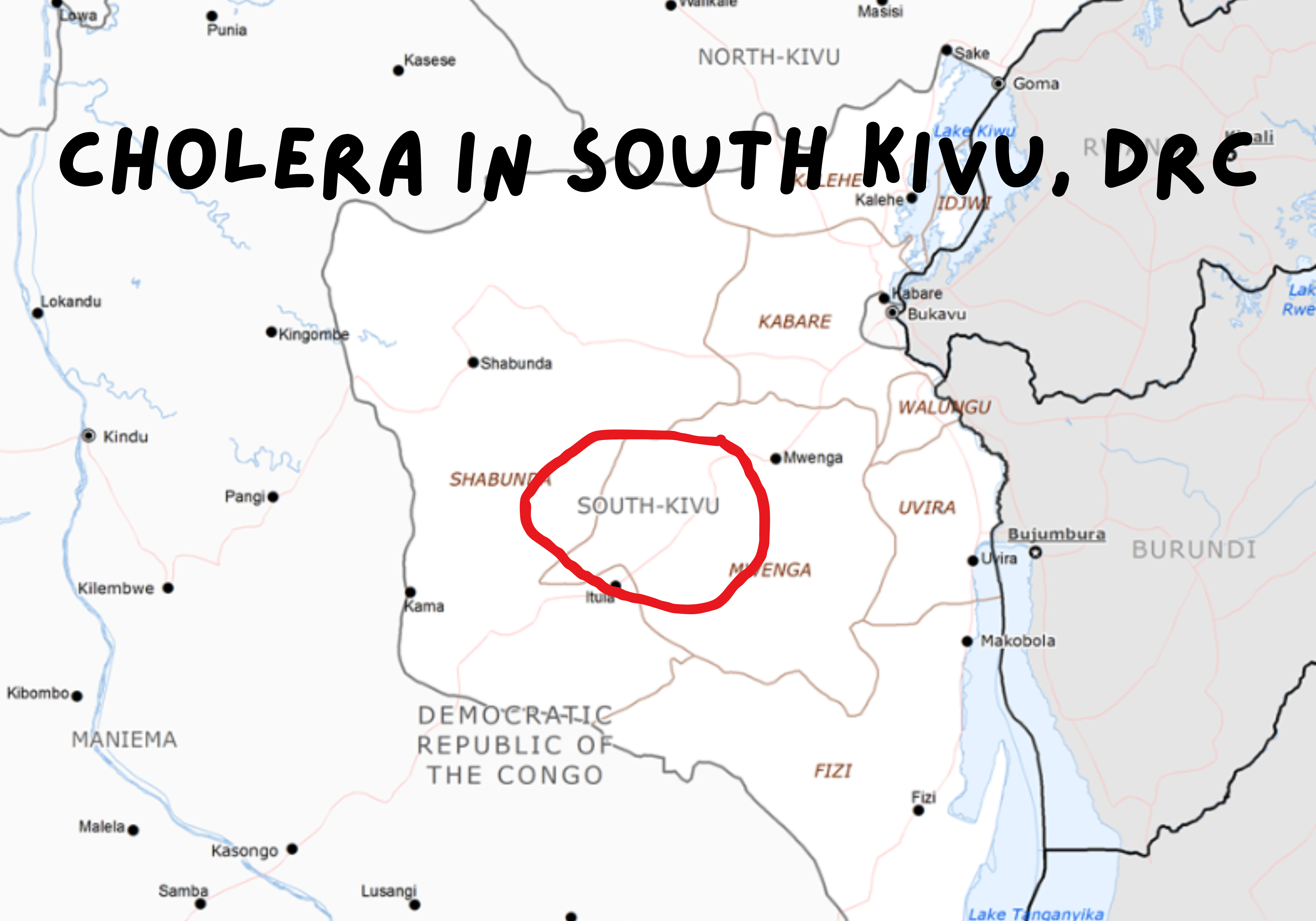
The Provincial Health Division in South Kivu (DPS) reported 449 suspected cases of cholera, including 13 deaths, during the 33rd epidemiological week or late August and early September 2026.
Of the 34 health zones in the province of South Kivu, 17 reported at least 1 suspected case during that week.
The most affected areas are Kimbi-Lulenge, Bunyakiri, Shabunda, Mulungu and Ibanda in the city of Bukavu, according to the Provincial Health Division in South Kivu.
The Democratic Republic of the Congo (DRC) is facing its worst cholera crisis in 25 years, driven by conflict displacement, poor sanitation, and limited clean water.
Eastern provinces like North Kivu and South Kivu remain heavily impacted, alongside outbreaks in non-endemic western zones and major prisons.
In 2025, the Democratic Republic of the Congo reported 61,171 cases of cholera (1,815 deaths with a case fatality rate of 3%.
From the beginning of 2026 through August 16, DRC has seen 33,182 cases and 943 deaths, according to the Africa CDC.
If you like the reporting on Outbreak News Today, please consider a paid subscription for $5/month or $30 a year. Help support the cause of this niche journalism. It is appreciated.
Outbreak News Today is a reader-supported publication. To receive new posts and support my work, consider becoming a free or paid subscriber.
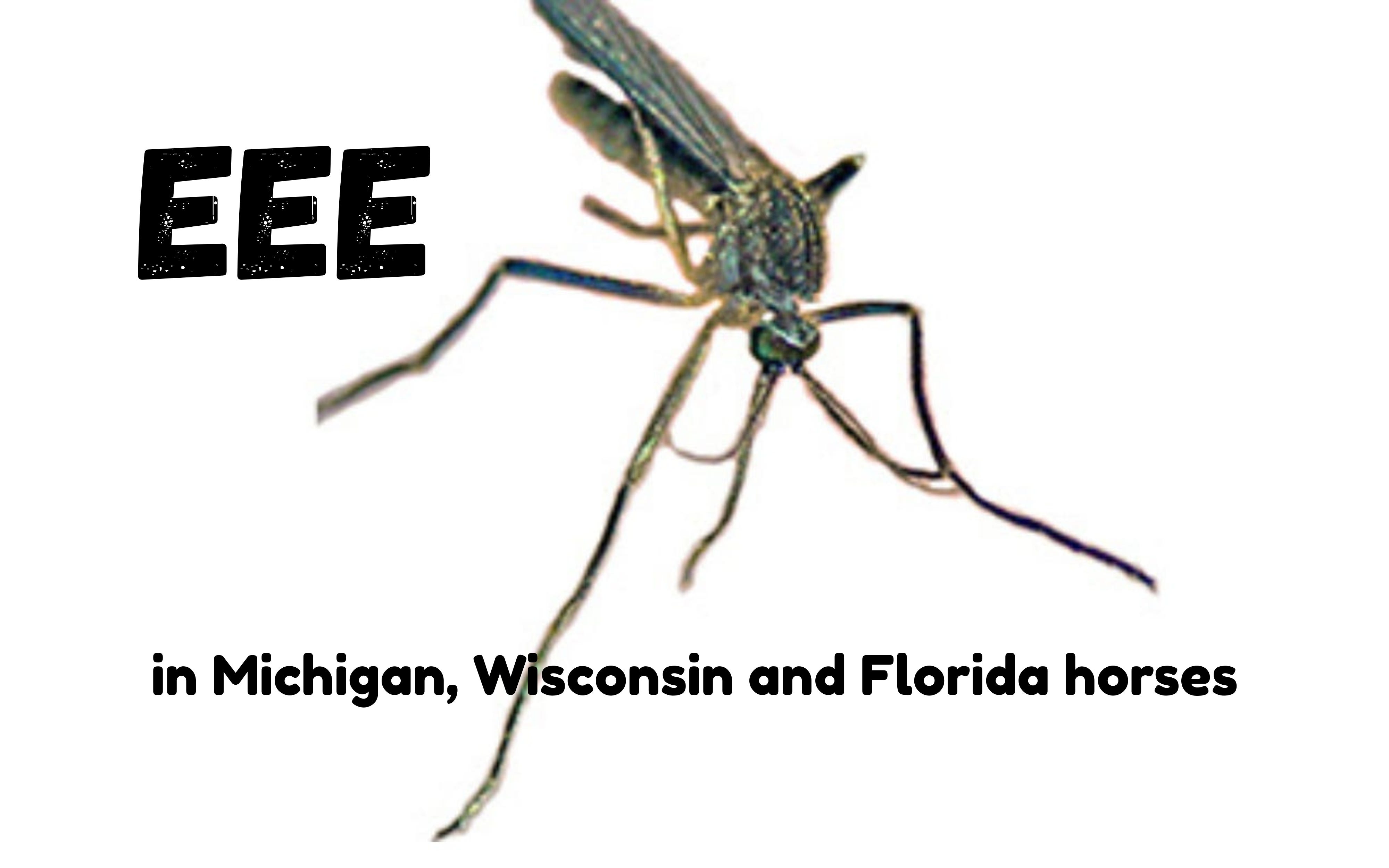
The Michigan Department of Agriculture and Rural Development (MDARD) is reporting the state s first case of eastern equine encephalitis (EEE) in a domestic animal for 2026.
The disease was detected in an under-vaccinated one-year-old Quarter Horse colt from Clare County. The colt was taken to a specialty hospital for care but was humanely euthanized.
"With the recent case of EEE in a Roscommon County resident and now this new detection, it is crucial that Michigan residents take precautions against mosquito bites," said Dr. Natasha Bagdasarian, Chief Medical Executive. "EEE is one of the most dangerous mosquito-borne diseases in the U.S., with a 30% fatality rate among people who become ill. We urge residents to take precautions such as using an EPA-registered insect repellent when outdoors, avoiding areas where mosquitoes are present if possible and wearing clothing to cover arms and legs to prevent bites."
Wisconsin
The Wisconsin Department of Agriculture, Trade and Consumer Protection (DATCP) confirms that a four-year-old Standardbred mare in Portage County has tested positive for Eastern Equine Encephalitis (EEE). The mare was humanely euthanized. It is the state's first confirmed case of EEE in a horse this year.
If you like the reporting on Outbreak News Today, please consider a paid subscription for $5/month or $30 a year. Help support the cause of this niche journalism. It is appreciated.
Florida
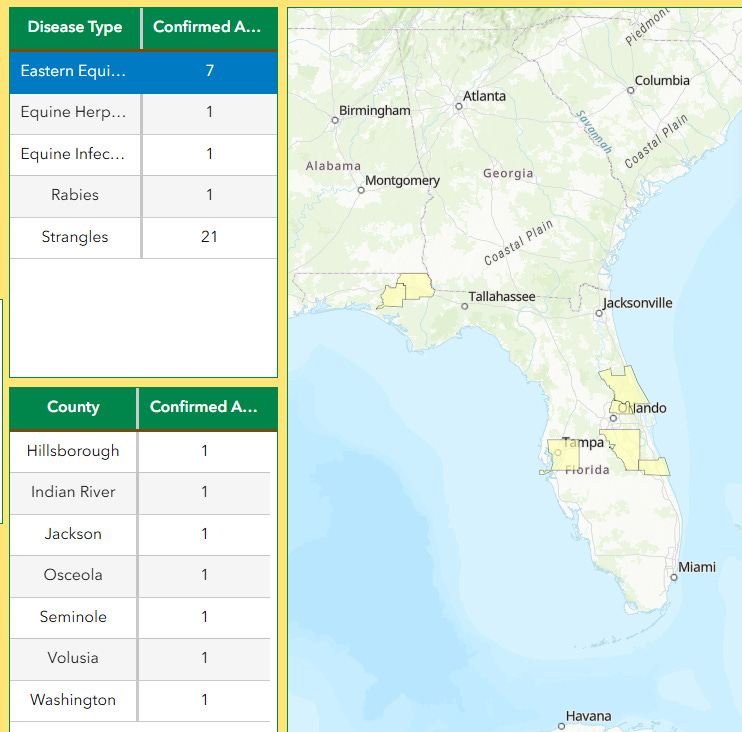
The Florida Department of Agriculture and Consumer Services reported a EEE case in a horse from Washington County. The animal was euthanized.
This is the 7th confirmed case of EEE for Florida in 2026 - one each in Hillsborough, Indian River, Jackson, Osceola, Seminole, Volusia and Washington counties.
Eastern Equine Encephalitis
Eastern Equine Encephalitis (EEE) virus is spread to people by the bite of an infected mosquito.
Human cases of EEE disease are rare but can cause serious illness.
About 30% of people ill from EEE die and many who survive the infection are left with permanent neurologic damage.
There are no vaccines to prevent EEE infection in people and no specific treatments for EEE disease.
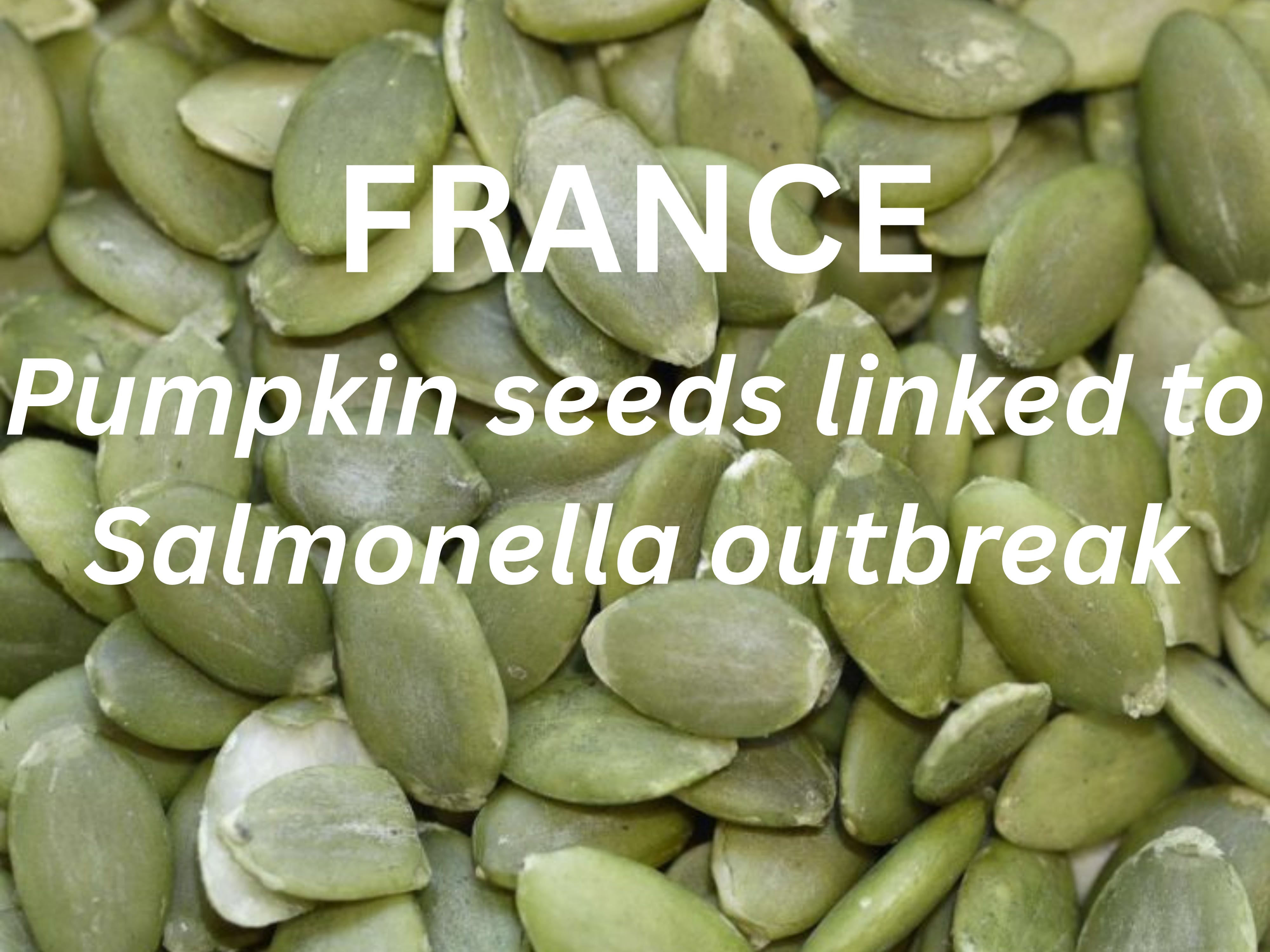
The National Reference Centre (NRC) for Salmonella at the Pasteur Institute has identified a cluster of 81 Salmonella Enteritidis strains with the same genomic profile.
The strains were isolated from individuals who became ill between May 3 and August 12, 2026. The cluster comprises 56 women and 25 men, with an average age of 36.
These individuals are distributed across 10 regions: Auvergne-Rhône-Alpes (27), Île-de-France (12), Hauts-de-France (8), Bourgogne-Franche-Comté (8), Provence-Alpes-Côte d'Azur (8), Grand Est (5), Brittany (5), Occitanie (4), Pays de la Loire (2), and Normandy (2).
Investigations carried out by Public Health France in conjunction with the National Reference Centre (CNR) for Salmonella and the Ministry of Agriculture, in coordination with the Ministry of Health, point towards contamination by pumpkin seeds from a processor located in Lot-et-Garonne (47), distributed mainly in the Grand Frais store network.
If you like the reporting on Outbreak News Today, please consider a paid subscription for $5/month or $30 a year. Help support the cause of this niche journalism. It is appreciated.
Other retail chains are also affected, both by raw seeds alone and by seed mixes containing contaminated pumpkin seeds.
Traceability investigations are ongoing to identify these distribution points and pinpoint the source of the contamination.
An inspection was carried out by the Departmental Directorate for the Protection of Populations (DDPP) of Lot-et-Garonne at the processing facility in question, but the source of the contamination could not be identified at this stage. Without waiting for the results of the investigation into the source of the contamination, the epidemiological and analytical data led the processing facility to implement a withdrawal and recall.
The withdrawal and recall operations were initiated on August 28, 2026 and will be completed by the other brands concerned.
Outbreak News Today is a reader-supported publication. To receive new posts and support my work, consider becoming a free or paid subscriber.
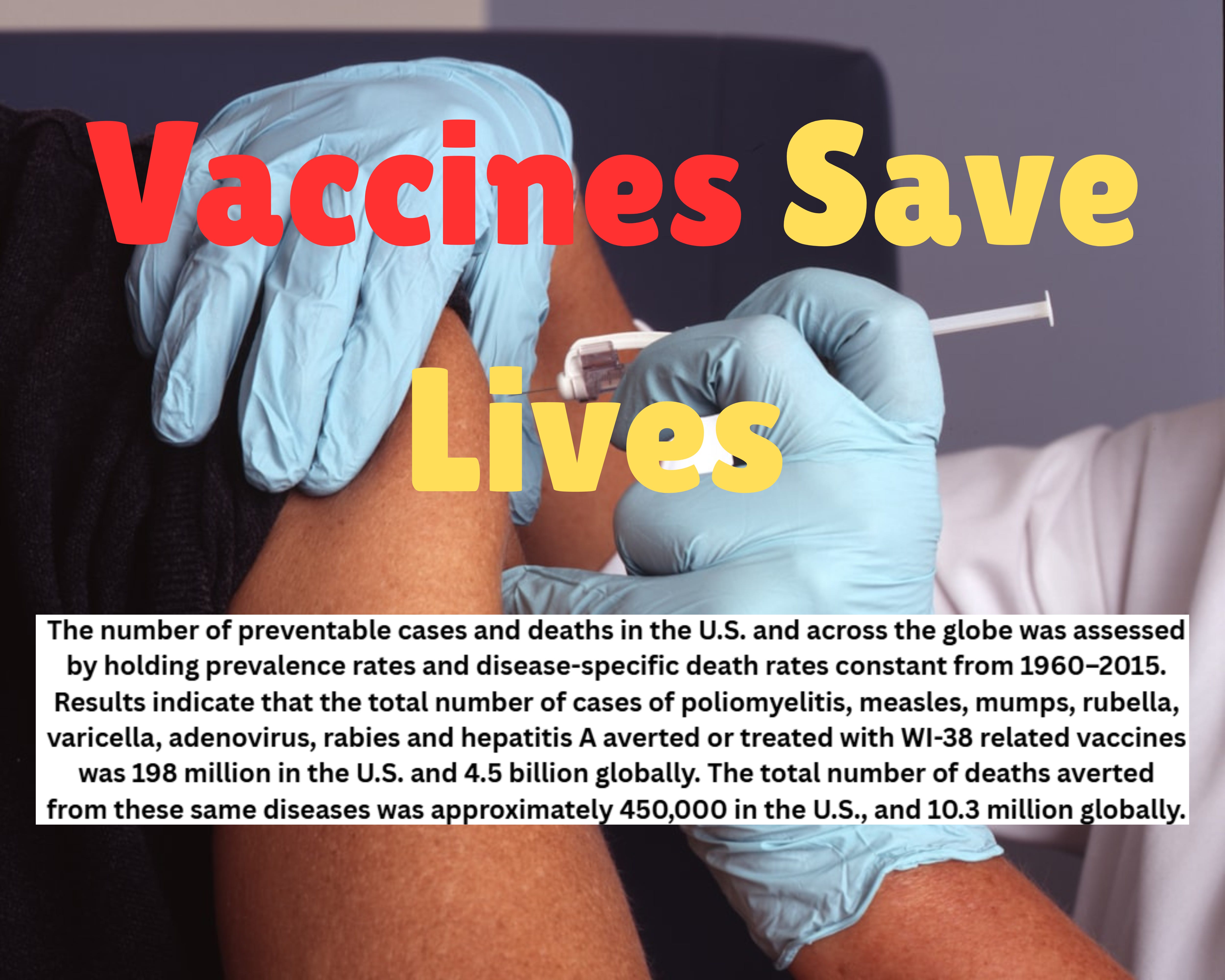
According to a paper published in AIMS Public Health in 2017 - They estimate the number of lives saved and morbidity reduction associated with the discovery of the first human cell strain used for the production of licensed human virus vaccines, known as WI-38. The diseases studied include poliomyelitis, measles, mumps, rubella, varicella (chicken pox), herpes zoster, adenovirus, rabies and Hepatitis A.
The number of preventable cases and deaths in the U.S. and across the globe was assessed by holding prevalence rates and disease-specific death rates constant from 1960–2015. Results indicate that the total number of cases of poliomyelitis, measles, mumps, rubella, varicella, adenovirus, rabies and hepatitis A averted or treated with WI-38 related vaccines was 198 million in the U.S. and 4.5 billion globally - 720 million in Africa; 387 million in Latin America and the Caribbean; 2.7 billion in Asia; and 455 million in Europe.
The total number of deaths averted from these same diseases was approximately 450,000 in the U.S., and 10.3 million globally - The total number of deaths averted from these same diseases was approximately 450,000 in the U.S., and 10.3 million globally (1.6 million in Africa; 886 thousand in Latin America and the Caribbean; 6.2 million in Asia; and 1.0 million in Europe.
Outbreak News Today is a reader-supported publication. To receive new posts and support my work, consider becoming a free or paid subscriber.
Florida Surgeon General Dr. Joseph Ladapo said Friday that Hillsborough County had become the center of locally acquired transmission in the state.
“We’ve had an increase in the number of cases there, specifically around here in Hillsborough County,” Ladapo said. “There have been a few other areas where we’ve had some local transmission, but Hillsborough County is really the epicenter of it.”
Outbreak News Today is a reader-supported publication. To receive new posts and support my work, consider becoming a free or paid subscriber.

 Login