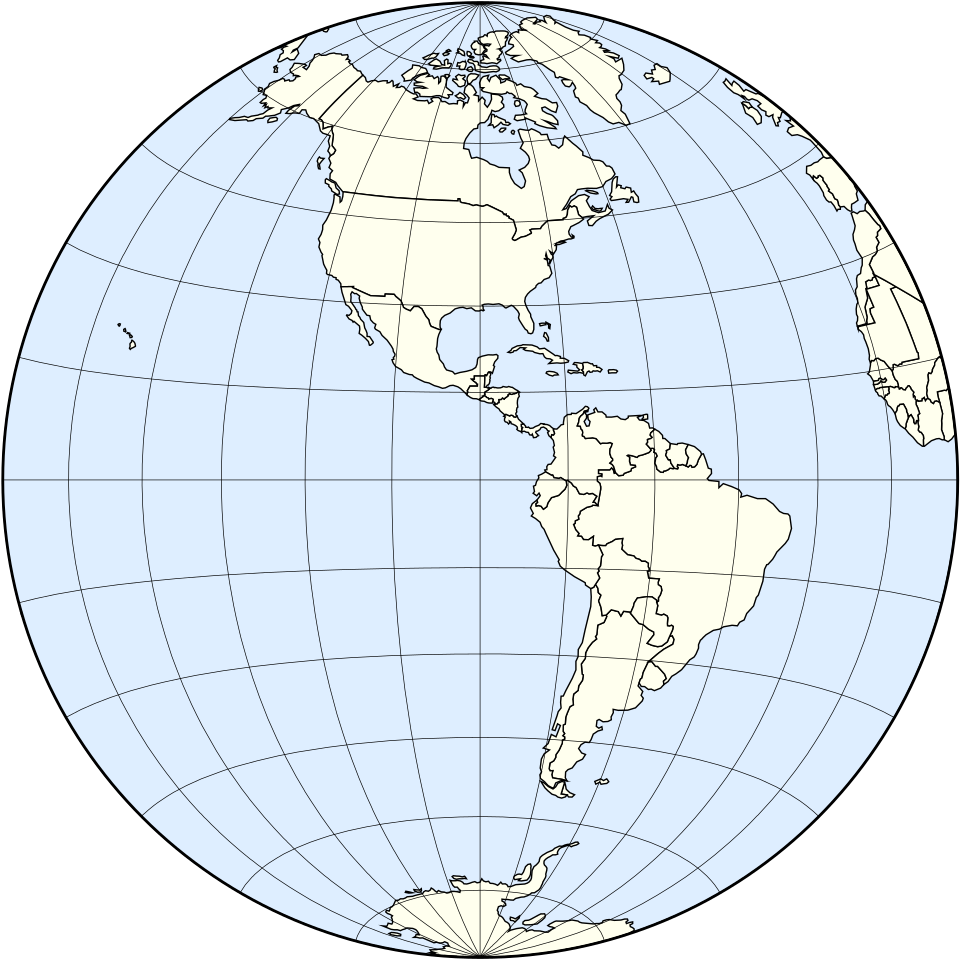
From the beginning of the year through mid-July 2026, 47,459 measles cases were confirmed in the Americas Region, including 44 deaths from 16 countries and one territory. The number of confirmed measles cases in 2026 is the highest recorded since 2004, making 2026 the year with the highest number of confirmed measles cases in the past 22 years.
Guatemala (n= 30,371 cases, including 26 deaths), Mexico (n= 12,255 cases, including 17 deaths), the United States of America (n= 2,260 cases), and Peru (n= 1,277) account for the majority (95%) of confirmed cases.
The number of cases reported in 2026 as of mid-July represents an increase of more than eightfold compared with the 5,123 measles cases reported during the same period in 2025.
The 20–29 age group accounts for the largest proportion of cases (31%), followed by the 10–19 age group (17%) and the 30–39 age group (16%).
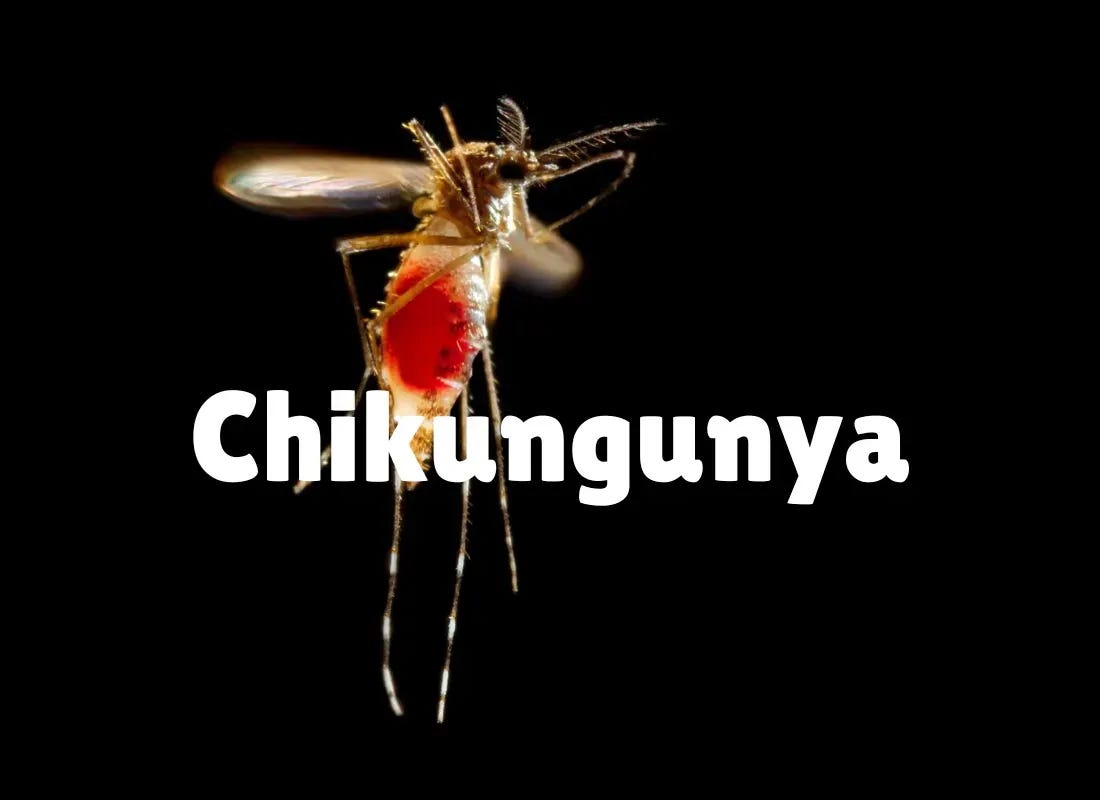
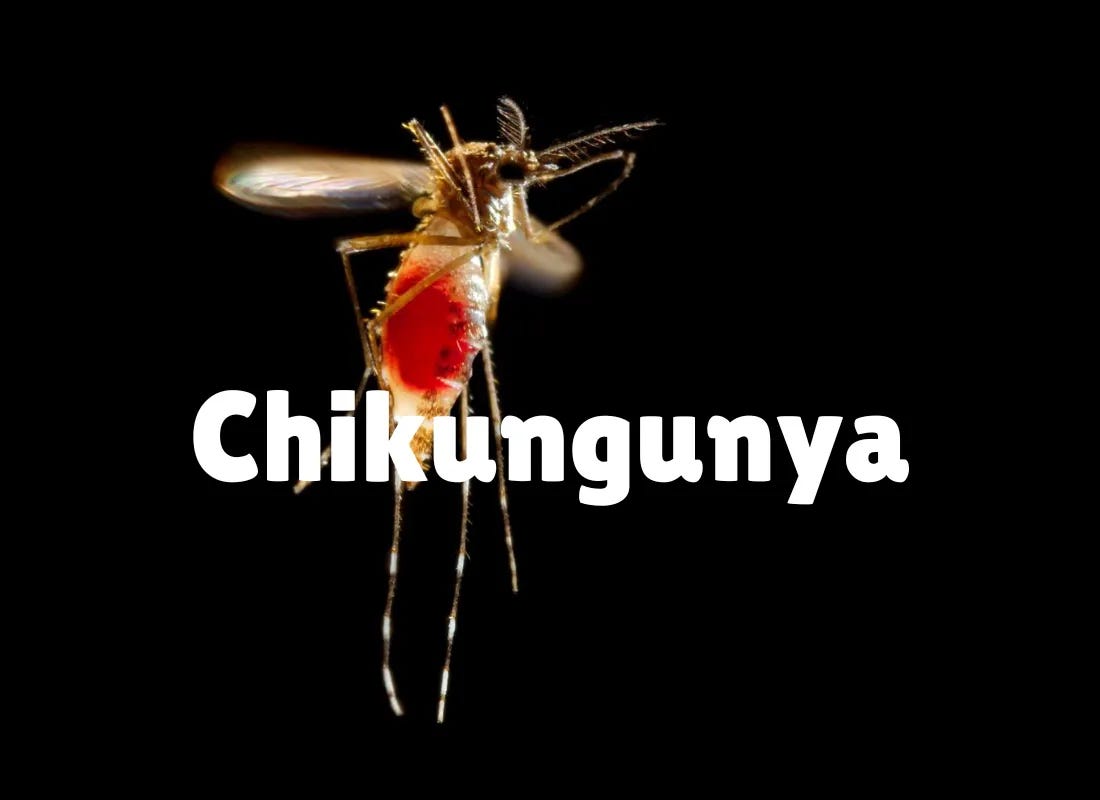
According to the Argentina Ministry of Health, during the current season, 13,230 suspected cases of chikungunya fever were reported; of these, 3,618 were classified as confirmed, probable, or probable via epidemiological link.
Reported cases with a travel history originated in Bolivia, Brazil, Paraguay, and Cuba.
The first cases without travel history were identified in Salta province amidst the occurrence of imported cases linked to travel to Bolivia, confirming the presence of local transmission.
Throughout the season, a sustained acceleration in chikungunya fever cases was observed up to EW 16, driven by increases in both confirmed and probable cases; this indicated a scenario of intensifying transmission alongside improved detection. Following the peak in cases during Epidemiological Week (EW) 16 (N=446), a progressive and sustained decline has been observed in confirmed, probable, and under-investigation cases alike.
Regarding spatial distribution, the highest disease burden is concentrated in the NOA region (n=3,492; 97% of the total), particularly in Salta, Tucumán, and Jujuy, where the primary transmission hotspots are established.
Concurrently, outbreaks were reported in other jurisdictions—such as Catamarca (Capital), Santiago del Estero (Capital), and Buenos Aires (Lomas de Zamora, Merlo, Quilmes)—alongside case detections in CABA and Córdoba (see Map 1), evidencing the event’s recent expansion beyond the initially affected areas.
The median age was 31 years. The age group with the highest proportion of cases was the 45–65 age bracket, followed by the 25–34 and 35–44 age groups. Females accounted for 54% of the cases.
The most frequently reported symptoms were fever, polyarthralgia, myalgia, headache, diarrhea, and vomiting.
Of the total cases, 2,809 (78%) had data available regarding the need for hospitalization; of these, 8.3% (n=232) required hospital admission.
Nine severe cases of Chikungunya virus (CHIKV) fever were reported, two of which resulted in death. The seven non-fatal cases involved residents of Salta (n=4), Santiago del Estero (n=2), and Tucumán (n=1).
The two fatal cases involved patients residing in the province of Salta: a 68-year-old man from Embarcación, who developed respiratory compromise associated with *Streptococcus pneumoniae* pneumonia, and a 34-year-old man from Aguaray with a history of decompensated diabetes, who had an unfavorable outcome involving septic shock and respiratory failure.
Outbreak News Today is a reader-supported publication. To receive new posts and support my work, consider becoming a free or paid subscriber.
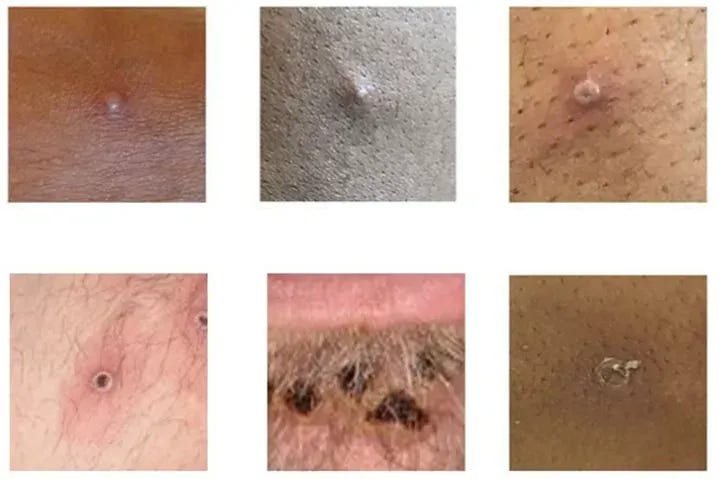
A San Diego County, California resident has been confirmed positive for Clade I mpox. Health authorities say the patient likely contracted the virus while traveling internationally to an area where Clade I mpox is circulating.
The County is monitoring all identified contacts, and no one has reported symptoms.
Image/UKHSA
Mpox is a viral infection that often spreads through close, skin-to-skin contact. Protect yourself from mpox by getting two doses of the mpox vaccine.
The two dose JYNNEOS vaccine provides the strongest protection against both Clade I and II mpox. It is recommended for people at higher risk, those with potential exposure, and travelers who anticipate close or intimate contact while abroad. The JYNNEOS vaccine is available through healthcare providers and County Sexual Health Clinics.
“It is really important for anyone at risk of contracting mpox complete both doses of the vaccine,” County Public Health Officer Dr. Sayone Thihalolipavan said.
“Completing the series offers the best protection against severe illness, including painful blisters that take a month to heal, and in some cases lead to hospitalization.”
Mpox can be spread through close contact with a person with mpox, including:
Intimate physical contact, such as touching the genitals, hugging, massage, kissing, and prolonged face-to-face interactions (such as talking or breathing).
Direct skin-to-skin contact with mpox rash, scabs, or body fluids that touched sores.
Sharing a living space, or personal items, with someone who has mpox.
From a pregnant person with mpox to the fetus during pregnancy or to the newborn during and after birth.
Casual contact, like one might have in an airplane, office, or store, is unlikely to spread mpox.
After being exposed to mpox, it can take up to 21 days for symptoms to show. Mpox can start with other symptoms such as:
Fever
Sore throat
Low energy
Swollen lymph nodes
Body Aches
Within about 3 days, a rash or sore(s) develop.
The rash or sores may be located anywhere on the body. This includes hands, feet, chest, face, mouth, or near the genitals.
The rash can initially look like pimples, or blisters, and may be painful or itchy.
The rash or sores will go through several stages, including scabs, before healing.
While the chickenpox rash may look like a mpox rash, they are not related. Because chickenpox is caused by a virus that is unrelated to mpox, having had chickenpox (varicella) infection or vaccine in the past will not protect you from mpox.
Clade I mpox, linked to Central Africa, has become more common in Eastern Africa and other parts of the world in recent years. Most Clade I cases outside of Africa are associated with travel, though some areas have reported local spread. Clade I may be more severe than Clade II, which has been present in San Diego County since 2022.
San Diego County has reported 27 cases this year, mostly among people who were not fully vaccinated. All cases involve men between 17 and 53-years-old.
Outbreak News Today is a reader-supported publication. To receive new posts and support my work, consider becoming a free or paid subscriber.
Health officials in Nepal have reported nine deaths due to Japanese encephalitis (JE) in less than a month, prompting officials to warn the public the numbers could rise as the peak season arrives.
In the past few weeks alone, six people have died from JE virus infection in Koshi Province, two in Madhesh Province, and one in Lumbini Province.
In addition, 37 others were infected and hospitalized with JE.
Of the vector borne diseases, JE is the leading cause of death in Nepal. It is estimated that about 12.5 million people in Nepal are at high risk of JE infection.
In 2025, 41 people died and 141 others were infected with JE, which spread to over 117 local units across 45 districts. The case fatality rate was around 23 percent.
Japanese encephalitis is a preventable viral disease transmitted through the bite of the infected Culex mosquito. Japanese encephalitis virus circulates in pigs, sheep, and water birds. Most infected individuals experience no symptoms or only mild symptoms like fever and headache. The virus does not spread from person to person, and symptoms typically appear 5-15 days after being bitten.
It is found mainly in Asia. About 70,000 cases of JE are estimated to occur in Asia each year, although the actual number of cases is likely much higher due to underreporting in rural areas. JE is fatal in approximately 30 percent of those who show symptoms, and leaves half of survivors with permanent brain damage. The disease is endemic in Southeast Asia, India and China, a region with a population of more than three billion.
Vaccine experts and members of the National Immunization Advisory Committee have recommended that everyone who is unvaccinated should receive one dose of the JE vaccine. According to them, unvaccinated individuals are at high risk of infection, severe illness, and death.
Outbreak News Today is a reader-supported publication. To receive new posts and support my work, consider becoming a free or paid subscriber.
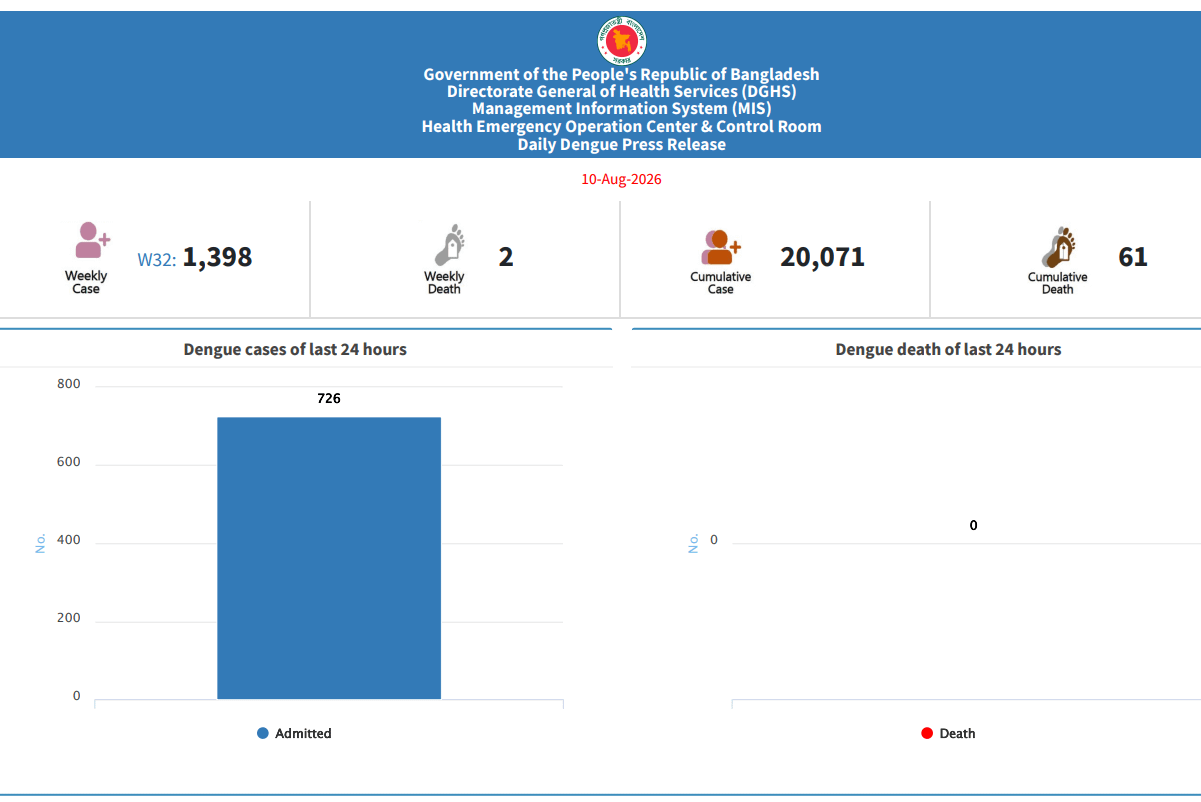
The Directorate General of Health Services (DGHS) in Dhaka reports 726 new dengue hospitalizations in the past 24 hours, bringing the total cases to 20,071 through August 10.
So far in August 2026, 4,761 hospitalizations were reported. More than 9,200 cases were reported in all of July.
The death toll from dengue this year remains at 61 as no deaths were reported in the past 24 hours.
Outbreak News Today is a reader-supported publication. To receive new posts and support my work, consider becoming a free or paid subscriber.
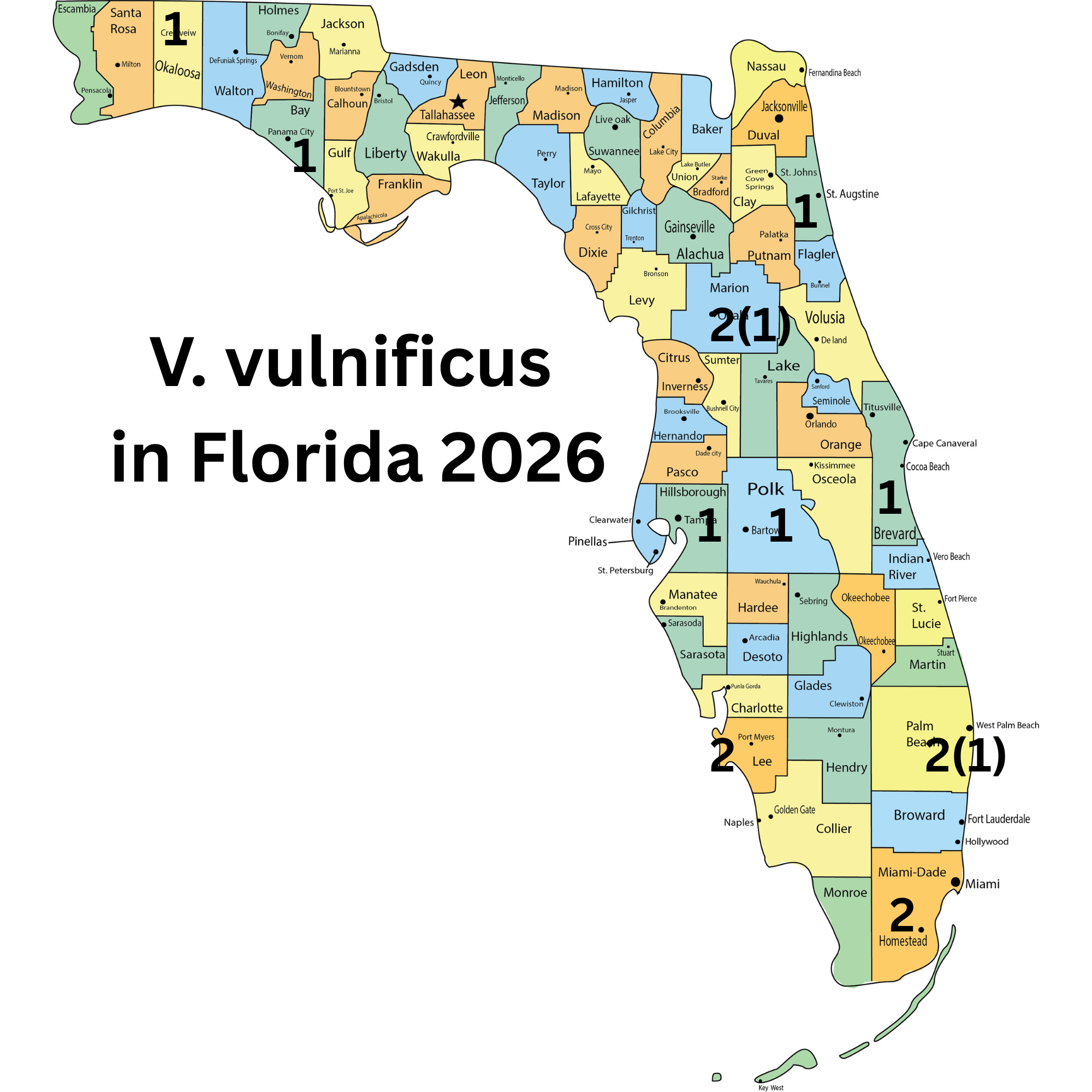
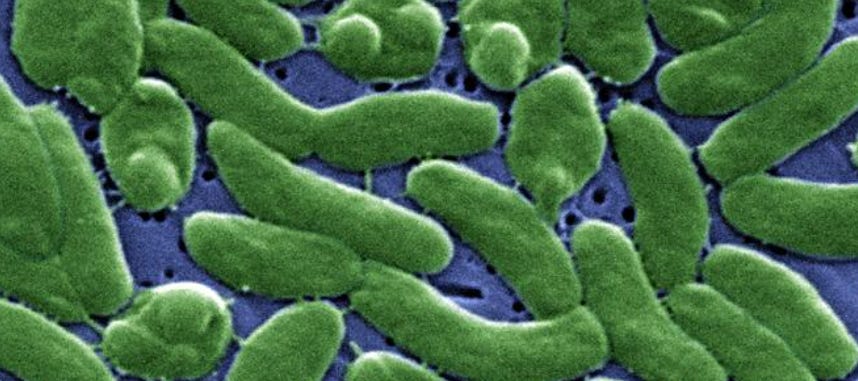
In an update on the Vibrio vulnificus situation this year in Florida, the Department of Health now reports 14 cases from 10 counties- Bay, Brevard, Hillsborough, Lee (2), Marion (2), Miami-Dade (2), Okaloosa, Palm Beach (2), Polk and St. Johns.
The state also recorded a second death due to the bacterial infection in Marion County. A death was previously reported in Palm Beach County.
Vibrio vulnificus can cause disease in those who eat contaminated seafood or have an open wound that is exposed to warm seawater containing the bacteria. Ingestion of Vibrio vulnificus can cause vomiting, diarrhea and abdominal pain. Vibrio vulnificus can also cause an infection of the skin when open wounds are exposed to warm seawater; these infections may lead to skin breakdown and ulcers.
Healthy individuals typically develop a mild disease; however, Vibrio vulnificus infections can be a serious concern for people who have weakened immune systems, particularly those with chronic liver disease.
The bacterium can invade the bloodstream, causing a severe and life-threatening illness with symptoms like fever, chills, decreased blood pressure (septic shock) and blistering skin lesions. Vibrio vulnificus bloodstream infections are fatal about 50 percent of the time. A recent study showed that people with these pre-existing medical conditions were 80 times more likely to develop Vibrio vulnificus bloodstream infections than healthy people.
Granby Zoo informs the public that it is working closely with Public Health authorities following an incident that occurred on August 4, during which a visitor reported sustaining a superficial injury after coming into contact with a Japanese macaque through the mesh barrier of the holding area.
The individual immediately received first aid on site before being referred to a hospital for medical assessment.
The Zoo states their internal review determined that, during a limited period of time, some members of the public were able to access a presentation platform normally reserved for animal care staff. Although this platform is located outside the animals' habitat and separated from the macaques by a mesh barrier and a buffer zone, they cannot rule out the possibility that other individuals may also have had direct physical contact with a macaque.
"The safety of our visitors is our highest priority. We are taking this situation very seriously and are acting with transparency and diligence to ensure that anyone who may have been affected can promptly receive the appropriate medical assessment. We are grateful to Public Health for its valuable collaboration," said Émilie Laurin, President and Chief Executive Officer of Zoo de Granby.
What’s the concern?
Dr. Mélissa Généreux, Medical Consultant with the Public Health Directorate of Santé Québec Estrie – CHUS, notes that Japanese macaques may carry the B virus (Herpes B virus). Although human infection is extremely rare, it can result in serious complications if not treated promptly.
“Anyone who visited the macaque area during the period in question and had direct physical contact with a macaque, such as a scratch, a bite, or exposure of an open wound or mucous membrane to the animal’s saliva, is asked to contact Info-Santé (811),” said Dr. Mélissa Généreux.
B virus infection is caused by a herpes virus. B virus is also commonly referred to as herpes B, monkey B virus, herpesvirus simiae, and herpesvirus B.
The virus is found among macaque monkeys, including rhesus macaques, pig-tailed macaques, and cynomolgus monkeys (also called crab-eating or long-tailed macaques). Macaque monkeys are thought to be the natural host for the virus.
The US CDC notes infection with B virus is extremely rare in humans. When it does occur, the infection can result in severe brain damage or death if the patient is not treated soon after exposure. Infection in humans is typically caused by animal bites or scratches or by mucosal contact with body fluid or tissue.
Untreated B virus infections in humans result in an extremely high mortality rate (∼80%).
Outbreak News Today is a reader-supported publication. To receive new posts and support my work, consider becoming a free or paid subscriber.
On August 4, the City Government of Zamboanga officially announced that the city is now experiencing a dengue epidemic, following a press conference at the City Hall Conference Room led by City Mayor Khymer Adan T. Olaso and City Health Officer Dr. Dulce Amor Miravite.
During the press conference, Dr. Miravite reported that the continued rise in dengue cases in the city has reached epidemic thresholds, prompting the City Health Office (CHO) to intensify surveillance, case management, vector control, and public awareness campaigns throughout the city. She emphasized that the cooperation of every household, school, workplace, and barangay is vital in preventing further transmission.
Zamboanga City recorded 1,241 dengue cases and 12 deaths as of early August 2026.
The current case count reflects a sharp increase compared to previous periods, affecting 39 out of the city's 98 barangays (villages). High concentrations are reported in Calarian, Santa Maria, Talon-Talon, Ayala, and Putik.
More than half of the infections involve children aged 10 years or younger.
Mayor Olaso assured the public that the local government is mobilizing all available resources to address the situation. He called on residents to actively participate in cleanup drives, eliminate mosquito breeding sites, and immediately seek medical consultation for dengue symptoms such as persistent fever, severe headache and body pains.
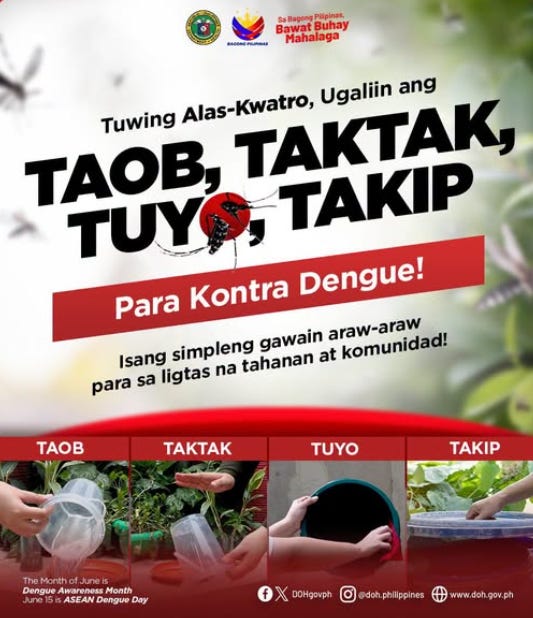
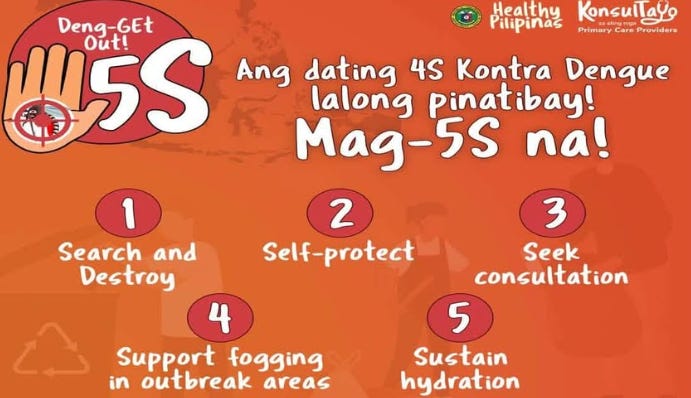
The City Health Office likewise reiterated the importance of the 5S Strategy against dengue: Search and destroy mosquito breeding places, Secure self-protection, Seek early consultation, Support targeted fogging in hotspot areas, and Sustain hydration for suspected cases.
City officials appealed to the public to remain vigilant and work together in protecting families and communities from dengue, stressing that collective action is essential to curb the spread of the disease and safeguard public health.
Nationally, the Philippines has reported a decrease in dengue cases as compared to 2025.
Outbreak News Today is a reader-supported publication. To receive new posts and support my work, consider becoming a free or paid subscriber.
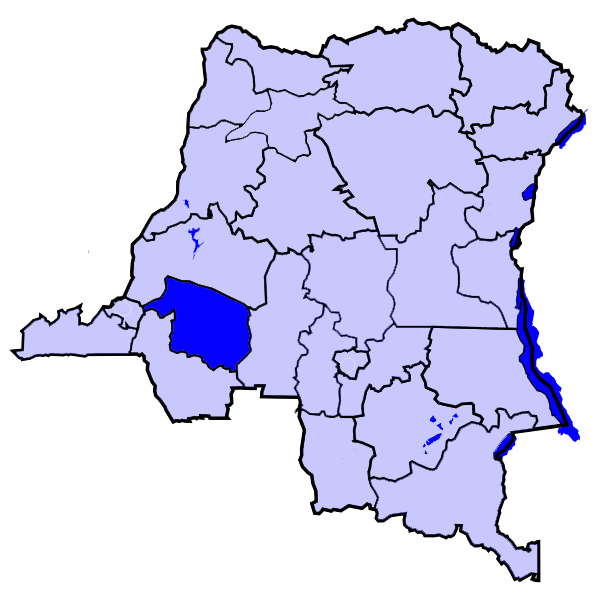
According to provincial health authorities in Kwilu province, in western Democratic Republic of the Congo (DRC), 419 cases of cholera, including 30 deaths, have been recorded since the beginning of June in four health zones.
Following Bandundu and Kikongo, the health zones of Mokala and Ipamu have also recorded cases of cholera. To date, the outbreak remains active in these two zones, while no new cases have been reported in Bandundu and Kikongo.
In the Bandundu health zone, 212 cases have been reported, including 14 deaths. More than 198 people who received care have been declared recovered and discharged from health facilities.
In Kikongo, 166 cases have been recorded, including 8 deaths. More than one hundred patients have also been declared recovered, while no new cases are currently reported in this health zone.
However, the situation remains worrying in Mokala and Ipamu, where health teams are continuing interventions to contain the spread of the disease.
According to health authorities, the consumption of unsafe water from the Kasai River is one of the main factors contributing to the transmission of cholera in the region.
Water chlorination is among the main measures taken in the affected areas. Operations are being carried out in Piopio and Panu, in the Mokala health zone, and in Kinkole, in the Ipamu health zone.
The response to this epidemic is supported by both the central government and the Kwilu provincial government. Water treatment supplies, personal protective equipment for healthcare workers, and disinfection equipment for infected sites have been provided to the teams involved in combating the epidemic.
According to the Africa CDC, since the beginning of the year, more than 33,000 total cases and 943 deaths.
Outbreak News Today is a reader-supported publication. To receive new posts and support my work, consider becoming a free or paid subscriber.
Louisiana state health officials are reporting nine cases of Vibrio vulnificus so far in 2026, with all nine requiring hospitalization, including five deaths, prompting officials to urge residents to take precautions to prevent infection from thebacterium found naturally in warm coastal waters.
All nine cases reported this year were associated with wounds exposed to seawater, and all patients had underlying health conditions.
The number of cases and deaths this year are higher than in recent years. During the same period over the previous 10 years, Louisiana reported an average of seven cases and one death.
According to the Louisiana Department of Health, Vibrio bacteria occur naturally in warm coastal waters and are found in higher numbers from May to October, when water temperatures are warmer. Infection can occur when an open wound is exposed to brackish or salt water or when a person eats raw or undercooked seafood, particularly oysters.
Vibrio infection can result in gastrointestinal illness, wound infection, or blood poisoning (bloodstream infection).
Some species, including Vibrio vulnificus, can cause severe and life-threatening infections. People with severe infections may require intensive care or limb amputation. About one in five people with Vibrio vulnificus infection dies, sometimes within a day or two of becoming ill.
Anyone can get a Vibrio infection, but the risk of severe complications is highest among people who:
Have liver disease, cancer, diabetes, HIV, or thalassemia
Receive immune-suppressing treatment
Take medicine that reduces stomach acid
Have recently undergone stomach surgery
Signs of Vibrio wound infection include:
Fever
Redness, pain, swelling, or warmth around the wound
Skin discoloration
Drainage or discharge
Seek medical care immediately if a wound exposed to brackish or salt water becomes red, swollen, painful, warm, or discolored. Tell the health care provider about the water exposure.
Signs of a bloodstream infection include fever, chills, dangerously low blood pressure, and blistering skin lesions.
Common gastrointestinal symptoms of Vibrio infection include watery diarrhea, stomach cramps, nausea, vomiting, fever, and chills.
How to reduce your risk
Stay out of brackish or salt water if you have an open wound, including cuts, scrapes, recent surgery wounds, or piercings.
Cover wounds with a waterproof bandage if they could come into contact with brackish or salt water, raw seafood, or raw seafood juices.
Wash wounds thoroughly with soap and after possible exposure.
Cook seafood thoroughly, especially if you have a weakened immune system, are pregnant, or have certain medical conditions like liver or stomach disorders.
Wash your hands with soap and water after handling raw shellfish.
Keep cooked seafood separate from raw seafood and its juices.
If you are in a high-risk group, you should also:
Wear protective clothing and footwear to help prevent cuts and scrapes in coastal water.
Wear gloves when handling raw seafood.
Outbreak News Today is a reader-supported publication. To receive new posts and support my work, consider becoming a free or paid subscriber.
The Ministry of Health (Minsa), through the National Center for the Supply of Strategic Health Resources (Cenares), distributed a total of 199,892 doses of the Qdenga dengue vaccine to Piura, La Libertad, Lambayeque, San Martín and Ucayali, priority regions due to reporting the highest number of cases of the disease transmitted by the Aedes aegypti mosquito.
Image/Minsa
According to the officials, 47,170 doses were delivered to Piura, 20,722 to La Libertad, 59,000 to Lambayeque, 30,000 to San Martín and 43,000 doses to Ucayali.
The delivery of the vaccines will allow for the vaccination of children and adolescents between 10 and 20 years of age against dengue fever, protecting them from the impact of the El Niño Costero phenomenon.
With these actions, the Ministry of Health reaffirms its commitment to strengthening the fight against dengue through the timely supply of the vaccine. It also urges families to comply with preventive measures such as eliminating potential breeding grounds, covering containers, and using insect repellent, among others.
From the beginning of the year through mid-July, Peru has recorded more than 38,000 total dengue cases, including 30,151 laboratory confirmed cases. 42 deaths have been reported to date.
Dengue serotypes 1, 2, and 3 are circulating in Peru.
Outbreak News Today is a reader-supported publication. To receive new posts and support my work, consider becoming a free or paid subscriber.
The Taiwan Centers for Disease Control (CDC) recently announced the first confirmed case of locally acquired typhoid fever in Taiwan this year.
The patient is a woman in her 70s from central Taiwan with a history of chronic illness and no recent domestic or international travel history.
She developed symptoms such as fever and diarrhea in mid-July. Due to the lack of improvement in her symptoms, she sought medical attention and was hospitalized. She was diagnosed after testing and has since been discharged and is recuperating at home.
According to CDC statistics, there have been a total of four confirmed cases of typhoid fever in Taiwan this year, including one locally acquired case and three imported cases. The number of locally acquired cases is comparable to the number of cases in the same period from 2022 to 2025 (between 1 and 3 cases). Taiwan has reported a total of 40 cases since 2022, including 11 locally transmitted cases and 29 imported cases. The majority of these cases are in the 20-39 age group, with the majority of imported cases originating from Indonesia (22 cases).
Typhoid fever is a bacterial infectious disease caused by Salmonella Typhi. The incubation period is generally 8 to 14 days (but can vary from 3 to 60 days). It is primarily transmitted through food or water contaminated with the feces or urine of infected individuals or carriers.
Common symptoms include persistent fever, headache, fatigue, loss of appetite, abdominal pain, diarrhea, relative bradycardia, or a rash on the trunk. The CDC urges the public to pay attention to food and hand hygiene. Drinking water should be boiled or bottled water should be used. Food must be thoroughly cooked before consumption, and cross-contamination between raw and cooked foods should be avoided during cooking and preparation.
Furthermore, maintaining good personal hygiene habits, such as thoroughly washing hands with soap and water before meals, after using the toilet, before handling food, and after changing diapers, is crucial for preventing infection.
Outbreak News Today is a reader-supported publication. To receive new posts and support my work, consider becoming a free or paid subscriber.
Crimean-Congo Hemorrhagic Fever (CCHF) is caused by infection with a tick-borne virus (a nairovirus, CCHF virus).
CCHF virus is spread by contact with infected ticks or animal (e.g., livestock) blood. CCHF virus can be spread from human to human through contact with infectious blood or bodily fluids.
Initial symptoms of CCHF include headache, high fever, back pain, joint pain, stomach pain, and vomiting. As the illness progresses, large areas of severe bruising, severe nosebleeds, and bleeding at injection sites can be seen.
In documented outbreaks of CCHF, fatality rates in hospitalized patients have ranged from 9% to as high as 50%.
Outbreak News Today is a reader-supported publication. To receive new posts and support my work, consider becoming a free or paid subscriber.
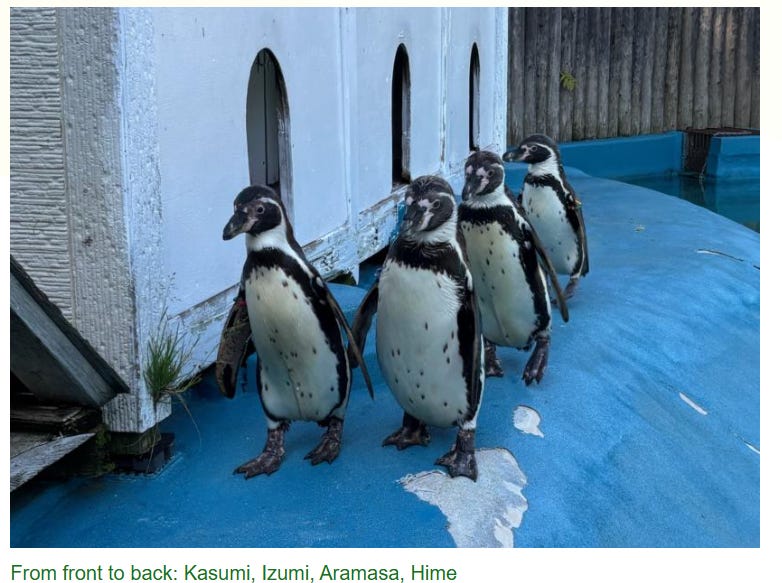
In an announcement made Friday, the Yagiyama Zoological Park in Sendai in northeastern Japan reports the death of four Humboldt penguins from avian malaria.
According to the zoo, the penguins died in succession- On July 9th, "Aramasa (male)" died, followed by "Hime (female)" on the 10th, "Izumi (male)" on the 18th, and "Kasumi (female)" on the 19th.
Image/Yagiyama Zoological Park
After "Aramasa's" death, the exhibit was suspended and the birds were moved to the back area.
All four birds showed no abnormalities such as poor health or loss of appetite until the day before their deaths and were behaving normally.
Because "Aramasa" and "Hime" died suddenly in quick succession, and based on similar cases at other zoos, "avian malaria" was suspected, so "Izumi" and "Kasumi" were given antimalarial drugs, but unfortunately they also died.
Iwate University was commissioned by Yagiyama Zoological Park in Sendai to investigate the cause of the birds' deaths.
Blood and organ tests were conducted at the research institution, and the gene for avian malaria parasites was confirmed in several birds.
Based on a comprehensive assessment of the circumstances of death, the results of this investigation, and cases from other zoos, it is believed that the cause of death for the four birds was avian malaria.
Avian malaria is a disease caused by infection with the malaria parasite, which is widely found in birds, and is transmitted by mosquitoes. It does not infect humans.
In penguins, symptoms such as lethargy, loss of appetite, anemia, and apathy may occur, but in some cases, the condition can deteriorate rapidly without any obvious symptoms, and death can result.
The zoo announced that based on the results of this inspection, they will implement the following measures to control the occurrence of mosquitoes that transmit avian malaria parasites and to maintain the health of the penguins, with the aim of reopening the penguin exhibit:
We will improve the unevenness of the ground in the exhibition hall to prevent puddles from forming, and improve ventilation by removing weeds to create an environment where mosquitoes are less likely to breed.
Regular administration of antimalarial drugs reduces the risk of avian malaria.
To prevent physical exhaustion due to the heat, we will install new fans in addition to the existing sunshades and misting systems.
Humboldt penguins are commonly found along the coasts of Peru and Chile in South America. They are considered better adapted to warmer climates than penguins from colder regions like Antarctica, and are commonly kept in zoos throughout Japan.
Outbreak News Today is a reader-supported publication. To receive new posts and support my work, consider becoming a free or paid subscriber.
Health officials in Costa Rica reported their first confirmed chikungunya virus case since 2016 in a 24-year-old Costa Rican man, a resident of Esparza, Puntarenas, in late January.
Since that time, the country has recorded a total of 82 cases, including 48 confirmed. This compares to 8 total cases and no confirmed cases in all of 2025.
The current outbreak is located in the North-West of the country, affecting San Jose, Puntarenas, Guanacaste, Alajuela, and Heredia provinces.
Chikungunya is a viral disease transmitted by the bite of infected mosquitoes such as Aedes aegypti and Aedes albopictus. It can cause high fever, joint pain, muscle pain, and headache. Although chikungunya disease rarely causes death, the joint pain associated with the disease can last for months or years and can become a cause of chronic pain and disability.
Outbreak News Today is a reader-supported publication. To receive new posts and support my work, consider becoming a free or paid subscriber.
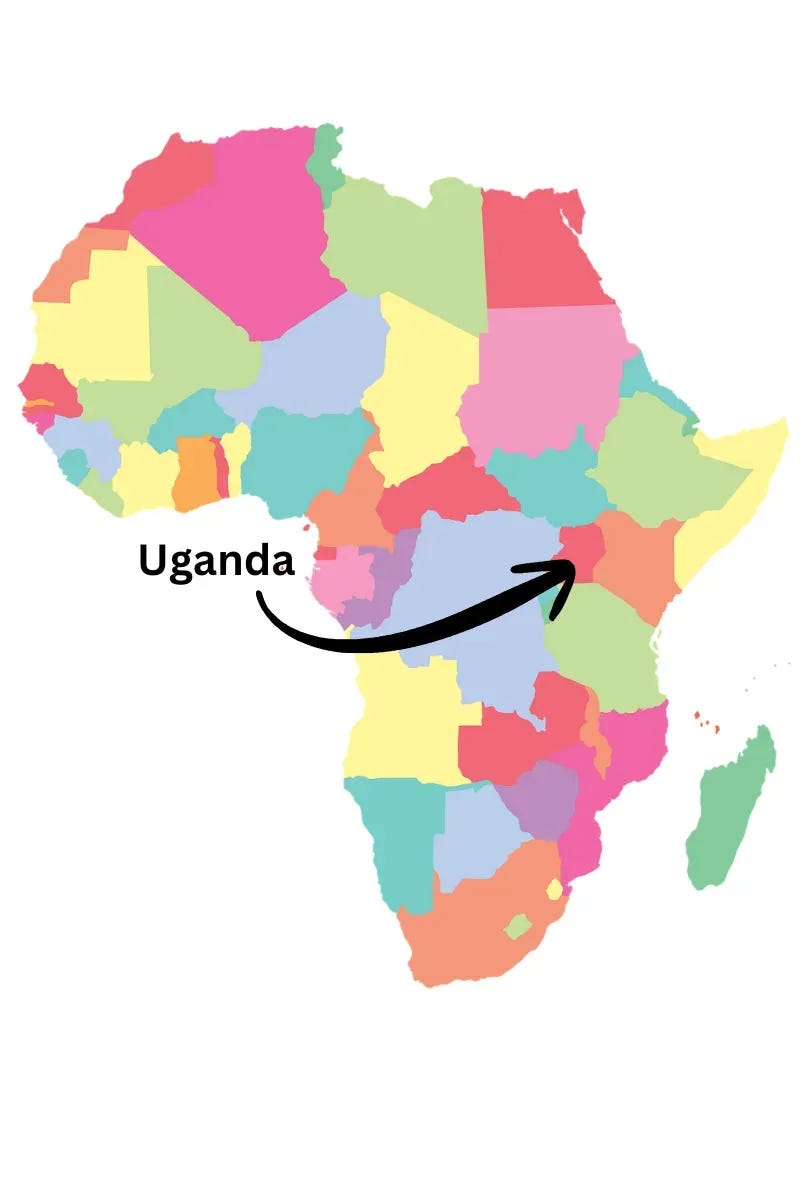
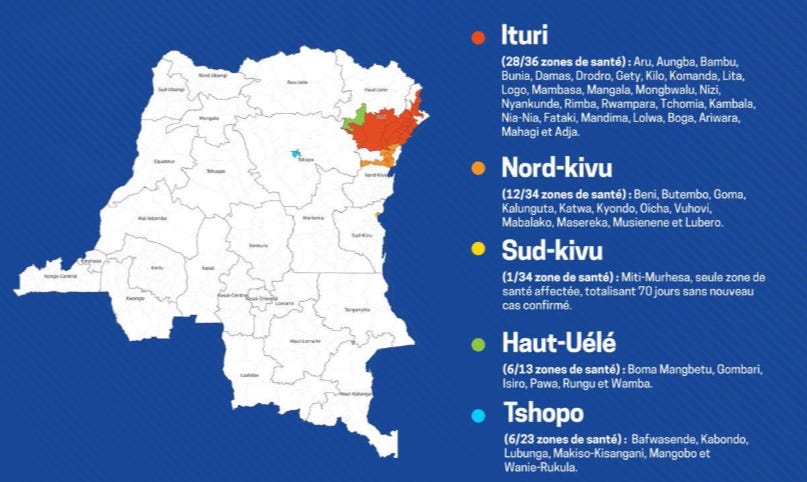
According to the Democratic Republic of the Congo (DRC Ministry of Health (MOH), 4,053 confirmed Ebola cases across 53 health zones in five provinces have been reported as of August 5, 2026.
The two newly affected zones are: Gombari (Haut-Uélé) and Bafwasende (Tshopo). Ituri remains the primary epicenter, accounting for 86.9% of cumulative cases.
Other key numbers include 1,850 deaths (45.7% fatality rate), 793 recoveries, 694 patients in isolation or hospitalized, and contact tracing progress at 77.7%, supported by 1,158 alerts investigated in 24 hours.
Response efforts focus on enhanced surveillance, treatment centers, community engagement, and a free hotline (151) for suspected cases, with visuals showing geographic spread and operational improvements.
The current, ongoing outbreak in the DRC is the 2nd largest on record. Here are the top 3 largest Ebola outbreaks:
Doctors Without Borders (MSF), in a press release published on Wednesday, August 5, 2026, warned of the “alarming” spread of the Ebola epidemic in eastern Democratic Republic of Congo. Two months after its initial declaration, the organization stated that the disease continues to spread at an alarming and unprecedented rate, despite the tireless efforts of medical teams mobilized on the front lines to try to contain the outbreak.
MSF points out that this death toll is significantly higher than during previous epidemics over a comparable period. For comparison, the devastating 2014 Ebola epidemic in West Africa caused 279 deaths during the same timeframe.
The epidemic shows no signs of slowing down. New suspected cases are being reported almost daily in new locations, outside of the already identified chains of transmission.
The statement explains that, to avoid further loss of life, the response must be accelerated to outpace the current rate of transmission. The international medical response must be strengthened without delay, as many critical gaps remain. While progress has been made in testing and contact tracing, these efforts are still insufficient to contain the epidemic.
According to MSF, 90% of patients admitted to Ebola Treatment Centers (ETCs) were not previously monitored contacts. Furthermore, across Ituri province, only 59% of contacts have been traced. Therefore, strengthening collaboration with communities is urgently needed. An effective response can only be achieved if it is developed with and led by local stakeholders.
Without communities at the heart of the response, surveillance and contact tracing will continue to miss some cases. Greater involvement of community members is therefore essential to ensure early case detection and rigorous monitoring.
The statement also specifies that this epidemic is exacerbating an already existing humanitarian crisis. Malaria, measles, cholera, malnutrition, and other preventable but treatable diseases continue to cause severe illness and death. It is therefore equally crucial to support health facilities so they can maintain the provision of essential medical services throughout the Ebola response and thus help protect healthcare workers.
Finally, MSF stresses that strengthening epidemiological surveillance, improving community engagement and ensuring safe access for humanitarian personnel are absolute priorities.
Although the response is gradually intensifying, it is still not reaching communities quickly enough to break the chains of transmission.
Outbreak News Today is a reader-supported publication. To receive new posts and support my work, consider becoming a free or paid subscriber.
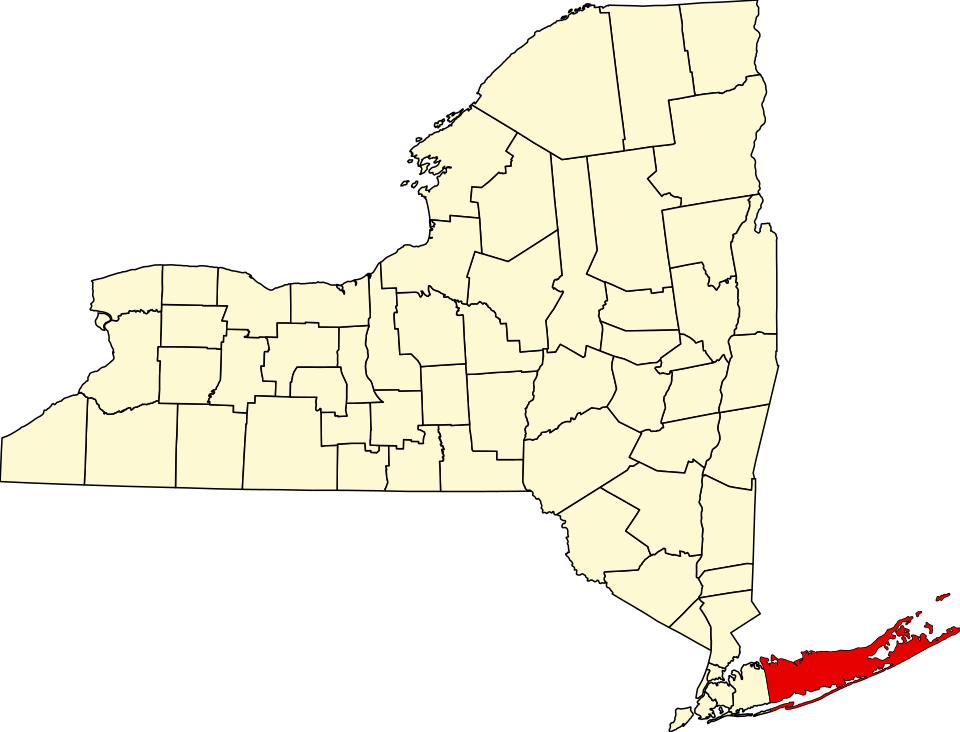
The Suffolk County Department of Health Services reports investigating four cases of tularemia, according to local media.
Image/David Benbennick
The county’s health commissioner, Dr. Gregson Pigott, reiterated that tularemia is uncommon, but this is not the first time multiple cases have popped up.
Suffolk logged six cases in 2025, four in 2024, and three in 2023, according to Pigott.
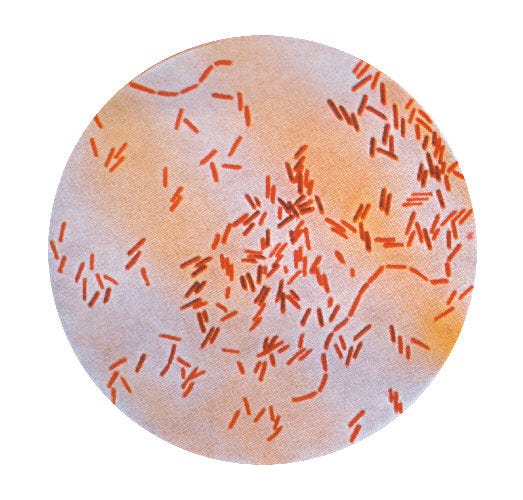
Tularemia, aka rabbit fever, is caused by the bacterium Francisella tularensis, which can be found in wildlife, particularly rabbits, squirrels, beavers, muskrats and other rodents. Pets are most often exposed to tularemia by hunting these animals but can also be exposed through tick or fly bites.
It can be transmitted to humans through insects (ticks), infected animals, contaminated water or food and airborne bacteria.
Symptoms include fever, non-healing skin ulcer at the site of infection and swollen and painful lymph glands. If the infection is caused by ingesting contaminated food or water, the symptoms include a sore throat, mouth sores, abdominal pain and diarrhea. If bacteria are inhaled, pneumonia can develop with symptoms including fever, chills, headache, muscle aches, dry cough and progressive weakness.
Outbreak News Today is a reader-supported publication. To receive new posts and support my work, consider becoming a free or paid subscriber.
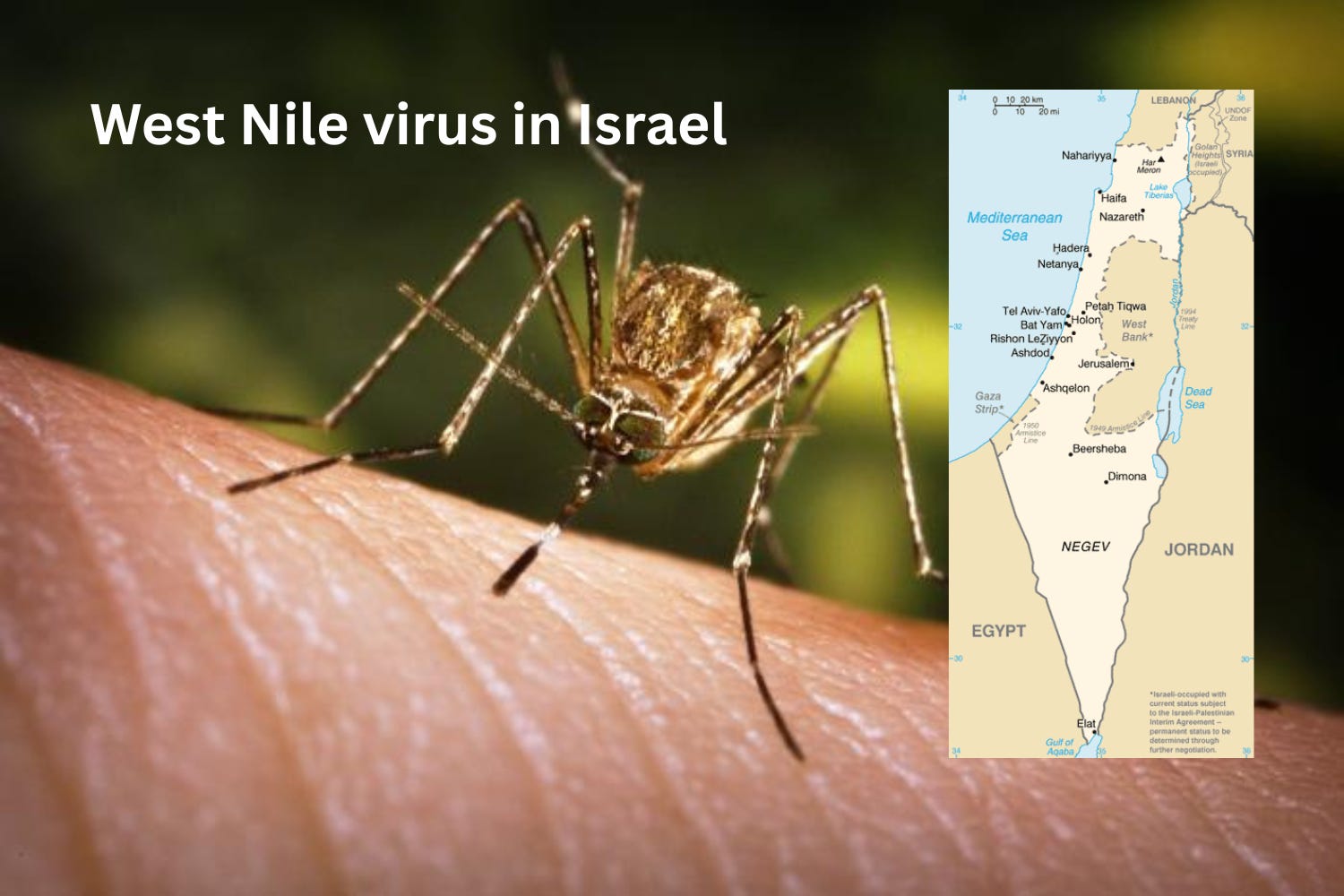
In a follow-up on a report last week, the Israel Ministry of Health reports on a person who died after contracting West Nile fever.
The deceased is a 70-year-old man who developed symptoms in mid-July, died after being hospitalized due to complications of the disease.
Since the beginning of the season, ten patients have been diagnosed with the disease so far.
Most of the patients suffered from symptoms typical of the disease, including fever, rash and changes in consciousness. As of today, three of the patients are still hospitalized in good condition. Epidemiological investigations are continuing with the aim of locating the possible place of exposure to mosquitoes.
In addition, the Ministry of Environmental Protection and the Ministry of Health update on the capture of mosquitoes infected with the West Nile fever virus in Tel Aviv-Jaffa, Taiba, Tira, Qalanswa and the Lev Hasharon Regional Council.
The Ministry of Environmental Protection has instructed local authorities to expand the prevention, monitoring, information and eradication system and calls on all authorities to increase their activity in the field of sanitary pests.
In the summer, due to stagnant water and hot and humid weather, the risk of mosquito development increases. The responsibility for removing hazards and nuisances originating from sanitary pests in public areas lies with local authorities. In addition, the public is asked to assist in the effort in accordance with the guidelines:
Dry and drain sources of standing water, such as buckets, flowerpots, old tires, gutters, ornamental ponds, barrels and any vessel that may collect water.
Use a mosquito repellent containing an active ingredient such as DEET or another mosquito repellent approved for use, in accordance with the manufacturer’s instructions.
Install screens on windows and doorways and wear long, light-colored clothing, especially during mosquito activity hours.
Turn on a fan when staying at home, on balconies, in gardens and in open areas.
Report mosquito infestations or sources of standing water in public spaces to the local authority’s 106 hotline.
At the same time, as part of the ongoing monitoring carried out by the ministries throughout the year, with an emphasis on the mosquito season, mosquitoes that were confirmed by the Ministry of Health laboratories as carriers of the West Nile fever virus were detected in Tel Aviv-Yafo, Taiba, Tira, Qalanswa and the Lev Hasharon Regional Council. Following the findings, the Ministry of Environmental Protection directed all local authorities, and the authorities where the mosquitoes were detected in particular, to expand prevention, monitoring, information and pest control activities, in order to reduce the risk of the spread of infected mosquitoes and protect public health.
As every year, from the beginning of June to the end of November, an increase in the prevalence of mosquitoes carrying the West Nile fever virus is expected. Therefore, the pest and pest control team at the Ministry of Environmental Protection conducts thousands of monitoring of mosquito larvae and hundreds of captures of adult mosquitoes throughout the year. The mosquitoes are being transferred to the Ministry of Health laboratories for identification and testing. Since the beginning of the year, mosquitoes carrying the virus have been reported to be captured in the south of the country, and this is the first report this year of infected mosquitoes being captured in the center of the country as well.
The ministries emphasize that residents’ reporting to the local authority is an important component in reducing mosquito pests and allows the authorities to focus monitoring and pest control activities quickly and effectively.
Prof. Sigal Sadetzki, head of the Public Health Division at the Ministry of Health: “West Nile fever is a disease transmitted to humans through the bite of mosquitoes that feed on infected birds. It is usually a mild disease without symptoms, but in exceptional cases serious symptoms such as encephalitis or meningitis may also appear. The risk of severe illness is higher among people aged 60 and over and people with underlying diseases, so it is especially important to adhere to preventive measures.”
Dr. Shai Reicher, Director of the Pest and Extermination Division at the Ministry of Environmental Protection: “In recent days, mosquitoes carrying the West Nile virus have been captured in several locations in central Israel. A mosquito carrying the virus may transmit it to a person through a bite, thereby causing illness. The ministry has issued detailed instructions to local authorities to take immediate action aimed at reducing the risk to human health. In parallel with monitoring and extermination activities, the public also has an important role in reducing mosquito hazards. Drying up standing water and reporting to the local authority will allow for a significant reduction in the mosquito population and help protect public health and the environment.”
Outbreak News Today is a reader-supported publication. To receive new posts and support my work, consider becoming a free or paid subscriber.
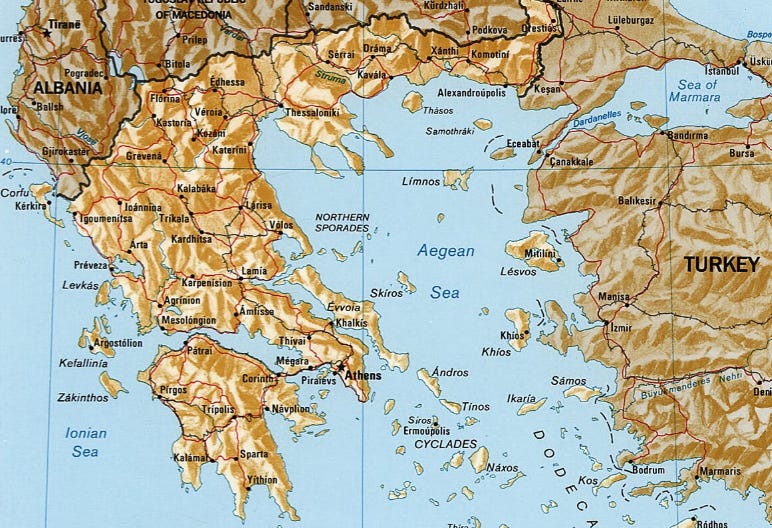
Since the beginning of the year and through August 5, 2026, a total of sixty-five (65) domestic cases of West Nile virus (WNV) infection have been diagnosed in Greece, of which fifty-four (54) cases presented Central Nervous System (CNS, encephalitis and/or meningitis and/or acute flaccid paralysis) and eleven (11) cases had mild manifestations/no CNS manifestations, according to an epidemiological report from the National Public Health Organisation (EODY).
Image/CIA
The total number of deaths due to WNV, six (6) deaths have been recorded in patients with viral infection and CNS manifestations, aged over 65 years (median age of the deceased: 79 years, range: 66 - 91 years).
EODY said the infections had been detected in 25 municipalities across 10 regional units in Attica, Thessaly and Central Macedonia.
West Nile virus is carried by wild birds and can be transmitted to people through the bite of an infected mosquito. It does not spread from person to person.
Most people infected with West Nile virus will not experience any symptoms, but about one in five people will develop a fever and other symptoms such as headache, body aches and joint pain. About one in 150 people will develop a serious neurologic illness and symptoms may include high fever, headache, neck stiffness, disorientation, seizures, and paralysis.
The peak mosquito season for WNV is between May and November.
Outbreak News Today is a reader-supported publication. To receive new posts and support my work, consider becoming a free or paid subscriber.

 Login